Your search Cioroiu Nou gave 234 results.
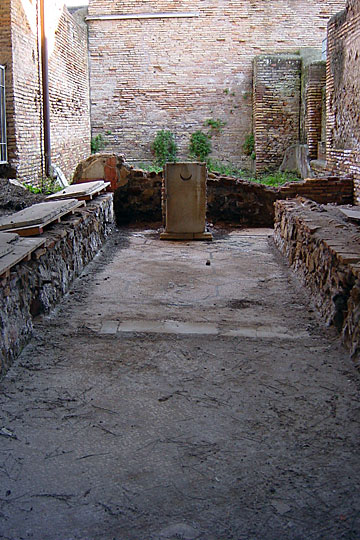
The Mithraeum of Lucretius Menander was installed in the early 3rd century in an alley to the east of a Hadrianic building named after the solar god temple.
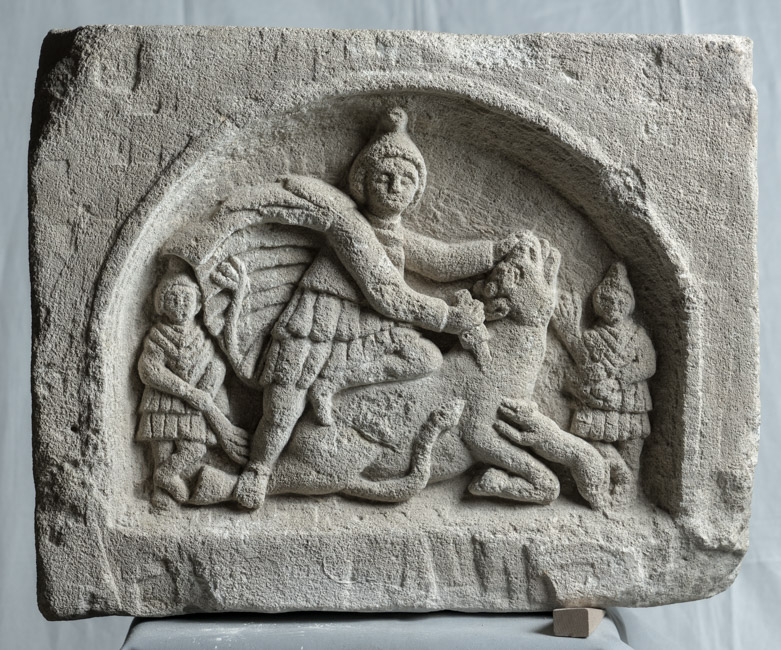
This relief found at Carnuntum represents Mithras slaughtering the bull, without the scorpion, in the sacred cave.
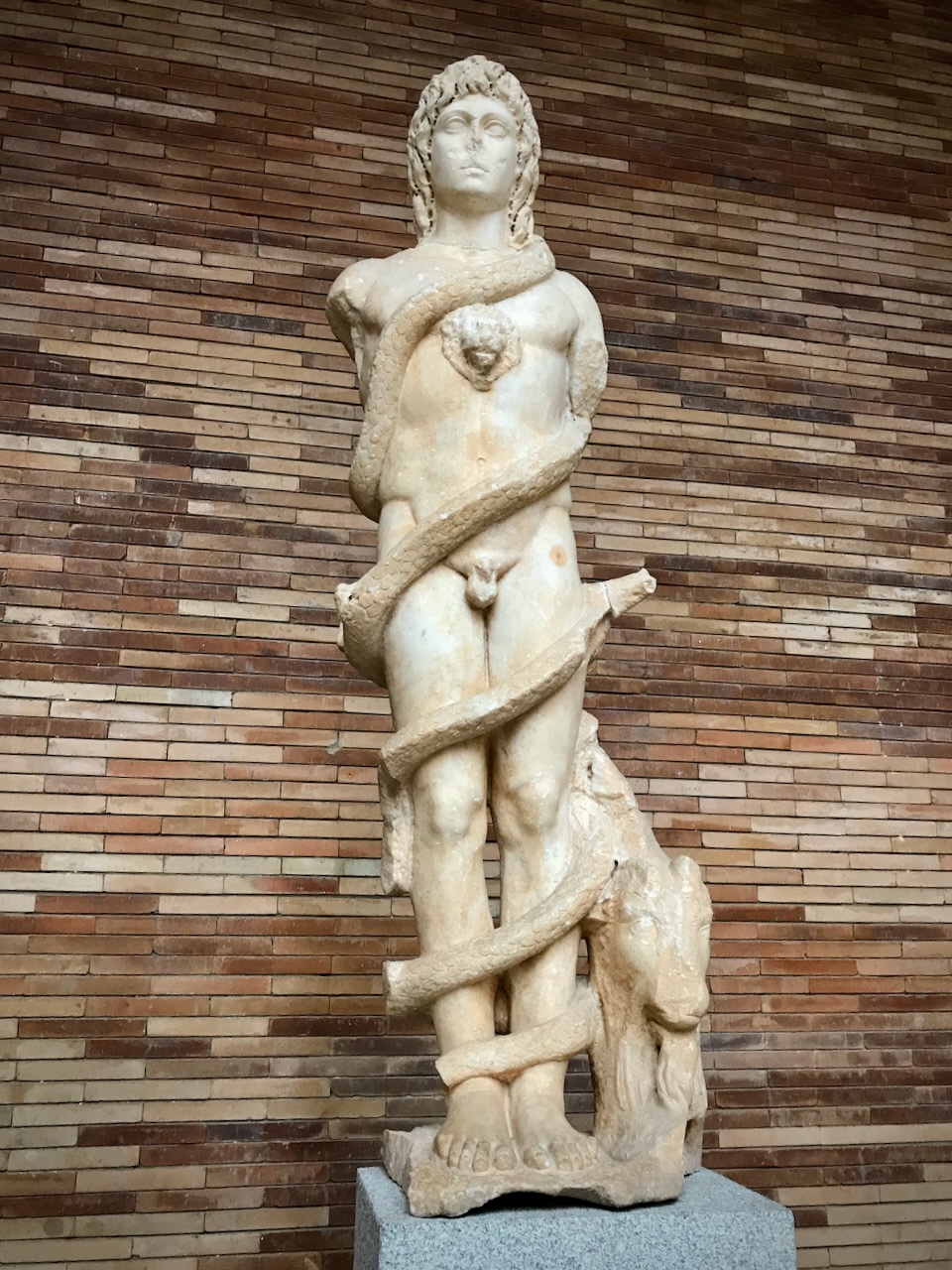
The Aion-Chronos of Mérida was found near the bullring of the current city, once capital of the Roman province Hispania Ulterior.
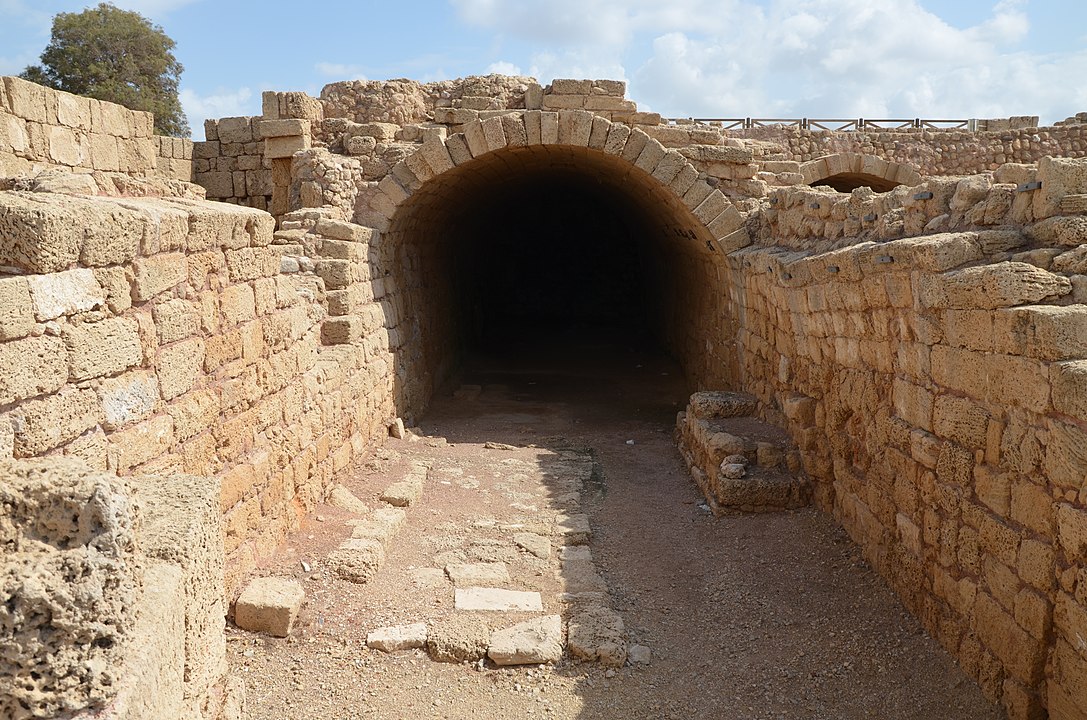
This shrine developed towards the end of 2nd century and remained active until beginning 4th.
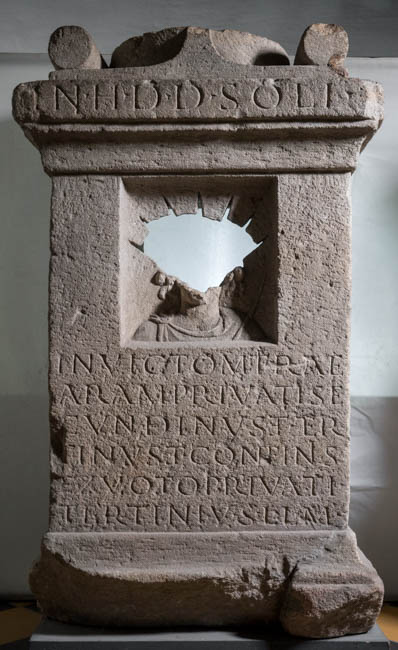
The altar of the Sun god belongs to the typology of the openwork altar to be illuminated from behind.
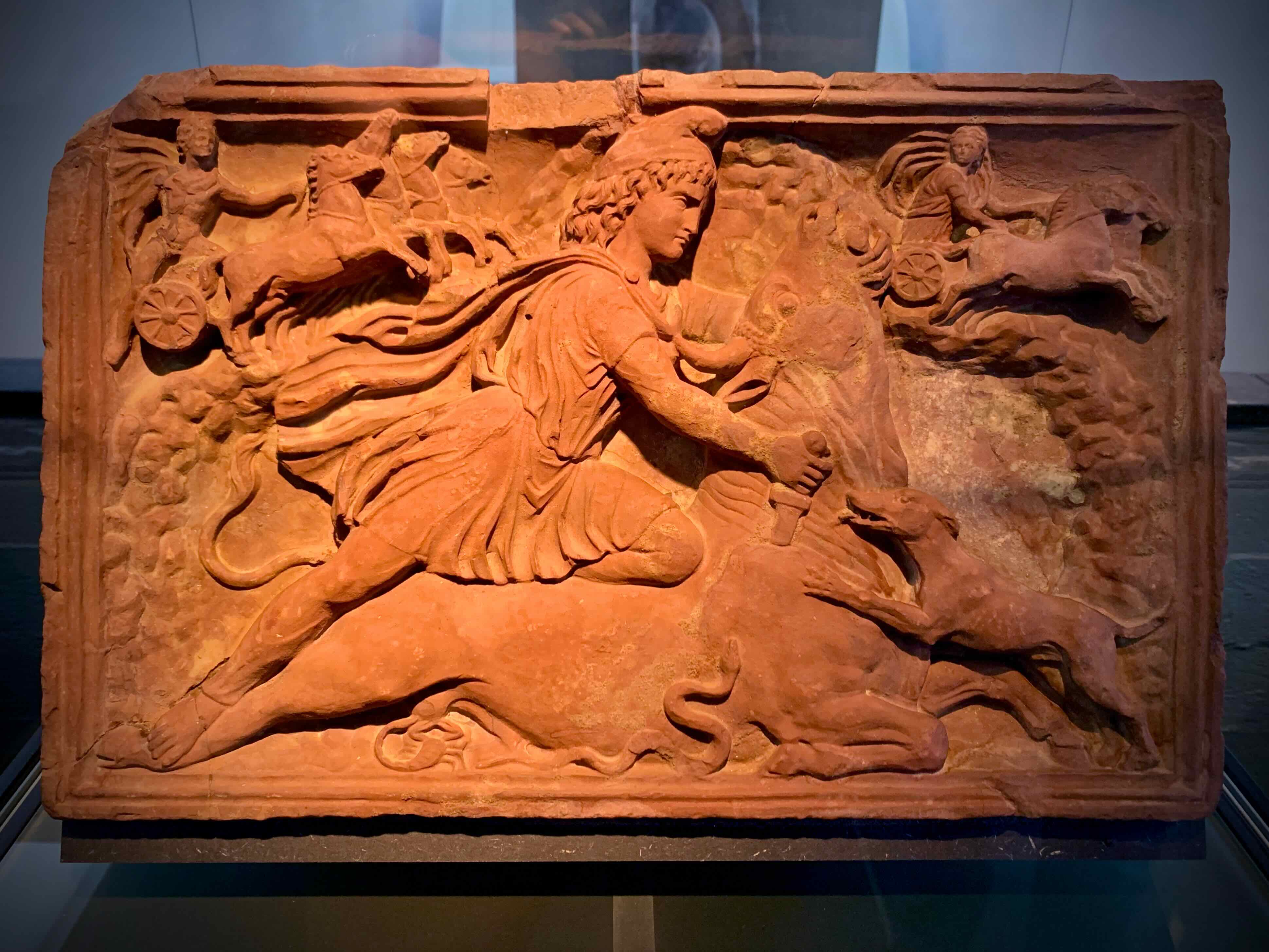
Maarten Vermaseren acquired this rosso antico marble of Mithras slaying the bull in 1961.
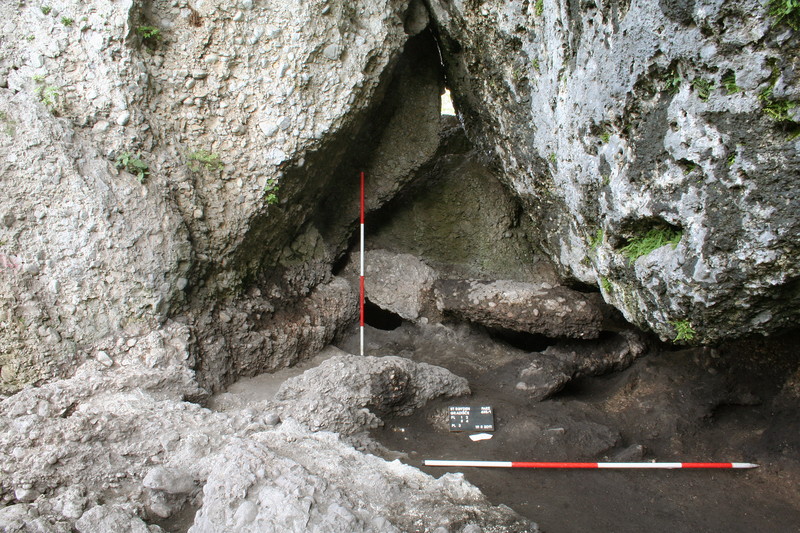
The 'Mithraic cave' in the Gradische/Gradišče massif near St. Egidio contained vessels decorated with snakes and the remains of chicken bones and other animals that were consumed during Mithraic ceremonies.
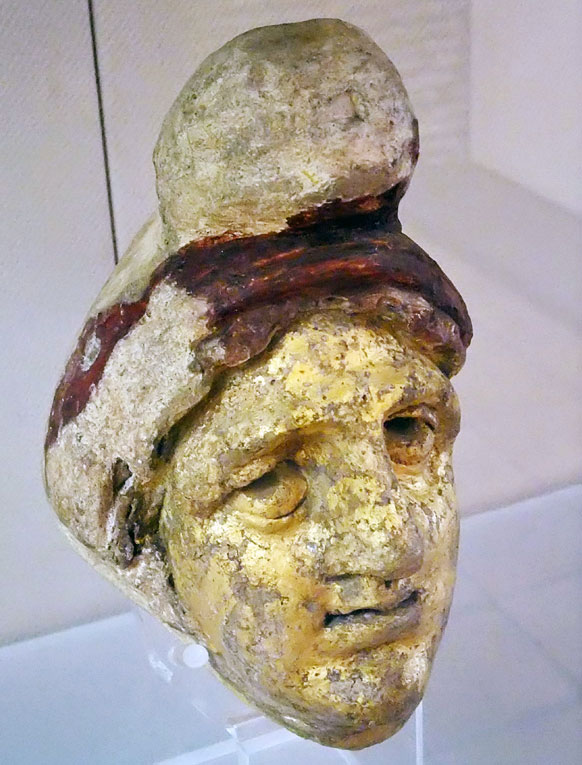
The head was part of a stucco relief of the Tauroctony found under the church of Santo Stefano Rotondo in Rome
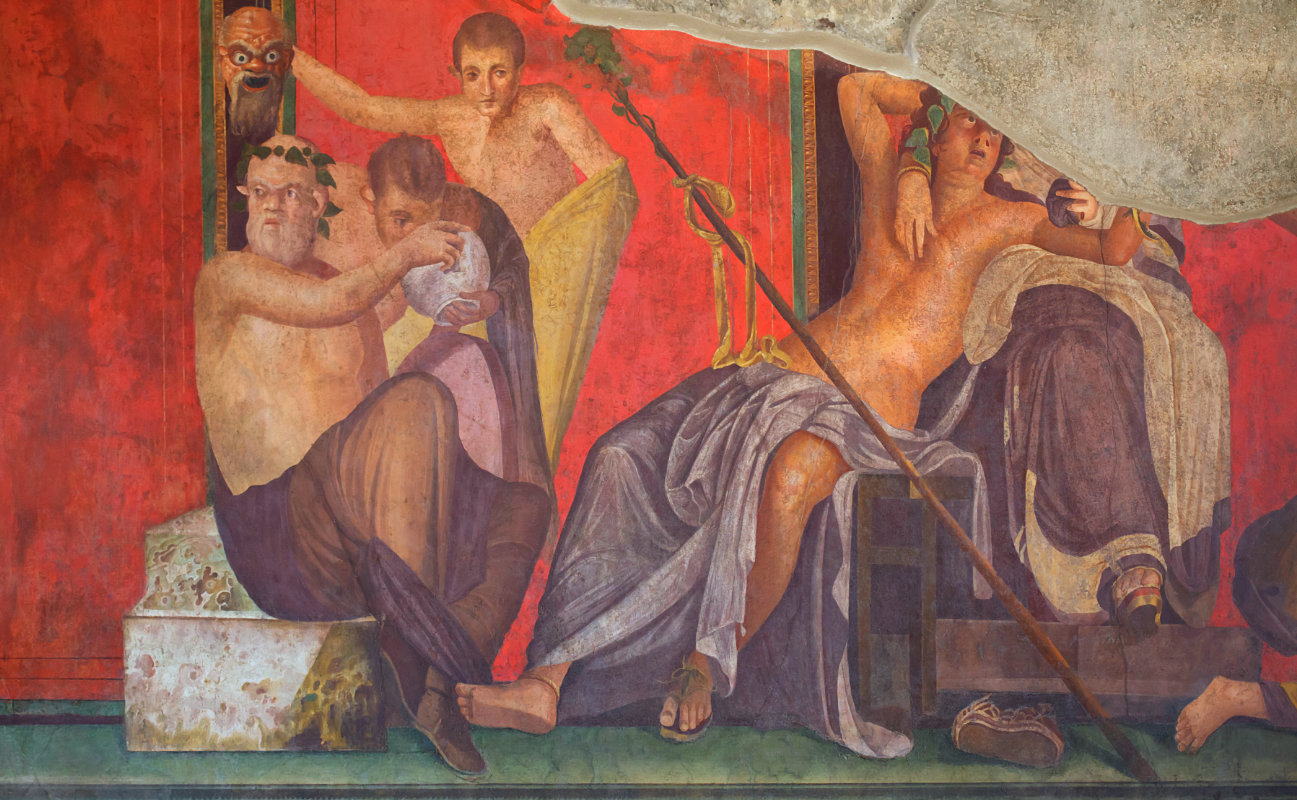
Peter Mark Adams: ‘The initiation was a frightening experience that caused some people to panic as a flood of otherworldly entities swept through the ritual space.’.
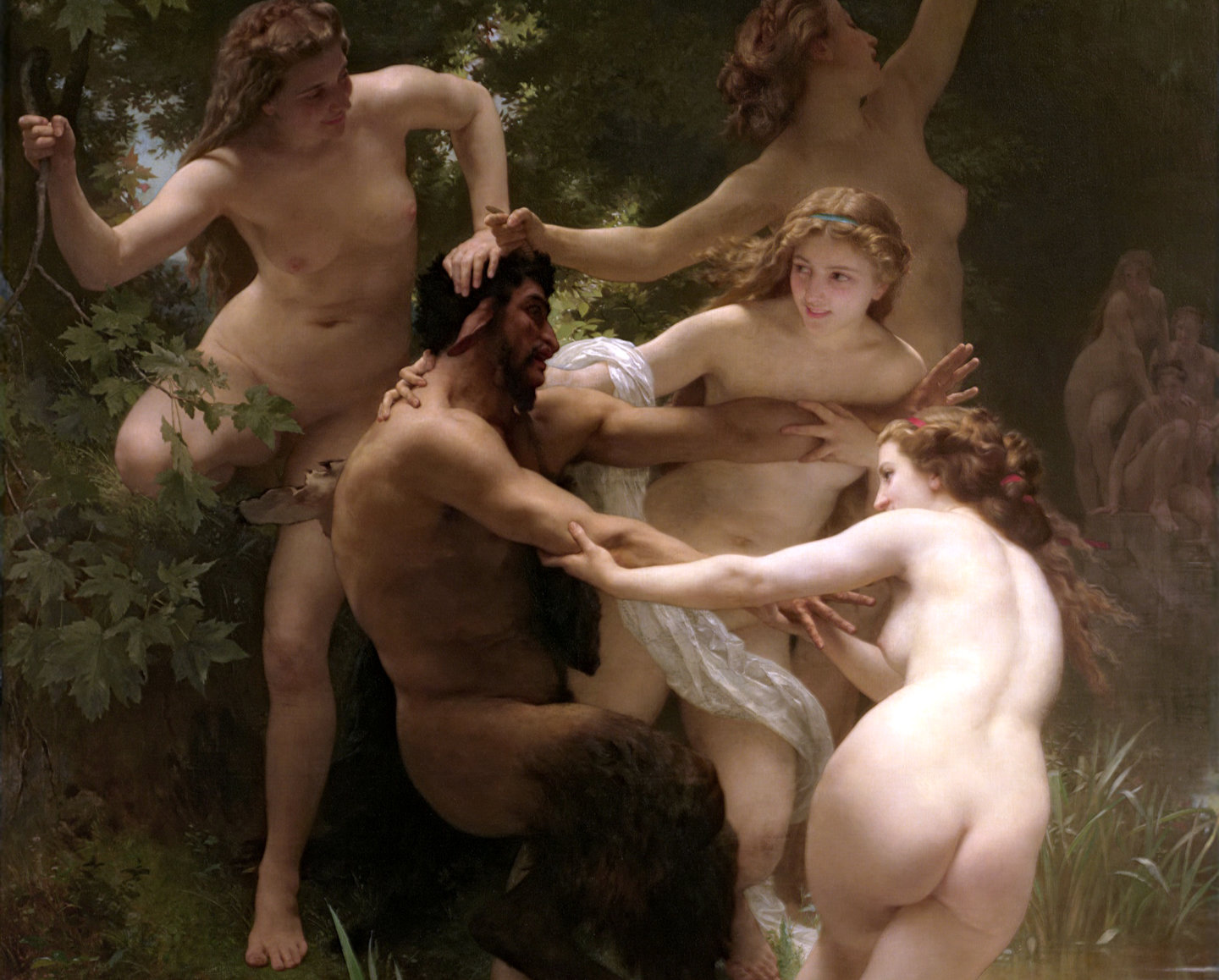
Between the 1st and 4th centuries, Mithraism developed throughout the Roman world. Much material exists, but textual evidence is scarce. The only ancient work that fills this gap is Porphyry’s intense and complex essay.
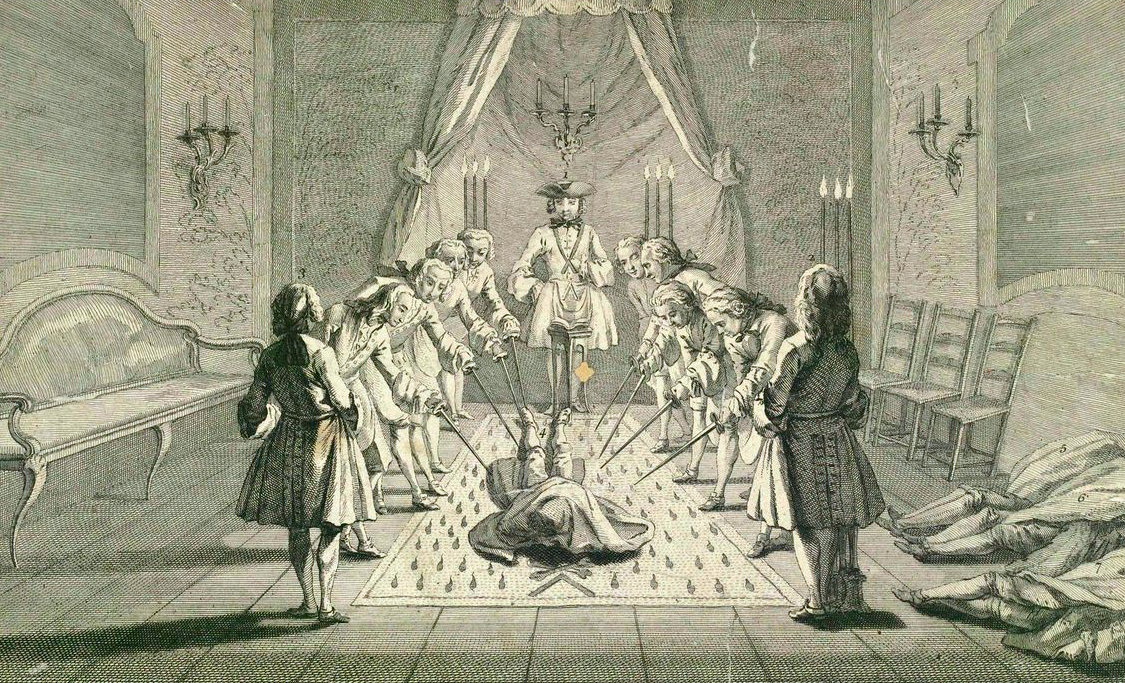
Twelve centuries separate the decline of Roman Mithraism from the dawn of Freemasonry. Twelve centuries during which the mysteries of Mithras have remained more secret than ever.
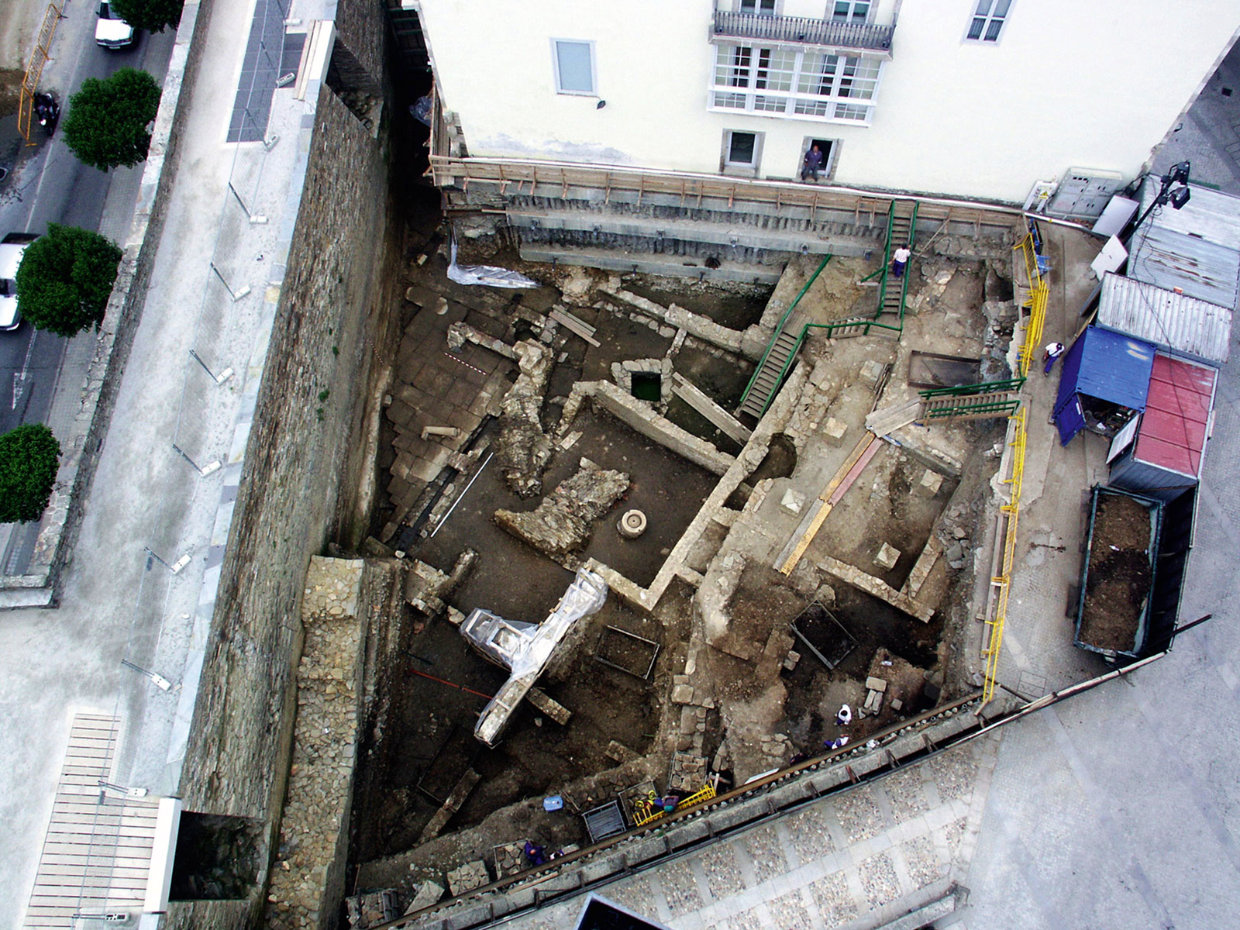
The museum that houses the temple of Mithras has become the most visited Roman space in the city since it opened.
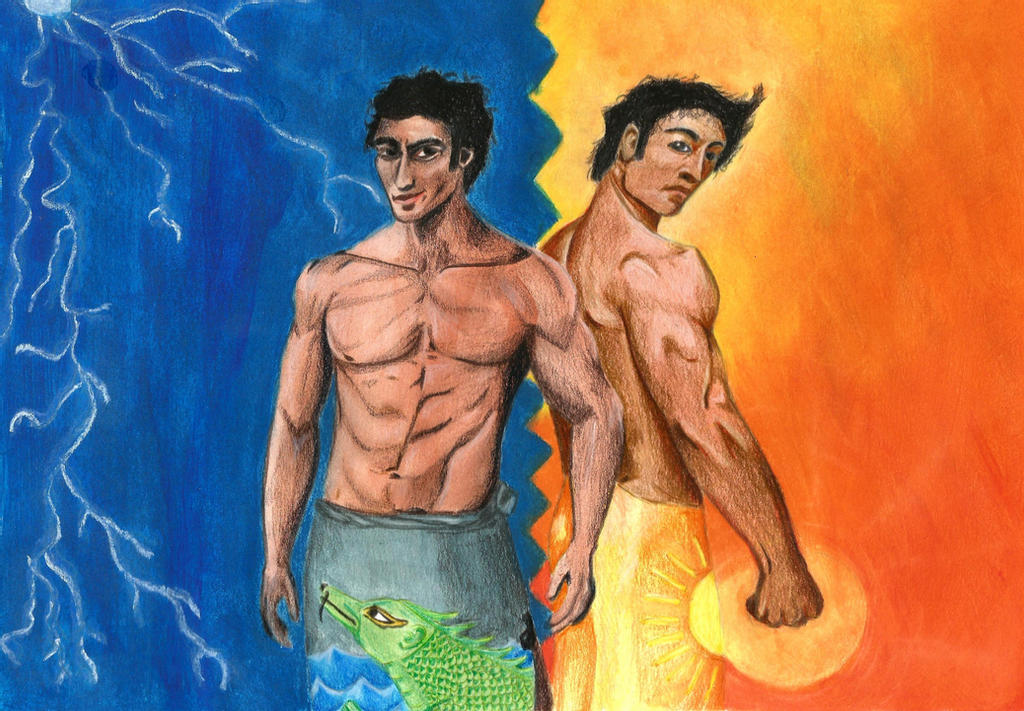
The Sanskrit and Hindi word for friend is “Mitra”. It is also the Nepali word for it. The Sinhala word is ‘mitura’. The word’s etymology has surprising, stark and vivid homosexual connotations.
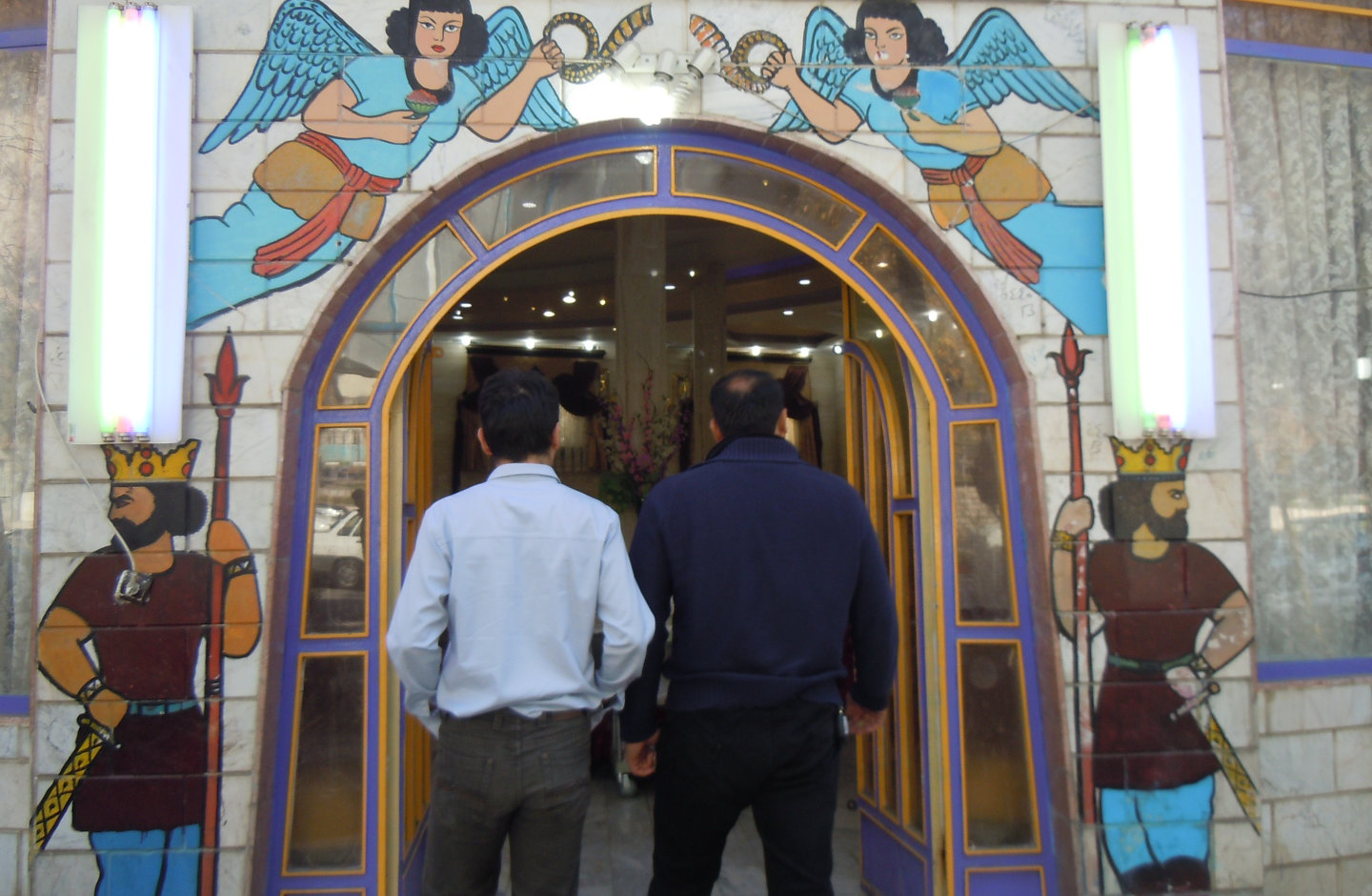
How a rock relief in western Iran, carved during the time of the Sasanian Persian Empire (AD 224-651), has been re-imagined over the centuries.
