Your search Edgar Wind gave 78 results.
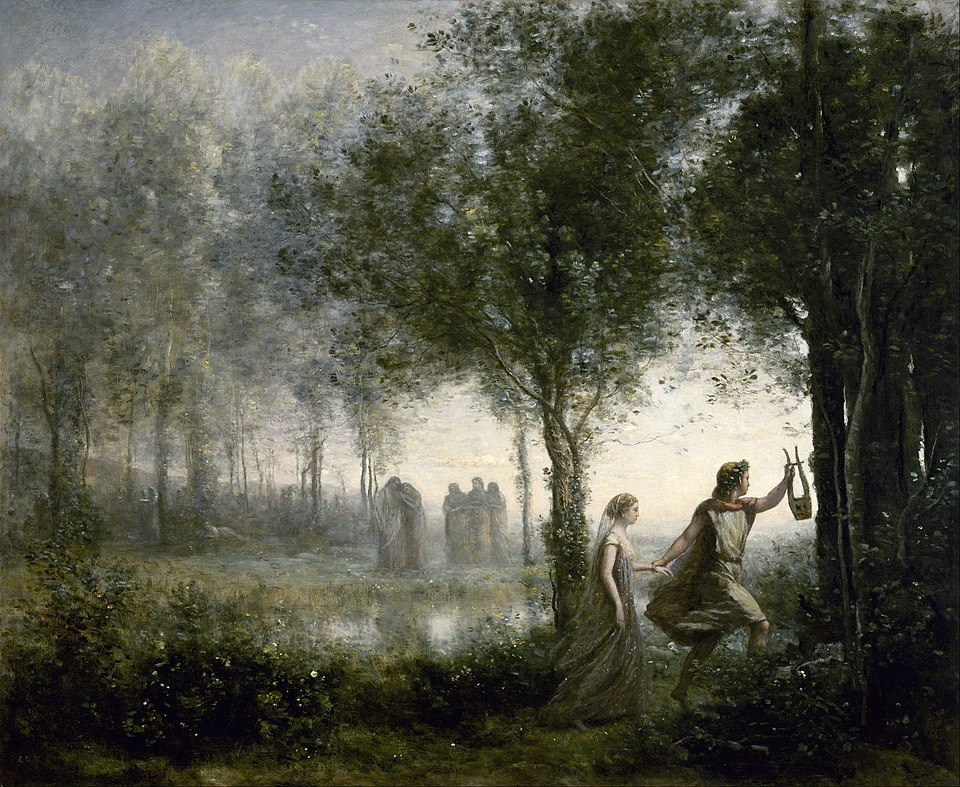
By reading Orphic theology together with Eleusinian ritual practice, the mysteries emerge as a structured mystagogy of transformation: a disciplined passage from forgetfulness (Lethe) to knowledge (aletheia), from mortality to participation in the divine.
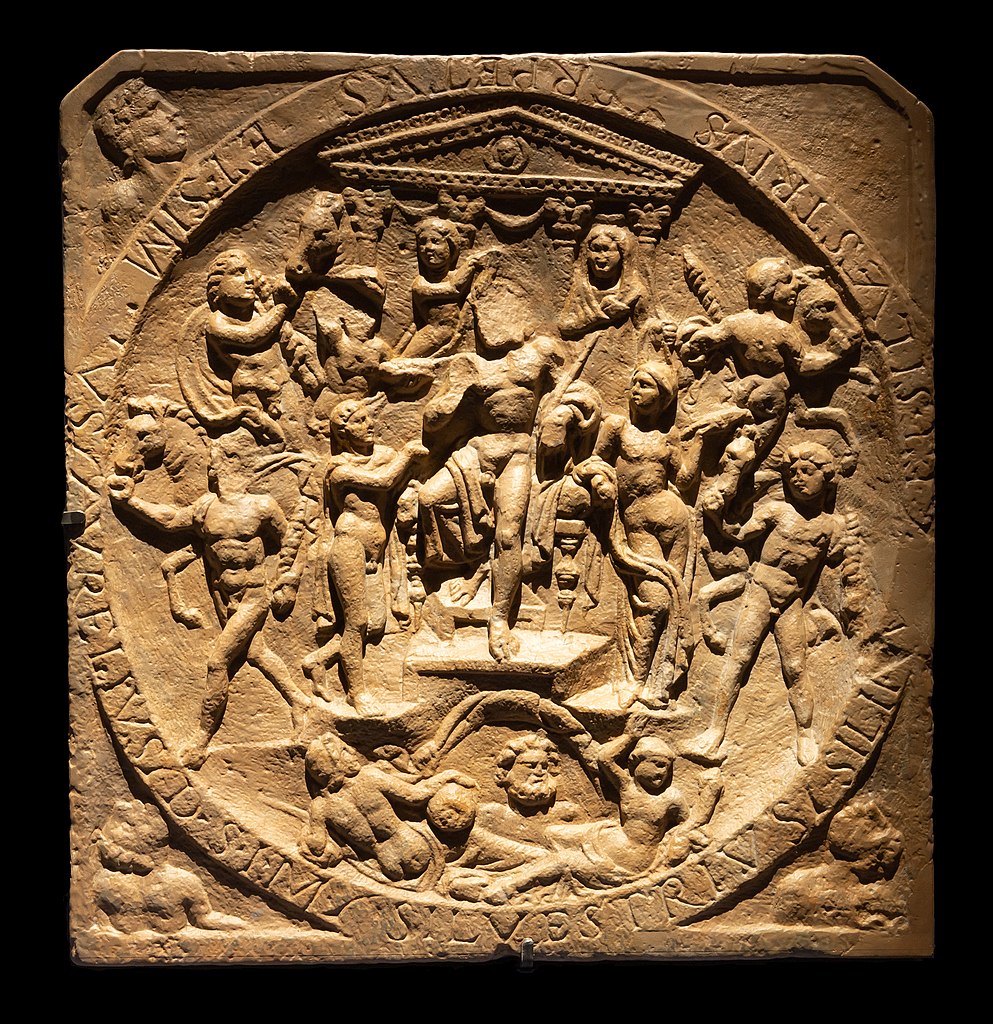
The relief of Dieburg shows Mithras riding a horse as main figure, surrounded by several scenes of the myth.
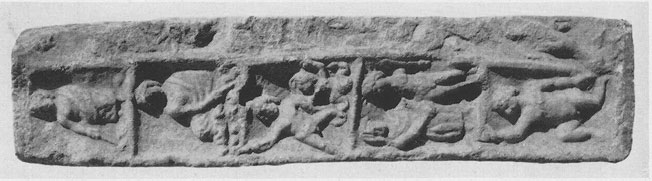
Fragment of a double-sided white marble Mithraic relief from San Zeno, found near the Castello di Tuenno, depicting elements of the tauroctony cycle and bearing a dedication to Deo Invicto Mithrae.
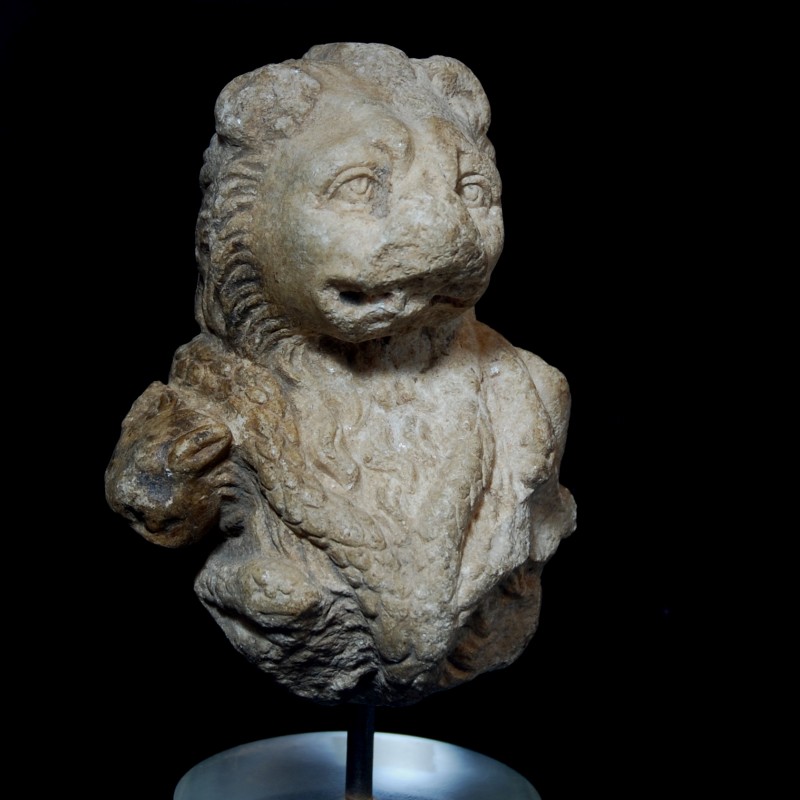
This bust of a lion-headed figure has been was part of a French private collection.
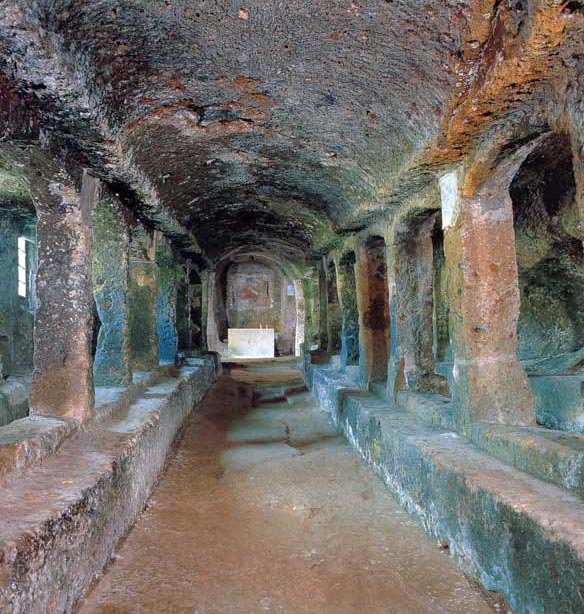
The Mithraeum of Sutri was built inside a rocky hill that also hosted the Roman theatre of the city.
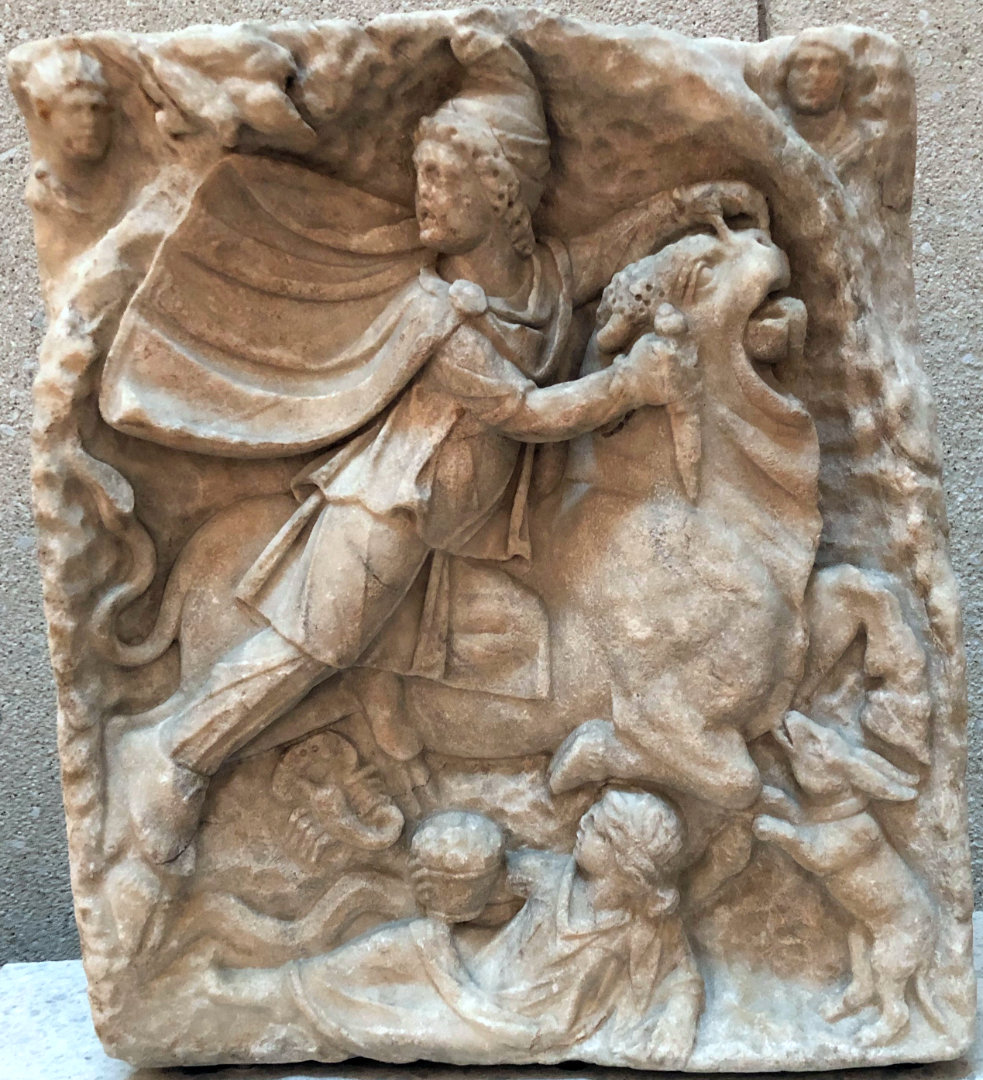
This tauroctony relief is distinguished by the rare depiction of Tellus reclining beneath the bull.
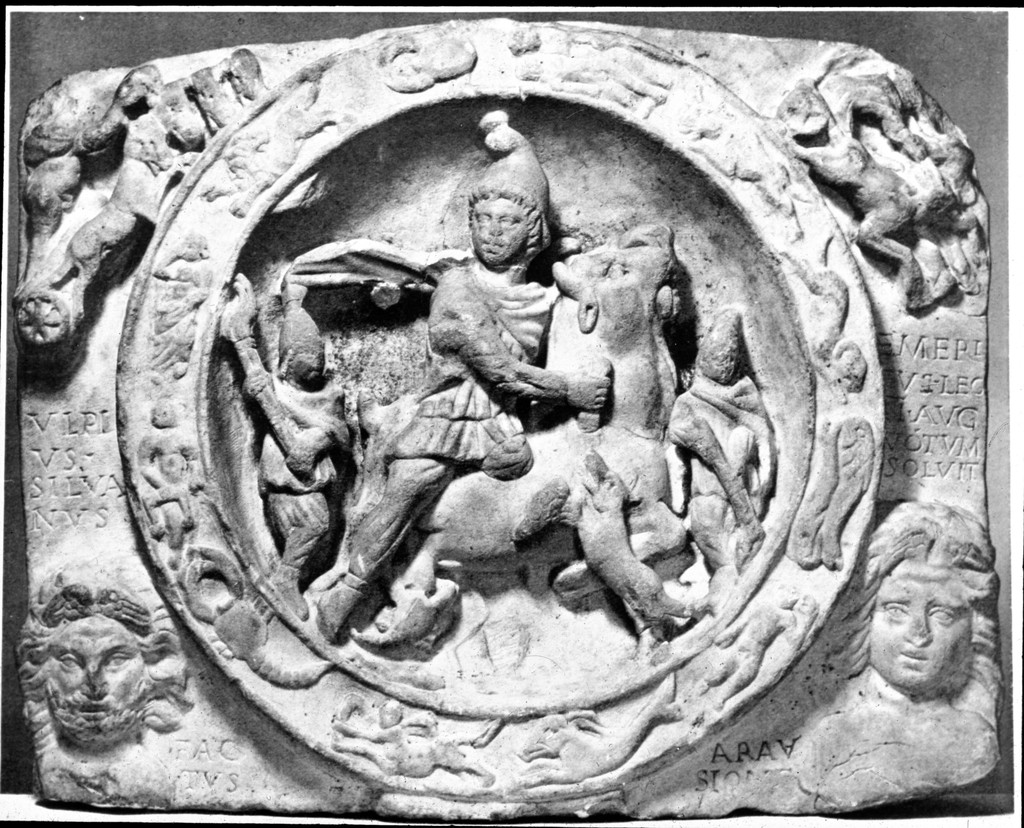
The image of Mithras killing the bull, found near Walbrook, is surrounded by a Zoadiac circle.
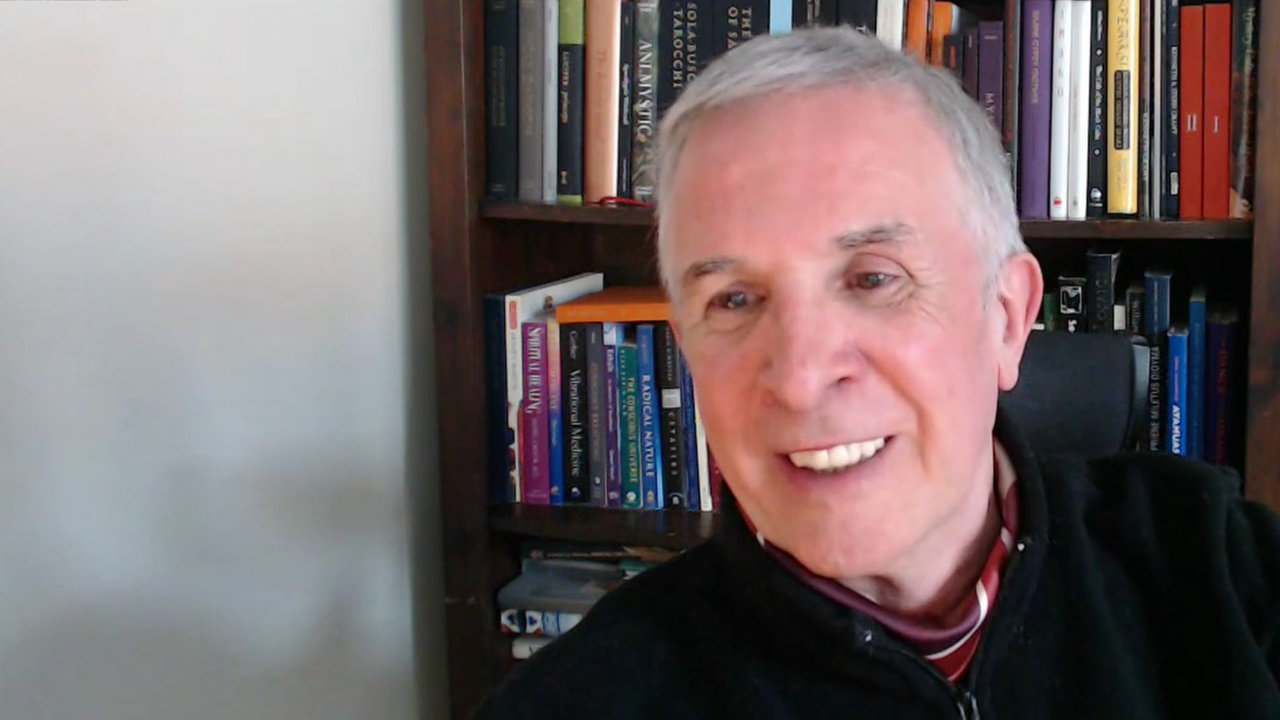
Restoring the Mysteries: A Conversation with Peter Mark Adams on his new book ‘Ritual & Epiphany in the Mysteries of Mithras’.
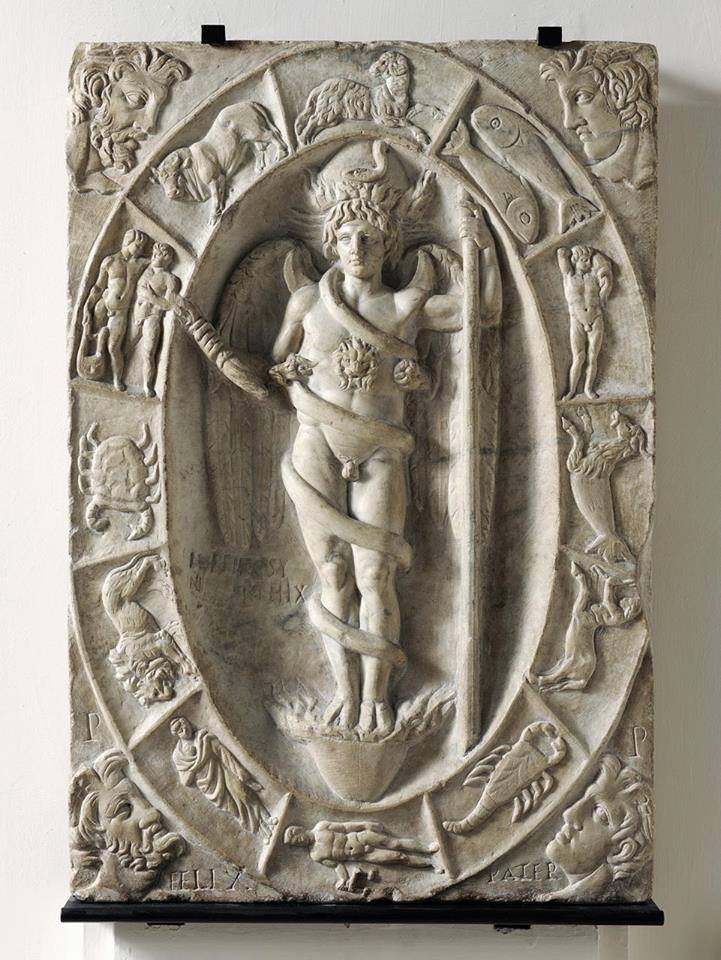
The Aion / Phanes relief, currently on display in the Gallerie Estensi, Moneda, is associated with two Eastern mysteric religions: Mithraism and Orphism.
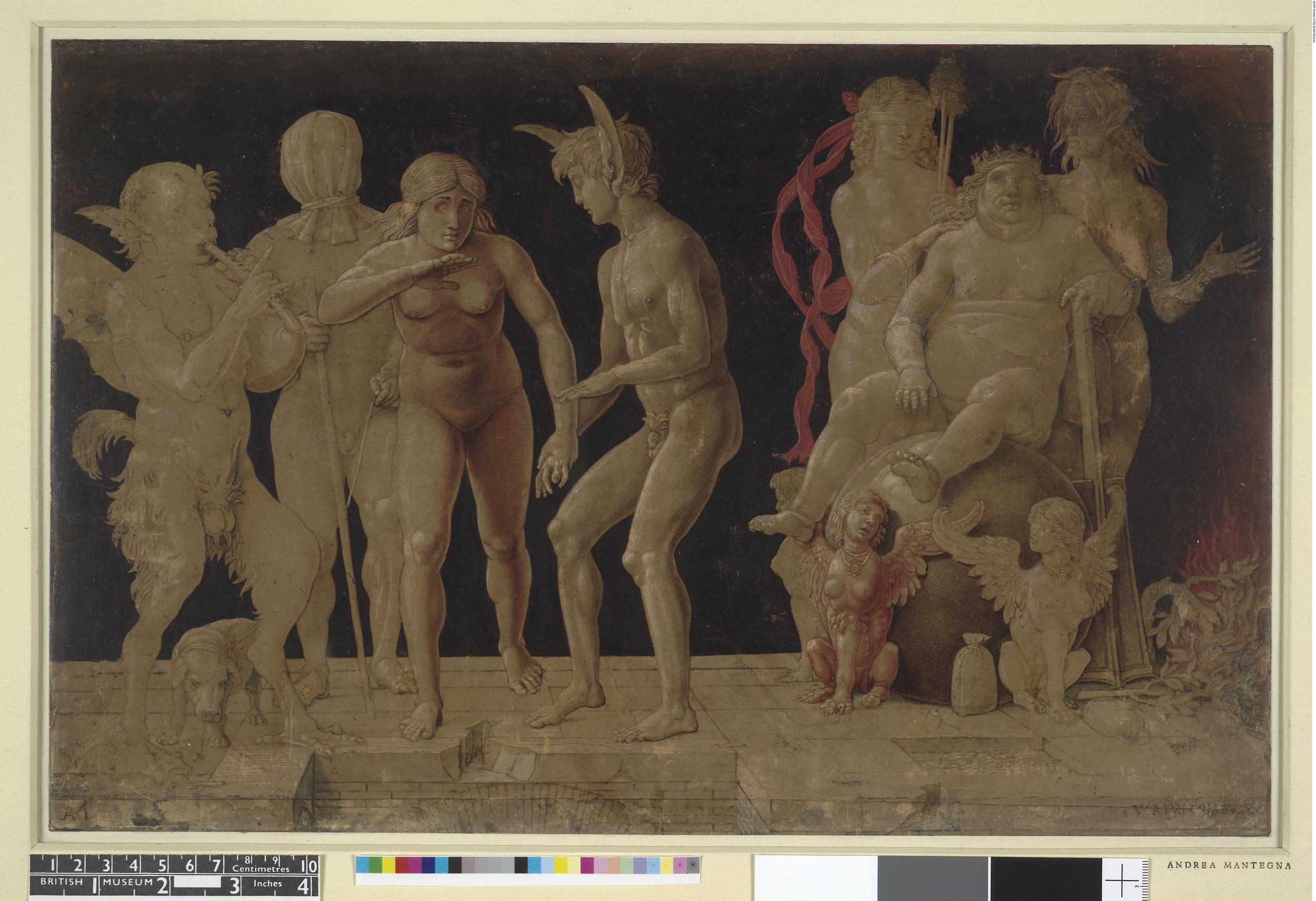
The Cilician pirates incorporated significant divine feminine elements, notably Anahita, into their Mithraic practices, profoundly influencing the initiation rites within the Roman Empire.
The Mysteries of Mithras is an independent Initiatic Order which is inspired by and uses the allegory of the lost and ancient Mithraic Mysteries also known as Mithraism a previously influential Roman Cult of the same name.

This unusual bronze bust of Sabazios features multiple symbolic elements, with Mithras depicted in his characteristic pose of slaying the bull, positioned just below Sabazios’ chest.
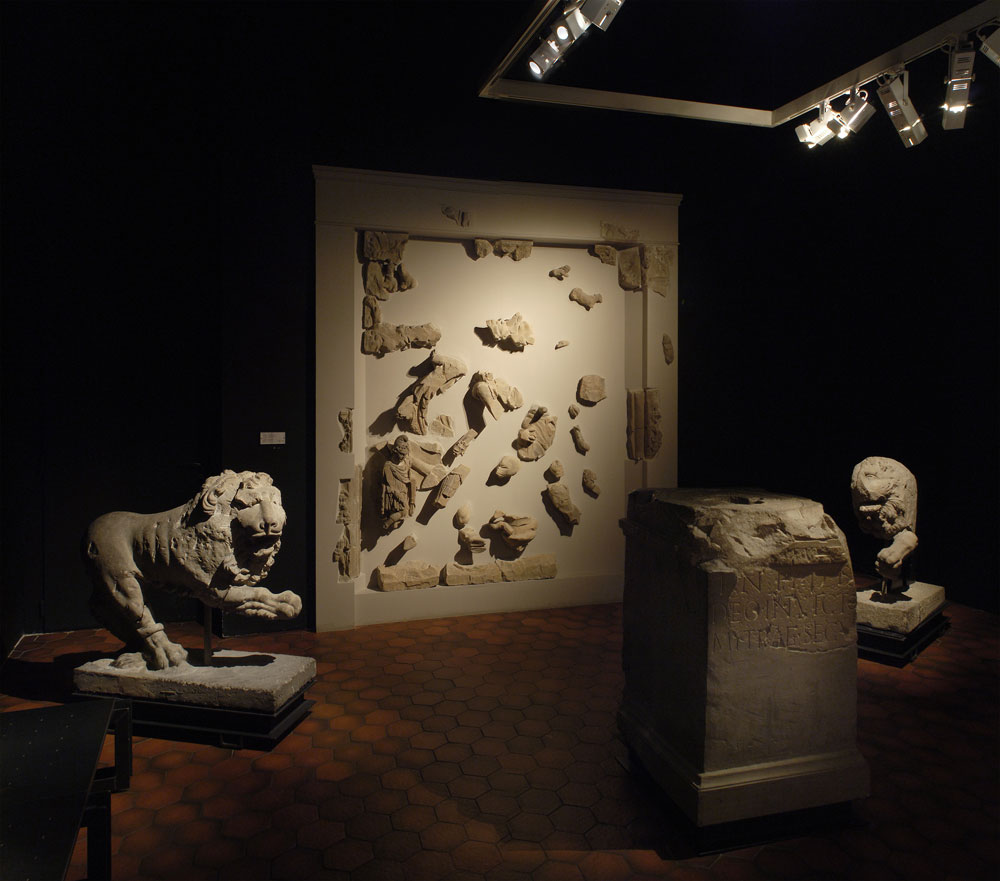
These fragments of a monumental relief of Mithras killing the bull from Koenigshoffen were reassembled and are now on display at the Musée Archéologique de Strasbourg.
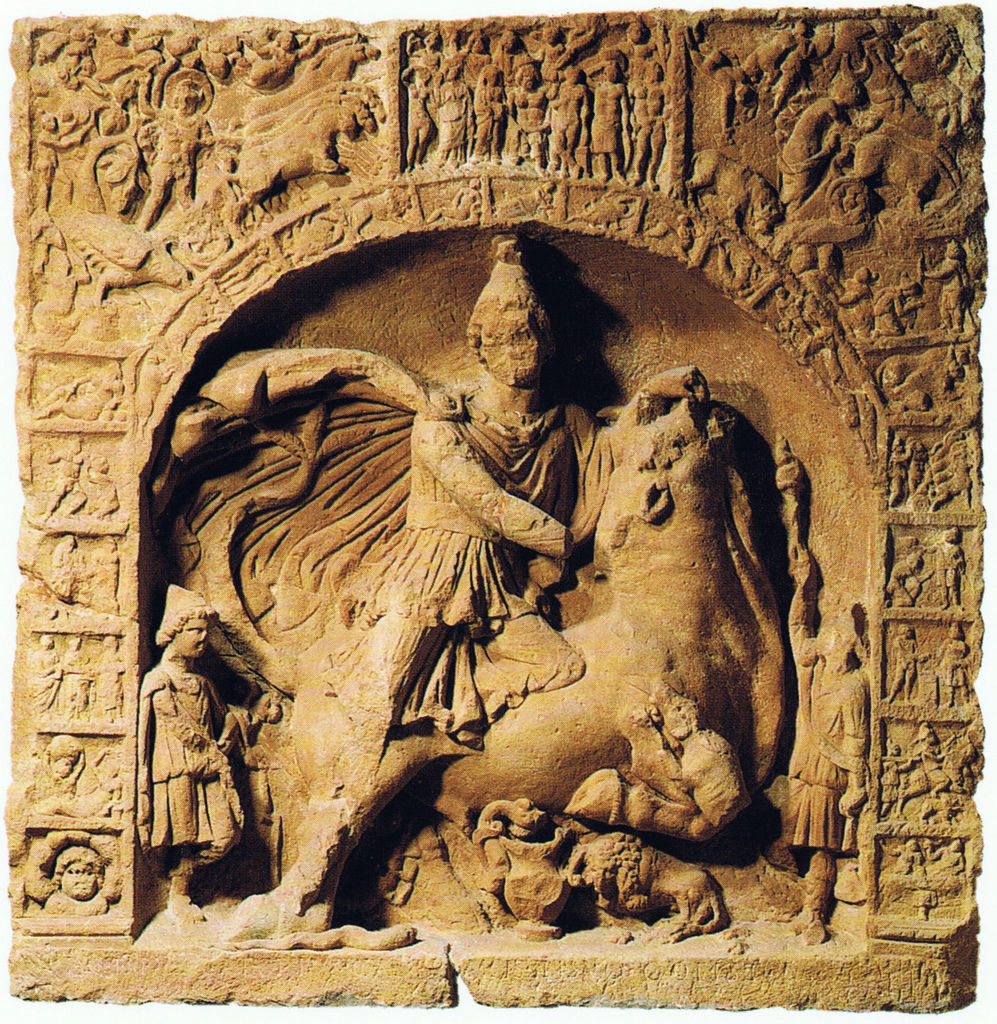
Franz Cumont considers the bas relief of Osterburken ’the most remarkable of all the monuments of the cult of Mithras found up to now’.

Tracing the links between the cult of Mithras and the Proud Boys’ quest for identity, power, and belonging. How ancient rituals and brotherhood ideals resurface in radical modern movements.

The relief of Palazzo Colonna, Rome, depicts a lion-headed figure holding a burning torch in his outstretched hands.
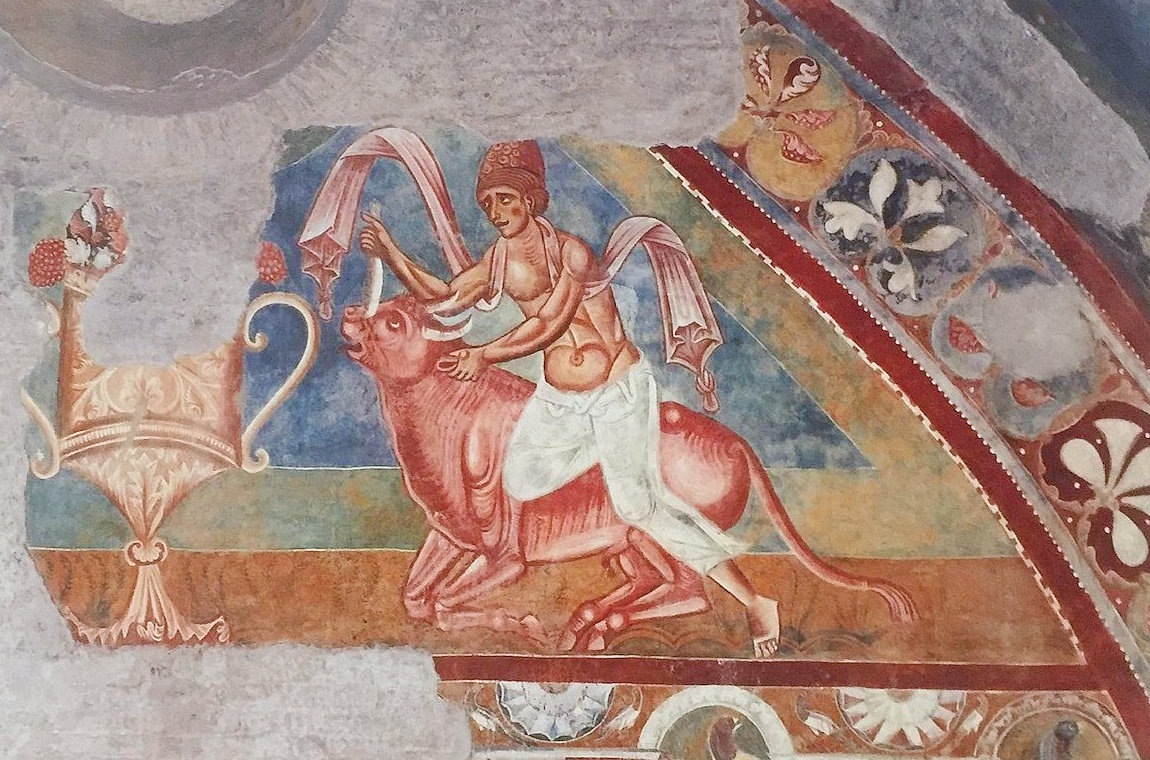
What appears to be a representation of Mithras killing the bull appears in the 12th century frescoes of the Basilica dei Santi Quattro Coronati in Rome.

Ernest Renan suggested that without the rise of Christianity, we might all have embraced the cult of Mithras. Nevertheless, it has had a lasting influence on secret societies, religious movements and popular culture.

Translation and Introductory Essay by Robert Lamberton. Station Hill Press Barrytown, New York 1983.

Preamble and notes published by G. R. S. Mead in his series Echoes from the Gnosis 1907, London and Benares. Translation of the manuscript by Dieterich Eine Mithrasliturgie 1903, Leipzig.
