Your search Farid ud-Din Attar gave 1805 results.
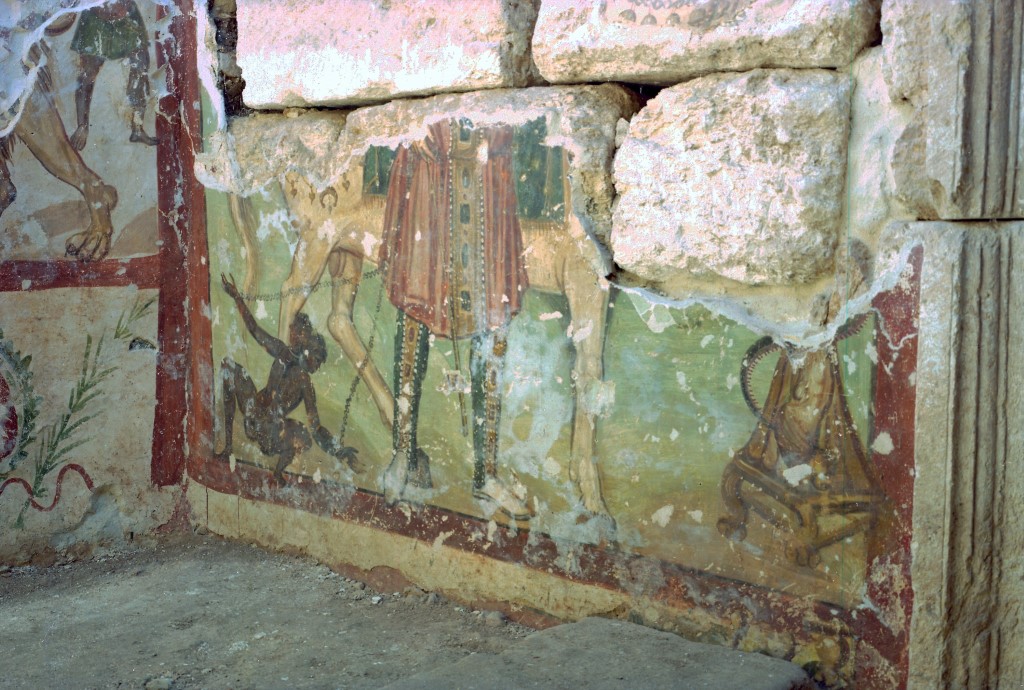
This painting depicts an Iranian knight holding in a chain a black naked figure with two heads.
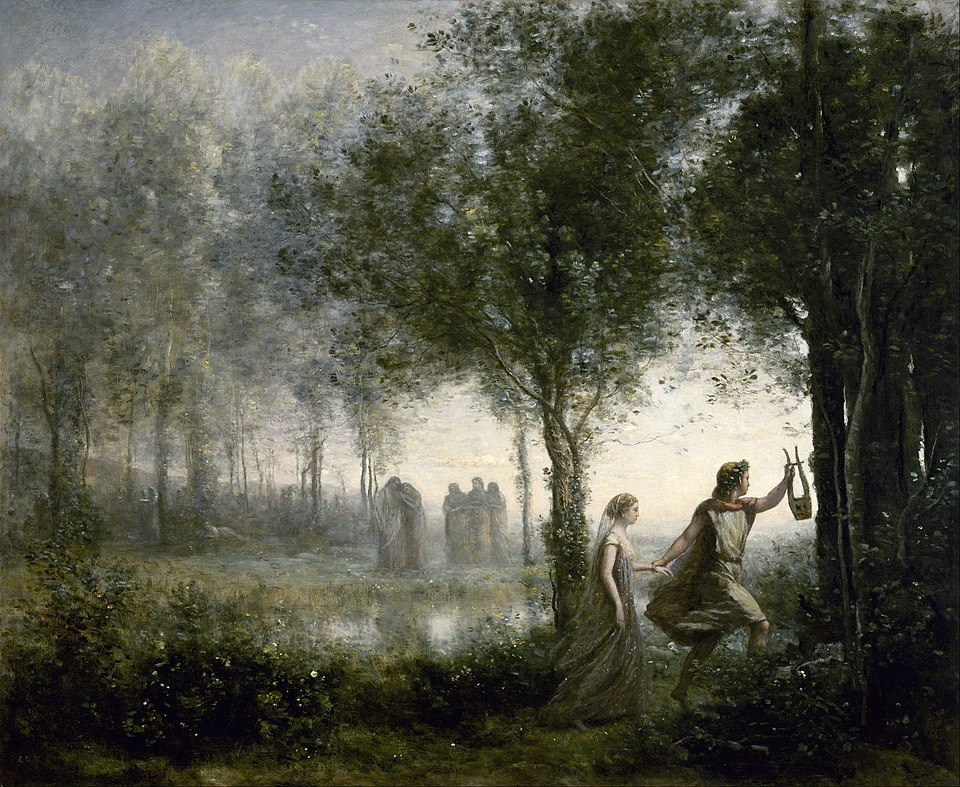
By reading Orphic theology together with Eleusinian ritual practice, the mysteries emerge as a structured mystagogy of transformation: a disciplined passage from forgetfulness (Lethe) to knowledge (aletheia), from mortality to participation in the divine.

Memoir by Félix Lajard analysing a Mithraic bas-relief discovered in Vienne in 1830. Based on direct examination of the fragments and their context, the study corrects an earlier misidentification and documents a rare lion-headed figure within a probable mithraeum…
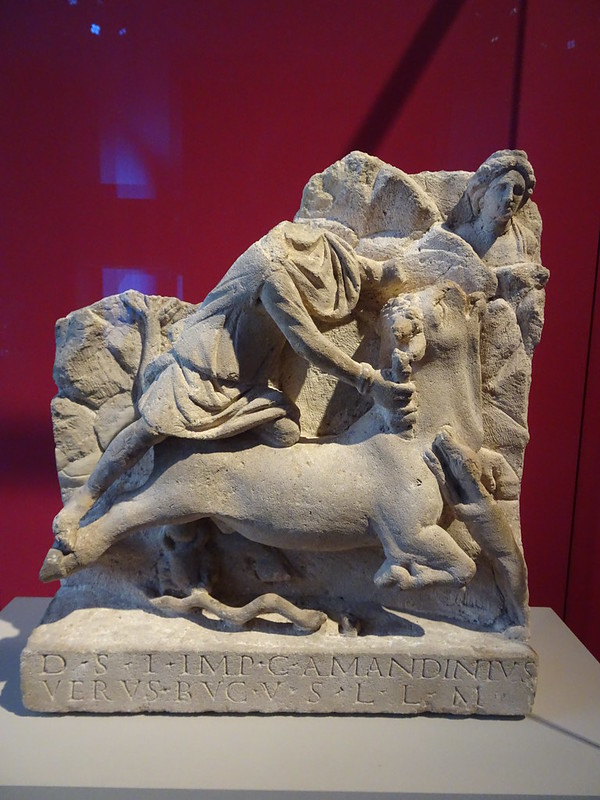
The sculpture of Mithras slaying the bull found in Dormagen is exposed at Bonn Landesmuseum.
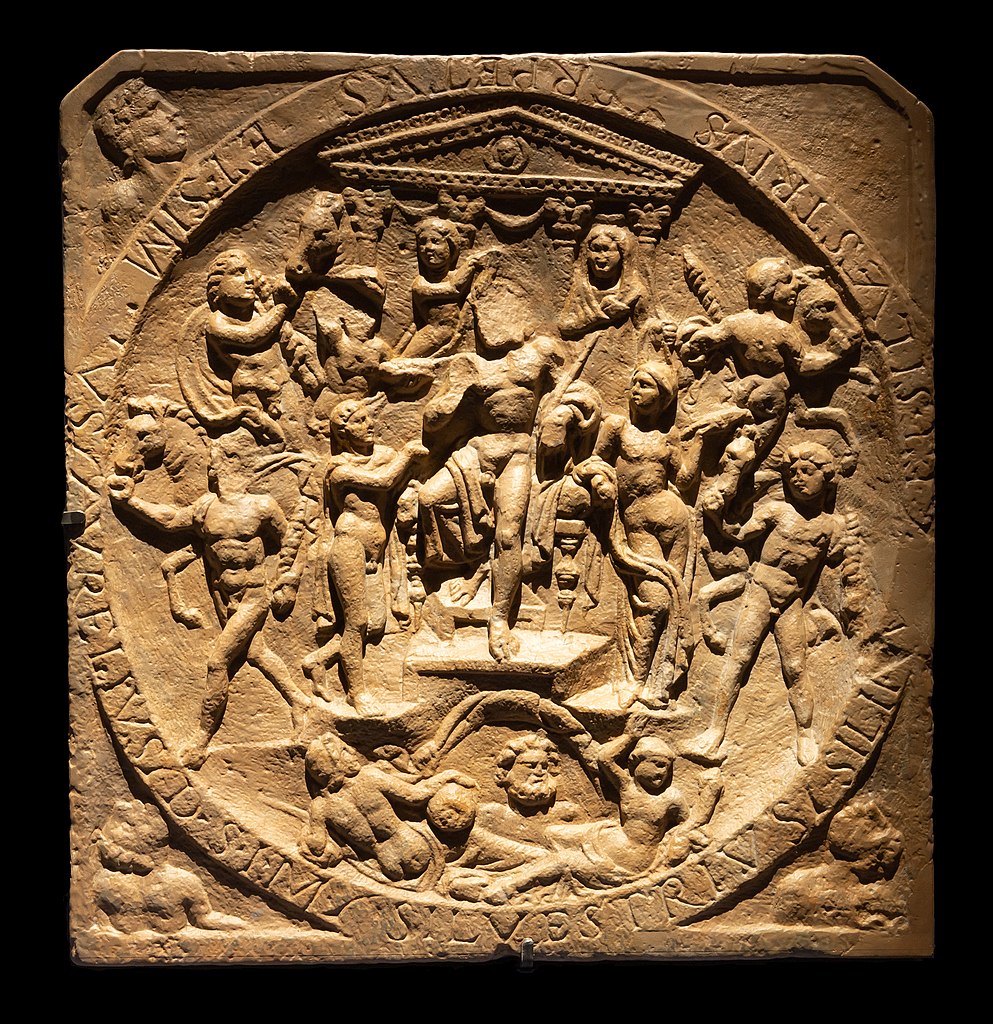
The relief of Dieburg shows Mithras riding a horse as main figure, surrounded by several scenes of the myth.

Small limestone stele, discovered at Apt in 1903. It depicts a standing torchbearer in the conventional Mithraic posture and dress, accompanied by a cock placed at his feet.
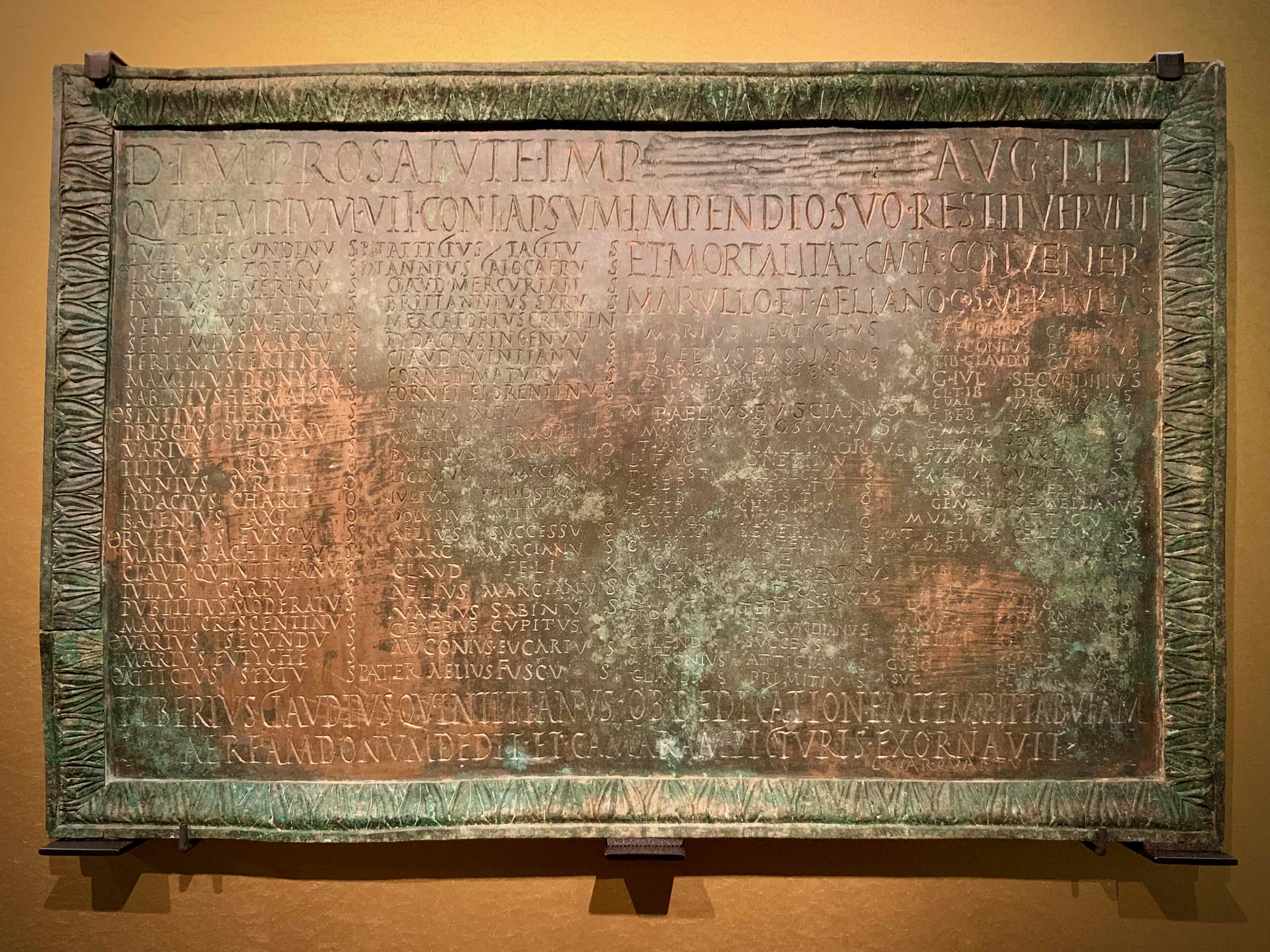
The bronze bears the dedication of a restoration of a Mithraeum carried out in 183.

Radcliffe G. Edmonds III analyses the absence of the moon in the Mithras Liturgy. He argues that this absence reflects a deliberate cosmological framework in which lunar powers linked to genesis are excluded from the ritual of ascent.

Why did the Romans worship a Persian god? This book presents a new reading of the Mithraic iconography taking into account that the cult had a prophecy.

Tercera entrega de la trilogía de Jaime Alvar dedicada al estudio de los cultos a dioses procedentes de Oriente en la Península Ibérica.

The starting point of this study of the initiation into the cult of Mithras are the 462 sites where traces of the cult have been found to date. They form the framework of the study.

This monograph presents the findings from Robert J. Bull's 1973 excavation of the Mithraeum in Caesarea Maritima, Israel, including stratigraphic analyses, studies of frescoes and and insights into the site's historical significance.
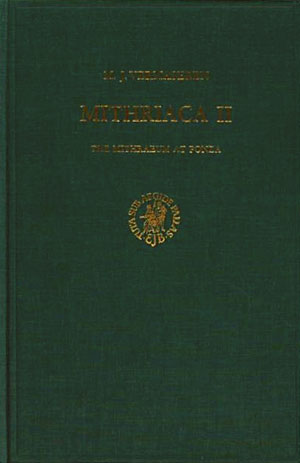
Second volume of Vermaseren's series Études préliminaires aux religions orientales dans l'Empire romain, Mithriaca, dedicated to a small Mithraic sanctuary on the island of Ponza in the Tyrrhenian Sea.

An inscription mentioning a speleum decorated by Publilius Ceionius suggests the location of a mithraeum in Cirta, the capital of Numidia.
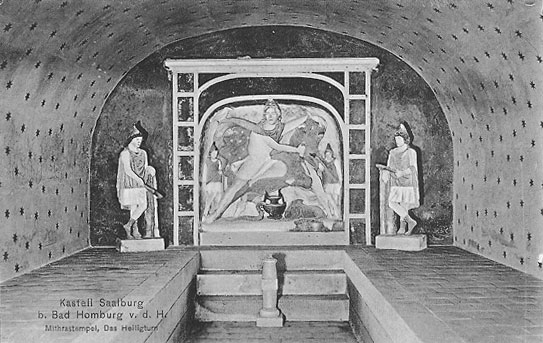
In the 1900s a model Mithraeum was built in Saalburg in the mistaken belief that there was an original temple of Mithras in an ancient Roman building.

Pseudo-Plutarch, De fluviis. Goodwin, Ed. Plutarch. Plutarch’s Morals. Translated from the Greek by several hands. Corrected and revised by. William W. Goodwin, PH. D. Boston. Little, Brown, and Company. Cambridge. Press of John Wilson and son.

Pater nominos in Sidon, he consecrated a number of sculptures, including a Hecataion.

The pater Artemidorus seems to be an Augustan freedman of the Claudians, of Eastern origin.
Procurator of Tarraconensis, he dedicated a monument to the Invincible God, Isis and Serapis in Asturica Augusta.

Dedicated multiple monuments to Mithras, Fortuna Primigenia and Diana in Etruria.
