Your search Farid ud-Din Attar gave 1805 results.

Servus of a certain Primus, Prudentus offered a sculpture of Mithras rock-birth in Poetovio.
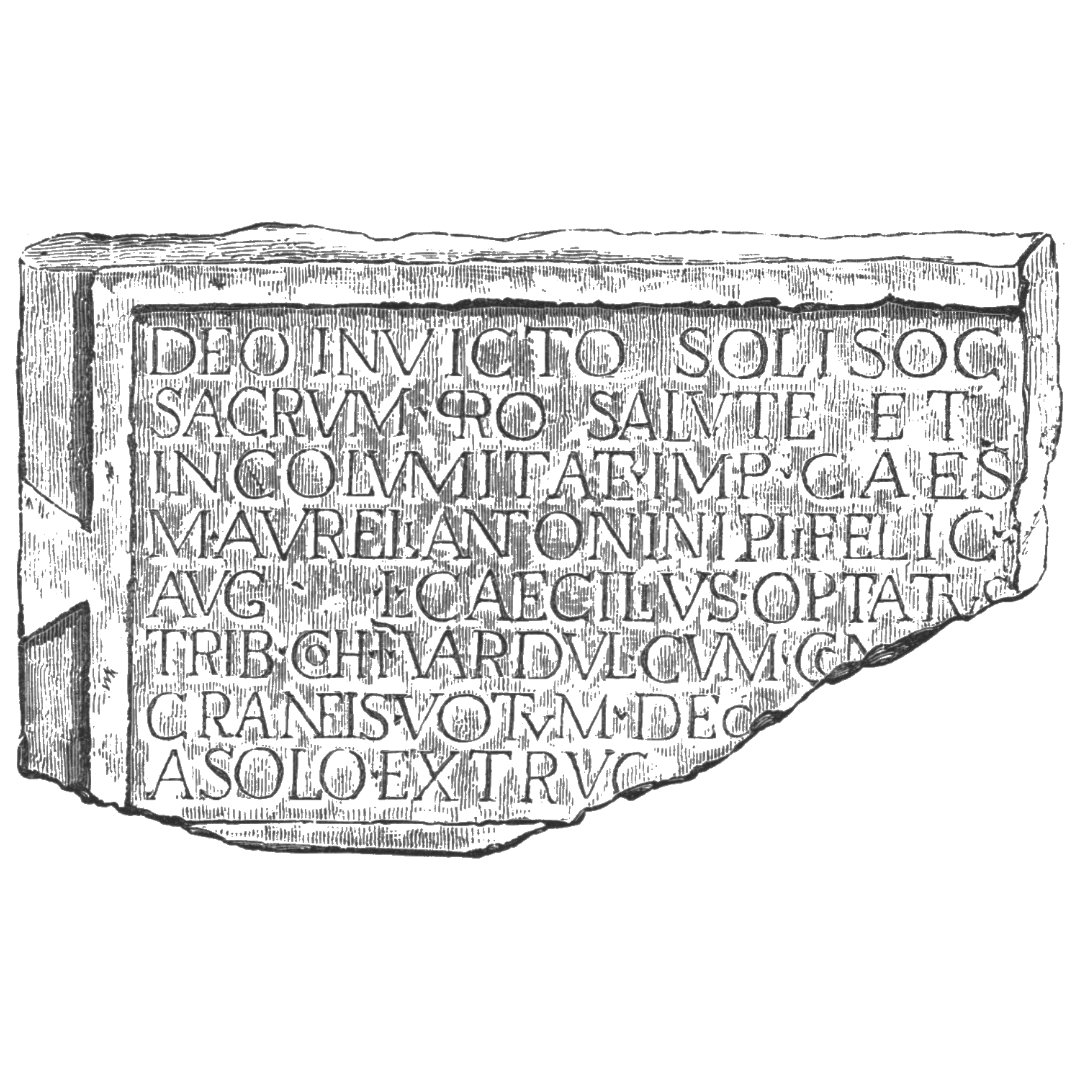
This inscription commemorates the building of a mithraeum in Bremenium with fellow worshippers of Mithras.
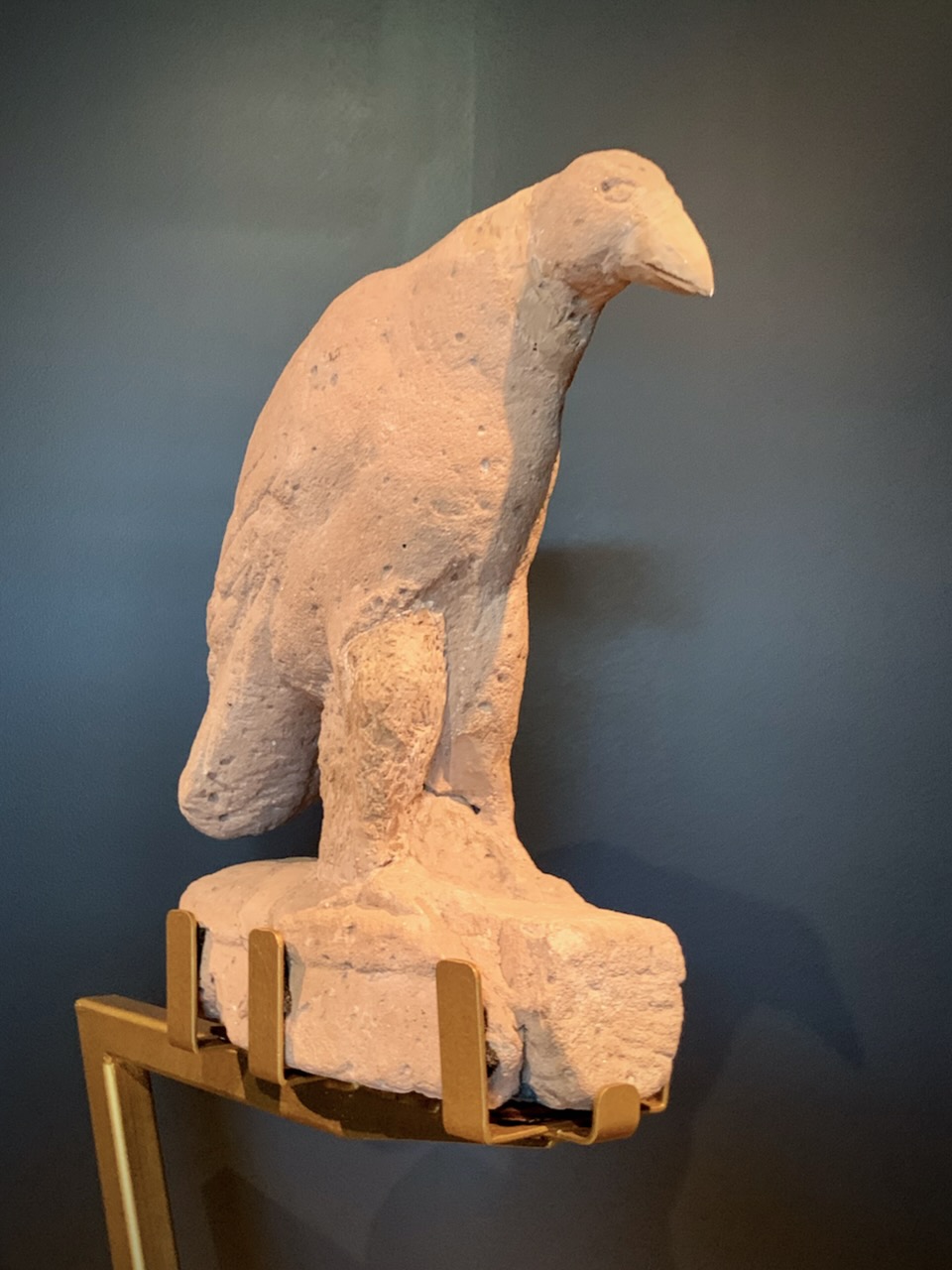
The Stockstadt Raven is one of only two standing-alone sculptures of this bird to be found in Mithraic statuary.
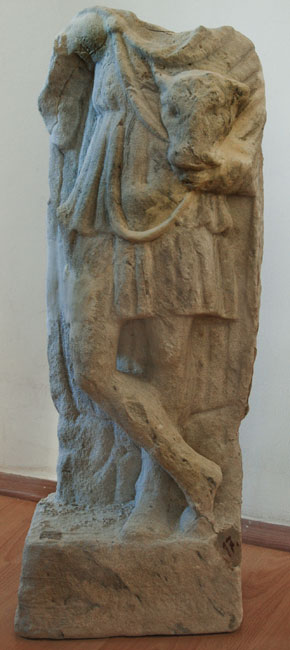
This sculpture of Cautes holding a bull’s head was found in 1882 in Sarmizegetusa, Romania.

"The remaining figure on this monument, Herakles, was previously misidentified as Apollo on this remarkable black basalt tablet from Samsat, known in Roman times as Samosata.

This inscription found in the Mithraeum Aldobrandini informs us of certain restorations carried out in the temple during a second phase of development.
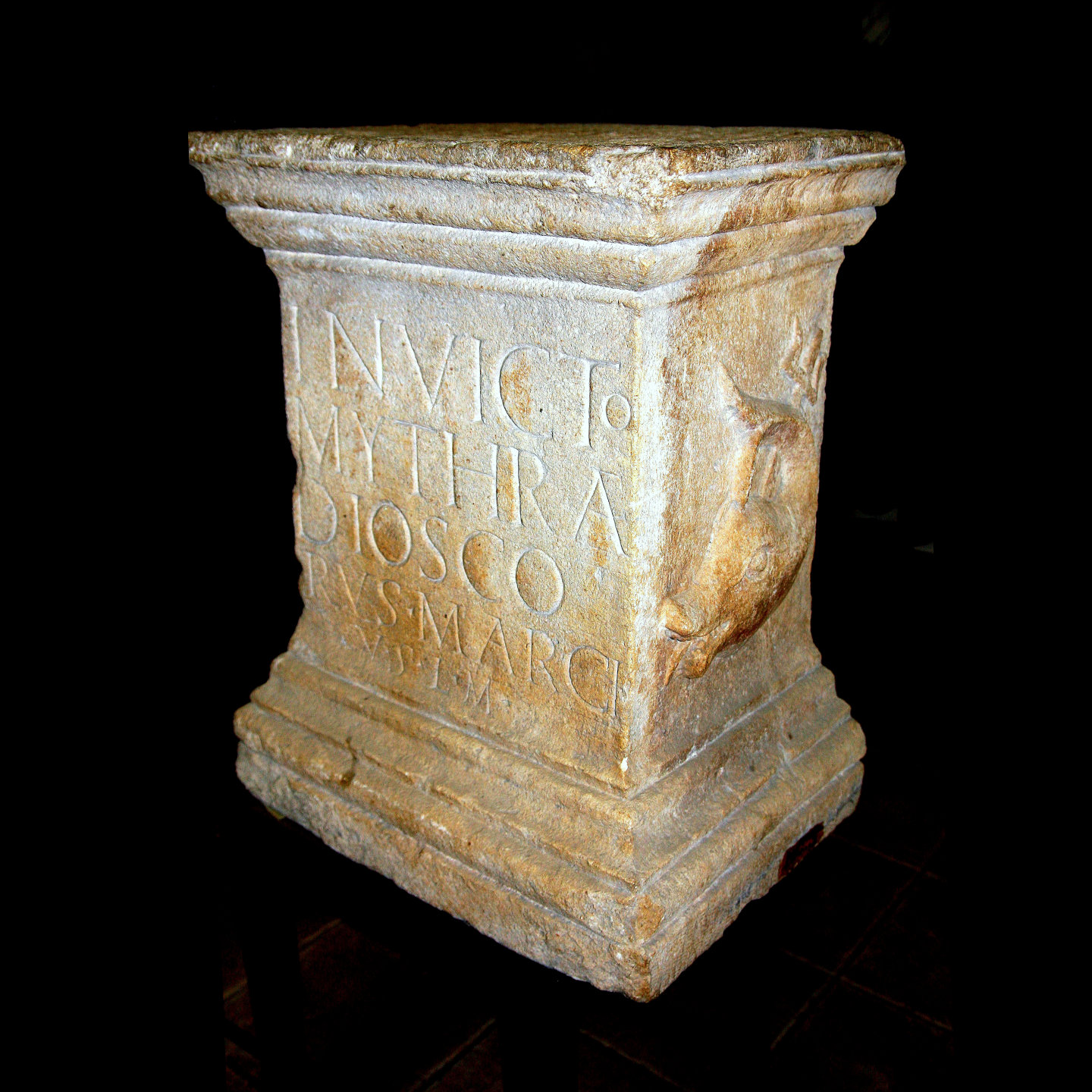
In 1852, Károly Pap, a naval captain, unearthed several Mithraic monuments in his garden at Marospartos, including this altar.

Laurent Bricault has revolutionised Mithraic studies with the exhibition The Mystery of Mithras. Meet this professor in Toulouse for a fascinating look at the latest discoveries and what lies ahead.
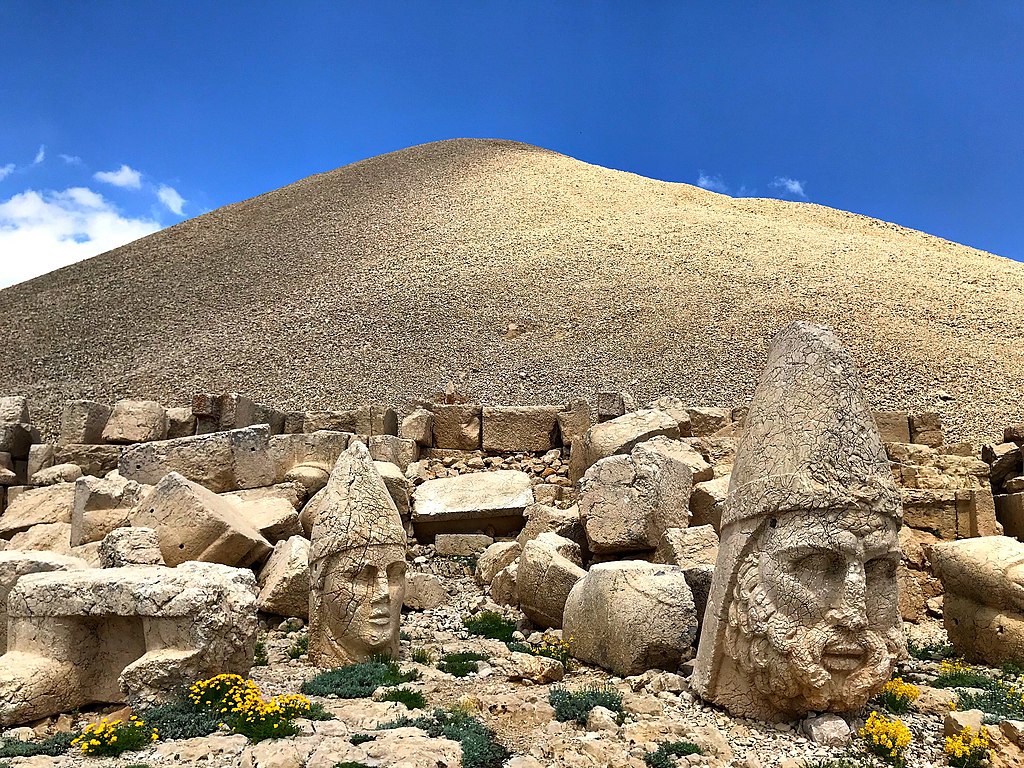
Mount Nemrut or Nemrud is one of the highest peaks in the eastern Taurus Mountains, southeastern Turkey. On its summit large statues stand around what is supposed to be a royal tomb from the 1st century BC.
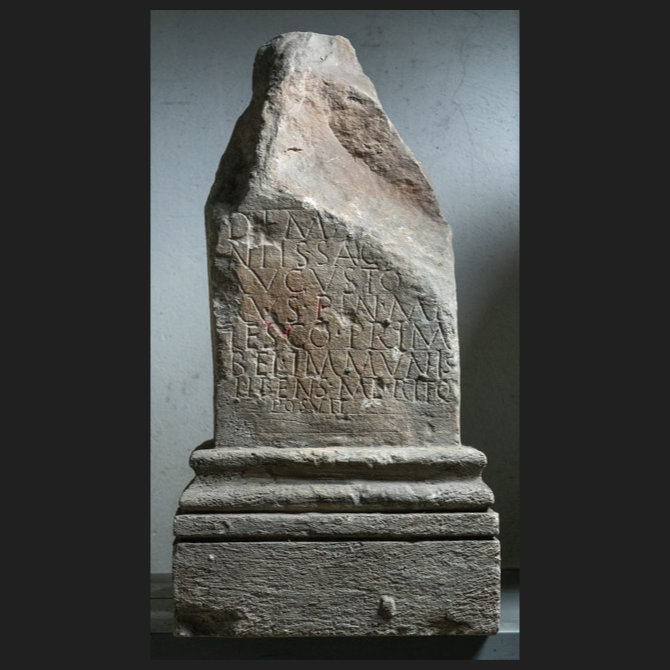
This altar, discovered in Grude, near Tihaljina, Bosnia and Herzegovina, bears an inscription by Pinnes, a soldier of the Cohors Prima Belgica.
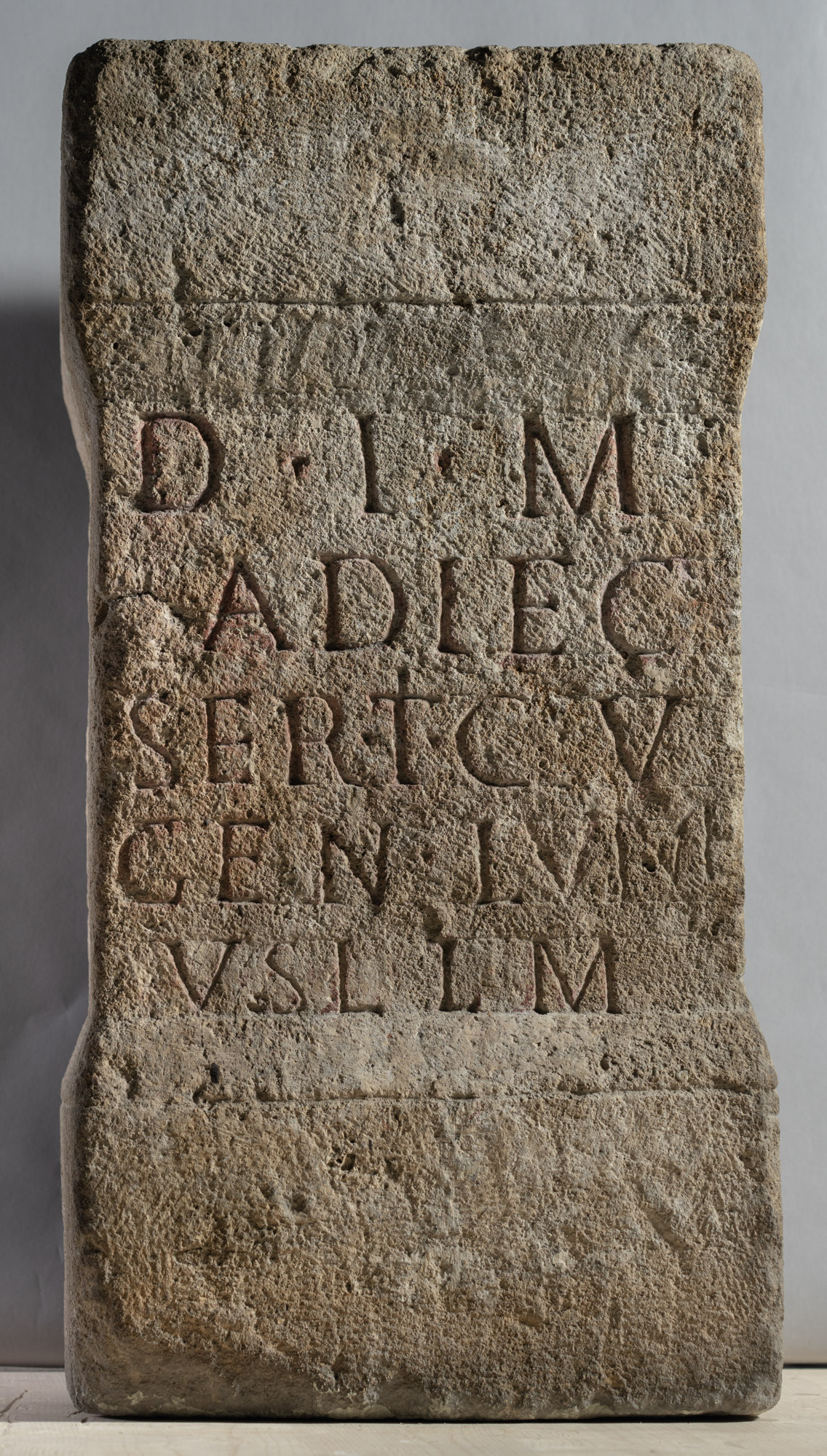
There is no consensus as to whether the altar of the slave Adiectus from Carnuntum is dedicated to a Mithras genitor of light.
The Mithraeum I of Cologne is situated amid a block of buildings. It was impossible to narrowly determine its construction and lay-out.
According to F. Cumont, the Bedouins told a legend from which Nöldeke concluded that the castle of Quasr-ibn-Wardân was a fort with a mithraeum.
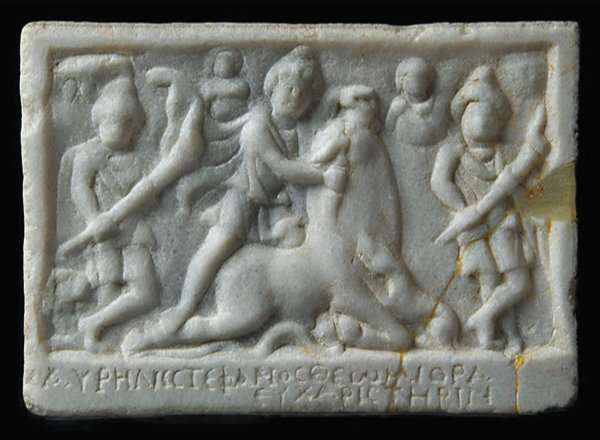
This relief of Mithras killing the bull is unique in the Apulum Mithraic repertoire because of its inscription in Greek.
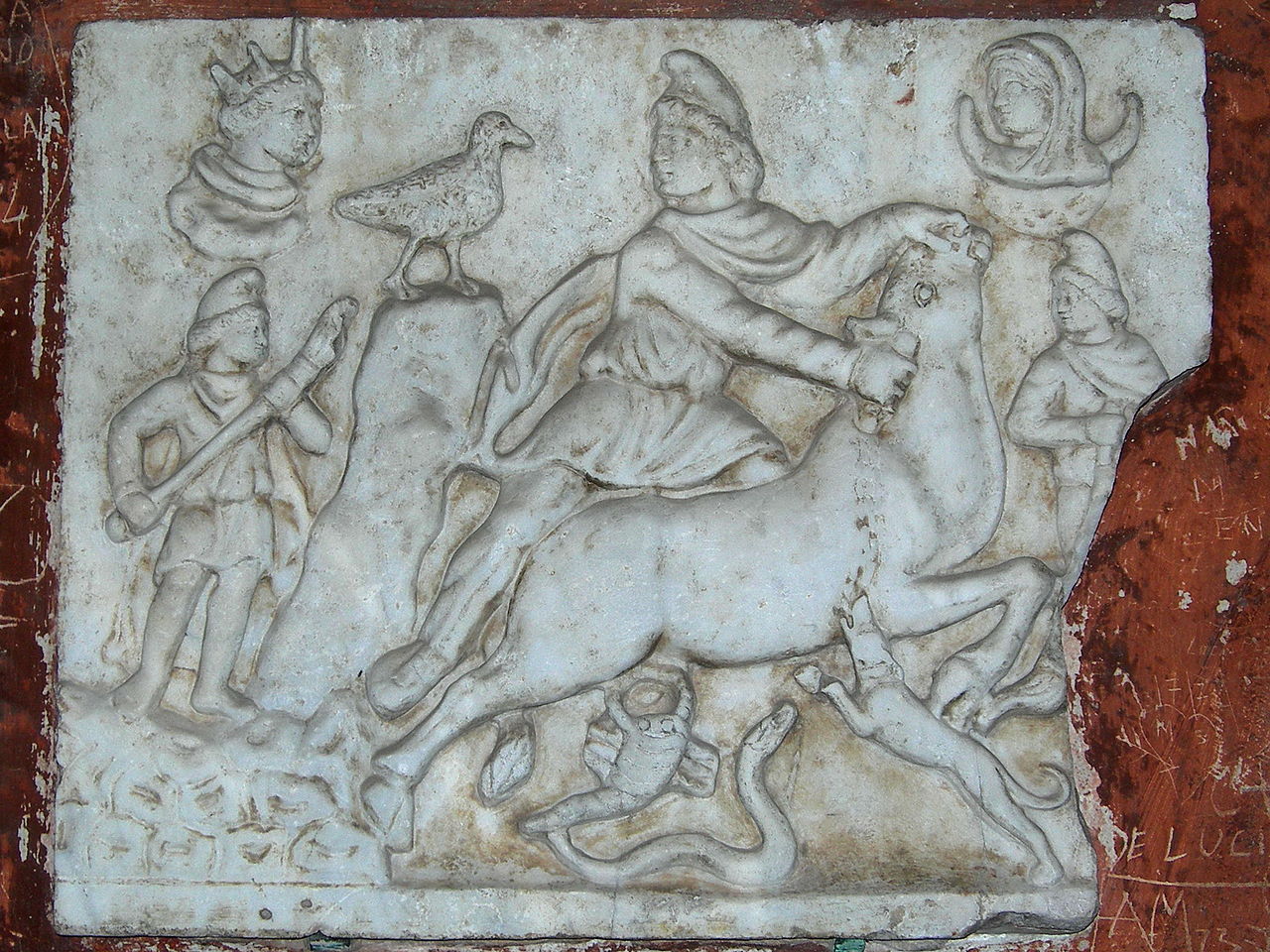
This white marble relief of Mithas killing the sacred bull was found embedded in the building of a noble family in Pisa.
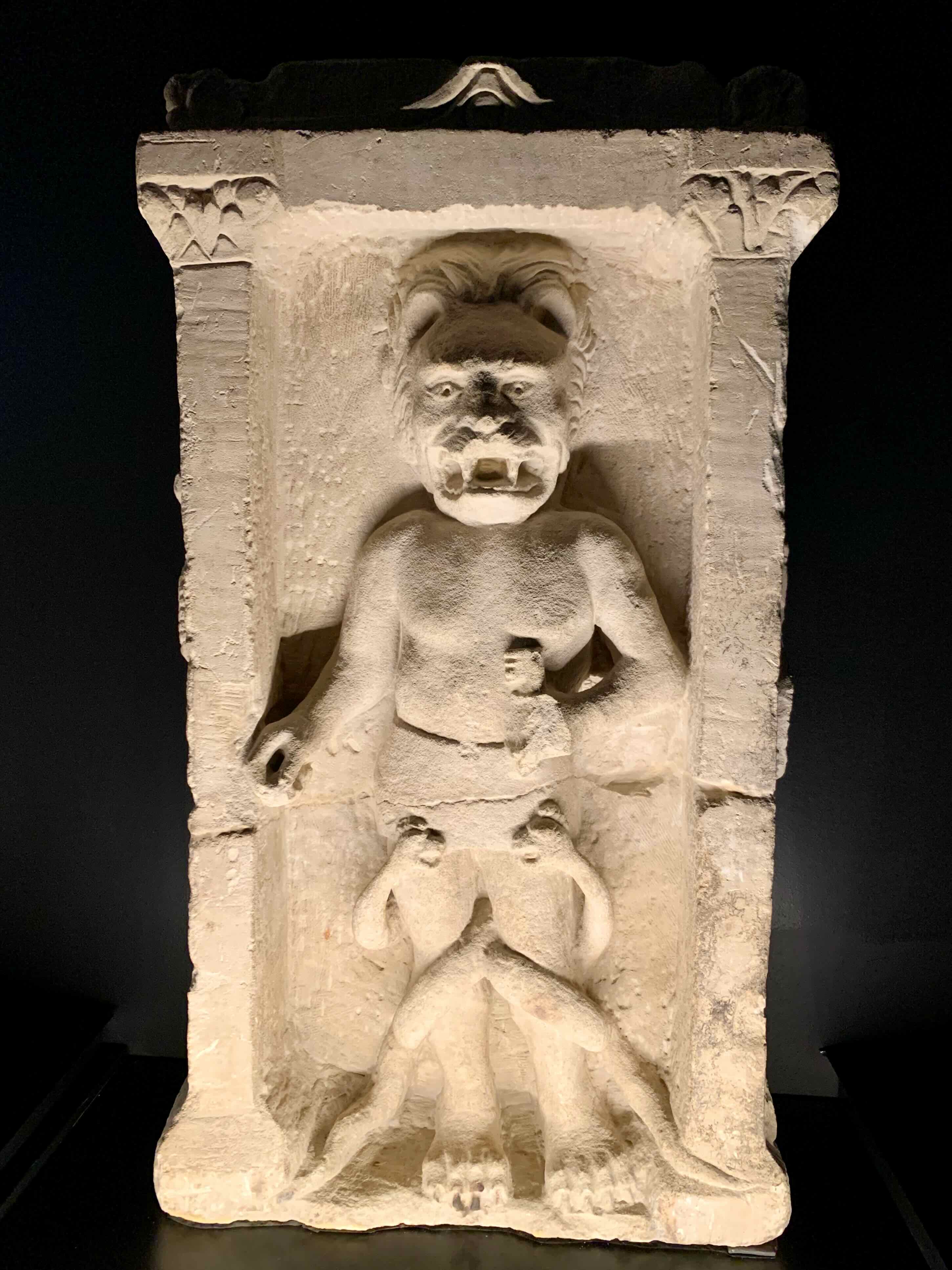
The altar depicting a lion-headed figure from Bordeaux includes a sculpted ewer and a patera on the sides.
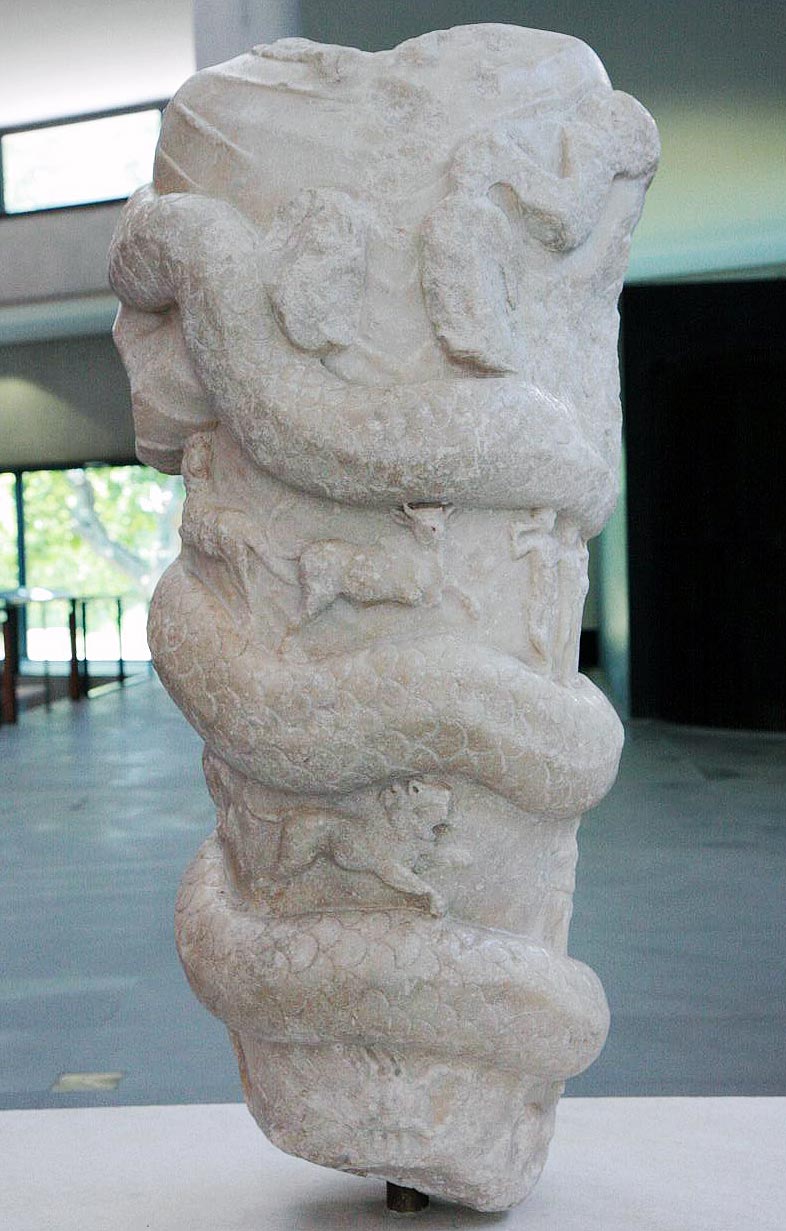
The Aion of Arles includes nine signs of the zodiac in three groups of three, between the spirals of the serpent.
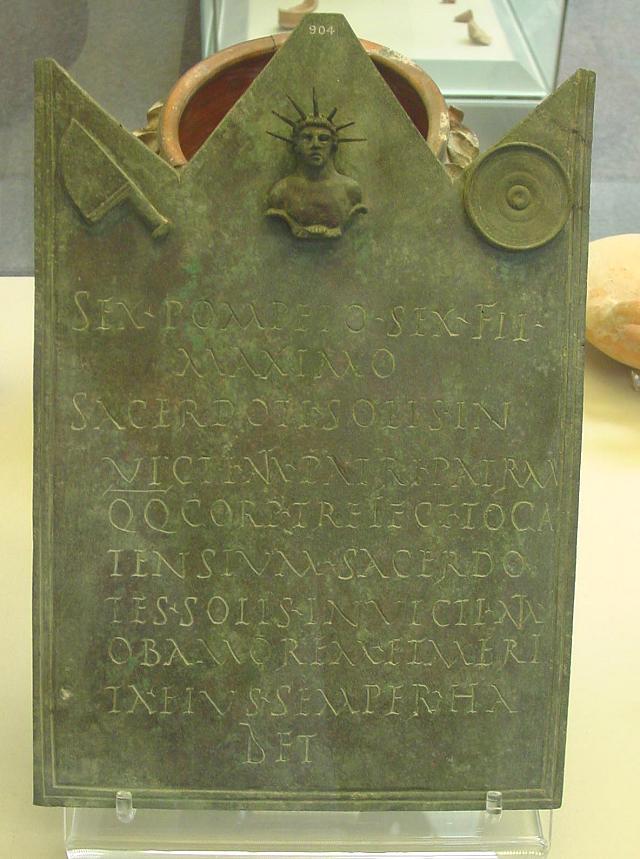
This plaque, now on display in the British Museum, may have come from the Aldobrandini Mithraeum in Ostia.


On the occasion of the discovery of a Mithraeum in Cabra, Spain, we talk to Jaime Alvar, a leading figure in the field of Mithraism. With him, we examine the testimonies known to date and the peculiarities of the cult of Mithras in Hispania.
