Your search Farid ud-Din Attar gave 893 results.

The dedicator of this monument is also known for having made a tauroctonic relief in Nesce.

University Student living in the Greater Toronto area. For any questions about the Anglo-Mithraic Society feel free to directly message me.

I am currently an undergraduate student at the University of Evansville pursuing my B.A. in Archaeology
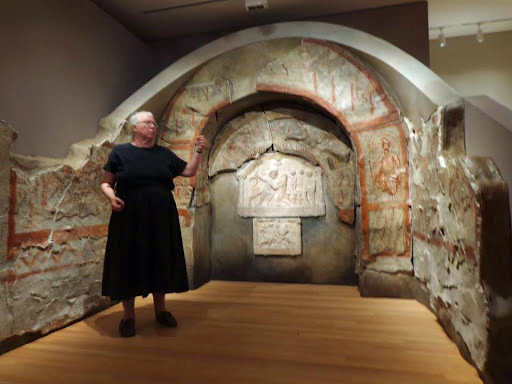
The 24th annual MithraCon has been announced! It will be held in New Haven Connecticut from Friday 26th to Sunday 28th April 2024. MithraCon, or the New England Convention of Mithraic Studies, is a small informal conference focused on the study and…
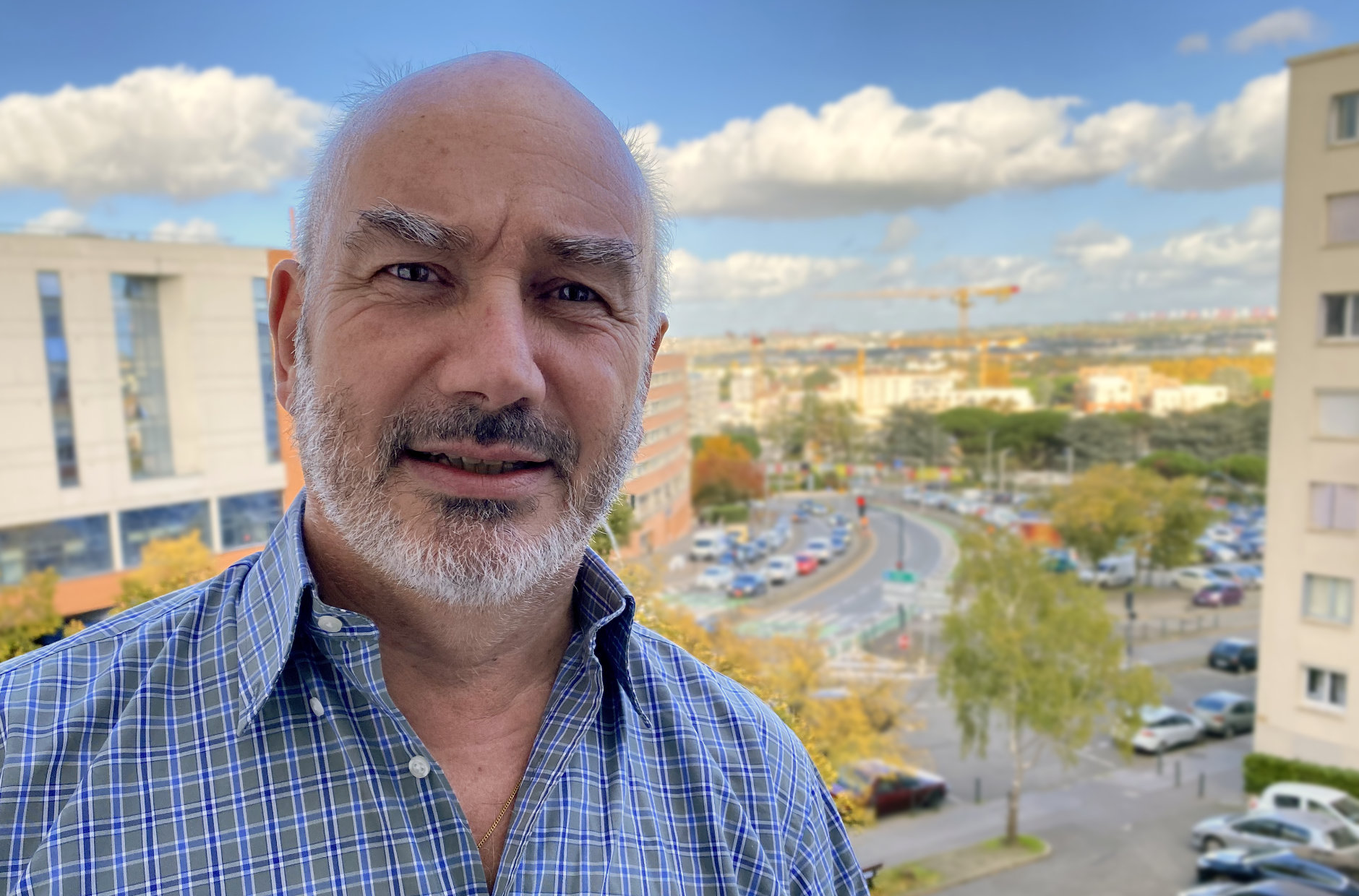
Laurent Bricault has revolutionised Mithraic studies with the exhibition The Mystery of Mithras. Meet this professor in Toulouse for a fascinating look at the latest discoveries and what lies ahead.
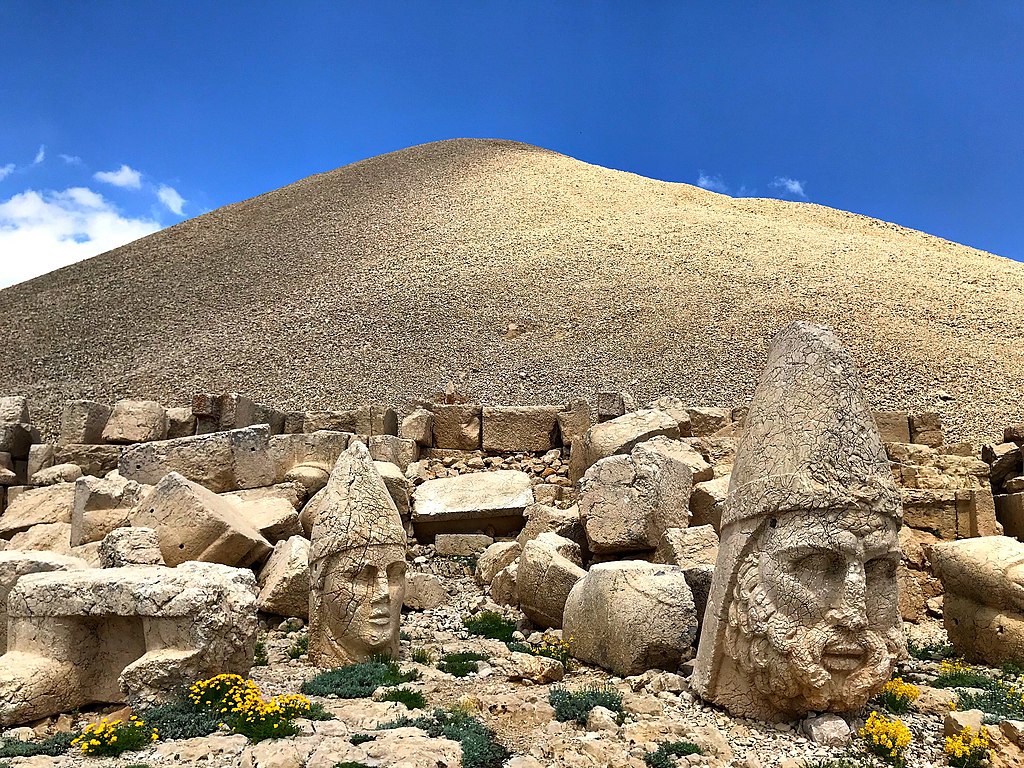
Mount Nemrut or Nemrud is one of the highest peaks in the eastern Taurus Mountains, southeastern Turkey. On its summit large statues stand around what is supposed to be a royal tomb from the 1st century BC.

Are you a Fluent English Speaker? Are you interested in joining a bourgeoning community centred around camaraderie, knowledge and community building? If so, we invite you to join the Anglo-Mithraic Society! We offer a welcoming community…
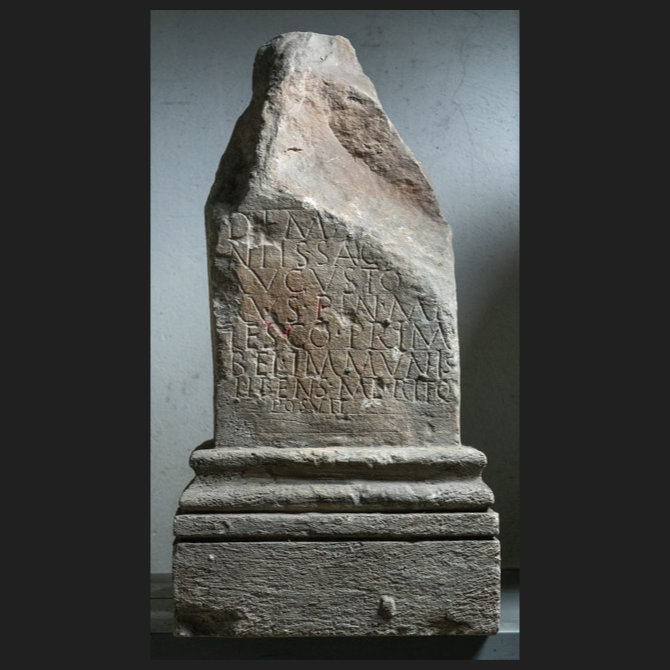
This altar, discovered in Grude, near Tihaljina, Bosnia and Herzegovina, bears an inscription by Pinnes, a soldier of the Cohors Prima Belgica.
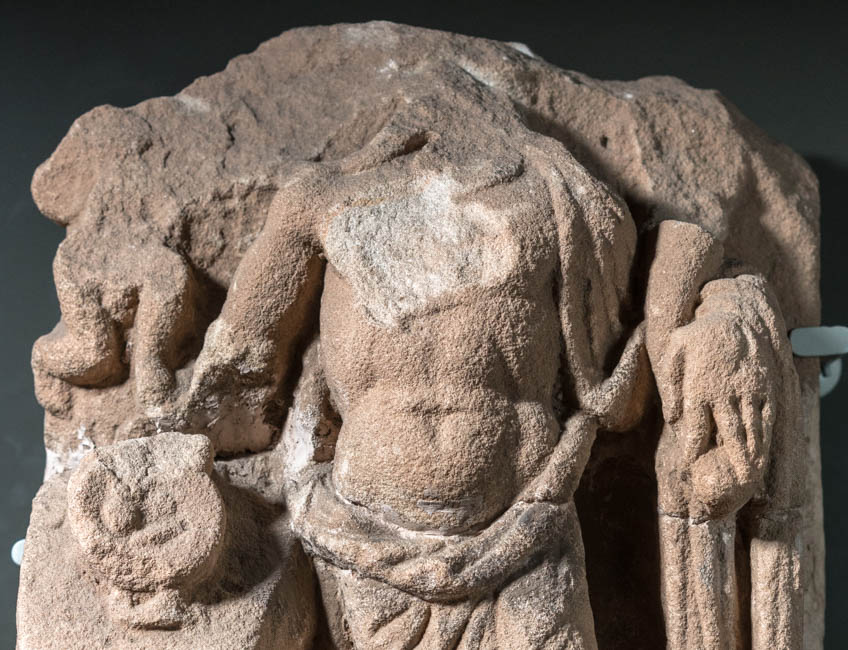
A standing half naked man makes offerings to an altar while holding a cornucopia in his other hand.
In this 4th-century Roman altar, the senator Rufius Caeionius Sabinus defines himself as Pater of the sacred rites of the unconquered Mithras, having undergone the taurobolium.
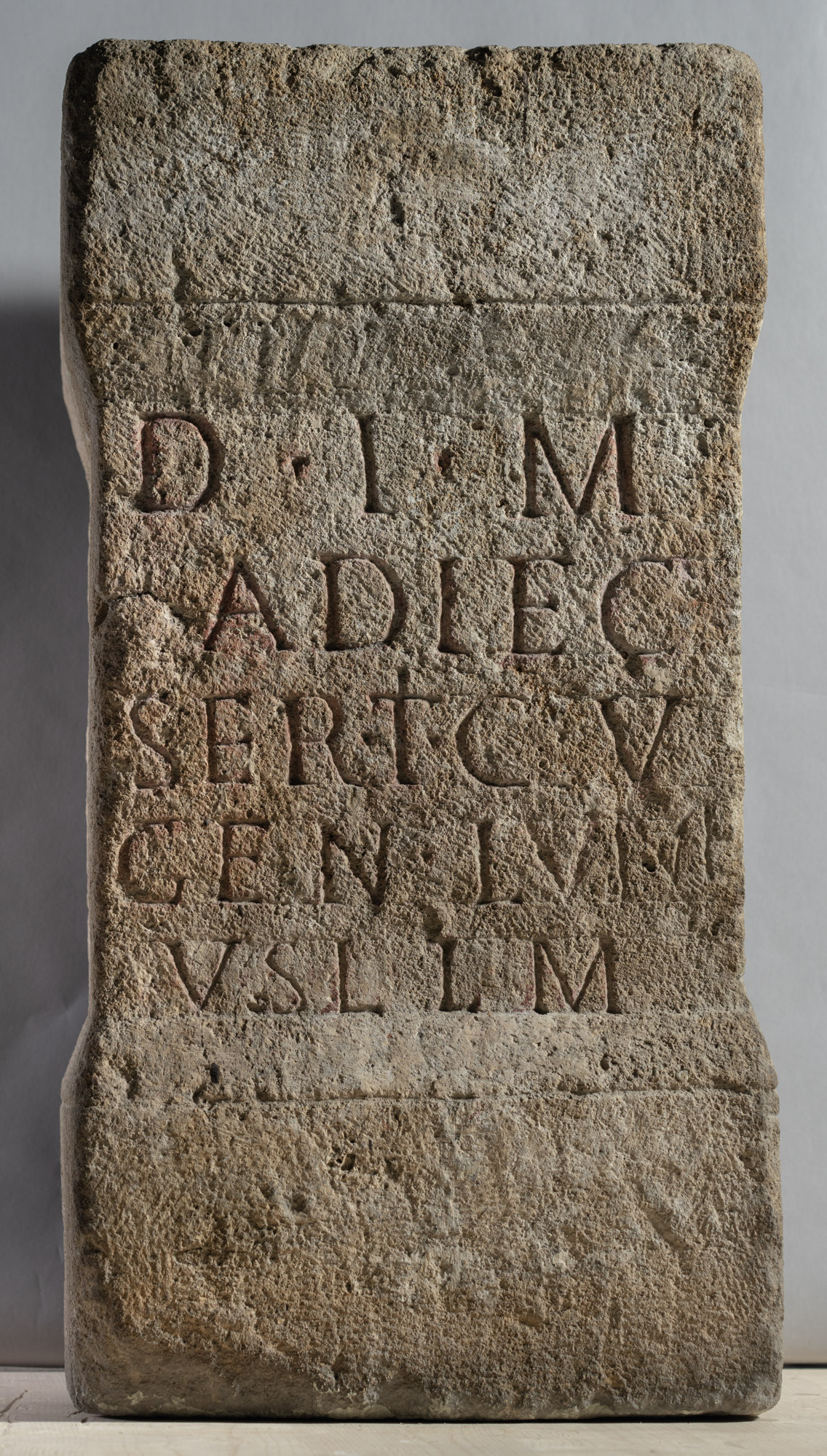
There is no consensus as to whether the altar of the slave Adiectus from Carnuntum is dedicated to a Mithras genitor of light.
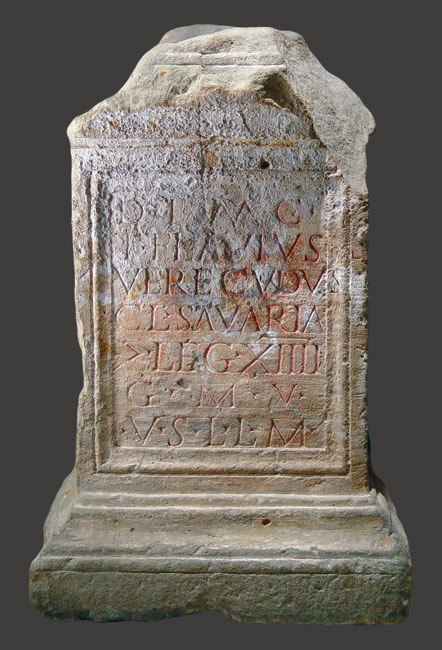
This monument to Mithras and Cautes (or Cautopates) was erected in Carnuntum by the centurion Flavius Verecundus of Savaria.
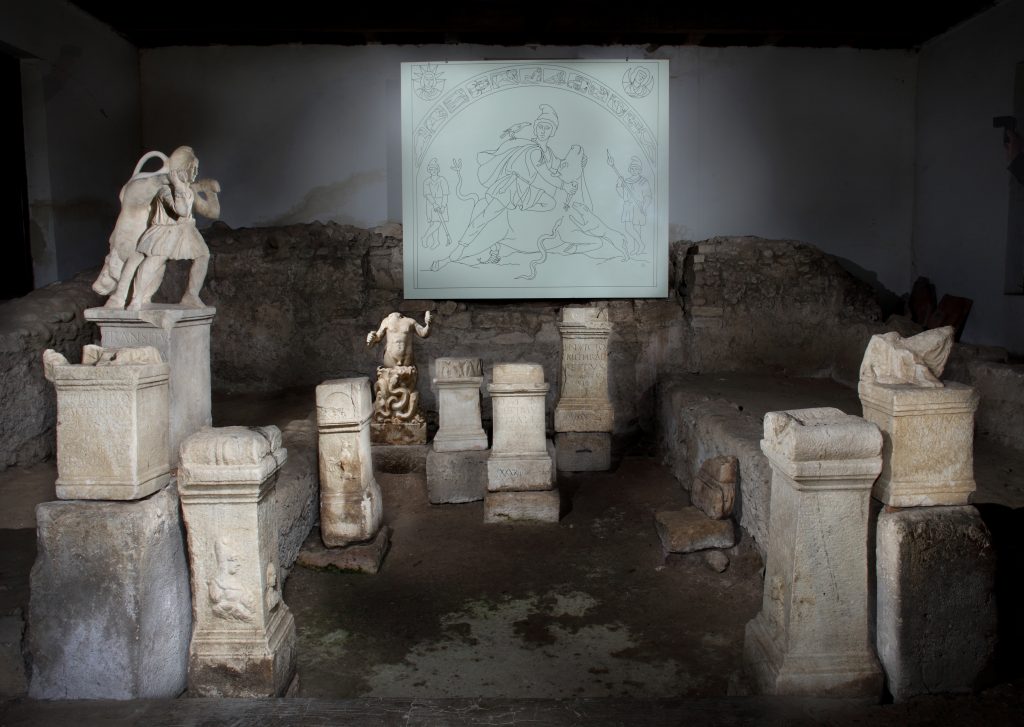
The Mithraeum I of Ptuj contains the foundation, altars, reliefs and cult imagery found in it.

The Mithraeum I of Cologne is situated amid a block of buildings. It was impossible to narrowly determine its construction and lay-out.
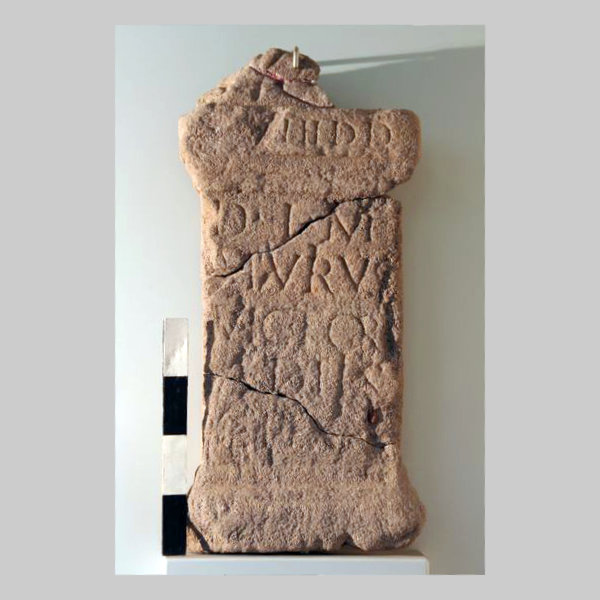
Marius Victor, according to the inscription on the monument, erected this monument to Mithras ’when Philip and Titianus were consuls’.
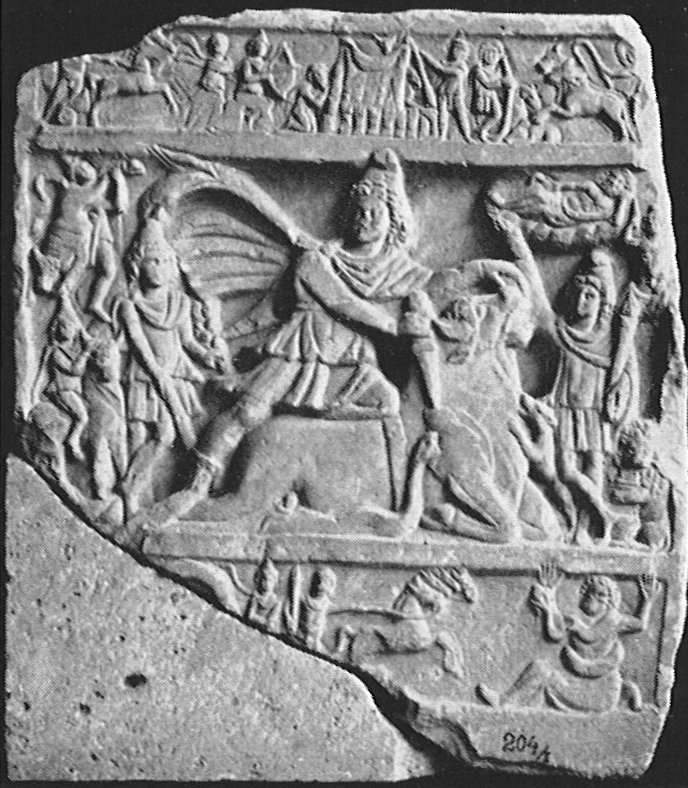
This relief of Mithras killing the bull from Apulum, now Alba Iulia, Romania, contains several scenes from the Mithras legend.
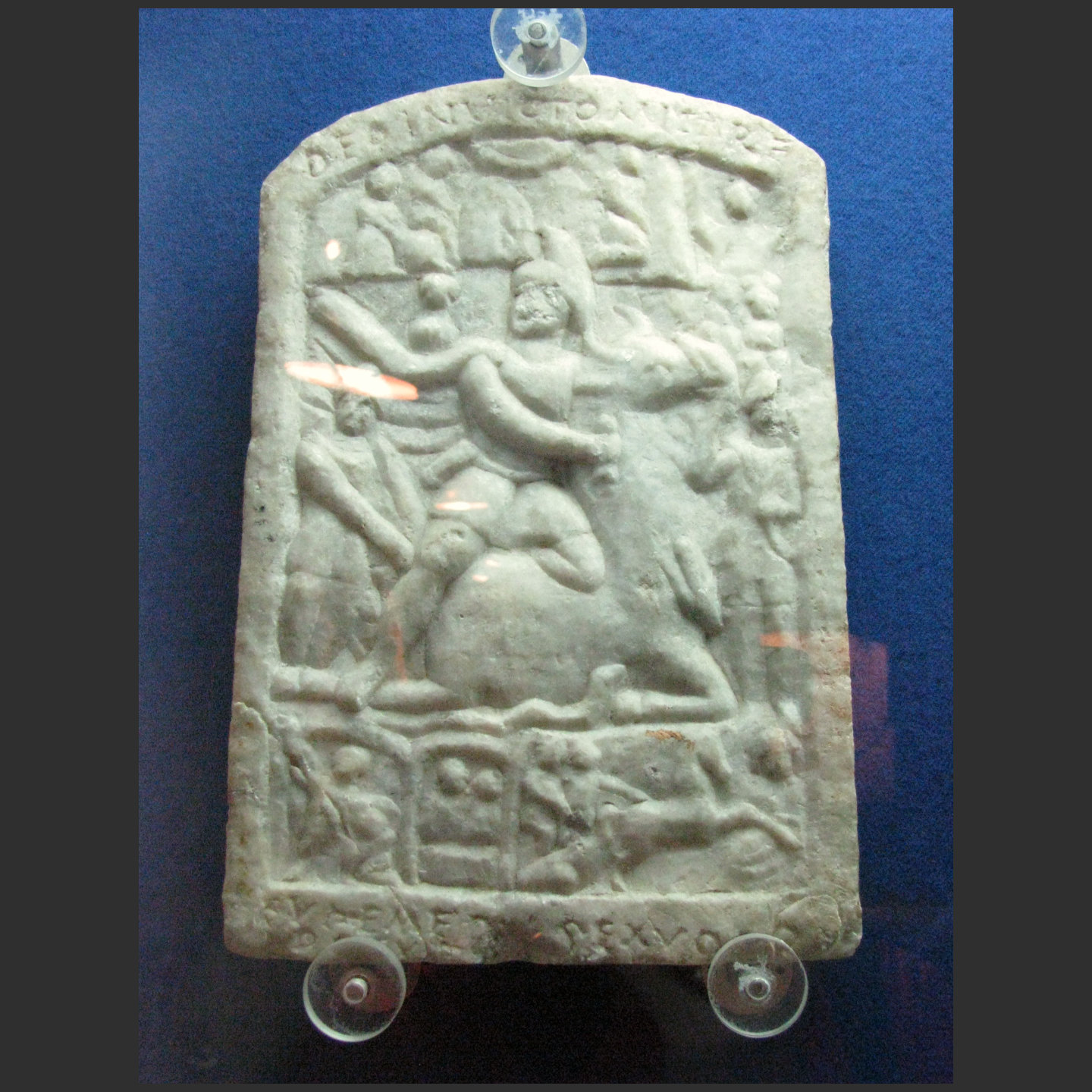
Several authors read the name Suaemedus instead of Euhemerus as the author of this mithraic relief from Alba Iulia, Romania.
