Your search Farid ud-Din Attar gave 893 results.
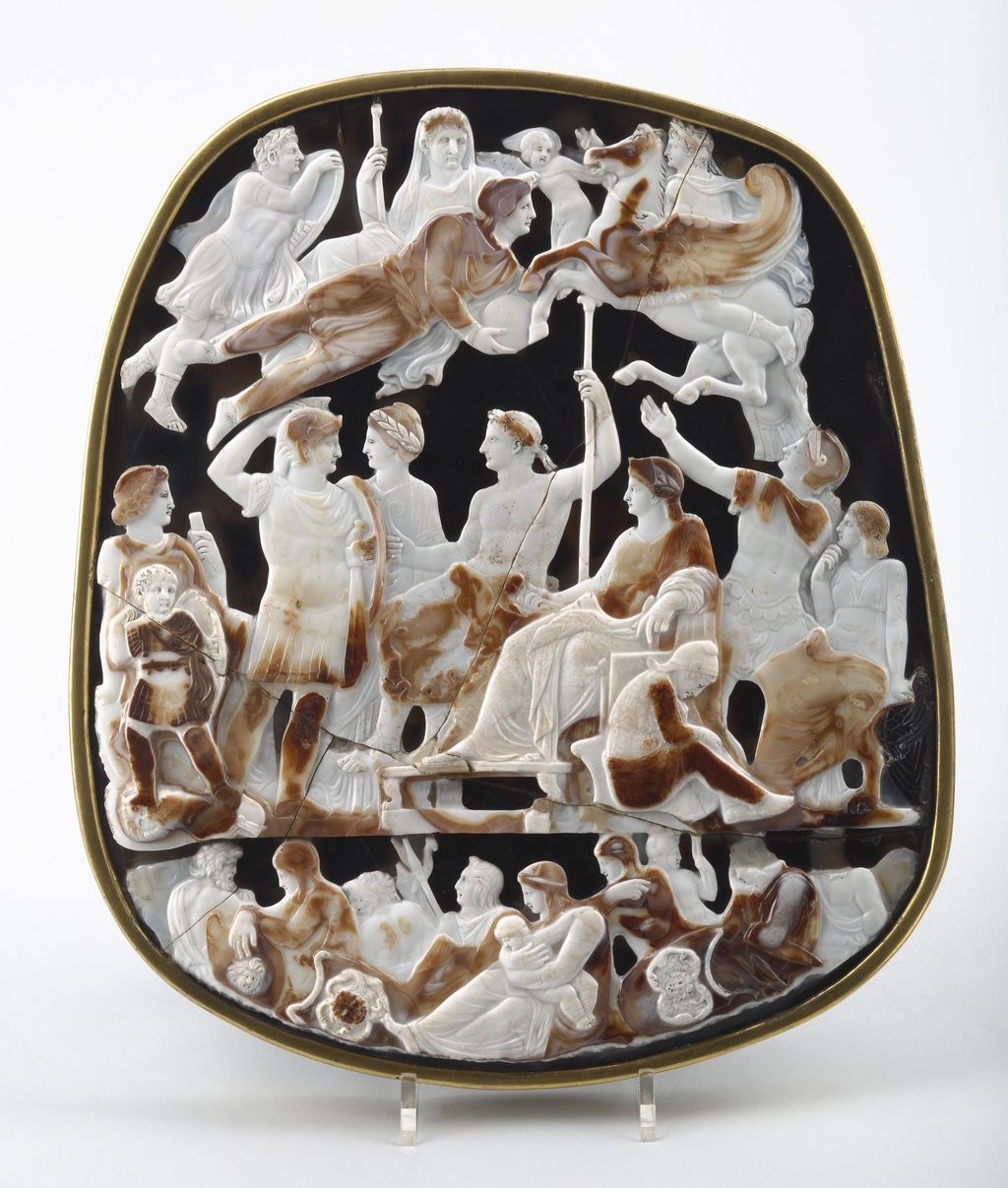
Some authors have speculated that the flying figure dressed in oriental style and holding a globe could be Mithras.

In this article, Chalupa examines the scant evidence that has been found for the presence of women in the Roman cult of Mithras.
PhD Thesis by Vittoria Canciani, coordinated by A. Mastrocinque. Verona, 14th April 2022.
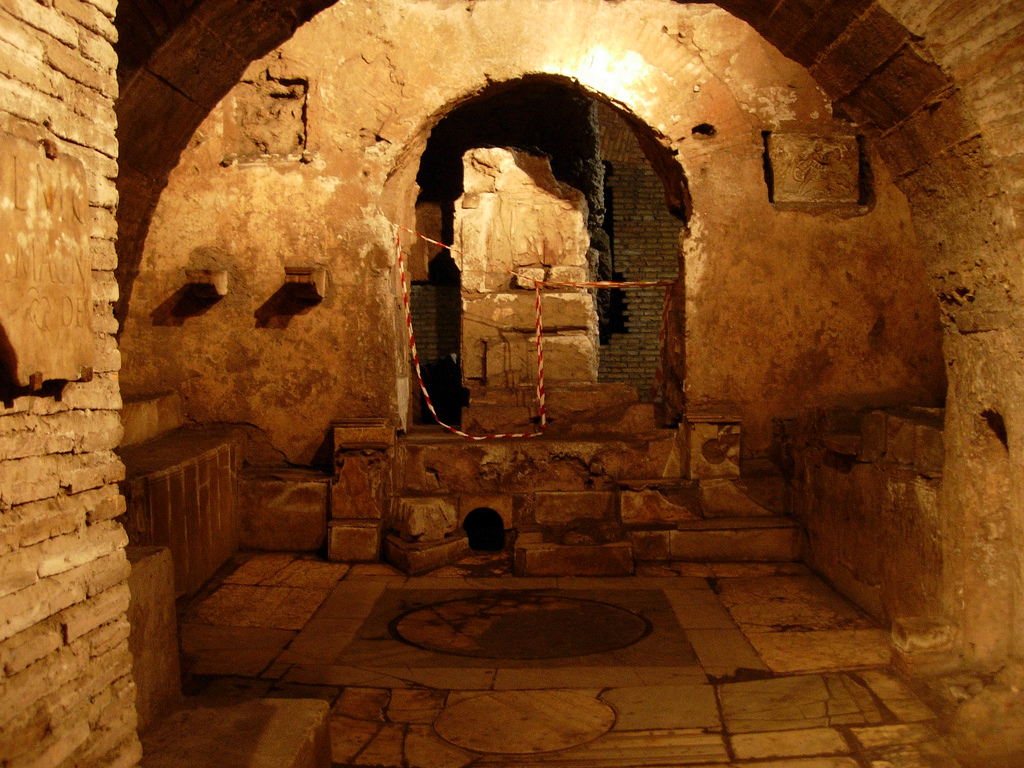
The Mithraeum of the Circus Maximus was discovered in 1931 during work carried out to create a storage area for the scenes and costumes of the Opera House within the Museums of Rome building.
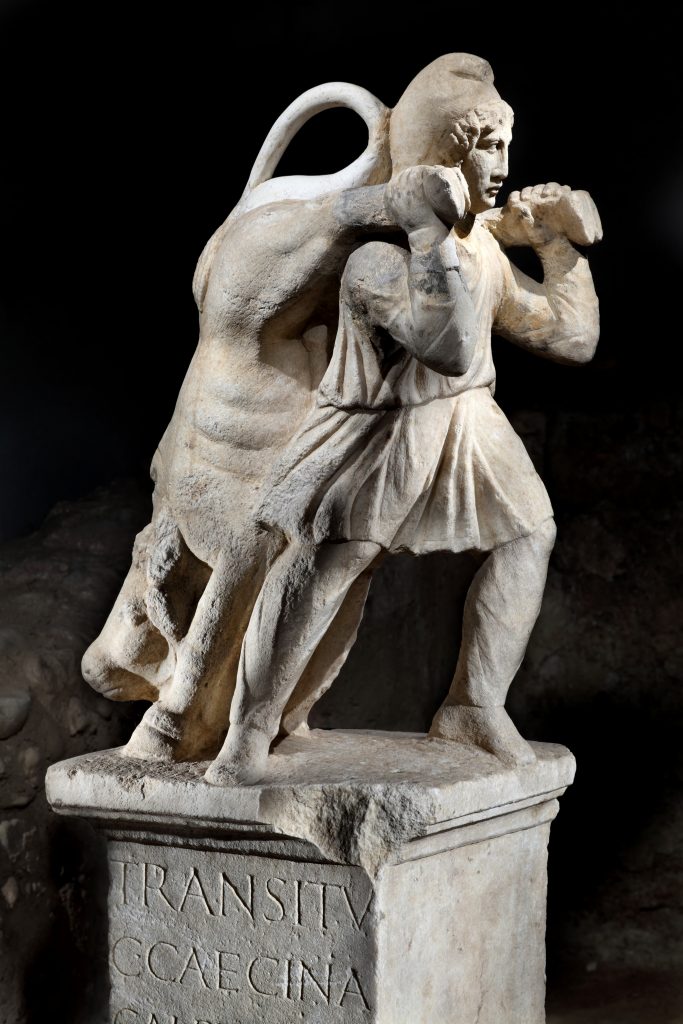
The sculpture of Mithras carrying the bull includes an inscription on its base.

Mithraeum II was found at Ptuj at a distance of 20 m south of the Mithraeum I in 1901.
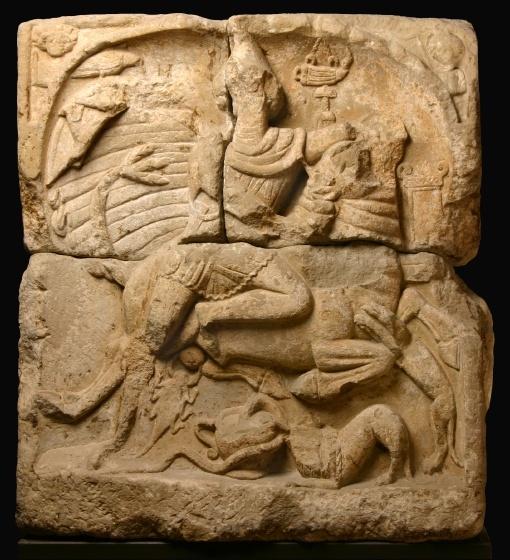
This relief of Mithras killing the bull, now on display in Stuttgart, includes a small altar with a sacrificial knife and an oil lamp.
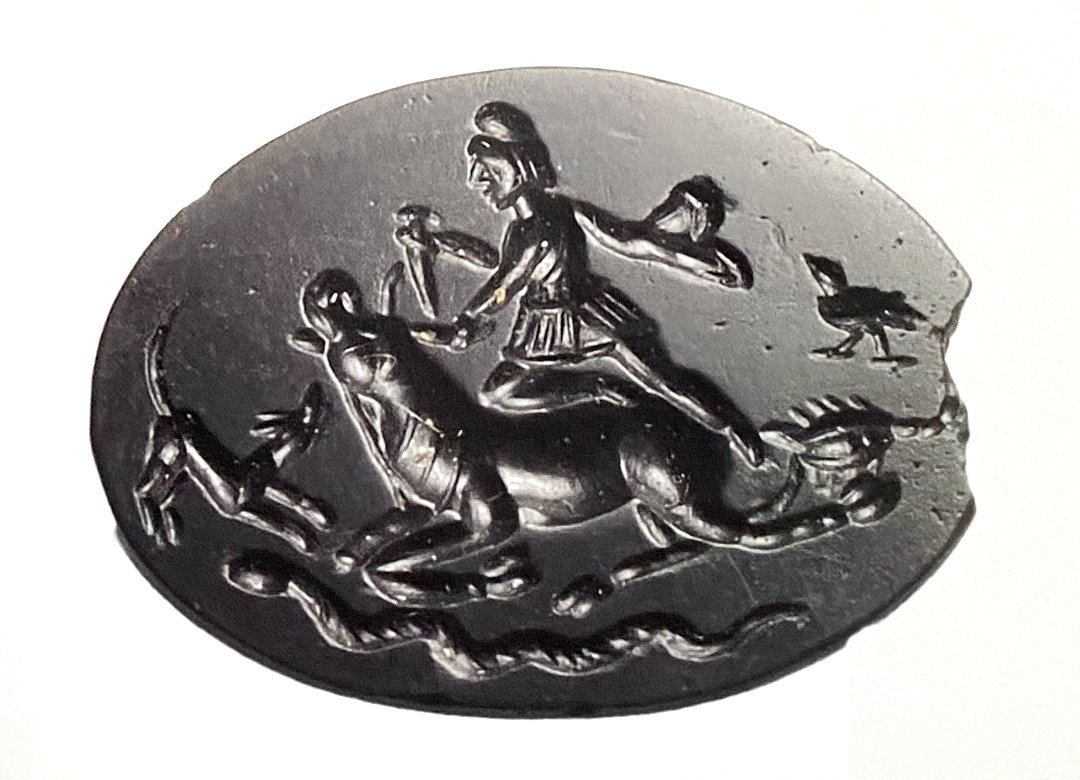
This intaglio with Mithras killing the bull on one side and Kabiros on the other was probably used as a magical amulet.
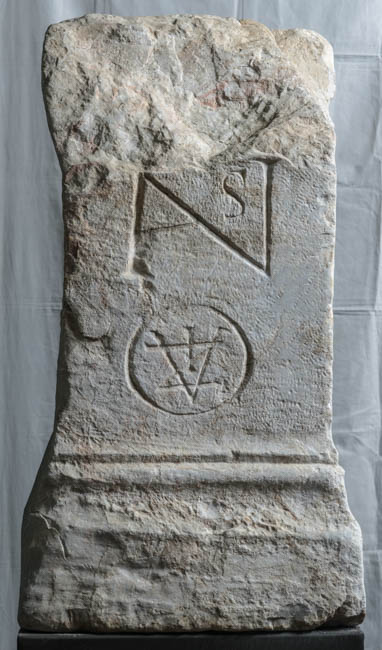
The limestone altar at Klechovtse in North Macedonia bears an inscription to the invincible Mithras.
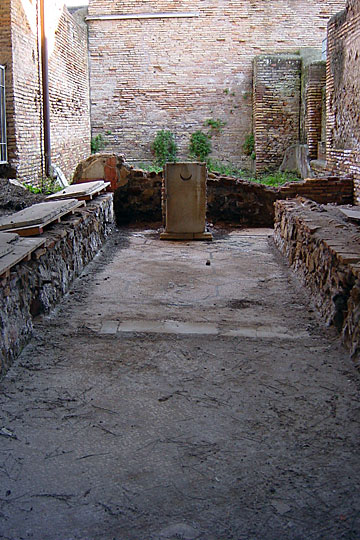
The Mithraeum of Lucretius Menander was installed in the early 3rd century in an alley to the east of a Hadrianic building named after the solar god temple.
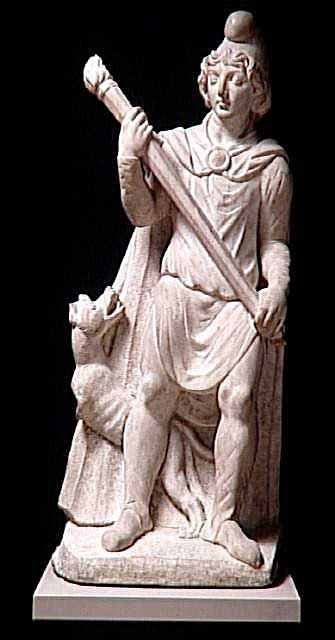

Mithra et ses actualités - Journée d'études.

Mithra et ses actualités - Journée d'études (17 décembre 2021) au Musée royal de Mariemont.
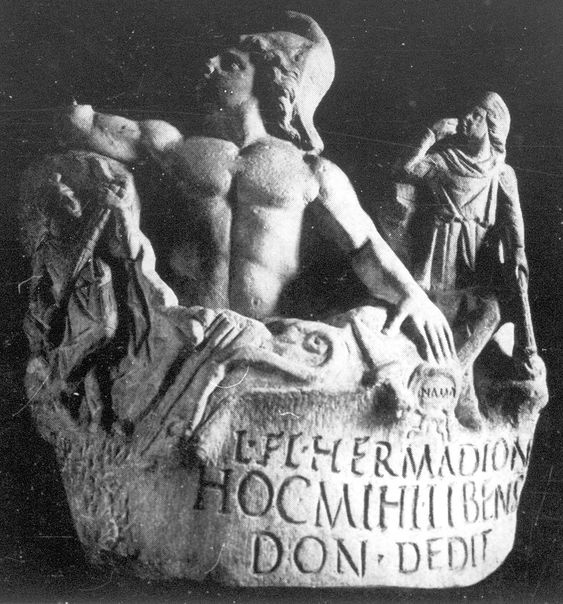
Mithras rock-born from Villa Giustiniani was holding a bunch of grapes in its raised right hand instead of a torch, probably due to a restoration.
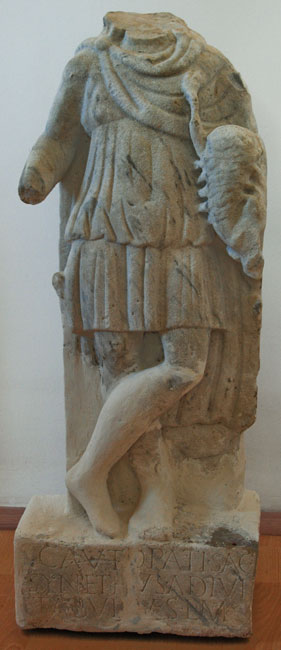
The Cautopates with scorpion found in 1882 in Sarmizegetusa includes an inscription of a certain slave known as Synethus.
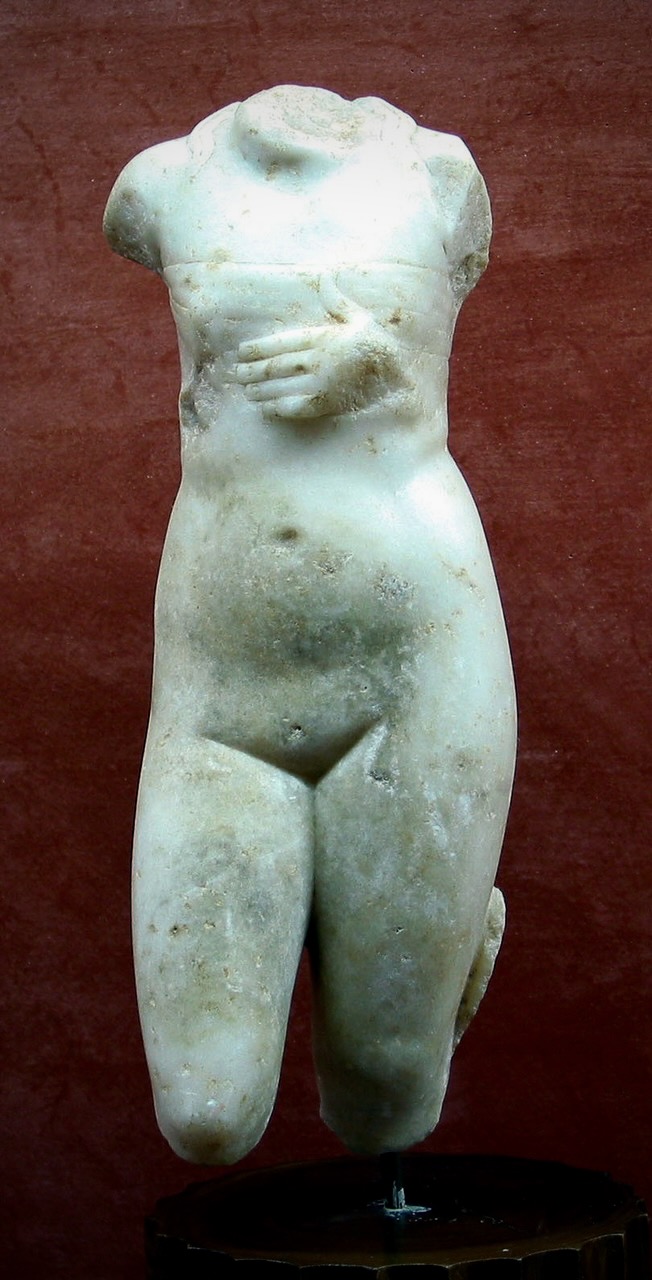
The lack of attributes and its decontextualisation prevent us from attributing a specific Mithraic attribution to this small Venus pudica from Mérida.
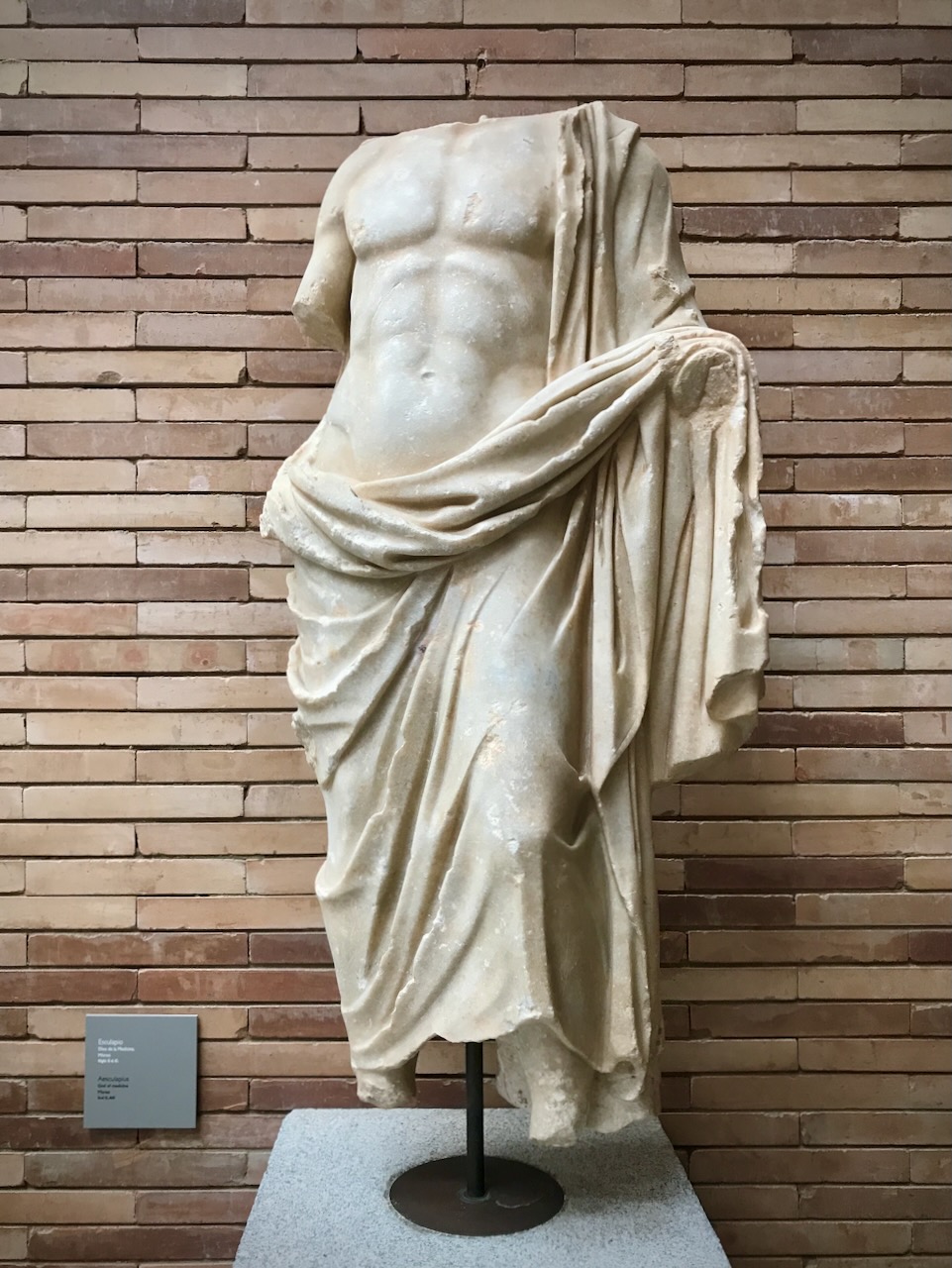
This standing sculptural figure from Mérida appears to carry the serpent staff, characteristic of the medicine god Aesculapius.
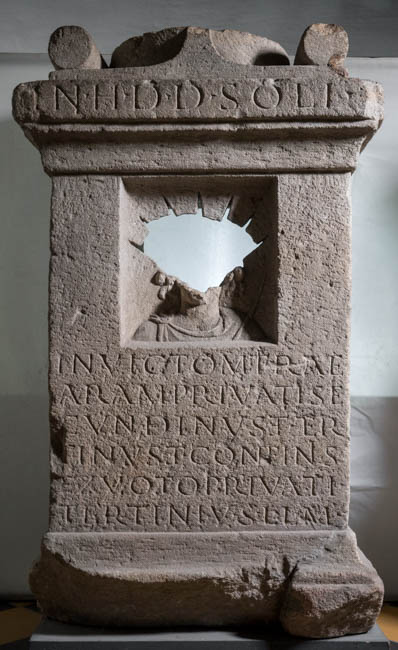
The altar of the Sun god belongs to the typology of the openwork altar to be illuminated from behind.
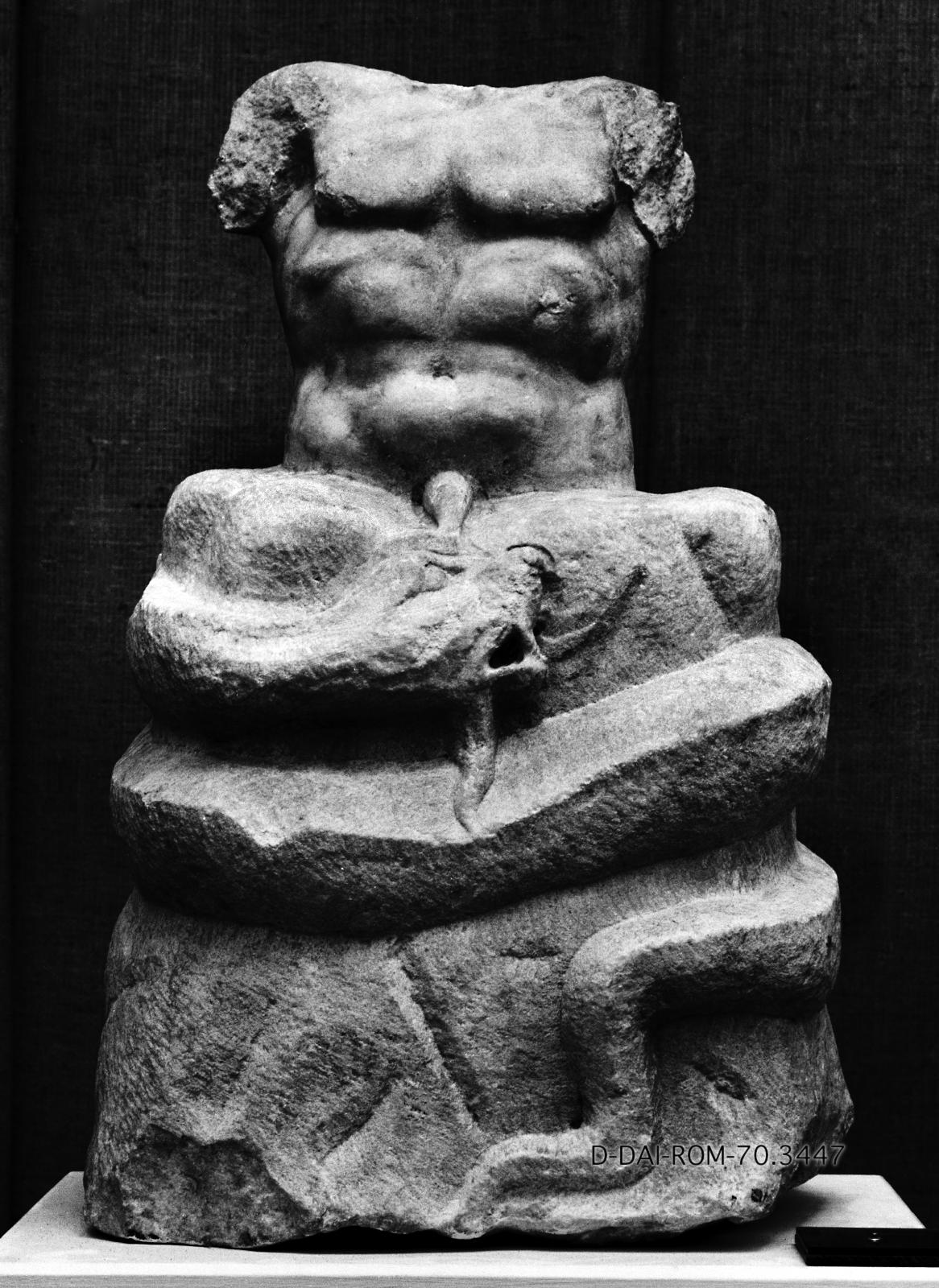
Mithras born from the rock with a snake raising in coils around it.
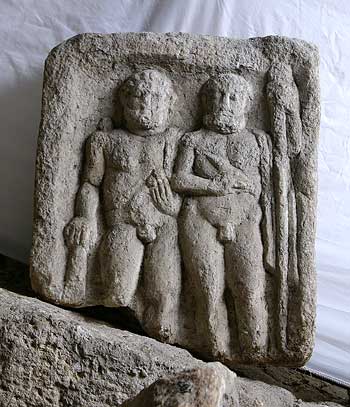
This marble relief was found in a Mithraeum in Ptuj.
