Your search Fiano Romano gave 60 results.

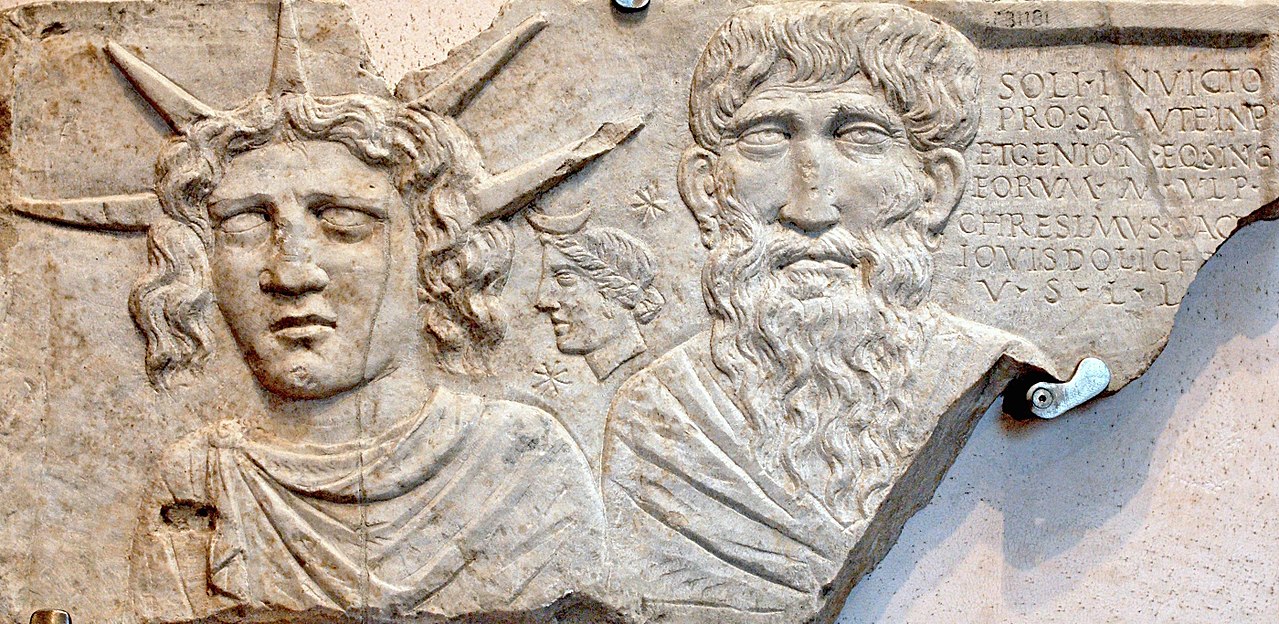
Fragment of a marble relief (H. 0.27 Br. 0.38 D. 0.045).

Relief possibly depicting Mithras-Men holding a torch and a a bust of Luna on a crescent.

Fragment of a white statue depicting a naked god entwined by a serpent with its head on his chest, found in the River Tiber.
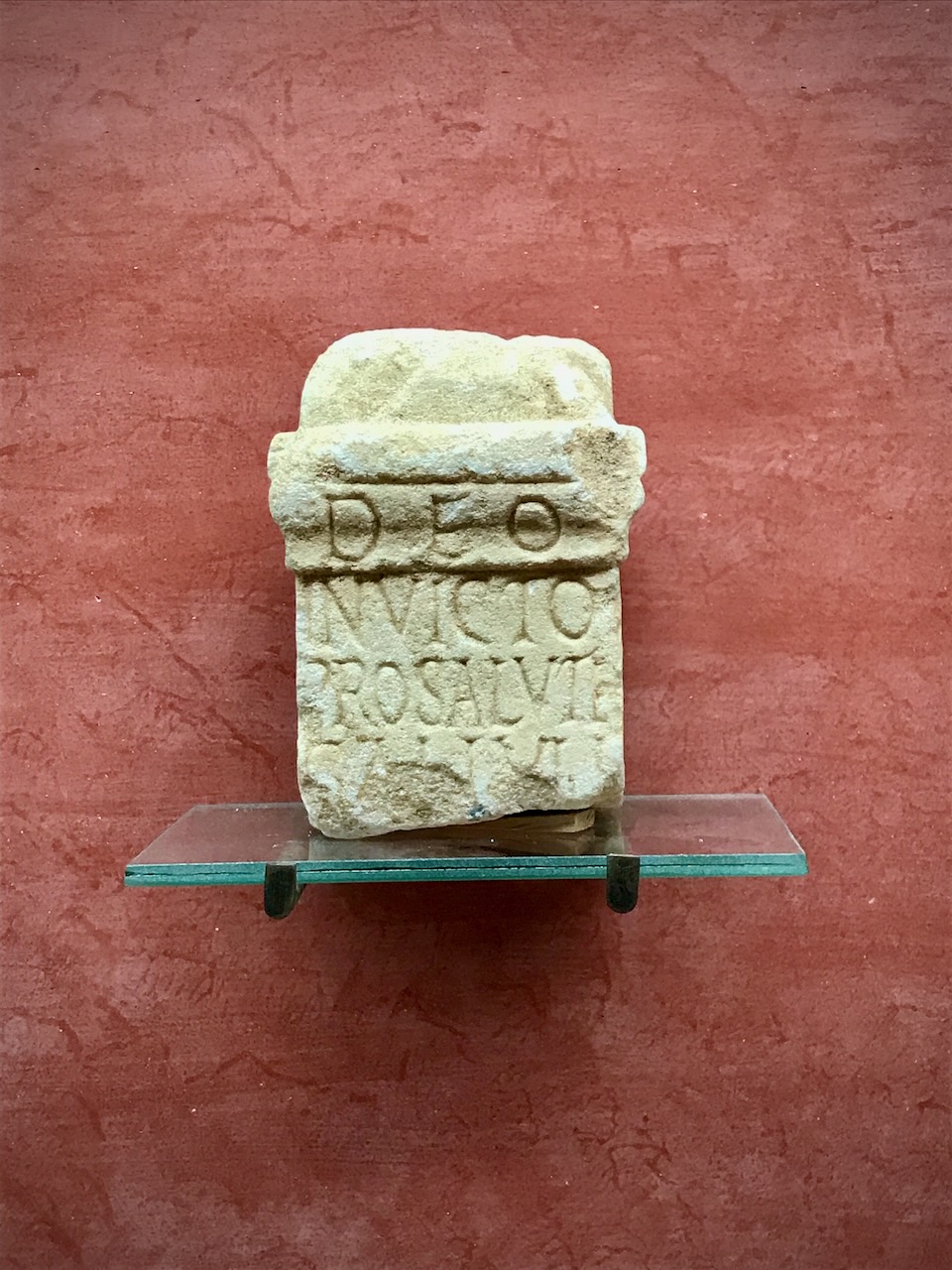
The small Mithraic altar found at Cerro de San Albin, Merida, bears an inscription to the health of a certain Caius Iulius.
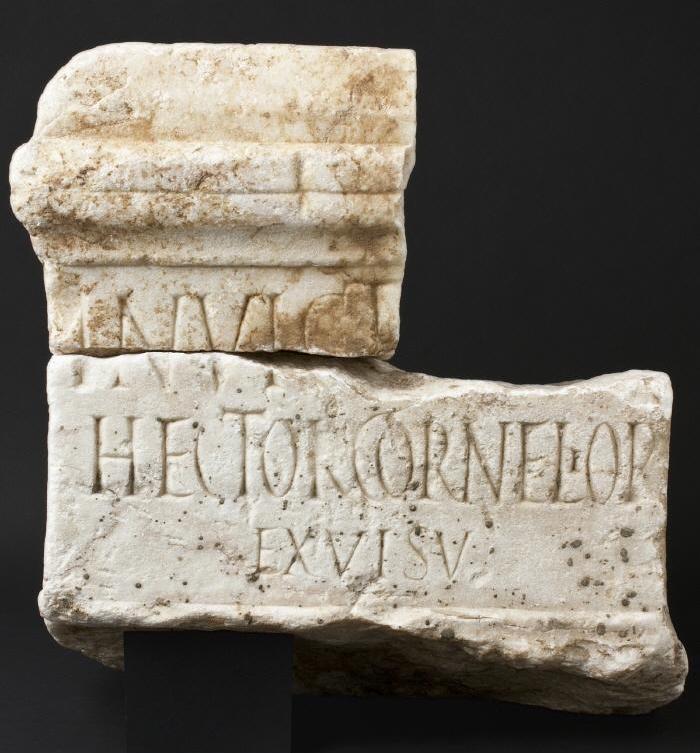
This fragmented altar was found in two pieces that Ana Osorio Calvo has recently brought together.
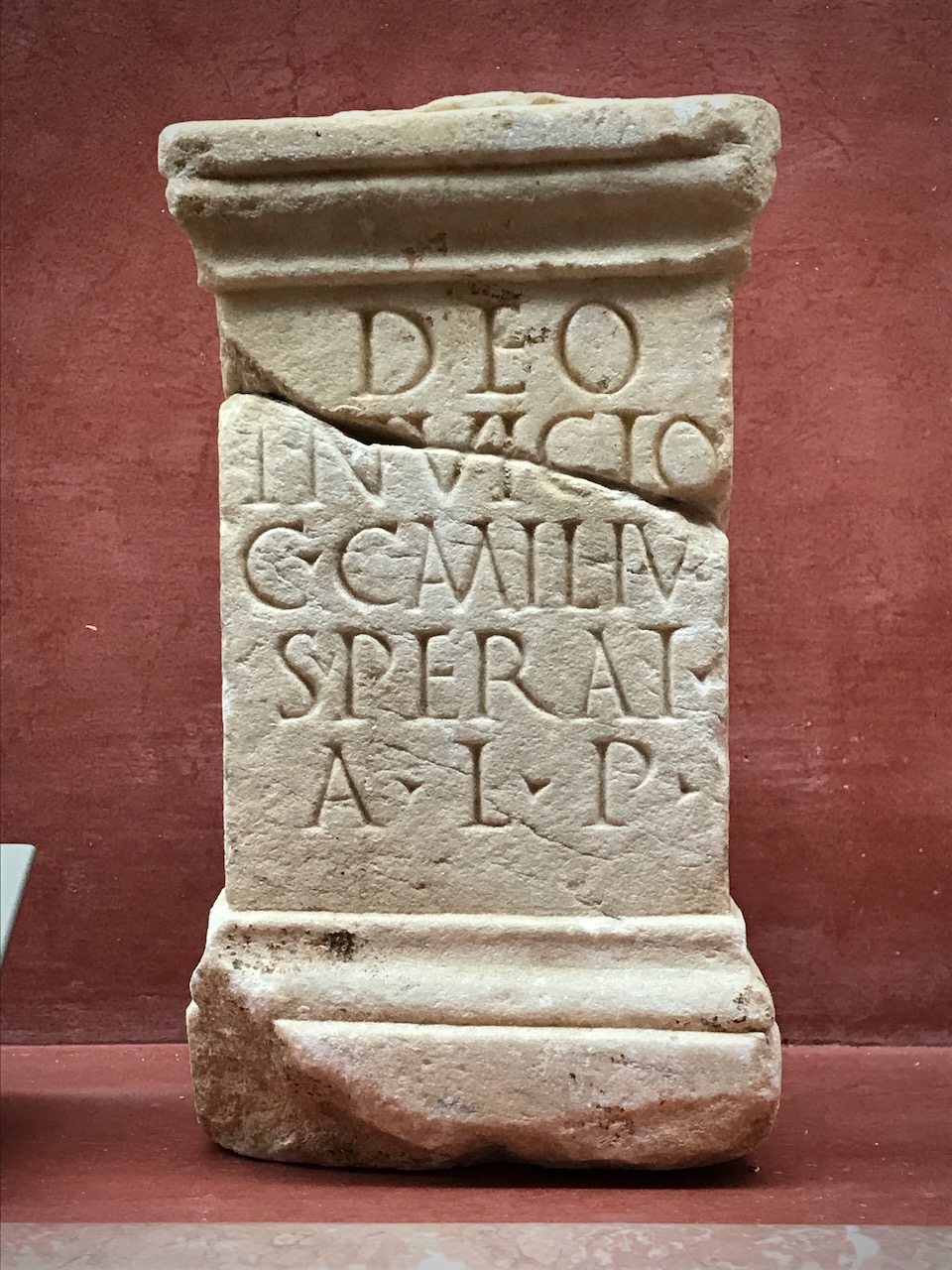
Small white marble altar made in honour of Mithras found at San Albín, Mérida.
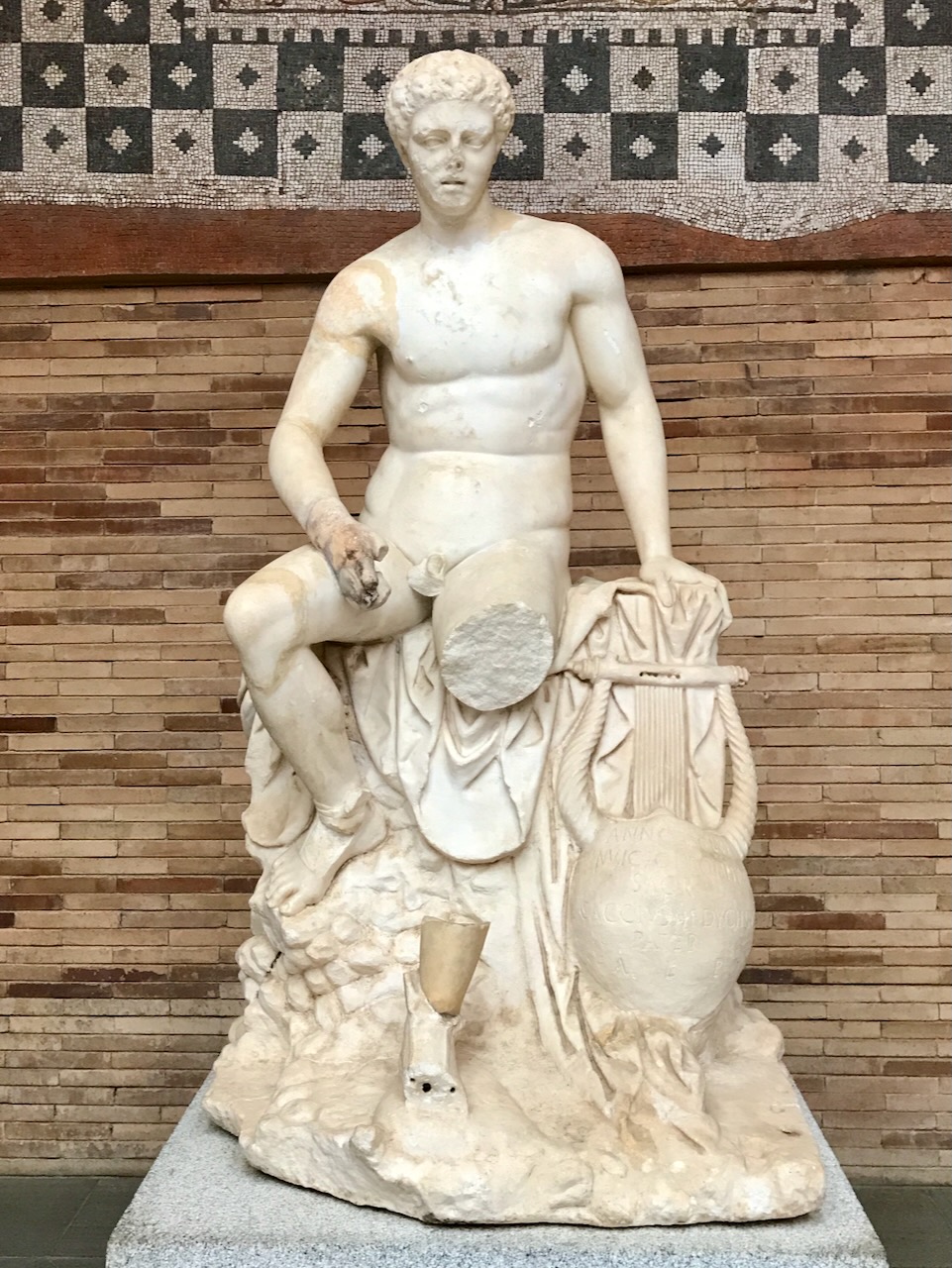
The statue of Mercury in Merida bears a dedication from the Roman Pater of a community in the city in 155.
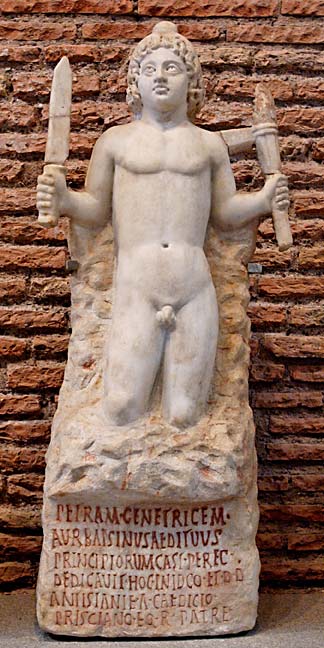
The sculpture of Mithras rock-birth from Santo Stefano Rotondo bears an inscription of Aurelius Bassinus, curator of the cult.
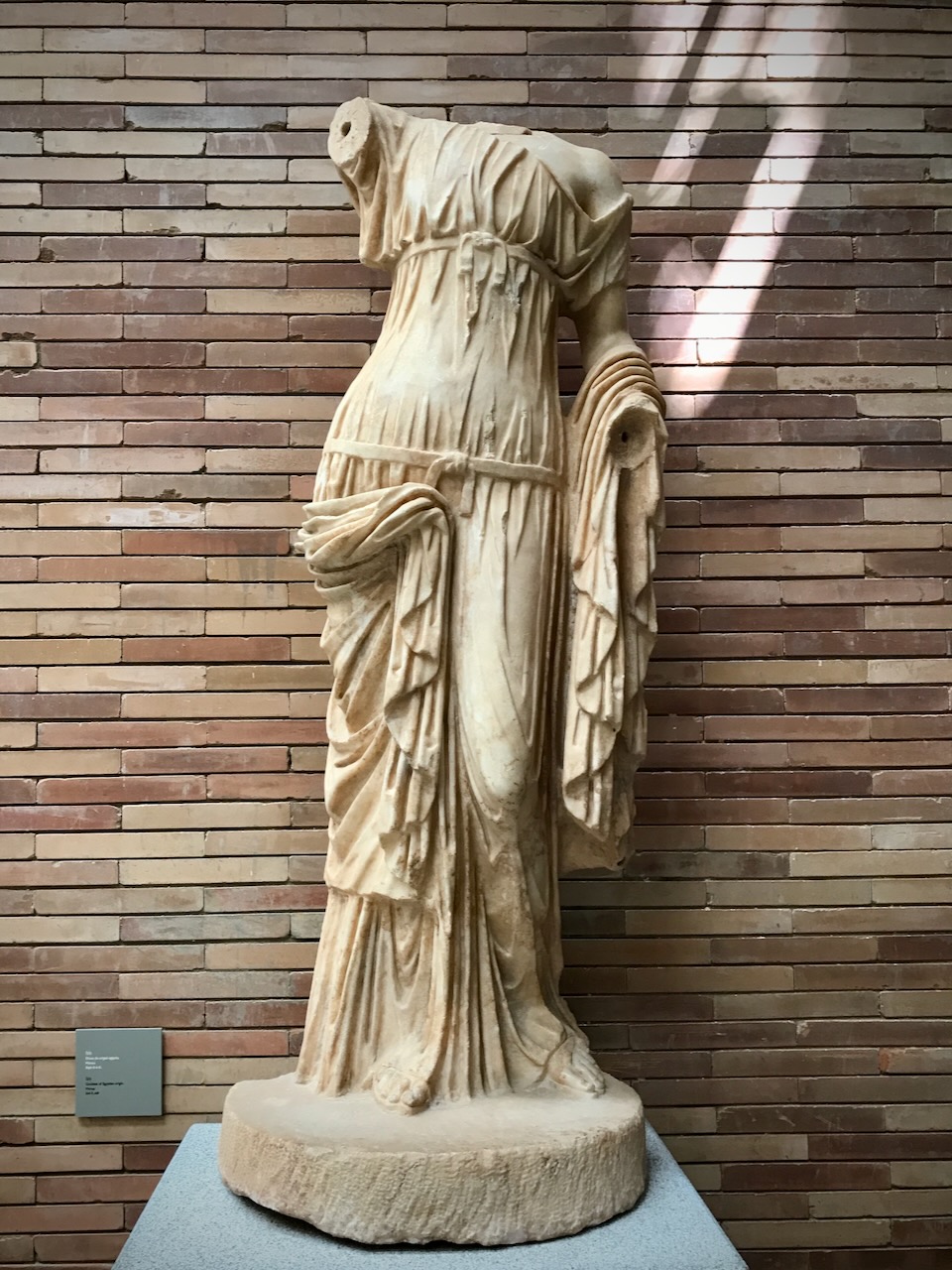
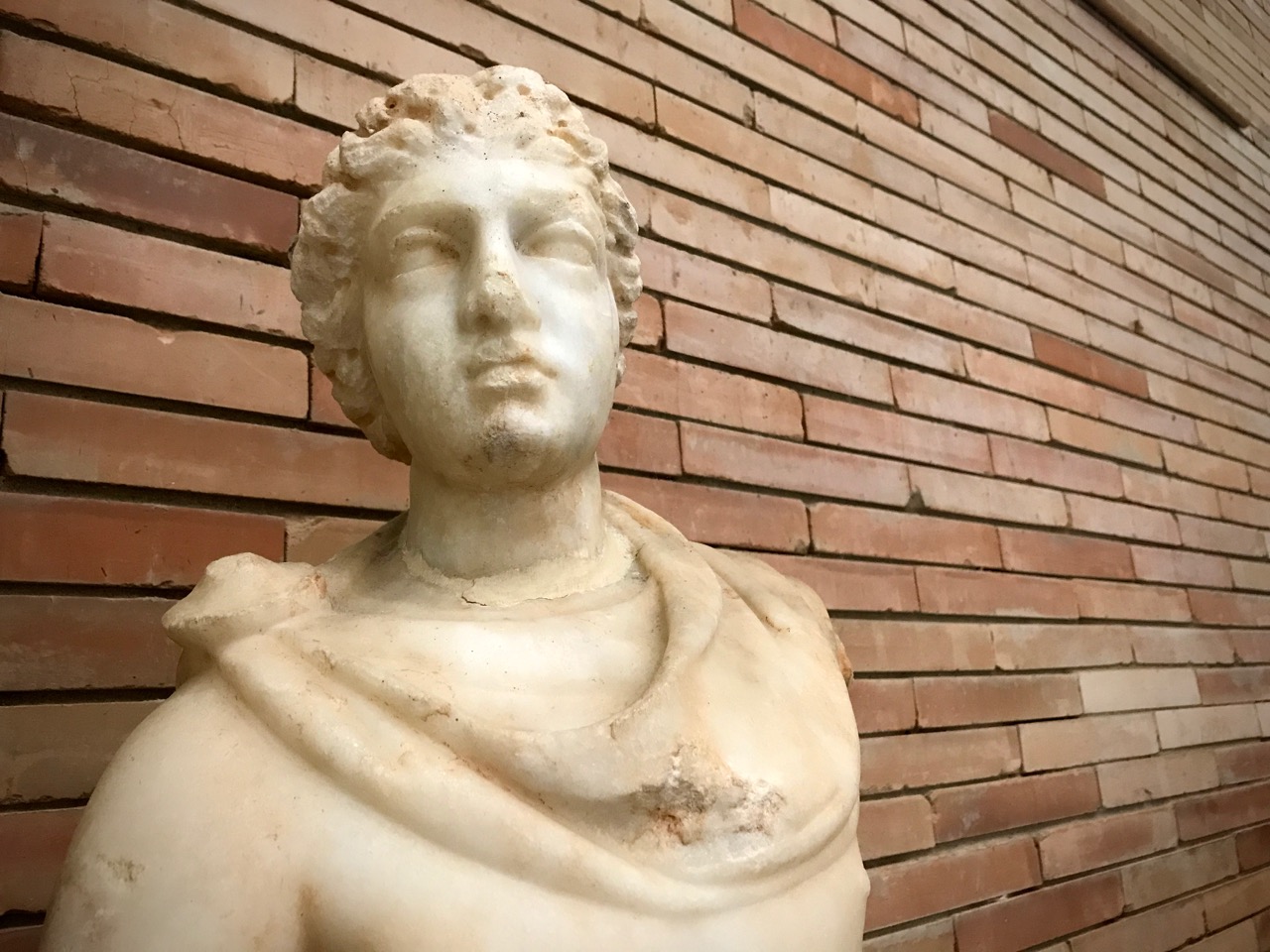
The Isis of Merida is covered by a long dress that reaches down to her feet.
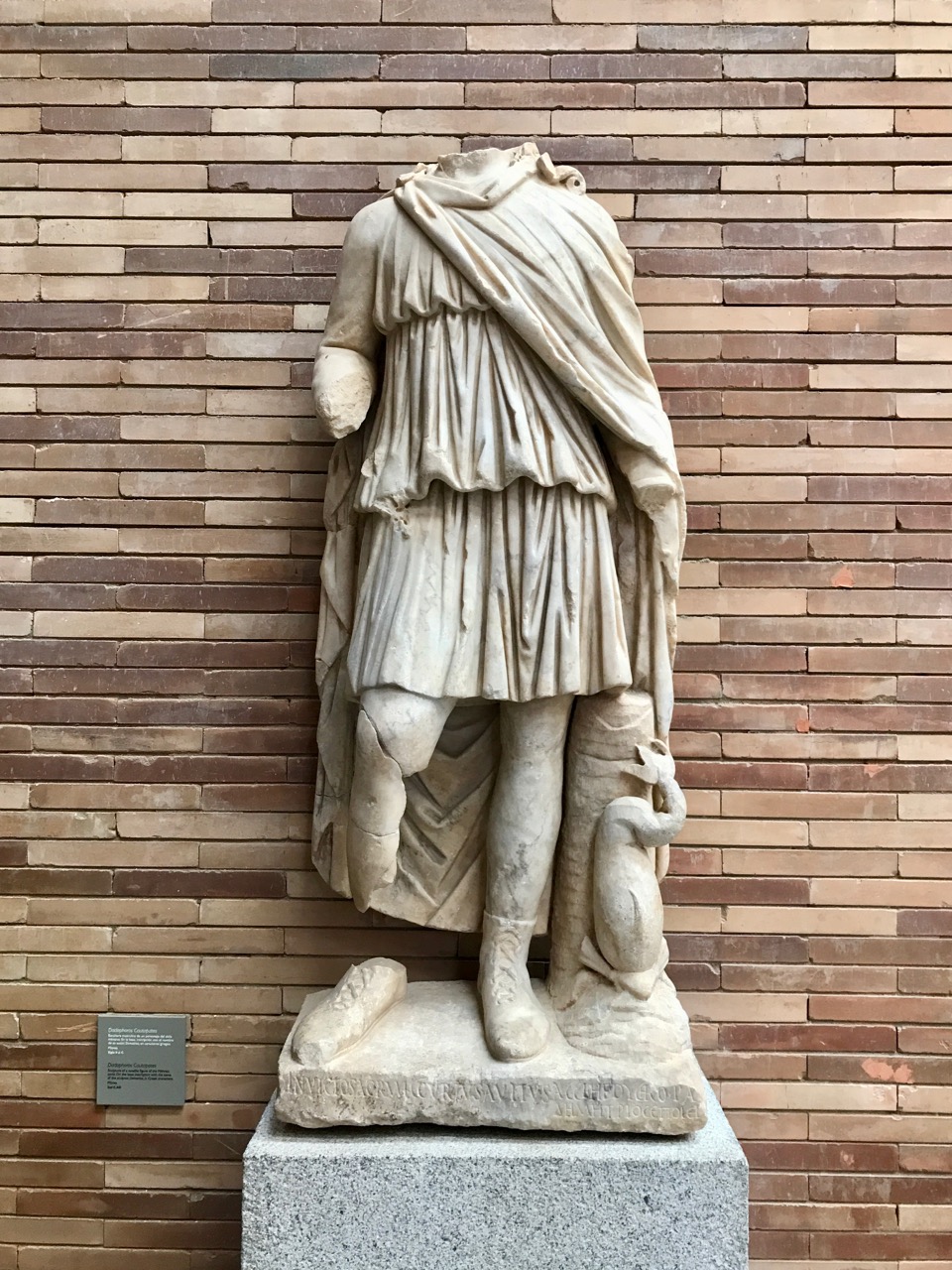
The sculpture of the solar god is signed by its author, Demetrios.
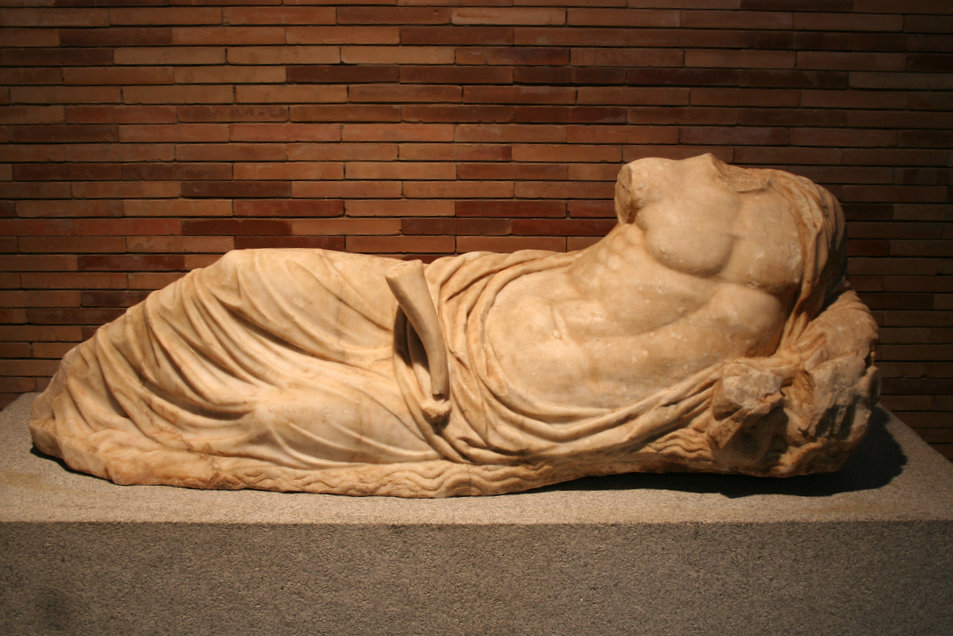
The sculpture of Oceanus in Merida bears an inscription by the Pater Patrorum Gaius Accius Hedychrus.
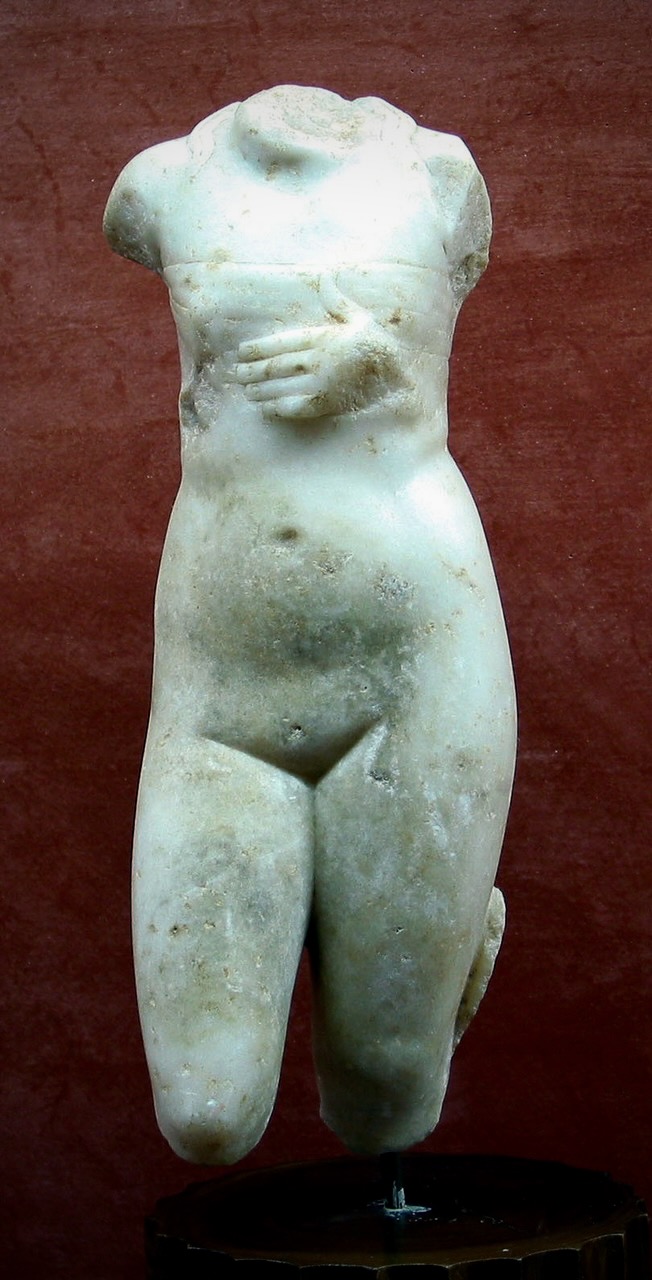
The lack of attributes and its decontextualisation prevent us from attributing a specific Mithraic attribution to this small Venus pudica from Mérida.
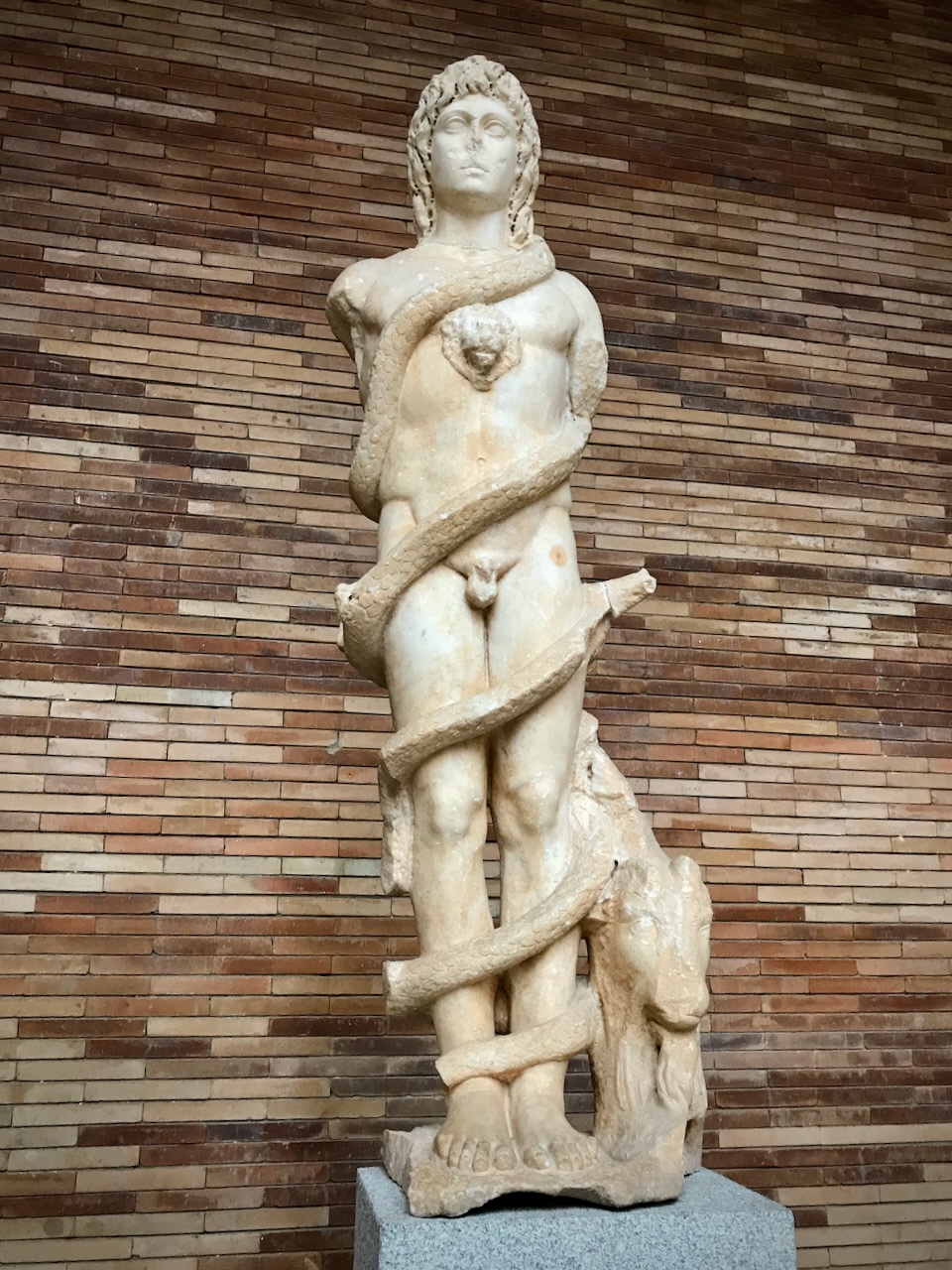
The Aion-Chronos of Mérida was found near the bullring of the current city, once capital of the Roman province Hispania Ulterior.
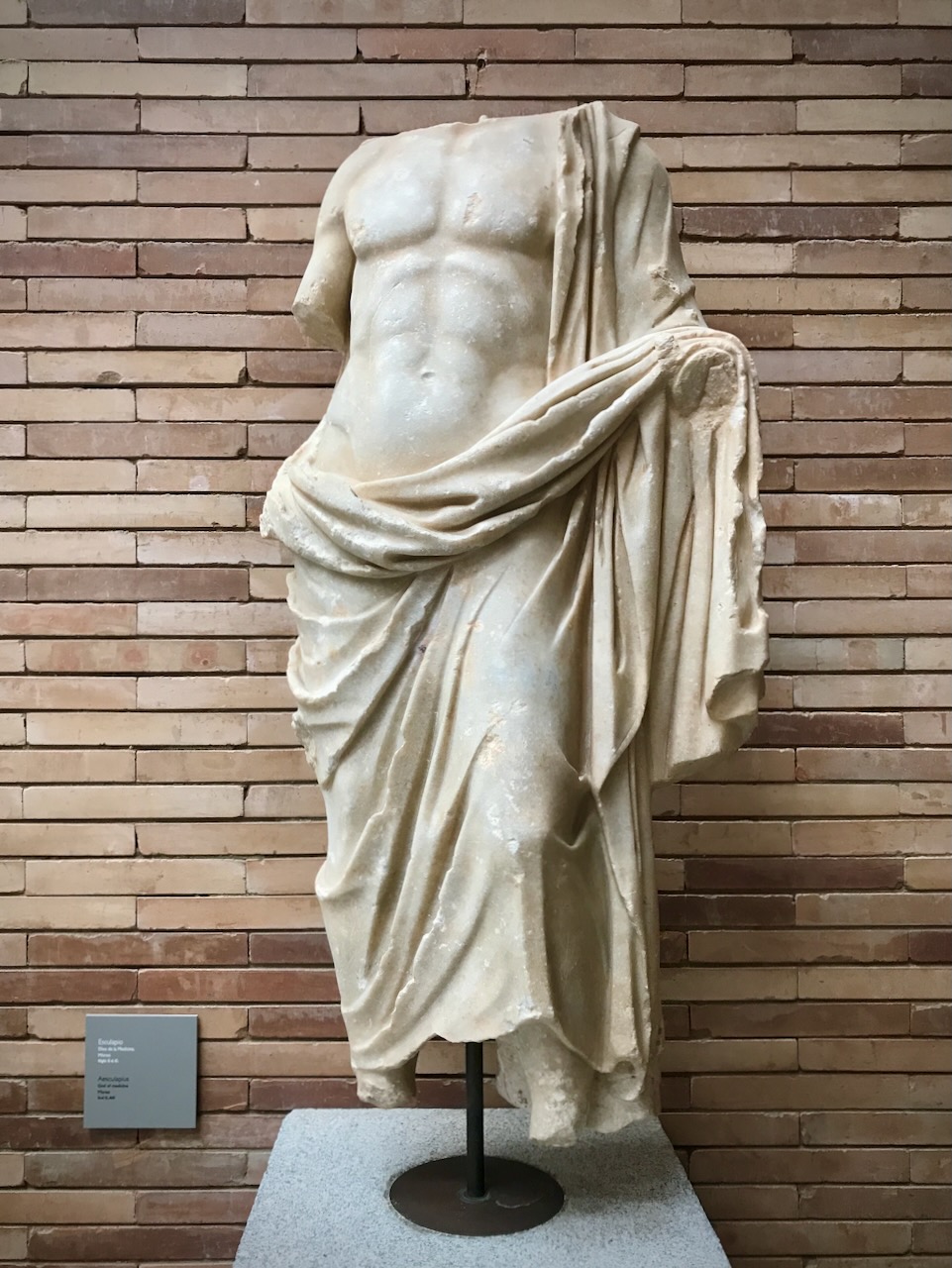
This standing sculptural figure from Mérida appears to carry the serpent staff, characteristic of the medicine god Aesculapius.
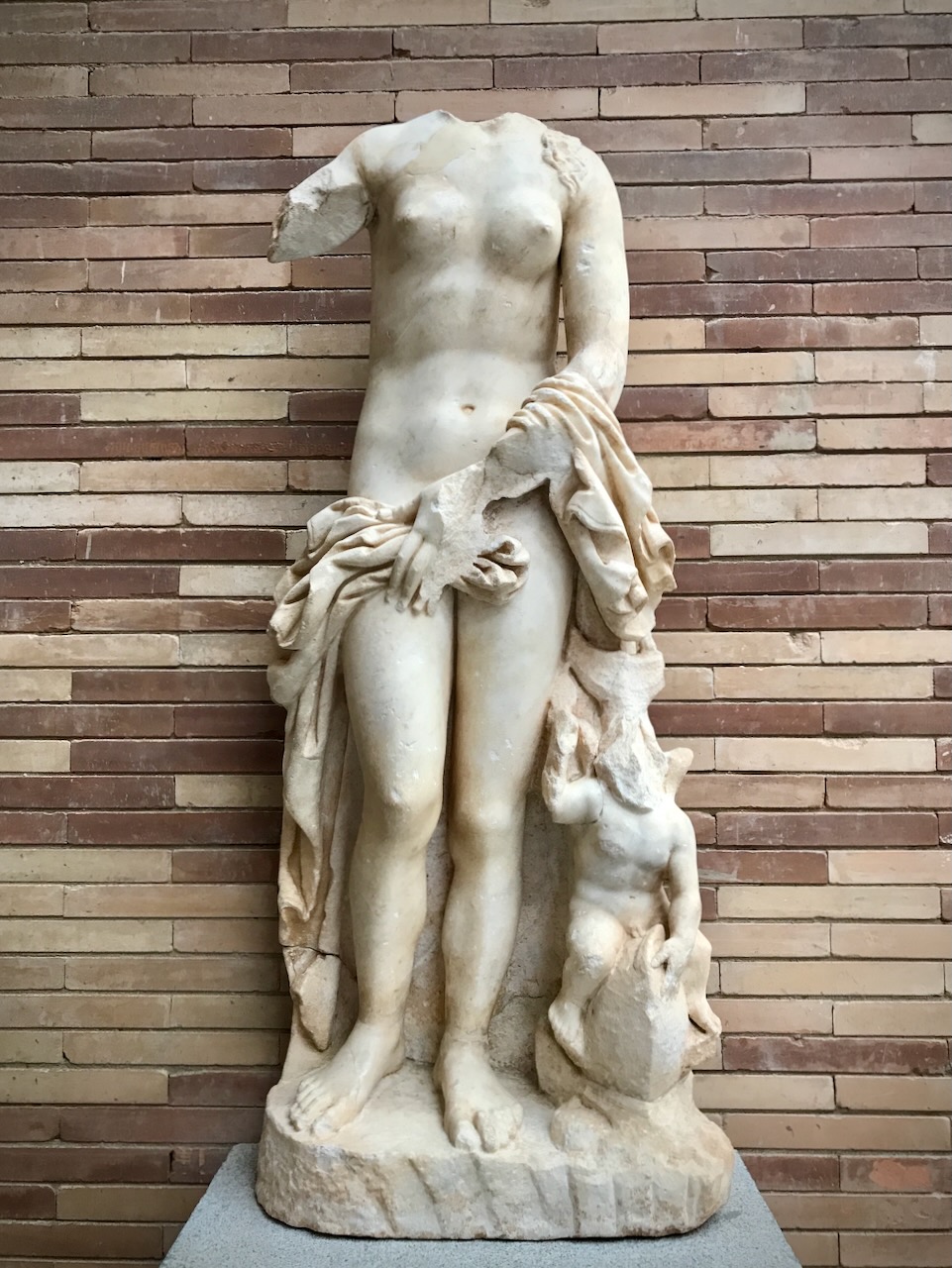
The Venus pudica of Merida stands next to the young Amor riding a dolplhin.
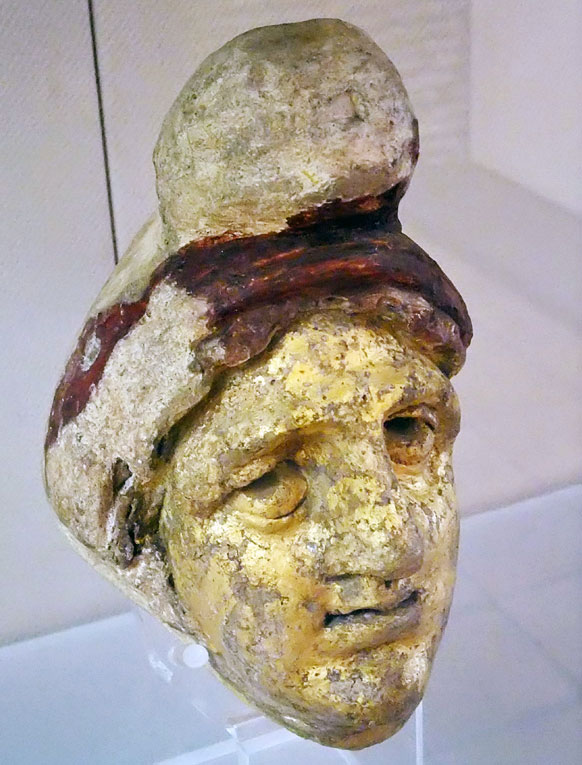
The head was part of a stucco relief of the Tauroctony found under the church of Santo Stefano Rotondo in Rome
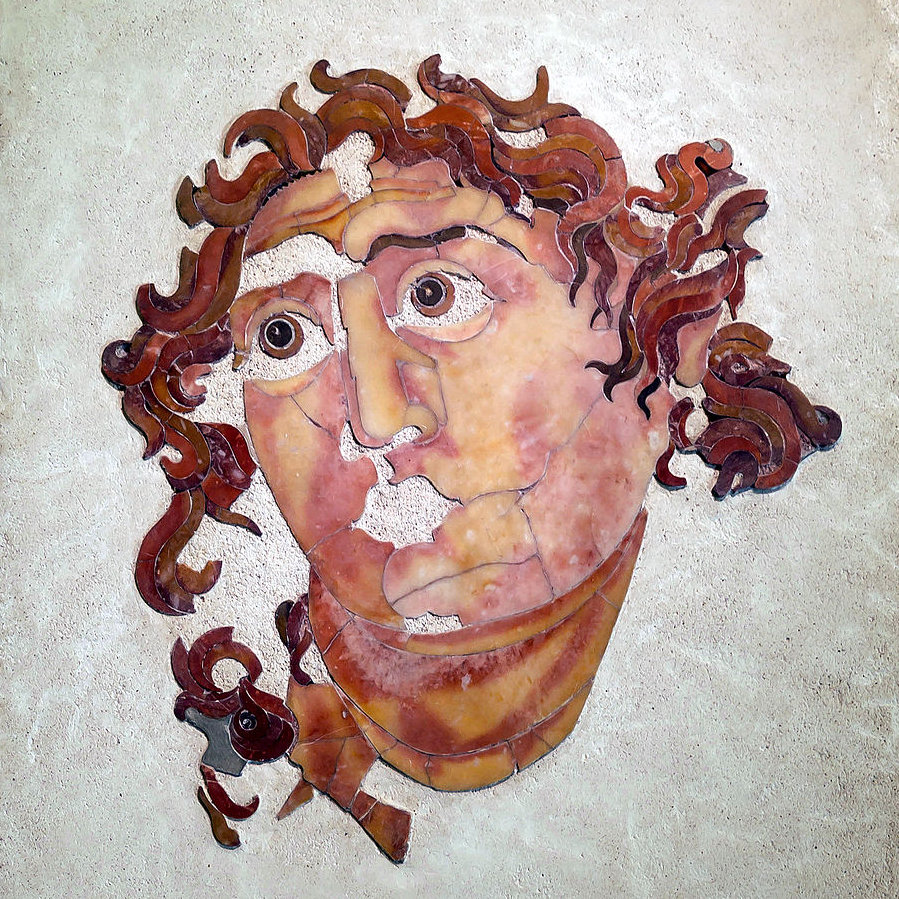
The intarsium of Sol found in the Mithraeum of Santa Prisca is composed of several varieties of marble.
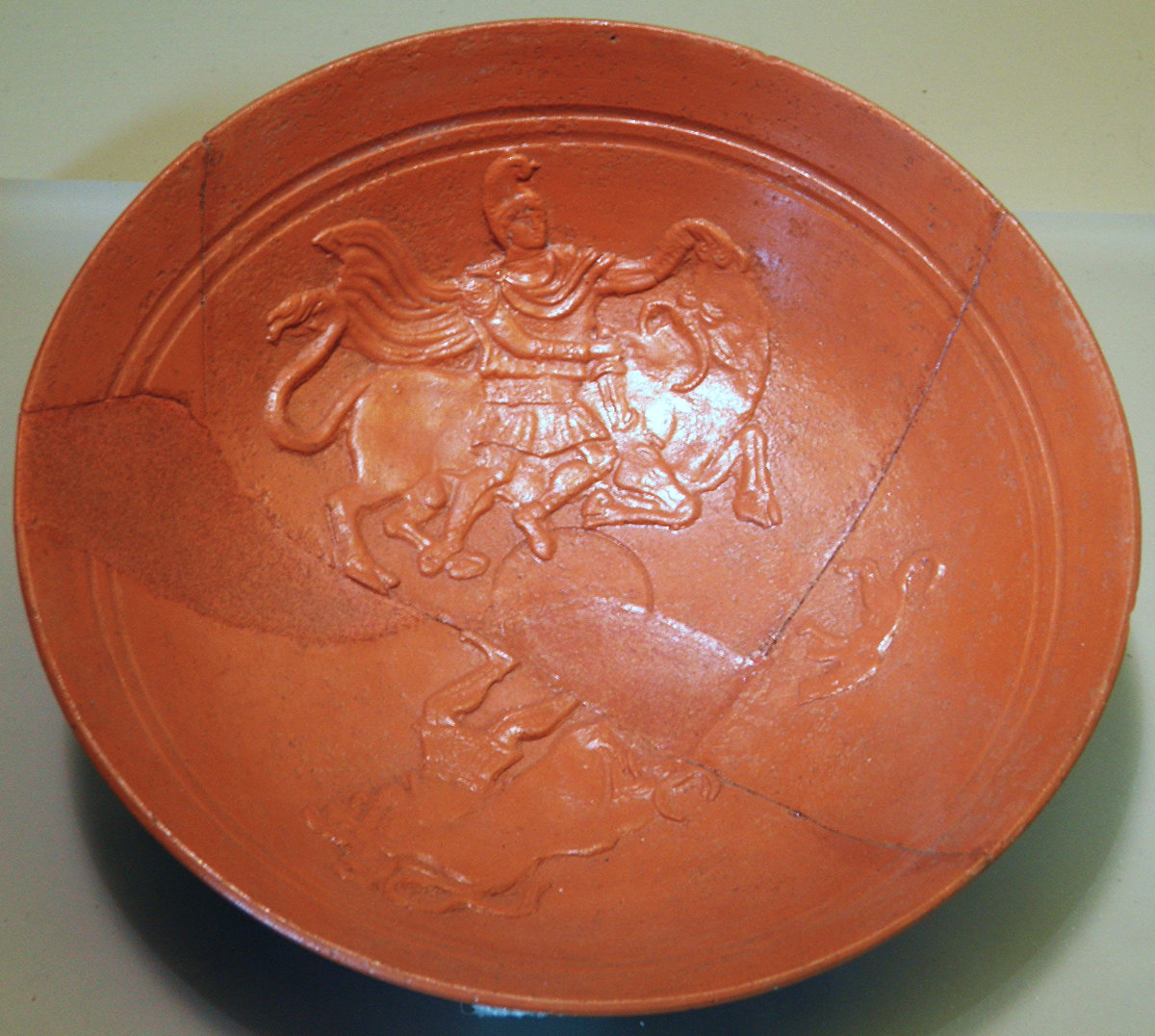
The red ceramic vessel from Lanuvium shows Mithra carrying the bull, followed by the dog, and the Tauroctony on the opposite side.
