Your search Flavius Claudius Julianus gave 109 results.

Argentoratum or Argentorate was the ancient name of Strasbourg. Its name was first mentioned in 12 BC, when it was a Roman military outpost established by Nero Claudius Drusus. The Legio VIII Augusta was stationed there from 90 AD.
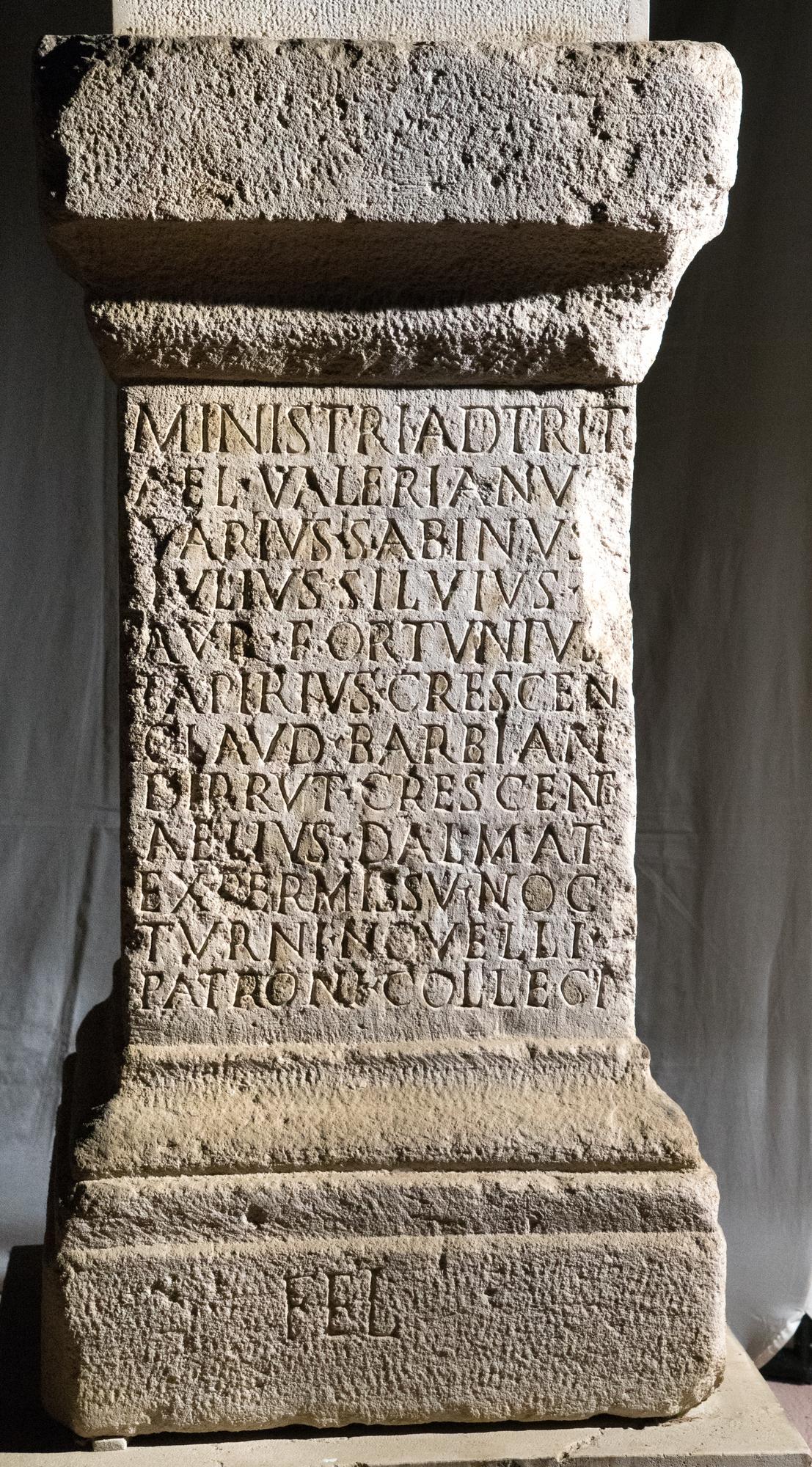
This inscribed limestone altar from Roman Salona preserves several lists of ministers associated with the Tritones collegium during the Tetrarchic period.
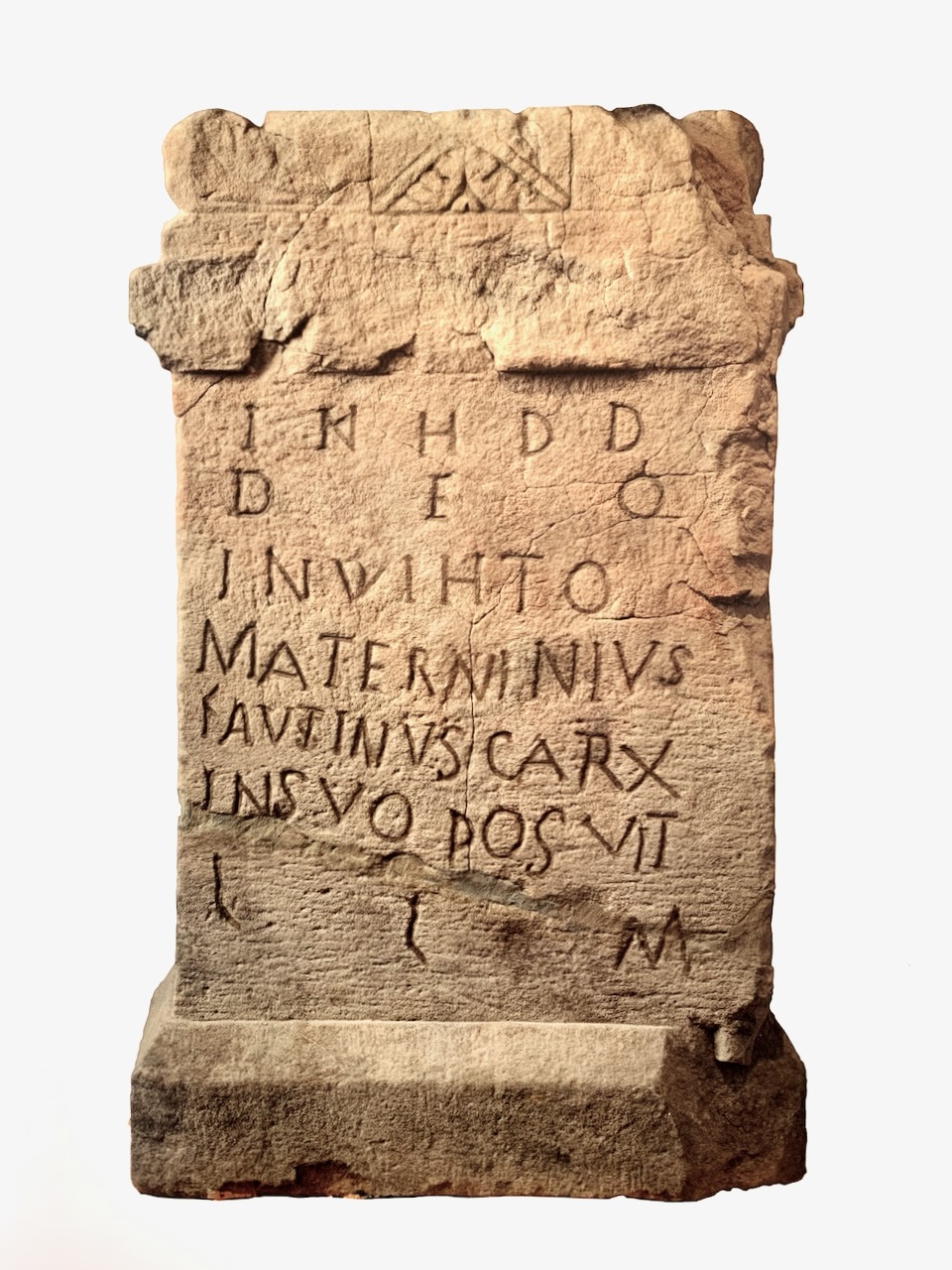
Corax Materninius Faustinus dedicated other monuments found in the same Mithraeum in Gimmeldingen.
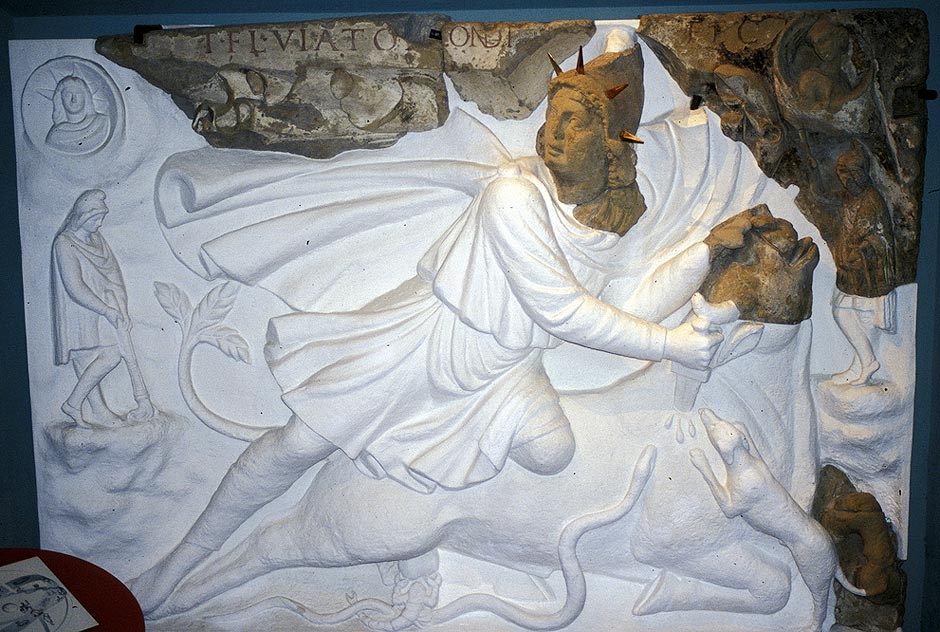
Of this great relief of Mithras slaying the bull only a few segments remain.
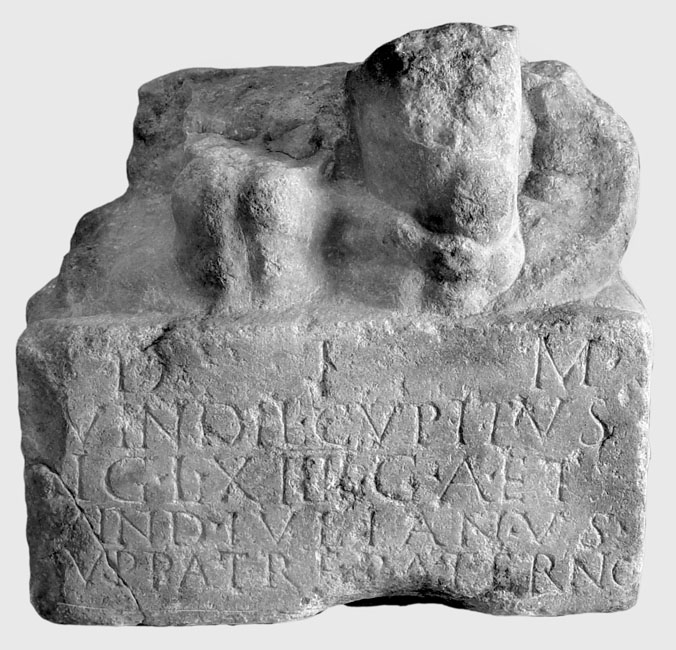
Only parts of the knees of Mithras, emerging from the rock, have been preserved from this monument of Petronell-Carnuntum, Austria.

This remarkable marble relief from the end of the 3rd century was discovered in the most remote room of the Mithraeum in the Circo Massimo.
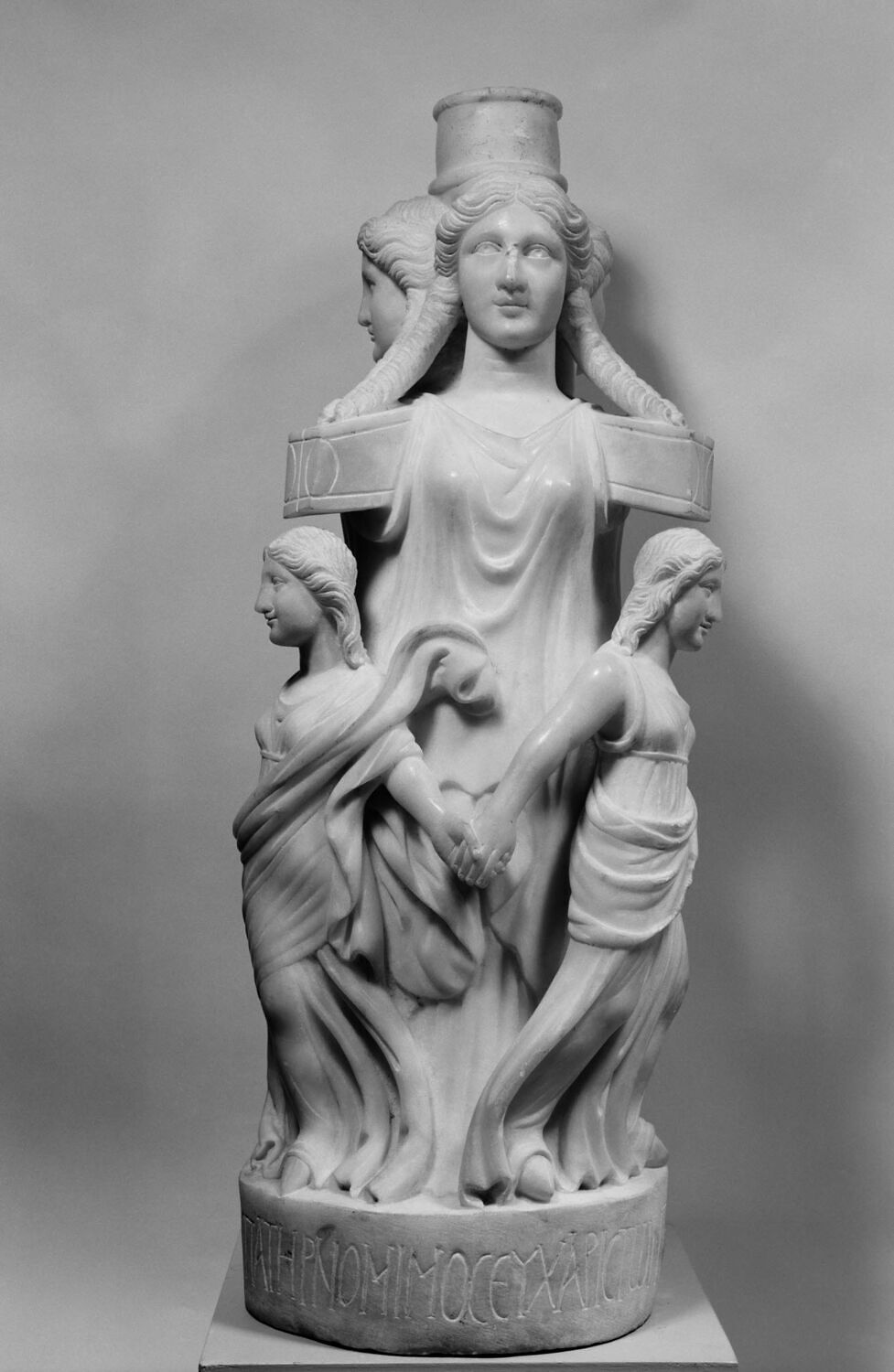
The Hekataion of Sidon, which depicts Hekate in her trimorphic form surrounded by three dancing girls, is the only example found to date in connection with the Mithraic cult.

This altar dedicated to Sol Invictus Mithras by a certain Septimius Zosimus was found in the Basilica of San Martino ai Monti in Rome.

Roger Beck describes Mithraism from the point of view of the initiate engaging with the religion and its rich symbolic system in thought, word, ritual action, and cult life.

A slave of a certain Flavius Baeticus, Quintio dedicated an altar to the health of a companion.

The pater Artemidorus seems to be an Augustan freedman of the Claudians, of Eastern origin.
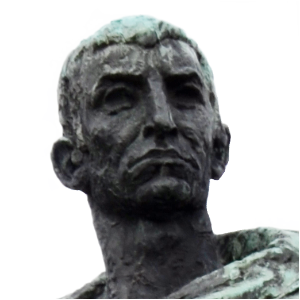
Danube region can be traced back to the legions that fought under his command in Armenia.

Priest. He devoted an inscription found on the main altar of the Mitreo della Planta Pedis.


Public treasurer known for several inscriptions to Mithras found in San Silvestro.

Veteran from Colonia Claudia Ara Agrippinensium (Köln) who erected an inscritiption to Mithras and his ally Sol.

Slave who, for the salvation of his master, built a spelaeum in Aquileia, complete with its furnishings.


Tracing the links between the cult of Mithras and the Proud Boys’ quest for identity, power, and belonging. How ancient rituals and brotherhood ideals resurface in radical modern movements.
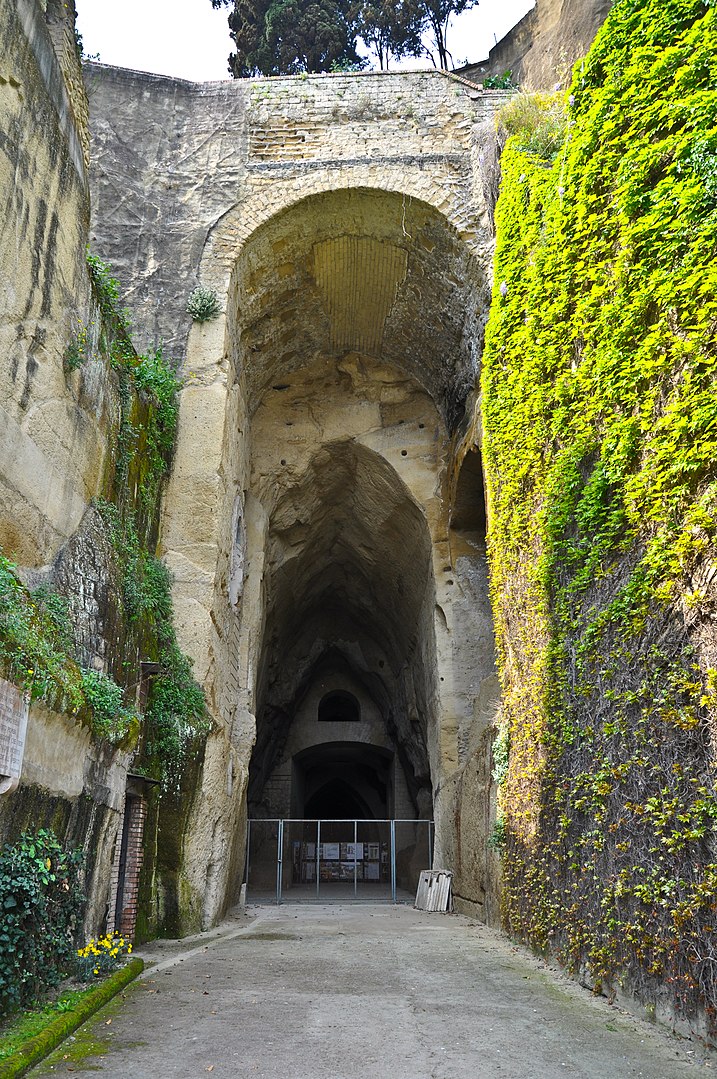
The Mitreo della crypta neapolitana was used a des legends about its use, from a cult place devoted to Priapus to celebrate Aphrodite.
