Your search Frankfurt am Main gave 1171 results.

The Roman castrum Mogontiacum, the forerunner of Mainz, was founded by the Roman general Drusus around 10 BC. It was an important military town throughout the Roman period. The town of Mogontiacum grew up between the fort and the Rhine.
The Celts are the first known to have settled in this place, which they called Binge, meaning rift. Roman troops stationed here in the first century AD rendered the local name as Bingium in Latin.

'Hail to Kamerios the Pater' can be read on one of the walls of the mithraeum at Dura Europos.

This relief of Mithras slaying the bull, framed by acanthus leaves, was sold at auction in 2011 by Bonhams.
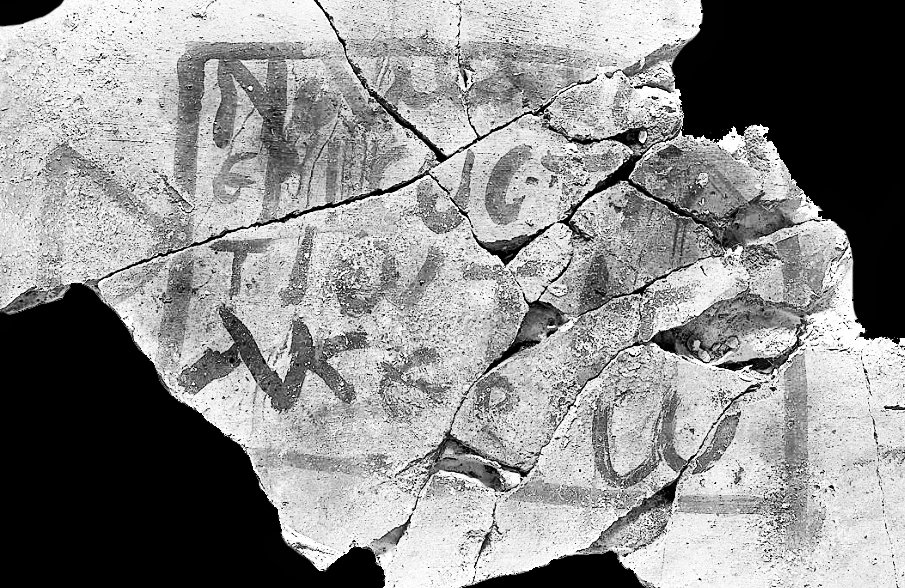
The text mentions a certain Kamerios, described as immaculate miles.

This lamp, depicting a man slicing his victim into pieces with a sword, was believed to be associated with the Cult of Mithras.
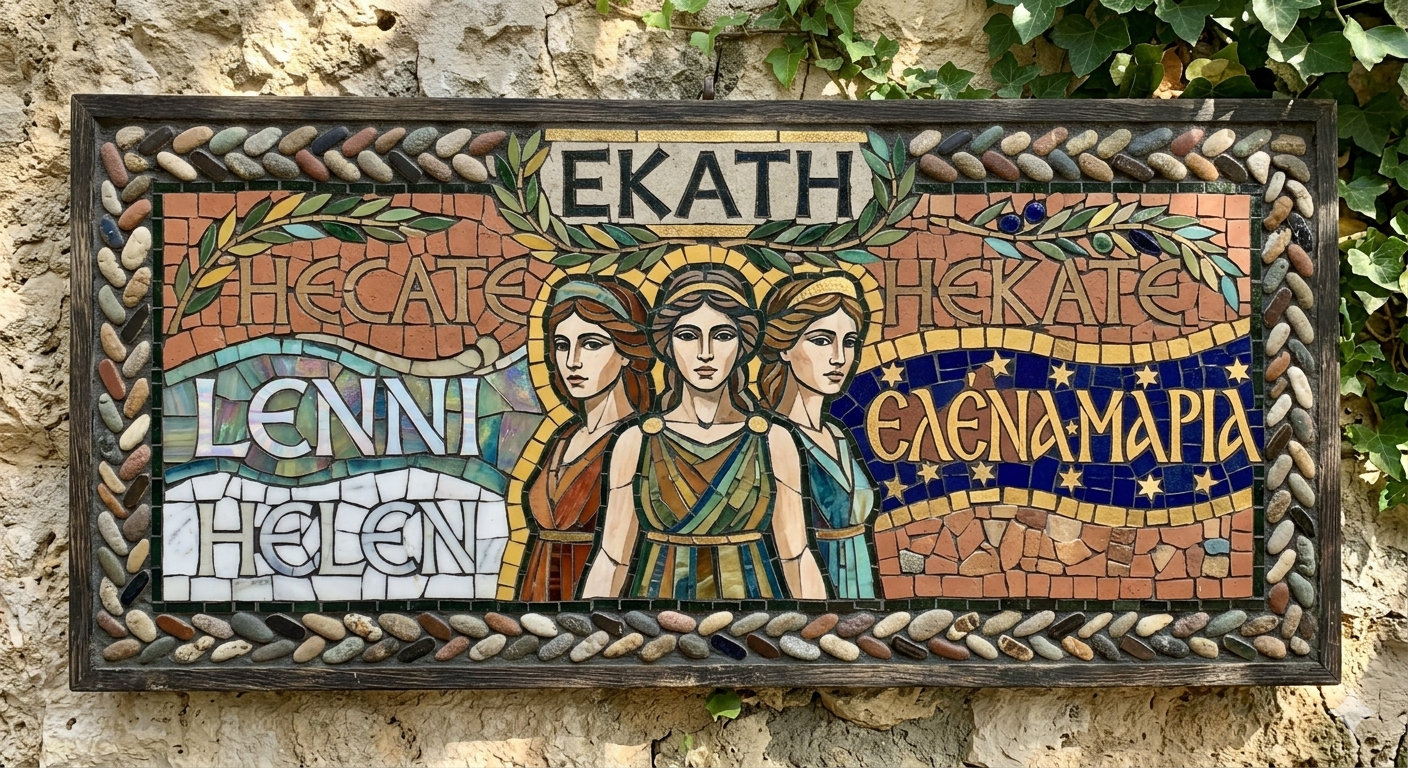
On what Hekate’s name may or may not tell us, and why the uncertainty matters.
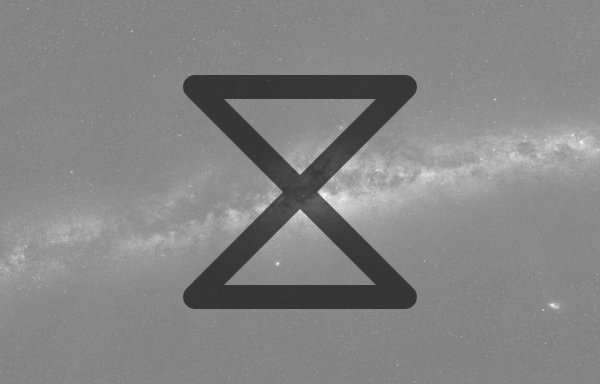
Dominique Persoons proposes a reconstruction of Mithraic ritual based on archaeological remains, frescoes, and zodiacal symbolism. He interprets the mithraeum as a liturgical microcosm governing the descent, purification, and ascent of souls.

From the late first century CE, Mithras spread across the Roman Empire, leaving more than 130 sanctuaries and nearly 1,000 inscriptions. This volume offers a rigorous synthesis that renews our understanding of this enigmatic cult.


Genet aborde les thèmes qui lui sont chers, dans les règles de l’art mais en laissant affleurer un lyrisme bien tenu.

Employing all the available data & survivals of the historic Persio-Roman Mithraics. Embodying versions of Zoroastrian Scriptures; Combining the religions of all races & times...

The present volume reconstructs the history of the mithraea of Güglingen. In addition, rich finds provide insight into hitherto unknown areas of the liturgical practice of the cult of Mithras.


