Your search Han Potoci gave 881 results.
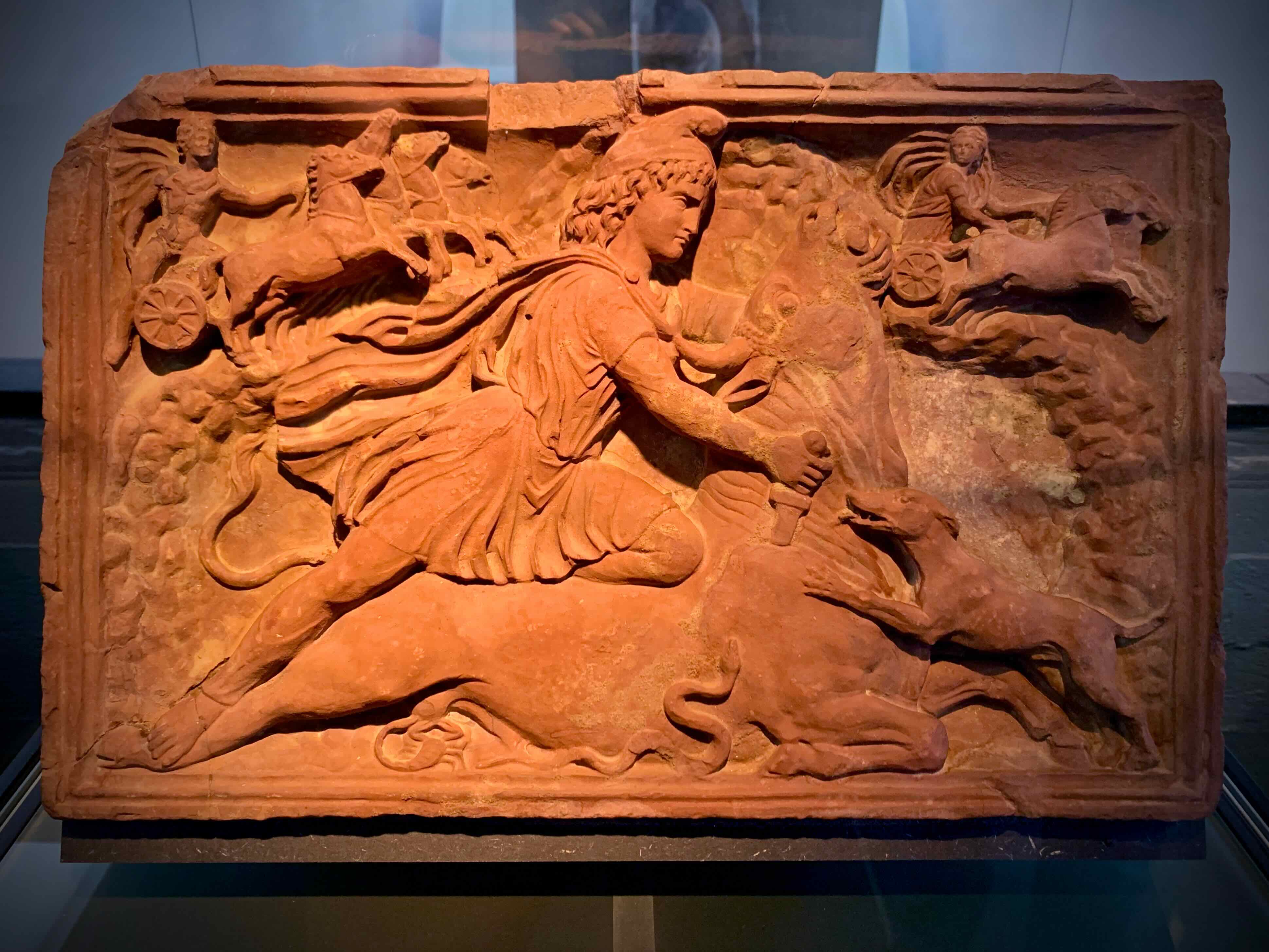
Maarten Vermaseren acquired this rosso antico marble of Mithras slaying the bull in 1961.
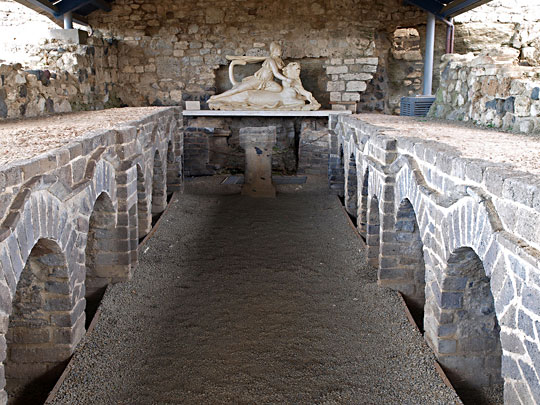
The Mithraeum of Vulci is remarkable because of his high benches and the arches below them.
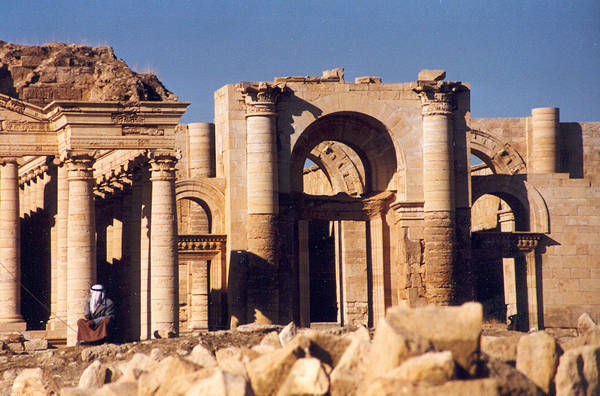
The city of Hatra was famed for its fusion of several civilization cults, which several temples devoted to gods from all Indo-European world.
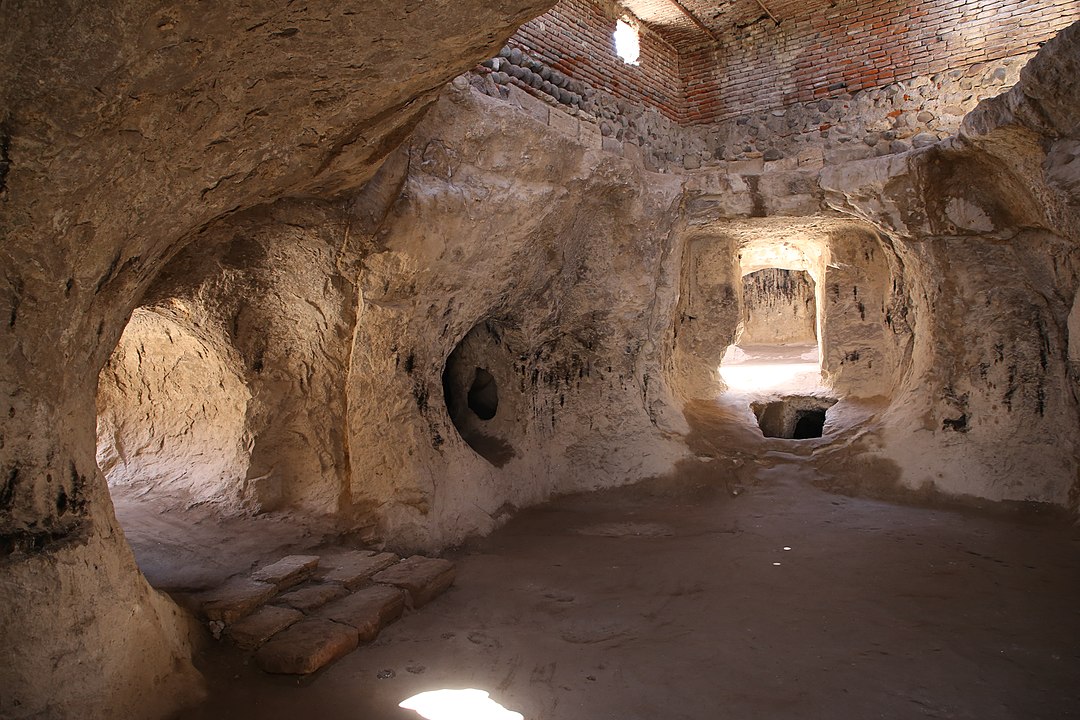
The Mithra Temple of Maragheh, also referred to as the Mithra Temple of Verjuy or simply Mehr Temple, is the oldest surviving Mithraic temple in Iran known to date.
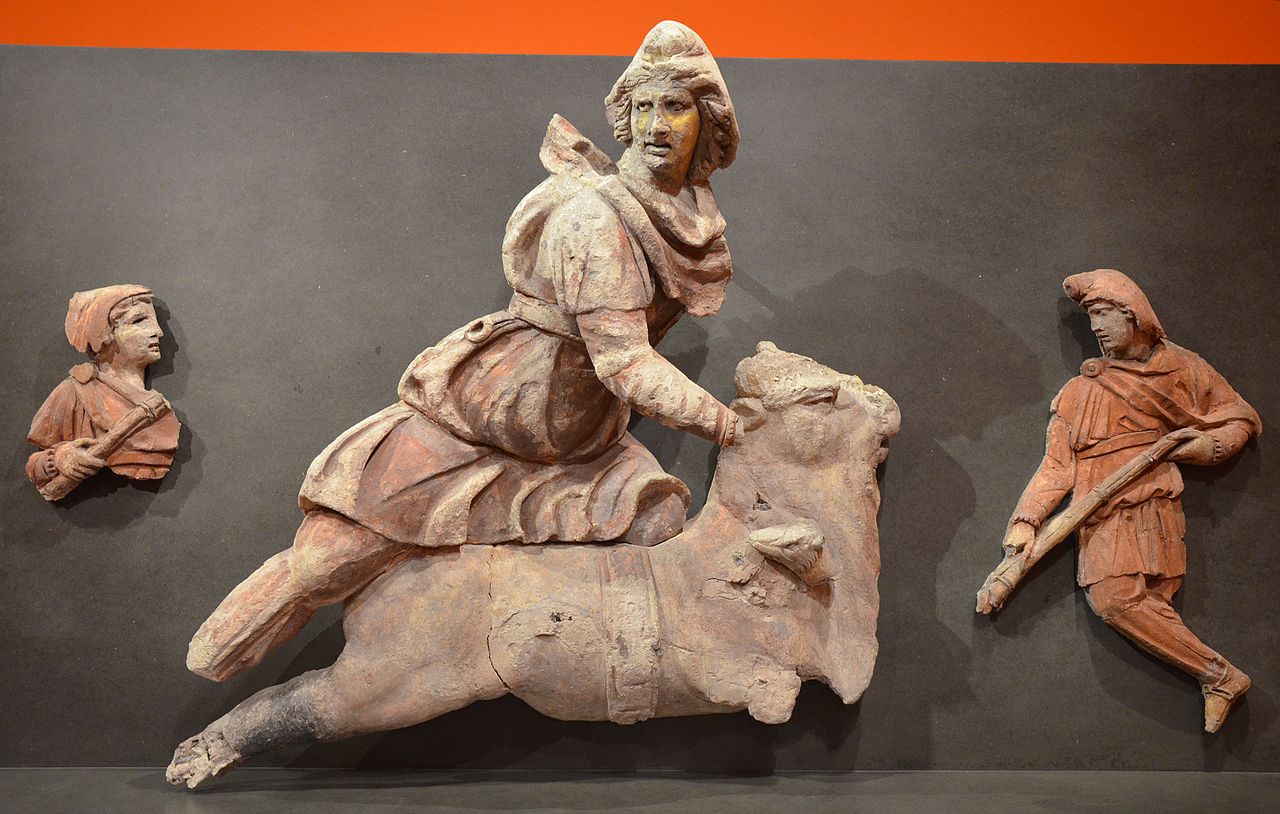
This relief was found under the Palazzo Montecitorio, in Rome, and bought by the Liebighaus at Frankfort.
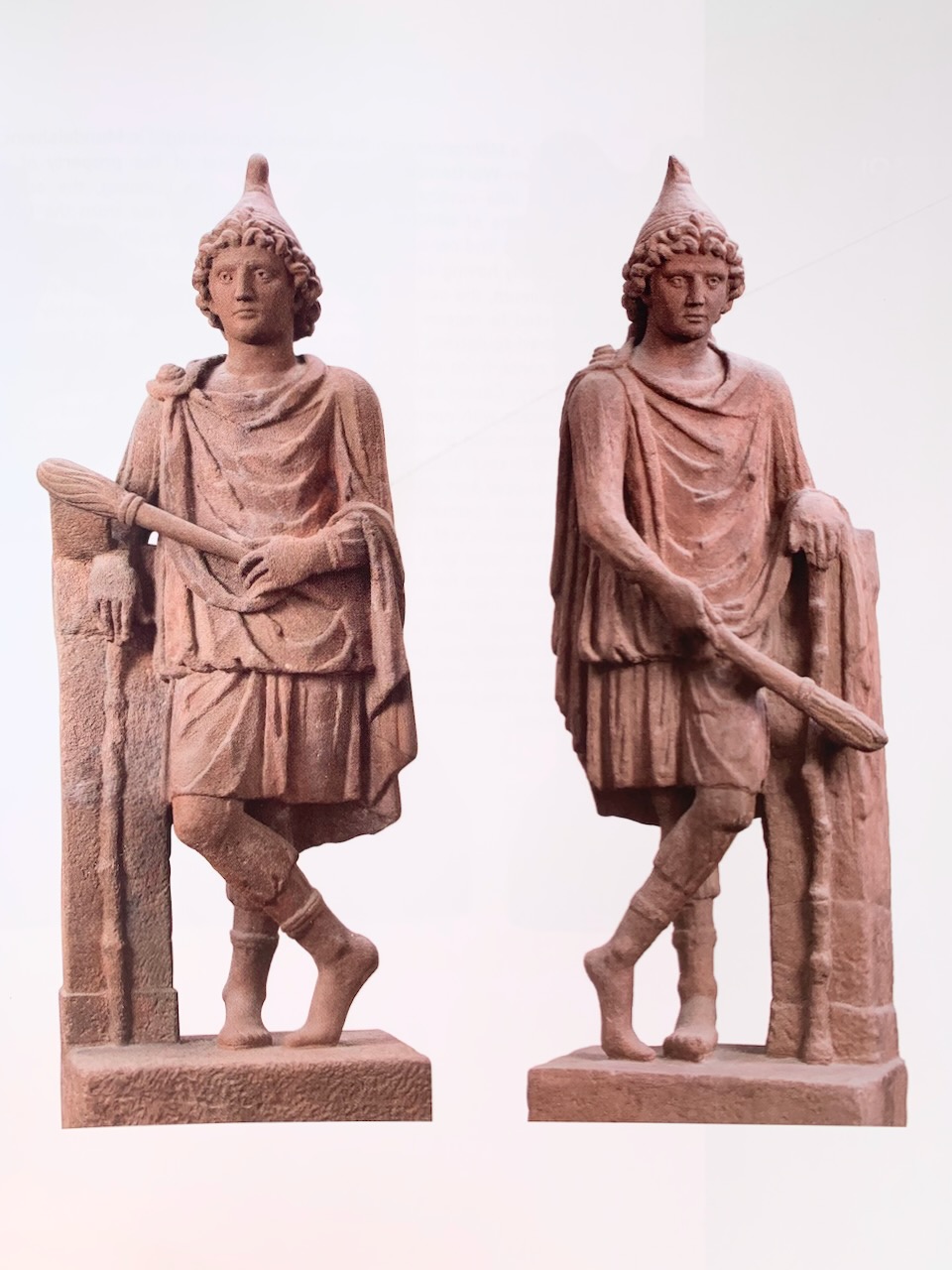
The two companions of Mithras carry a torch and a shepherd's staff at the third Mithraeum in Frankfurt-Heddernheim, formerly Nida.
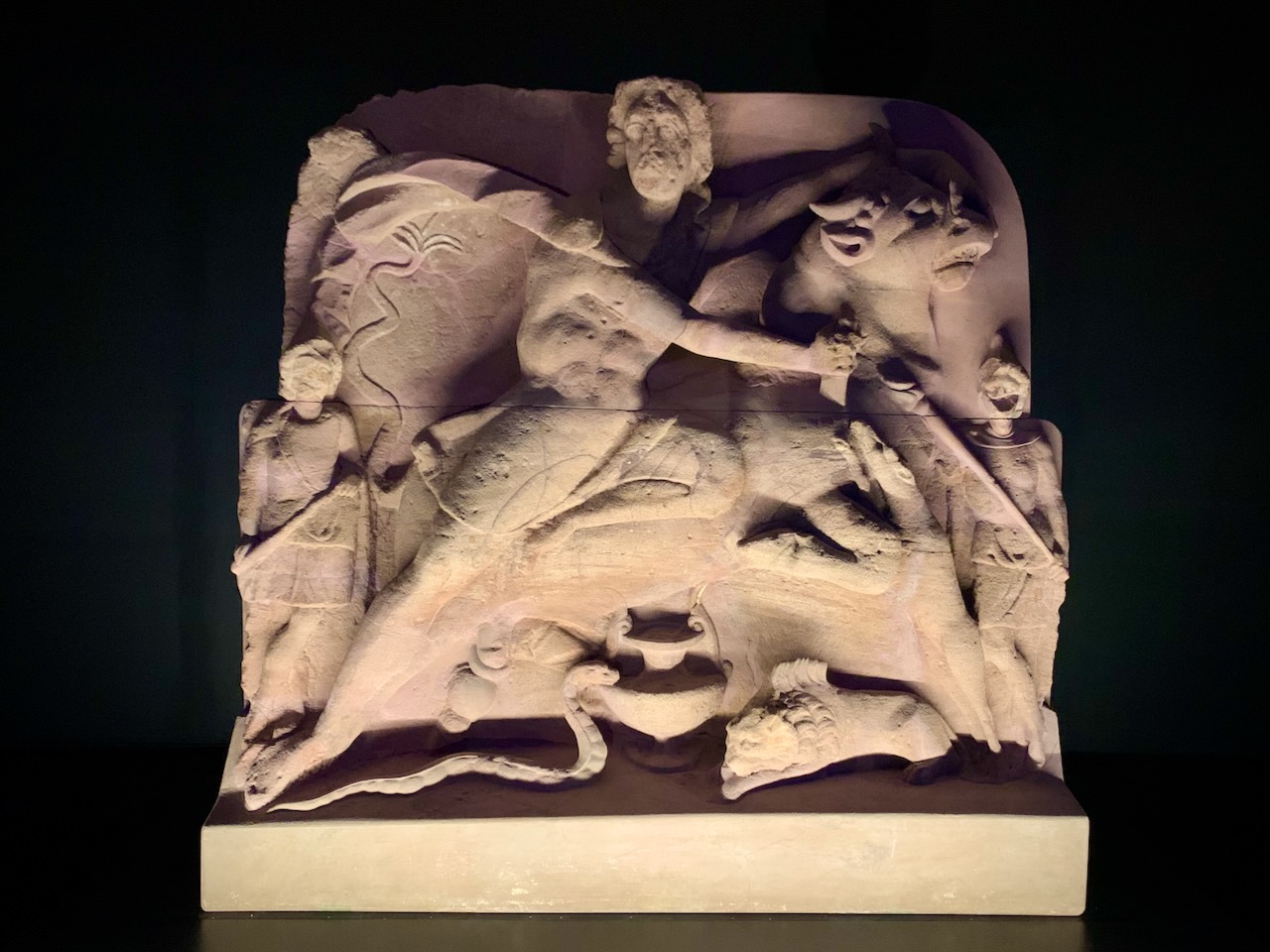
The relief of Mithras slaying the bull from Nida's Mithraeum III was found in two pieces in 1887, destroyed during an air raid on Frankfurt in 1944, and restored in 1986.
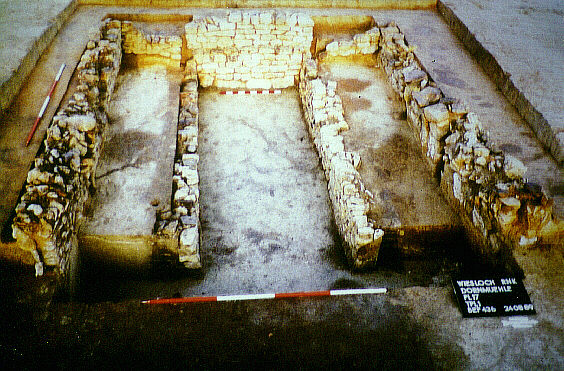
The first members of the Wiesloch Mithraeum may have been veterans from Ladenburg and Heidelberg.
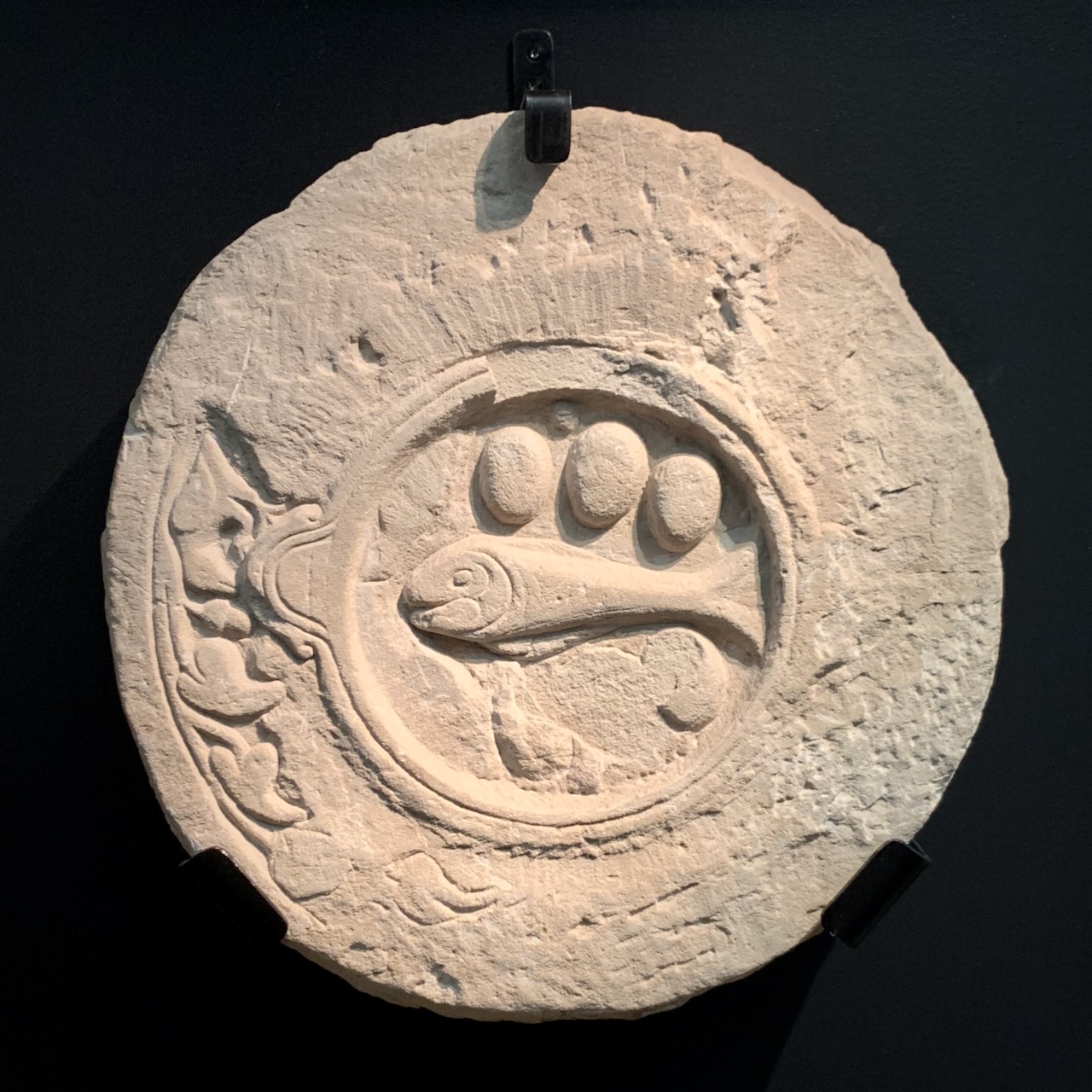
The iconography of the platter of Ladenburg might evoke the food consumed during Mithraic banquets.
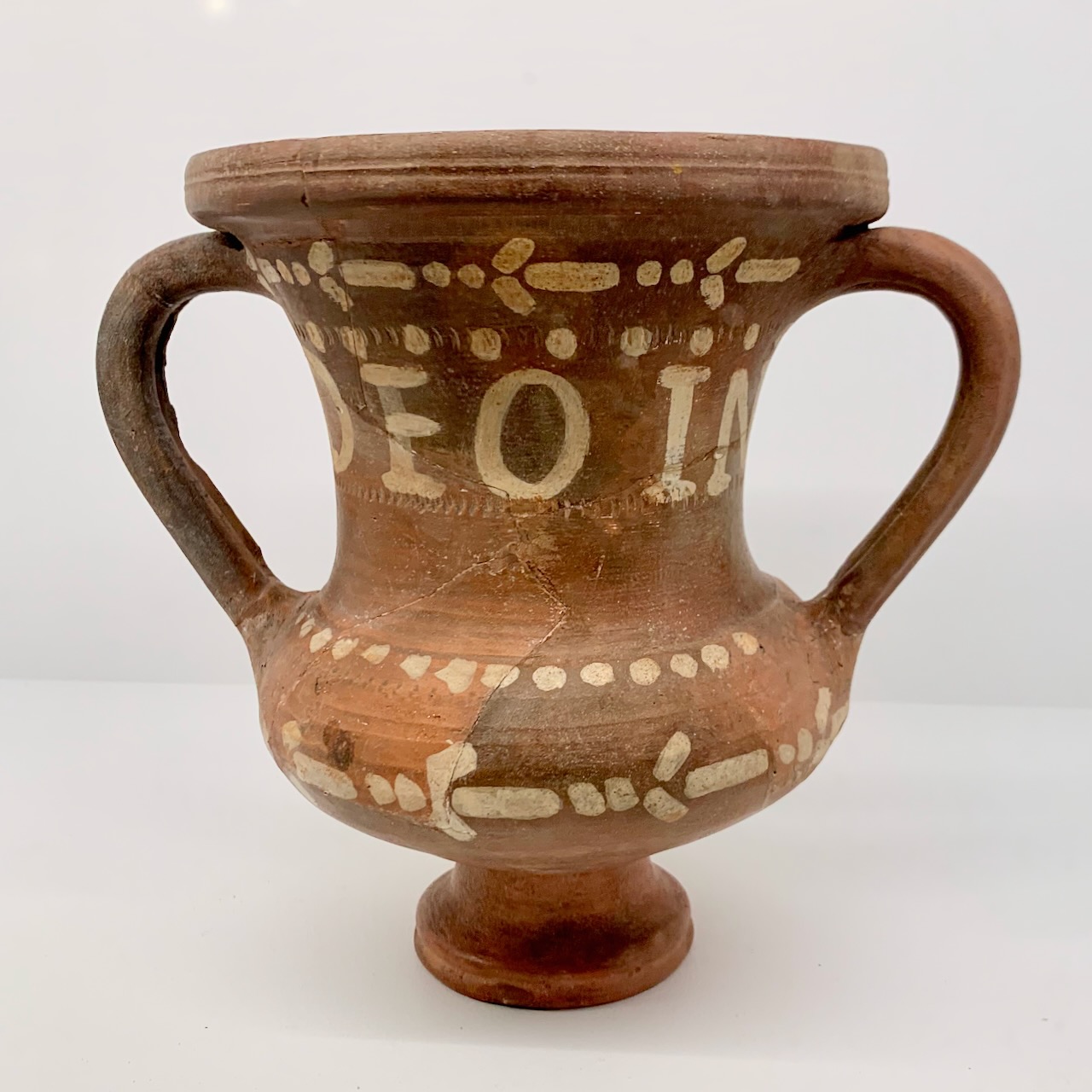
The cantharus of Trier is reminiscent of the crater that often appears in tauroctony scenes collecting the blood from the slaughtered animal.
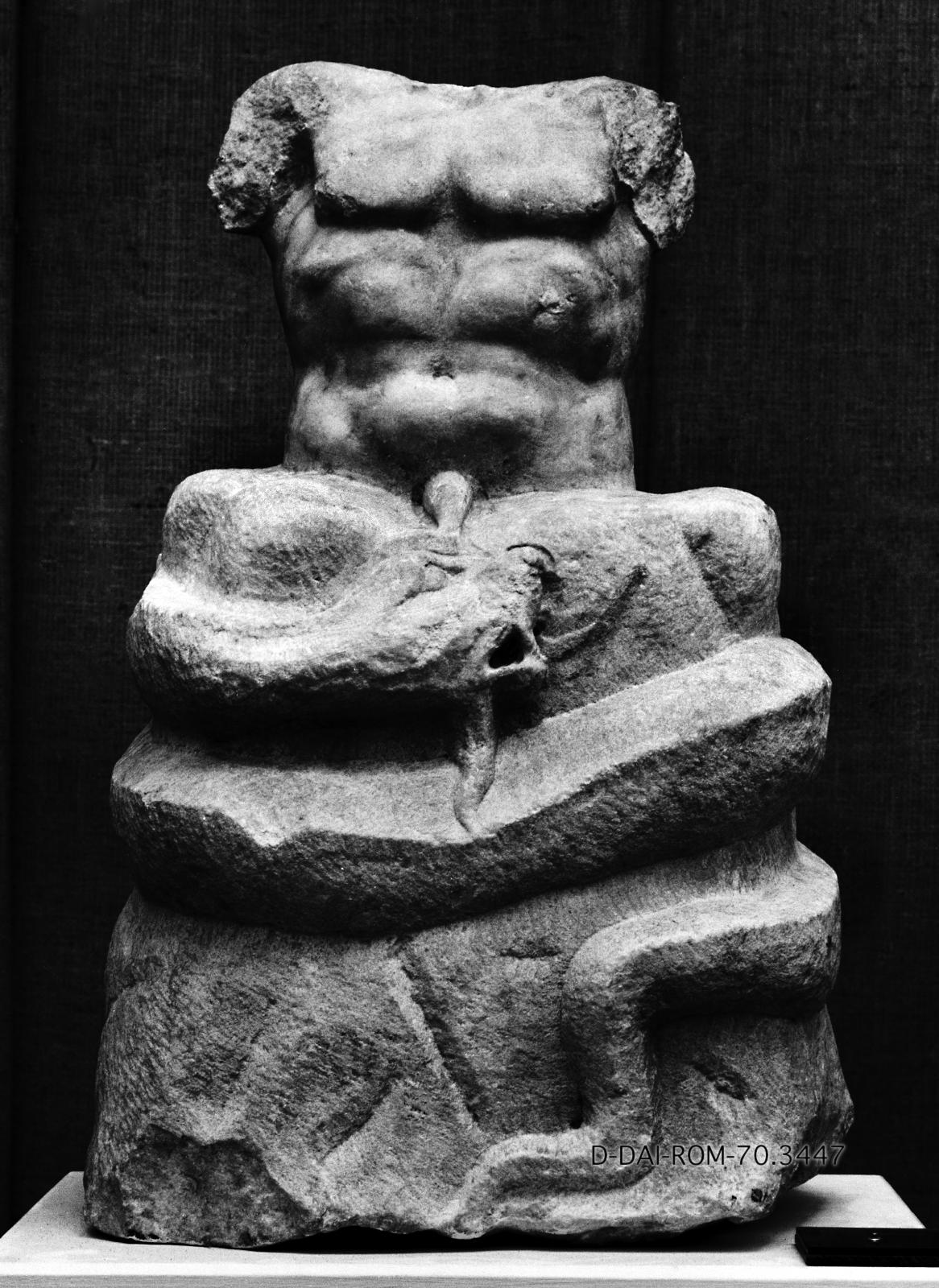
Mithras born from the rock with a snake raising in coils around it.
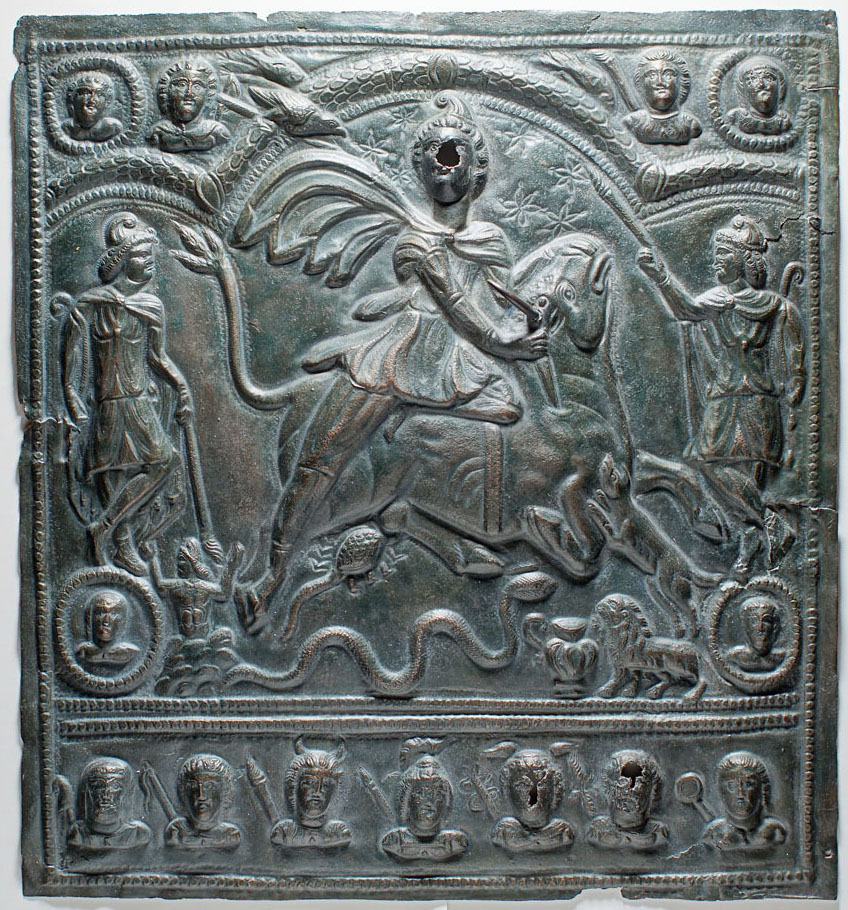
Szony's bronze plate shows Mithra slaying the bull and the seven planets with attributes at the bottom of the composition.
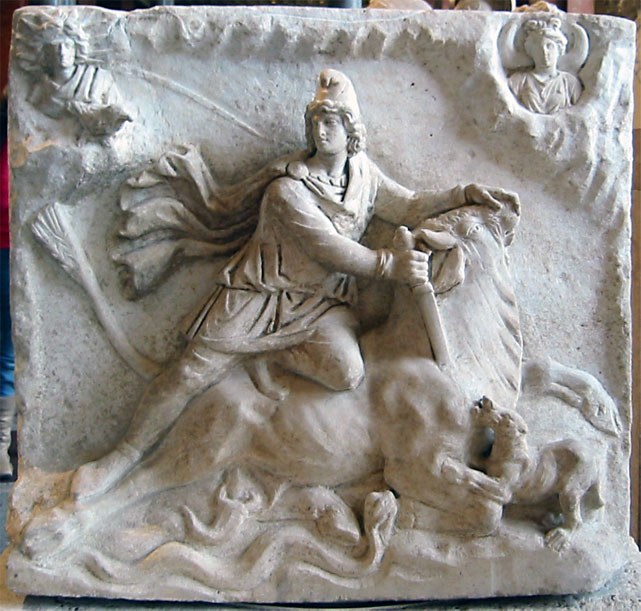
The marble shows Mithras slaying the bull, on one side, and Sol and Mithras feasting on a bull skin, on the other.
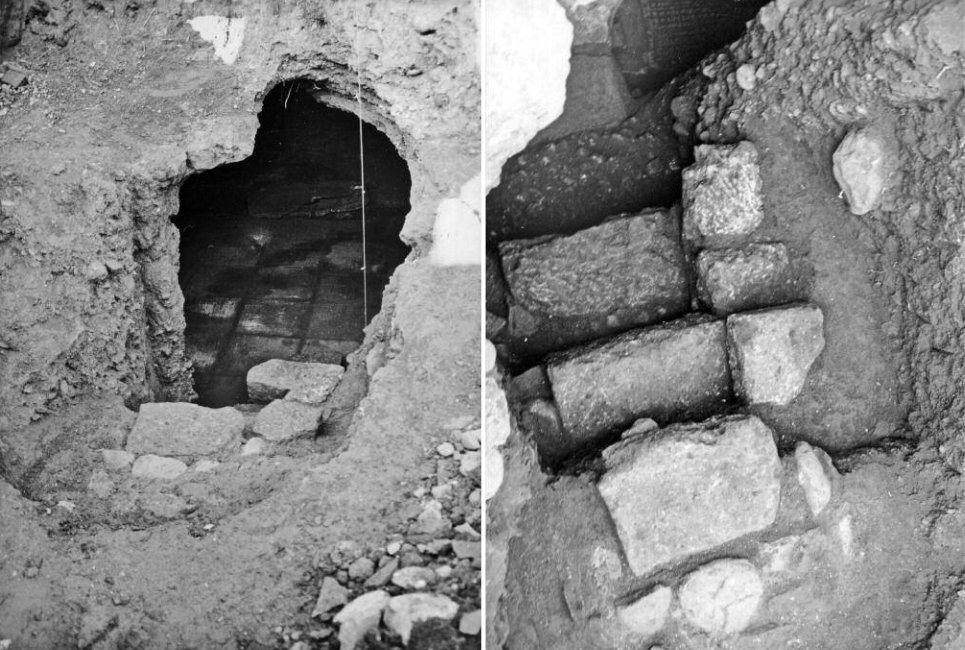
The underground cave which served as temple was cut into the conglomerate rock of the area, and a flight of eight steps of stone slabs led to it.

In Aquincum petrogenia, Mithras holds the usual dagger and torch as he emerges from the rock.
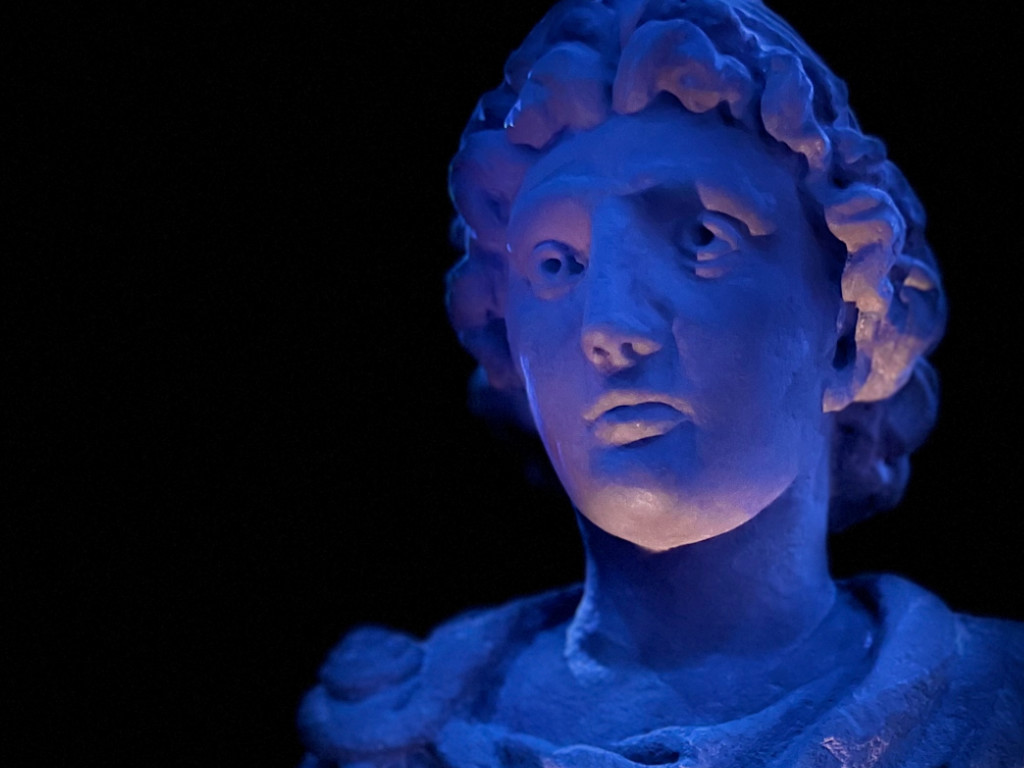
The exhibition The Mystery of Mithras opens at the Mariemont Museum in Belgium, home of Franz Cumont, the father of studies on the solar god.
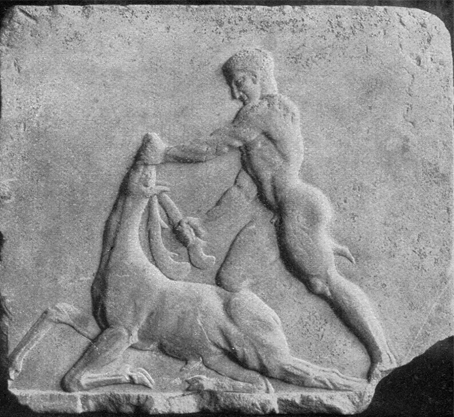
Relief of Heracles/Hercules capturing the Golden Hind of Artemis.
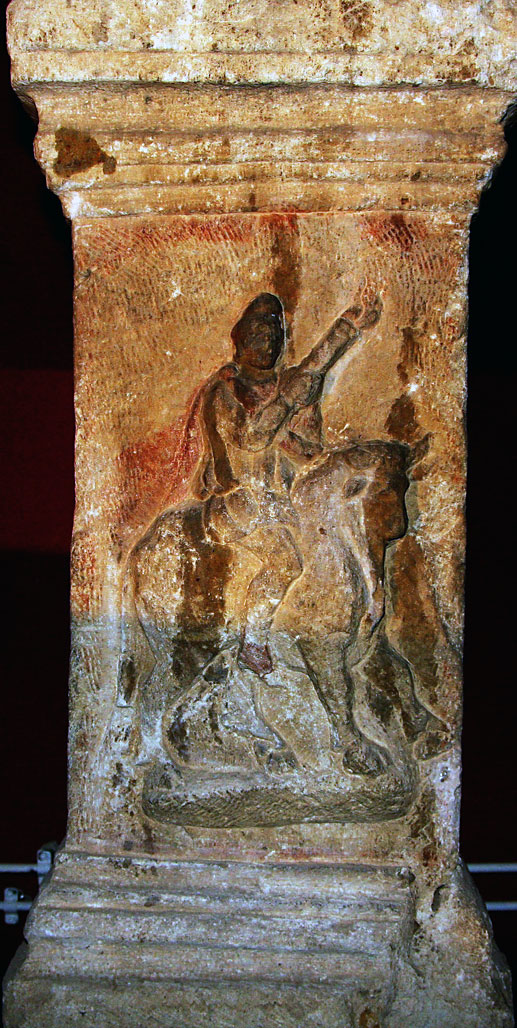
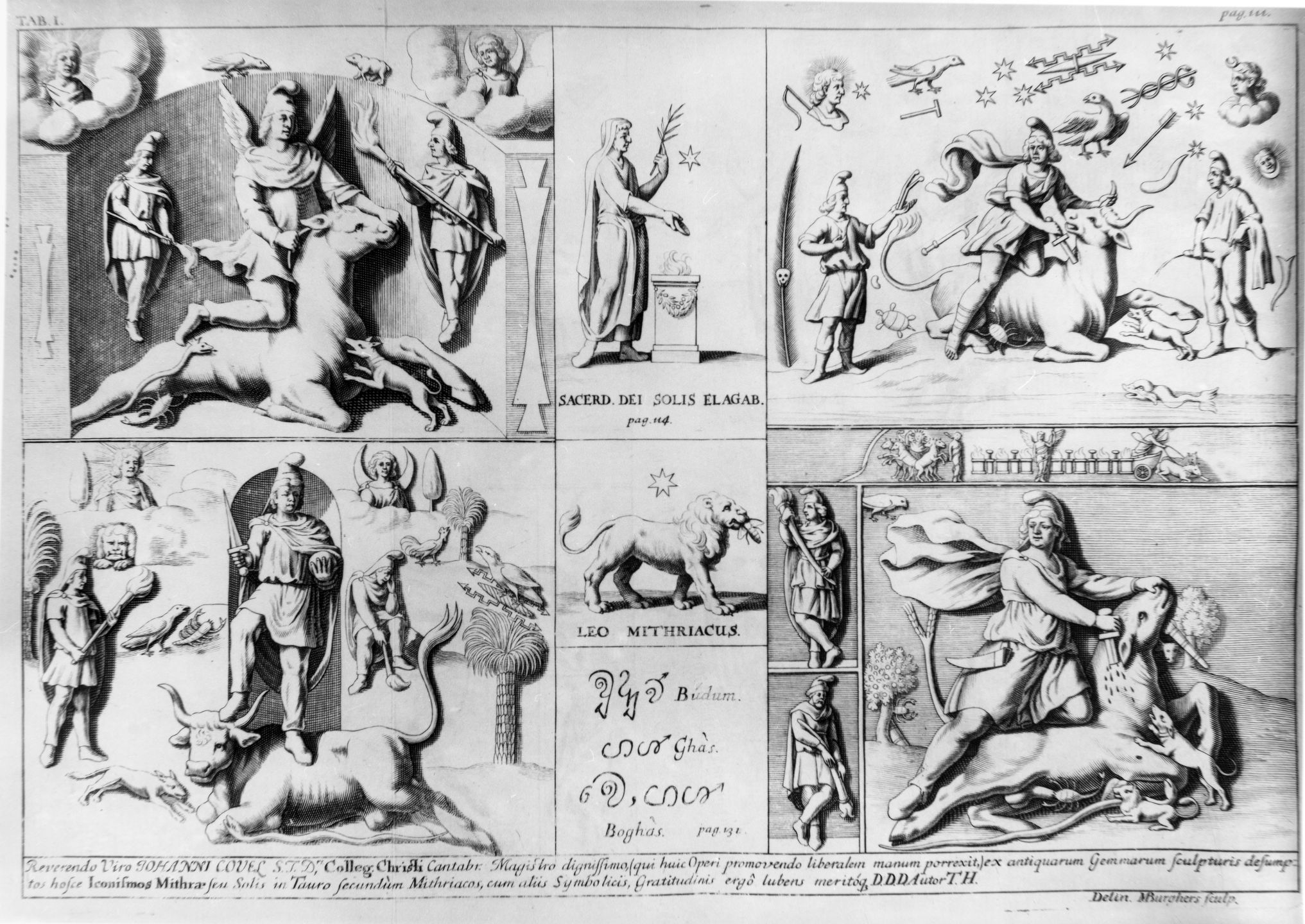
The folio depicts three tauroctonies and a Mithras Triumphantes standing on a bull with the globe in one hand and the dagger in the other.
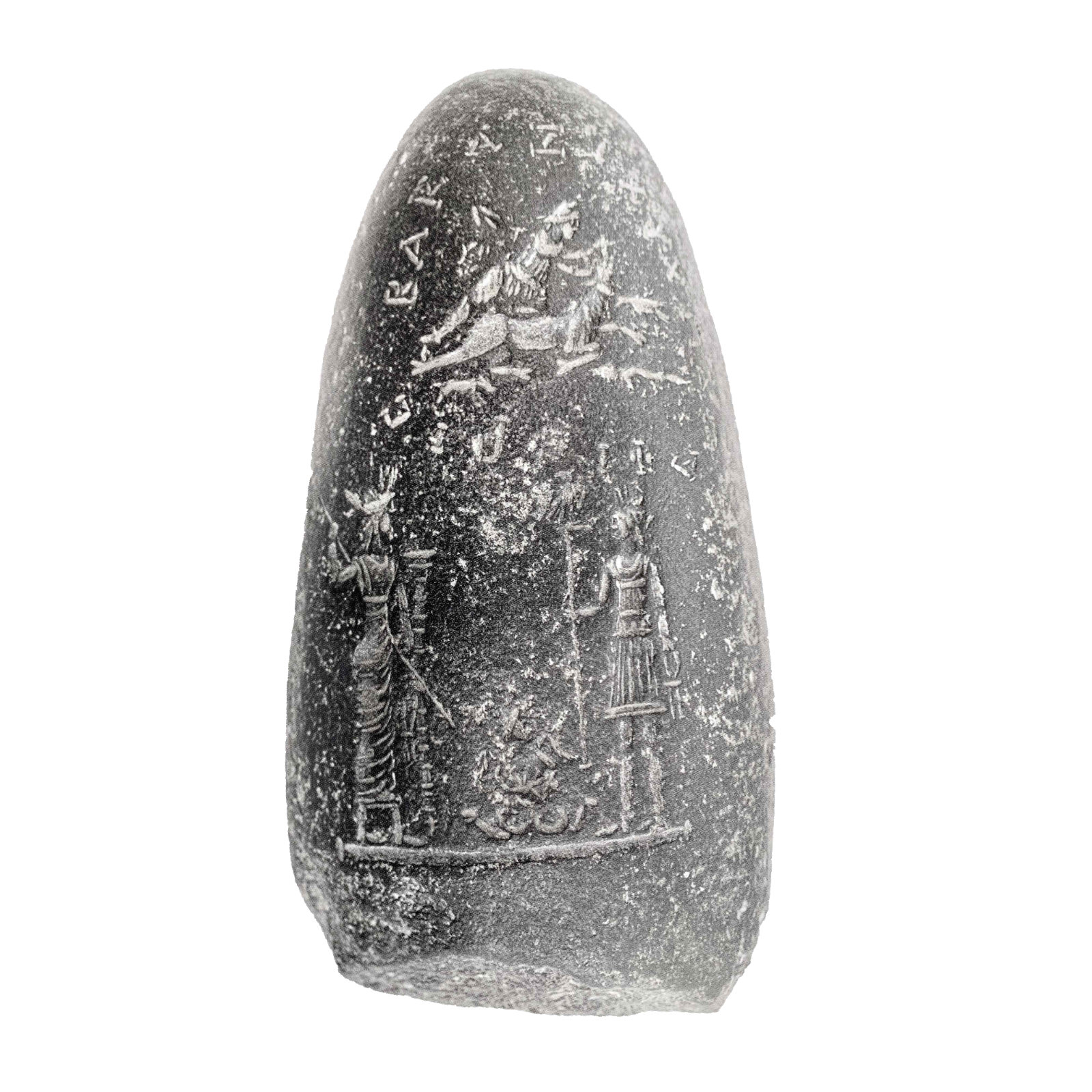
According to Christopher A. Faraone, the axe-head from Argos belong to a category of thunderstones reused as amulets.
