Your search Ines Siemers-Klenner gave 26 results.

The present volume reconstructs the history of the mithraea of Güglingen. In addition, rich finds provide insight into hitherto unknown areas of the liturgical practice of the cult of Mithras.


Dion Chrysostom, c. 100 A.D., a philosophical writer under the emperors Nerva and Trajan, composed a series of discourses or essays (λόγοι) on various subjects, in one of which he reports concerning the doctrines and practices of the magi.
Margaux Bekas, commissaire de l’exposition ’Le mystère Mitrha. Plongée au cœur d’un culte romain’, présente dans cette vidéo les origines du dieu Mithra.

Kerivel explore voie mystique des Alévis que, selon lui, trouve son origine dans la très ancienne religiosité des peuples iraniens et sur les structures et les rituels du culte de Mithra.

A white marble statue from the Mithraeum at Walbrook in London, depicting Bonus Eventus standing in a long hanging cloak, leaning on a ship's stem, holding a cornucopia against his shoulder and a patera above a burning altar from the back of which a…
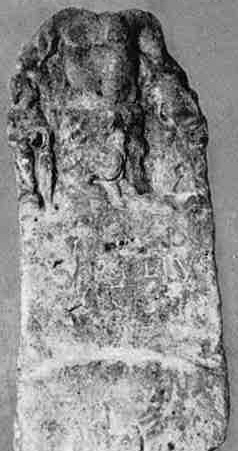
Third-century sepulchral inscription from near Philippi, Macedonia, studied for its Mithraic content in the upper lines of the text.
Limestone relief from Schwadorf, ancient Aequinoctium in Pannonia Superior, depicting the naked Mithras being born from the rock with a serpent encircling it, flanked by torchbearers; one of the finest examples of this iconographic type from the Danubian region…
Small Mithraic sanctuary found in the slope of a ravine called Zlodjer (Devil's Ditch) at Ober-Pohanica near Zdole, Noricum; the finds are among the finest marble Mithraic sculpture from the eastern Alpine provinces.

Spoleto is an ancient city in the Italian province of Perugia in east-central Umbria on a foothill of the Apennines.
Samnium occupied a mountainous region of central Italy linked to Rome through military movement and regional urban networks.
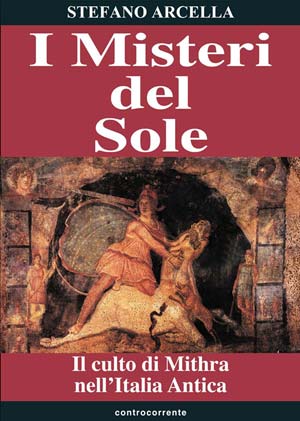
A study of Roman Mithraism that combines historical evidence with a symbol-centred interpretive approach, exploring Mithraic iconography, ritual experience, and the cult’s encounter with Christianity in the Late Empire.
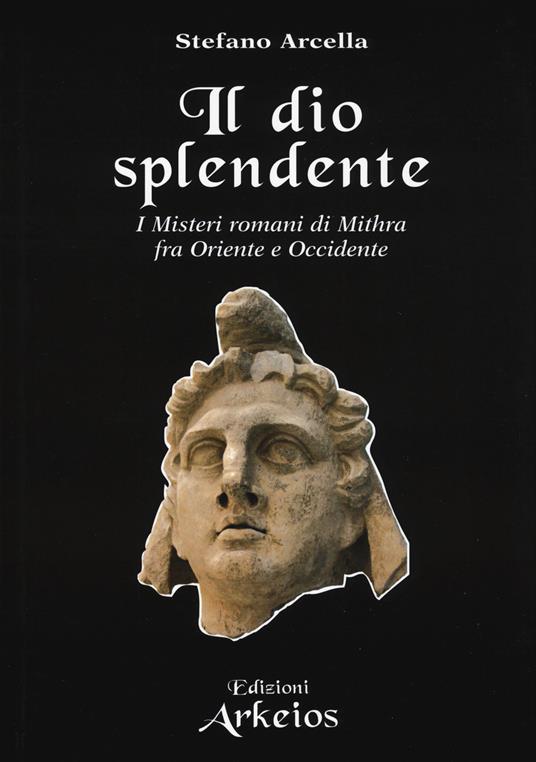
A study that re-examines Roman Mithraism through epigraphic evidence and comparative analysis, exploring its links with Orphism, Platonism, and Iranian traditions, and presenting the cult of Mithras as a solar path of individual spiritual awakening between East and West…
Francesco Massa examines how the concept of mysteria was transformed in the Roman Empire, as Christian authors from the mid-second century CE adopted the language of mysteries to articulate their own rituals and beliefs, reshaping understandings of both Christian and traditional cults…
In Letter 107 to Laeta, Jerome combines a pastoral reflection on conversion with an account of the urban prefect Gracchus, who ordered the destruction of a Mithraic cave in Rome, listing the seven grades of initiation associated with the cult.

The article examines two recently discovered Mithraic representations of Cautes from Alba Iulia, focusing on a rare iconographic type showing the torchbearer with a bucranium.
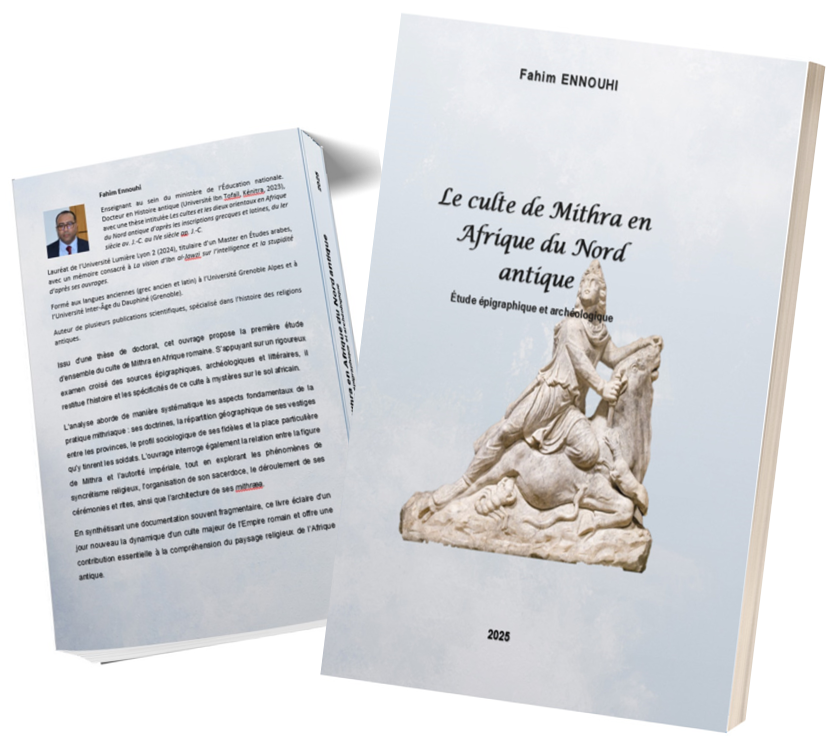
I am honored to present my first book devoted to the cult of Mithras in ancient North Africa. Structured into four main sections, it also features a catalogue of twenty inscriptions and twenty-six illustrative plates…
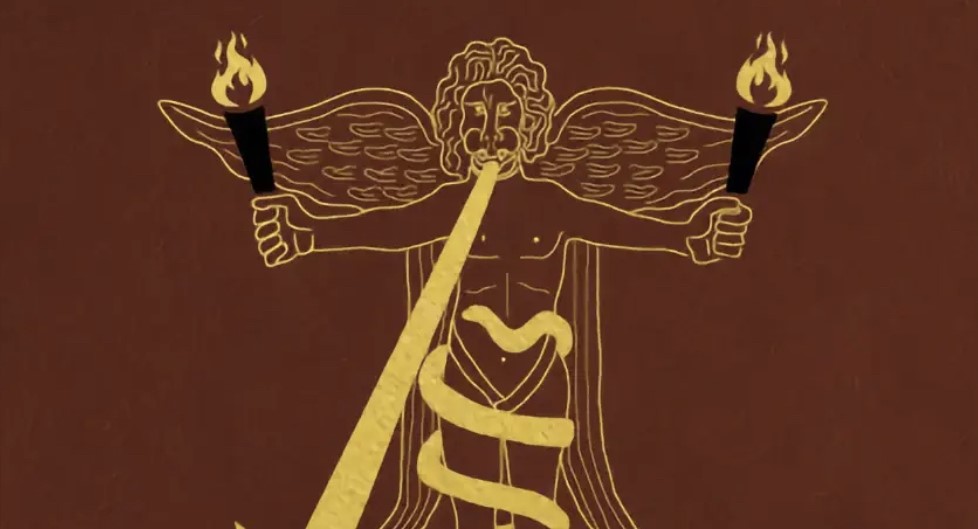
Join us for a special webinar with professor, writer and host of The New Mithraeum podcast @andreu.abuin, interviewing acclaimed esoteric scholar @peter.mark.adams on his ground breaking latest book, Ritual and Epiphany in the Mysteries of Mithras…
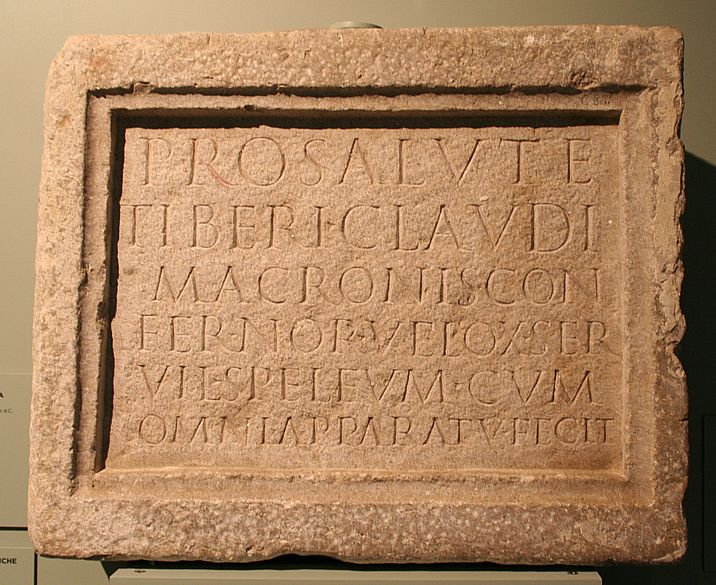
Marble slab with inscription by Velox for the salvation of the chief of the iron mines of Noricum.
