Your search Jean-Baptiste Félix Lajard gave 137 results.

In the altar that Titus Tettius Plotus dedicated to the invincible God, he called himself pater sacrorum.
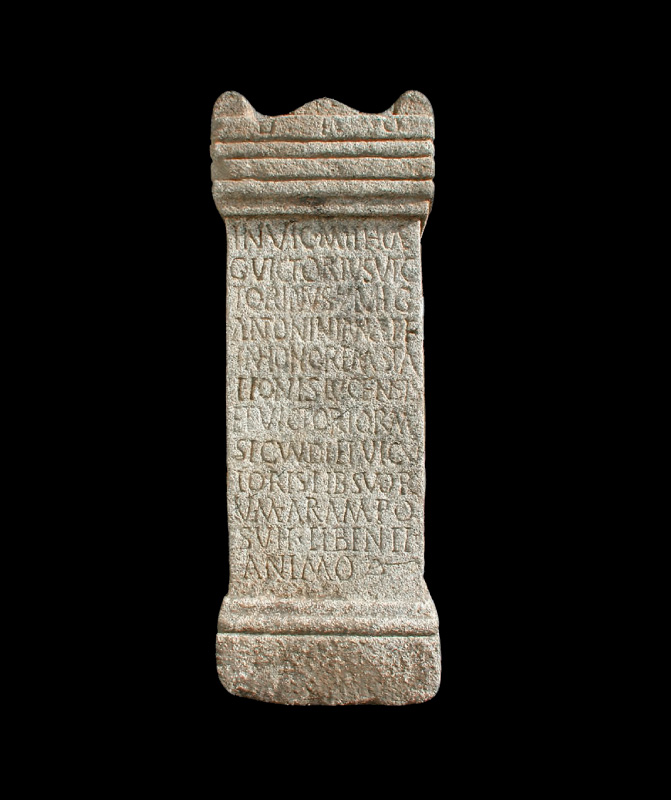
Victorius Victorious, centurion of the Legio VII, erected the altar in honour of the Lugo garrison and of the Victorius Secundus and Victor, his freedmen.
This inscription reveals the names of 36 cultori of Sentinum, one of whom bears the title of pater leonum.

Benefactor of the Imperial Palace Mithraeum and possible member of Ostia’s African community.

Mithraic devotee known from Dacia and tentatively associated with inscriptions from Rome and Poetovio.
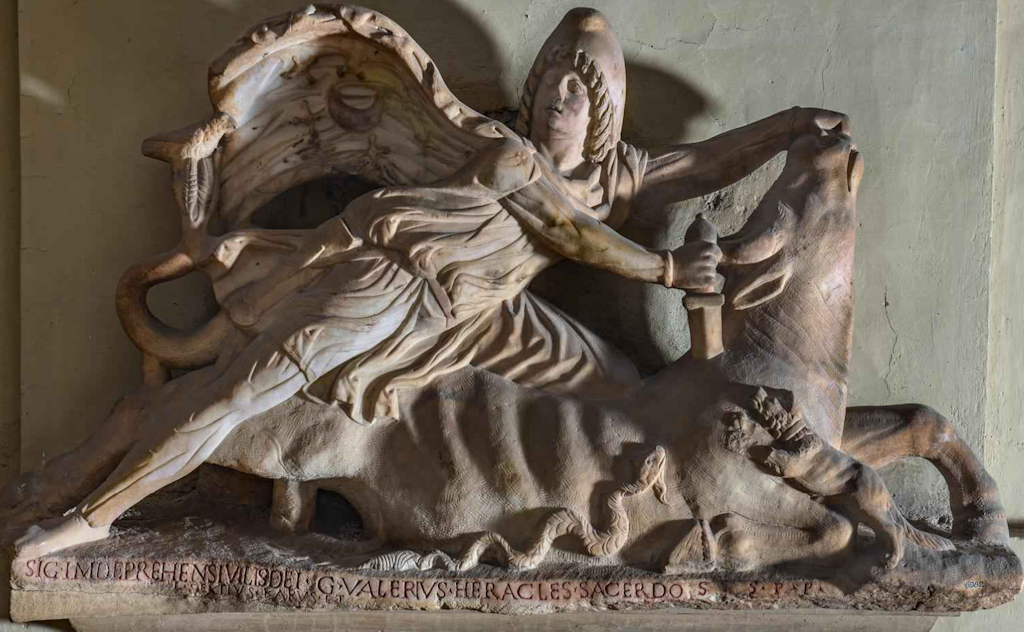
This sculpture of Mithras killing the bull was dedicated to the “incomprehensible god” by a certain priest called Gaius Valerius Heracles.


A Mithraic pater at Ostia associated with the dedication of an image of Arimanius in the Casa di Diana mithraeum.
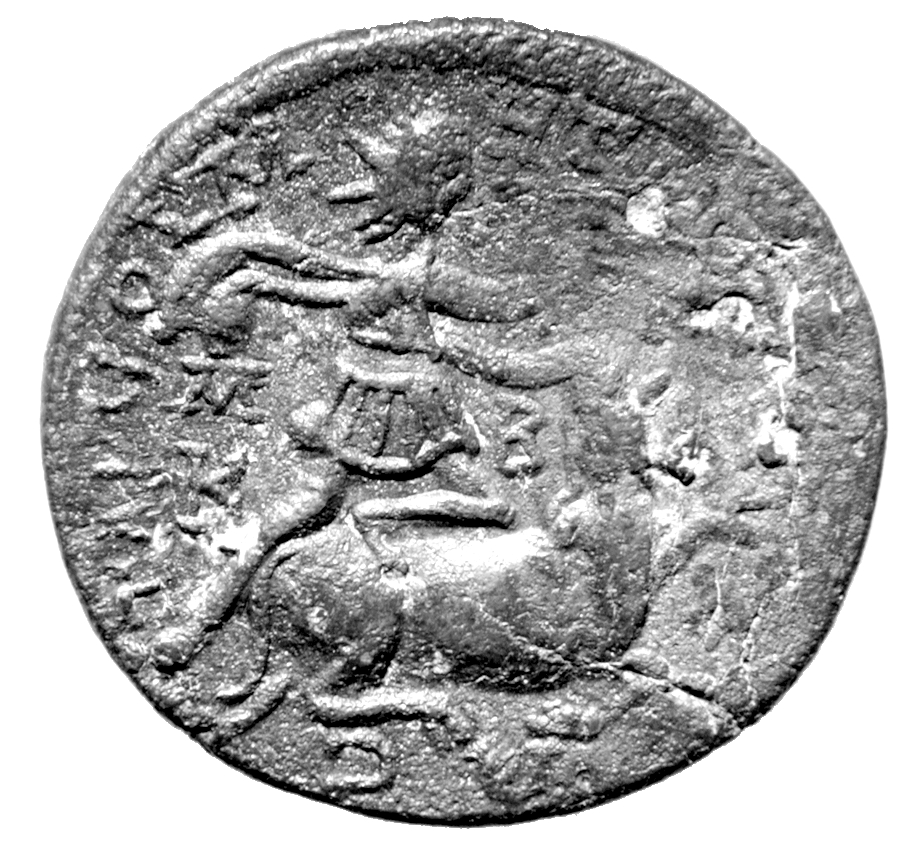
The bronze medallion, from Cilicia, shows Mithras Tauroctonus on the revers.

Pair of bronze torchbearer statuettes in Oriental dress from the Cabinet des Médailles, originally belonging to the same sculptural group.
Yellow jasper fragment of unknown provenance, formerly in the Museo Borgiano, with a tauroctony on the obverse and a Mithraic figure on the reverse.
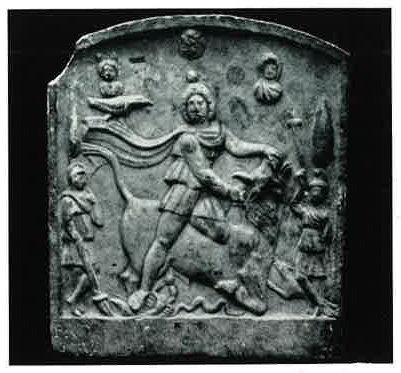
Marble tauroctony relief of uncertain but probably Apulum/Dacian provenance, depicting Mithras tauroktonos with raven, serpent, scorpion, and dog.
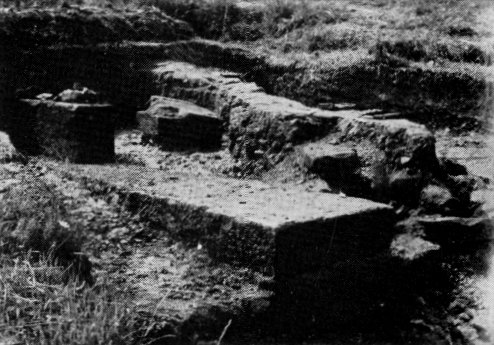
The Mackwiller Mithraeum was built in the middle of the 2nd century, during the reign of Antoninus the Pious, on the site of a spring already worshipped by the natives.
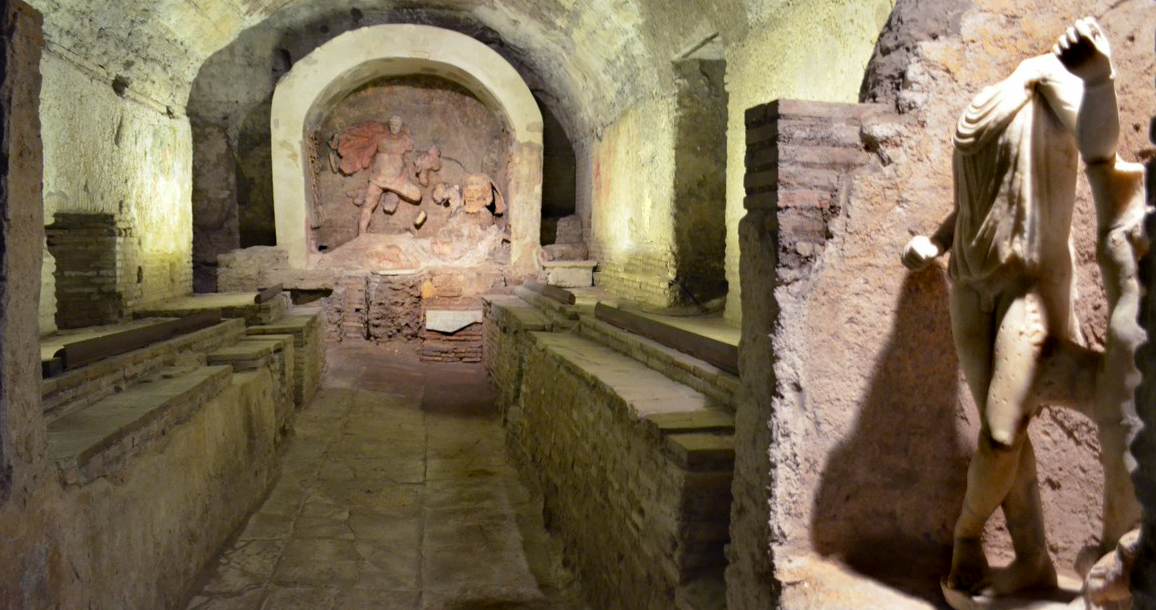
The Mithraeum of Santa Prisca houses remarkable frescoes showing the initiates in procession.

This remarkable Greek marble relief of Mithras killing the bull was discovered in 1705 and remained in private collections until it was bought by the Louvre.

This white marble relief of Mithras killing the bull was found on the Esquilino near the Church of Saint Lucy in Selci in Rome.
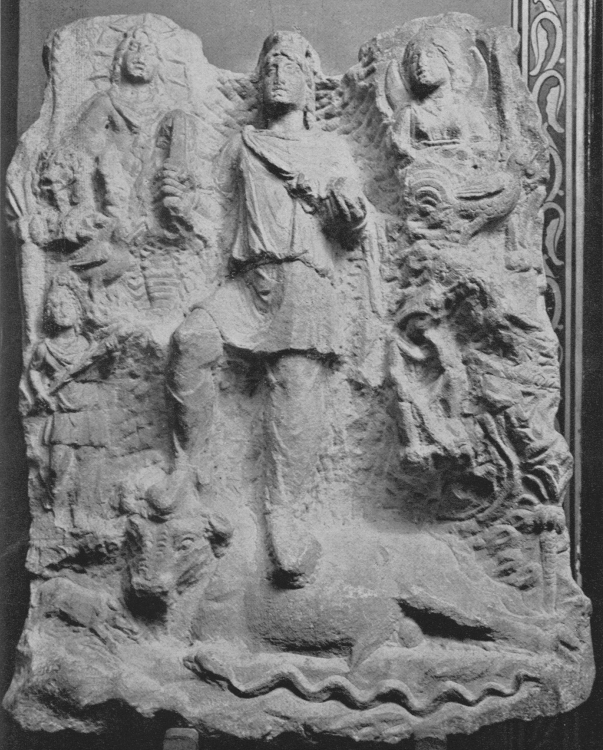
This unusual representation of Mithras standing on a bull was kept in the Casino di Villa Altieri sul Monte Esquilino until the 19th century.
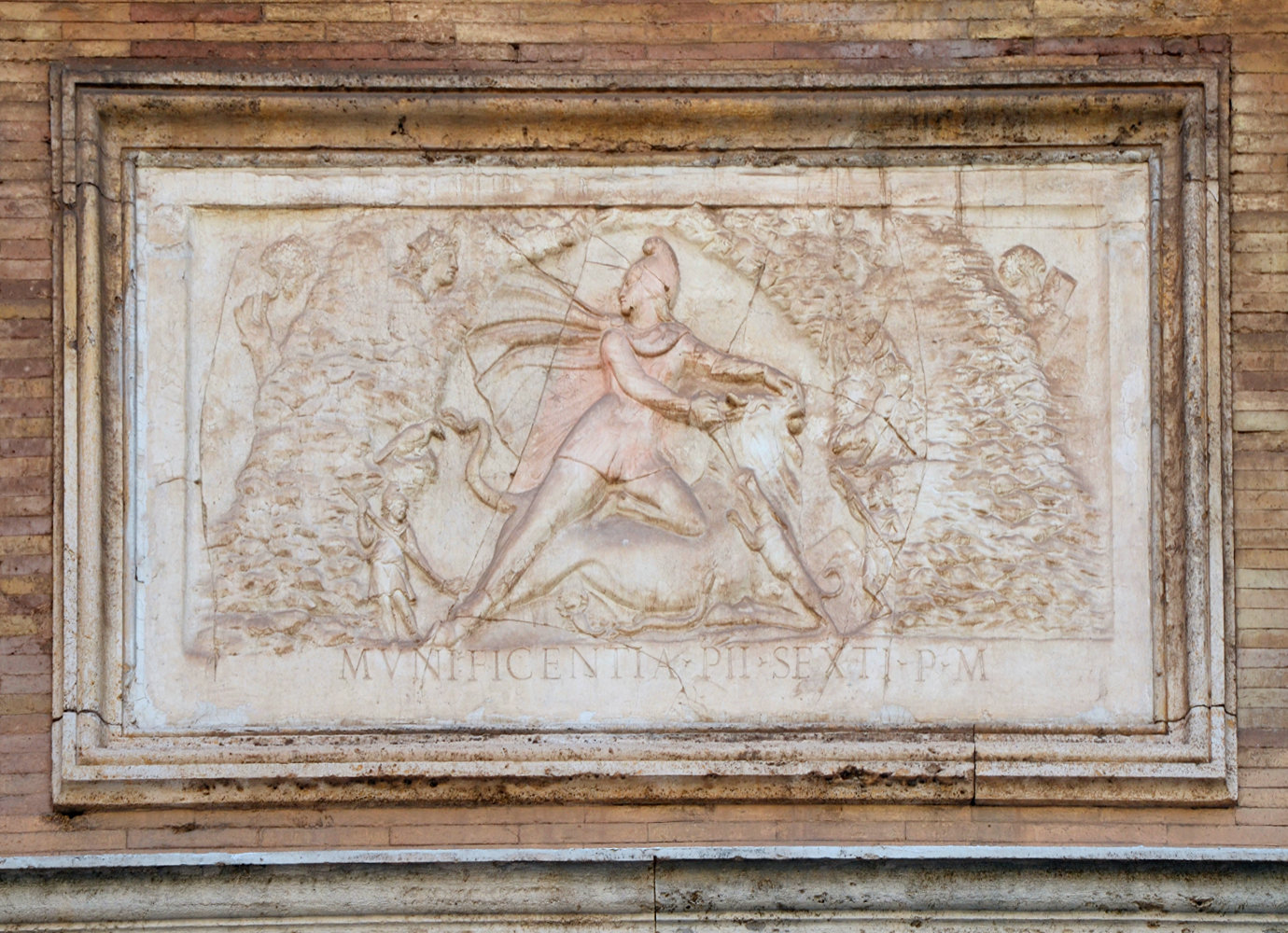
The Tauroctony relief of Mithras killing the bull walled in the Cortile of the Belvedered, Vatican City, was found by Fagan near Ostia.
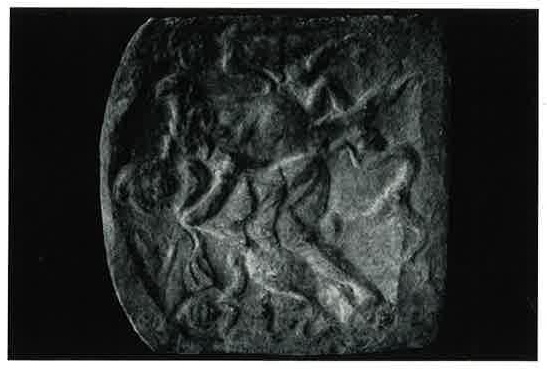
Reddish-white marble tauroctony relief from Slăveni-Romanați, Dacia, depicting the standard bull-slaying with the full iconographic programme.
White marble tauroctony relief from Slăveni-Romanați, Dacia, with the raven perched on the grotto's border; the right upper corner is broken off.
