Your search Kadin Most gave 396 results.

One of the most eminent representatives of late antique pagan religiosity, combining high civic authority with deep initiation into multiple mystery traditions, including the cult of Mithras.

Roman Dacia preserves one of the densest and most frontier-oriented bodies of Mithraic evidence in the empire.

This inscription shows that Publilius Ceionius, most distinguished man, dedicated a temple to Mithras at Mila, in the modern Constantina, Algeria.

This remarkable marble relief from the end of the 3rd century was discovered in the most remote room of the Mithraeum in the Circo Massimo.
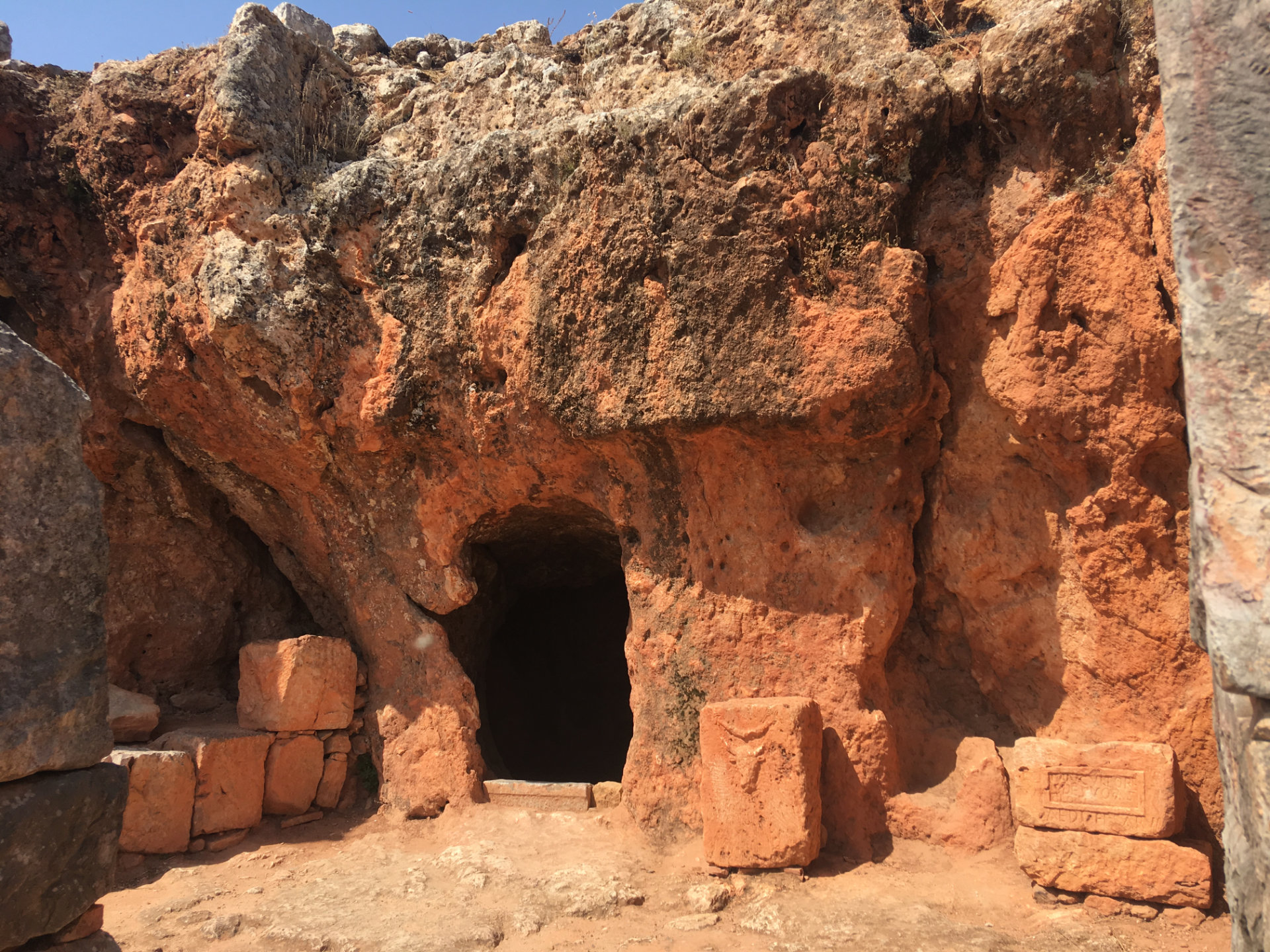
The Mithraeum was housed in a cave. The vault is almost dome-shaped and in front of the cave there is enough space for a possible adjacent temple.
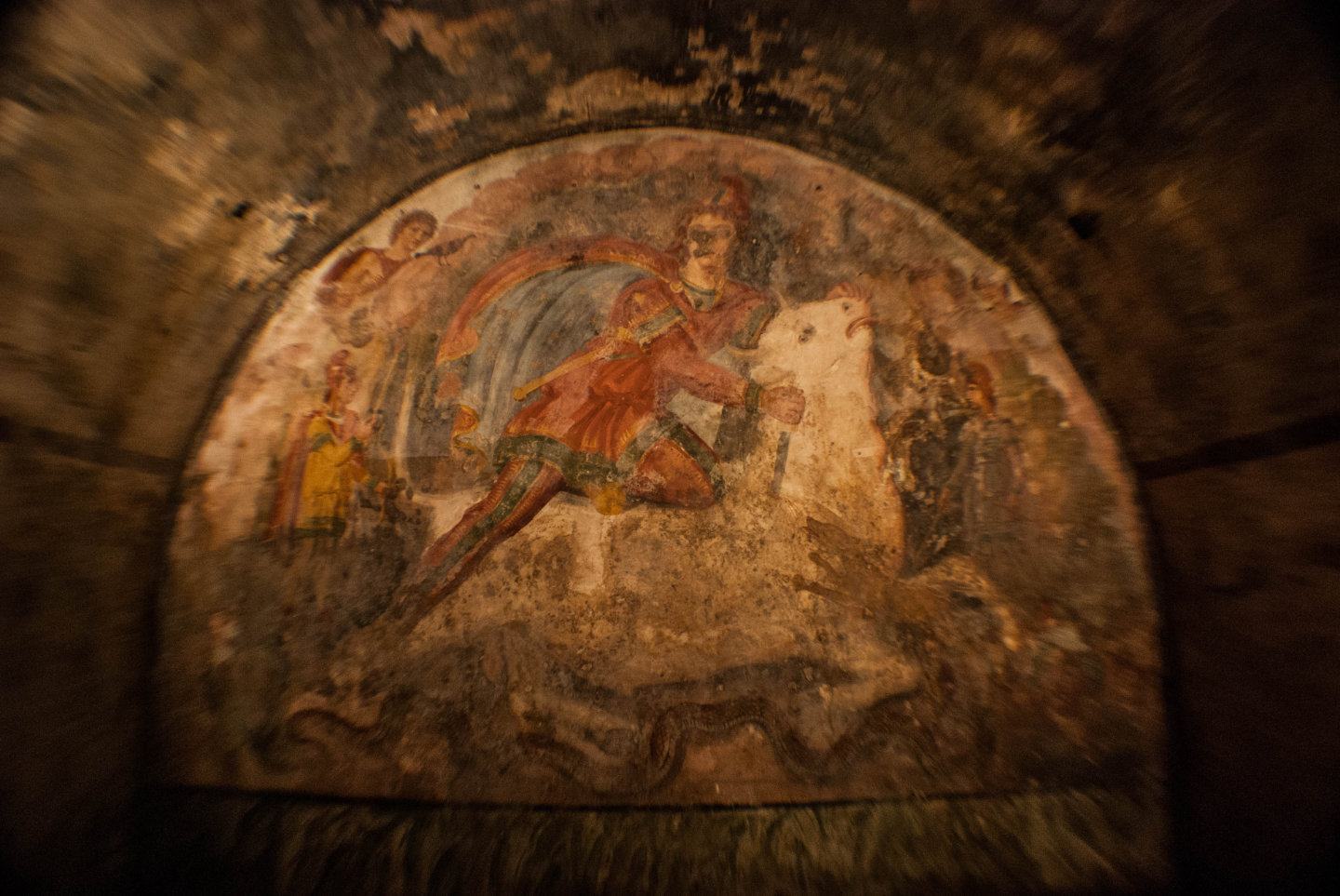
This article revisits the Mithraeum of S. Maria Capua Vetere, one of the most complete and artistically refined Mithraic sanctuaries in the Campanian region, situating it within its archaeological, iconographic, and ritual-historical contexts.
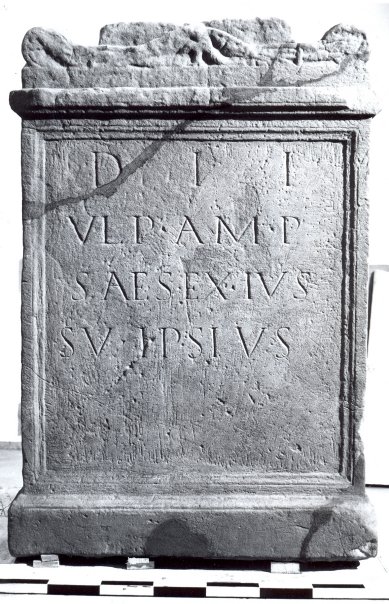
This altar found at ancient Burginatum is the northernmost in situ Mithraic find on the continent.

The Dionysian themed frescos of Pompeii’s Villa of the Mysteries constitute the single most important theurgical narrative to have survived in the Western esoteric tradition.

The Mithraeum under and behind S. Prisca on the Aventine is without doubt the most important sanctuary of the Persian god in Rome.

The Mithraeum at Capua is in many respects one of the most important sanctuaries of the Iranian god who in the first centuries of our era conquered the Roman world.

Manfred Clauss's introduction to the Roman Mithras cult has become widely accepted as the most reliable and readable account of this fascinating subject.

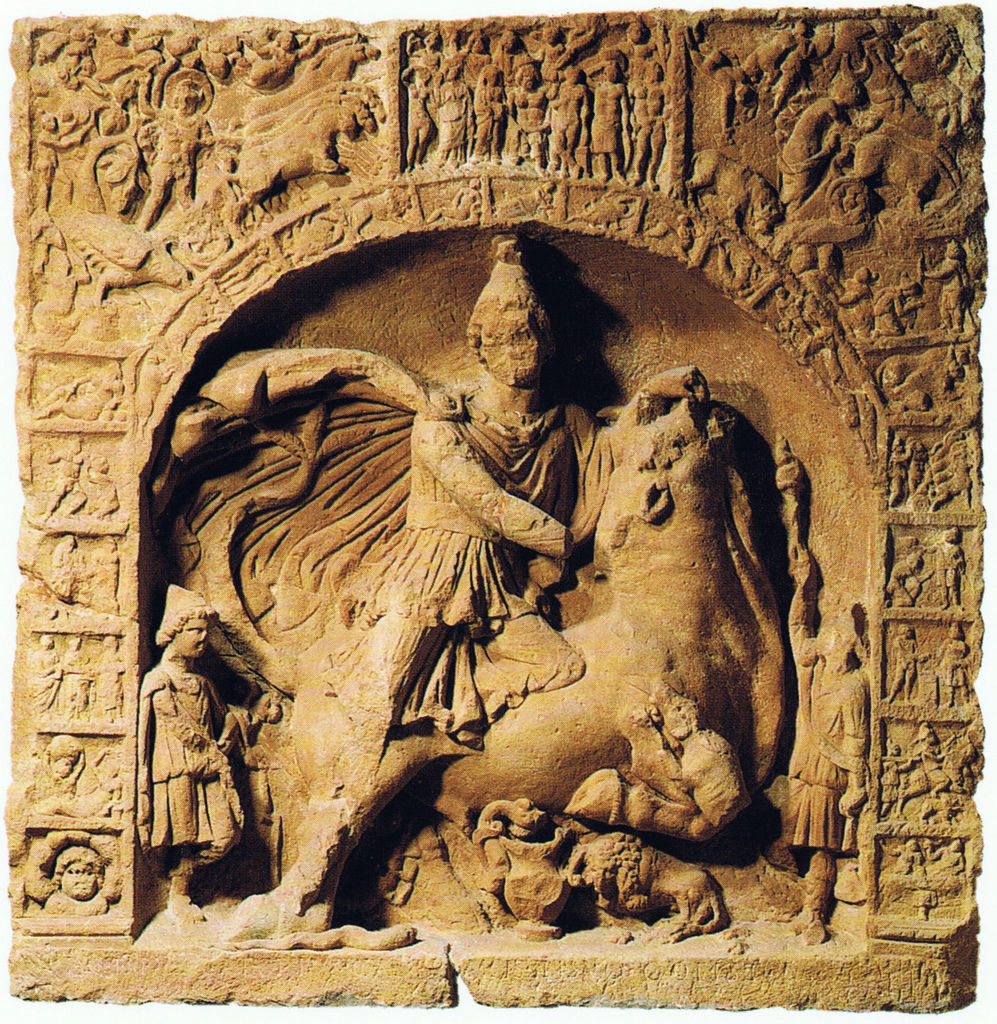
Franz Cumont considers the bas relief of Osterburken ’the most remarkable of all the monuments of the cult of Mithras found up to now’.
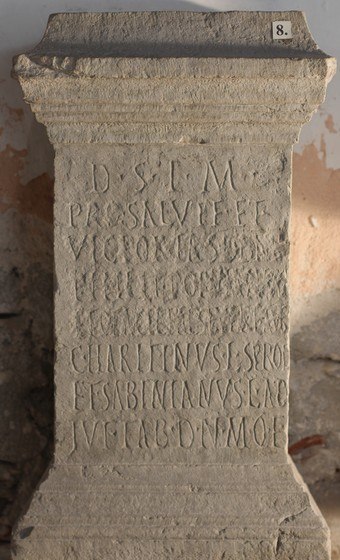
This stone altar found in Poreč was dedicated by two freedmen to the numen and majesty of the emperors Philip the Arab and Otacilia Severa.
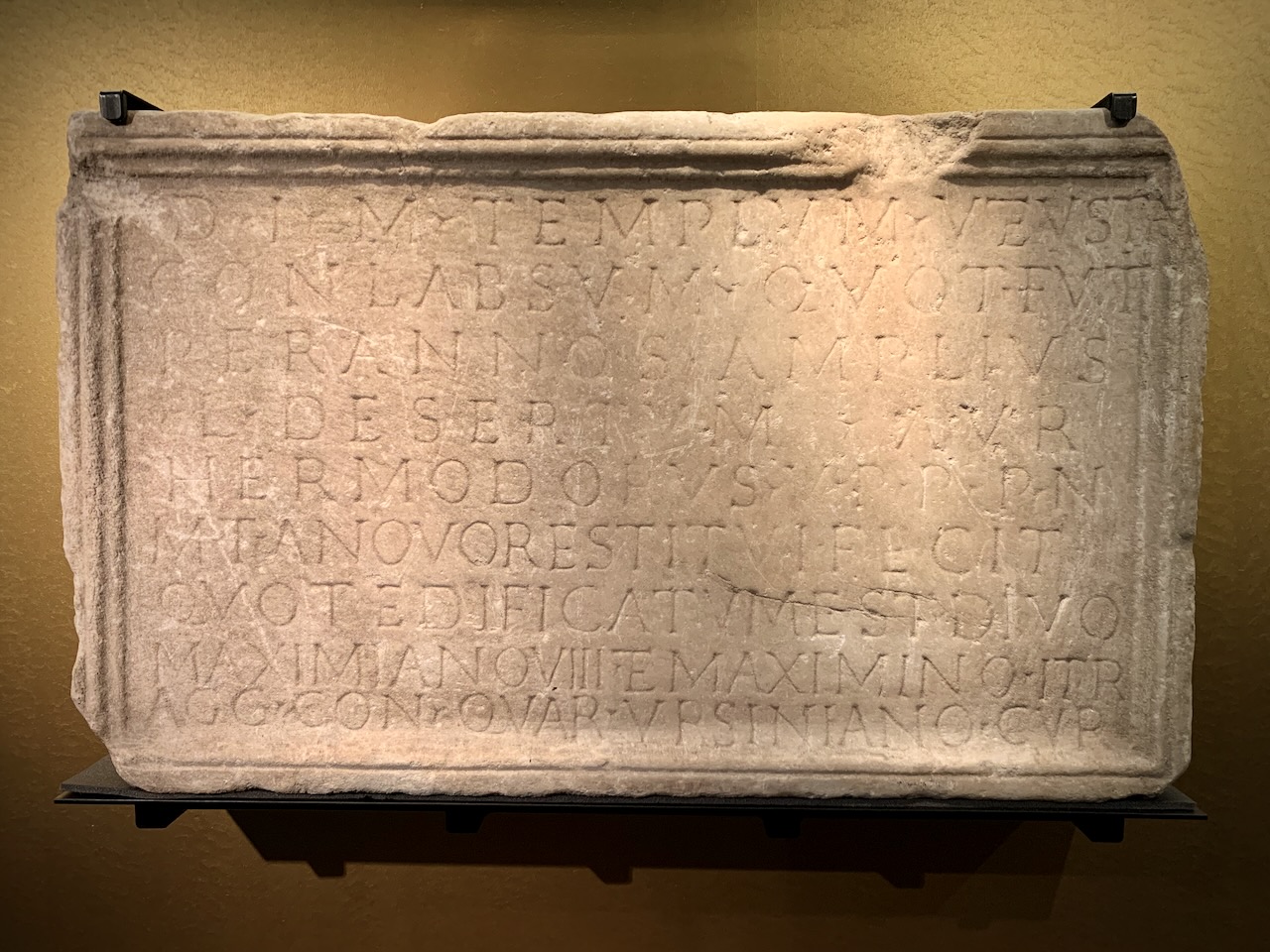
This marble gives some details of the reconstruction of the Virunum Mithraeum.
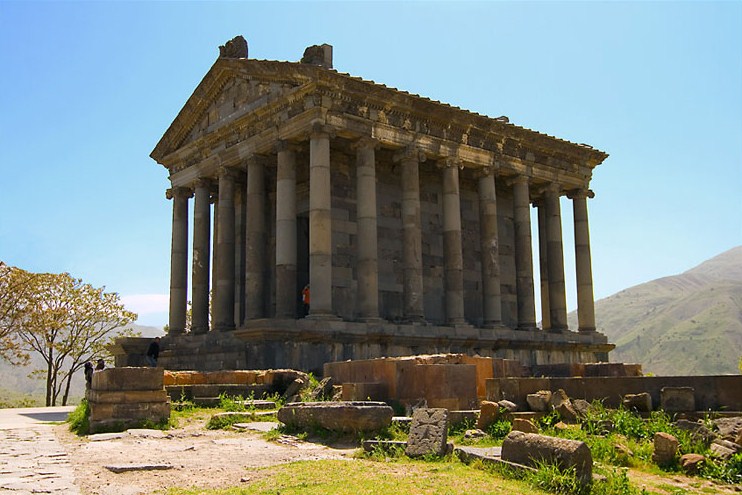
After Christianity was adopted, most pagan monuments were destroyed or abandoned. Garni, however, was preserved at the request of the sister of King Tiridates II and used as a summer residence for Armenian royalty.
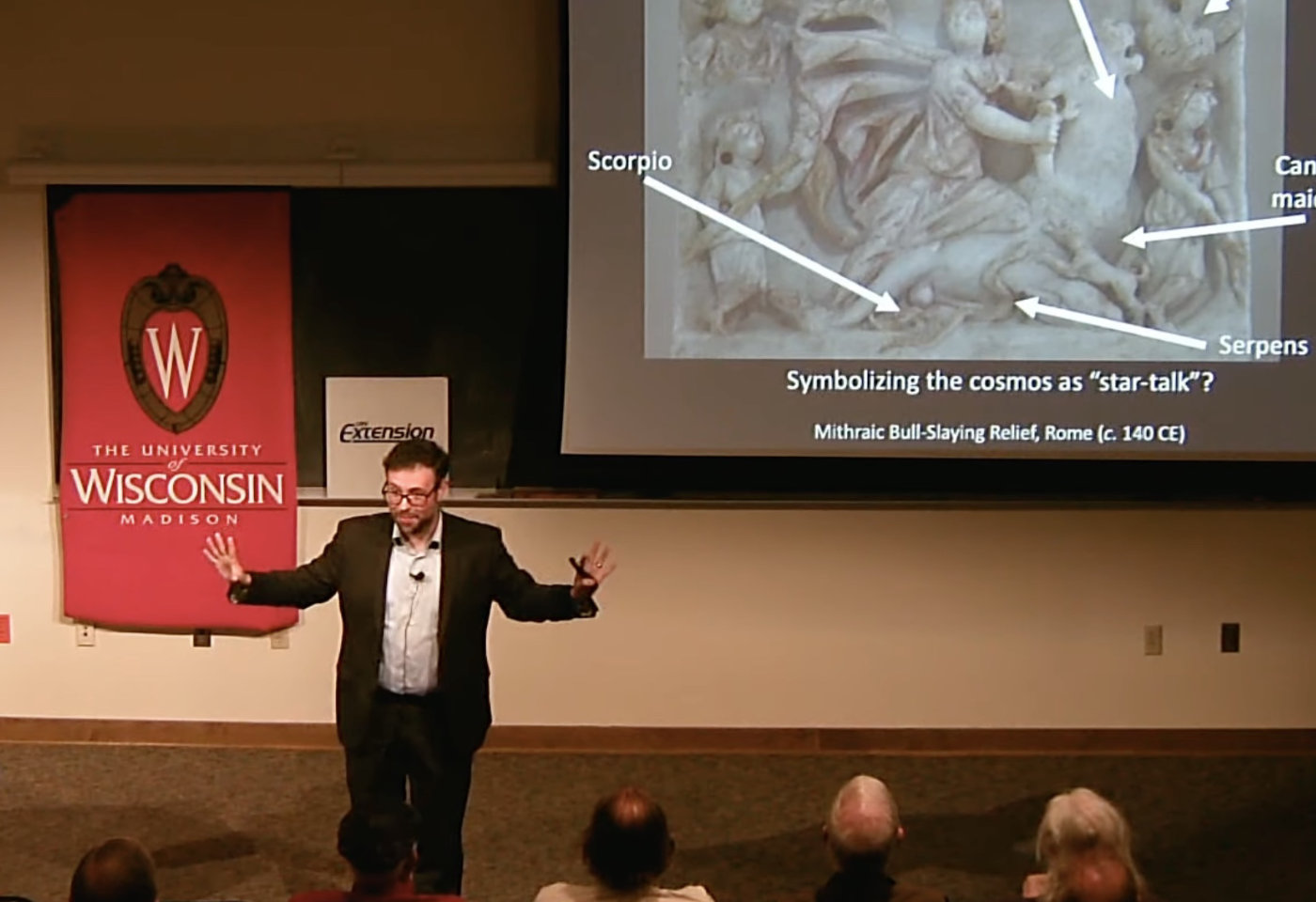
Our modern understanding of Mithraism, though, depends largely on a few short (and very problematic) literary mentions, mostly written by the cult’s Christian rivals.
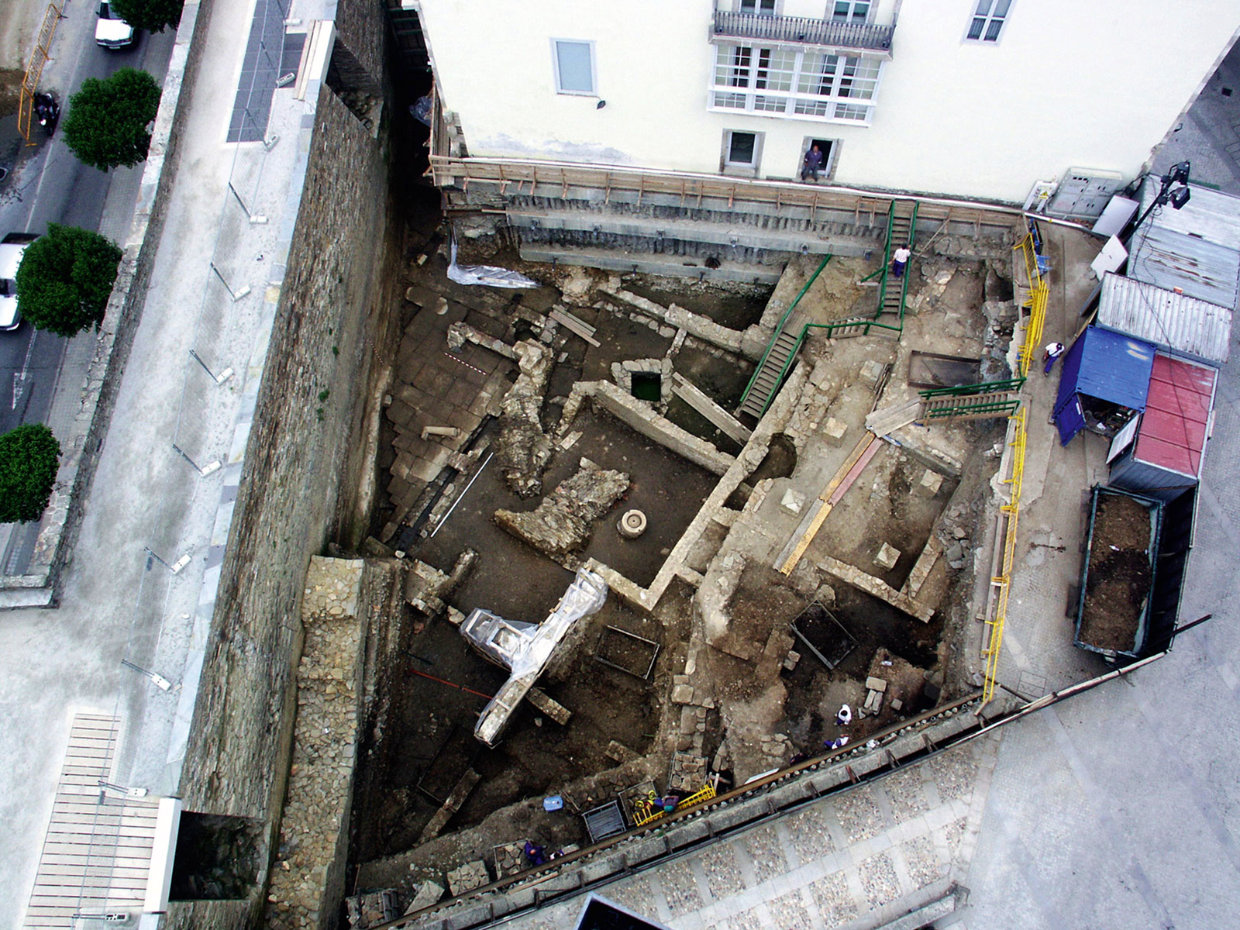
The museum that houses the temple of Mithras has become the most visited Roman space in the city since it opened.

Benefactor of the Imperial Palace Mithraeum and possible member of Ostia’s African community.

Leading member of the Ostian Mithraic community, holder of the titles pater, sacerdos and antistes.
