This site uses cookies to offer you a better browsing experience.
Find out more on how we use cookies in our privacy policy.

 
Region

Mithras in Dacia

Roman Dacia preserves one of the densest and most frontier-oriented bodies of Mithraic evidence in the empire.

The Mithraic evidence documented in Roman Dacia is closely linked to military communities, mining districts, colonial foundations and the intense mobility that followed the province’s conquest. Its rich corpus of monuments and inscriptions makes Dacia one of the most important regions for understanding Mithraism along the Danubian frontier.
Mithraic monuments of Dacia


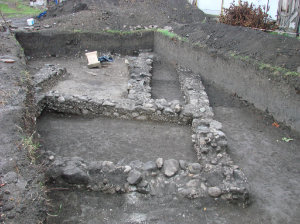
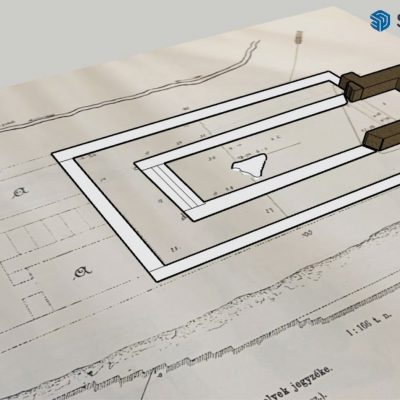
Mithraeum of Slăveni

The Mithraeum of Slaveni was discovered in 1837 on the right bank of the river Olt, in Romanati district.


Mithraeum of Sarmizegetusa

The large number of monuments found at the Mithraeum of Sarmizegetusa and the sheer size of the temple are unusual.

CIMRM 2027


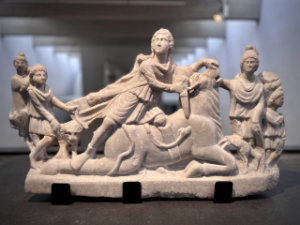
Tauroctony relief of Sarmizegetusa

This relief of Mithras slaying the bull incorporates the scene of the god carrying the bull and its birth from a rock.

CIMRM 2063


Tauroctony from Cluj

Several elements, such as the snake, scorpion or dog, are missing from this tauroctony relief of Cluj.

CIMRM 2025


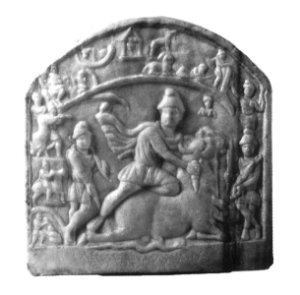
Tauroctony relief from Alba Iulia

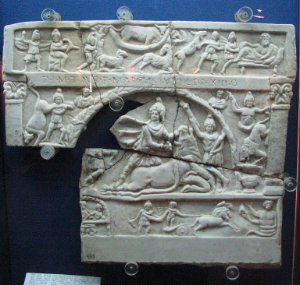
This marble relief from Alba Iulia contains numerous scenes from the myth of Mithras.

CIMRM 1958


Tauroctony from Dragus

The tauroctonic relief from Dragus includes a naked flying figure that Vermaseren has identified as Phosporus or Lucifer.

CIMRM 1919


Mithras Petrogenitus of Alba Iulia

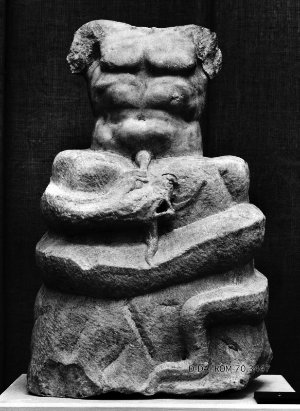
Mithras born from the rock with a snake raising in coils around it.

CIMRM 1991


Tauroctony from Euthices from Apulum

This marble relief of Mithras killing the bull was made by a freedman who dedicated it to his old masters.

CIMRM 1935


Tauroctony relief of Alba Iulia

The relief of Mithra slaying the bull from Apulum, Romania, has been missing until the scholar Csaba Szabó identified it in the diposit of the Arad Museum.

CIMRM 1938


Tauroctony from Aelius Maximus of Turda

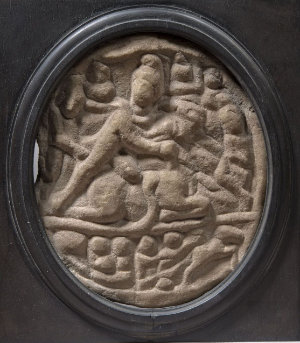
This small relief of Mithras killing the bull was found in 1859 in Turda, in the Cluj region of Romania.

CIMRM 1920


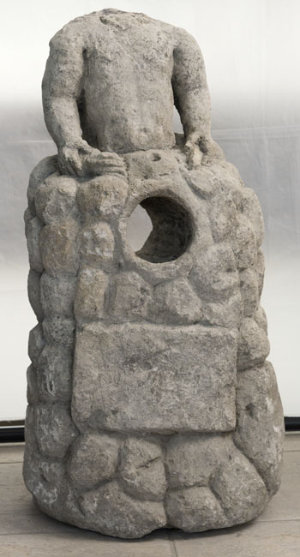
Mithras riding the bull

Altar depicting the god Mithras or Cautes on a bull.

CIMRM 2186

See all Mithraicmonuments in Dacia

Places in Dacia


Apulum

Apulum, now within Alba Iulia, was a Roman settlement first mentioned by the mathematician, astrologer and geographer Ptolemy. Its name comes from the Dacian Apoulon.


Cibinium

Sibiu is a middle-sized well preserved fortified medieval town in central Romania, situated in the historical region of Transylvania. In 2004, its historical center began the process of becoming a UNESCO World Heritage Site.


Maros Porto

Sighișoara is a municipality on the Târnava Mare River in Mureș County, central Romania.


Napoca

Napoca was a Roman castra in the province of Dacia.


Potaissa

Potaissa was a castra in the Roman province of Dacia, located in today's Turda, Romania.


Romula / Malva

Romula or Malva was an ancient city in Roman Dacia, later the village of Reşca, Dobrosloveni Commune, Olt County, Romania.


Tibiscum

Tibiscum was a Dacian town mentioned by Ptolemy, later a Roman castra and municipium.


Ulpia Traiana Sarmizegetusa

Colonia Ulpia Traiana Augusta Dacica Sarmizegetusa was the capital and the largest city of Roman Dacia, later named Ulpia Traiana Sarmizegetusa after the former Dacian capital, located some 40 km away. The city was destroyed by the Goths.

Inscriptions from Dacia

Tauroctony relief from Alba Iulia

D[eo] i[nvicto] M[ithrae] T[itus] Aur[elius] F[abia] [tribu] Marcus vet[eranus] leg[ionis] XIII g[eminae].
To the invincible god Mithras, Titus Aurelius Marcus, a member of the Fabia tribe, veteran of the legion XIII Gemina.

Tauroctony from Euthices from Apulum

D[eo] S[oli] i[nvicto] M[ithrae] / [pro salute et incolumi]tate M. Aurelii Timothei et Aur[elii] Maximii / [votum nuncupavit sol]vitq[ue] Euthices eorum l[ib[ertus]].
To the Unconquered Sun God Mithras, for the safety and well-being of M. Aurelius Timotheus and Aurelius Maximus. Euthices, their freedman, has made and paid his vow.

Tauroctony from Aelius Maximus of Turda

Ael[ius] Maximus miles / leg[ionis] V Mac[edonicae] v[otum] s[olvit] l[ibens] p[osuit].
Aelius Maximus, soldier of the Legio V Macedonica, willingly fulfilled his vow and placed [this].

Tauroctony from Aelius Hylas from Doştat

Io[vi] S[oli] invi[cto] / deo genitori / r[upe] n[ato].
L. Aeli[us] Hylas [vicesimarius] l[ibertus] pr[o] sa[lute] et Horientis [sic] fil[ii] sui et Apuleia[e] eius signum numinis cum absidata / ex voto pos[uit].
To Jupiter Sol invincible, god progenitor born of rock.
Lucius Aelius Hylas, collector of the twentieth tax, freed, for his health, that of his son Horiens and [his wife] Apuleia, following a vow, had the image of the divinity placed with the niche.

Cautes with bull head of Sarmizegetusa

V[otum] s[olvit] l[ibens] m[erito].

Column to Nabarze of Protas

Nabarze / deo / pro sal[ute] Ampliati / Aug[usti] n[ostri] disp[ensatoris] et / sua suorumq[ue] / omnium / Protas vikar[ius] / eius.
To the god Nabarze, for the salvation of Ampliatus, [slave] treasurer to our emperor, and for himself and all his people, Protas, his deputy.

Cautopates of Sarmizegetusa with scorpion

Cautopati sa[crum] / Synethus adiu[t[or]] / tabul[arii] v[otum] s[olvit] l[ibens] m[erito].
Dedicated to Cautopates. Synethus, the accountant's assistant, willingly and rightly fulfilled his vow.

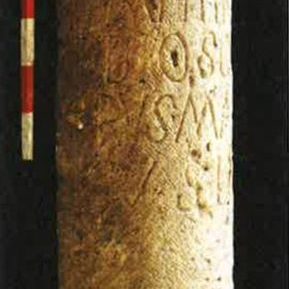
Column of Dioscorus from Alba Iulia

Invicto / Mythrae / Diosco/rus Marci / v[otum] s[olvit] l[ibens] m[erito].
To the Invincible Mithras, Dioscorus, servant of Marcus, willingly and deservedly fulfilled his vow.

Altar from Sarmizegetusa by Hermadio

Soli In/victo M/it[h]rae Ani/ceto Her/madio / votum / solvit / l[ibens] m[erito].

Altar of Hermadio from Tibiscum

S[oli] I[nvicto] N[umini] M[ithrae] / pro salute / P[ubli] Ael[i] Mari / Hermadio / act[or] Turran[i] / Dii v[otum] s[olvit] l[ibens] m[erito].
To the Unconquered Sun, the divine Mithras, for the health of Publius Aelius Marus Hermadius, agent of Turranius, willingly and deservedly fulfilled his vow to the gods.

Mithraic stele from Alba Iulia

D[eo] S[oli] I[nvicto] M[ithrae] / pro salute inc/o{t}lumitate M[arci] Aur[eli] / Timotei et Aur[eli] M/aximi votum nun/cupavit solvitque / Euthyces eorum lib[ertus] / retulit.
To the invincible god Sol Mithras, [for the salvation and conser]vation of Marcus Aurelius Thimotheus and Marcus Aurelius Maximus, Euthyc[h]es, their freedman, [solemnly made a vow] and fulfilled it.

Altar of Chrestion from Alba Iulia

Invicto / Mythir/ae Chr/estion / v[otum] s[olvit].
To the invincible Mythra, Chrestion has fulfilled his vow.

See all Mithraicinscriptions from Dacia

References

Back to Top