Your search Lucciana (Mariana site) gave 296 results.

The site of Orbe-Boscéaz, Switzerland, also known as Boscéay, is renowned for its mosaics and mithraic temple.
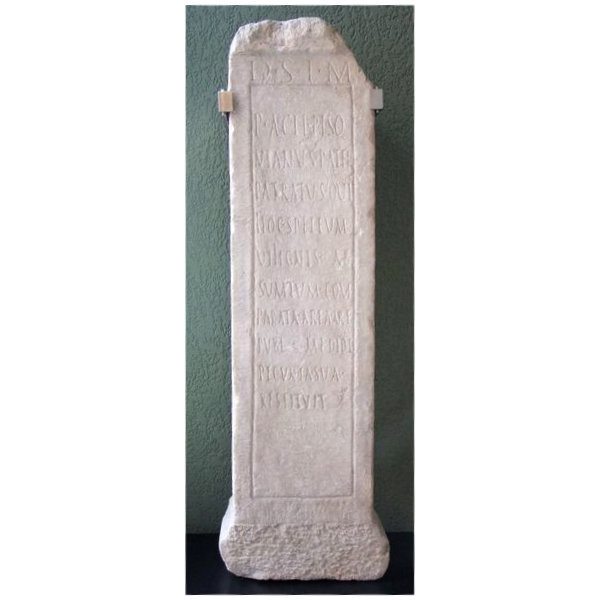
This high stele by a certain Acilius Pisonianus bears an inscription commemorating the restoration of a Mithraeum in Mediolanum, today's Milan.
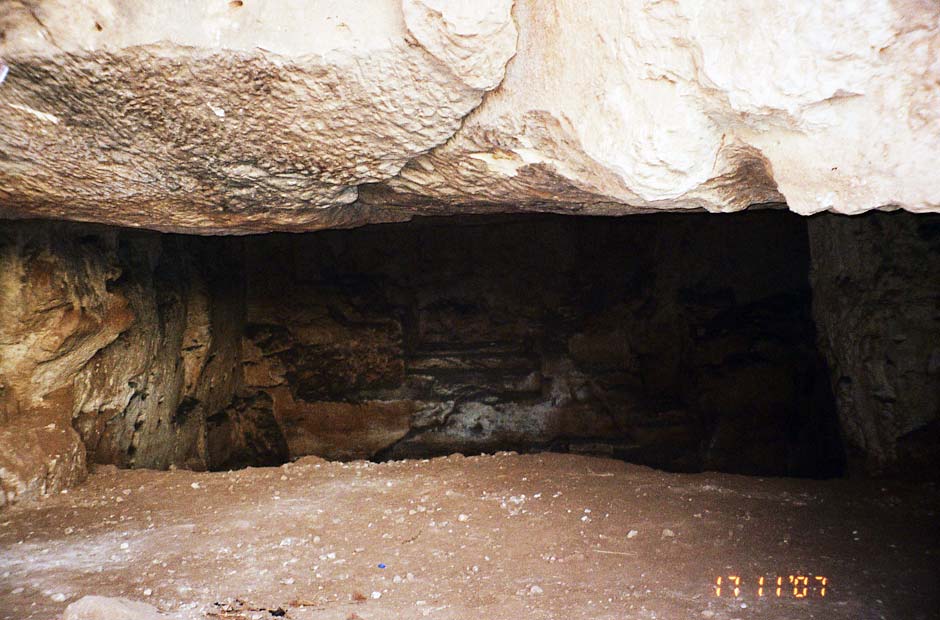
The Mithraea of Doliche, ancient Dülük, Turkey, are unique in that they represent two distinct shrines on the same site.
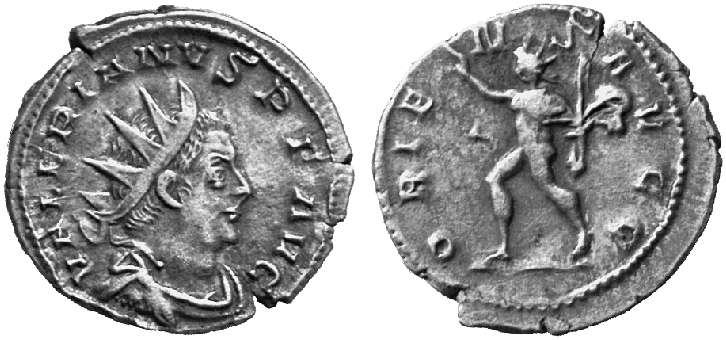
This coin was deposited in the upper level of the throne in the cult niche of the Mitreo della Planta Pedis.
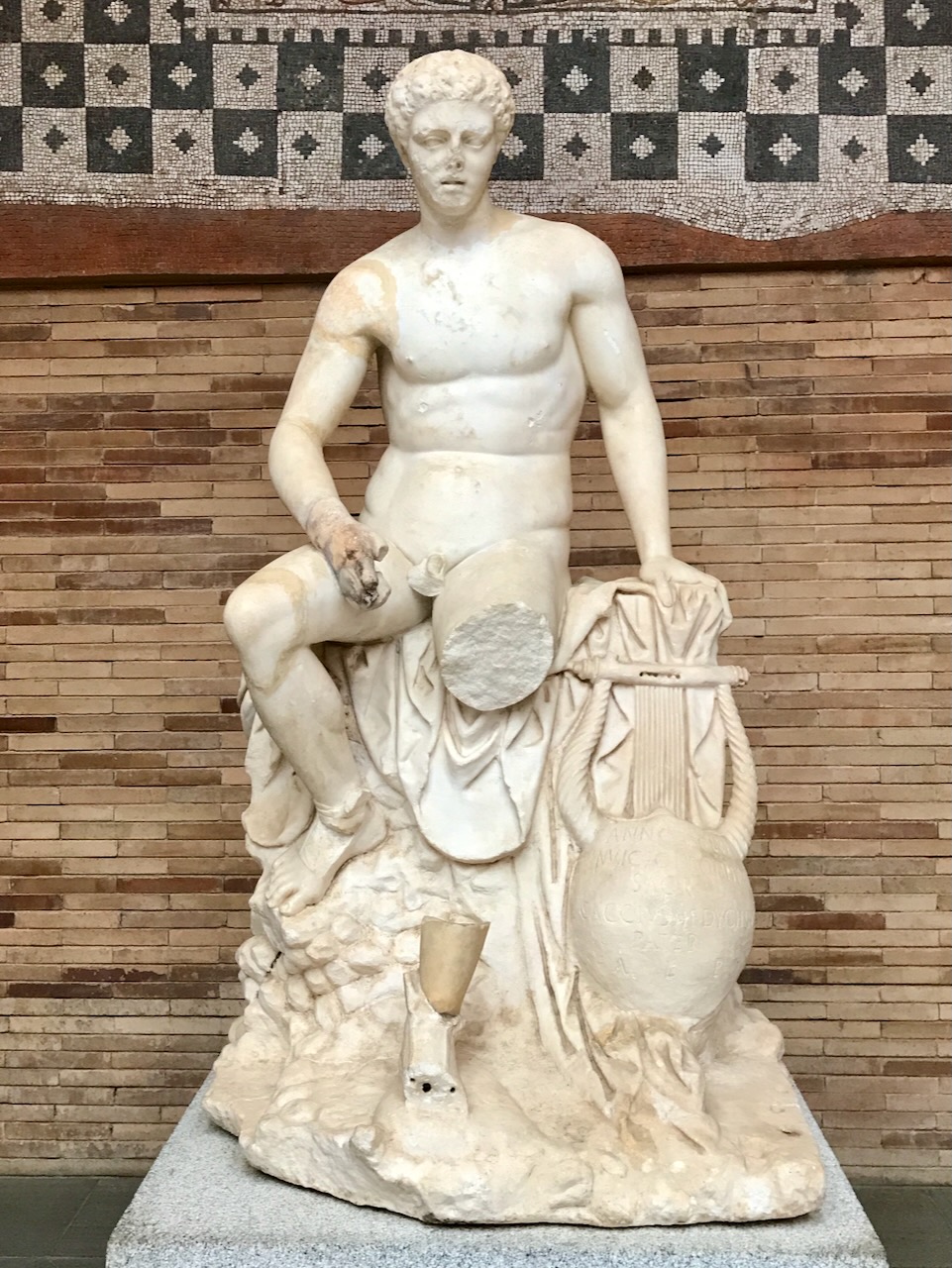
The statue of Mercury in Merida bears a dedication from the Roman Pater of a community in the city in 155.
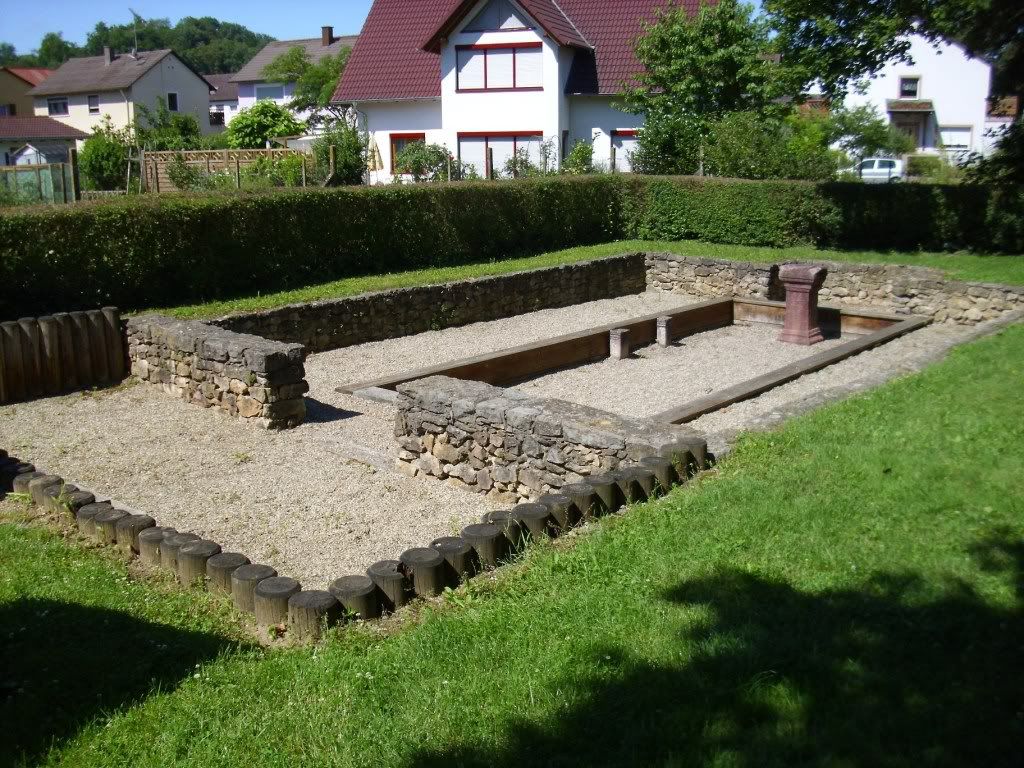
A votive altar referring to the cult of Mithras was found more than forty years before the site was excavated and the Mithraeum discovered.
The Mithraeum of Mainz, was discovered outside the Roman legionary fortress. Unfortunately the site was destroyed without being recorded.
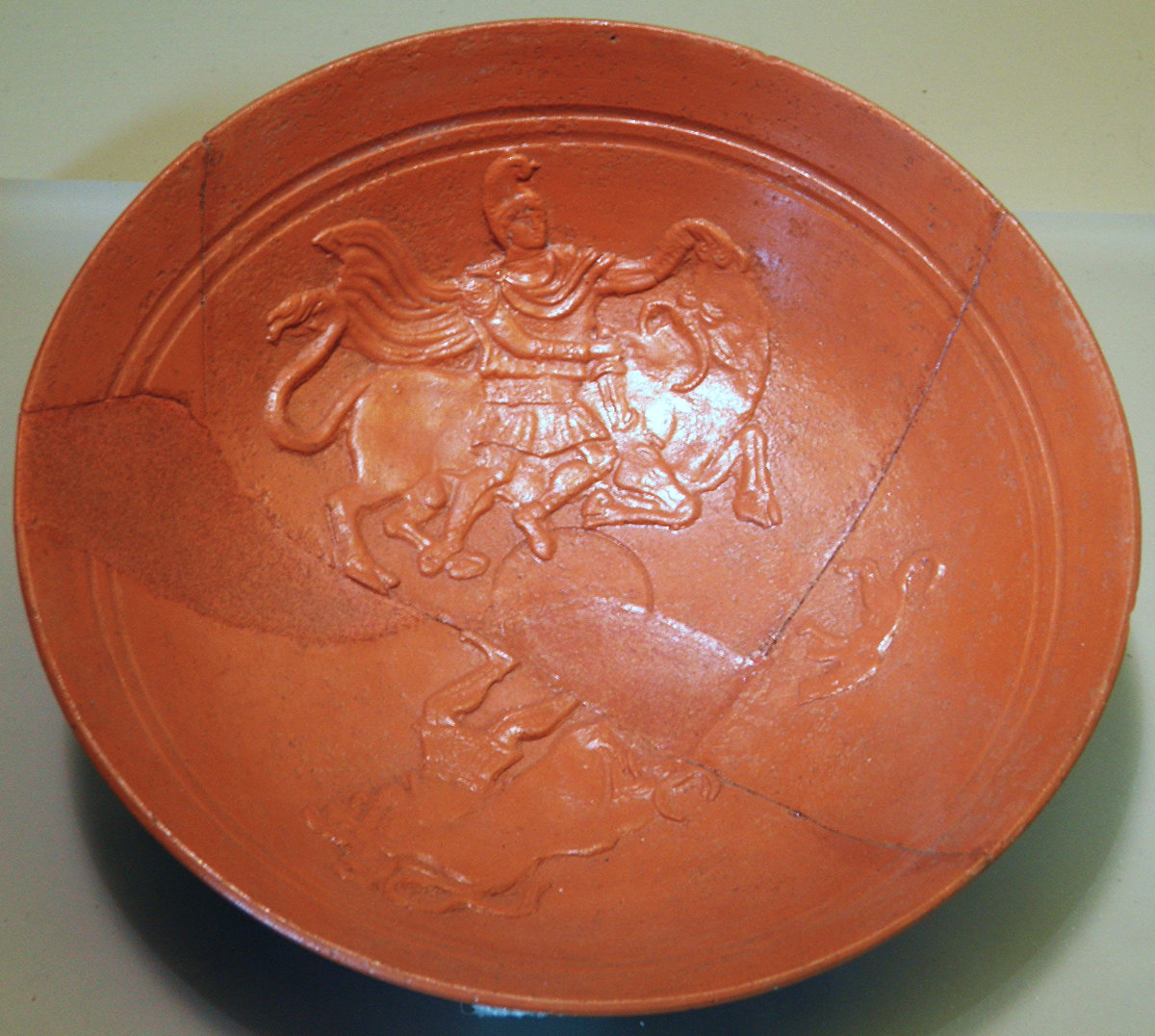
The red ceramic vessel from Lanuvium shows Mithra carrying the bull, followed by the dog, and the Tauroctony on the opposite side.
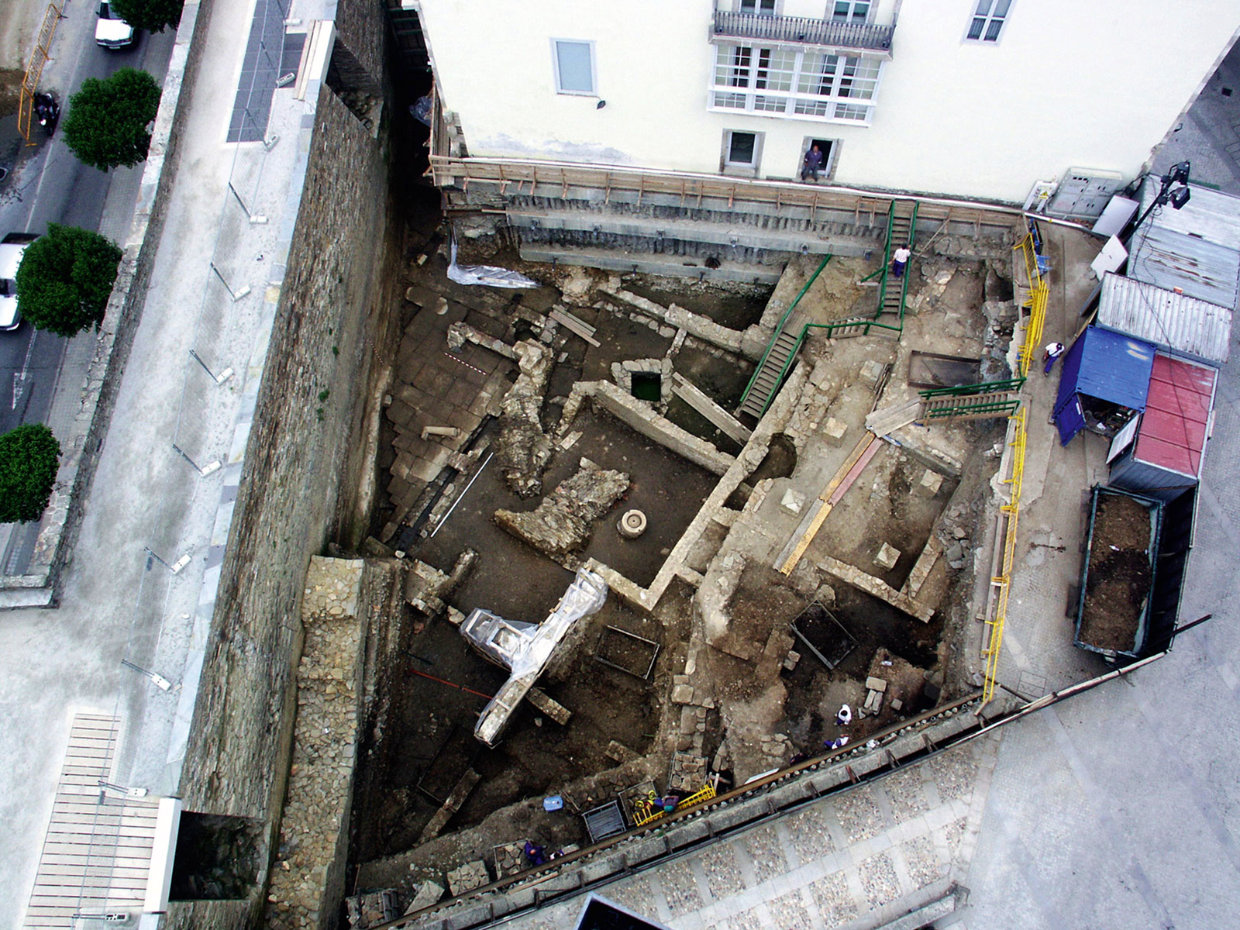
The museum that houses the temple of Mithras has become the most visited Roman space in the city since it opened.
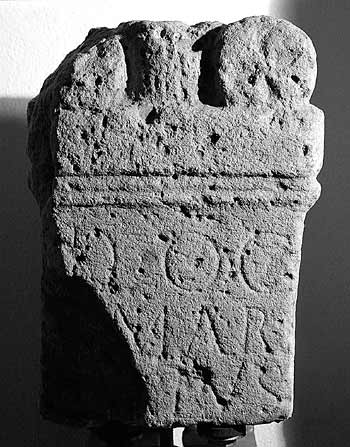
These two inscriptions by a certain Titus Martialius Candidus are dedicated to Cautes and Cautopates.
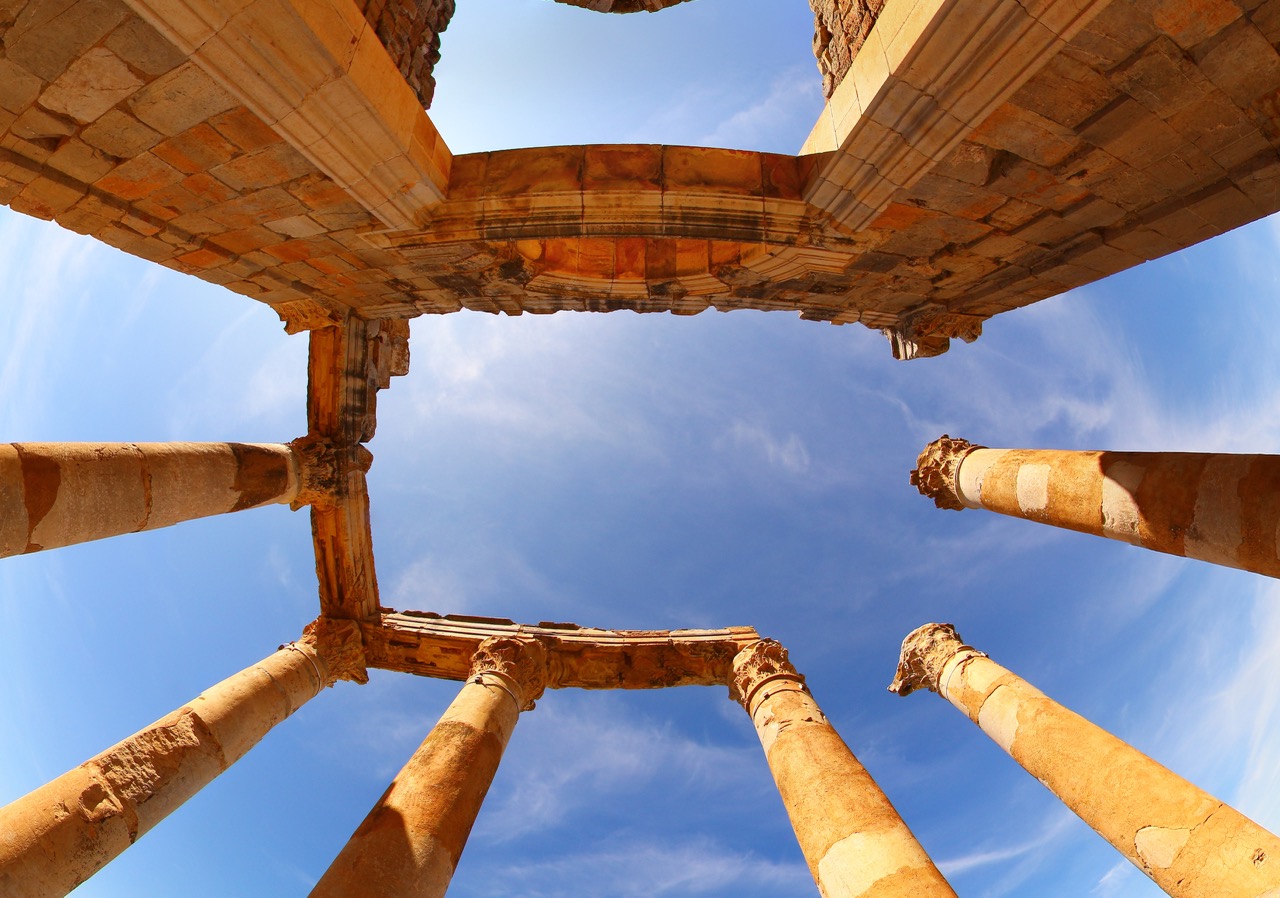
Roman colonial city of Numidia, later known as Djémila, renowned for its exceptionally well-preserved late antique urban remains.
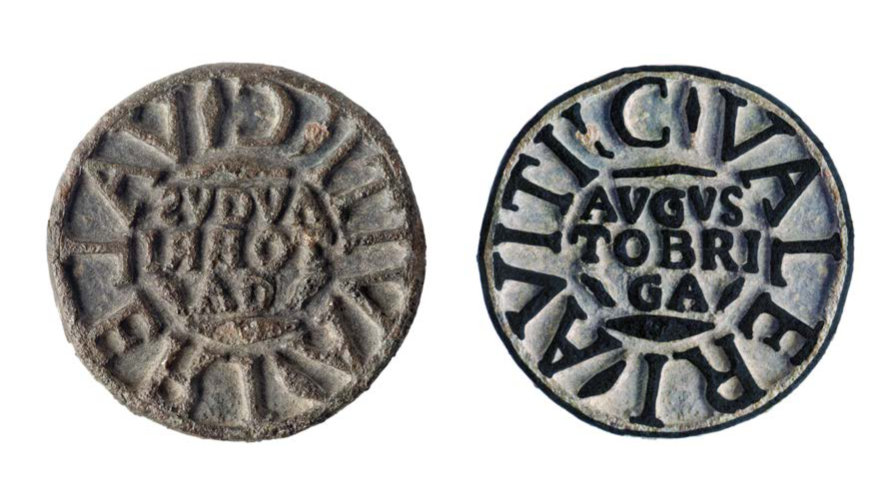
Bronze personal seal of a duovir of Tarraco and owner of the villa of Els Munts.

Landowner from Augustobriga, transferred to Tarraco by Antoninus Pius and owner of the villa of Els Munts and its Mithraeum.

The site of Slăveni preserves traces of military occupation associated with the frontier system of Dacia.
The frontier site of Gholaia formed part of the defensive and logistical system of the Limes Tripolitanus in the Libyan desert.
Drmno lies near the important Roman site of Viminacium on the Danube frontier.
Jiu valley site associated with the defensive system linking Dacia to the southern Danubian regions.
The settlement of Bingerbrück formed part of the Rhine crossing zone opposite the lower Nahe valley.
The site of Alteburg-Heftrich formed part of the frontier landscape connected with the Upper Germanic limes.
Alesia became famous as the site of Caesar’s decisive siege during the Gallic Wars.
