Your search Mark Alwin Hoffman gave 170 results.

Lambaesis, Lambaisis or Lambaesa, is a Roman archaeological site in Algeria, 11 km southeast of Batna and 27 km west of Timgad, located next to the modern village of Tazoult.

Slave and vilicus in the household of Tiberius Claudius Livianus, linked to the earliest known Mithraic tauroctony.
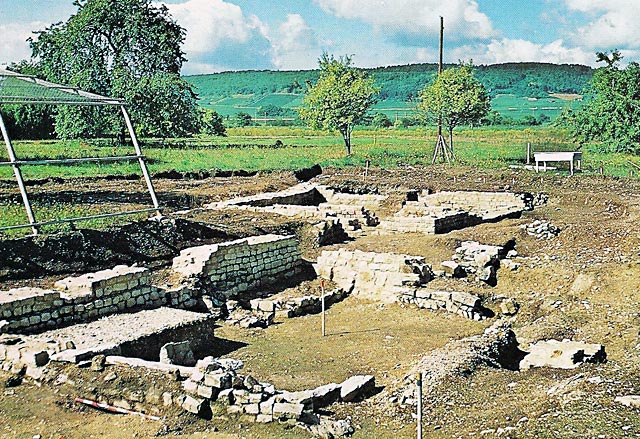
The Mithraeum des Bolards was integrated into a therapeutic cultural complex related to healing waters.
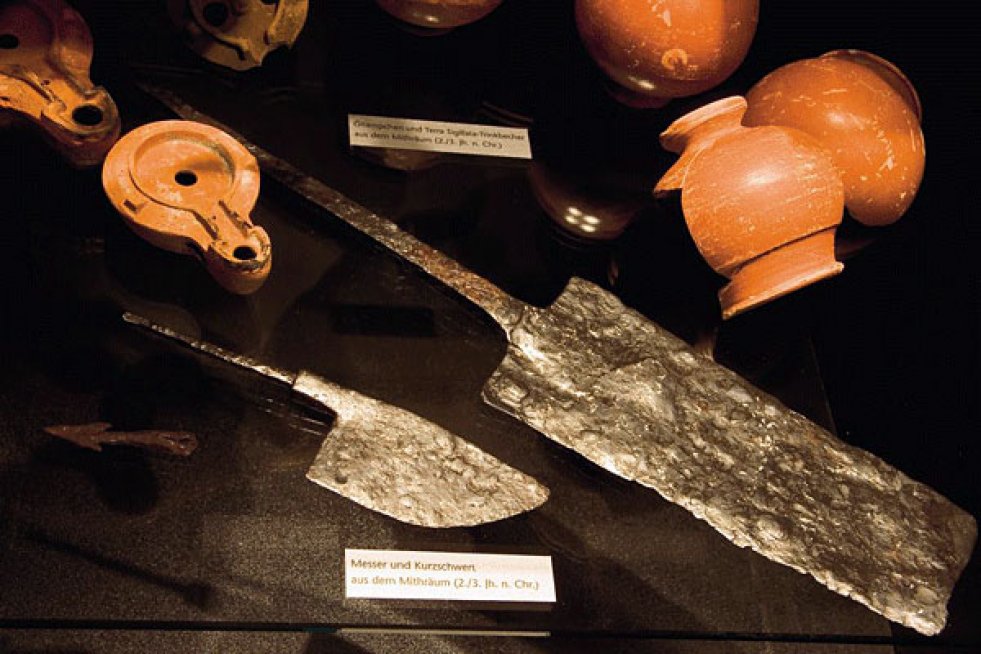
The Mithraeum of Kunzing was an underground building, oriented east-west. The entrance was probably on the east.

This relief of Mithras slaying the bull incorporates the scene of the god carrying the bull and its birth from a rock.

One of the most eminent representatives of late antique pagan religiosity, combining high civic authority with deep initiation into multiple mystery traditions, including the cult of Mithras.
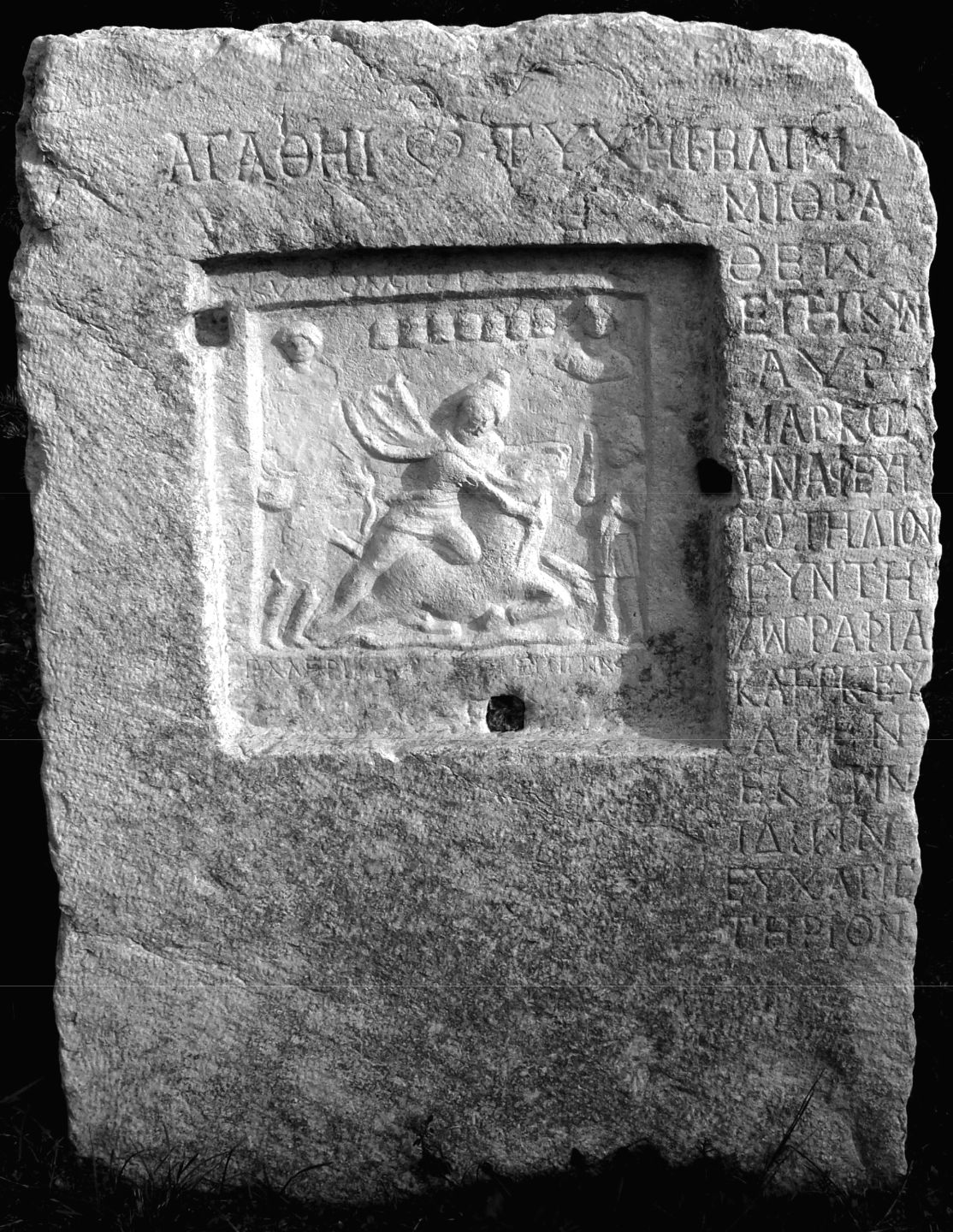
The Tauroctony of Nicopolis ad Istrum is unique as it is the only Mithraic stele befitting a Greek donor.

Late Roman senator, public augur and Mithraic pater active in the second half of the fourth century CE.
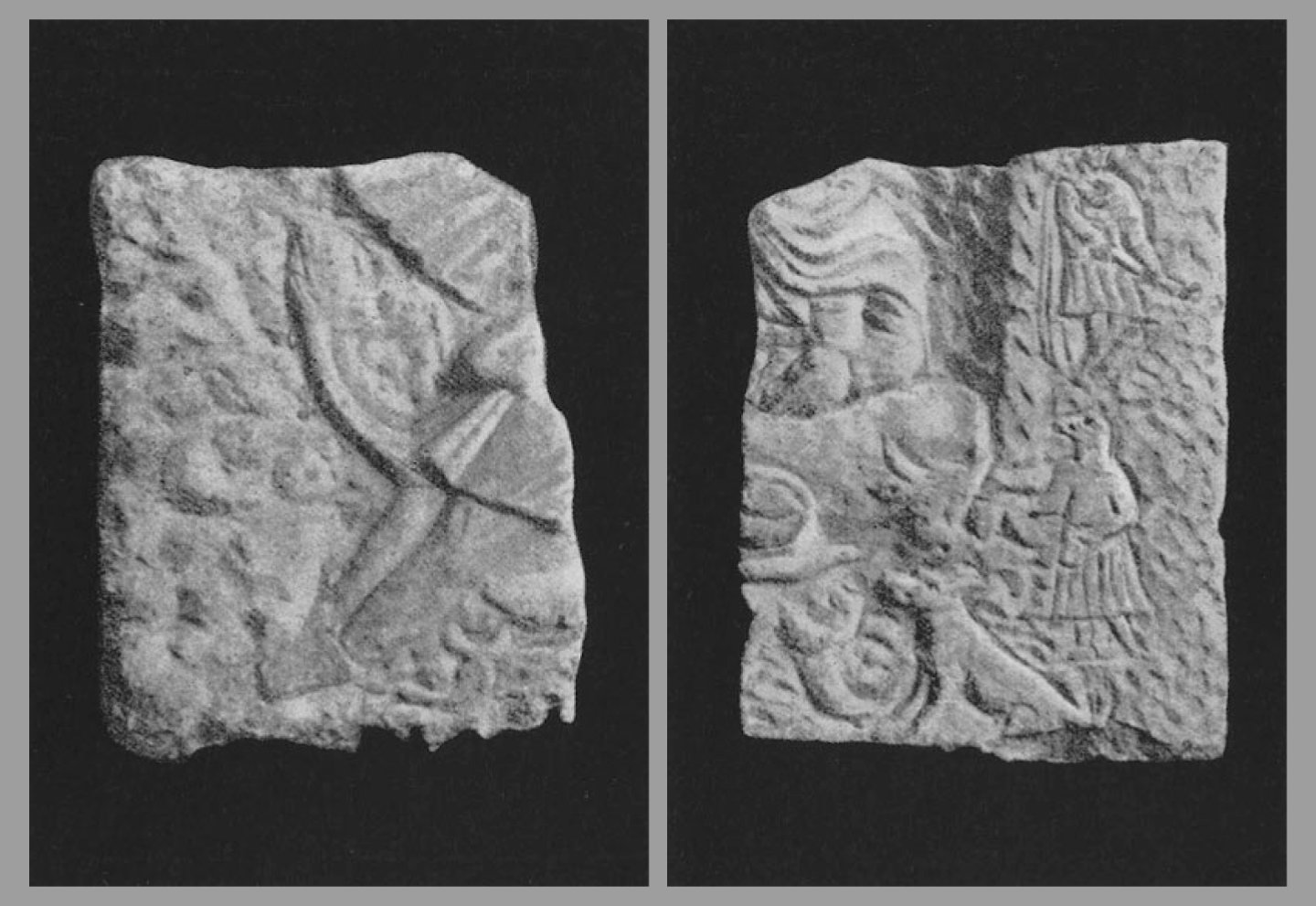
This fragment of a double relief shows a tauroctony on one side and the sacred meal, including a serving Corax, on the other.
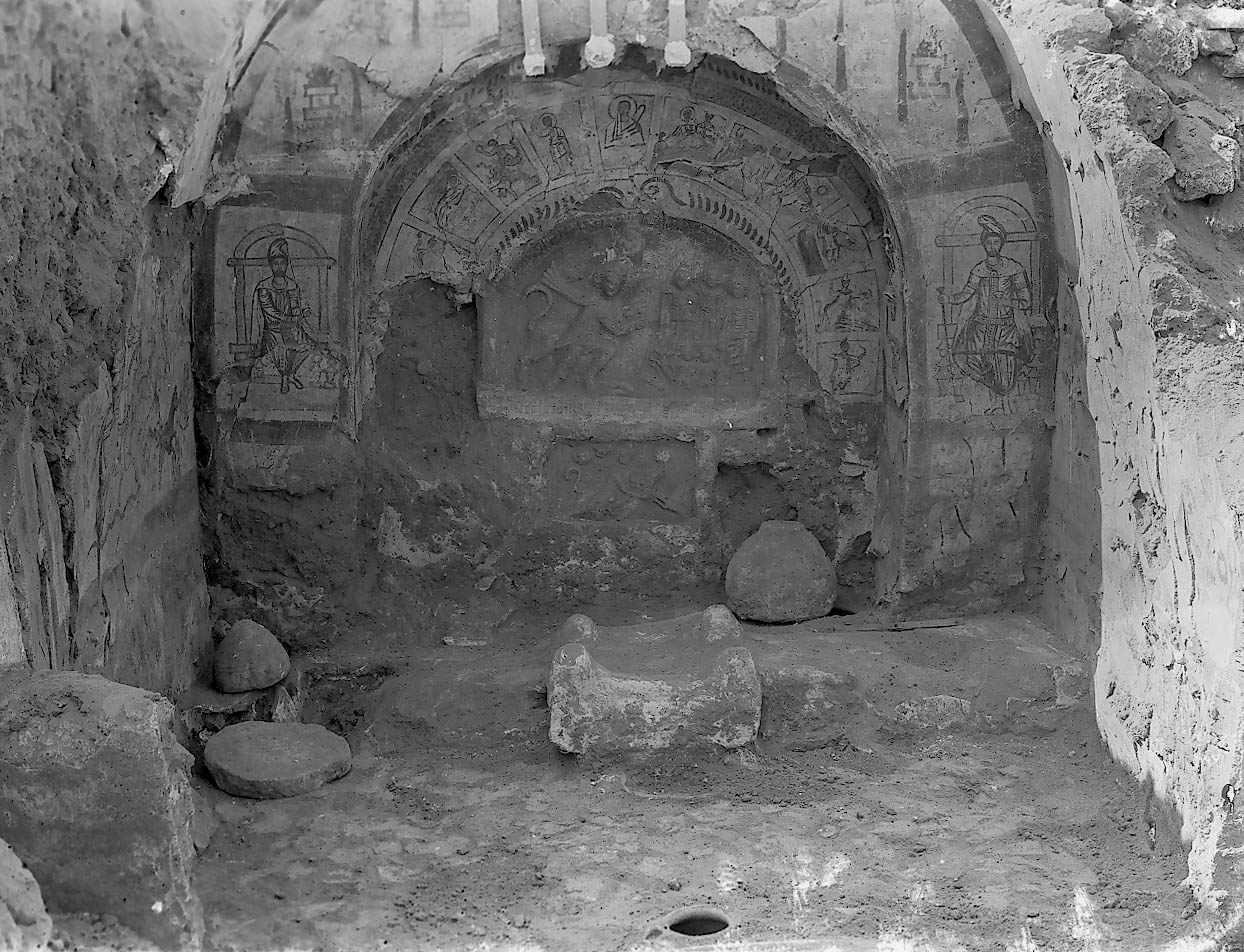
Three plaster altars within the main altar of the Mithraeum of Dura Europos, two of them with traces of fire and cinders.
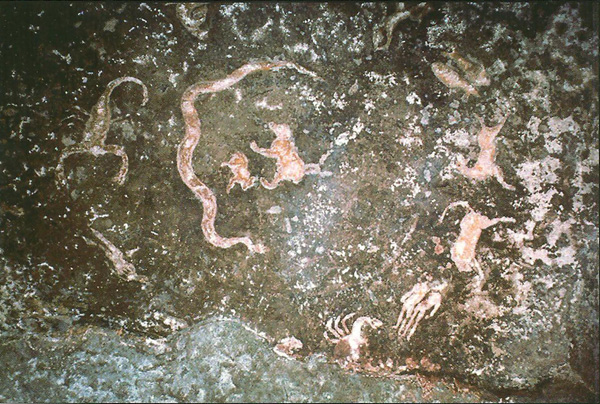
Solis invicti Mithrae studiosus astrologiae who was at the same time ’caelo devotus et astris’.
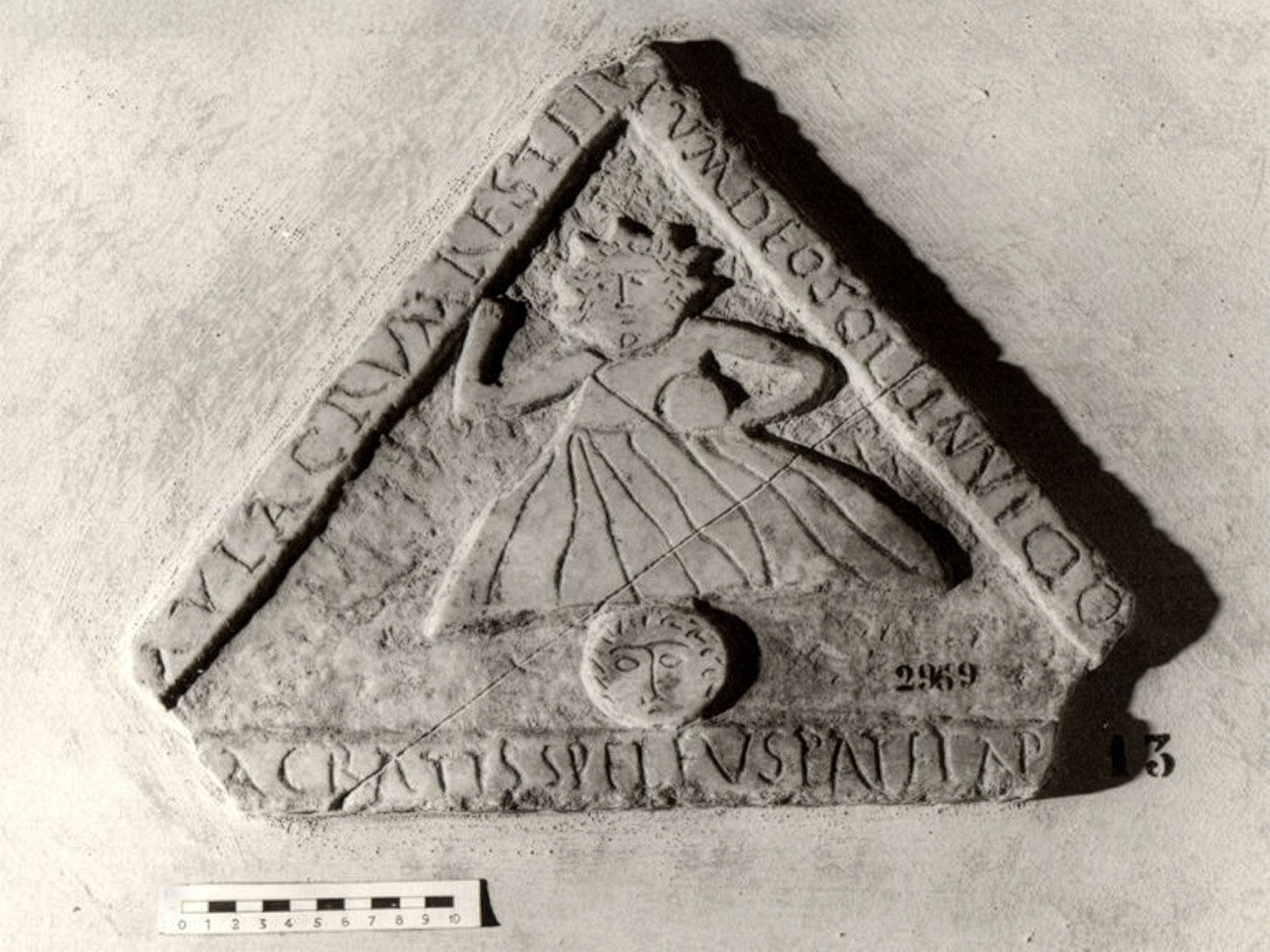
Small triangular slab bearing a Latin inscription referring to Sol Invictus and to a sacred cave, probably dating to the 4th century AD.
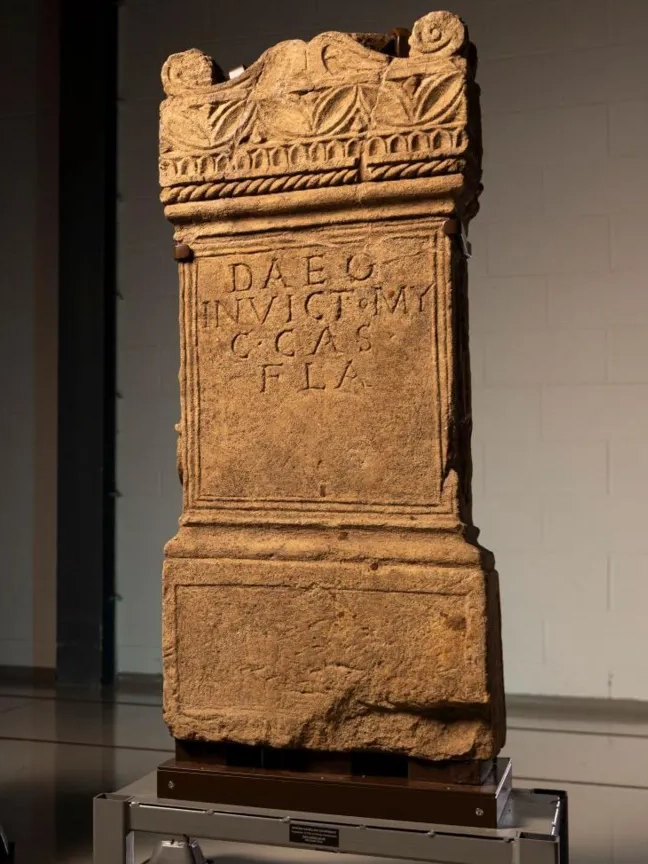
This second altar discovered to date near Inveresk includes several elements unusual in Mithraic worship.
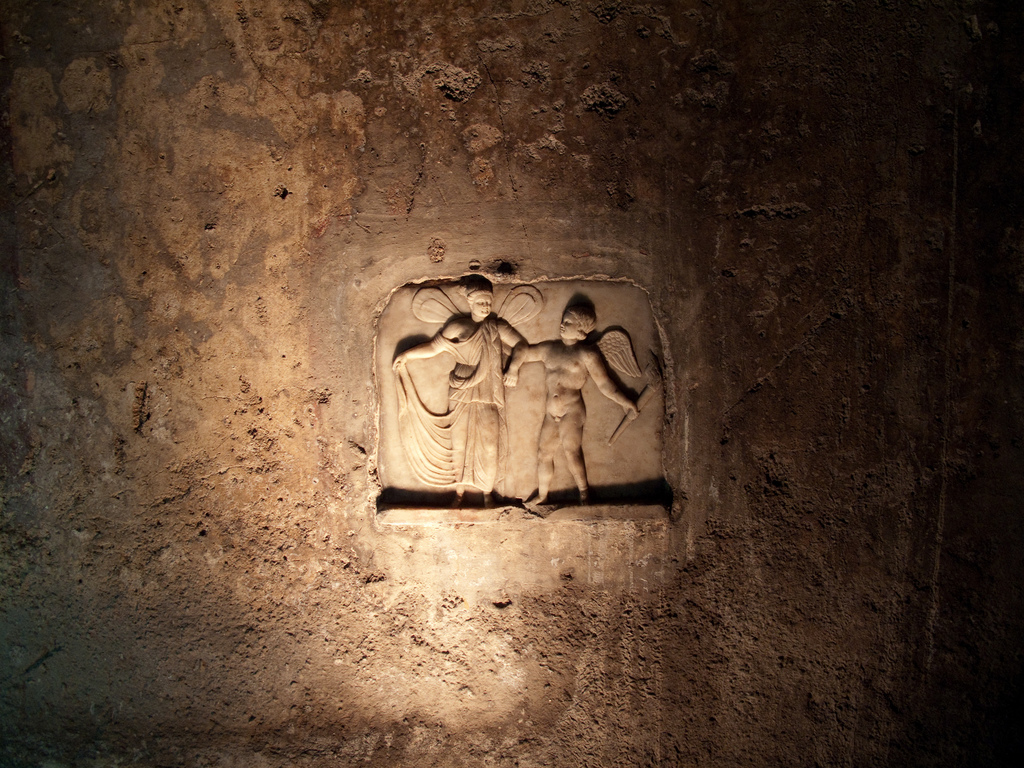
The Mithraeum of Santa Maria Capua Vetere includes a marble relief depicting a child Eros guiding Psyche through the dark.

This remarkable double-sided relief depicts the myth of Mithras and the Tauroctony on one side, and a scene of Mithras the hunter and the banquet of Mithras and the Sol on the other.
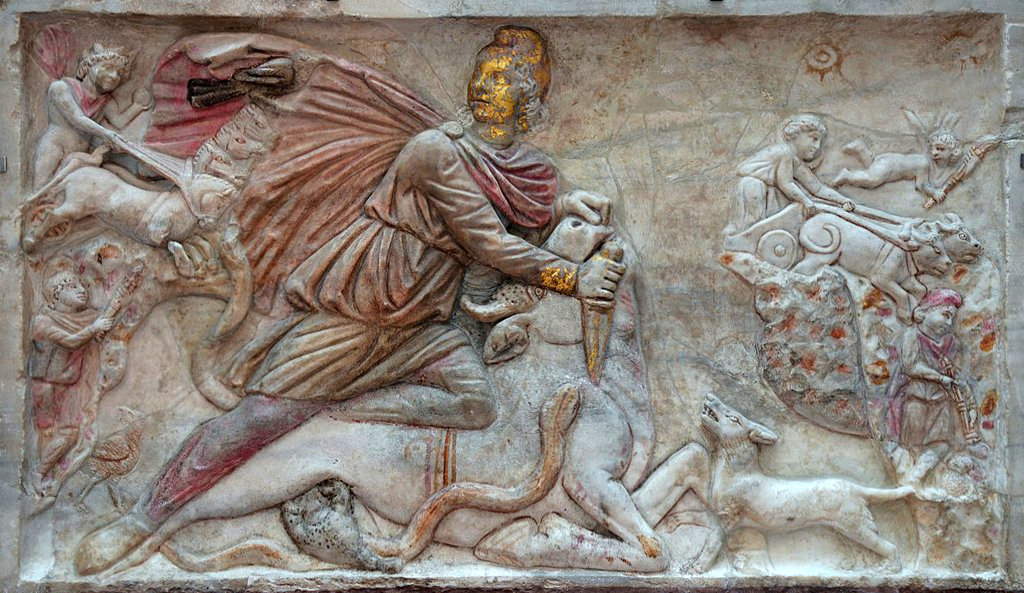
The relief of Mithras killing the bull of Stefano Rotodon preserves part of his polycromy and depicts two unusual figures: Hesperus and an owl.
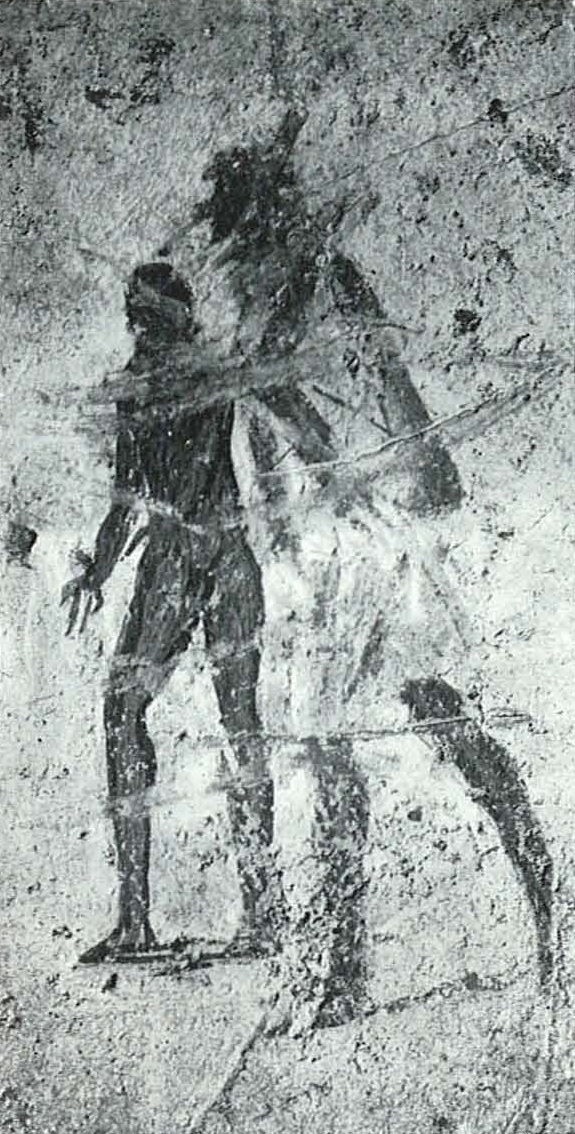
This is the first of several fresco scenes depicting the initiation of a new member in a mithraic community, in Capua Vetere.
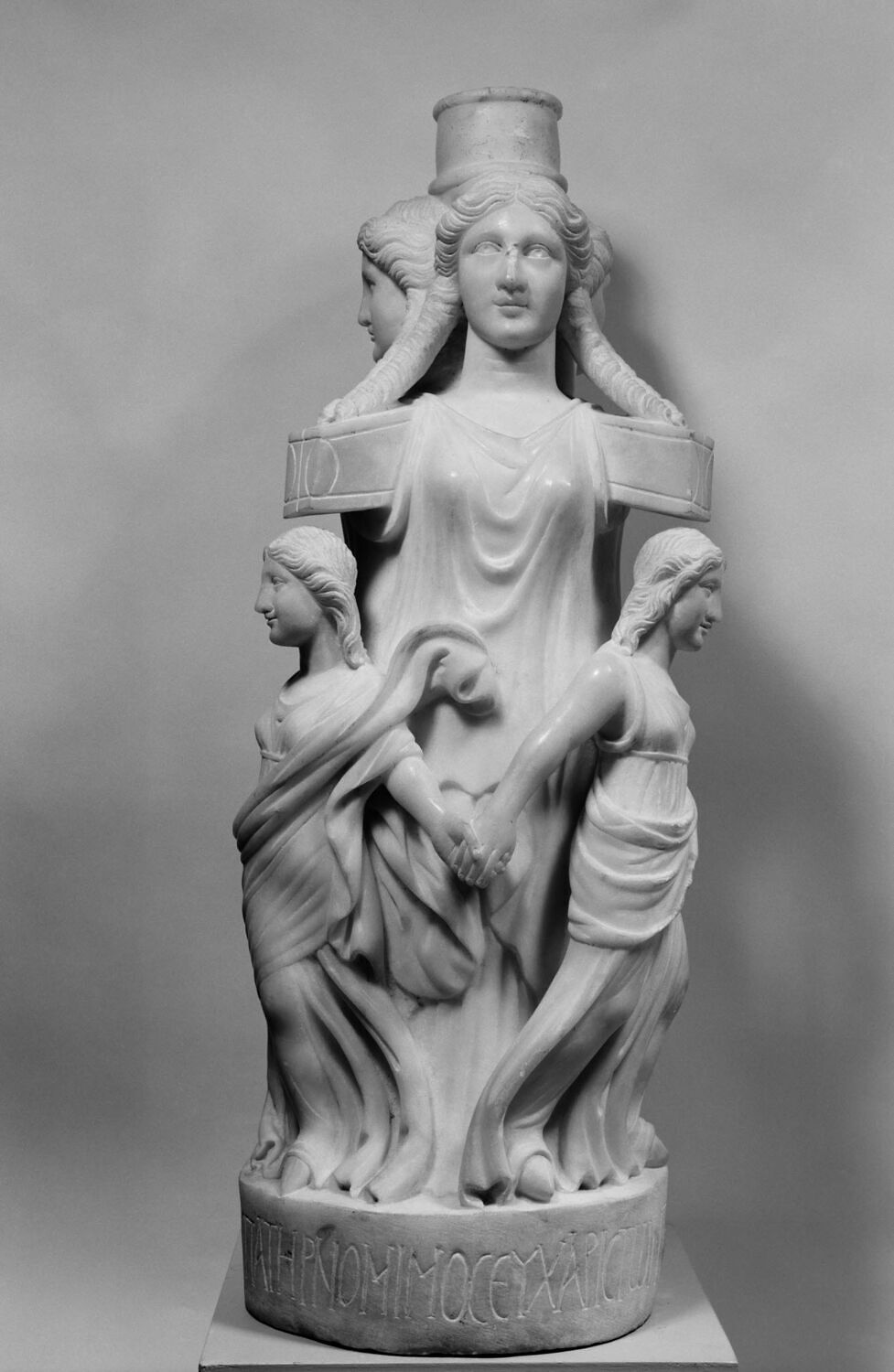
The Hekataion of Sidon, which depicts Hekate in her trimorphic form surrounded by three dancing girls, is the only example found to date in connection with the Mithraic cult.
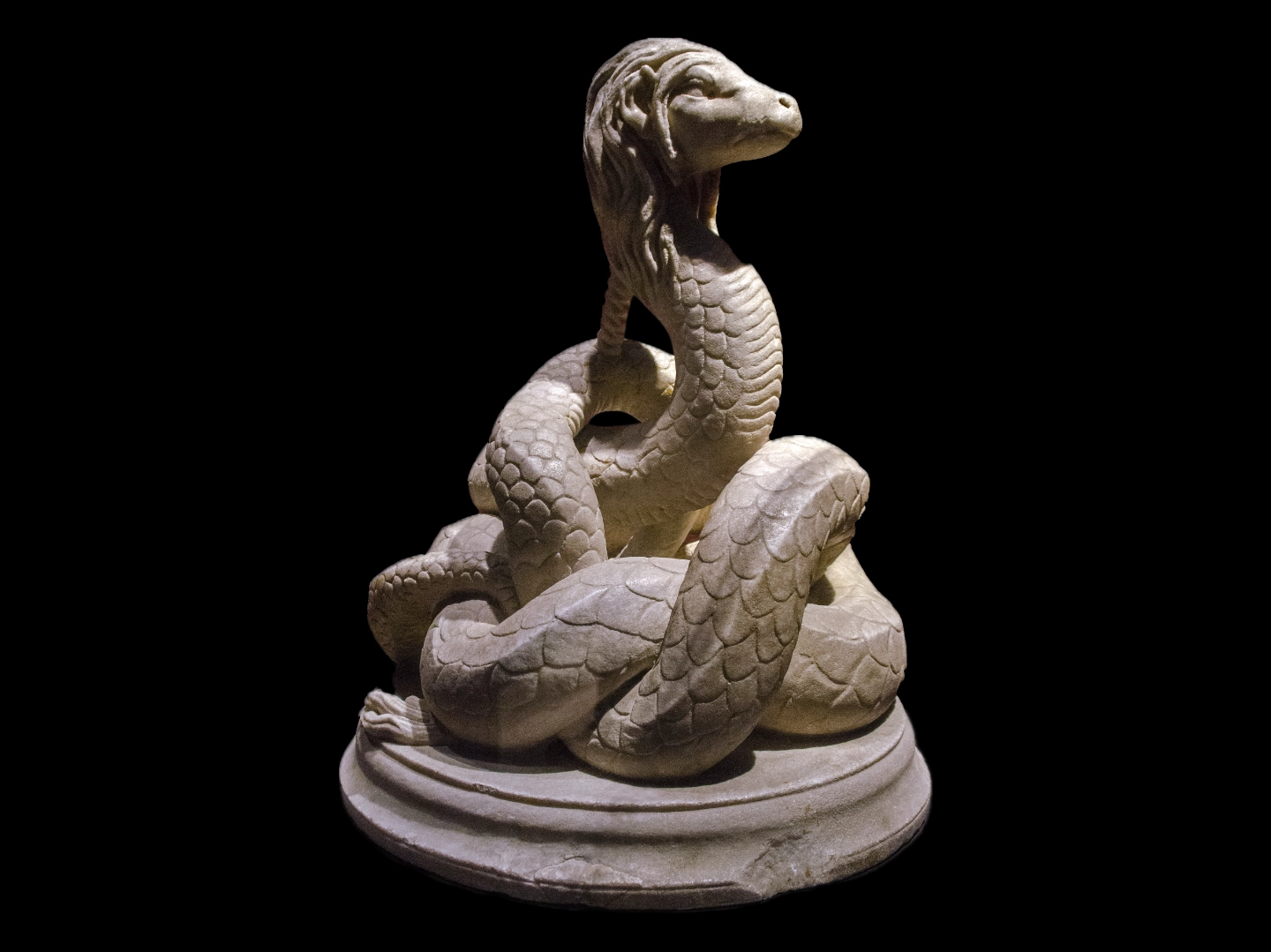
At Rome’s twilight, amid political upheaval and Christian ascendancy, Vettius Agorius Praetextatus embodied pagan intellect, virtue, and authority across senatorial, military, and mystical spheres.
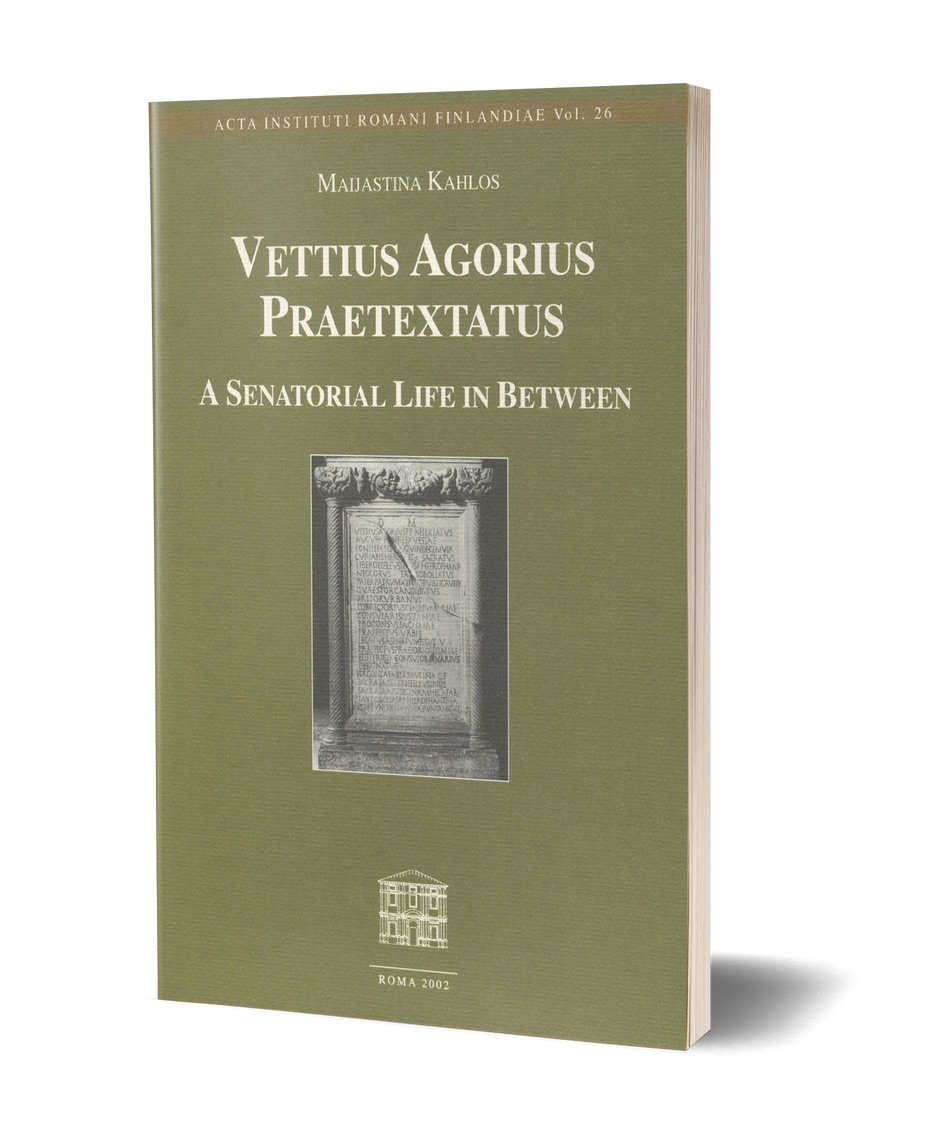
The cultural and religious world of fourth-century Rome is explored through the life and afterlife of Vettius Agorius Praetextatus. His case is set in comparison with other pagan and Christian senators of the period.
