Your search Martin Luther King gave 158 results.

In their groundbreaking new book, Mushrooms, Myths & Mithras, classics scholar Carl Ruck and friends reveal compelling evidence suggesting that psychedelic mushroom use was equally influential in early Europe, where it was central to initiation cerem

I was born in 1975 in Gaziantep. I graduated from the Department of Public Administration in 2005. In 2009, I started working at the Municipality of Şehitkamil
Join us for a special webinar with professor, writer and host of The New Mithraeum podcast @andreu.abuin, interviewing acclaimed esoteric scholar @peter.mark.adams on his ground breaking latest book, Ritual and Epiphany in the Mysteries of Mithras…

Greek-speaking member of the community of Mithras followers from Apulum in the 2nd century.
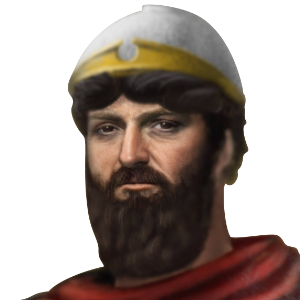
Founder of the Arasacid dynasty, Tiridates I was crowned king of Armenia by Nero in 66.

Freedman from Greek-speaking origin who dedicated an altar to the invincible Mythra.
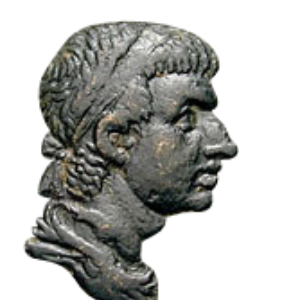
Last king of Commagene, Antiochus IV reigned between 38 and 72 as a client king to the Roman Empires.

Donated a krater with weekday gods to Mithras god and king in Augusta Treverorum.

Dioscorus is a freedman from the Greek-speaking part of the Empire who dedicated an altar to the invincible Mythra.
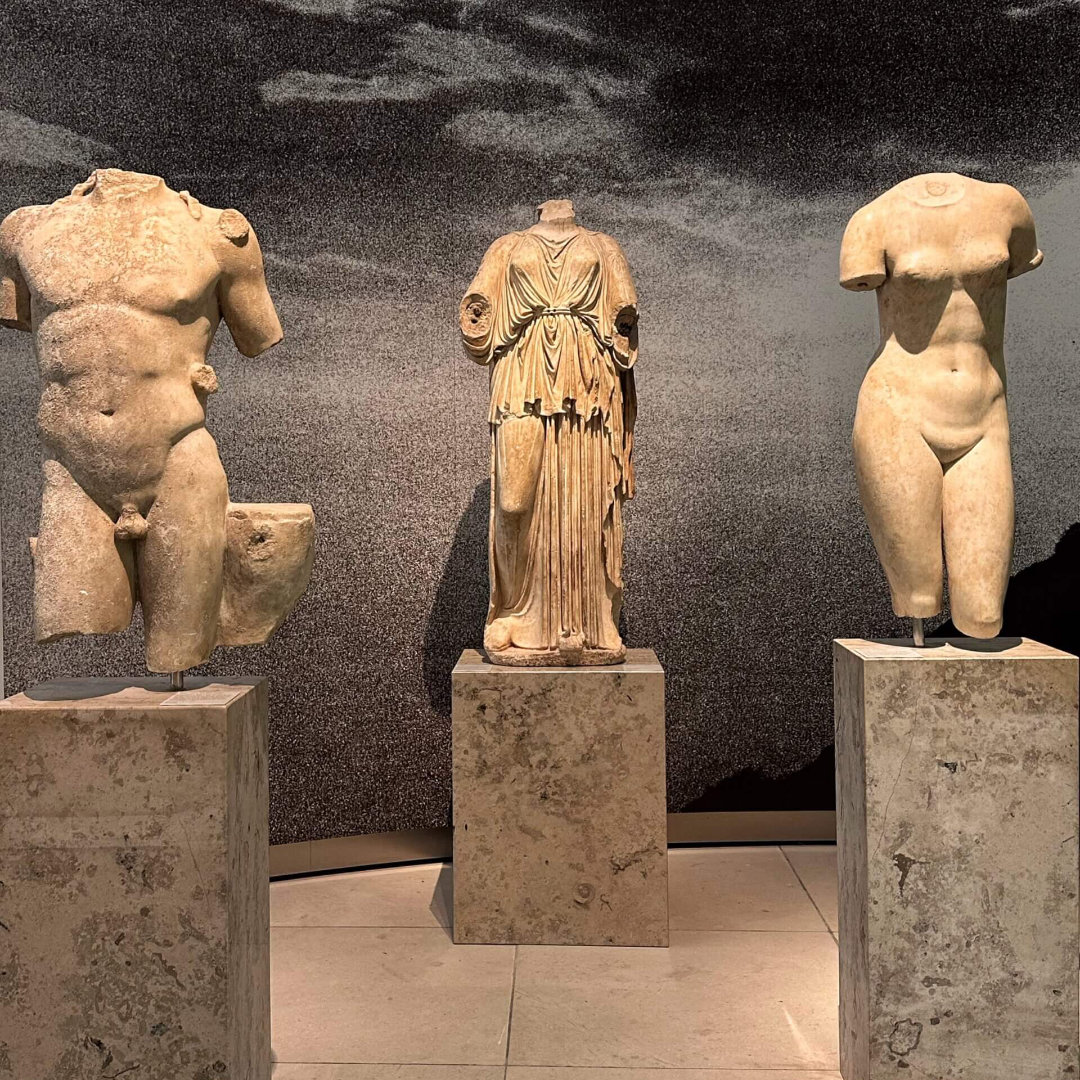
For our German-speaking friends, don’t miss Stefan Nährlich’s blog, [ref:67685d70a6b54]. It offers a plethora of intriguing articles on not only Mithras but the entire Empire. His posts feature excellent original photographs, perfect for both Romans and barbarians alike! Enjoy exploring…

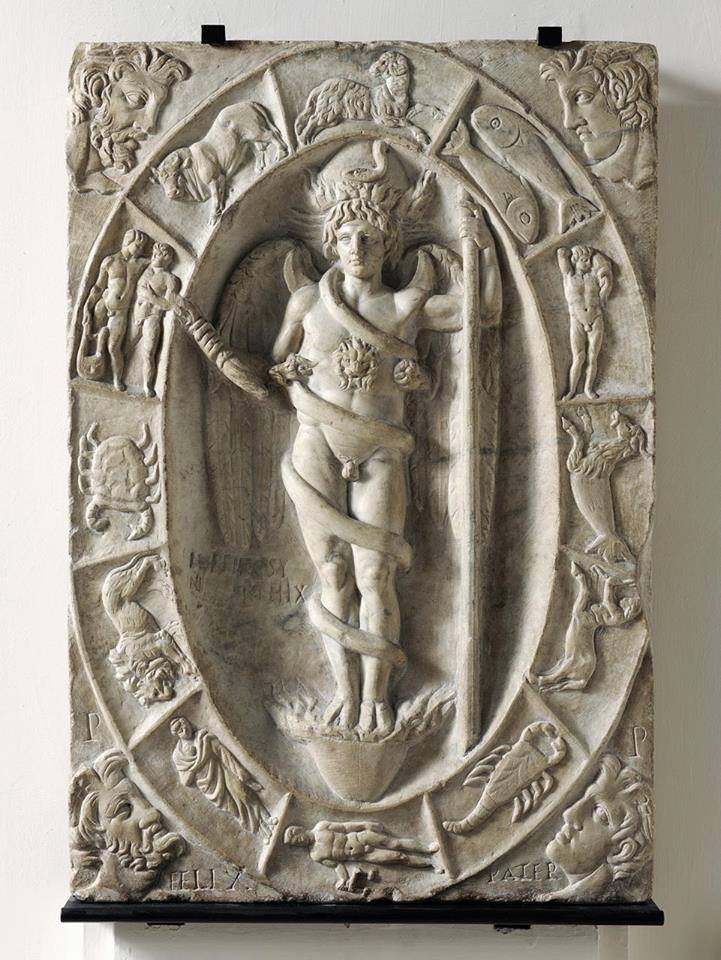
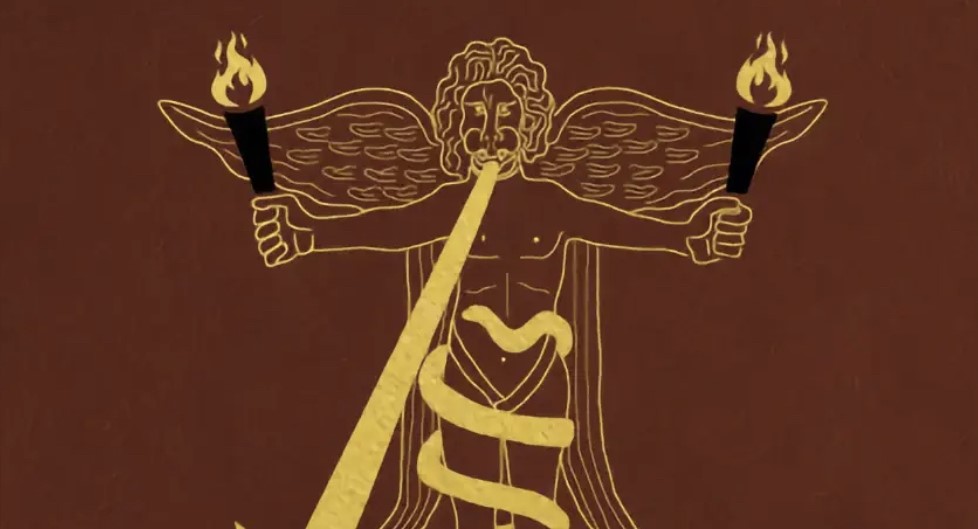
The Aion / Phanes relief, currently on display in the Gallerie Estensi, Moneda, is associated with two Eastern mysteric religions: Mithraism and Orphism.


The Mithraeum of Visentium, near Capodimonte in Viterbo, was carved grotto-style into a tuff cliff overlooking the waters of Lake Bolsena, just a few dozen metres away.
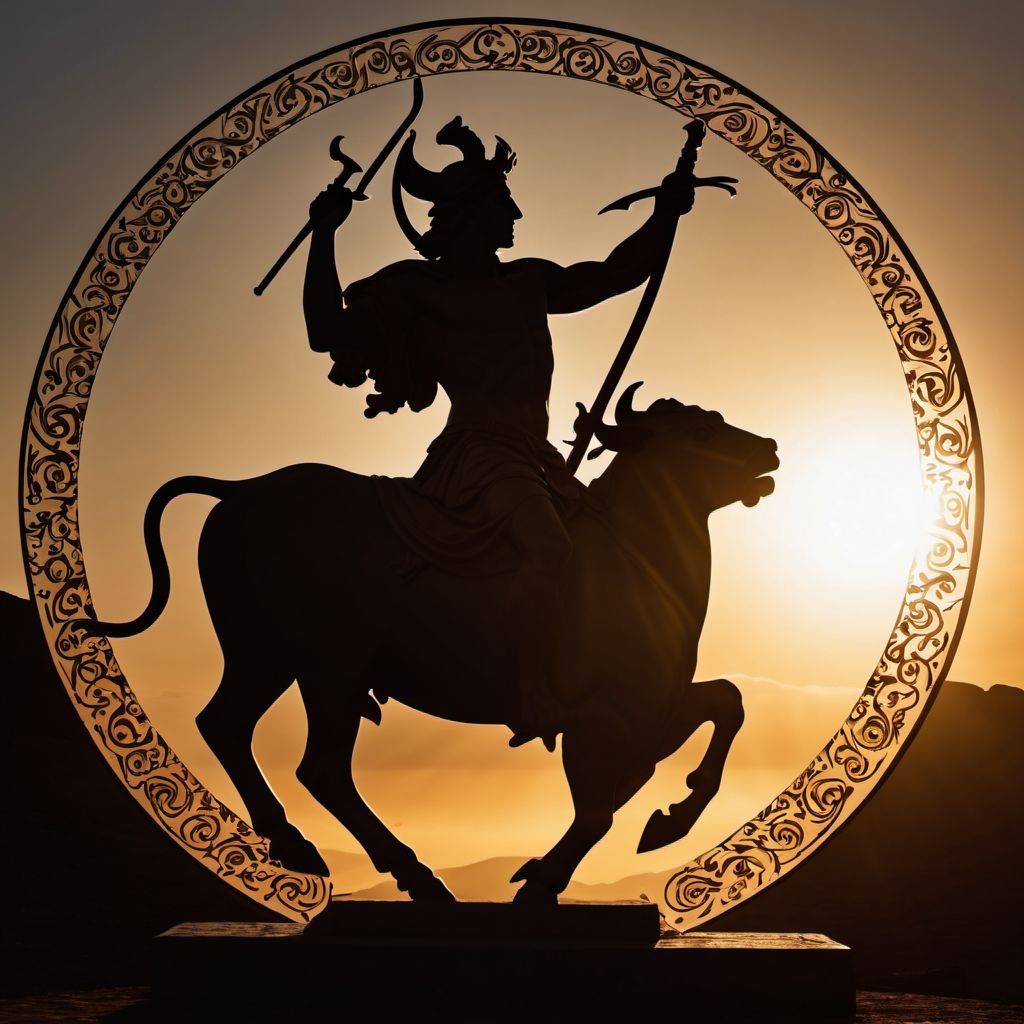

This Aion is known for wearing a Kalathos on his lion’s head, linking him to the syncretic Sarapis.
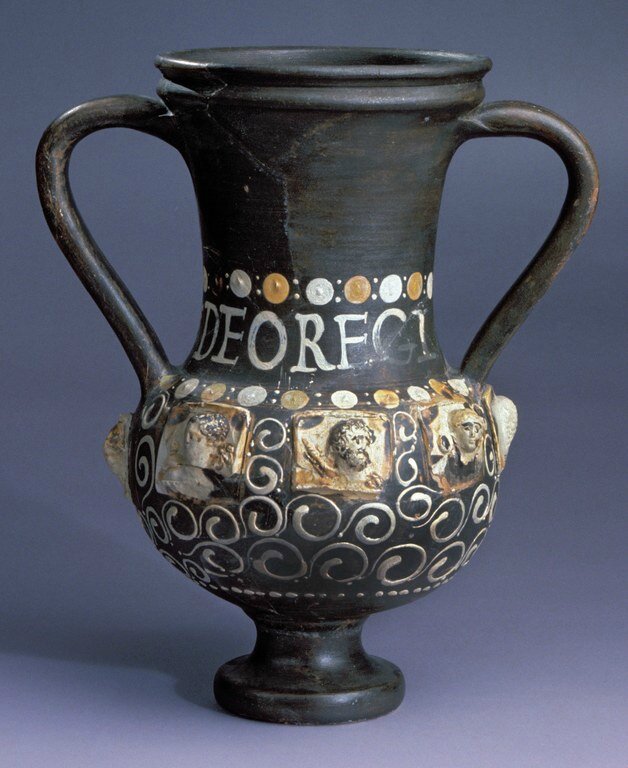
The vase bears an inscription to the god but also 'king' Mithras.
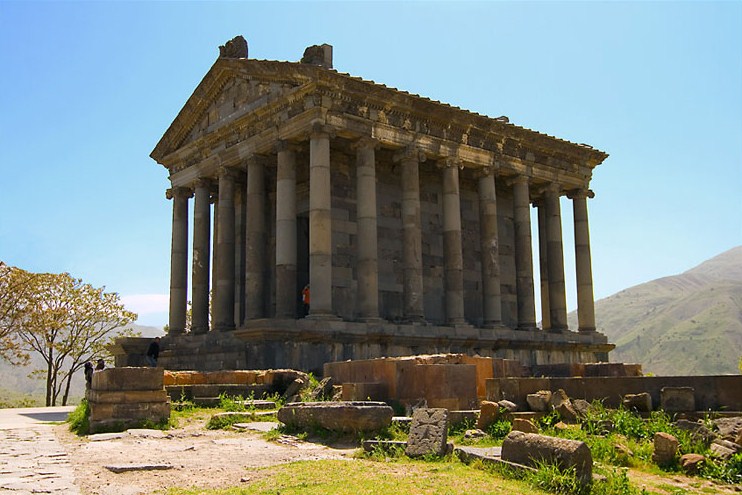
After Christianity was adopted, most pagan monuments were destroyed or abandoned. Garni, however, was preserved at the request of the sister of King Tiridates II and used as a summer residence for Armenian royalty.
