Your search Mit Rahina gave 2640 results.
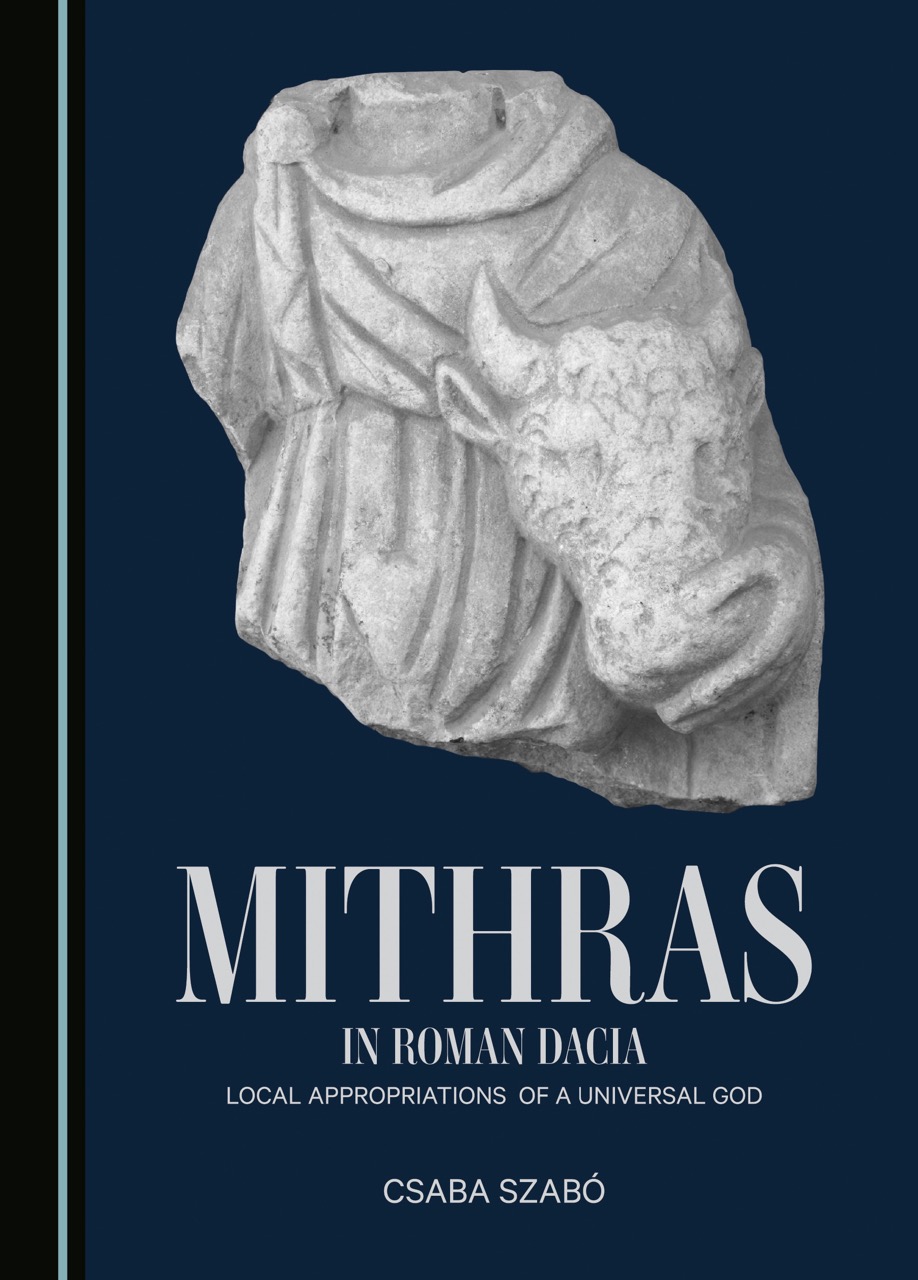
A new interdisciplinary assessment of the archaeological and epigraphic evidence for the cult of Mithras in Roman Dacia.
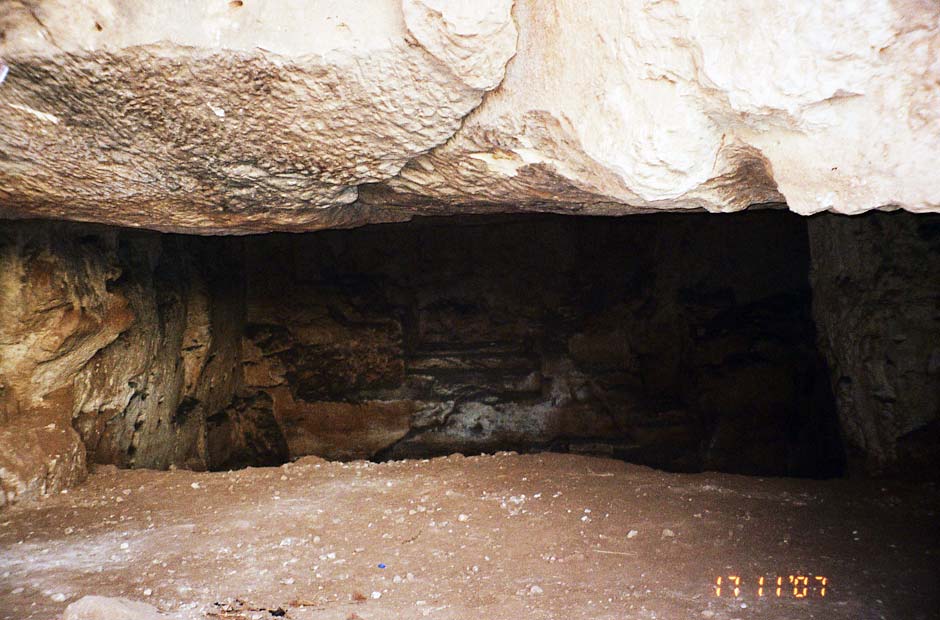
The Mithraea of Doliche, ancient Dülük, Turkey, are unique in that they represent two distinct shrines on the same site.
A comprehensive and critically updated catalogue of Mithraic sites, monuments and artefacts across the Roman world, incorporating both accepted and disputed evidence while reassessing decades of scholarship in light of recent research.

Discovered beneath the church of Vieu-en-Valromey in 1869, this Mithraeum formed part of the monumental religious centre of ancient Venetonimagus.


A comprehensive reassessment of the introduction, development and early decline of Mithraism in Roman Hispania, combining socio-historical analysis with the most complete catalogue of Hispanic Mithraic evidence currently available.
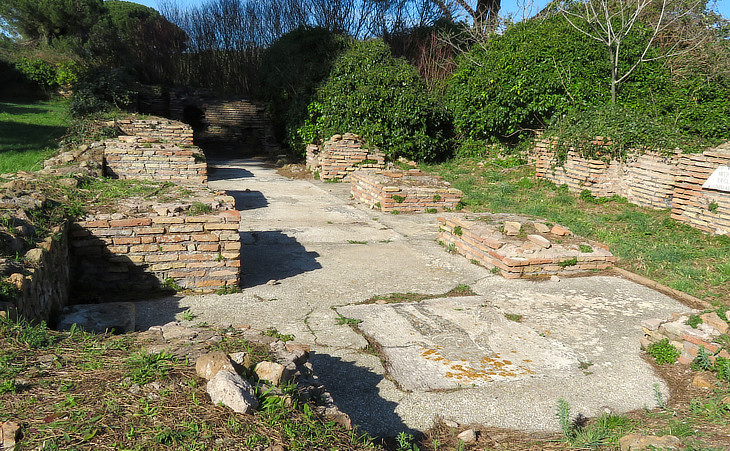
The Mithraeum of the Animals was decorated with a mosaic depicting a naked man, a cock, a raven, an scorpion, a snake and the head of the bull.
The Fagan Mithraeum, also known as the Mithraeum of Tor Boacciana, yielded remarkable sculptures of lion-headed deities, several of which are now preserved in the Vatican Museums.
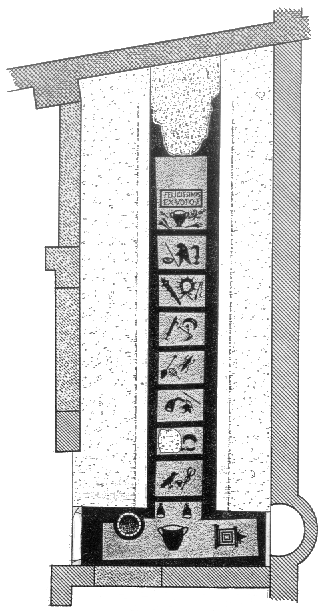
The Mithraeum Felicissimus has a floor mosaic depicting the seven mithraic grades.
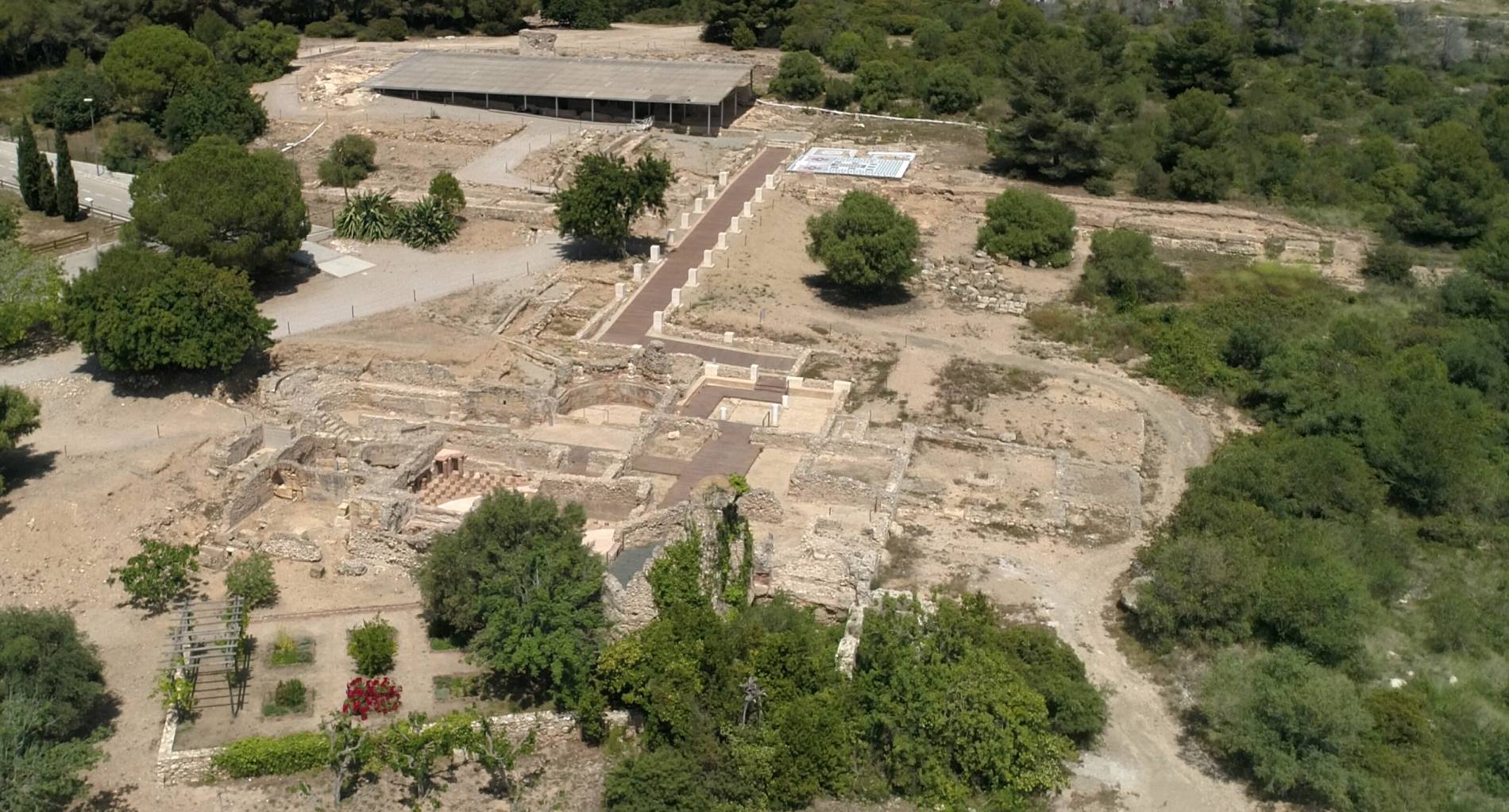
A possible Mithraic sanctuary attached to the luxurious Roman villa of Els Munts, near ancient Tarraco, whose interpretation remains disputed.
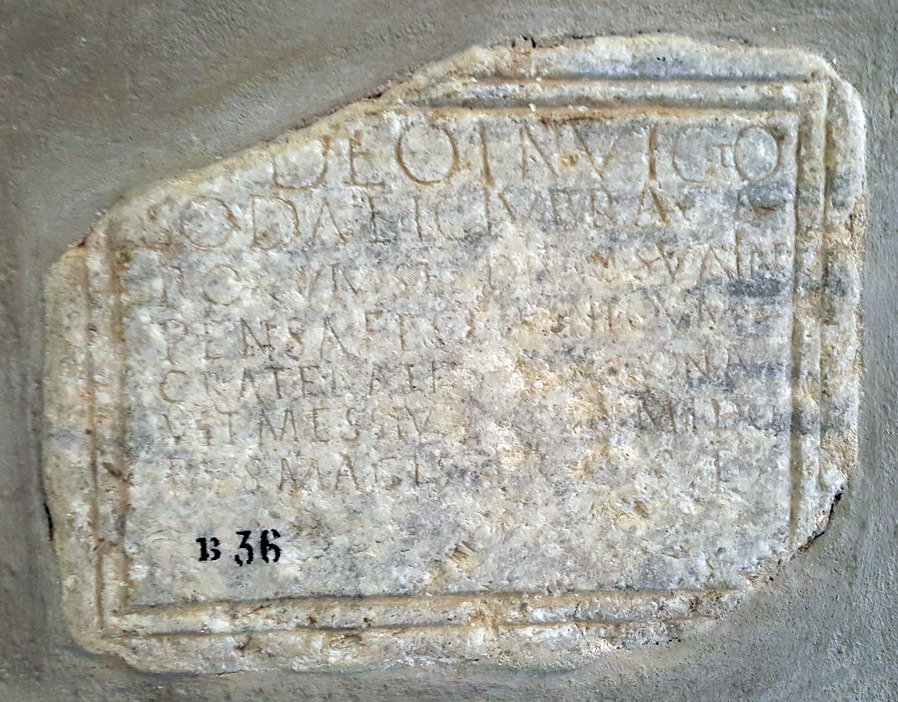
Marble inscription recording the construction of a Mithraic meeting place and the donation of a crater by Titus Flavius Artemidorus.
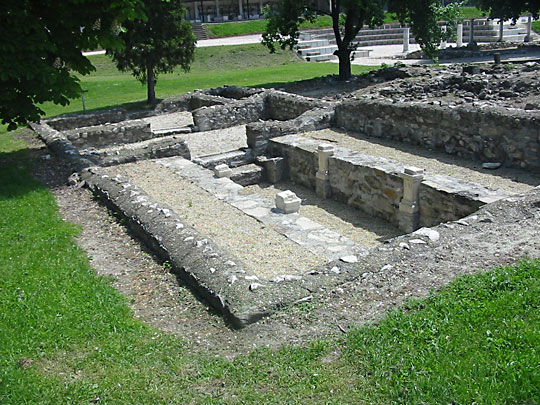
This temple of Mithras in Aquincum was located within the private house of the decurio Marcus Antonius Victorinus.
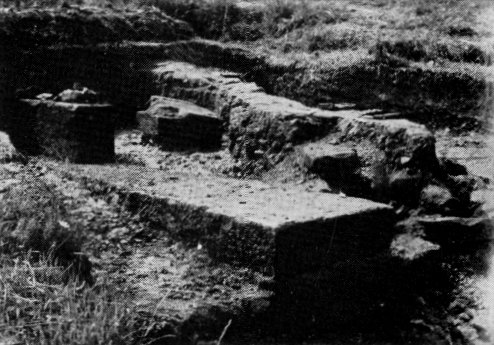
The Mackwiller Mithraeum was built in the middle of the 2nd century, during the reign of Antoninus the Pious, on the site of a spring already worshipped by the natives.
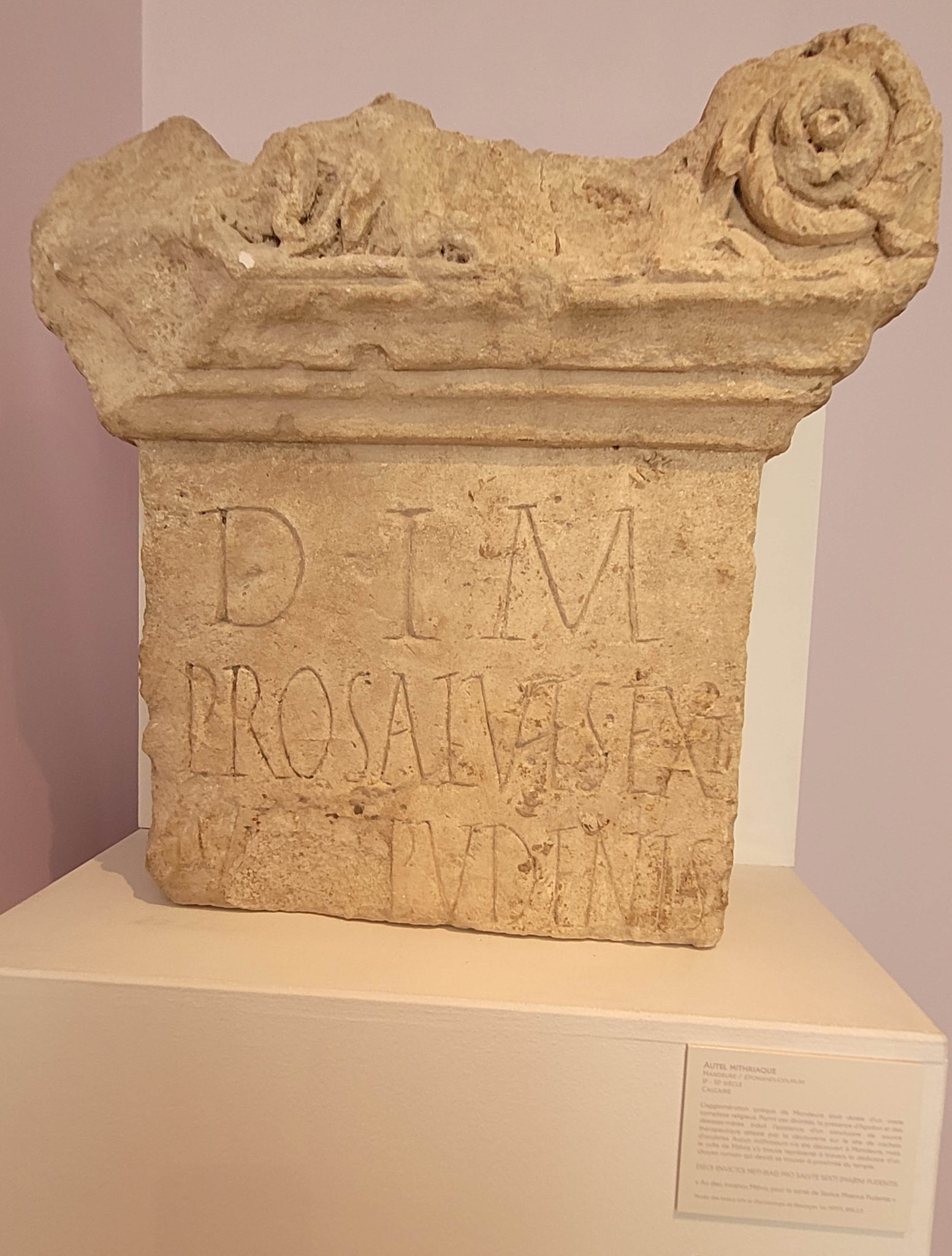
Stela dedicated to Mithras Invictus, found in 1895–1896 at Epamantodurum (modern Mandeure), in the territory of the civitas Sequanorum (Gallia Belgica). The inscription records a vow to Mithras Invictus made for the welfare of Sextus Maenius Pudens.
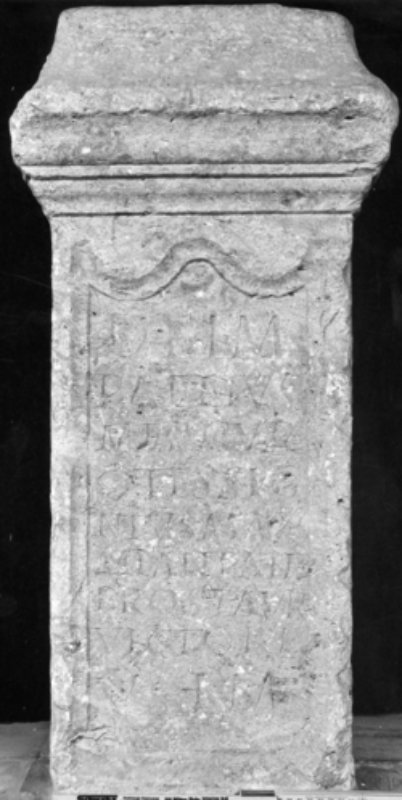
This altar to Mithras found in Aquilieia mentions several persons of a same community.
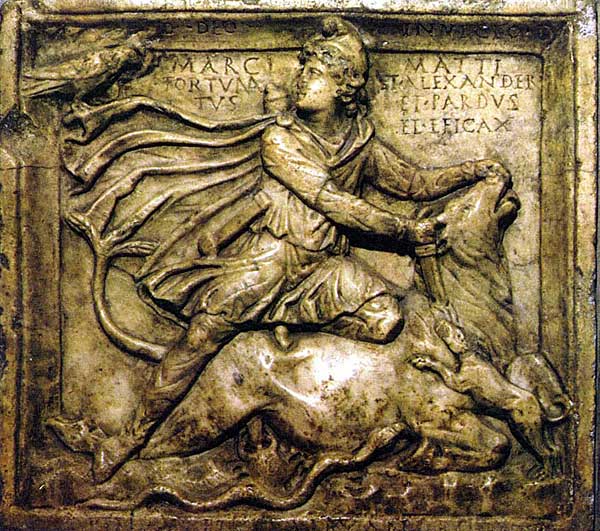
The relief marble of Mithras sacrifying the bull, exposed on the Hermitage Museum comes from Rome.
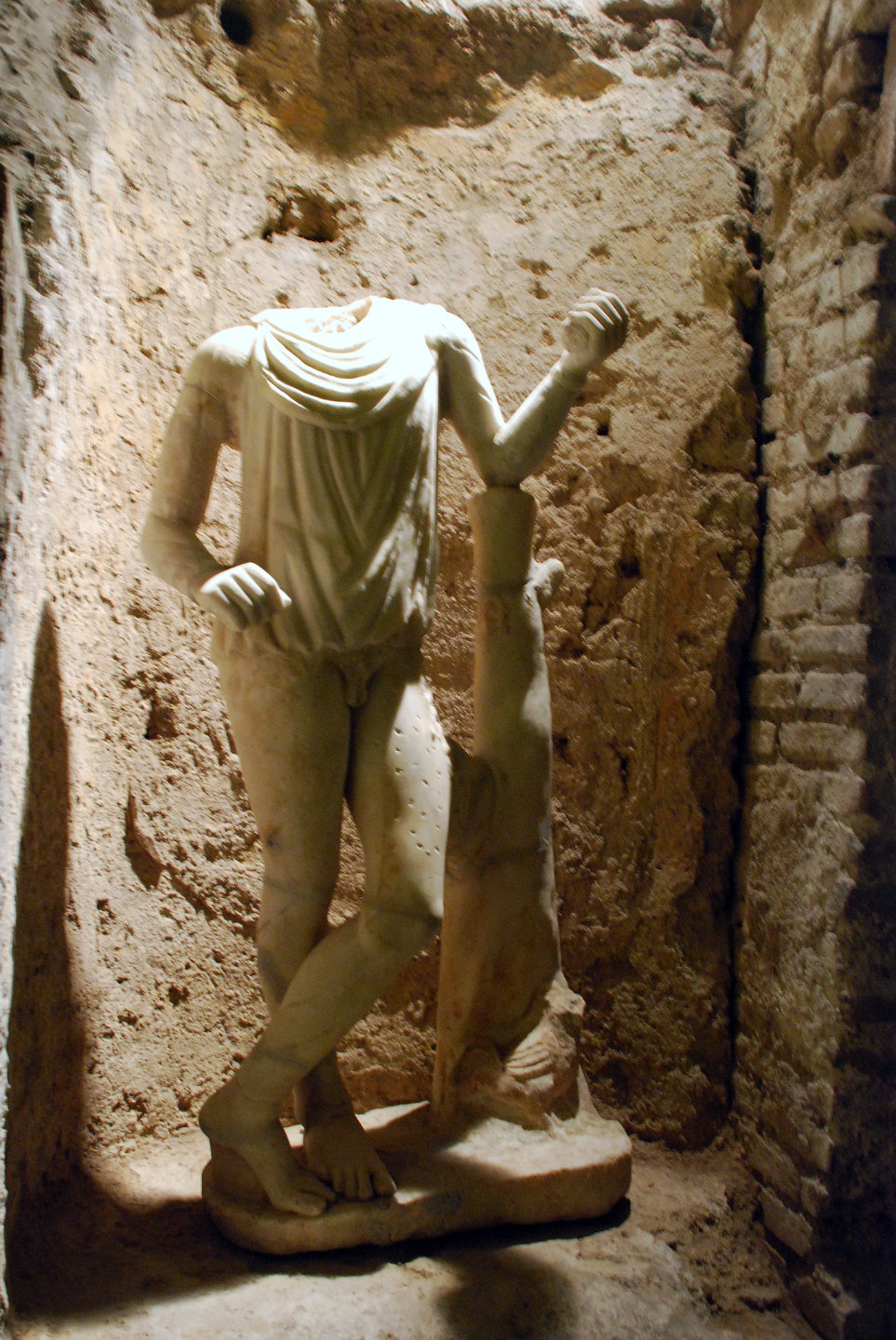
The marble statue of Cautes, found in the Mithraeum of Santa Prisca, was originally a Mercury.
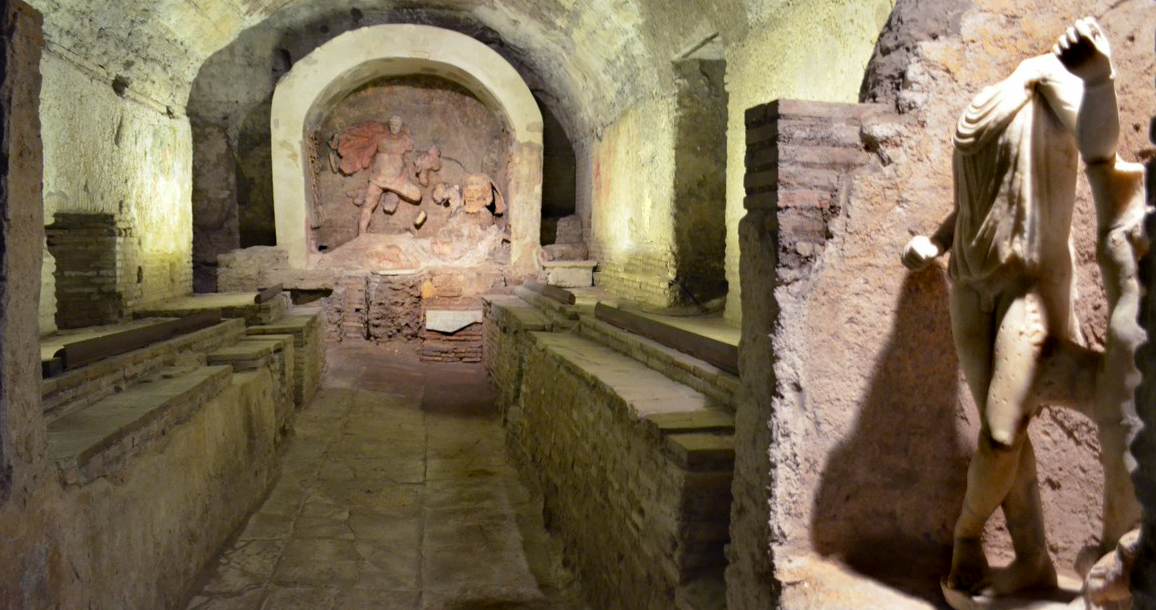
The Mithraeum of Santa Prisca houses remarkable frescoes showing the initiates in procession.

Epigraphic testimony catalogued in the Année Épigraphique and Lugli’s Fontes for ancient Rome.
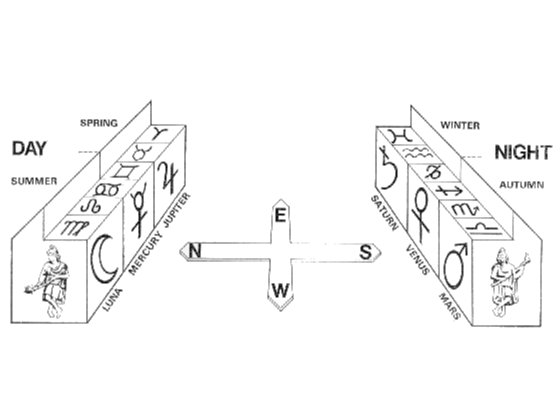
The rich mosaics of the Mithraeum of the Seven Spheres include the the signs of the Zodiac.
