Your search Peștera La Adam gave 40 results.
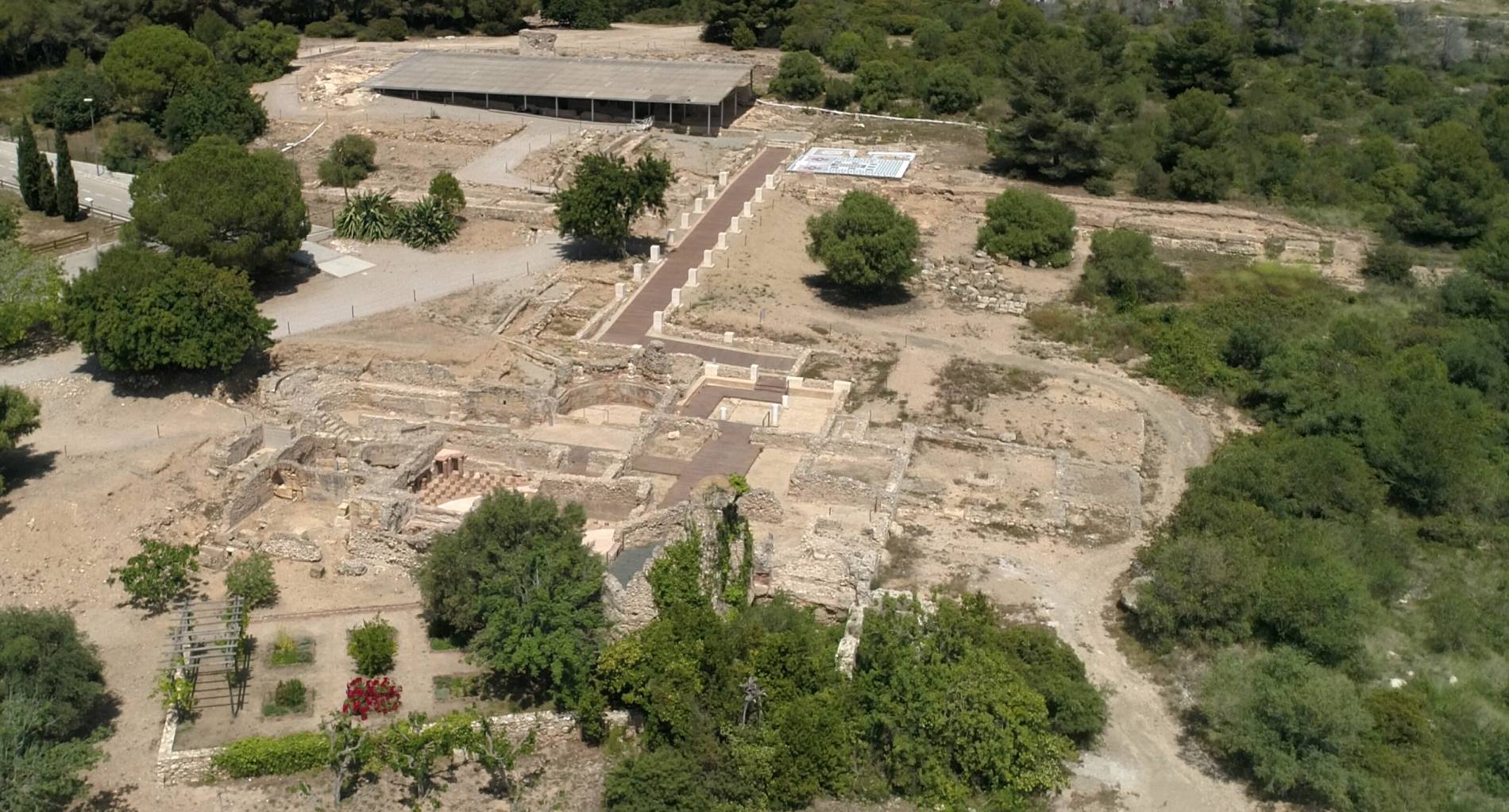
The Mithraeum of Els Munts, near Tarragona, is one of the largest known to date.

Altar from Pécs, ancient Sopianae in Pannonia Inferior, found during church restoration in 1890, dedicated to Soli invicto pro salute.
Gold lamina from Ciciliano showing a nude, serpent-entwined Aion-Kronos holding a key and surrounded by Greek voces magicae (2nd c. CE).
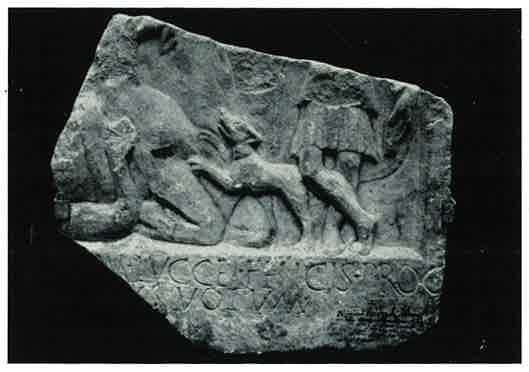
Marble tauroctony relief from Sarmizegetusa, Dacia, found at Zám and subsequently in various private collections; depicting the standard bull-slaying.

One of the most eminent representatives of late antique pagan religiosity, combining high civic authority with deep initiation into multiple mystery traditions, including the cult of Mithras.

This marble altar was found ’in the street called di Branco’, behind the palace of the Cardinal of Bologna, in Rome.
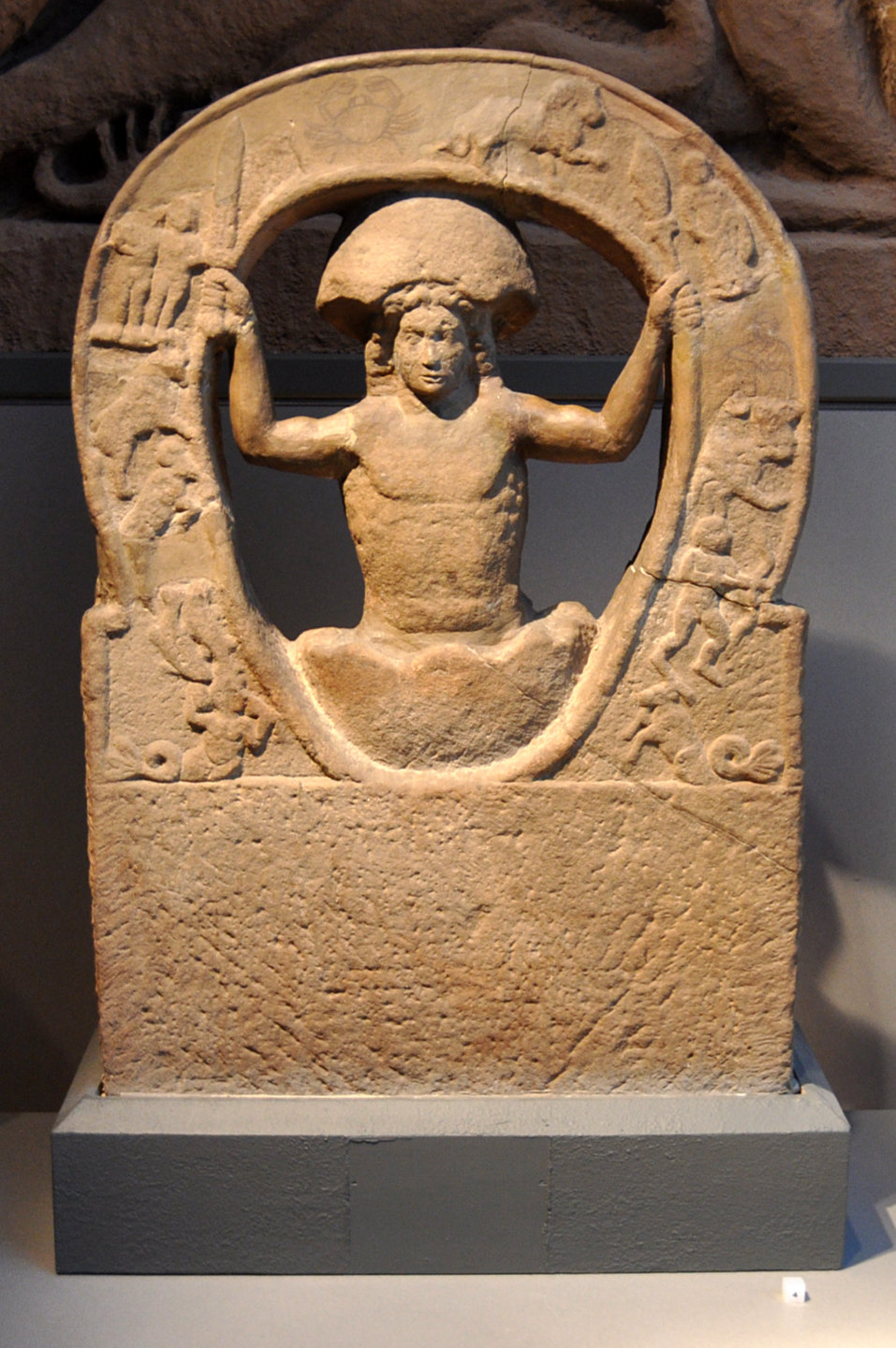
A naked Mithra emerges from the cosmic egg surrounded by the zodiac, as always carrying a torch and a dagger.
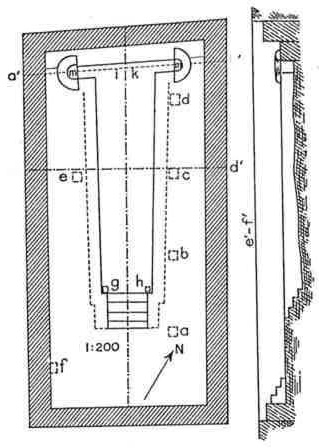
Mithraeum discovered in 1887–1888, located about 85 m north of the castellum at Ober-Florstadt, built on a hillside with a central aisle, benches, and an altar podium.

Actes du 2e Congrès International, Téhéran, du 1er au 8 septembre 1975. (Actes du Congrès, 4). Éditions Brill, collection. Acta Iranica.
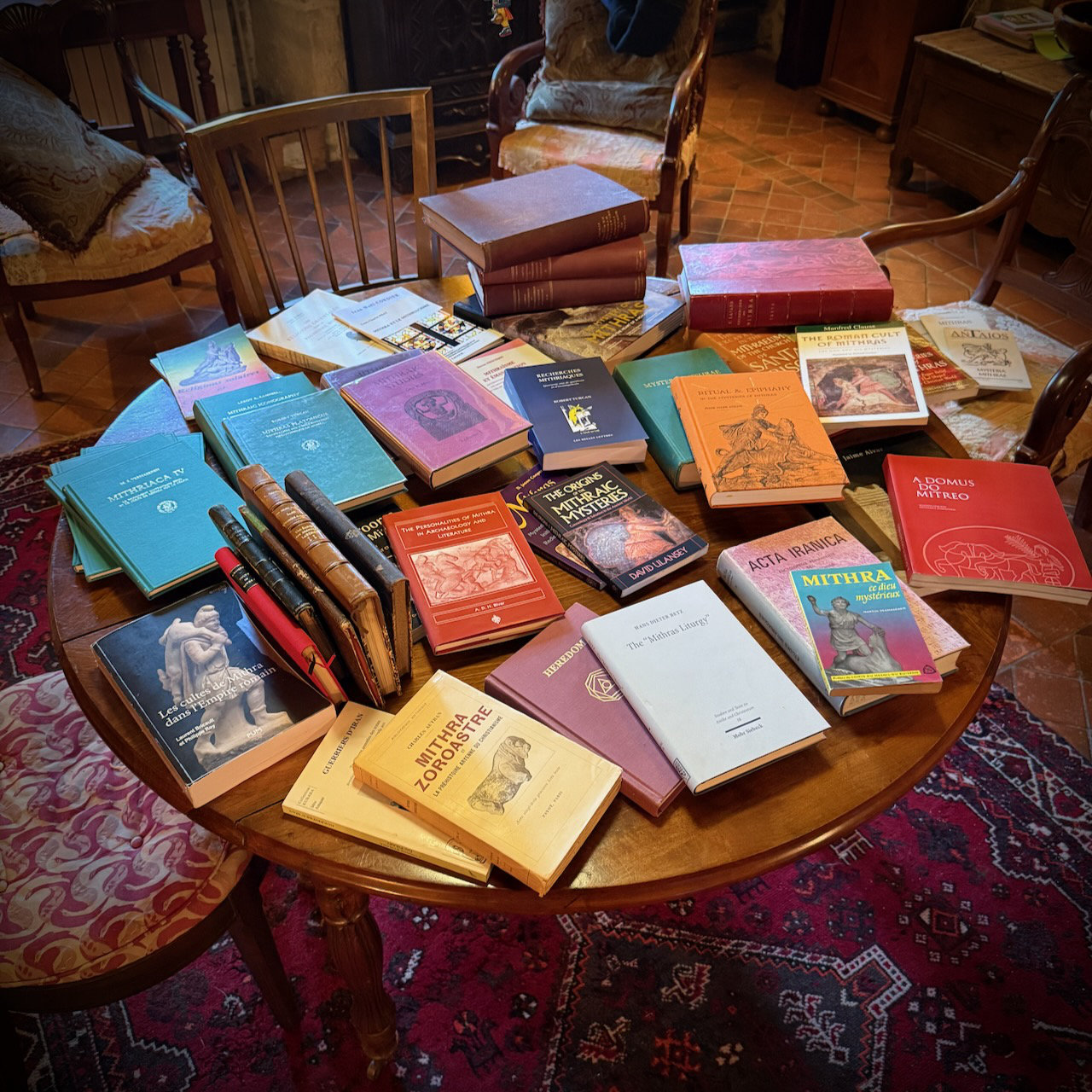
I’m excited to finally have my copy of ‘Ritual and Epiphany in the Mysteries of Mithras’ by @peter.mark.adams! The book is now officially available. Feel free to share your thoughts—I’d love to hear what you all think!
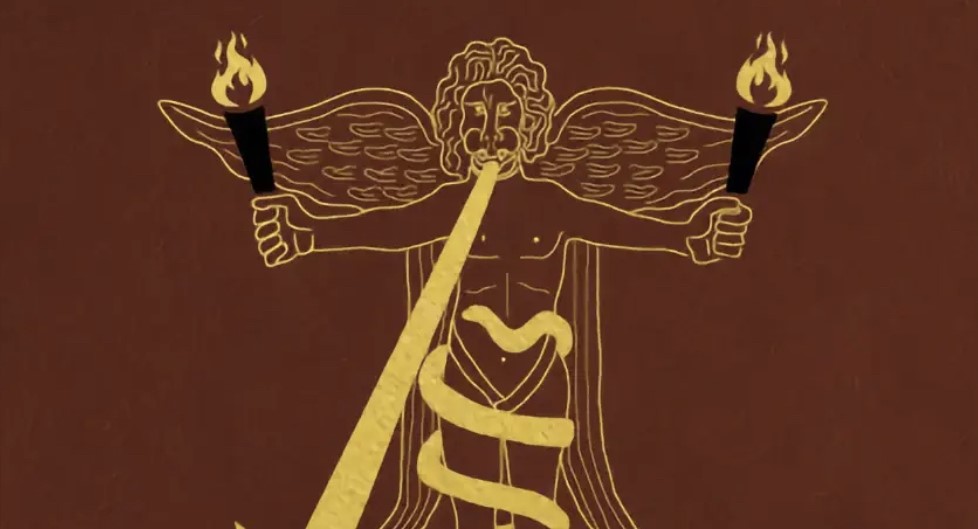
Join us for a special webinar with professor, writer and host of The New Mithraeum podcast @andreu.abuin, interviewing acclaimed esoteric scholar @peter.mark.adams on his ground breaking latest book, Ritual and Epiphany in the Mysteries of Mithras…


Freedman and administrator of the country estate of a certain Flavius Macedo in Moesia.


Tracing the links between the cult of Mithras and the Proud Boys’ quest for identity, power, and belonging. How ancient rituals and brotherhood ideals resurface in radical modern movements.
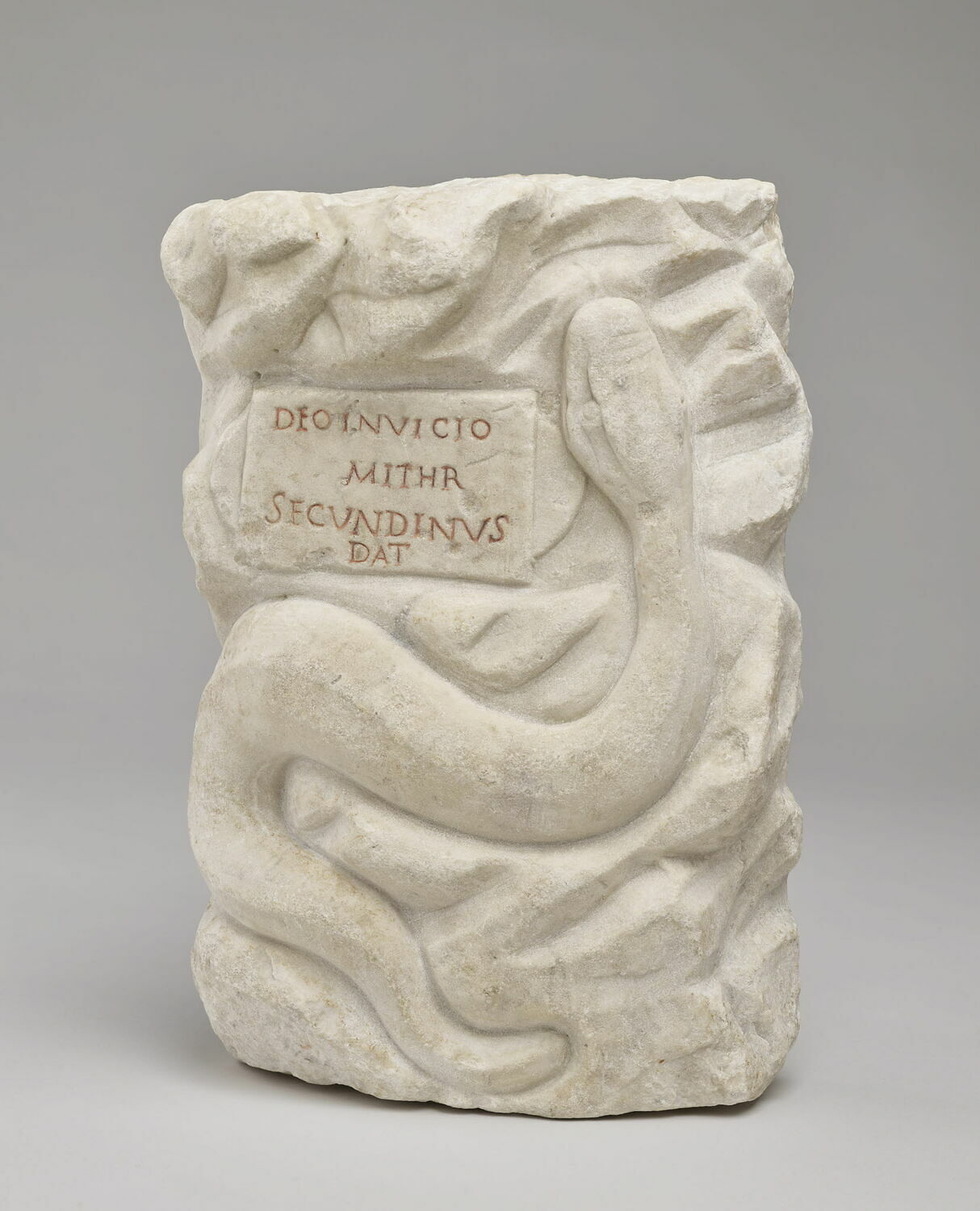
There is no consensus on the authenticity of this monument erected by a certain Secundinus in Lugdunum, Gallia.
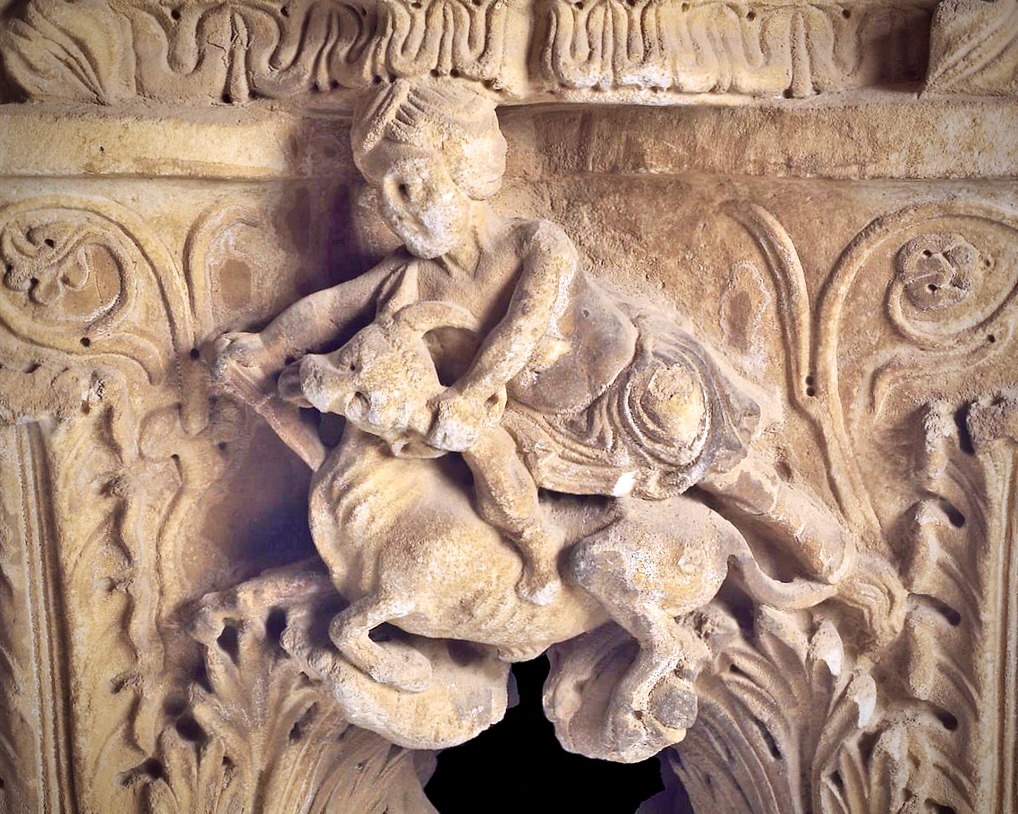
On one of the capitals of the cathedral of Santa Maria Nuova in Monreale, Sicily, an unusual turbaned bull-slaying Mithras has been recorded.

Limestone altar from Tropaeum Traiani, Moesia Inferior, dedicated in honour of the Domus Divina to Soli invicto sacrum by Quintus Lucilius Piscinus, centurion of Legio I Italica.

