Your search Podersdorf am See gave 2331 results.
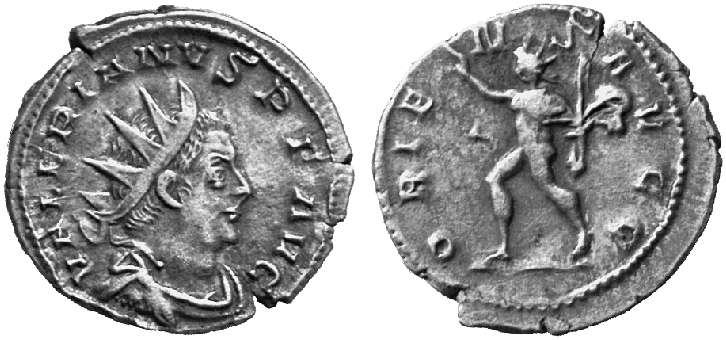
This coin was deposited in the upper level of the throne in the cult niche of the Mitreo della Planta Pedis.
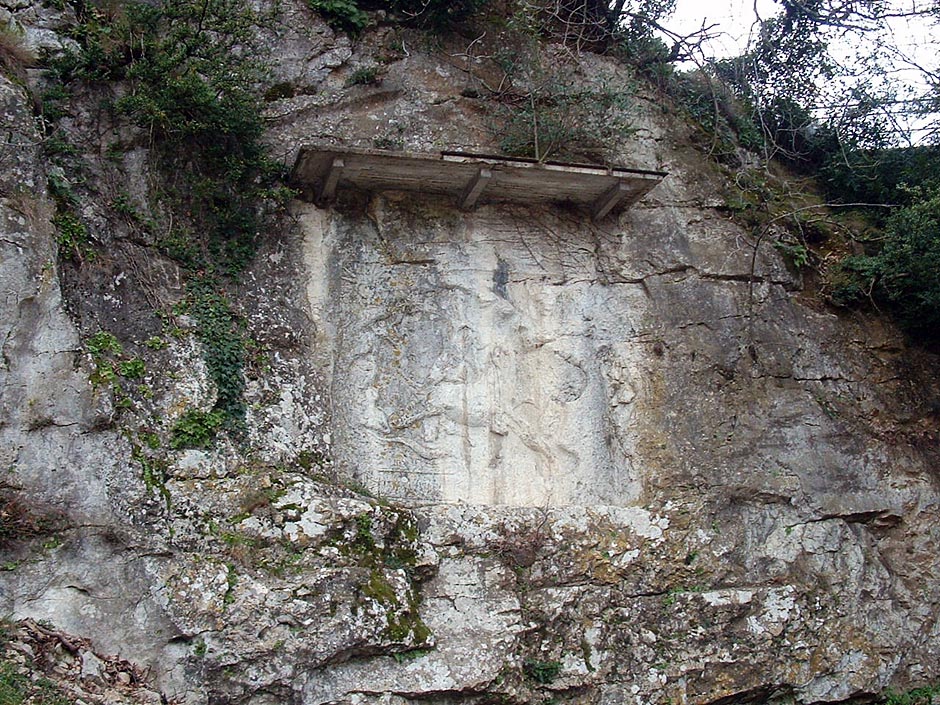
The Mithréum de Bourg-Saint-Andéol was built against a rock where the main Tauroctony was chiseled.
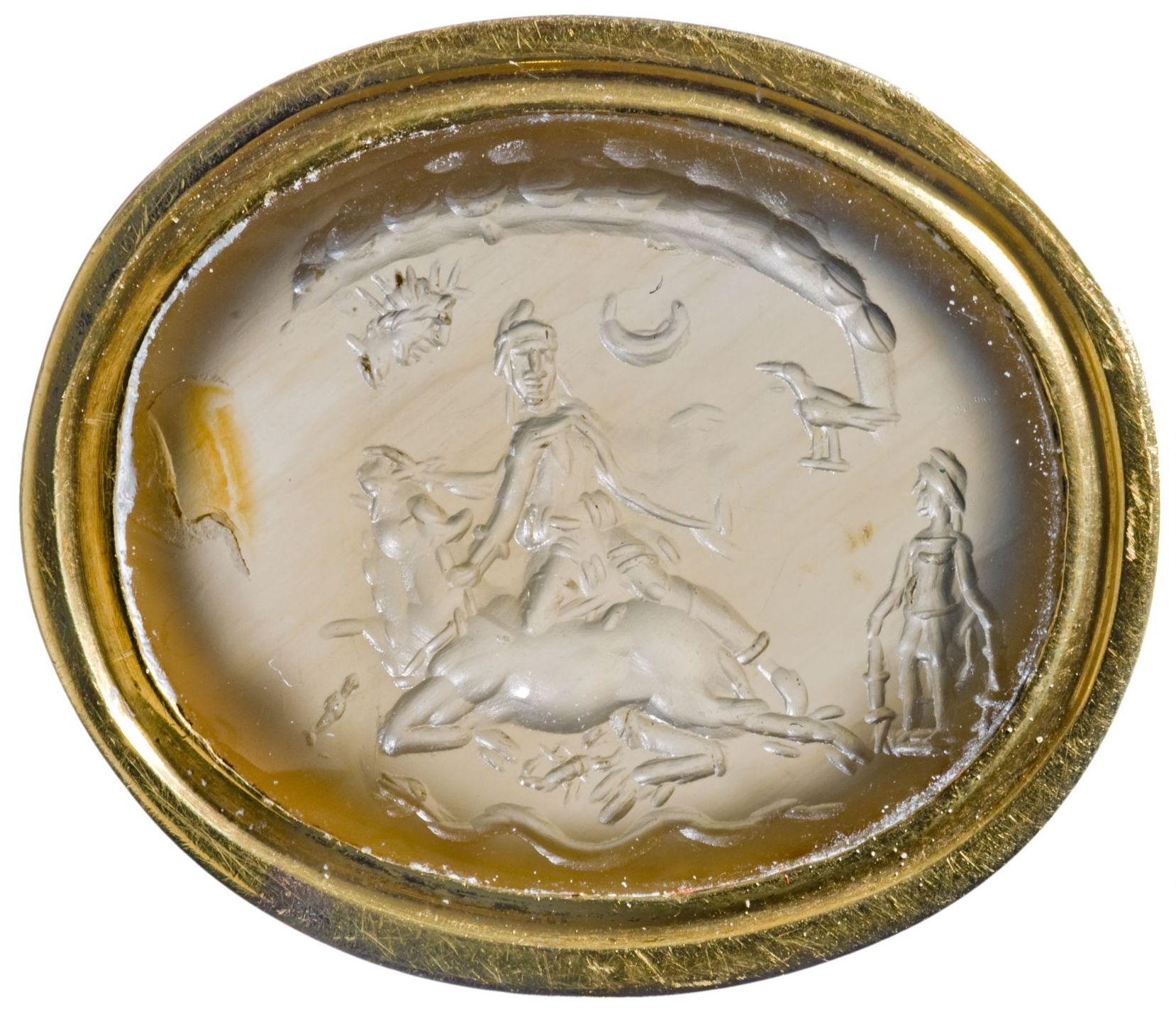
This intaglio depicting Mithras killing the bull is preserved at the Bibliothèque national de France.
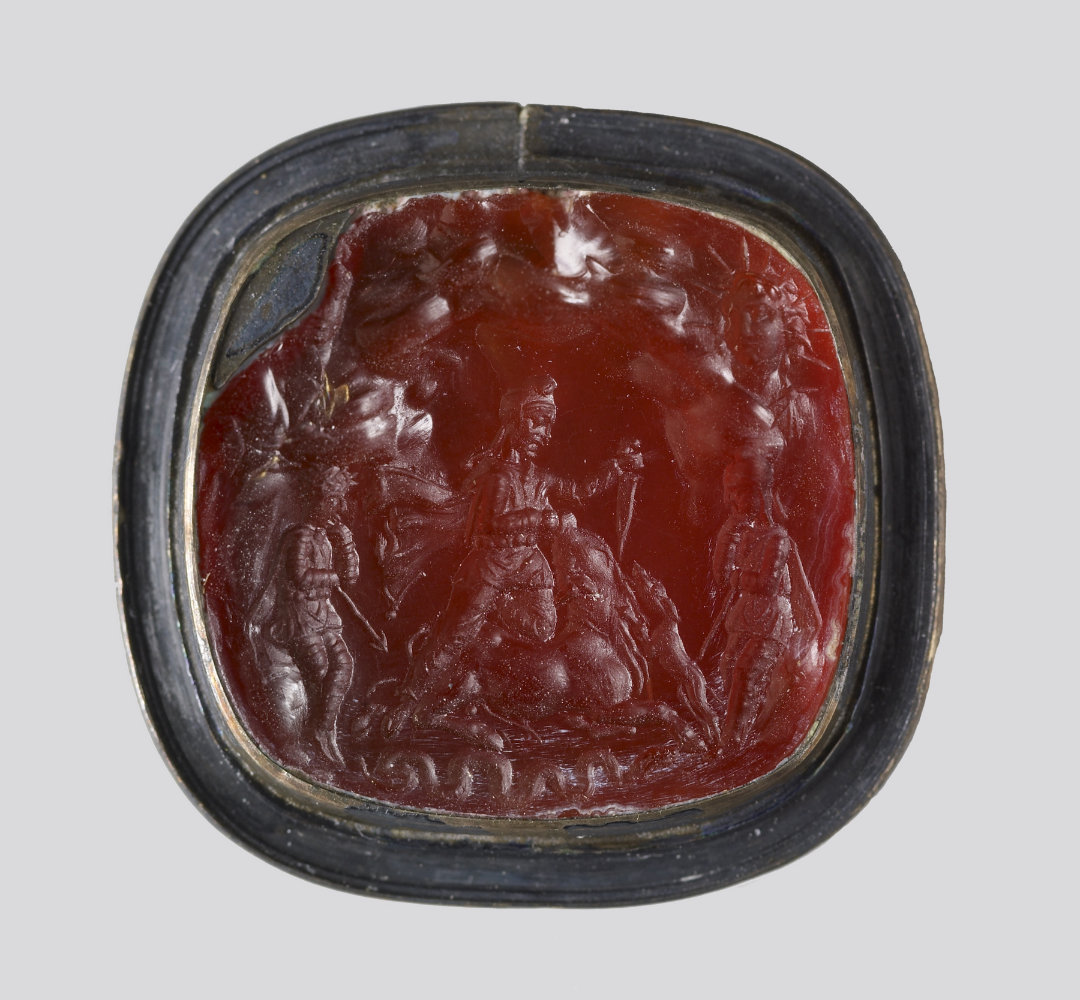
This ancient carnelian intaglio mounted in gold depicts Mithras slaying the bull surrounded by his companions Cautes and Cautopates.
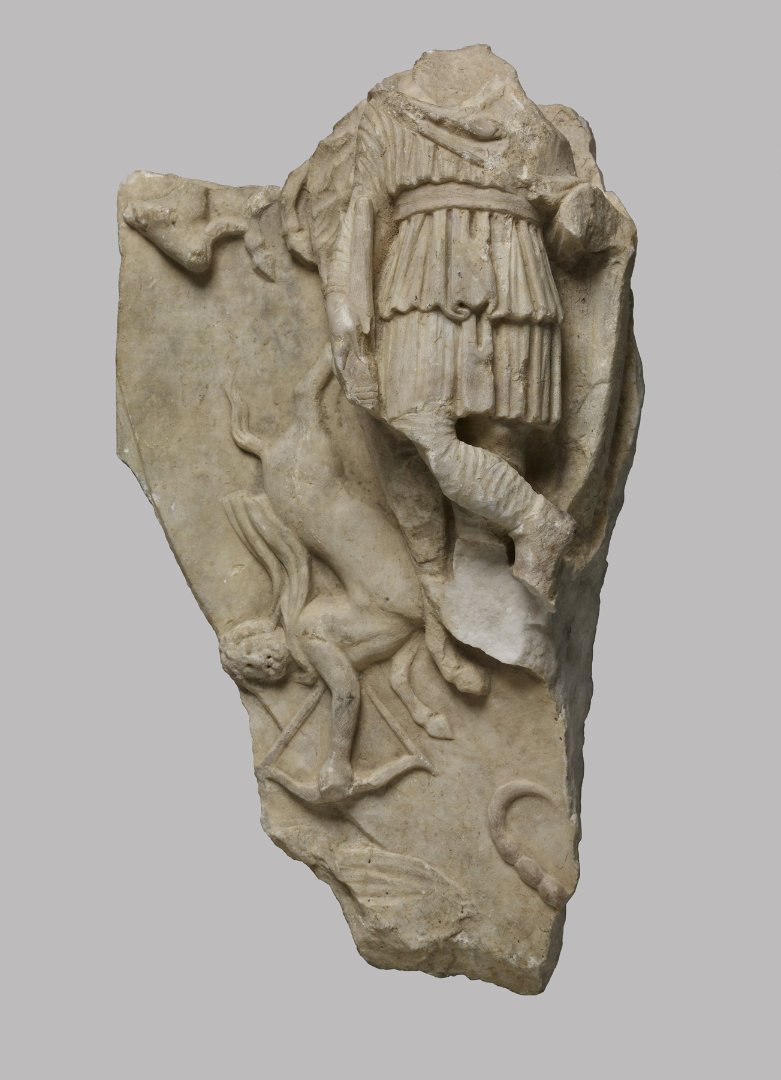
This fragmentary relief shows Cautopates bordered by three of the six zodiacal signs with which He is associated: Capricorn, Sagittarius and Scorpio.
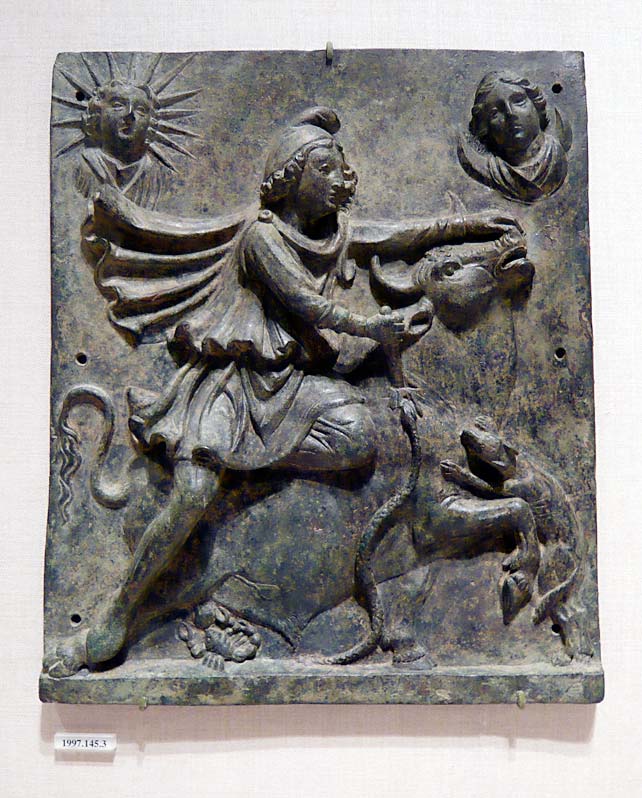
Mithras Tauroctony on bronze exposed at the Metropolitan Museum of New York.

Des rituels mystérieux, une hiérarchie gradée au sein d’un culte énigmatique, une société considérée pendant longtemps comme secrète au sein de l’Empire Romain…
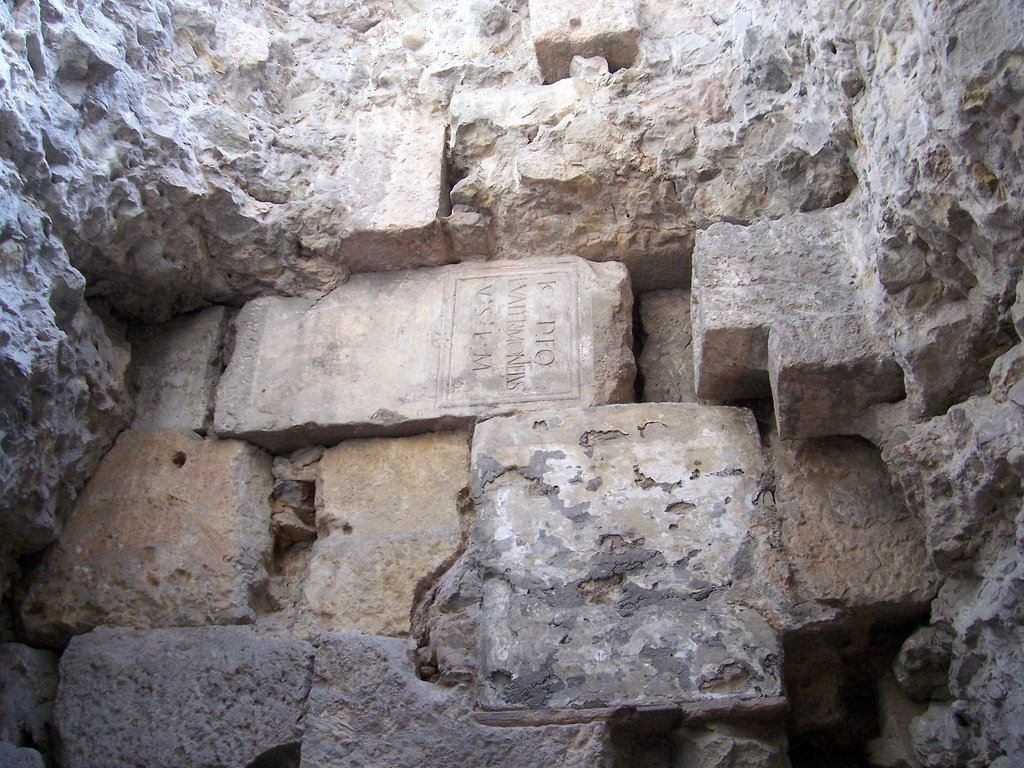
This altar was dedicated to Cautes by a certain Lucius in Baetulo (Badalona), near Barcino (Barcelona).
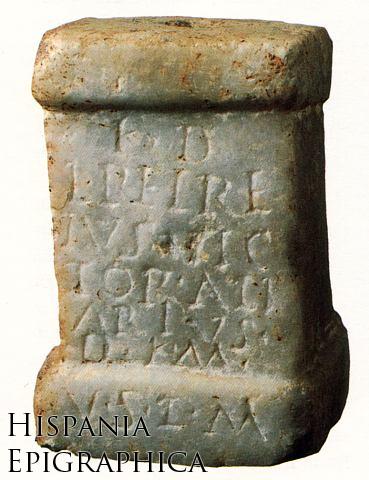
Small arula with mithraic inscription and dedication to Cautes from a garlic merchant.
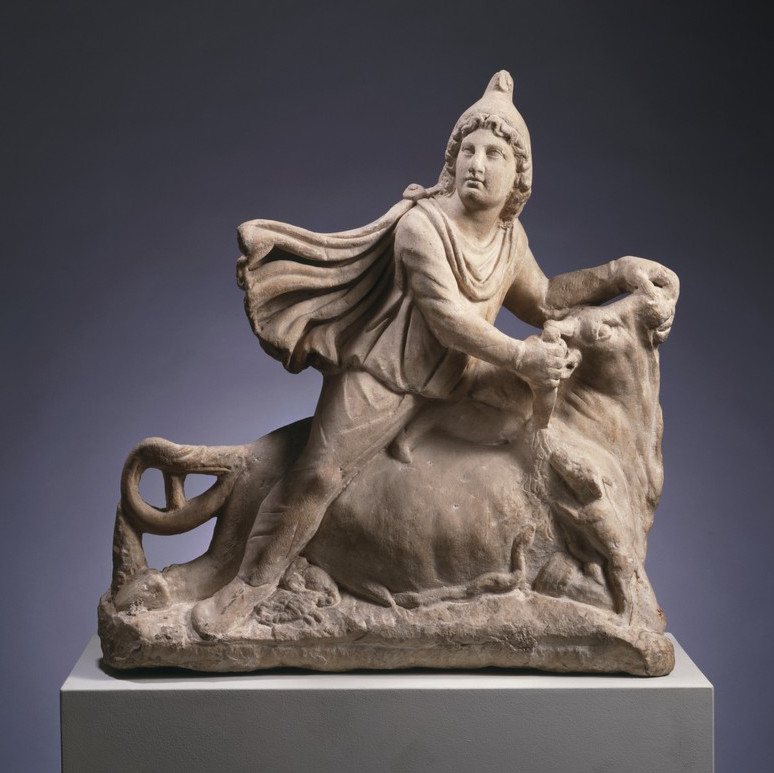
This sculpture of Mithras killing the bull may come from Rome, probably found in 1919.

Dutch historian, born in 1918 and deceased in 1985. He was a specialist in the history of religions, especially the Eastern cults in the Roman Empire. A prolific writer, best known for his Corpus inscriptionum et monumentorum religionis Mithriacae.
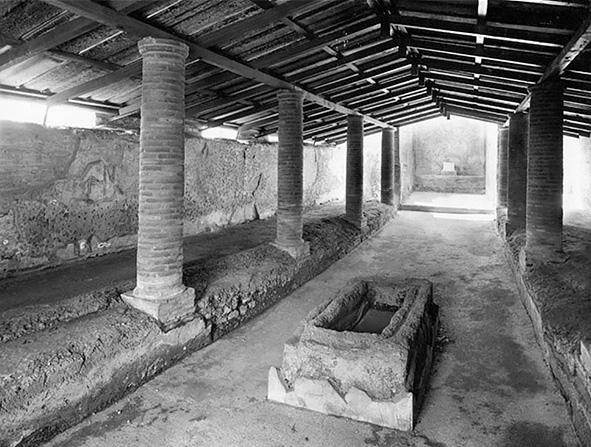
The Mithraeum in the Chapel of the Three Naves was not linked to the cult of Mithras until recently because of a mosaic showing a pig, in the belief that it was an animal unfit for consumption in a temple of Eastern origin.
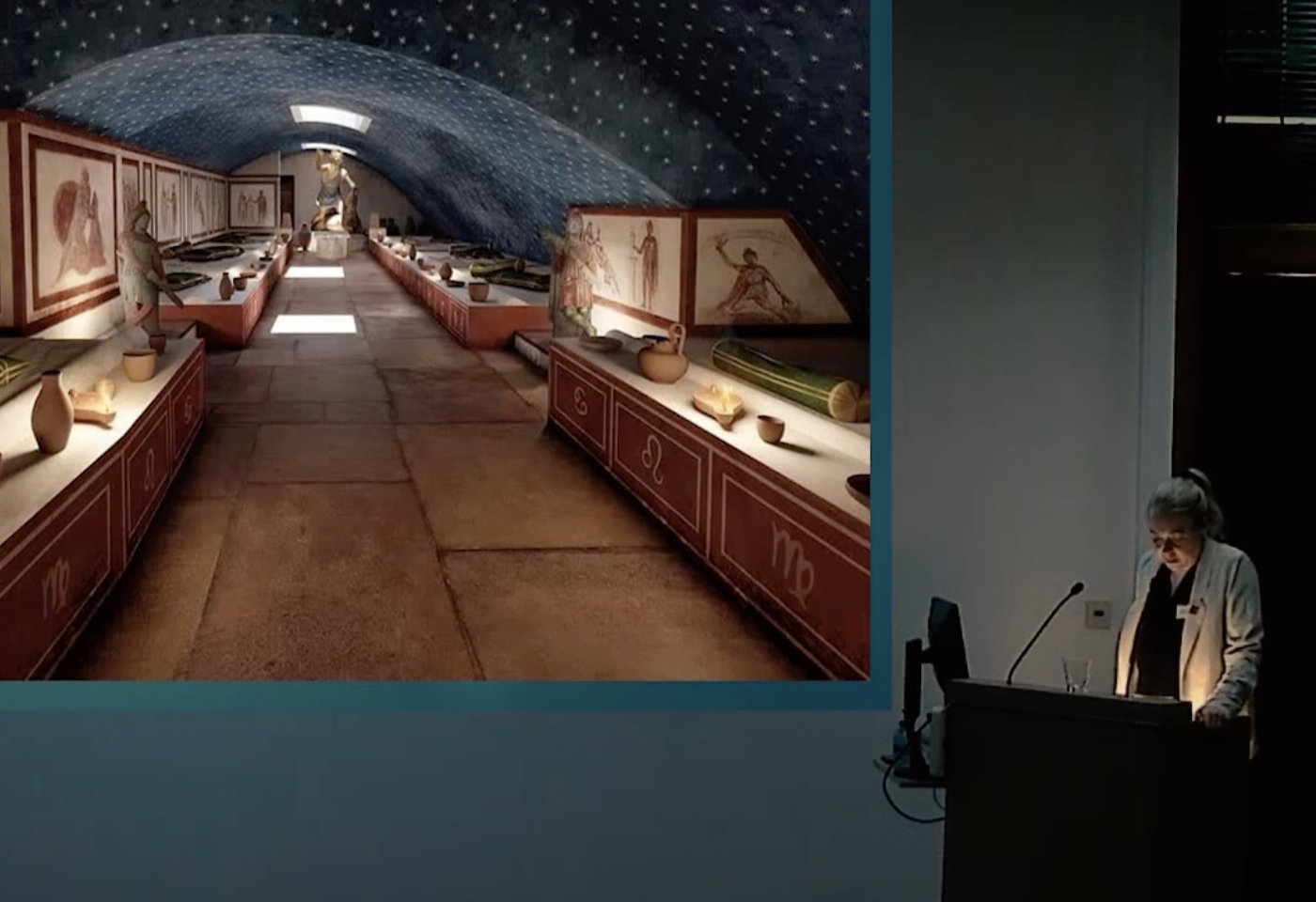
Intervention par Alexandra Dardenay, maître de conférences à l'Université de Toulouse/CNRS/IUF

A bronze plaque records the existence of a mithraeum at Virunum that collapsed and was rebuilt by members of the community.
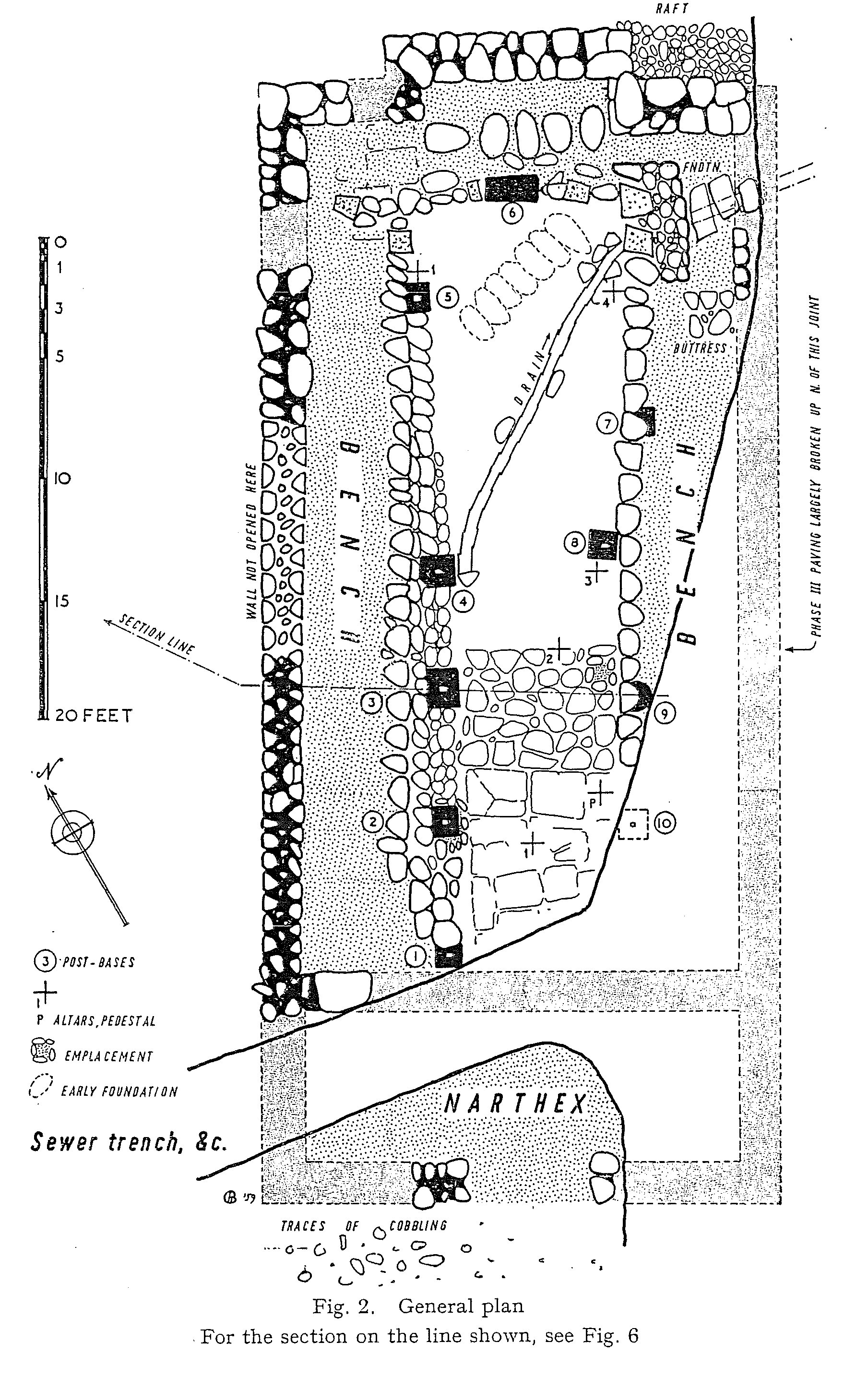
The Mithraeum of Caernarfon, in Walles, was built in three phases during the 3rd century, and destroyed at the end of the 4th.
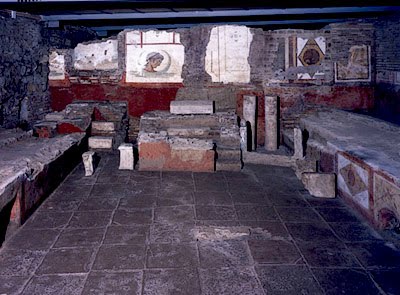
The Mitreo dei Castra Peregrinorum was discovered under the church of Santo Stefano Rotondo in Rome.
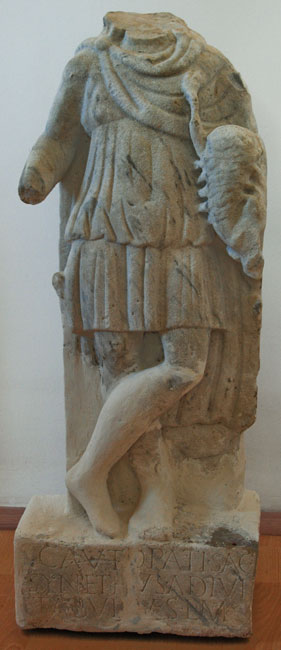
The Cautopates with scorpion found in 1882 in Sarmizegetusa includes an inscription of a certain slave known as Synethus.
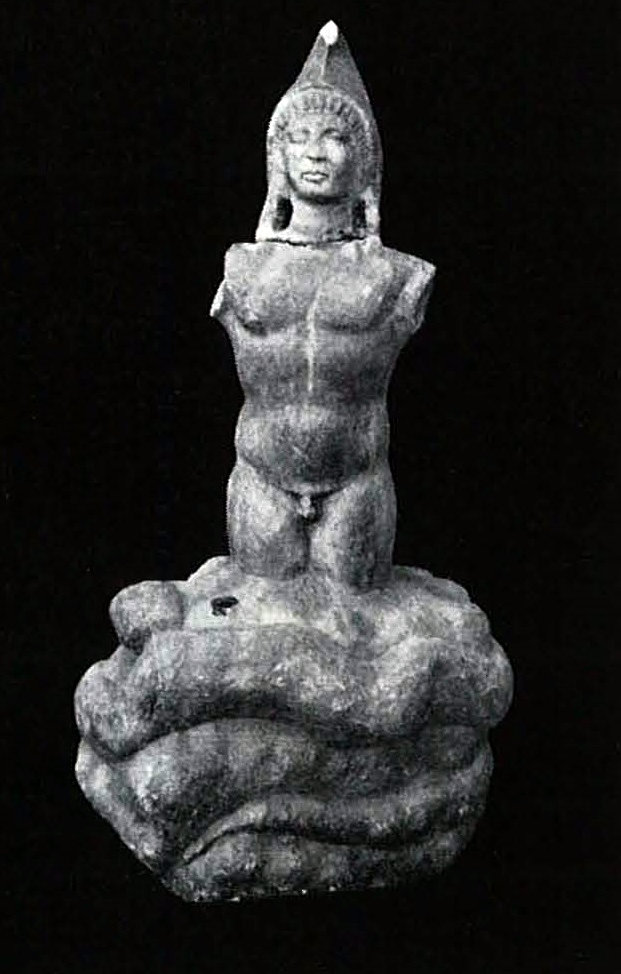
The rock of Mithra's birth in the Petrogenia of Sarmizegetusa is surrounded by a snake.
This altar, which has now disappeared, was dedicated by the slave Quintio for the health of a certain Coutius Lupus.
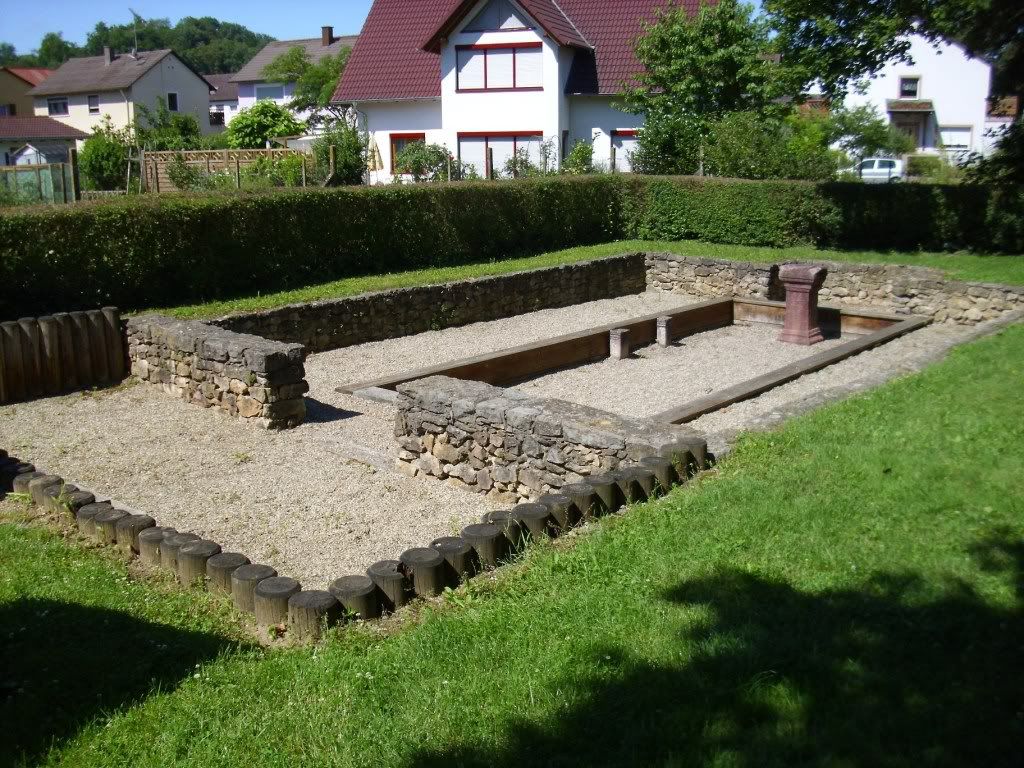
A votive altar referring to the cult of Mithras was found more than forty years before the site was excavated and the Mithraeum discovered.
