Your search Roma gave 961 results.

Dans un VIIIᵉ siècle uchronique où Mithra est devenu le dieu officiel de Rome, Rachel Tanner imagine un empire impitoyable, déchiré entre révoltes barbares, intrigues politiques et résistances occultes, porté par une fresque de fantasy historique d’une intensité rare…
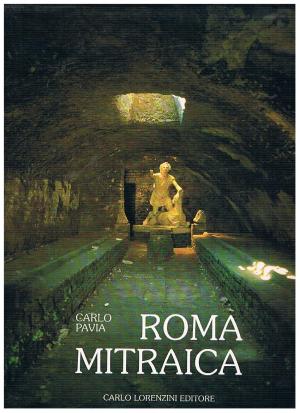

Roger Beck describes Mithraism from the point of view of the initiate engaging with the religion and its rich symbolic system in thought, word, ritual action, and cult life.

This is one of the few known Mithraic inscriptions dedicated by a member who attained the grade of Perses.
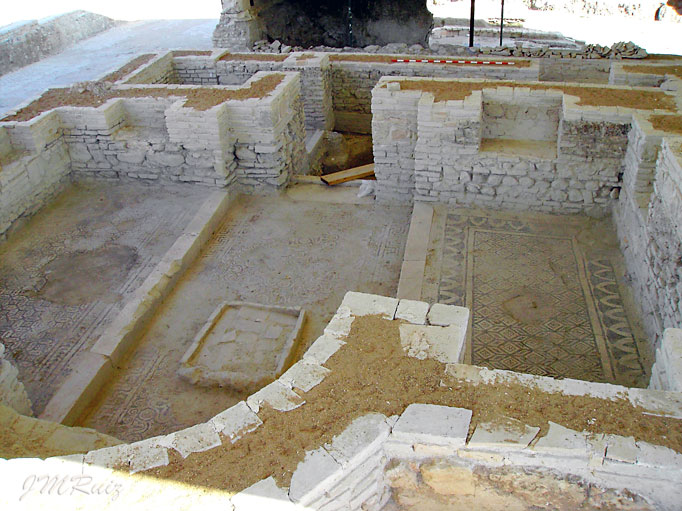
One of the rooms of the villa has been interpreted as a mithraeum, but we do not have enough evidence to confirm this.

Veteran from Colonia Claudia Ara Agrippinensium (Köln) who erected an inscritiption to Mithras and his ally Sol.
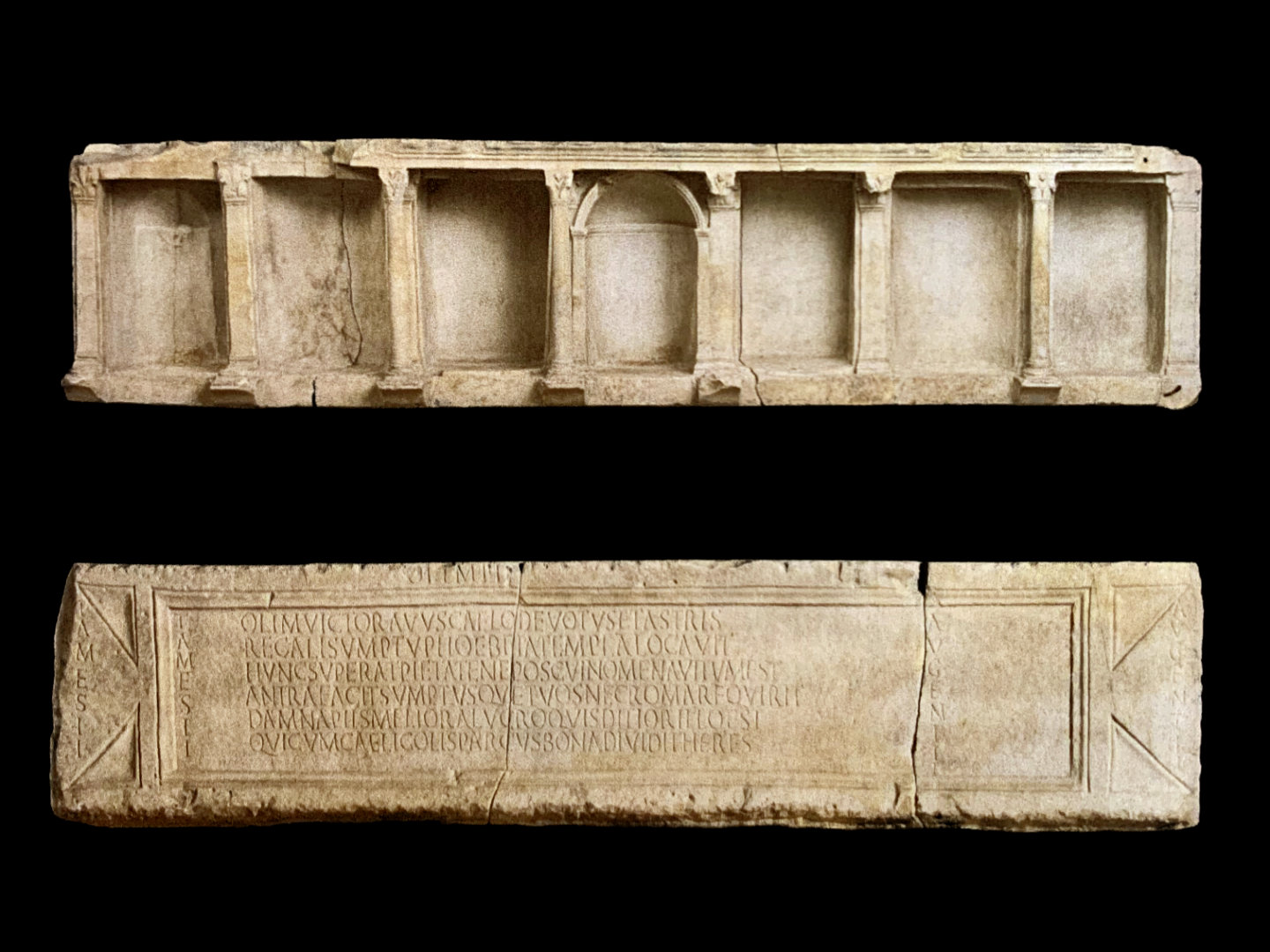
This monument is the only one still available from the disappeared Mithraeum in Piazza S. Silvestro in Capite.
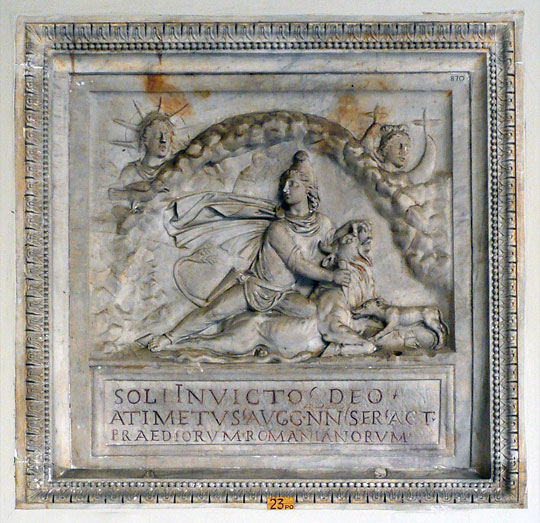
White marble relief depicting Mithras slaying the bull, dedicated by Atimetus.

The site of Slăveni preserves traces of military occupation associated with the frontier system of Dacia.

Selected passages on Mithras drawn from Greek and Latin literary sources.
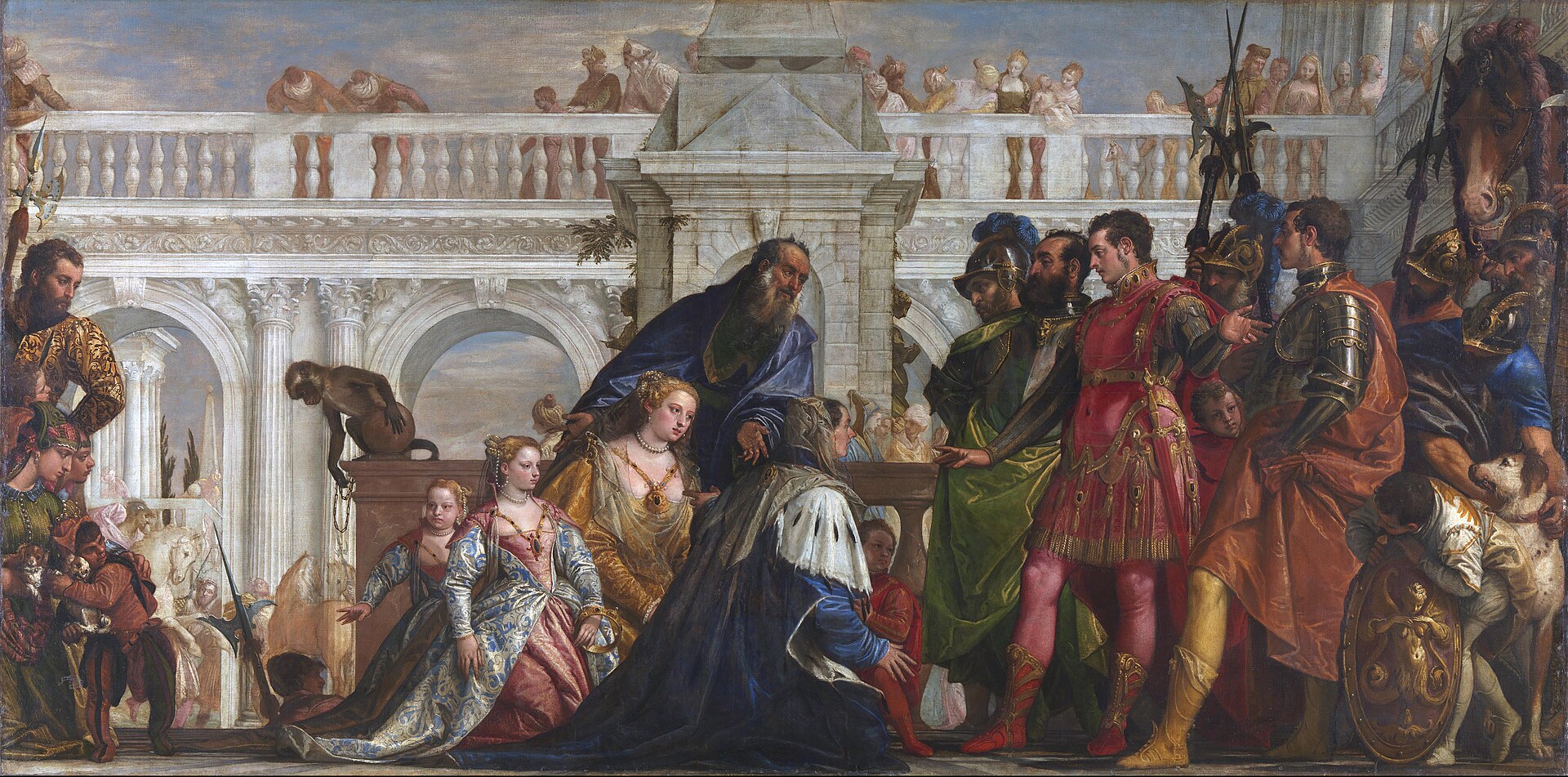
Late antique legendary biography of Alexander the Great (c. AD 300), where history, myth, and imperial ideology merge around figures of divine kingship and solar power.

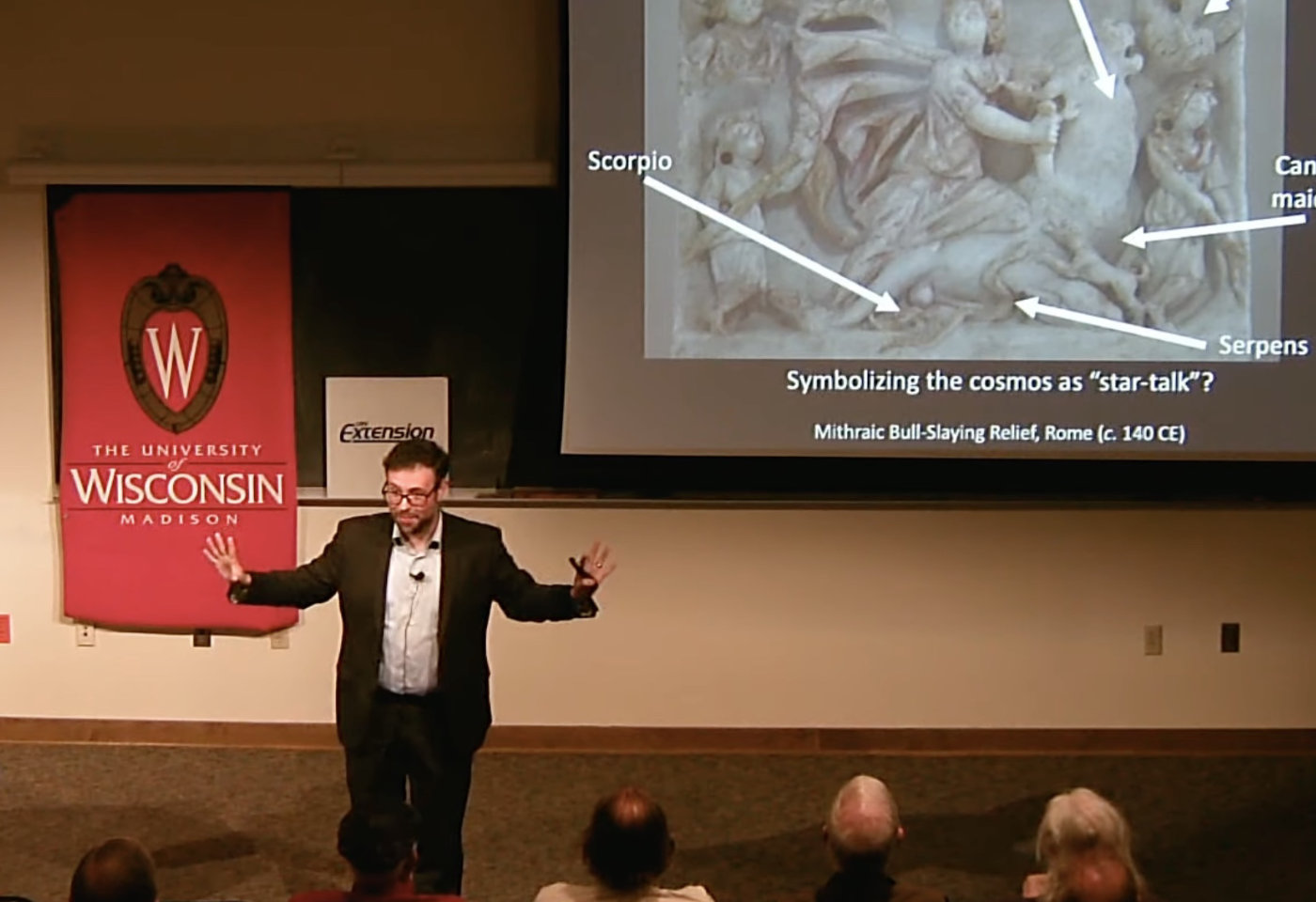
Our modern understanding of Mithraism, though, depends largely on a few short (and very problematic) literary mentions, mostly written by the cult’s Christian rivals.