Your search Roma gave 961 results.
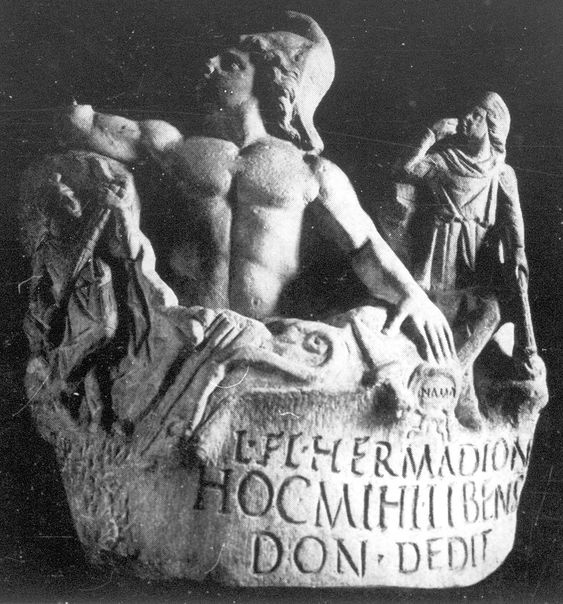
Mithras rock-born from Villa Giustiniani was holding a bunch of grapes in its raised right hand instead of a torch, probably due to a restoration.
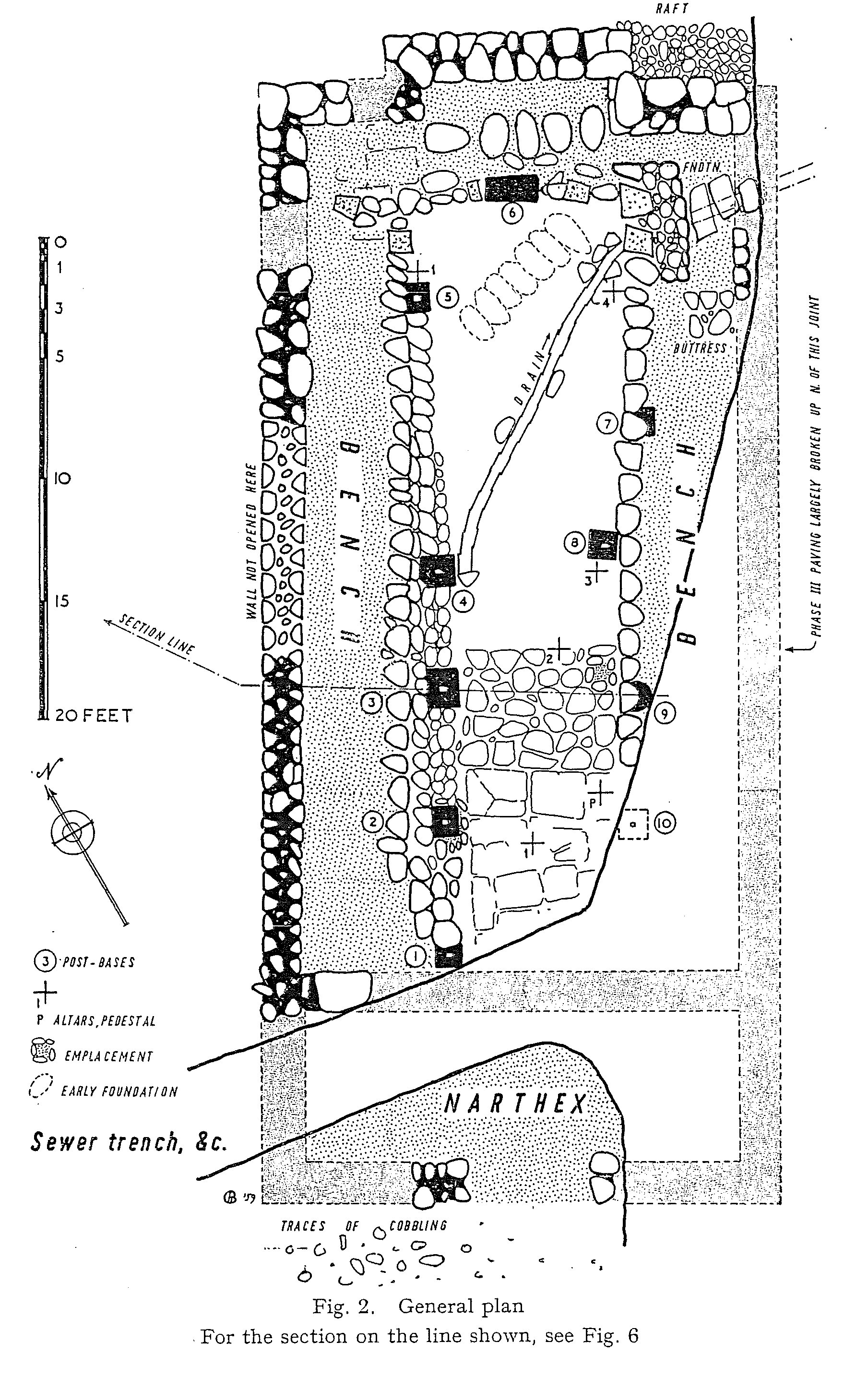
The Mithraeum of Caernarfon, in Walles, was built in three phases during the 3rd century, and destroyed at the end of the 4th.
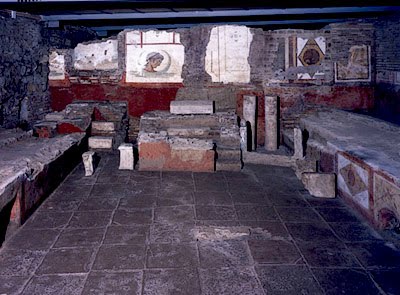
The Mitreo dei Castra Peregrinorum was discovered under the church of Santo Stefano Rotondo in Rome.
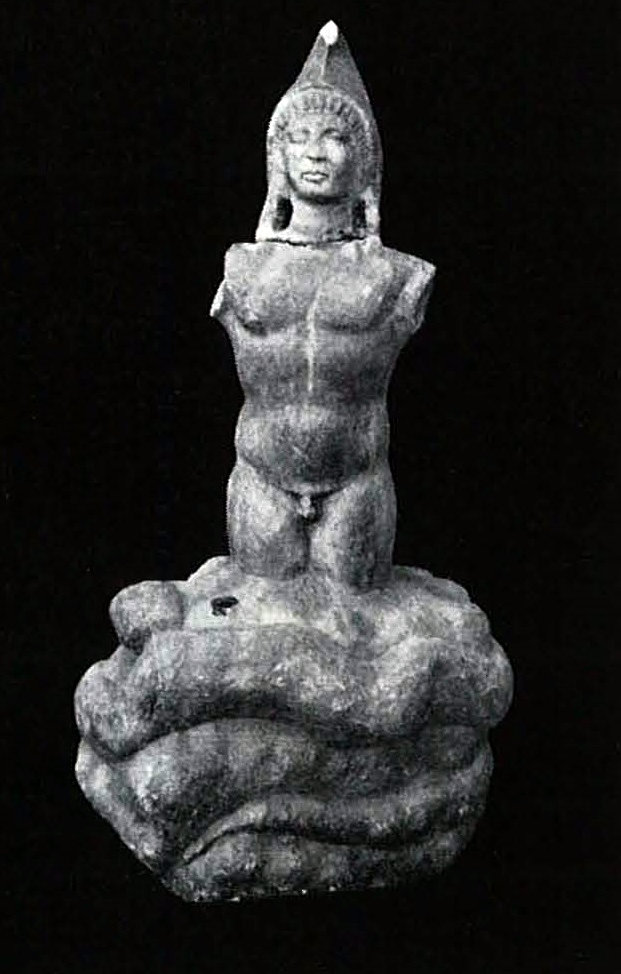
The rock of Mithra's birth in the Petrogenia of Sarmizegetusa is surrounded by a snake.
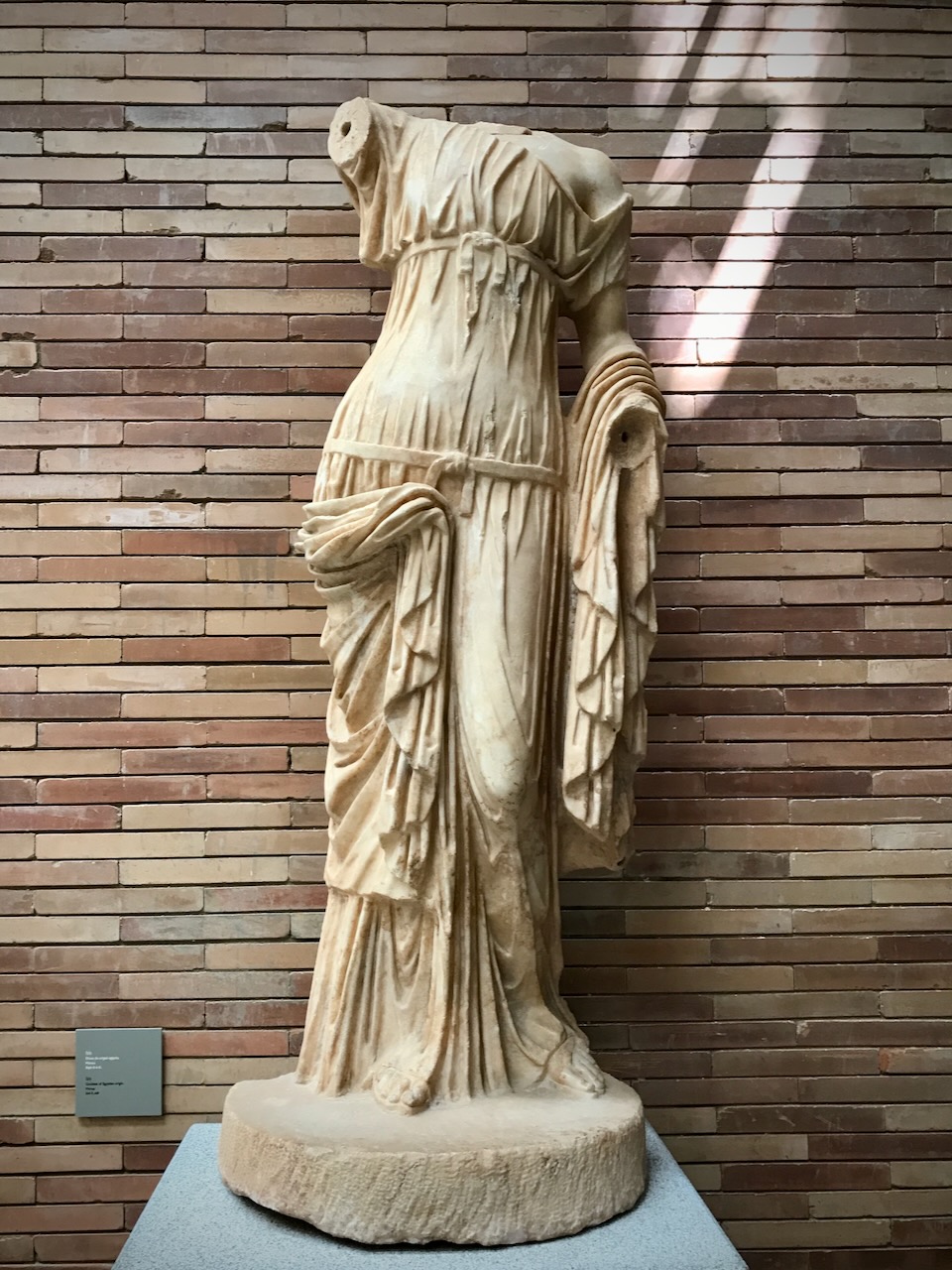
The Isis of Merida is covered by a long dress that reaches down to her feet.
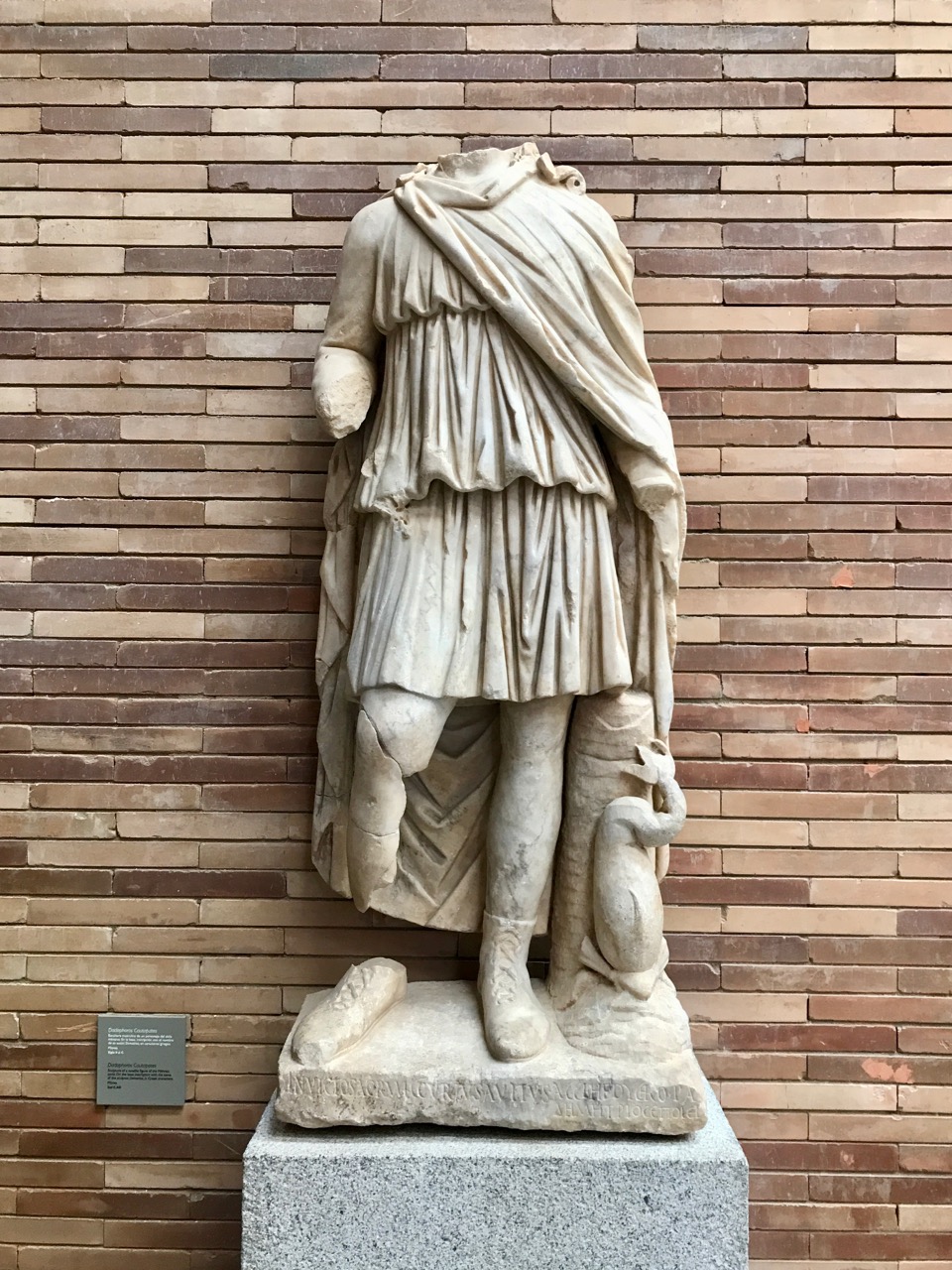
The sculpture of the solar god is signed by its author, Demetrios.

This altar, now lost, mentions that the Pater Patrum passed on the attributes of the sacred Corax to his son.

Three mithraic monuments were found in 1931, suggesting that a mithraeum probably existed in the area.
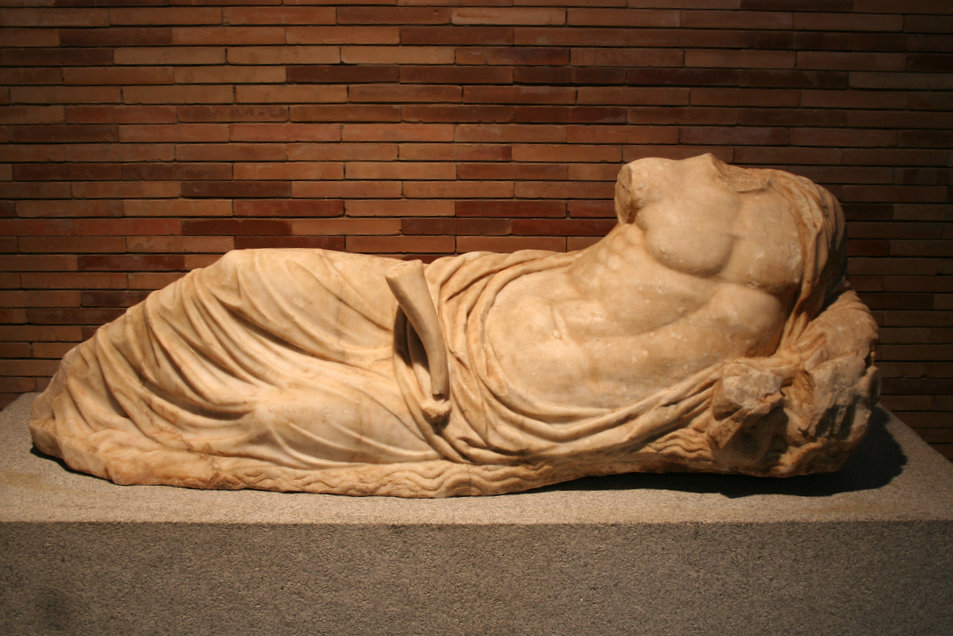
The sculpture of Oceanus in Merida bears an inscription by the Pater Patrorum Gaius Accius Hedychrus.
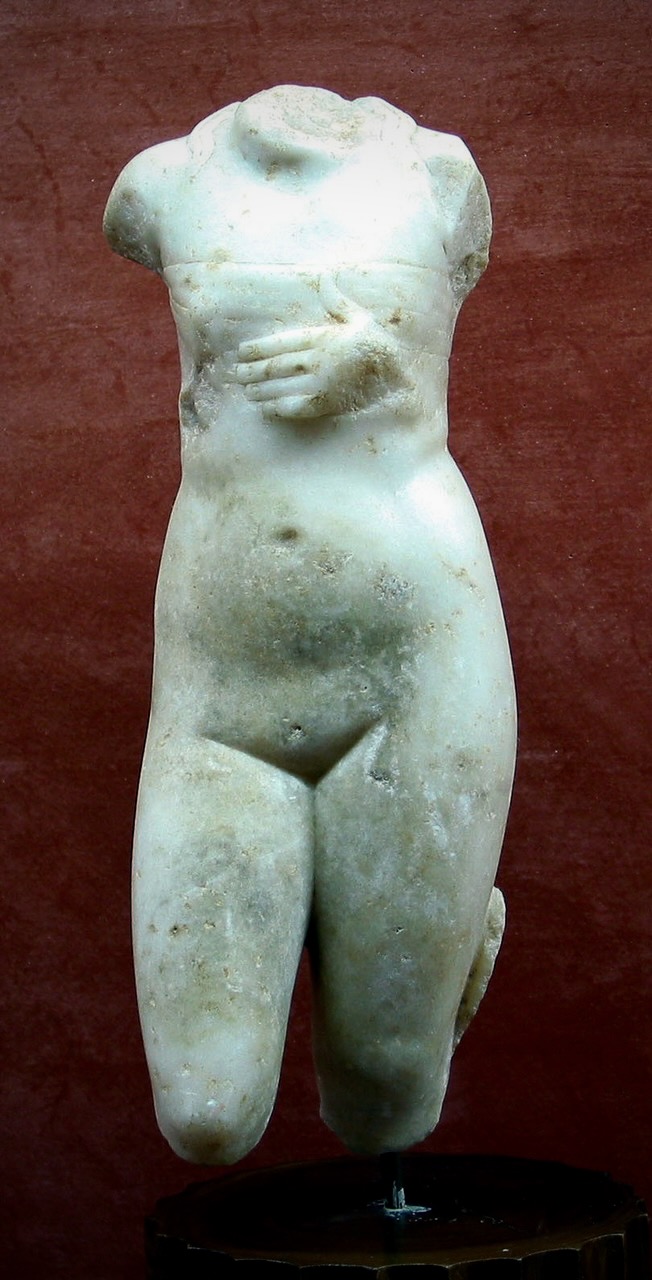
The lack of attributes and its decontextualisation prevent us from attributing a specific Mithraic attribution to this small Venus pudica from Mérida.
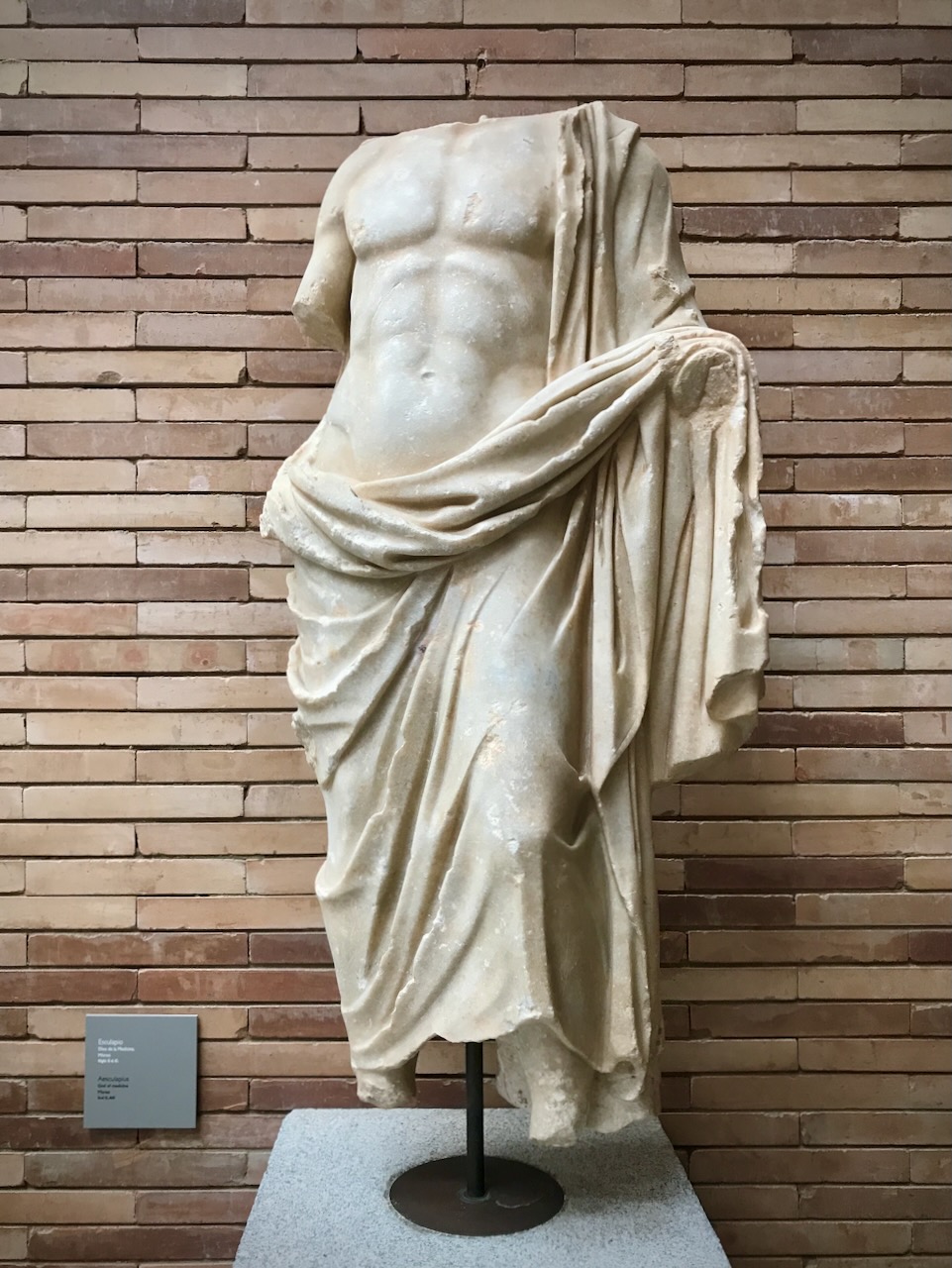
This standing sculptural figure from Mérida appears to carry the serpent staff, characteristic of the medicine god Aesculapius.
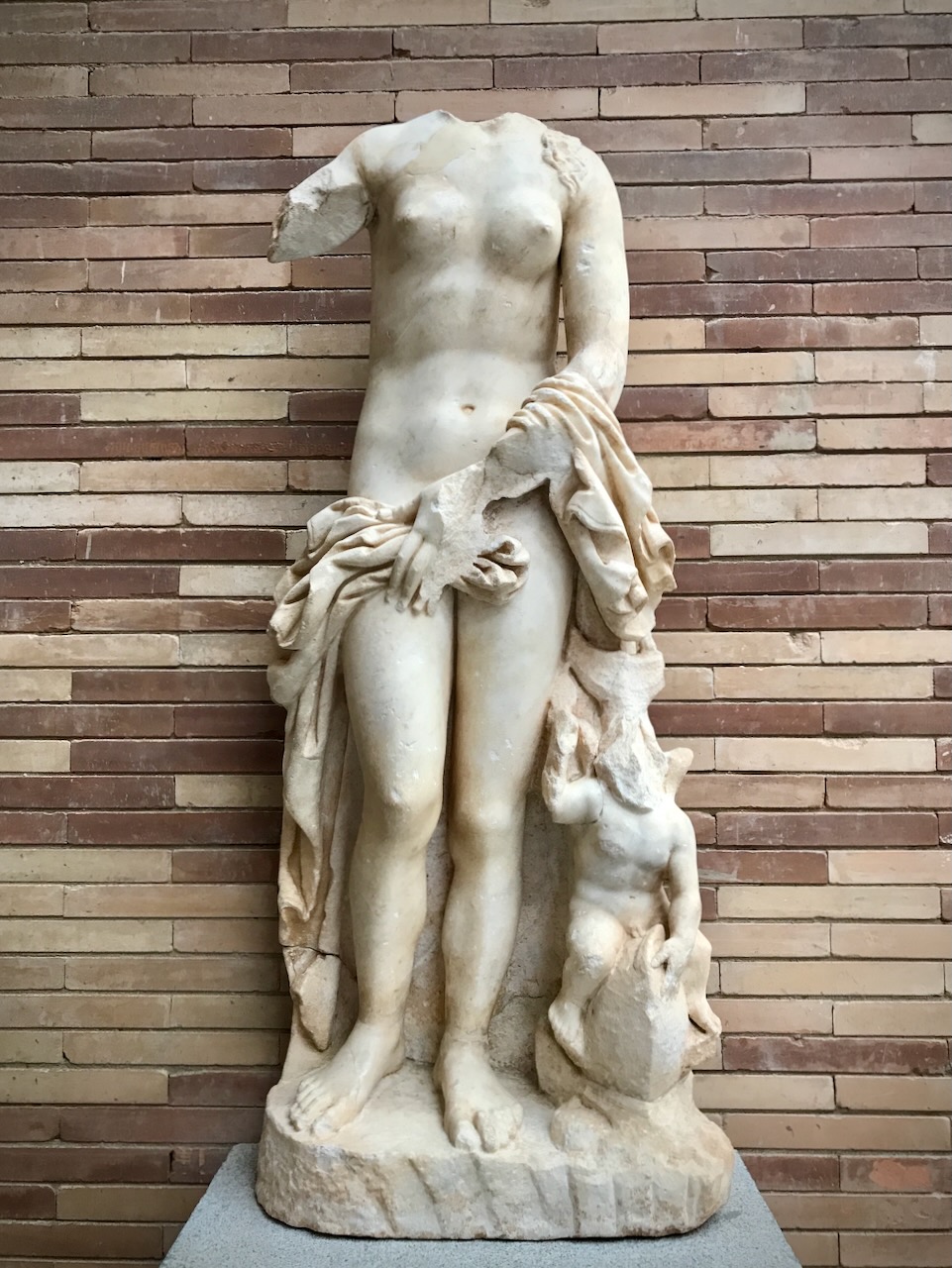
The Venus pudica of Merida stands next to the young Amor riding a dolplhin.
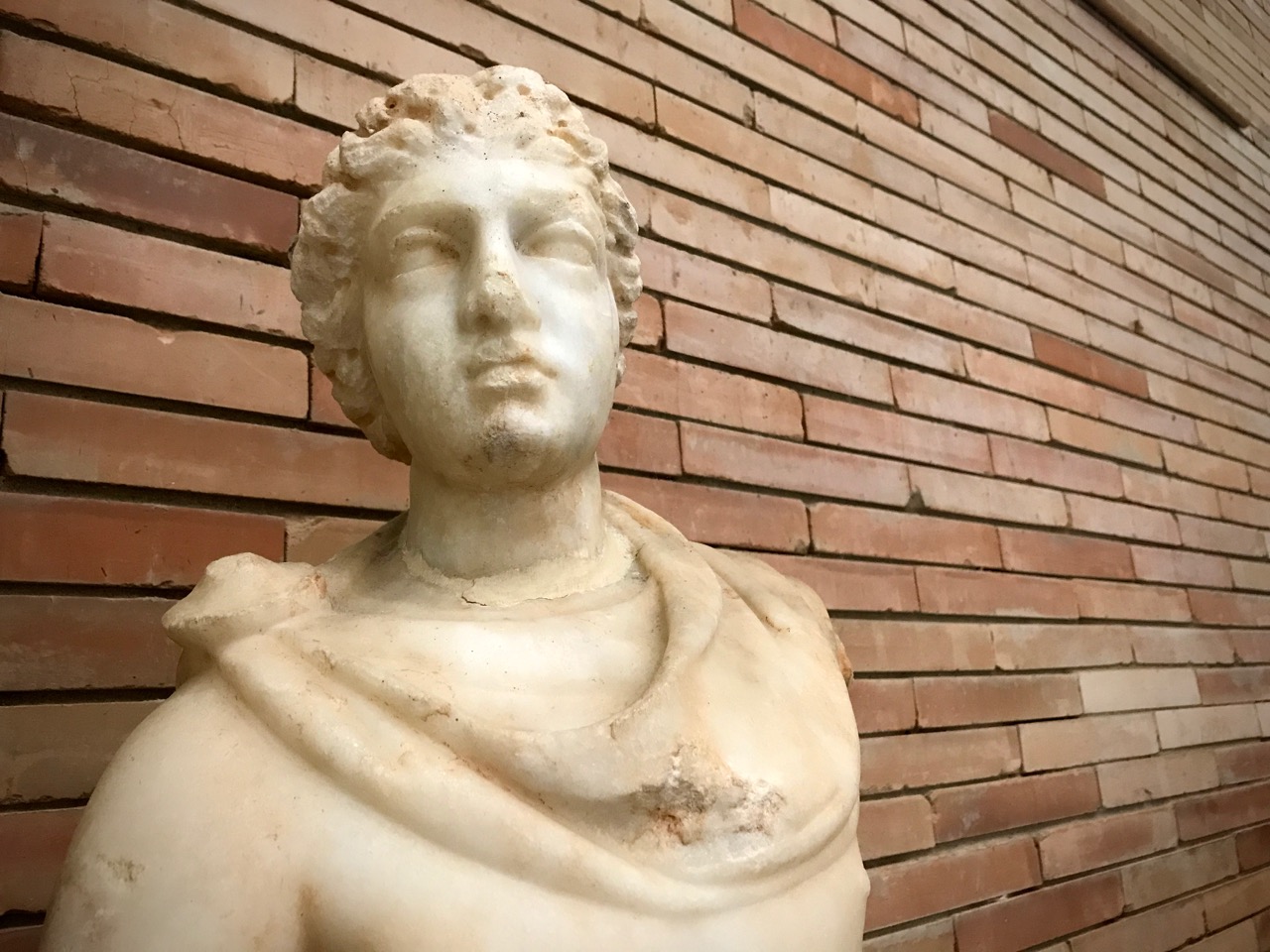
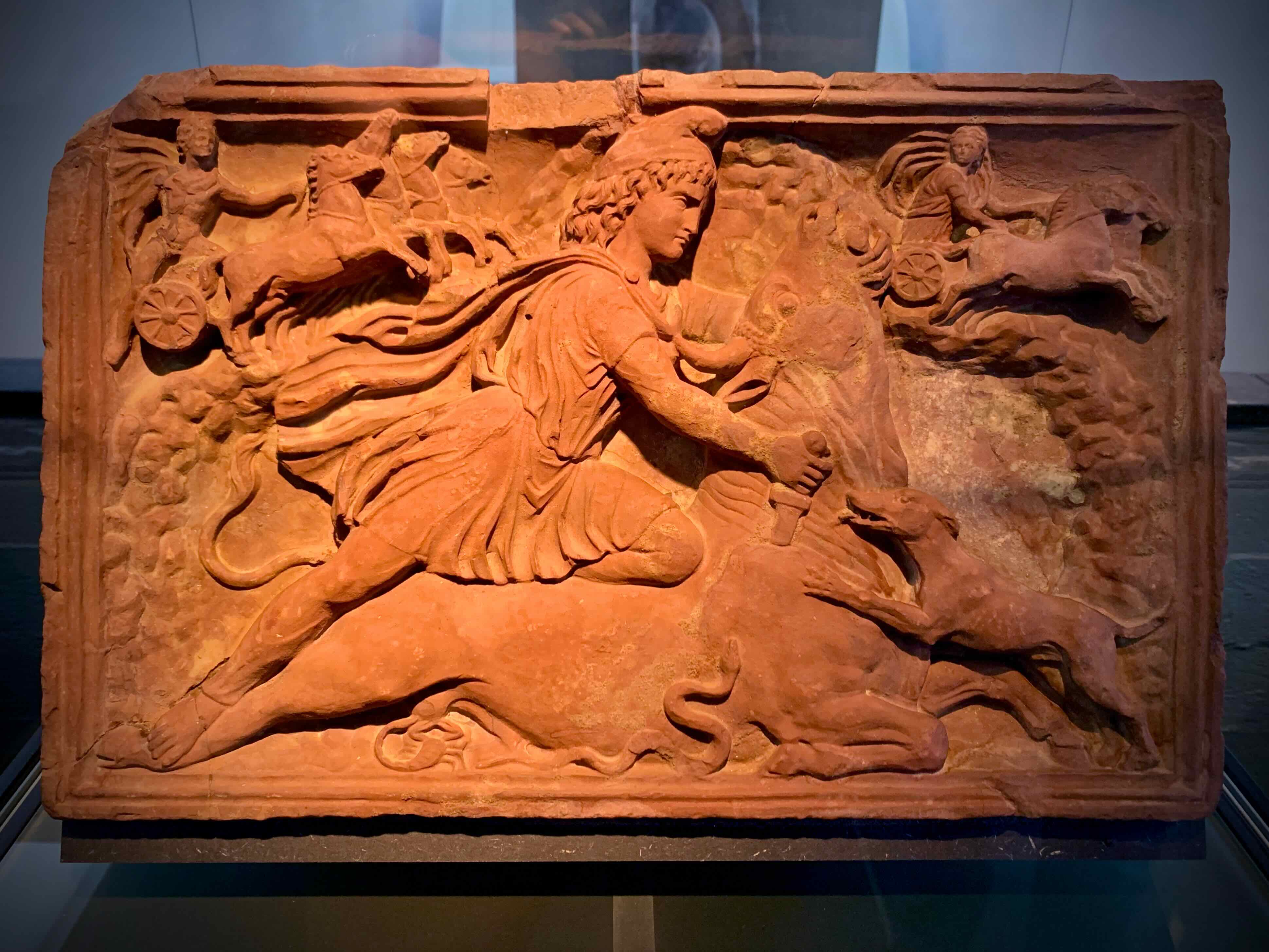
Maarten Vermaseren acquired this rosso antico marble of Mithras slaying the bull in 1961.
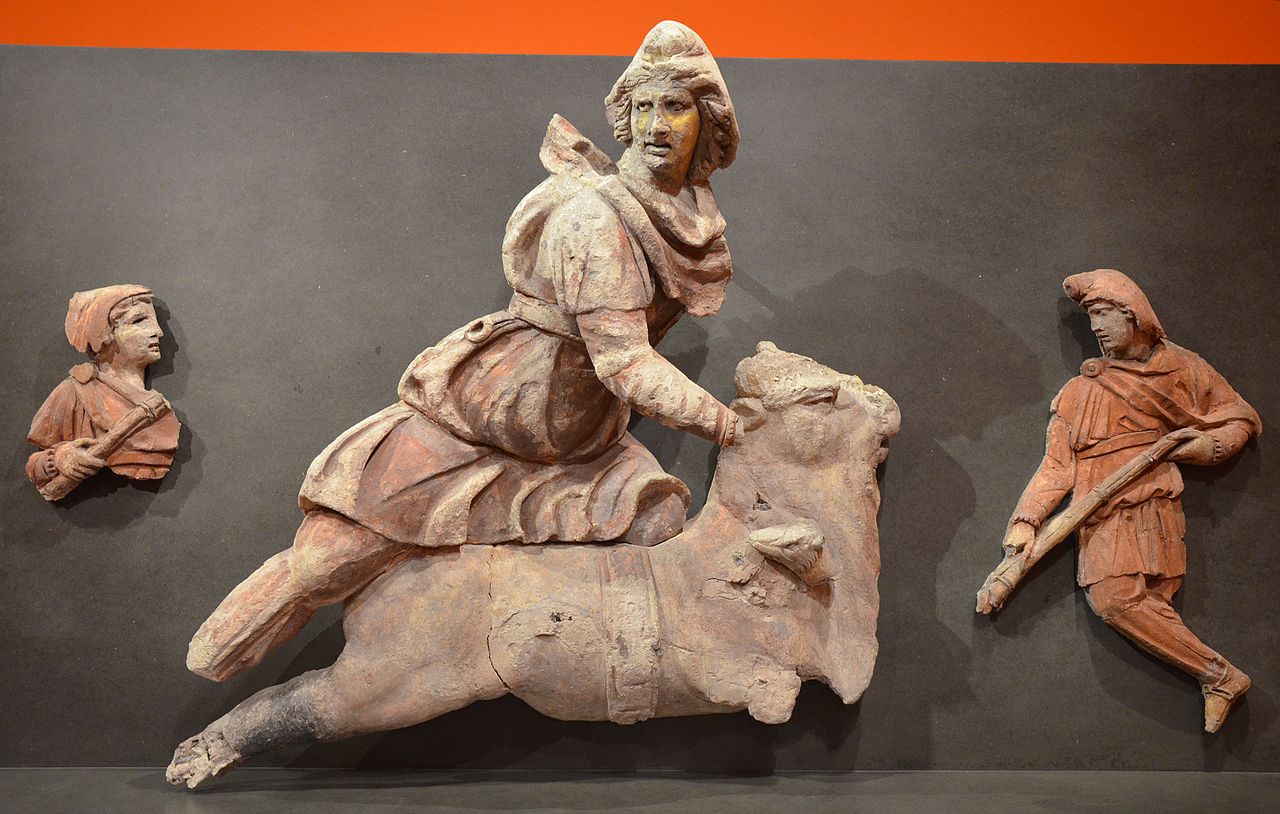
This relief was found under the Palazzo Montecitorio, in Rome, and bought by the Liebighaus at Frankfort.
This temple of Mithras on the north side of the Capitoline Hill in Rome no longer exists.
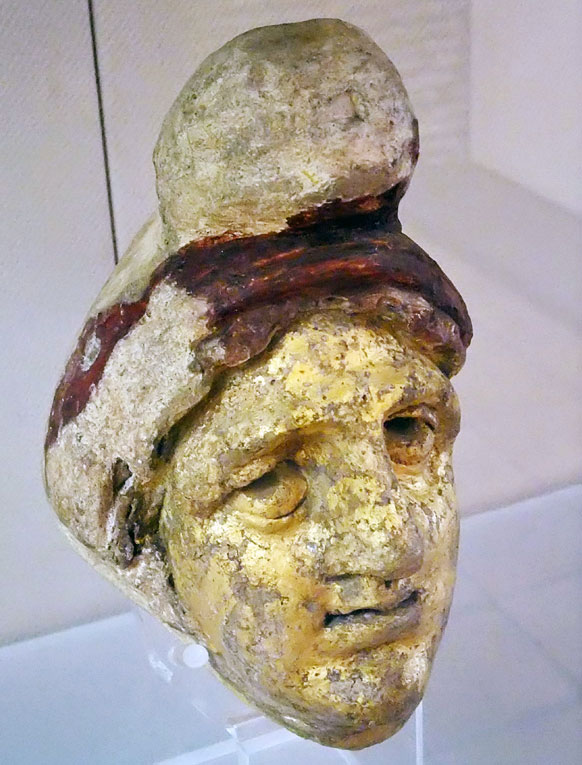
The head was part of a stucco relief of the Tauroctony found under the church of Santo Stefano Rotondo in Rome
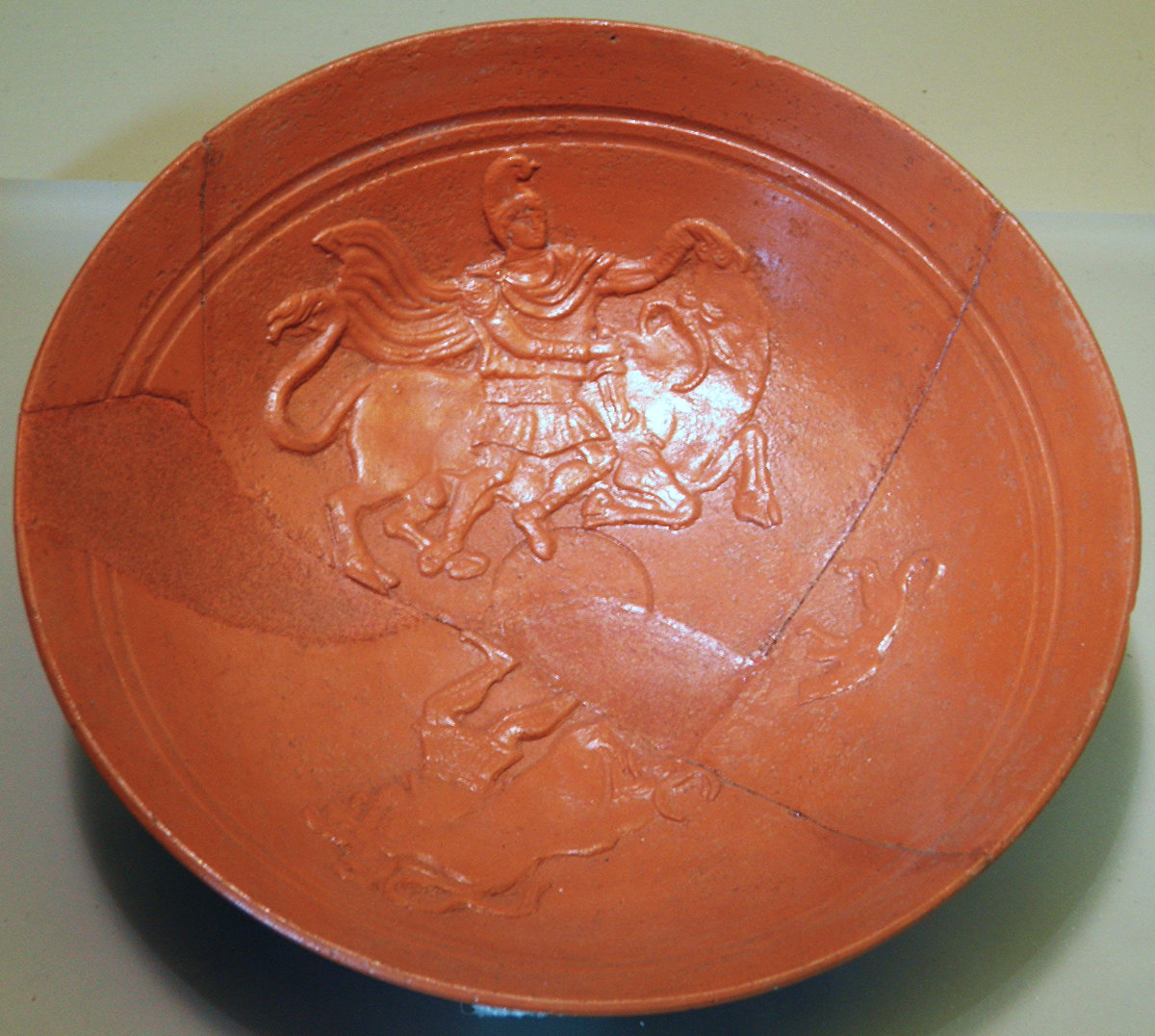
The red ceramic vessel from Lanuvium shows Mithra carrying the bull, followed by the dog, and the Tauroctony on the opposite side.
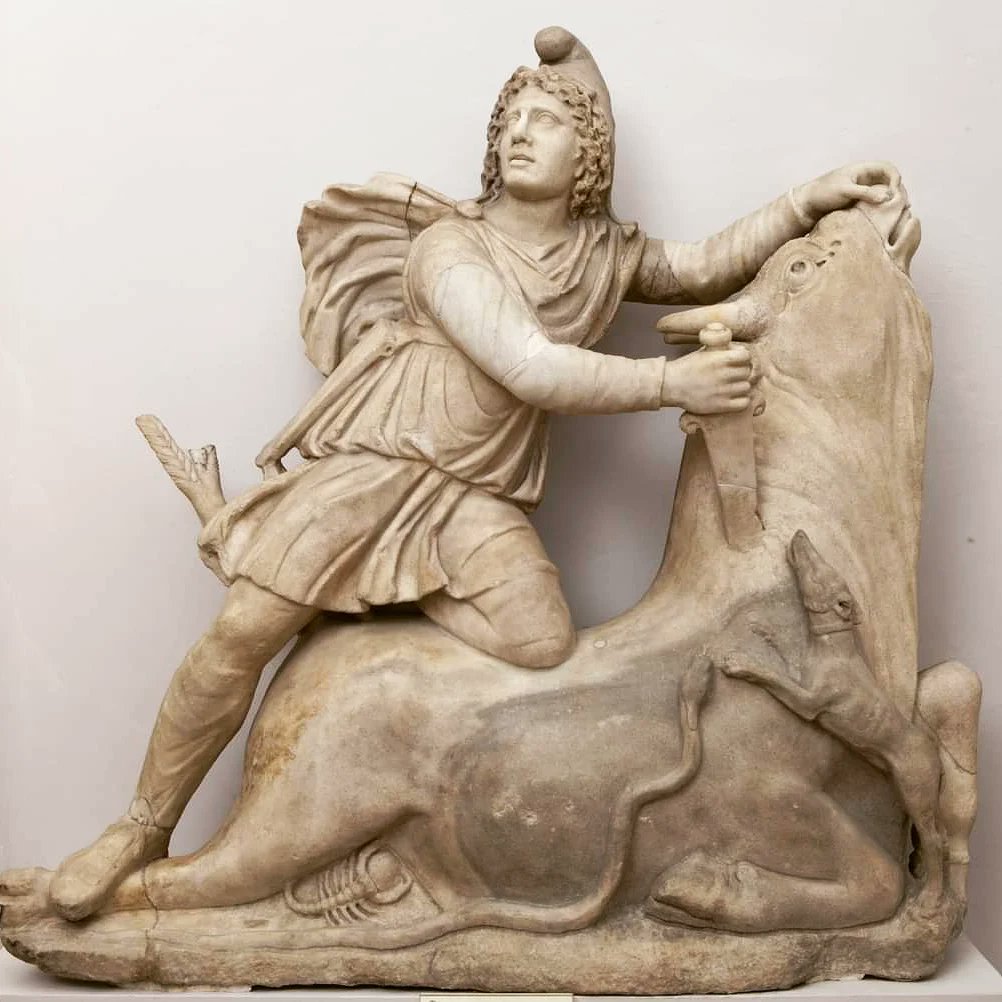
This sculpture of Mithras slaying the bull was bequeathed to the Republic of Venice in 1793 by Ambassador Girolamo Zulian.
