Your search Roman cemetery of St. Matthias gave 2764 results.
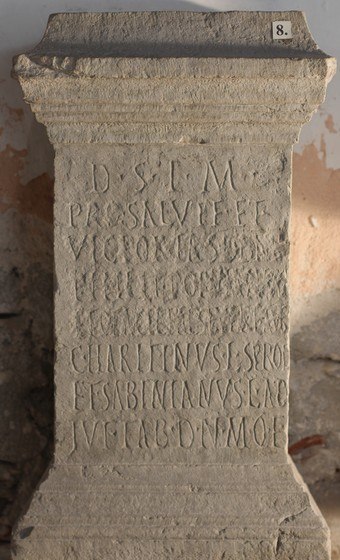
This stone altar found in Poreč was dedicated by two freedmen to the numen and majesty of the emperors Philip the Arab and Otacilia Severa.
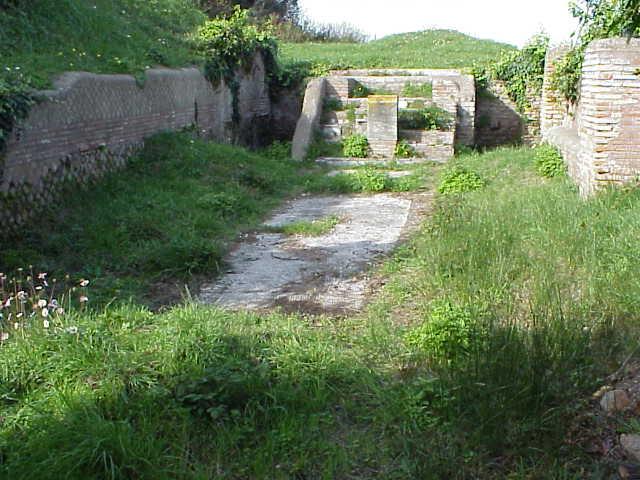
A mosaic of Silvanus, dated to the time of Commodus, was found in a niche in a nearby room of the Mithraeum in the Imperial Palace at Ostia.
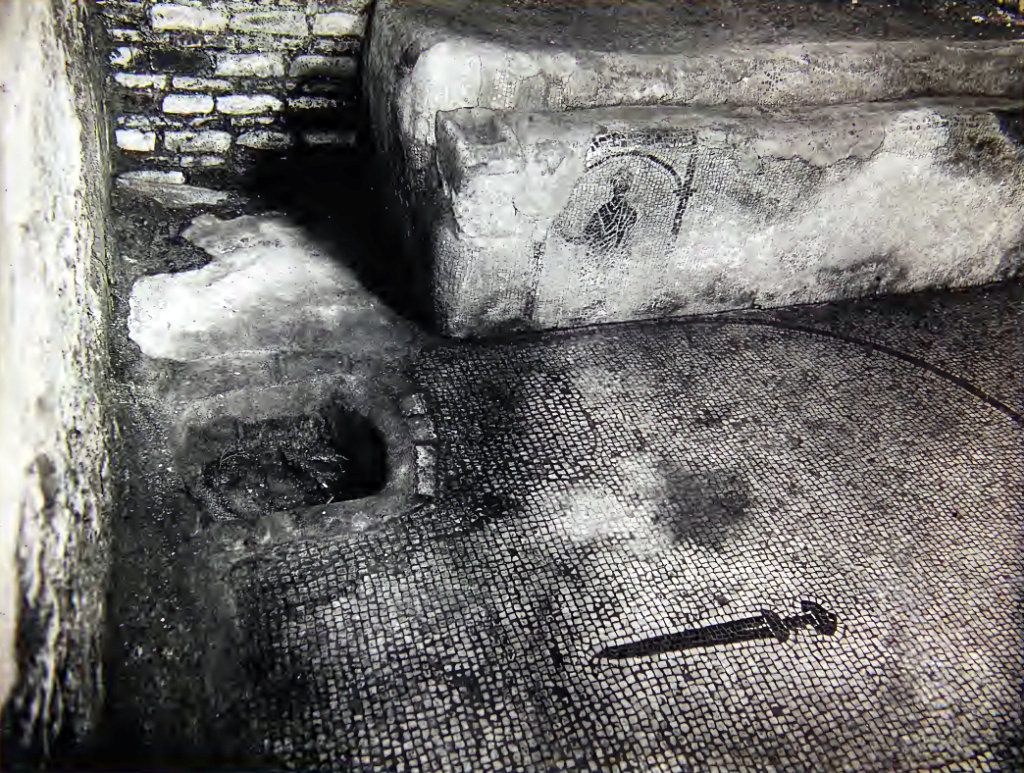
The floor mosaic of the Mithraeum of the Seven Spheres, which gives its name to the temple, depicts a dagger.
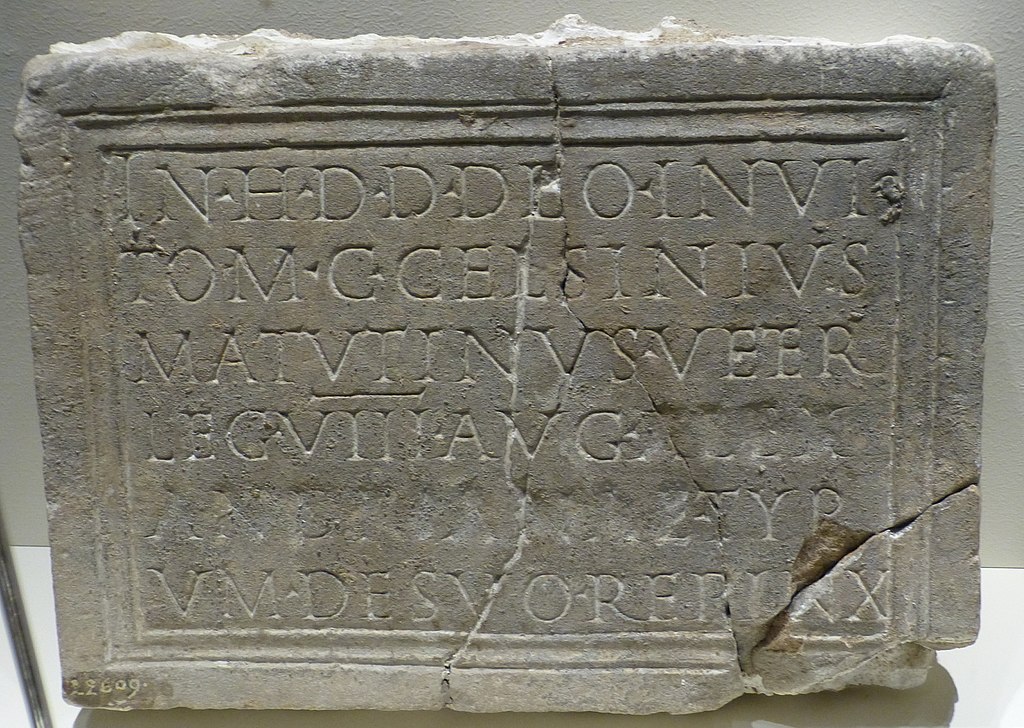
The inscription reports the restoration of the coloured painting of the main relief of the Mithraeum by a veteran of the Legio VIII Augusta.
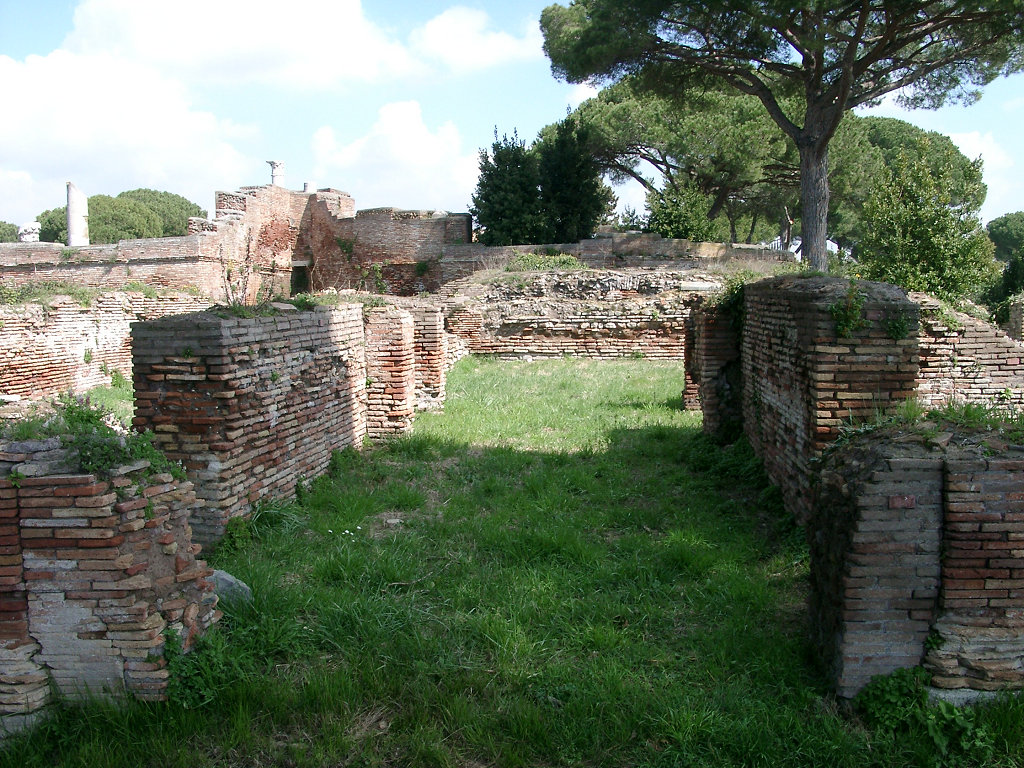
The Mithraeum of Frutosus was in a temple assigned to the guild of the stuppatores.
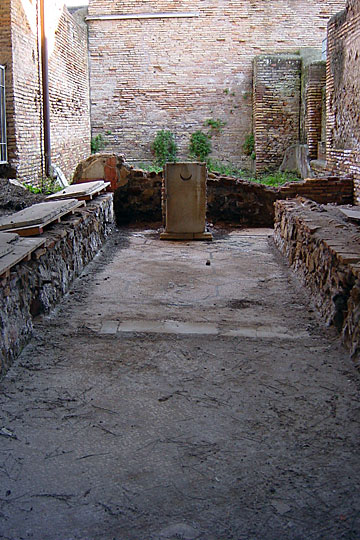
The Mithraeum of Lucretius Menander was installed in the early 3rd century in an alley to the east of a Hadrianic building named after the solar god temple.
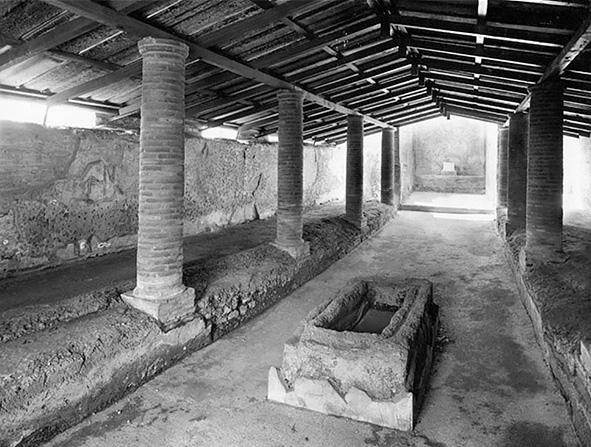
The Mithraeum in the Chapel of the Three Naves was not linked to the cult of Mithras until recently because of a mosaic showing a pig, in the belief that it was an animal unfit for consumption in a temple of Eastern origin.
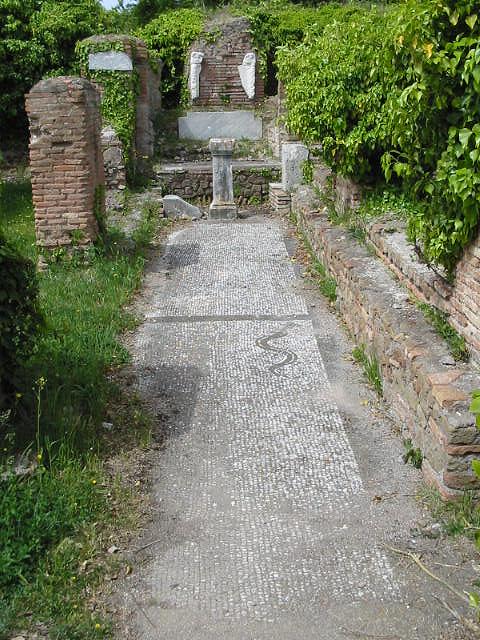
The floor of the central aisle of the Mithraeum of the Footprint in Ostia has a mosaic depicting a snake and a footprint.

This marble slab found near the Casa de Diana in Ostia bears two inscription with several names of brothers of a same community
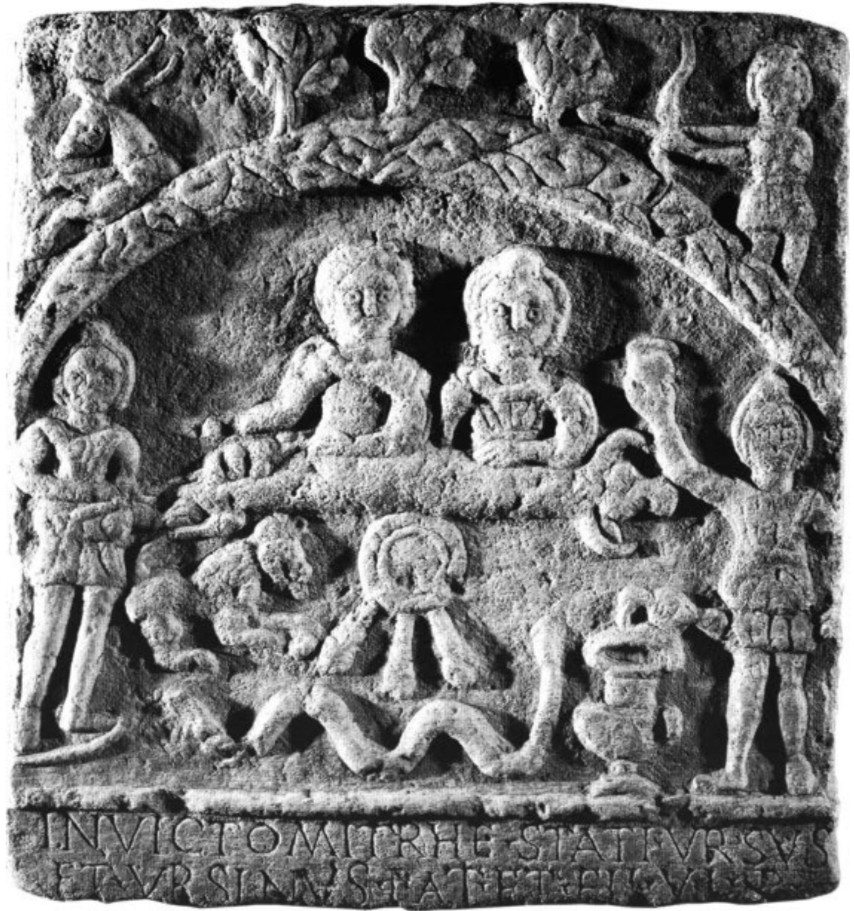
Mithras and Sol share a sacred meal accompanied by Cautes and Cautopates on a relief found in a cemetery from Croatia.
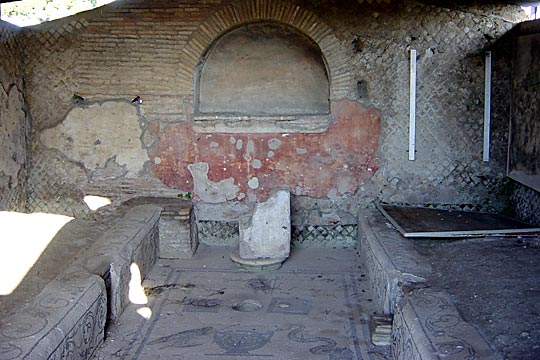
The name of the Mithraeum of the Seven Gates refers to the doors depicted in the mosaic that decorates the floor, symbolising the seven planets through which the souls of the initiates have to pass.
The Mitreo dei Marmi Colorati takes its name after the discovery of a black-and-white mosaic of Pan fighting with Eros.

A study of the Mithraeum of Dura-Europos exploring the lived religious experience, social structure, and ritual life of its close-knit Mithraic community.

Pater patrum and magister of the Mithraic community associated with the Esquiline Mithraeum.

Equestrian pater patrorum whose dedication to Cautes attests the involvement of Rome’s elite in Mithraism.
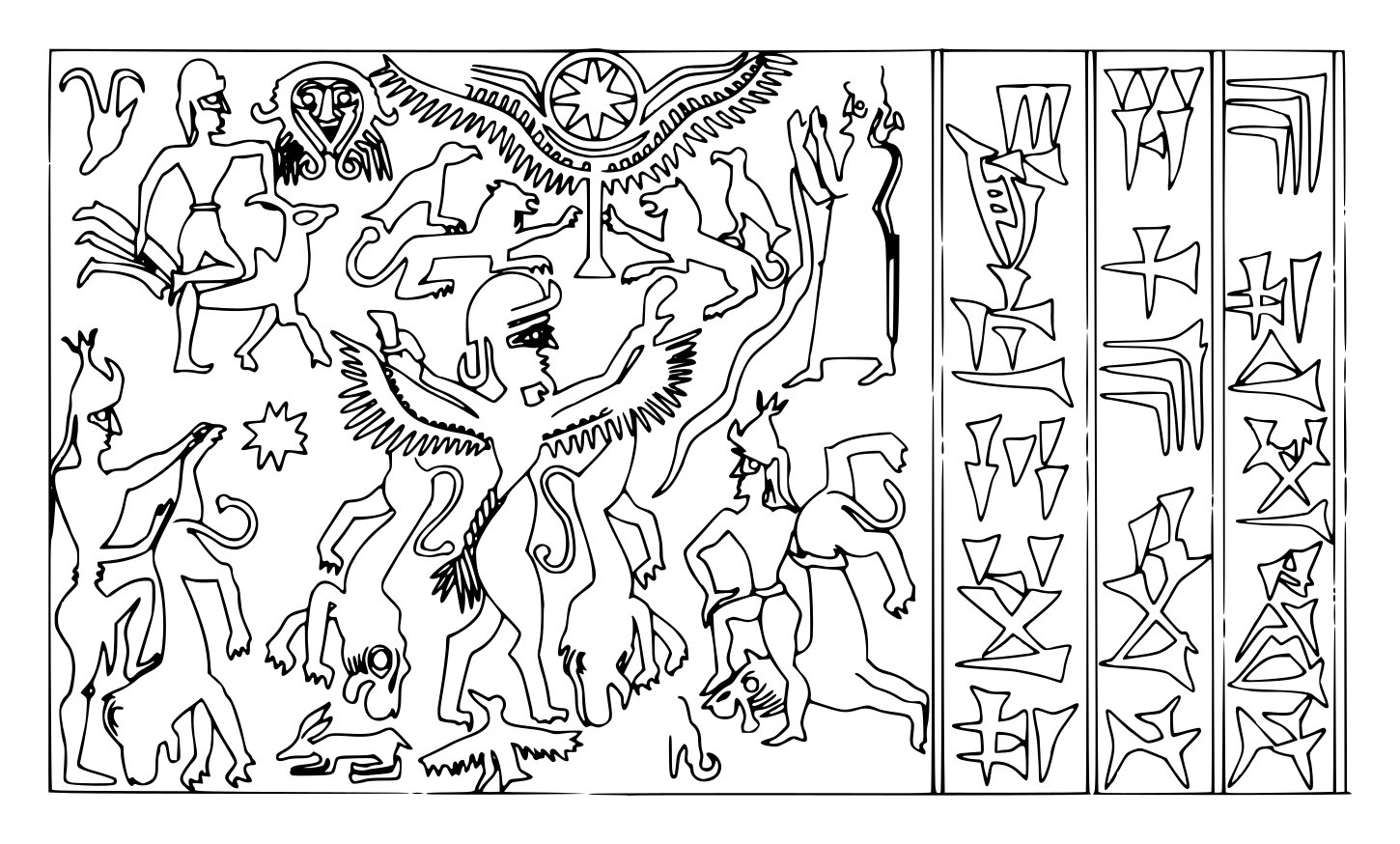
Royal Mitannian seal featuring a winged solar emblem and heroic combat scenes from the cultural milieu in which the earliest attestation of Mitra is found.

Dedicator of a rare altar jointly honouring Mithras and Silvanus at Emona, whose ambiguous name has fuelled debate over whether the dedicant was a man or a woman.
Archaeological evidence for military Mithraism in north-western Roman Hispania.
Straton, son of Straton, consecrated an altar to Helios Mithras in Kreta, Moesia inferior.
