Your search Rosa María Cid gave 235 results.

The name of this domus comes from the fact that some authors once associated one of its mosaics with the cult of Mithras, a connection that has since been dismissed.

Jaime Alvar speculates that the Gran Mitreo de Mérida could have been located in this area, based on a series of materials unearthed by Mélida during the excavations of 1926 and 1927.
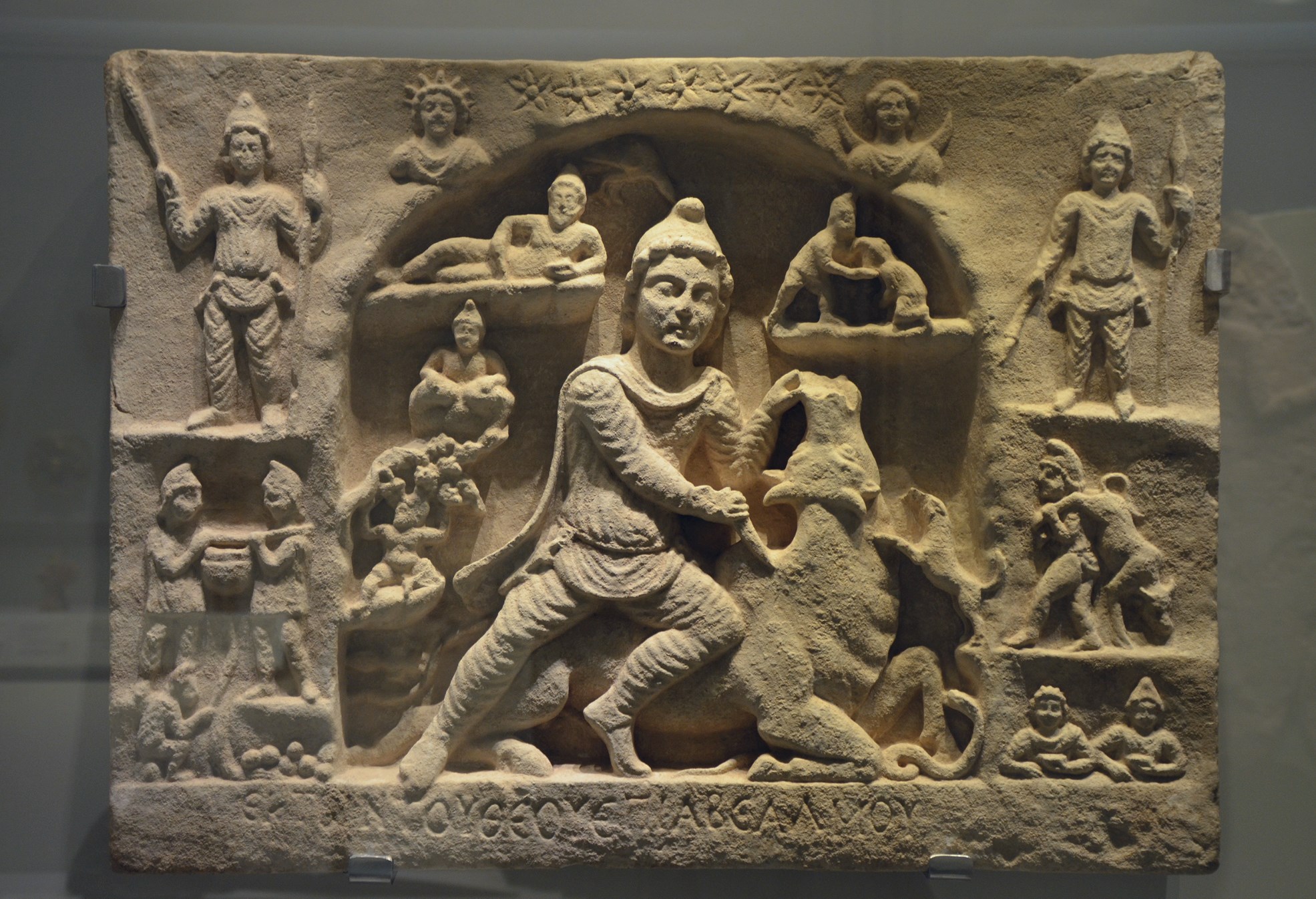
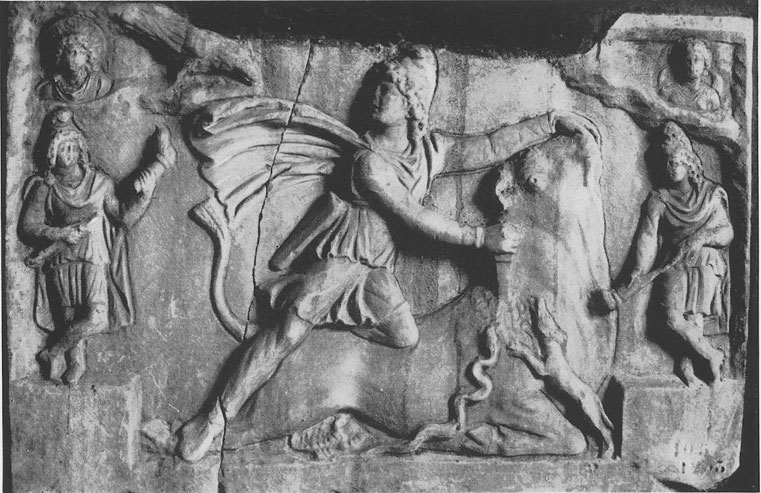
White marble relief depicting Mithras killing the bull, found broken in two parts in 1872 near Salita delle Tre Pile in Rome.

This very fine relief of Mithras killing the bull was discovered in 2014 in Germán, near Sofia, Bulgaria, and is now housed in the Sofia History Museum.

Over the last century or so, a great deal has been said about the god Mithras and his mysteries, which became known to the European world mainly through his Roman cultus during the Imperial Period.

The remains of the Mithraeum of Aosta, also known as the Mitreo di Augusta Praetoria, were discovered in 1953 in insula 59, in a commercial district of the ancient city.
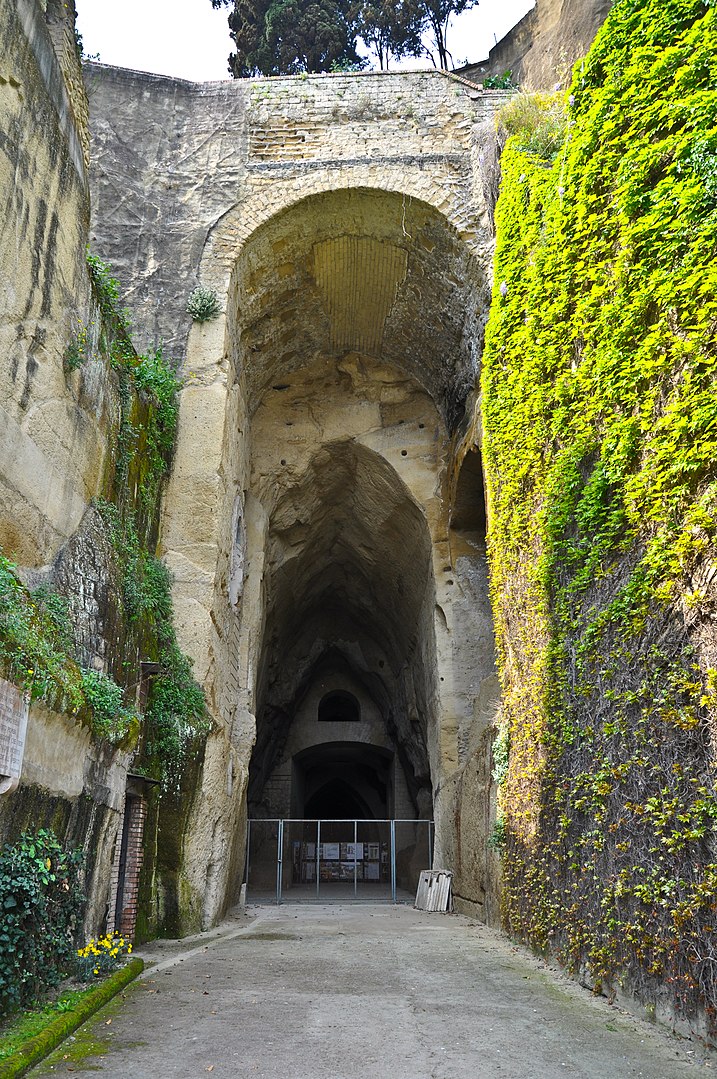
The Mitreo della crypta neapolitana was used a des legends about its use, from a cult place devoted to Priapus to celebrate Aphrodite.
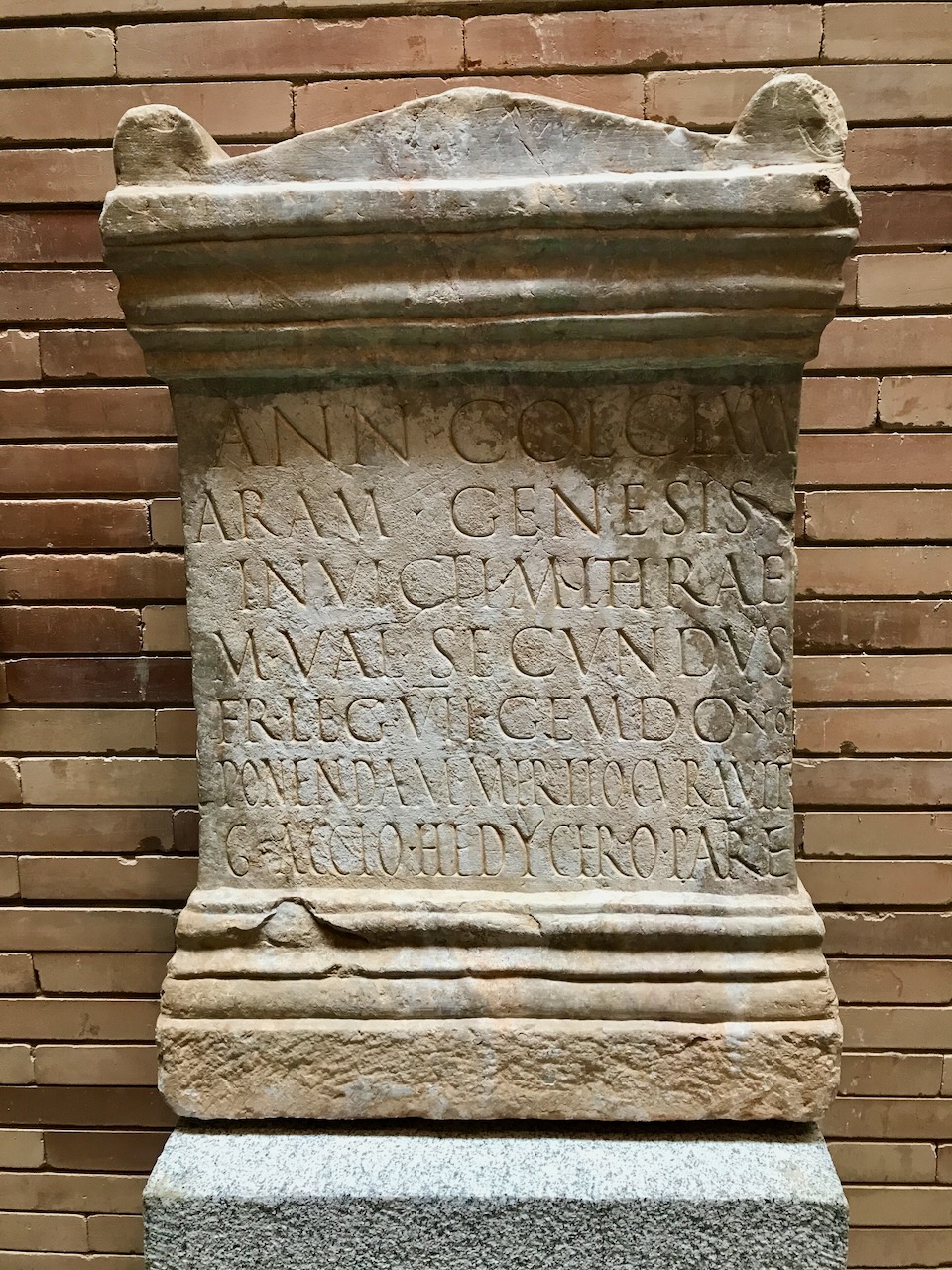
This altar is dedicated to the birth of Mithras by a frumentarius of the Legio VII Geminae.

Ernest Renan suggested that without the rise of Christianity, we might all have embraced the cult of Mithras. Nevertheless, it has had a lasting influence on secret societies, religious movements and popular culture.

Translation and Introductory Essay by Robert Lamberton. Station Hill Press Barrytown, New York 1983.

Excerpted from Mushroom, Myth and Mithras, this passage elaborates on the Mithraic ritual and the degree of Nymphus.
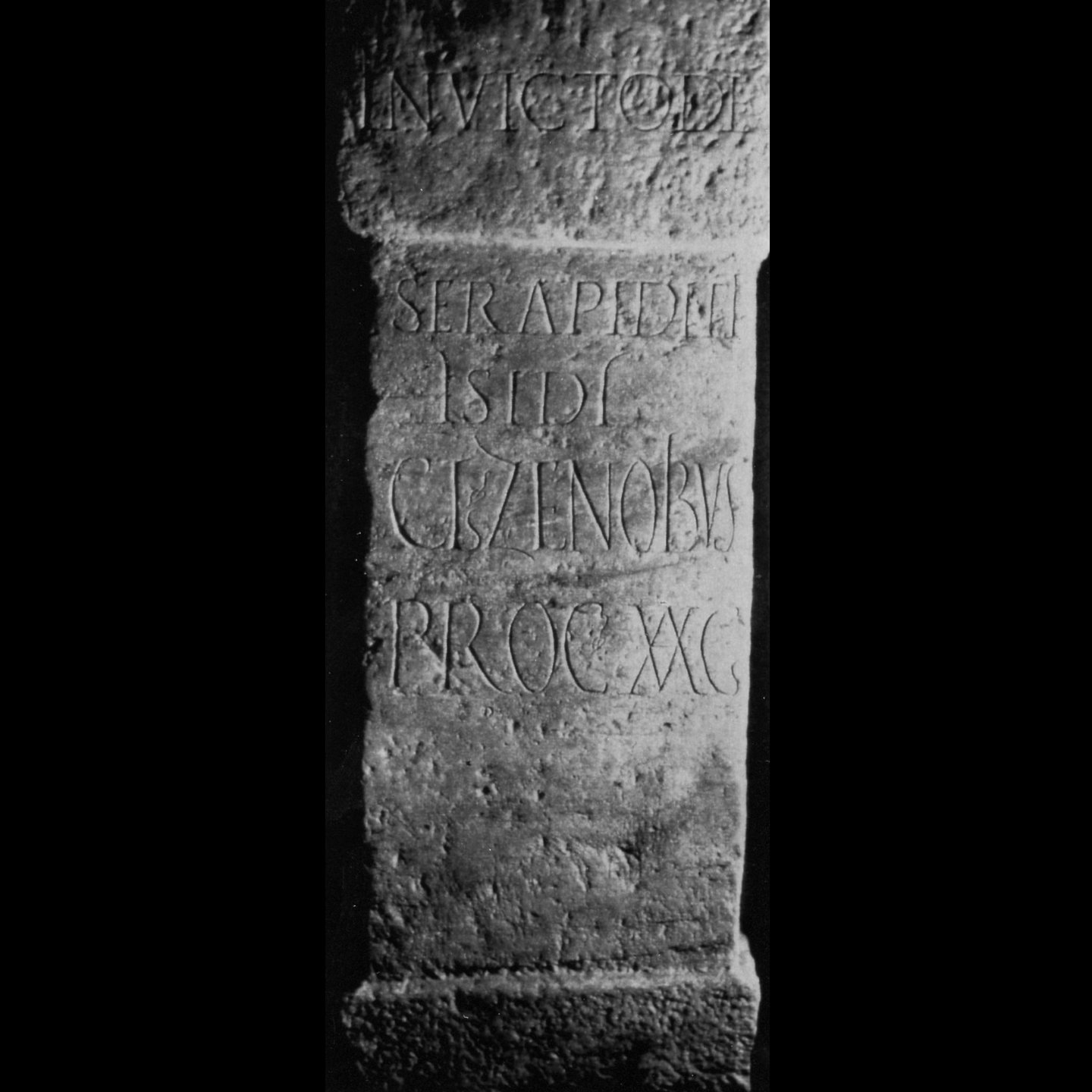
This slab dedicated to the invincible god, Serapis and Isis by Claudius Zenobius was found in 1967 in the walls of the city of Astorga, Spain.
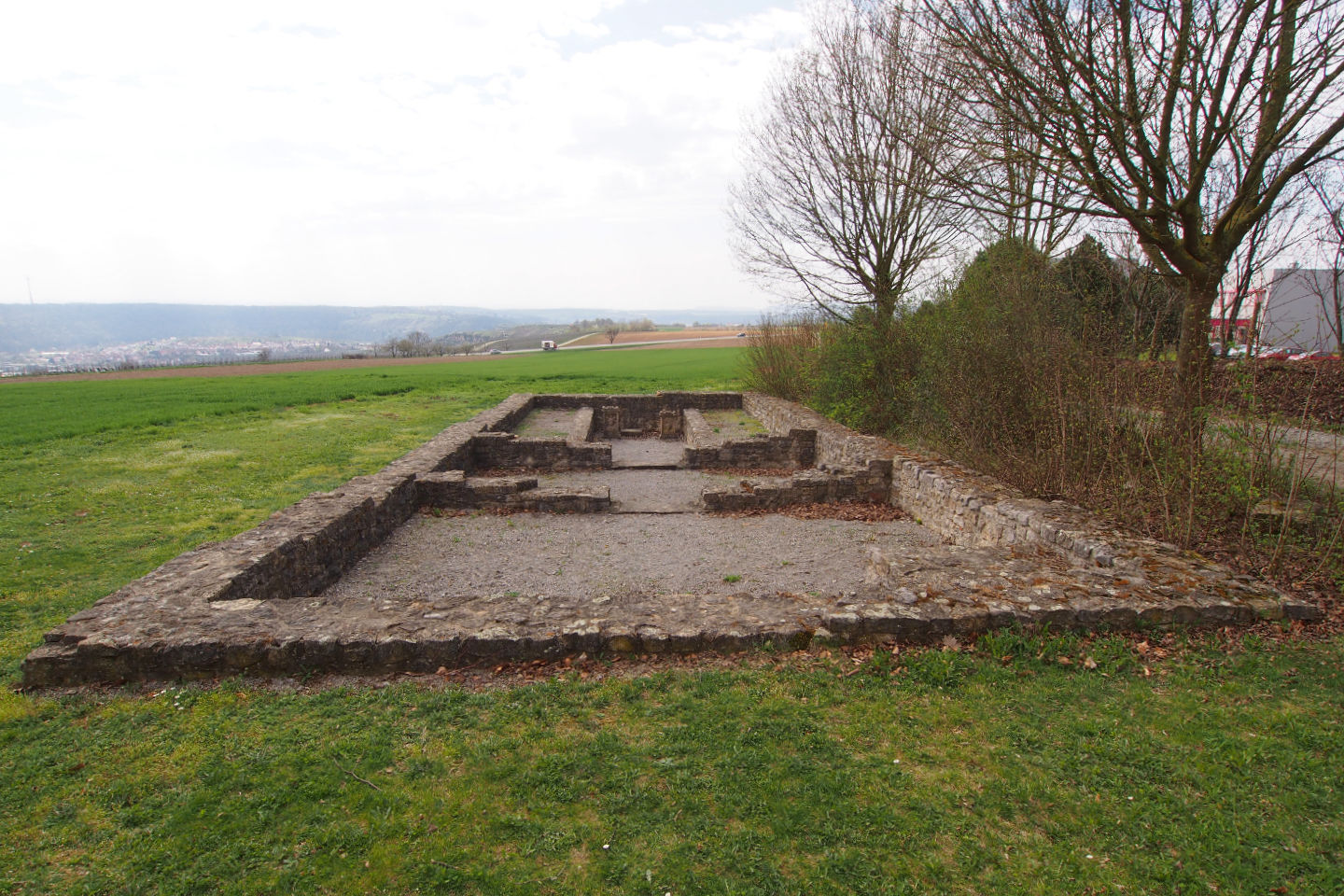
The two altars found in the Mithraeum of Mundelsheim one of Sol and the other of Luna, are exposed in situ.

Mithraeum I in Güglingen, Landkreis Heilbronn (Baden-Württemberg).
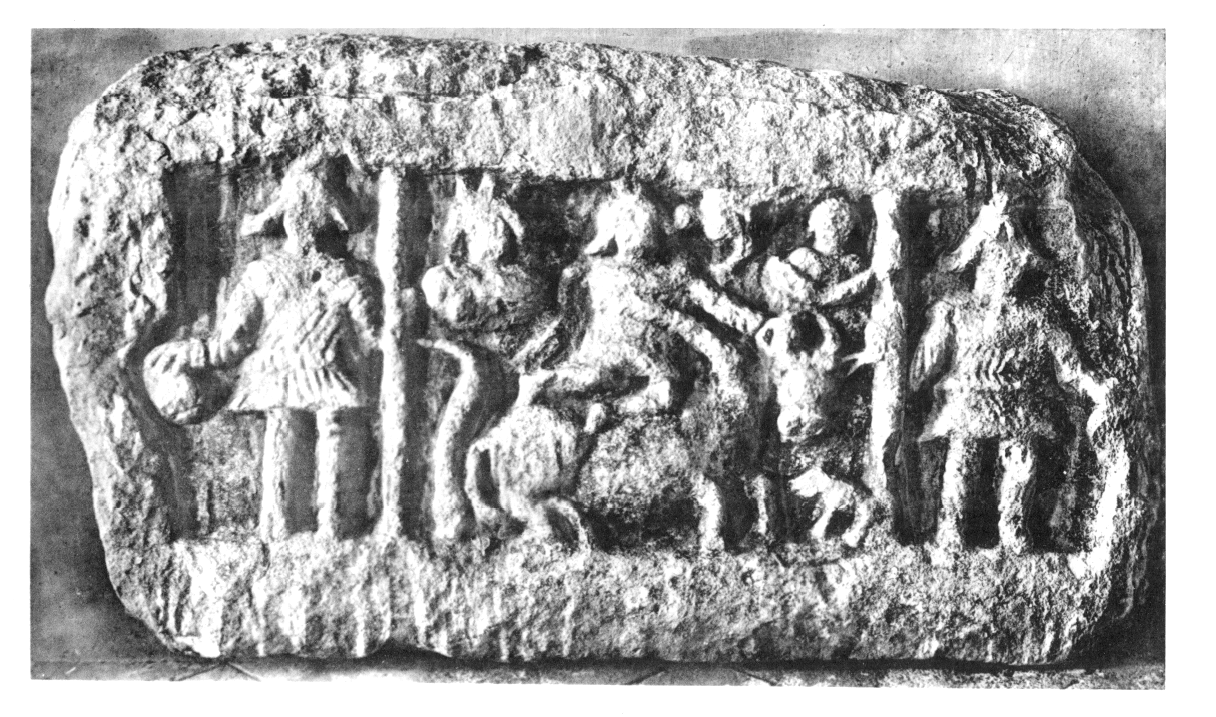
This relief of Mithras as bull slayer is surrounded by Cautes and Cautopates with their usual torch plus an oval object.
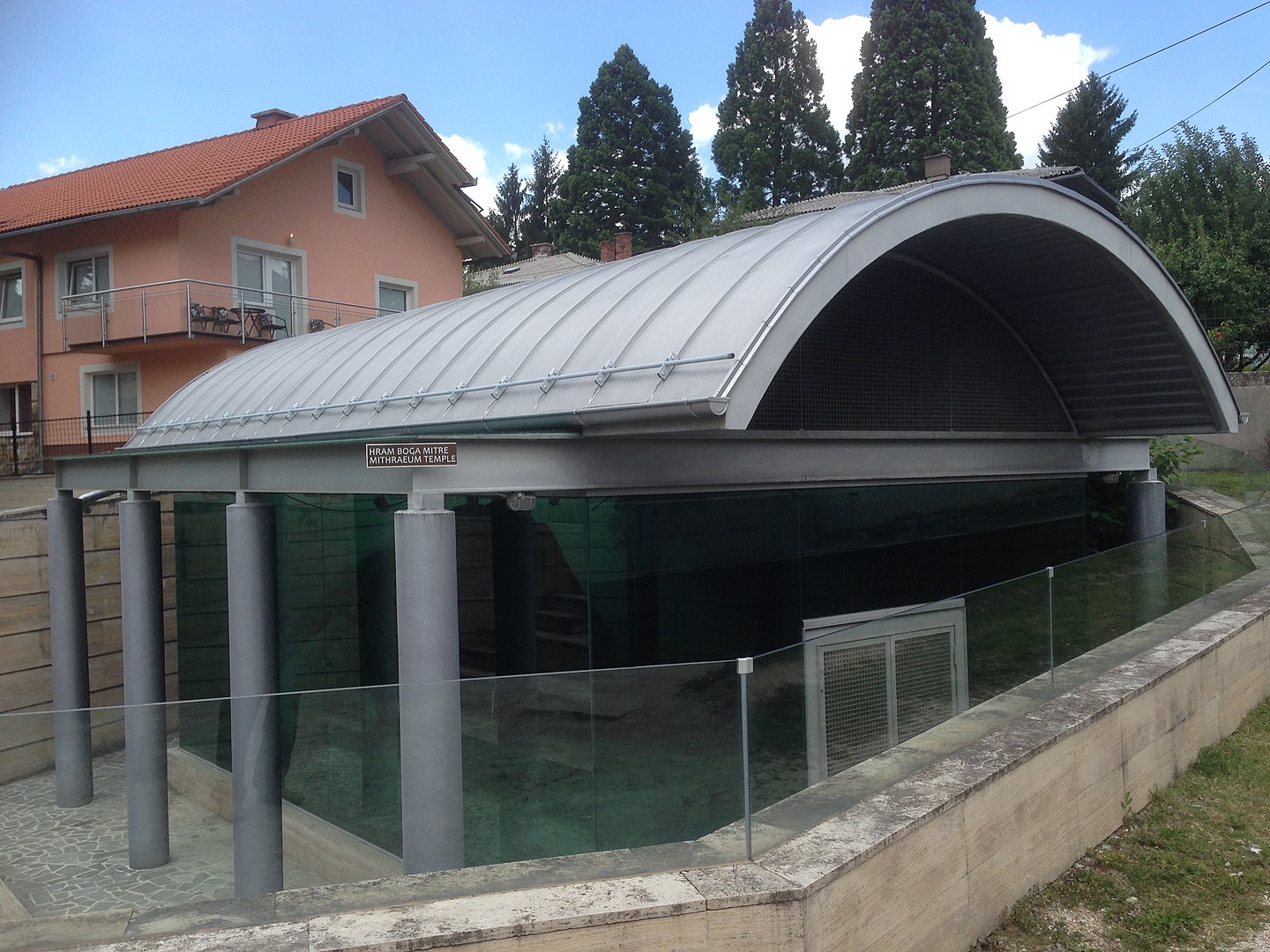
The remains of the Jajački Mithraeum were discovered accidentally during excavation for the construction of a private house in 1931.
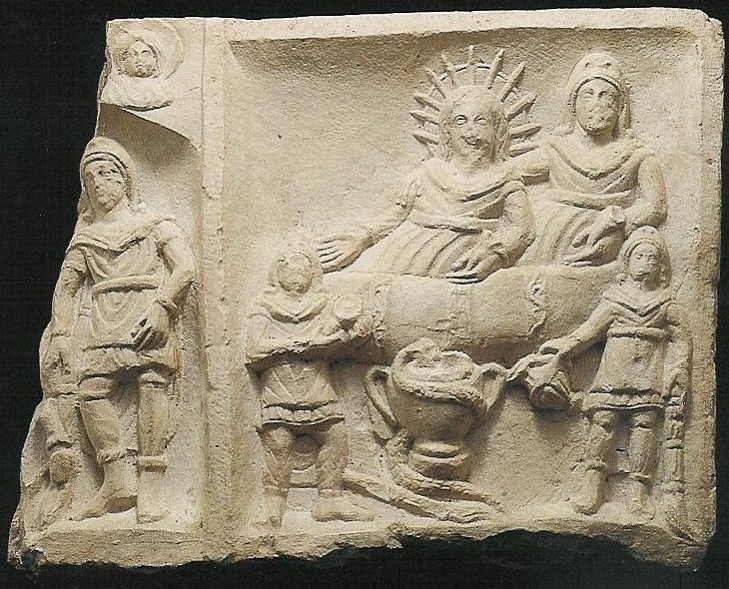
The remains of the mithraic triptic of Tróia, Lusitania, were part of a bigger composition.

Excavations in 1979 on the remains of the church of Notre-Dame d'Avigonet in Mandelieu, Alpes-Maritimes, brought to light a small mithraeum.
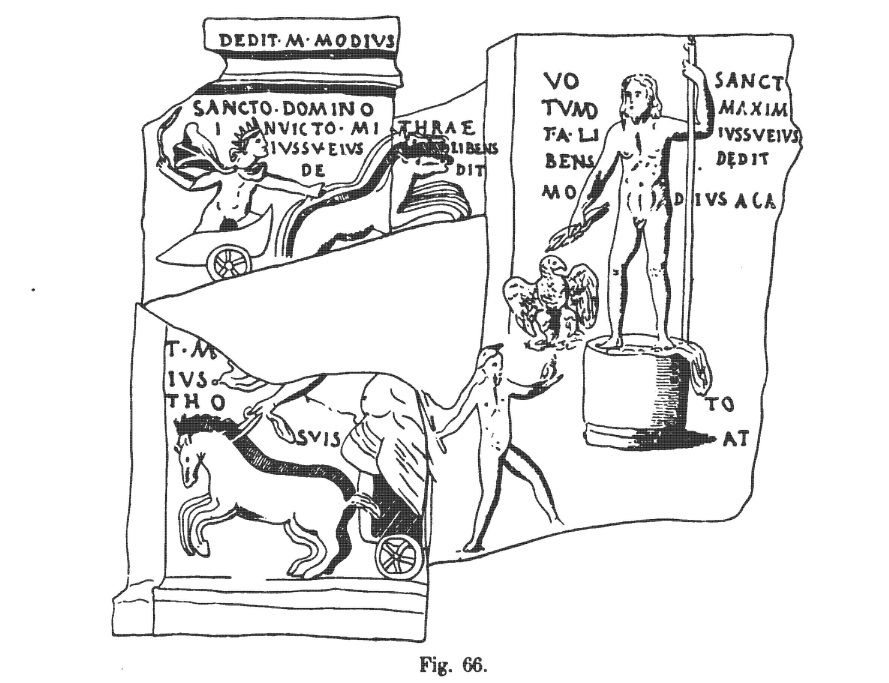
These three fragments of carved marble depict Jupiter, Sol, Luna and a naked man wearing a Phrygian cap, with inscriptions calling Mithras Sanctus Dominum.
