Your search Rosa María Cid gave 235 results.

Actes du 2e Congrès International, Téhéran, du 1er au 8 septembre 1975. (Actes du Congrès, 4). Éditions Brill, collection. Acta Iranica.

Catalogue de l'exposition tenue au Musée d'Aquitaine du 15 février 1988 au 16 mai 1988 sur le site de Parunis.

Roger Beck describes Mithraism from the point of view of the initiate engaging with the religion and its rich symbolic system in thought, word, ritual action, and cult life.

Les monuments mithriaques sont rares en Syrie. Les sculptures de Sidon, datées de 188, constituent l’essentiel de la documentation malgré des incertitudes sur leur origine exacte.

Le groupe caractéristique « lion, serpent, cratère » marque le rapport avec le culte mithriaque, car comme nous croyons l’avoir montré, ce groupe ne symbolise pas la lutte des éléments, terre, eau et feu, mais la participation des animaux-attributs au sacrifice, par Mithra…

This magnificently illustrated publication renews the Mithraic dossier on the basis of concrete data, with caution and penetration. Marino's discovery is disconcerting and rekindles the controversy about the order in which bands should be read.

Peter Kingsley interpreta el poema de Parménides a la luz de inscripciones del sur de Italia y lo sitúa en un trasfondo religioso ligado a los ritos de incubación y a los sacerdotes de Apolo.


An inscription mentioning a speleum decorated by Publilius Ceionius suggests the location of a mithraeum in Cirta, the capital of Numidia.

Saul cutting the oxen to pieces poses as Mithras Tauroctonos in this painting, which adorns the mantelpiece of Henry II’s bedroom at the Château d’Écouen near Paris.
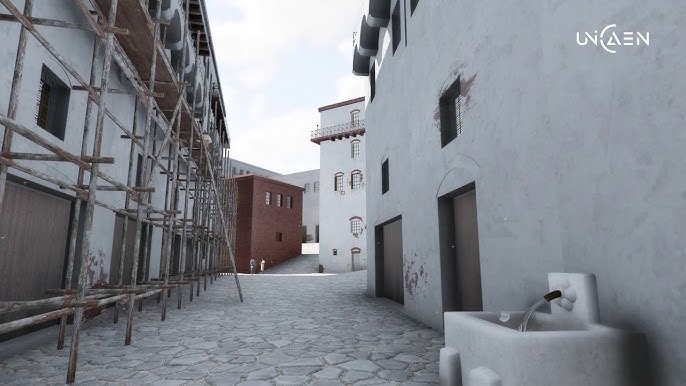
Le culte de Mithra : Une religion iranienne qui se répand à Rome et dans son empire.

Of Isis and Osiris or Of the Ancient Religion and Philosophy of Egypt, Plutarch, The Moralia.