Your search San Gemini gave 586 results.

Sandstone altar from Mithraeum I at Heddernheim, ancient Nida, bearing a dedication to Deo invicto Mithrae inscribed on its right side
Tall sandstone column base from Mithraeum I at Heddernheim, ancient Nida, with an inscription set between two columns, possibly naming Mithras
Pair of sandstone bases with small columns on the front, carved with a staircase on the reverse, from Mithraeum I at Heddernheim, ancient Nida
Votive sandstone altar from Mithraeum I at Heddernheim, ancient Nida, dedicated by Caius Lollius Crispus, centurion of Cohors XXXII Voluntariorum
Sandstone altar from Mithraeum I at Heddernheim, ancient Nida, dedicated to Invicto Mithrae by Iulius Iuvenalis ex voto
Unusual hexagonal sandstone altar from Mithraeum I at Heddernheim, ancient Nida, with six decorated sides of cult significance
Sandstone statue of a seated lion in attacking posture, from Mithraeum I at Heddernheim, ancient Nida, with its hindmost part lost
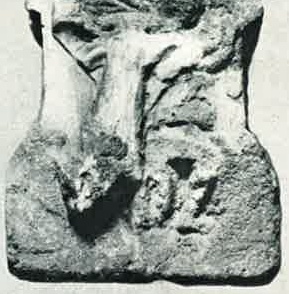
Small sandstone altar from Mithraeum I at Heddernheim, ancient Nida, bearing a snake and cult imagery consistent with Mithraic worship
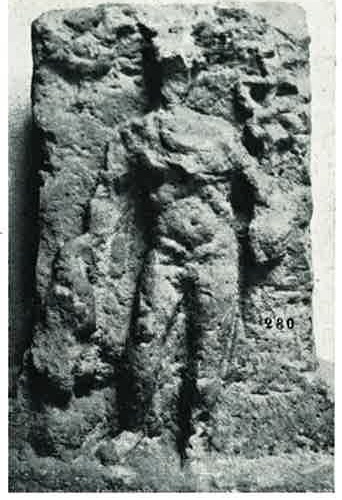
Weathered sandstone relief from Mithraeum I at Heddernheim, ancient Nida, showing a standing Mercury whose body is covered by a shoulder cape
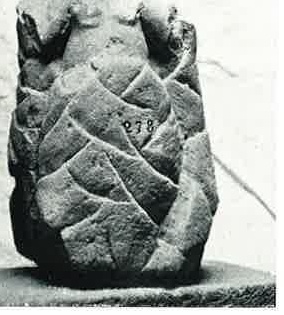
Red sandstone statue from Mithraeum I at Heddernheim, ancient Nida, depicting the young naked Mithras with curly hair being born from the rock
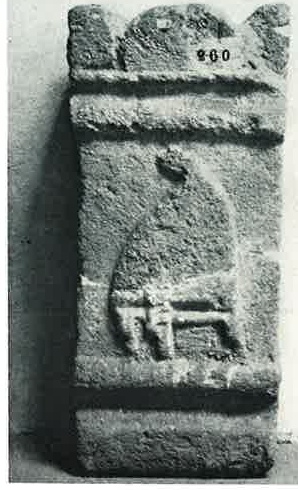
Sandstone altar from Mithraeum I at Heddernheim, ancient Nida, decorated on one side with the representation of a Phrygian cap
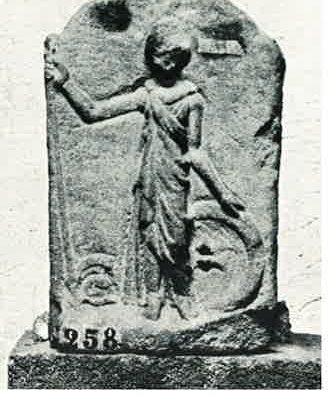
Sandstone relief from Mithraeum I at Heddernheim, ancient Nida, depicting a standing Minerva resting her left hand on a shield while holding a lance
Sandstone relief from Ober-Florstadt featuring two arched niches each containing a naked Dioscurus wearing a shoulder cape and pilum
Pair of sandstone altars from Ober-Florstadt, the larger of which bears a palm-branch on its upper cornice
Pair of small sandstone altars of different sizes, recovered from the Mithraeum at Ober-Florstadt in Upper Germany
Fragment of a sandstone statue, comprising a head and hand certainly belonging to a figure of Cautes, found at Ober-Florstadt
Sandstone relief preserving parts of Mithras, the dog and Cautopates from a lost third Mithraeum at Friedberg.
Ritual coin deposits beneath sanctuary bases helping date the Mithraeum to the late second century A.D.
Sacrificial knife, lamps, pottery, animal remains and inscribed terracotta fragments discovered inside the sanctuary.
Sandstone altar from the centre of the sanctuary dedicated to the goddesses Quadrubiae near a crossroads shrine.
