Your search San Giovanni al Timavo gave 3645 results.
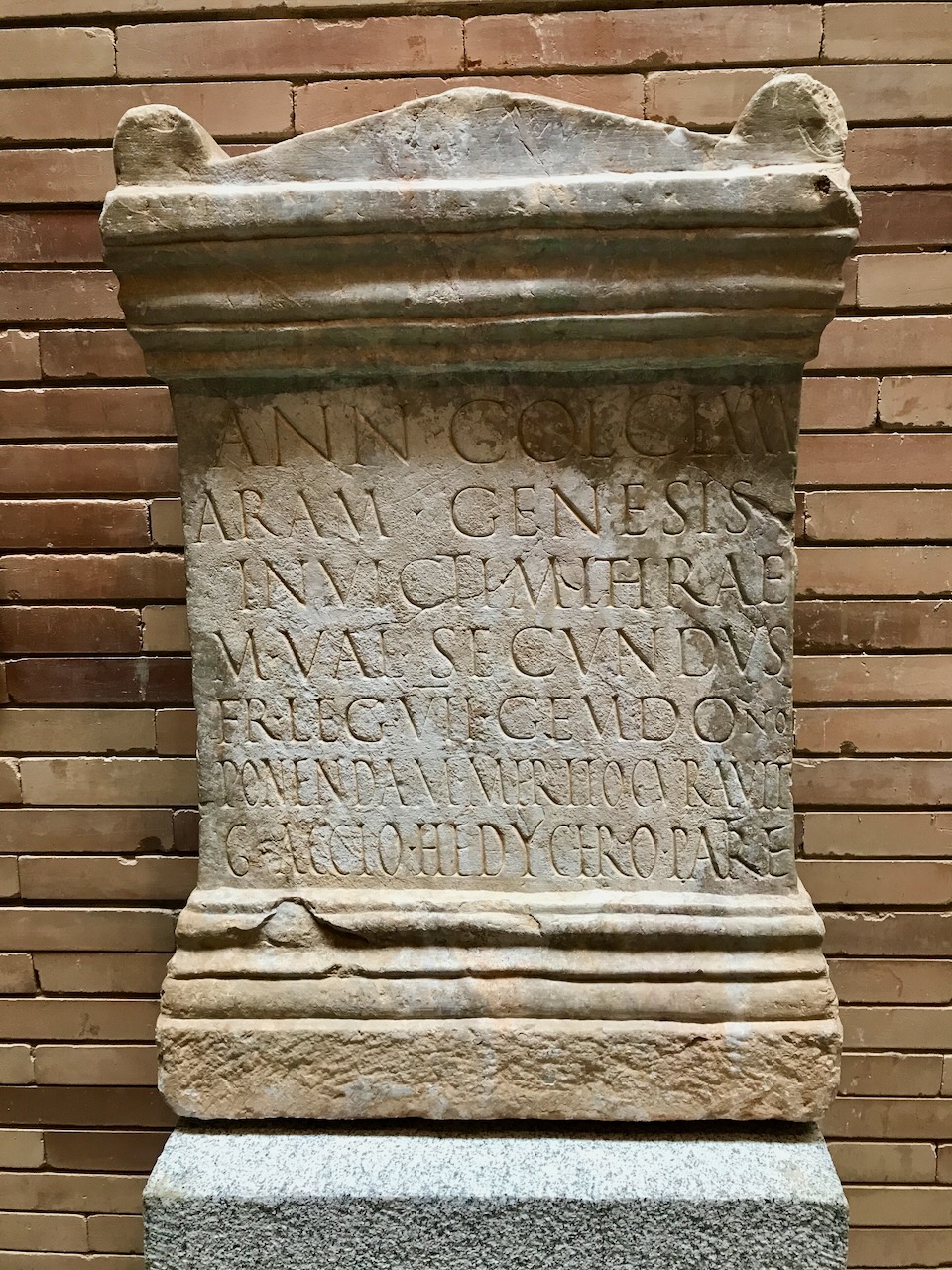
This altar is dedicated to the birth of Mithras by a frumentarius of the Legio VII Geminae.
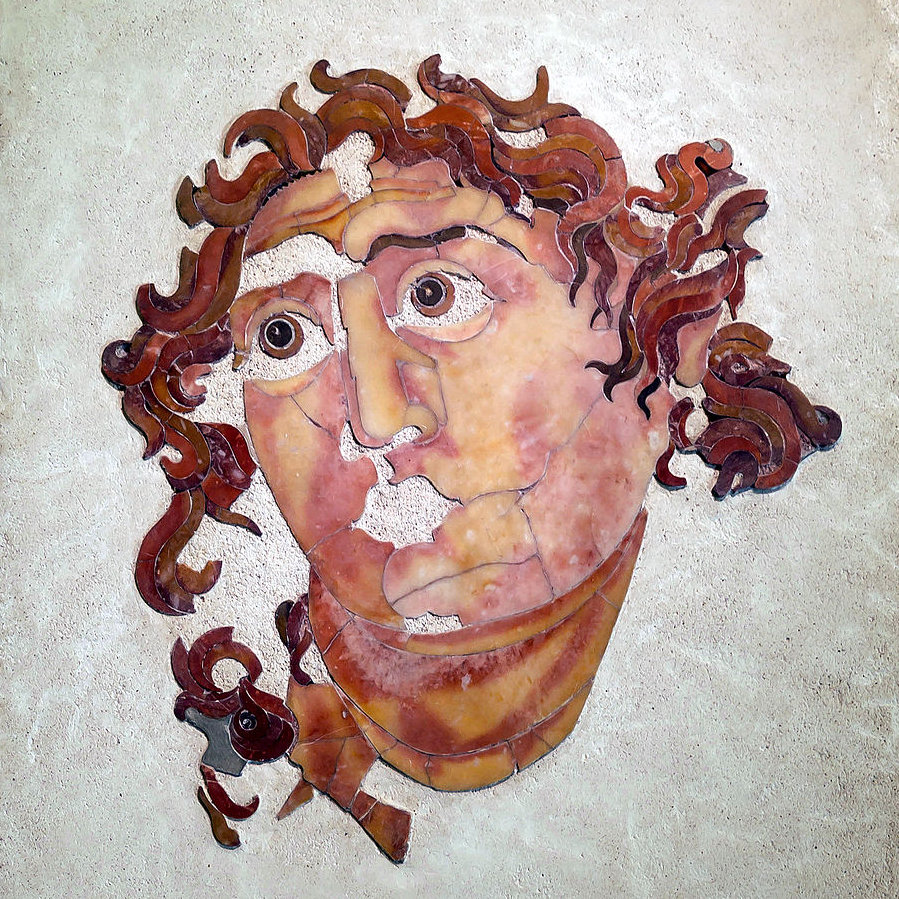
The intarsium of Sol found in the Mithraeum of Santa Prisca is composed of several varieties of marble.
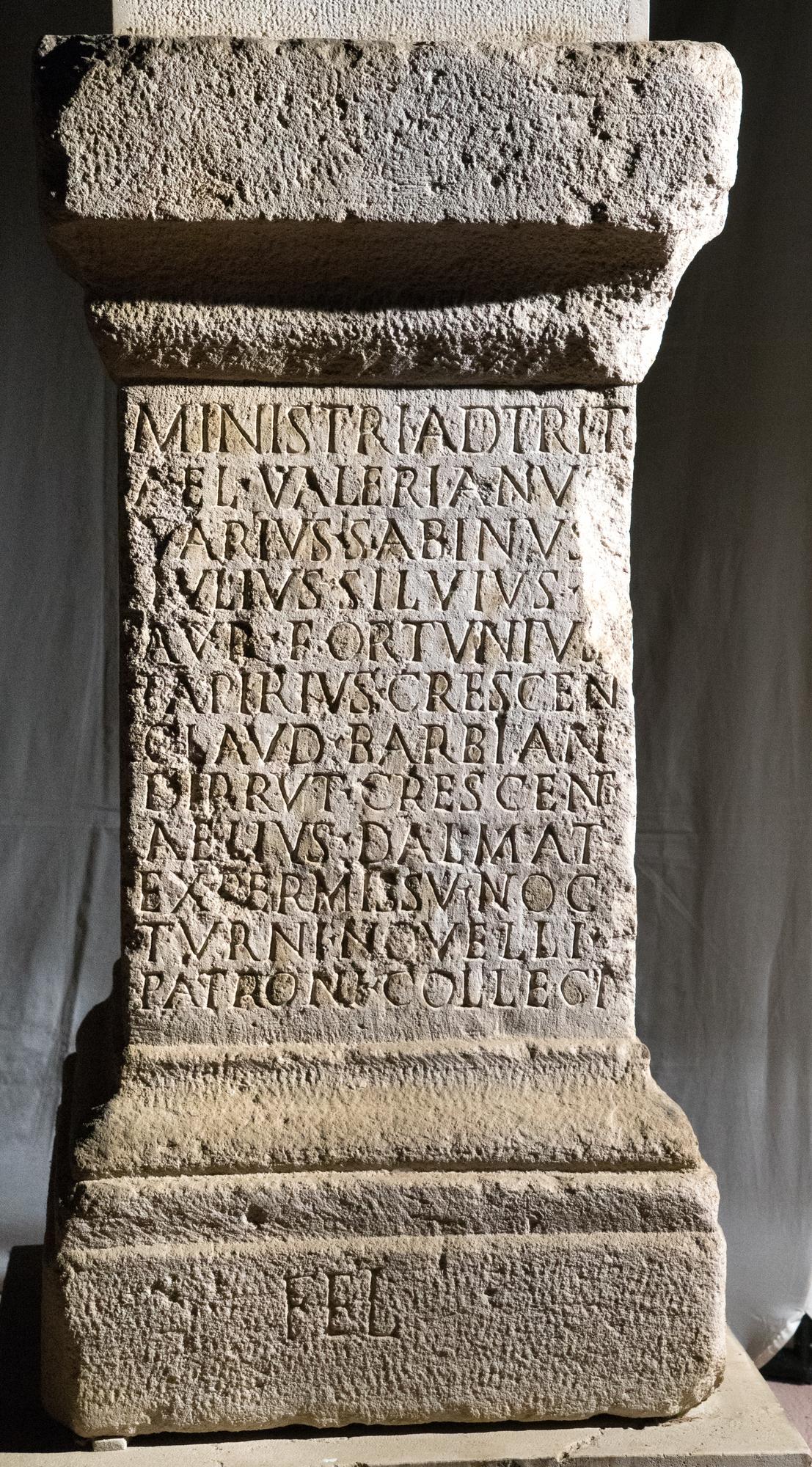
This inscribed limestone altar from Roman Salona preserves several lists of ministers associated with the Tritones collegium during the Tetrarchic period.
Mithraic stele, from Alba Iulia, Romania, with inscription.
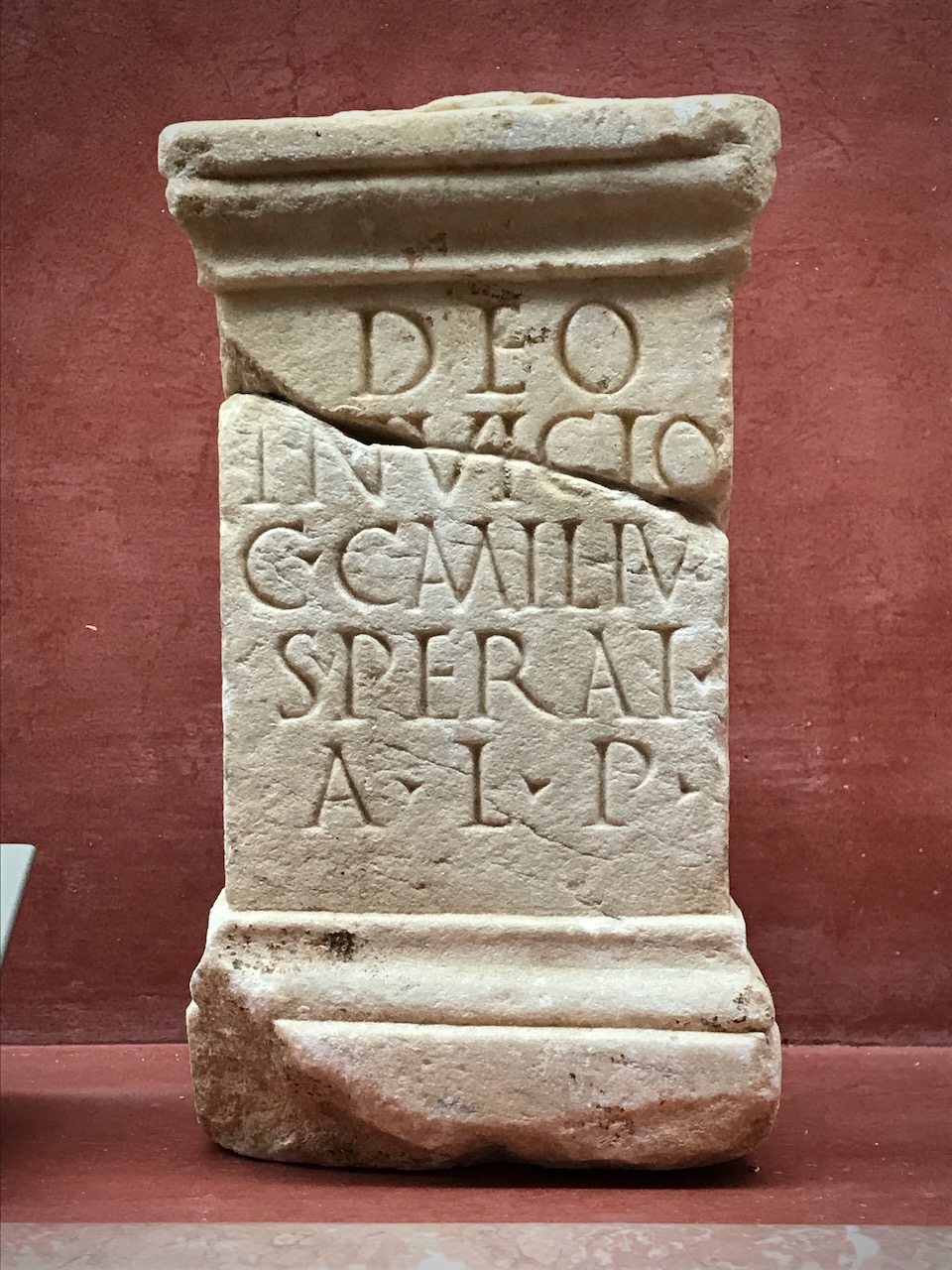
Small white marble altar made in honour of Mithras found at San Albín, Mérida.
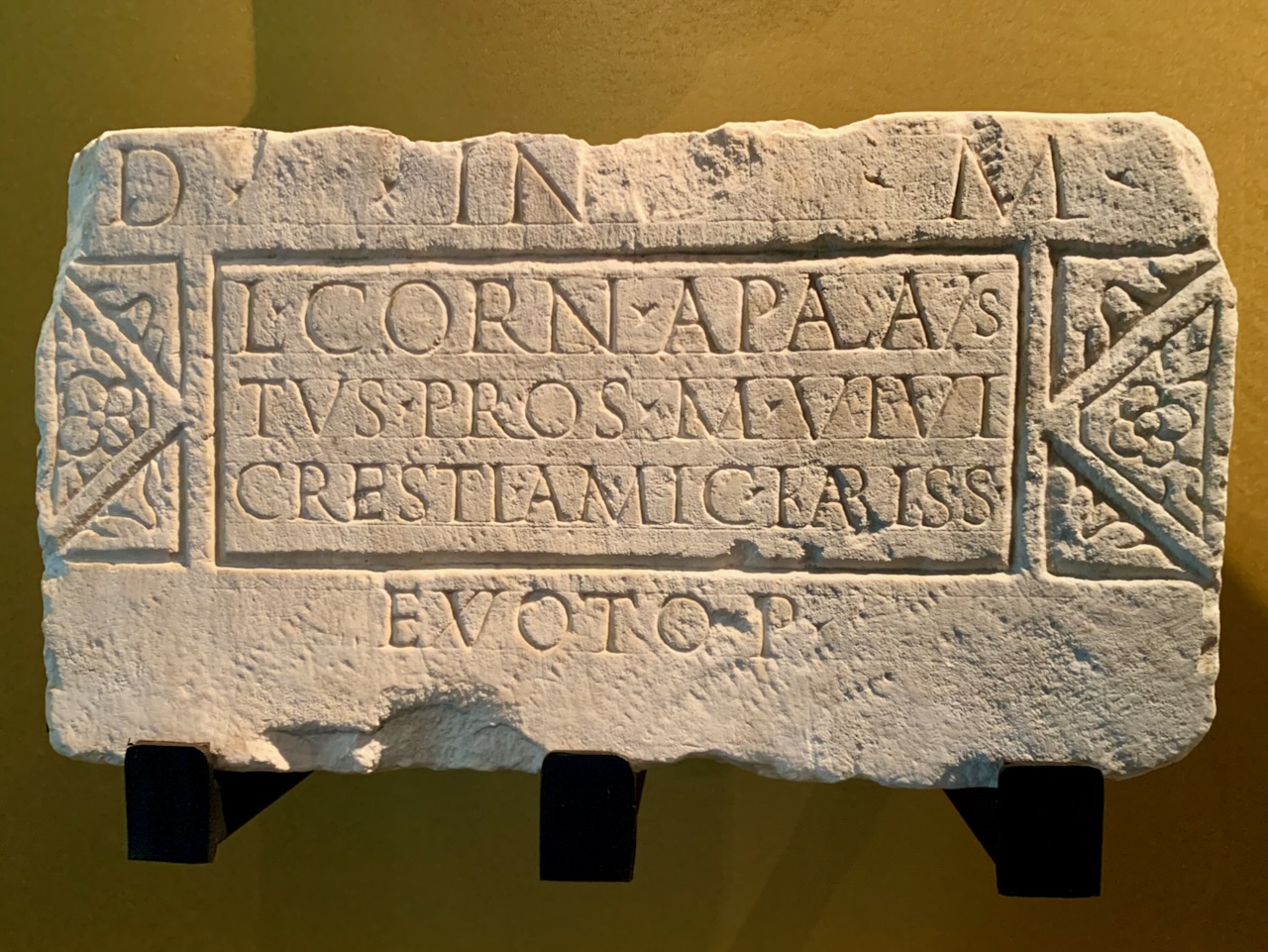
The altar that now stands in Split was dedicated to Invincible Mithras for the health of a dear friend.
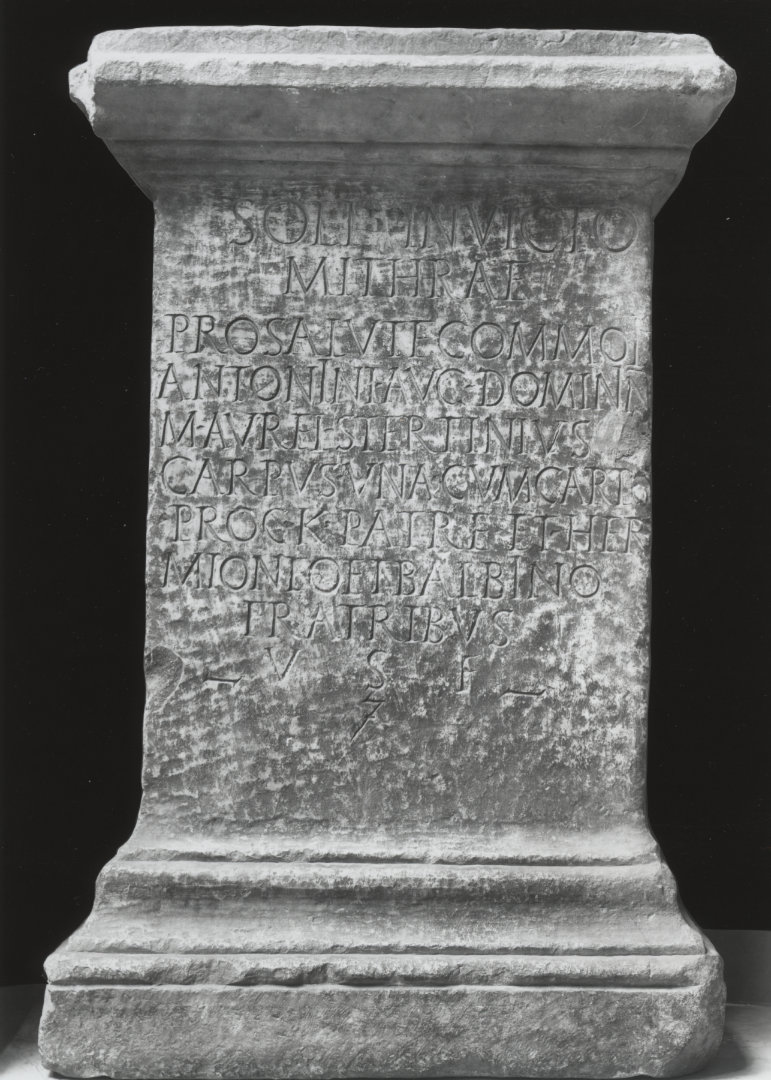
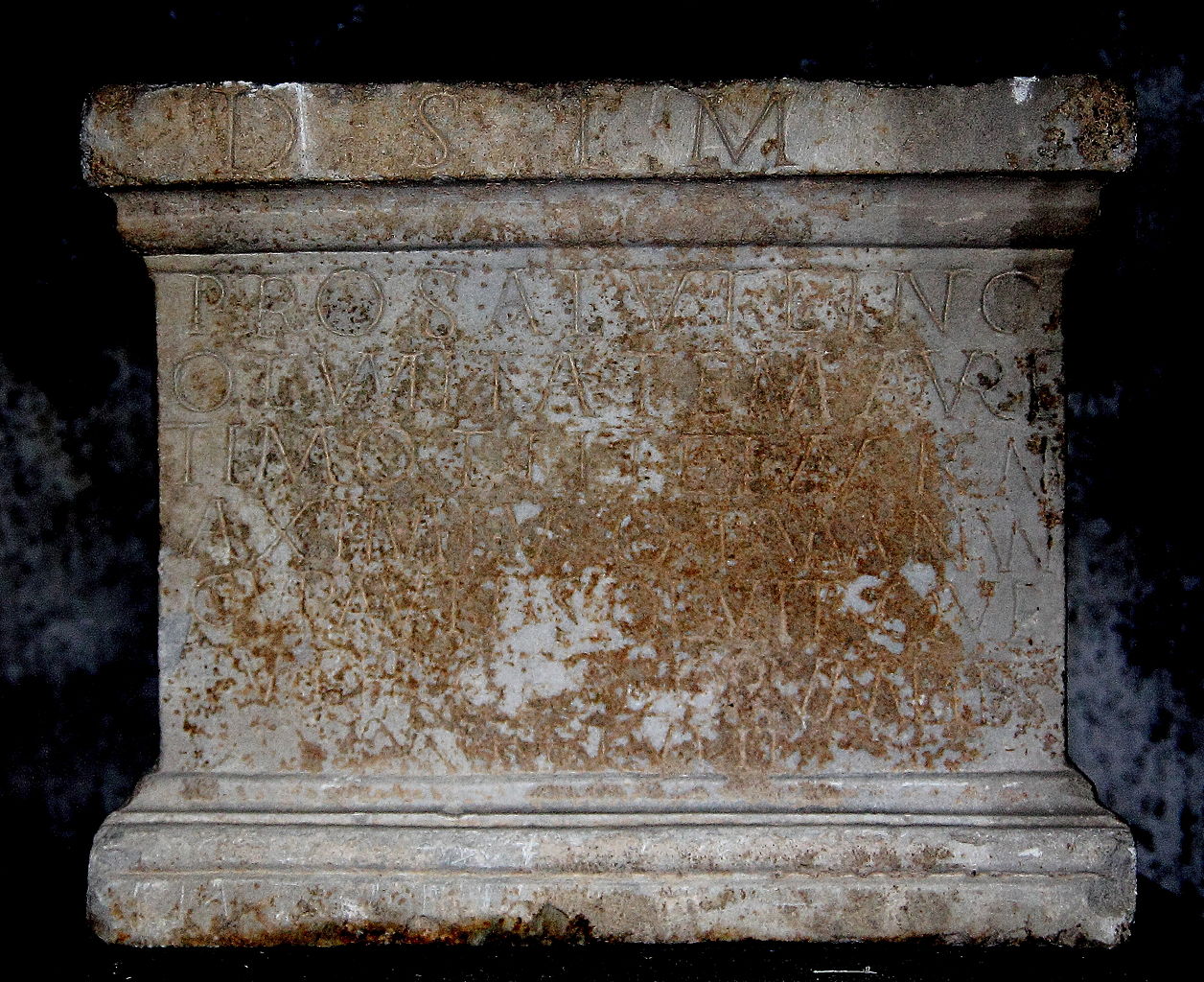
This altar bears an inscription to the health of the emperor Commodus by a certain Marcus Aurelius, his father and two other fellows.
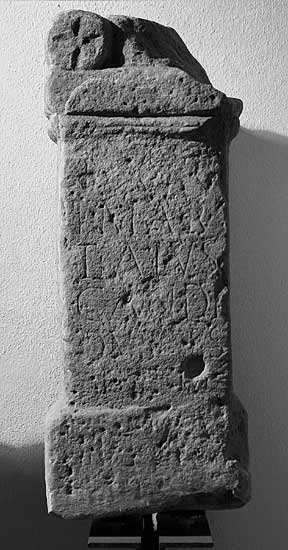
Bright red sandstone altar from Mithraeum II at Stockstadt dedicated to Deo Cauti by Titus Martialius Candidus, found near the north podium.
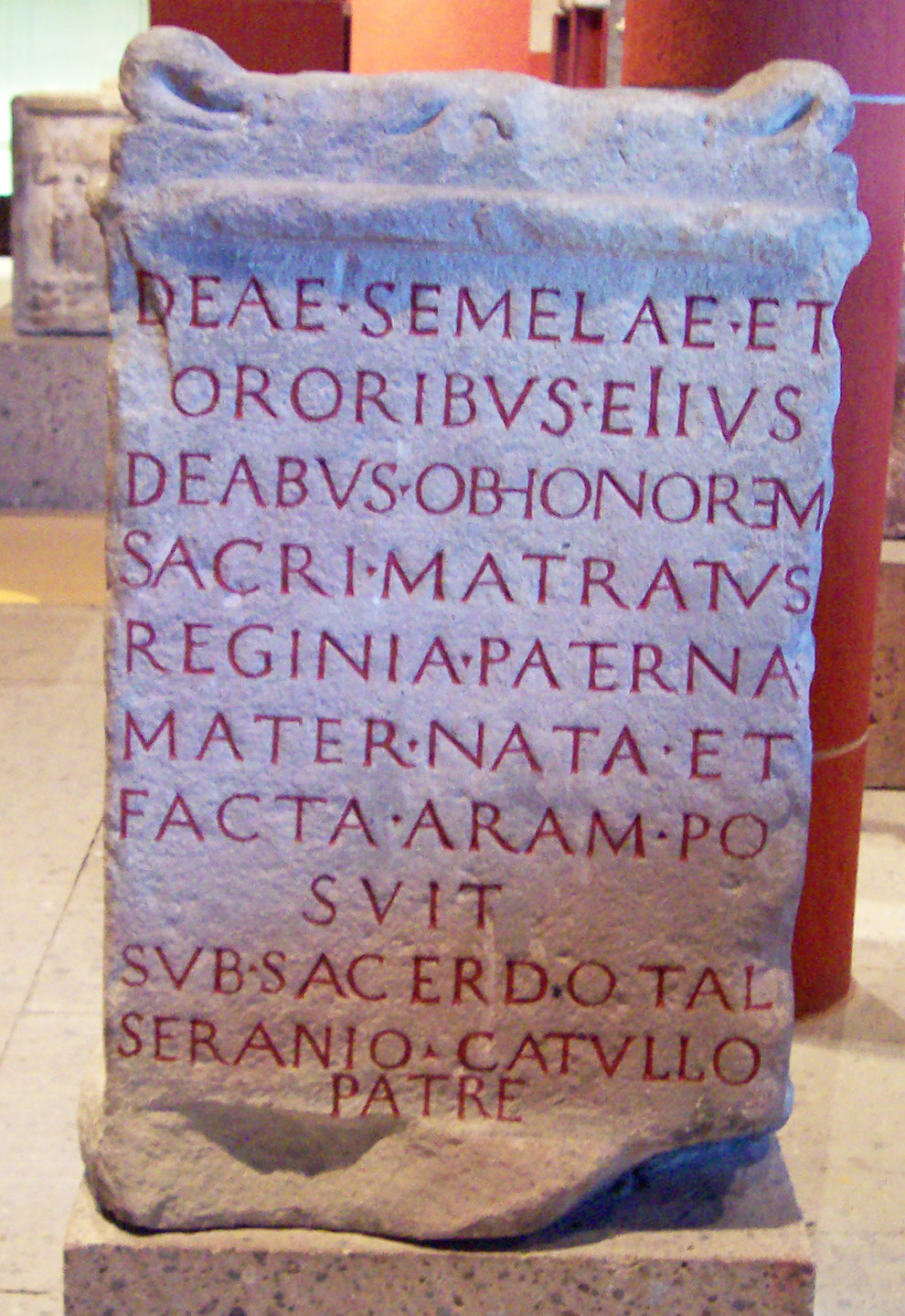
This sandstone altar found in Cologne bears an inscription to the goddess Semele and her sisters.
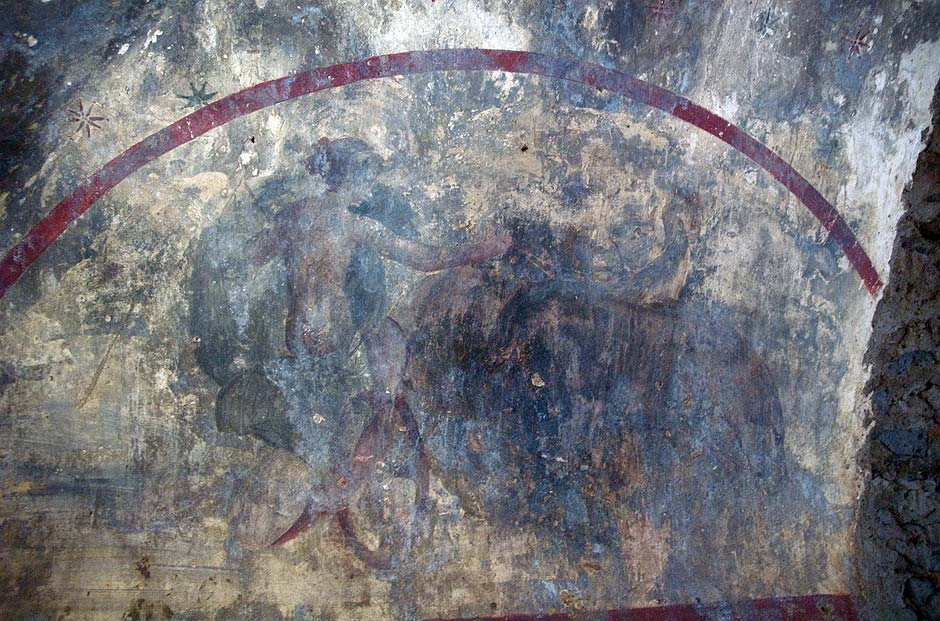
Luna riding a biga in the Mithraeum of Santa Capua Vetere.
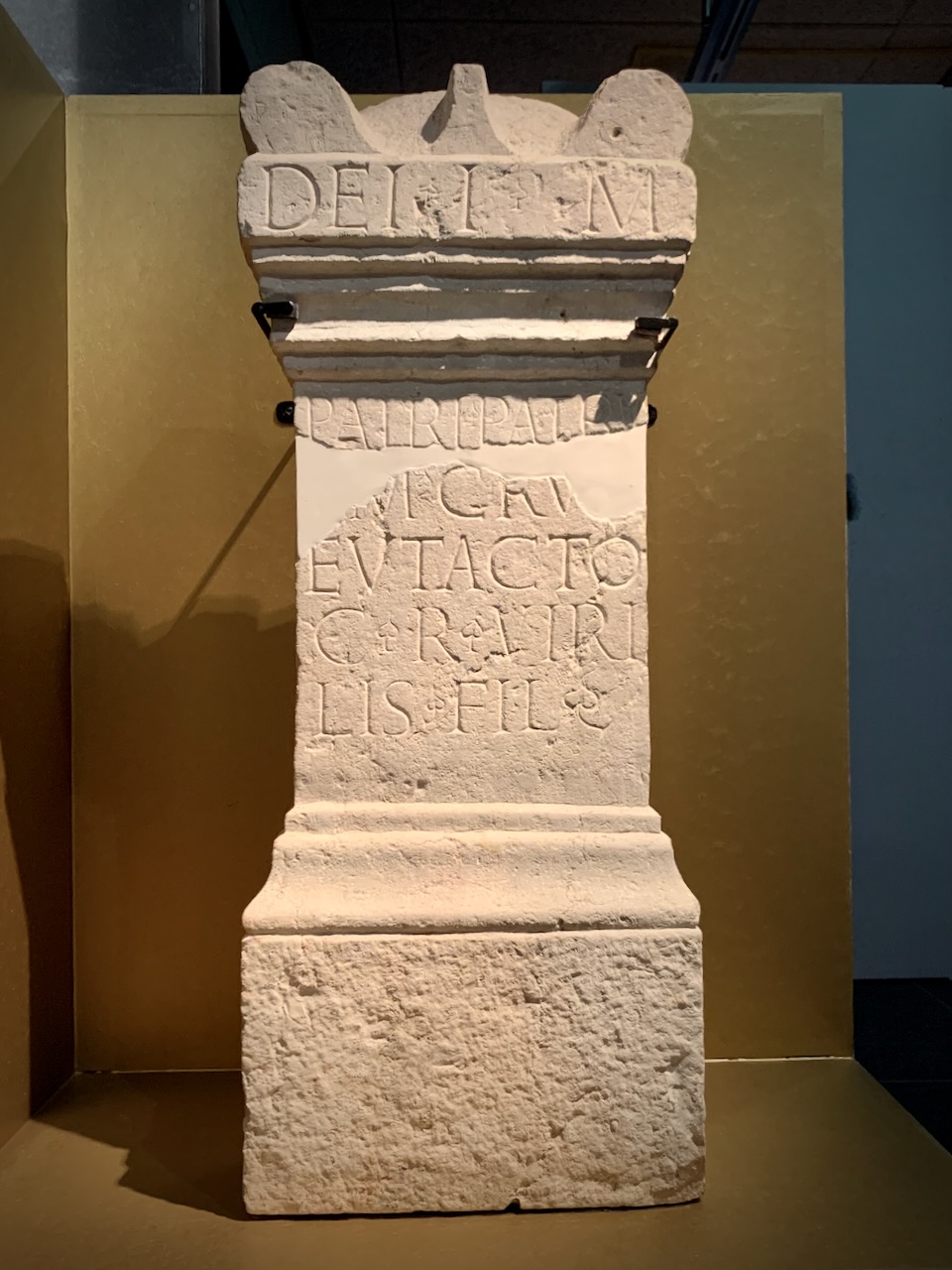
This altar was dedicated by a son to his father, one of the few Patres Patrum recorded in the western provinces.
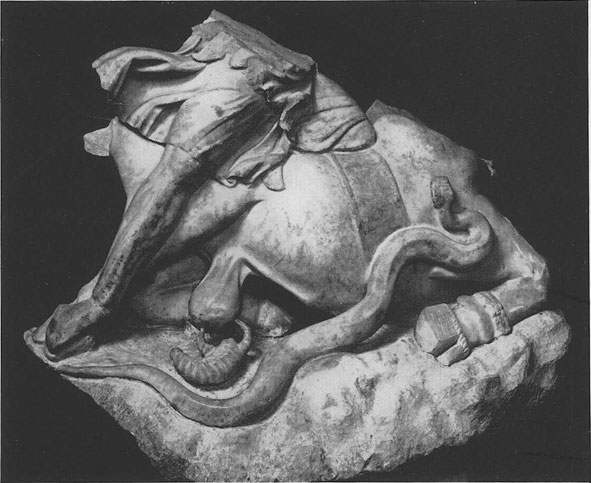
Partial marble statue of Mithras as a bullkiller found near Viale Latino, about 200 meters from Porta San Giovanni.

Small altar found in 1843 at Sankt Johann in the Saan valley, Noricum, dedicated to Deo invicto Mithrae by Sextus Masclinus.
Altar from Vidy near Lausanne, ancient Leusonna, dedicated to Soli Genio Lunae sacrum by Publius Clodius Primus, curator of the vici Lousonnenses, sevir Augustalis, and curator of the Roman citizens of the Helvetian conventus; not earlier than AD 161–169…
Two lost Mithraic monuments from Rome: one documented in a 1738 catalogue of the Palazzo Barberini as a tauroctony group with scorpion, snake and dog, and another mentioned by Pirro Ligorio as a Mithras panel in the Palazzo del Duca di Sanseverino.
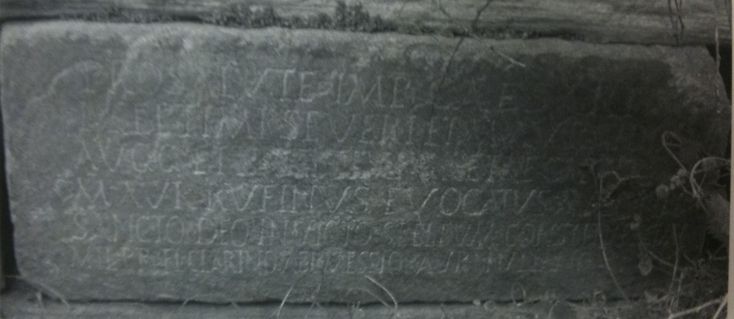
This inscription reveals the existence of a Mithraeum on the island of Andros, Greece, which has not yet been found.

This marble altar was found ’in the street called di Branco’, behind the palace of the Cardinal of Bologna, in Rome.

Tercera entrega de la trilogía de Jaime Alvar dedicada al estudio de los cultos a dioses procedentes de Oriente en la Península Ibérica.

In their groundbreaking new book, Mushrooms, Myths & Mithras, classics scholar Carl Ruck and friends reveal compelling evidence suggesting that psychedelic mushroom use was equally influential in early Europe, where it was central to initiation cerem
This cylindrical marble altar was dedicated by the same Pater Proficentius as the slab, both monuments found in the Mithraeum beneath the Basilica of San Lorenzo.
