Your search San Giovanni al Timavo gave 3646 results.
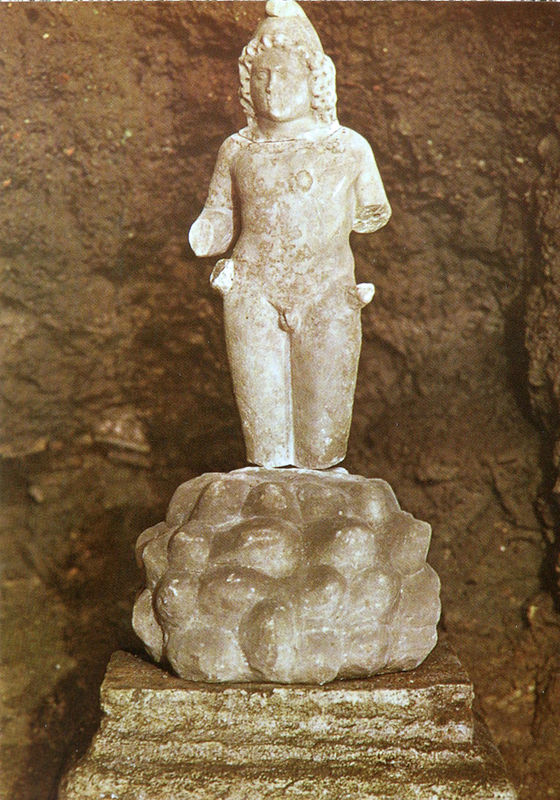
Mithras birth from the knees upwards emerging from a rock and wearing as usual a Phrygian cap.
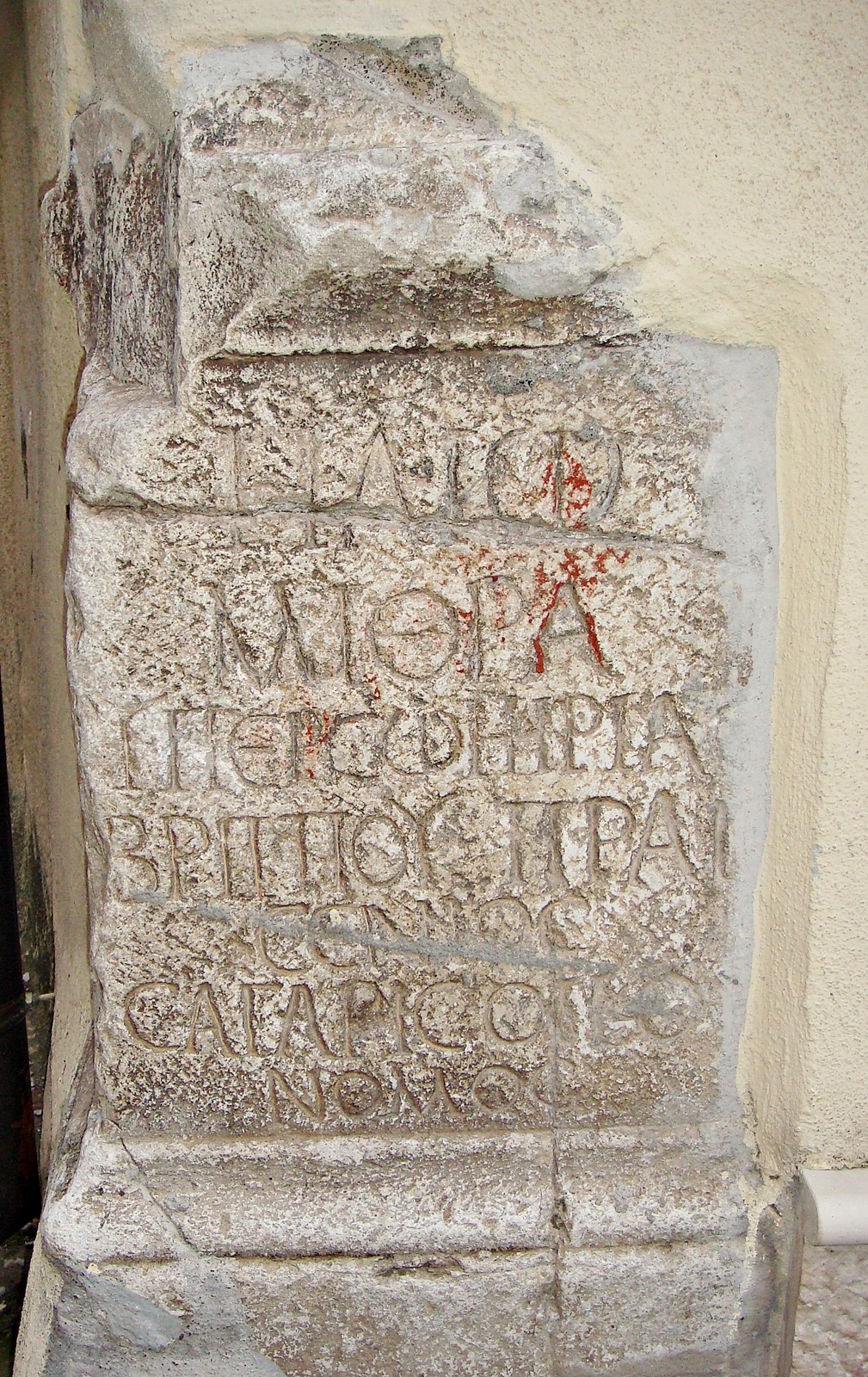
This altar dedicated to Helios Mithras by a certain Sagaris was repurposed in the masonry of Palazzo Bagnoli, Venosa, Italy.
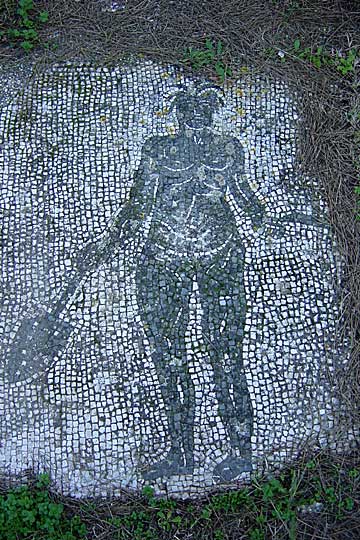
Several figures related to the Mysteries of Mithras are depicted on the mosaics of the Mithraeum of the Animals.
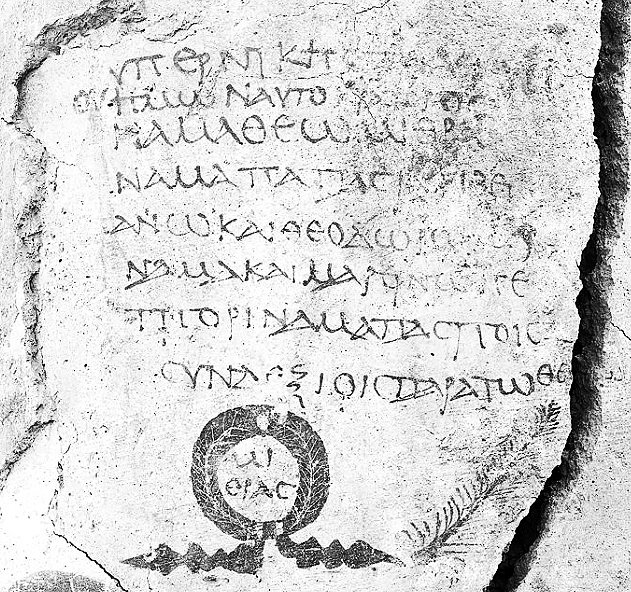
The inscription pays homage to the emperor, probably Caracalla, to Mithras, the fathers, the petitor and the syndexioi.

Partial relief of a Giant with snake-feet found in the Mithraeum of Santa Prisca.
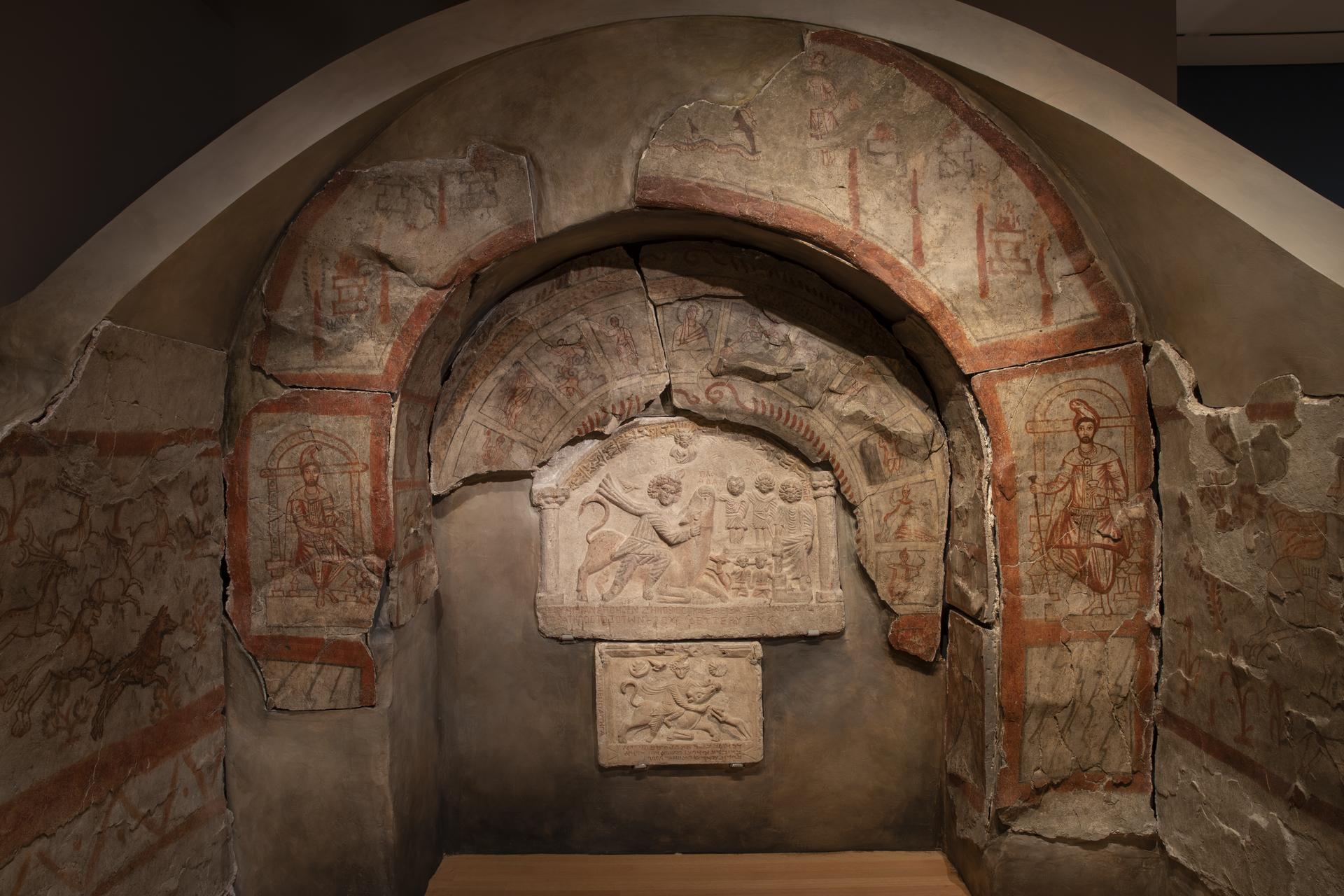
This enigmatic fresco on top of the main tauroctony shows Mithras killing the bull, accompanied by Cautes and Cautopates, surrounded by burning altars and cypress trees.
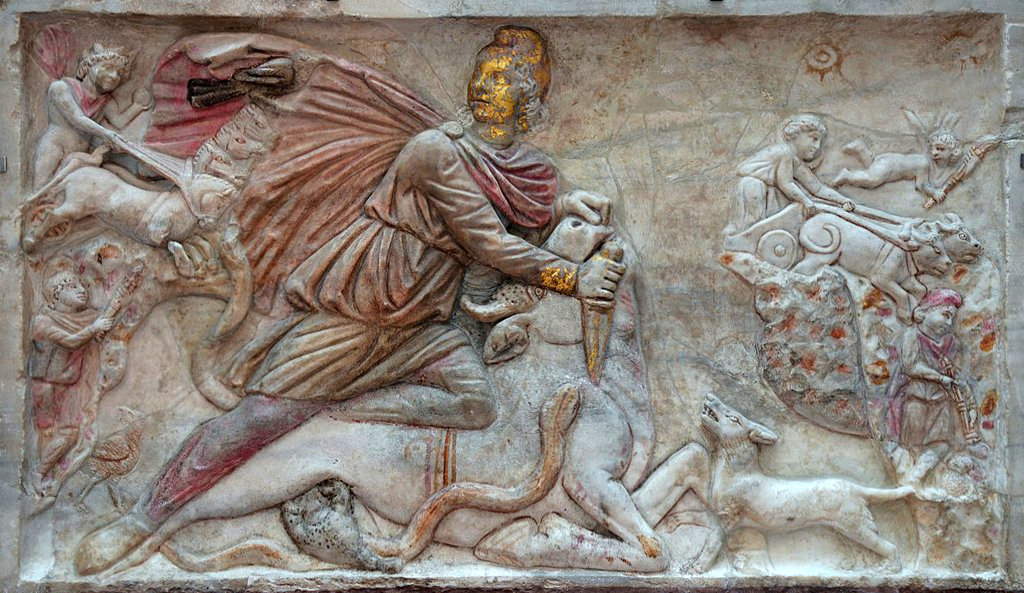
The relief of Mithras killing the bull of Stefano Rotodon preserves part of his polycromy and depicts two unusual figures: Hesperus and an owl.
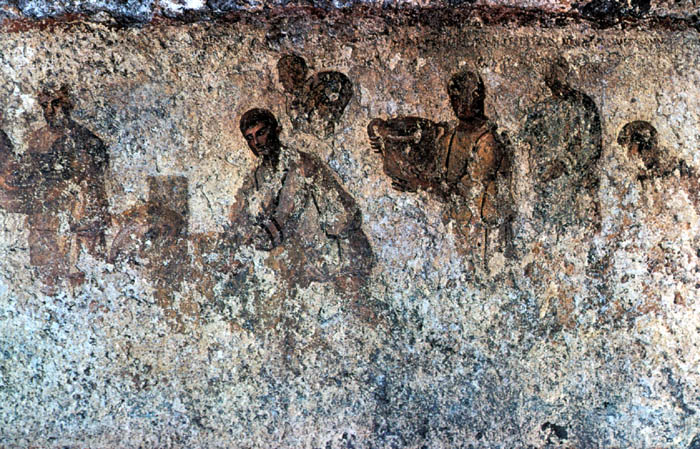
Procession of Leones carrying animals, bread, a krater, and other objects in preparation for a feast.
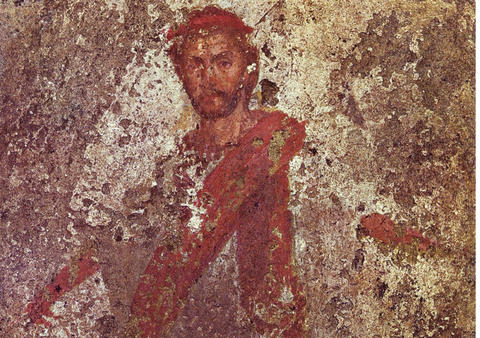
Figures in procession, each representing a different grade of Mithraic initiation, labeled with their respective titles.

Soy Dra. en Filosofía y Letras por la Universidad de Alicante.He escrito un libro sobre Mitra denominado
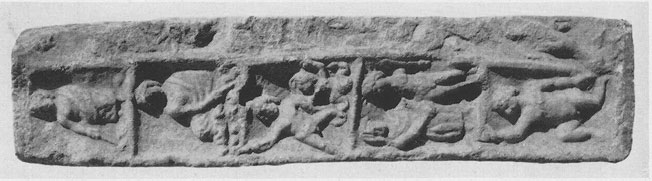
Fragment of a double-sided white marble Mithraic relief from San Zeno, found near the Castello di Tuenno, depicting elements of the tauroctony cycle and bearing a dedication to Deo Invicto Mithrae.
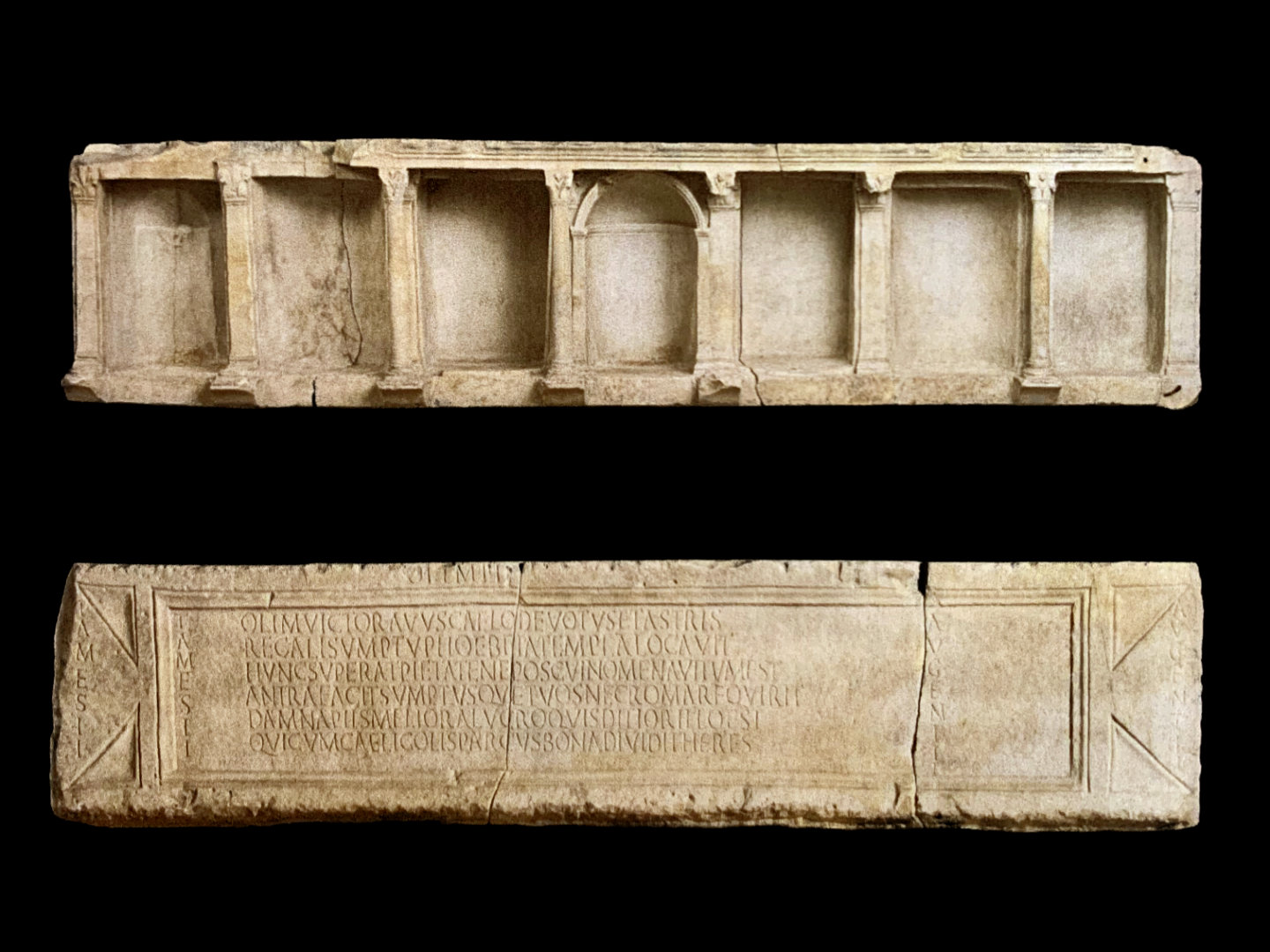
This monument is the only one still available from the disappeared Mithraeum in Piazza S. Silvestro in Capite.

White marble statue of Lion-head god of time, formerly in the Villa Albani, nowadays in the Musei Vaticani.

The remains of the Mithraeum of Aosta, also known as the Mitreo di Augusta Praetoria, were discovered in 1953 in insula 59, in a commercial district of the ancient city.
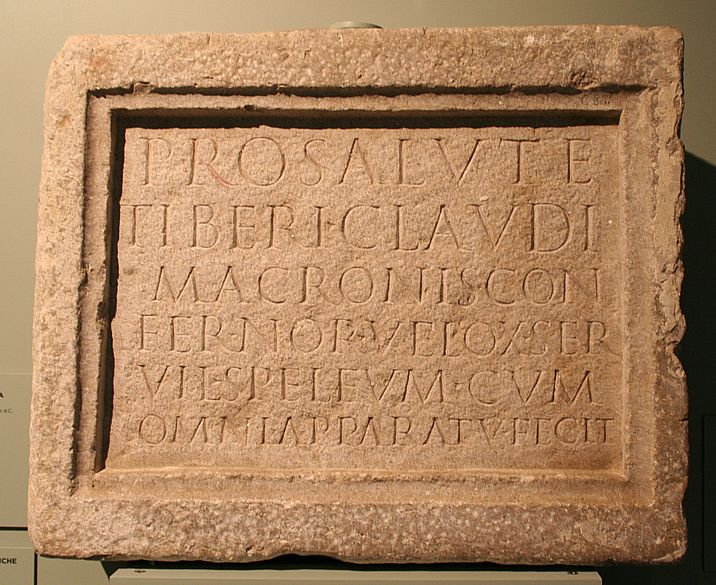
Marble slab with inscription by Velox for the salvation of the chief of the iron mines of Noricum.
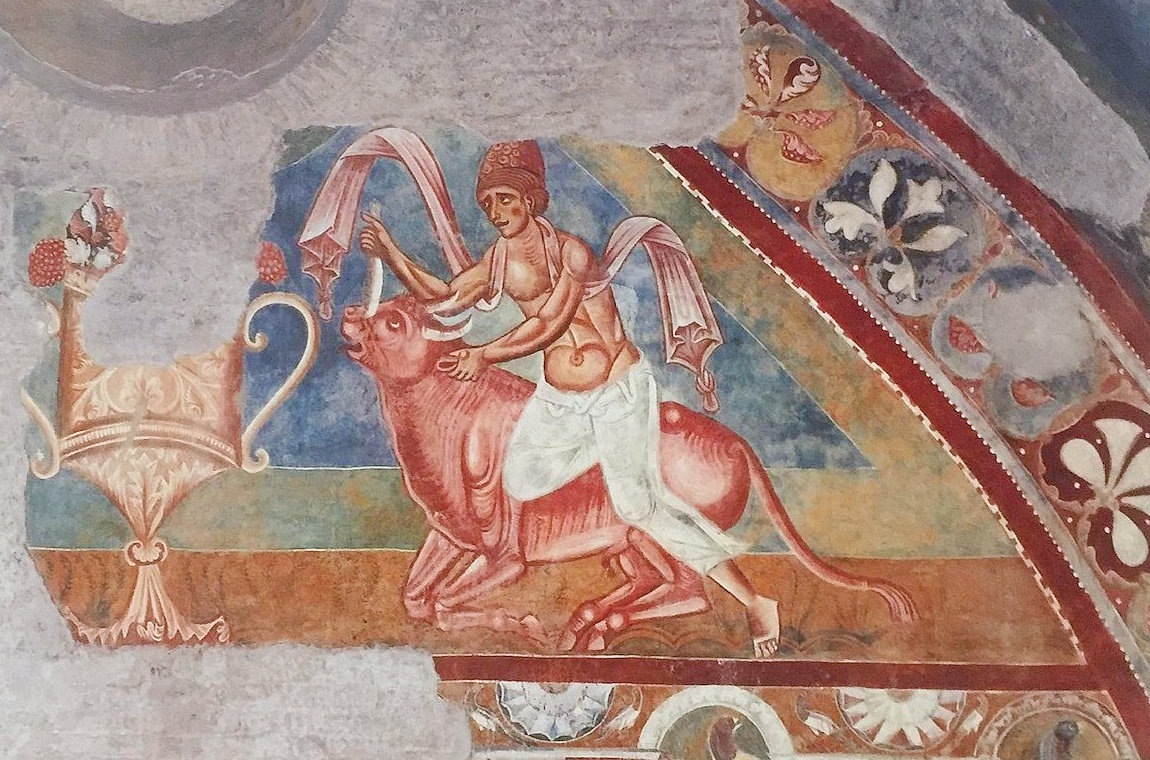
What appears to be a representation of Mithras killing the bull appears in the 12th century frescoes of the Basilica dei Santi Quattro Coronati in Rome.

Minto has claimed that the time god Aion was painted on the corner of the north wall of the Mitreo de Santa Capua Vetere.
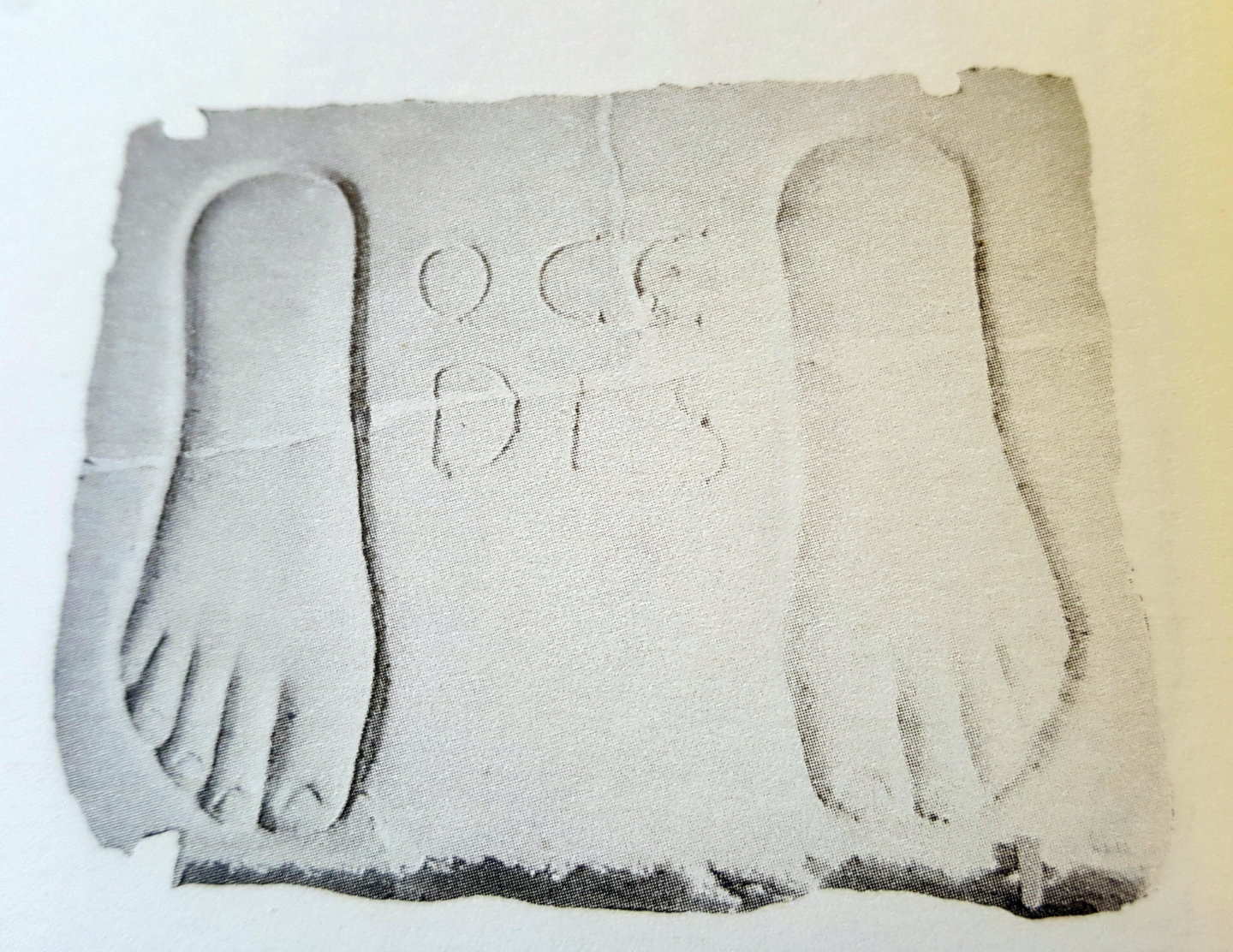
Recent interpretations link this marble inscription to the cult of the goddess Nemesis.
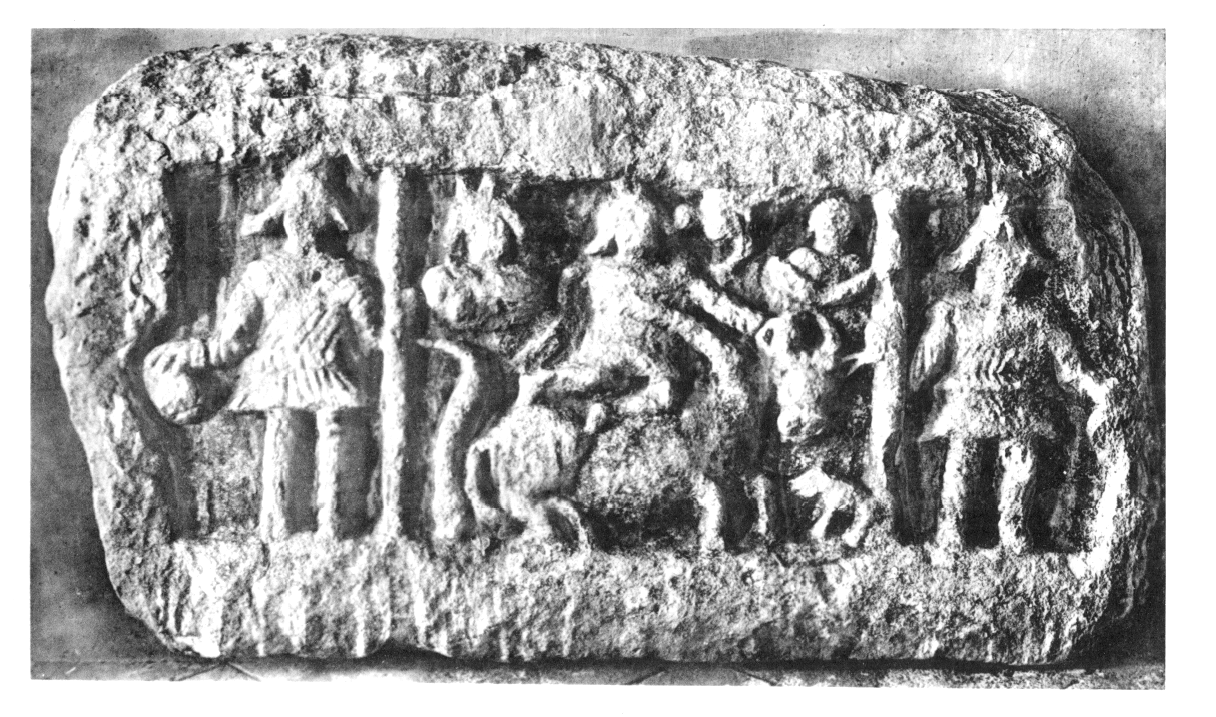
This relief of Mithras as bull slayer is surrounded by Cautes and Cautopates with their usual torch plus an oval object.
Three small limestone altars were found in the Jajce Mithraeum, one of which bears the inscription ’Invicto’.
