Your search San Valentino in Abruzzo Citeriore gave 587 results.
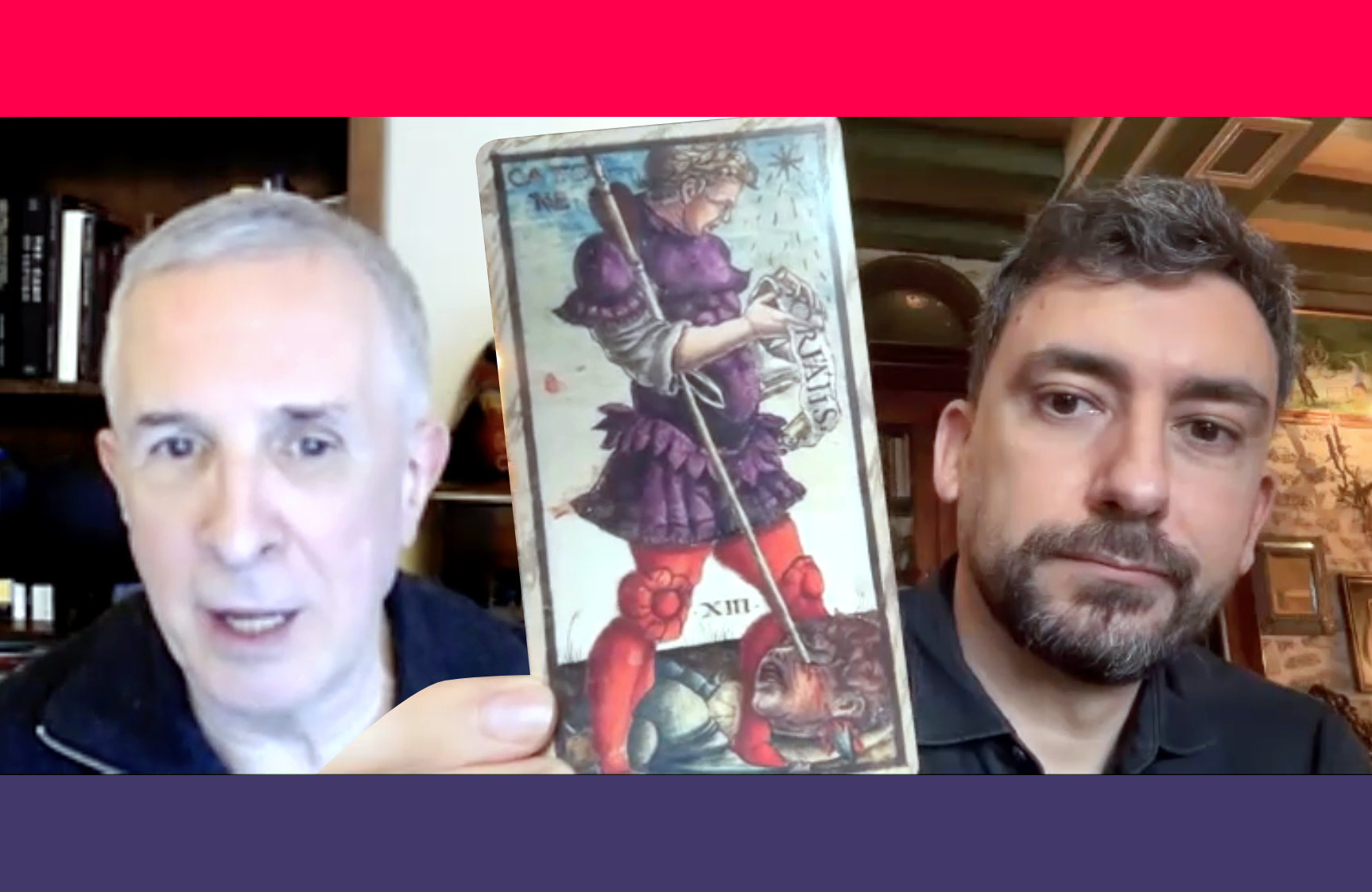
For the launch of our YouTube channel, we chat with the author, poet, essayist and friend Peter Mark Adams about the Sola-Busca Tarot, a Renaissance masterpiece, uncovering ties to the Mithras cult.

This marble slab, found in the Mithraeum of San Clemente, bears an inscription by a certain Aelius Sabinus for the health of the Emperor Antoninus Pius and his sons.
This marble bust of Sol, found in the Mitreo di San Clemente, had five holes in the head where rays had been fixed.
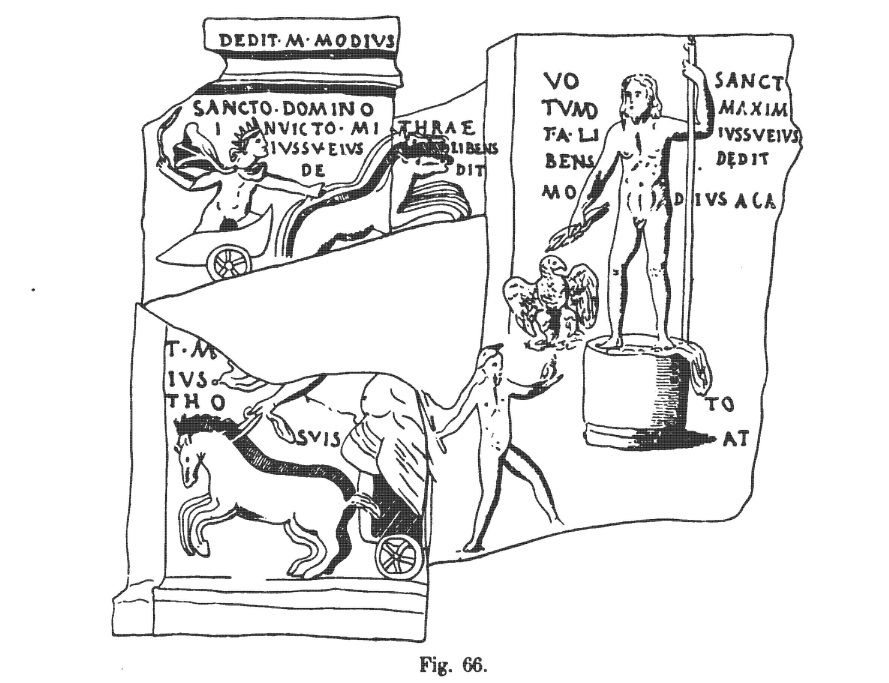
These three fragments of carved marble depict Jupiter, Sol, Luna and a naked man wearing a Phrygian cap, with inscriptions calling Mithras Sanctus Dominum.
The Digital Atlas of Roman Sanctuaries in the Danubian Provinces (DAS) is the first comprehensive and open access representation of sacralised spaces in the area.
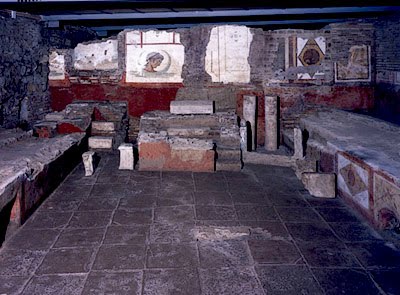
The Mitreo dei Castra Peregrinorum was discovered under the church of Santo Stefano Rotondo in Rome.
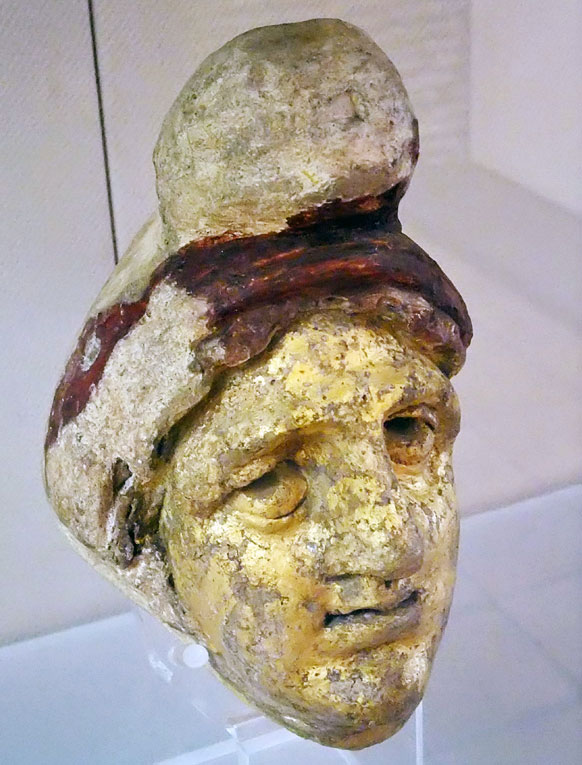
The head was part of a stucco relief of the Tauroctony found under the church of Santo Stefano Rotondo in Rome
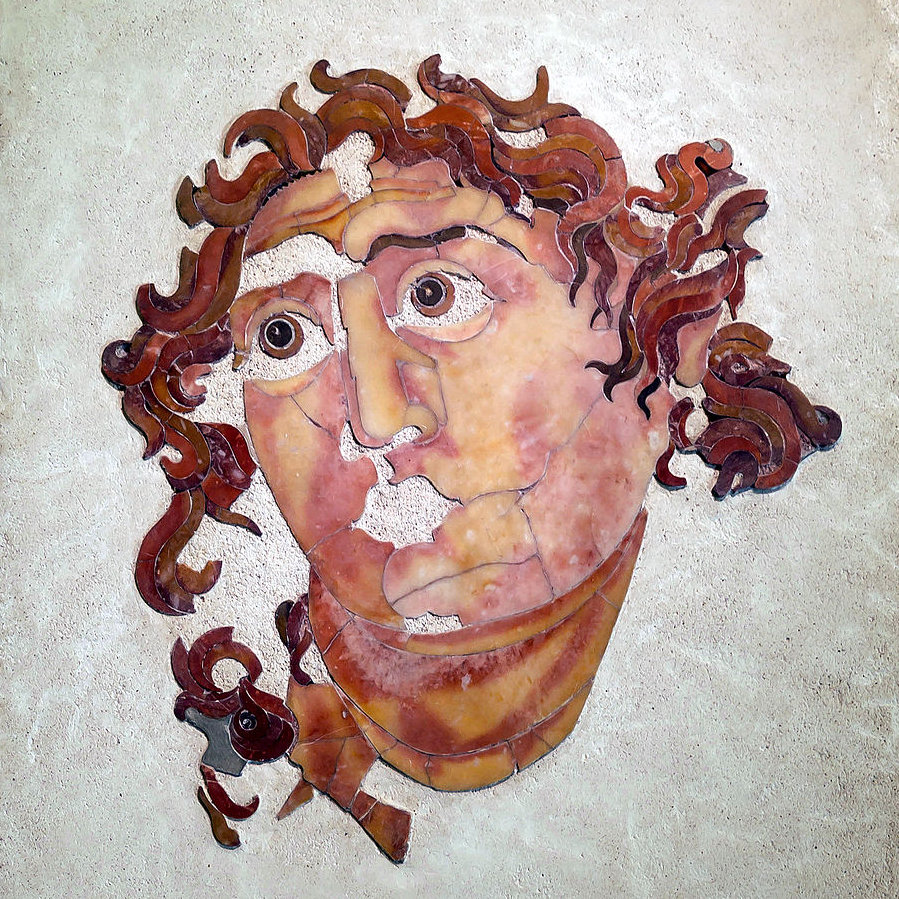
The intarsium of Sol found in the Mithraeum of Santa Prisca is composed of several varieties of marble.
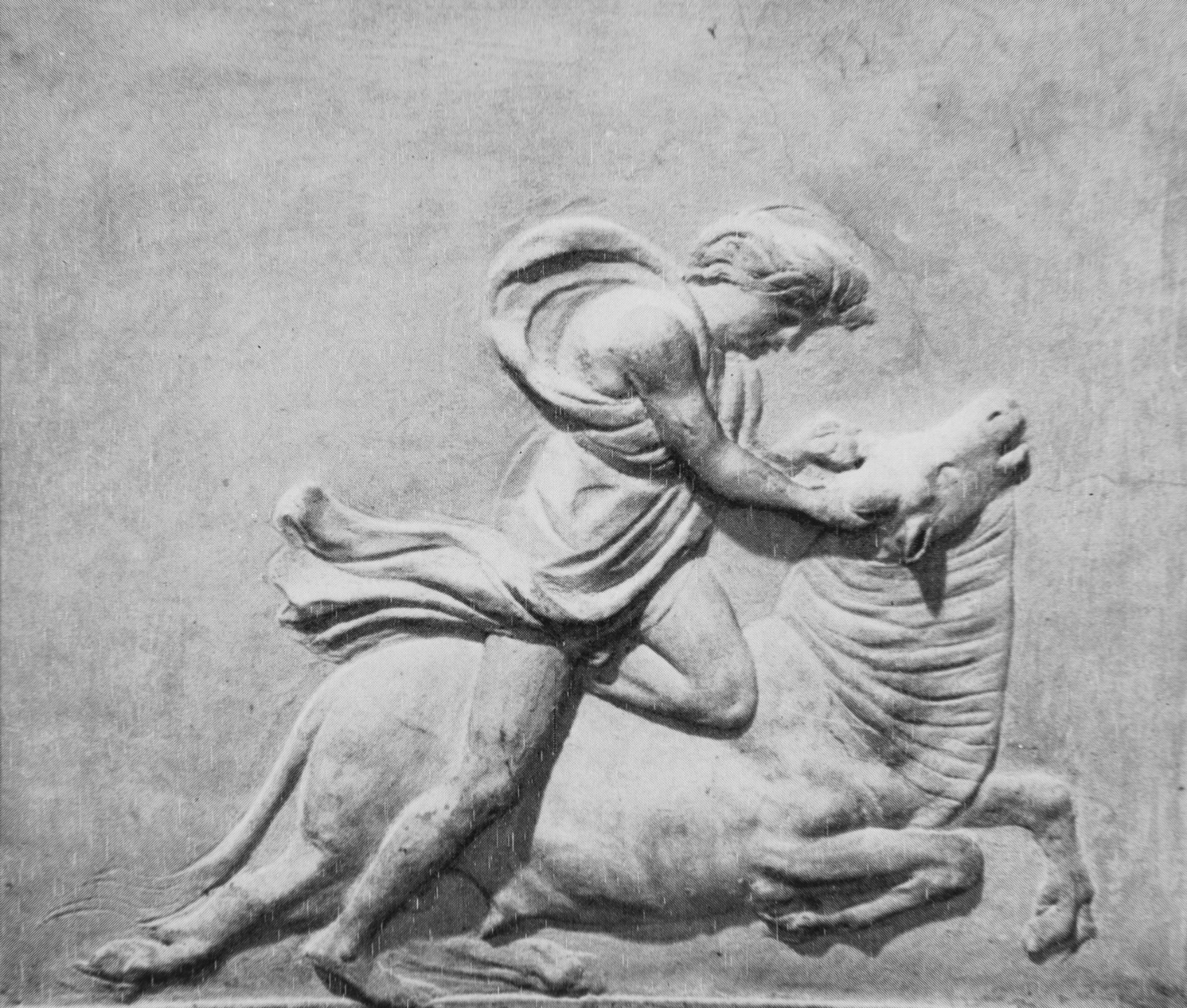

Leusonna developed on the shores of Lake Geneva and formed part of the regional communications network of western Helvetia.
St. Wendel is associated with archaeological material from the Roman-period Moselle-Saar region.
A funerary inscription from Besançon (ancient Vesontio) in Belgica, bearing the title mater sacrorum, but correctly excluded from the Mithraic corpus, as women were barred from Mithras sanctuaries.
A small four-sided white marble relief of uncertain Mithraic attribution, found at Italica (modern Santiponce, near Seville), depicting a bull walking to the right on the front, a fig-tree on the back, five ears of wheat on the right side, and damaged vine tendrils with grapes on the left…
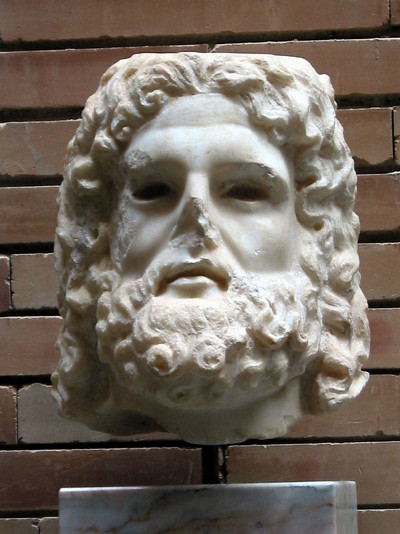
This head of Serapis from Cerro de San Albín may be unrelated to Mithras worship.
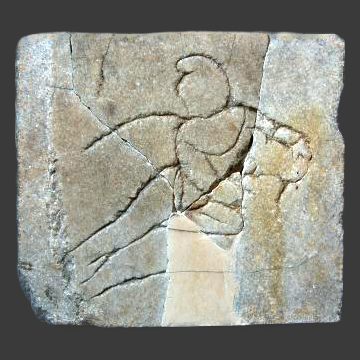
This unfinished Mithras tauroctonos without the usual surrounding animals was found in 1923 in Italica, near Seville, Spain.
Natural grotto called the Bichl on the south slope above the Glanegg lake near St. Urban, Noricum, adapted as a Mithraic sanctuary; part of the grotto floor was paved and remnants of water installations survive.
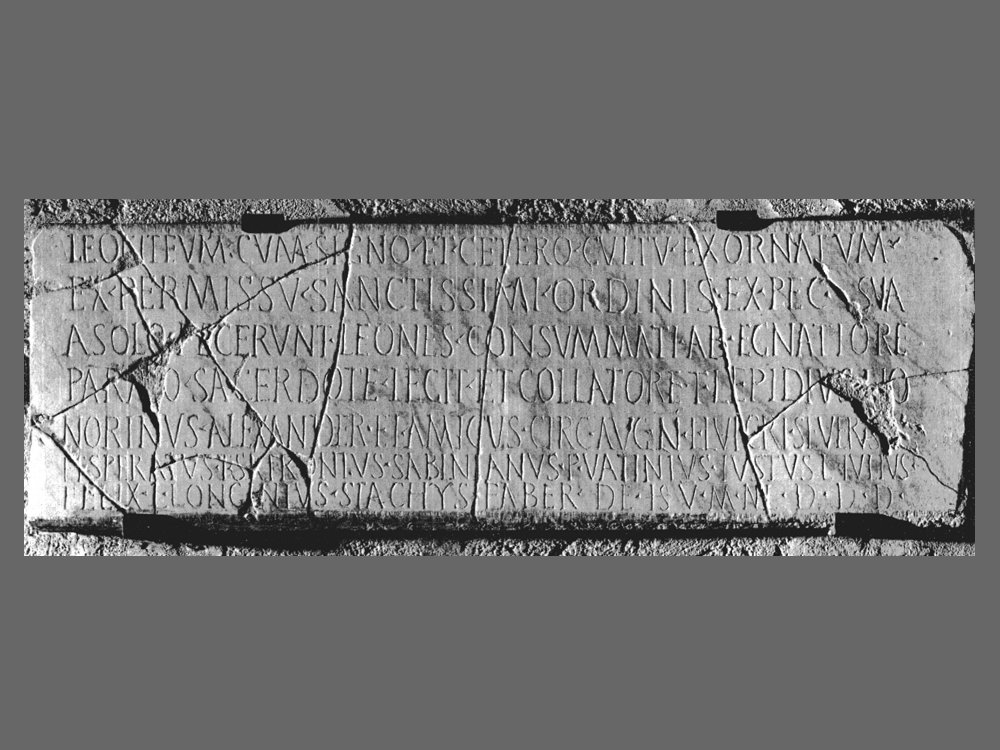
This plaque from Carsulae, in Umbria, refers to the creation of a leonteum erected by the lions at their own expense.

These fragments of a monumental tauroctony found in the Cerro de San Albín must have decorated the Gran Mitreo de Mérida, which has not yet been found.
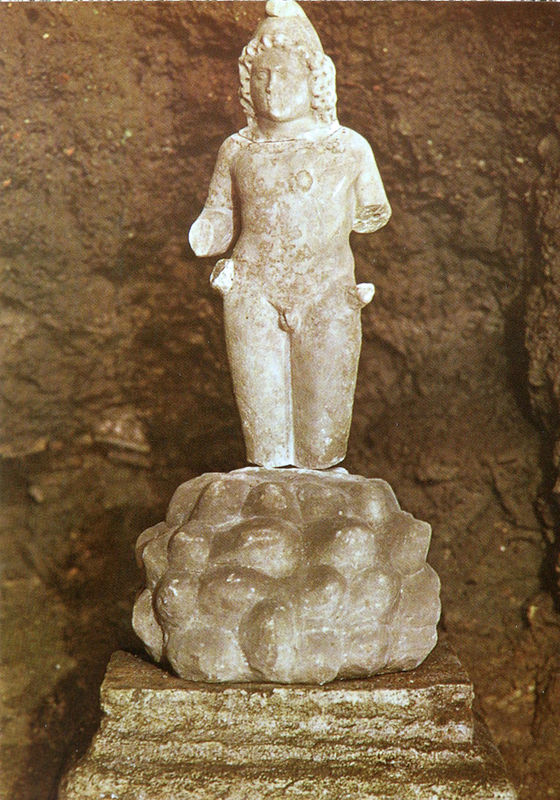
Mithras birth from the knees upwards emerging from a rock and wearing as usual a Phrygian cap.
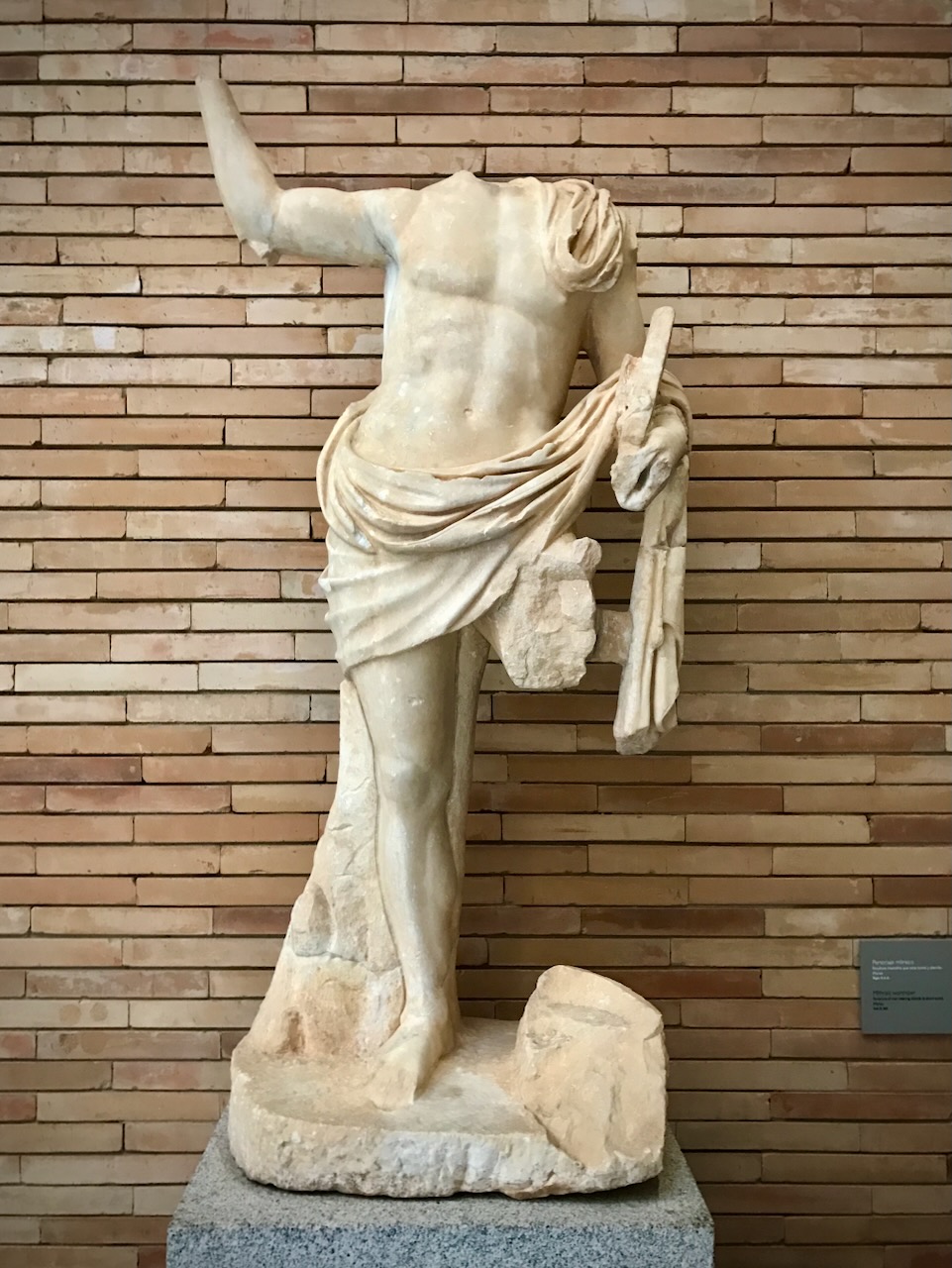
This nude male figure, found at Cerro de San Albín, Mérida, has been identified as Cautes.
