Your search Sankt Johann im Pongau gave 1046 results.
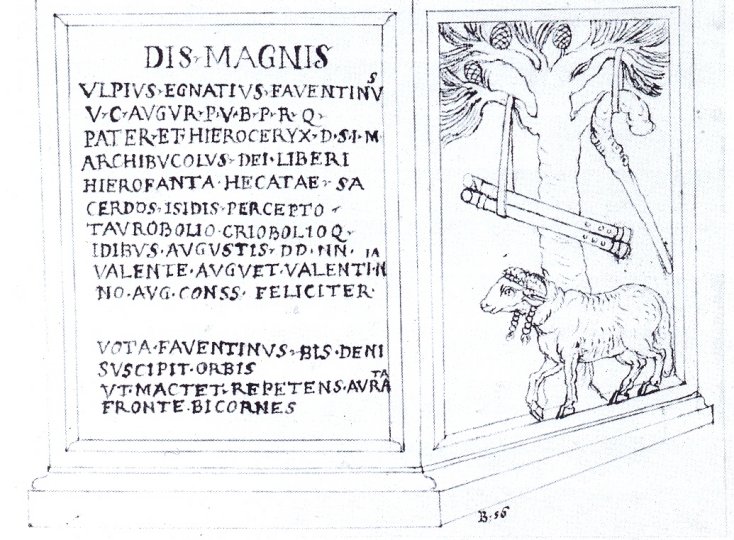
Both of them were discovered in 1609 in the foundations of the façade of the church of San Pietro, Rome.

Supervisor of the imperial couriers who offered an elaborate votive altar and ritual insignia to Mithras in Rome under Commodus.
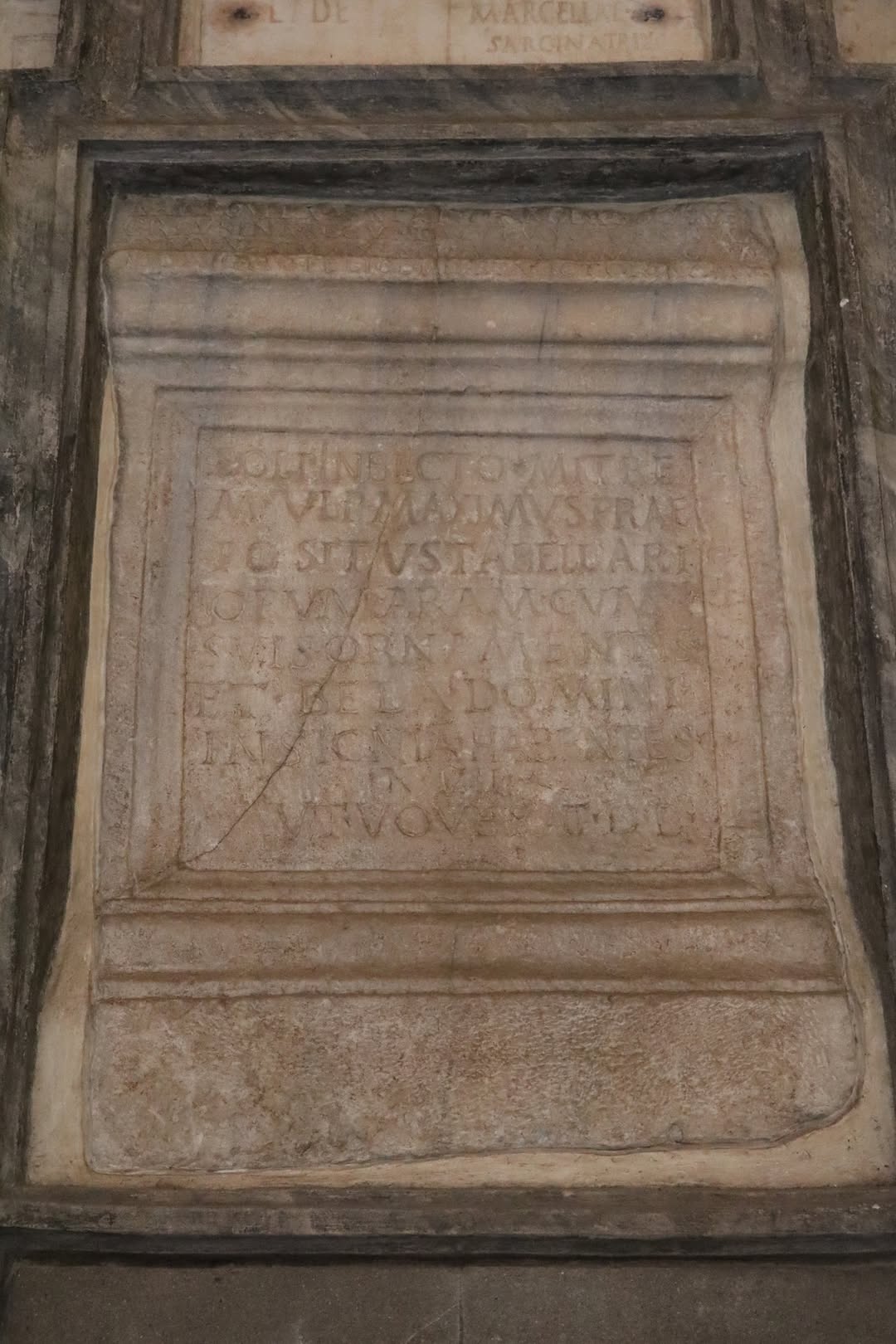
Marble altar dedicated to Sol Invictus Mithras, found in Rome (in aedibus Maffaeiorum), set up in 183 A.D. by M. Ulpius Maximus, praepositus tabellariorum, together with its ornaments and Mithraic insignia, in fulfilment of a vow.
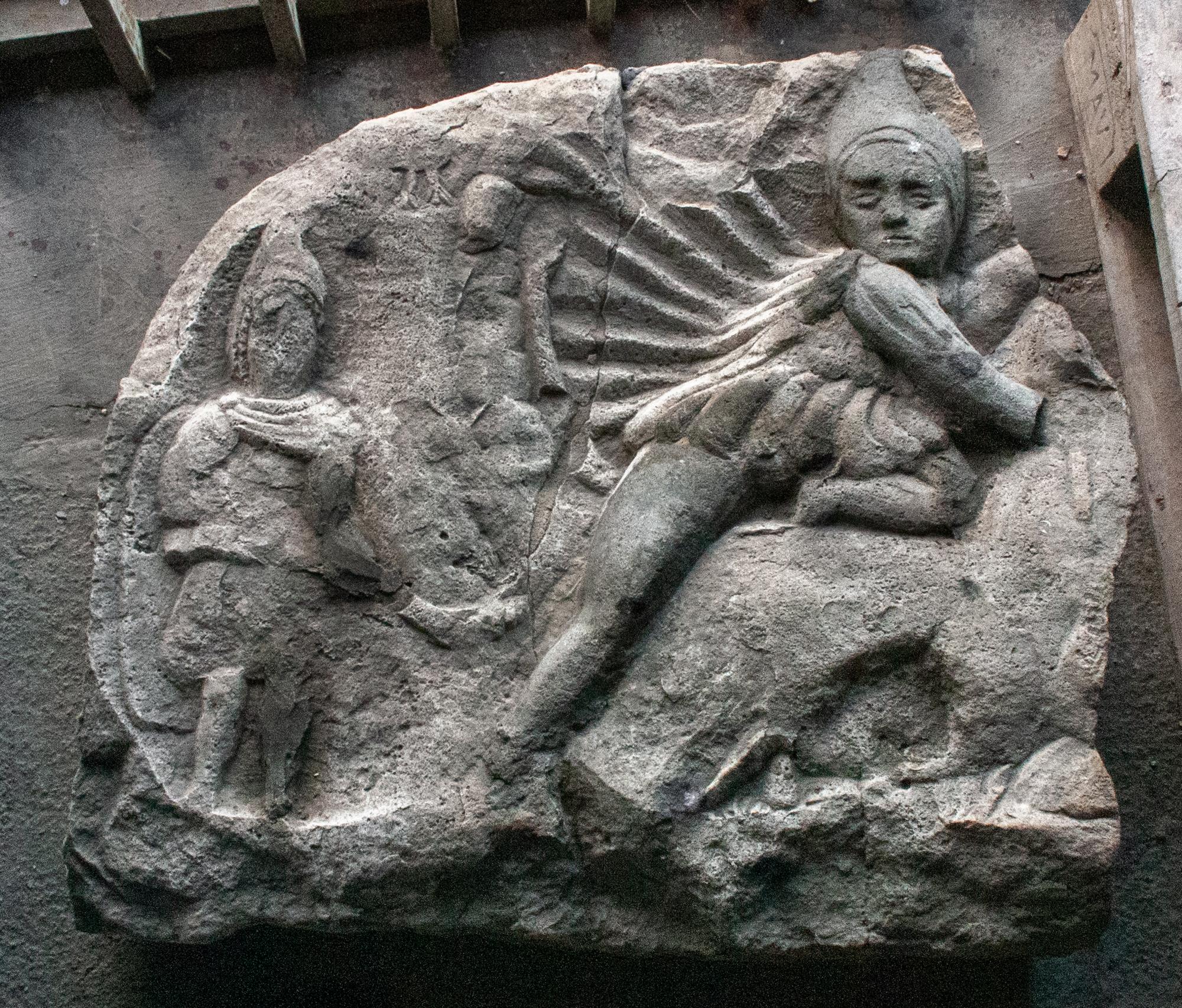
This limestone tauroctony from Aquincum preserves Mithras slaying the bull together with Cautopates, the serpent, the scorpion, and the legs of the raven.
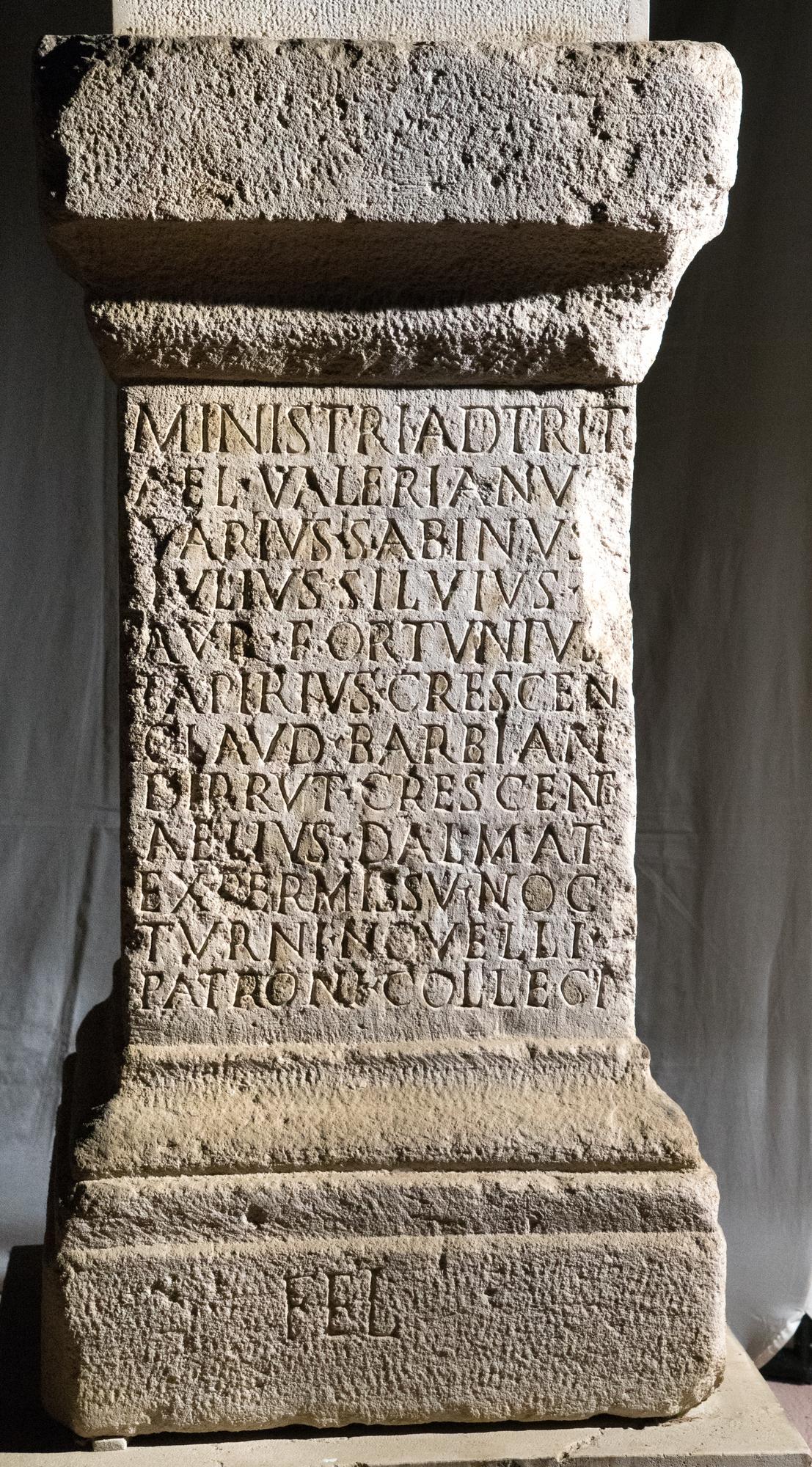
This inscribed limestone altar from Roman Salona preserves several lists of ministers associated with the Tritones collegium during the Tetrarchic period.
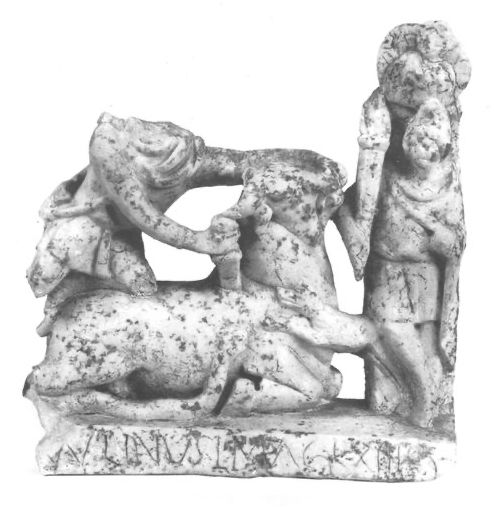
This relief of Mithras killing the bull was dedicated by the bearer of the imperial standard of Legio XIII Gemina, Marcus Ulpius Linus.
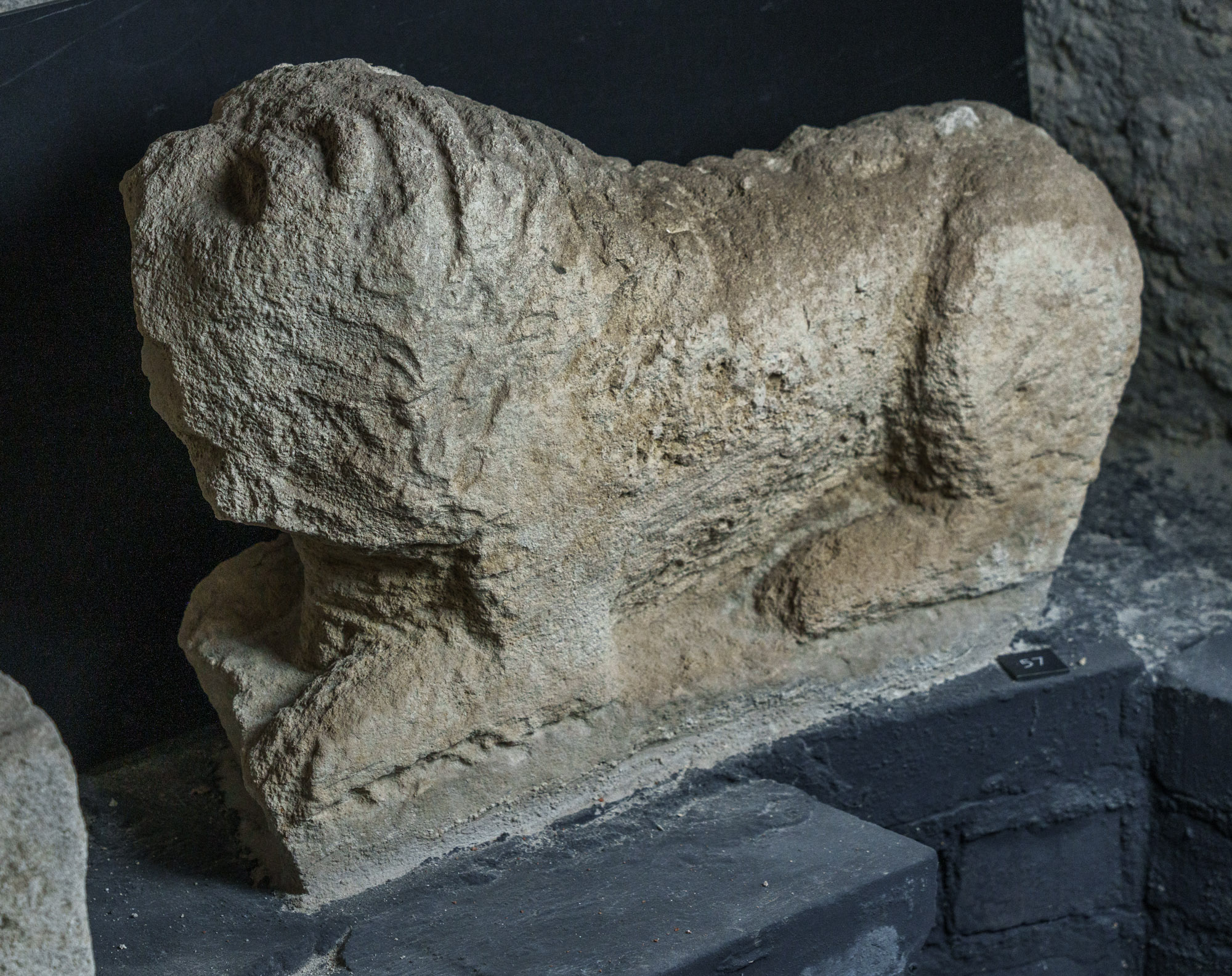
Two limestone sculptures depicting a recumbent lion and a lioness stood near the entrance of the Mithraeum of Fertőrákos, positioned at the threshold of the sanctuary.

This altar was dedicated by a certain Marcus Aurelius Decimus to Sol Mithras and other gods in Diana, Numibia, present Argelia.
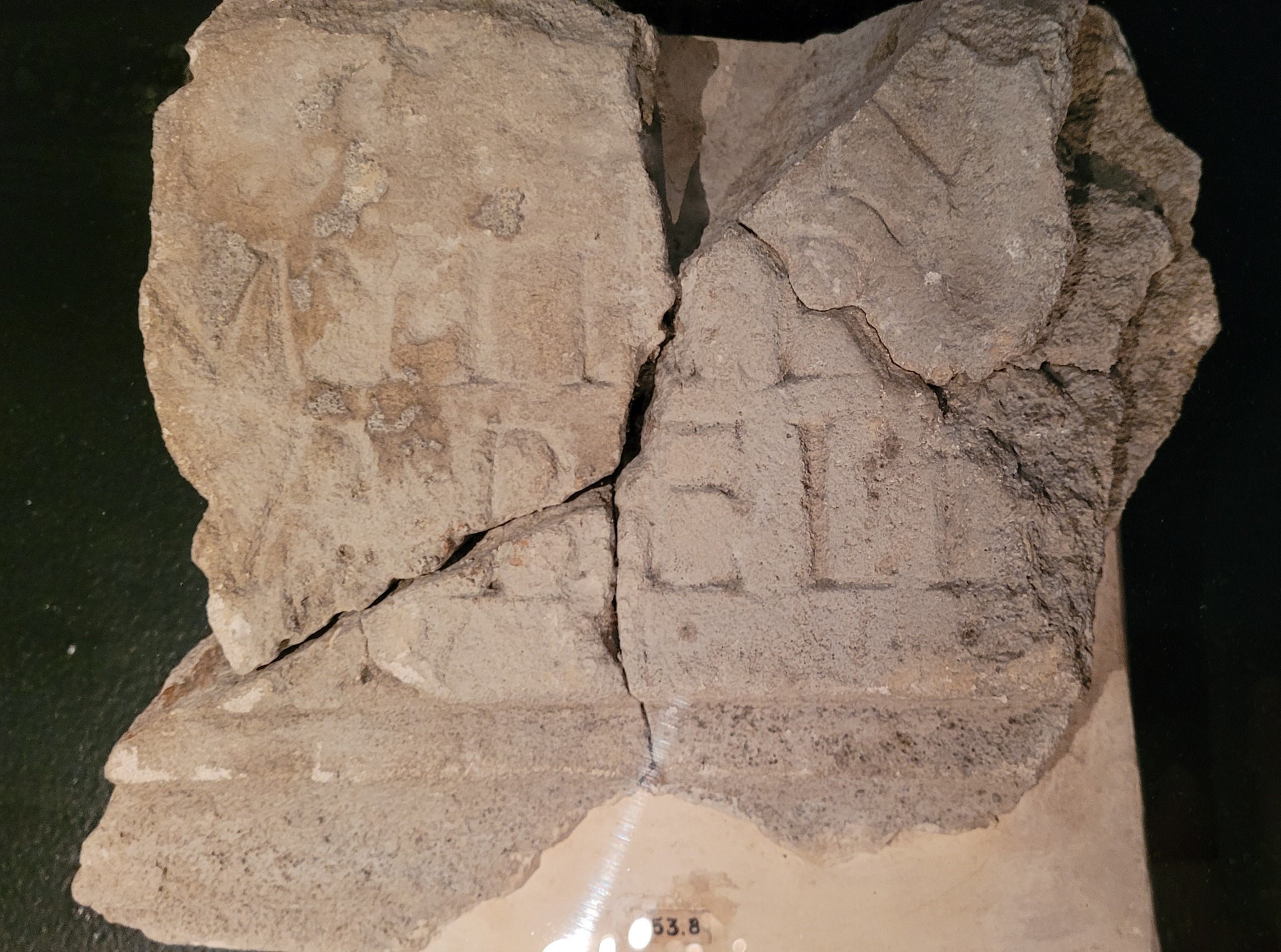
Fragment of limestone from Porêts, which was used in the 4th century.

Limestone altar from the Trier baths, carved on four sides with a lion and serpent, flanked by Sol and Luna, and likely linked to a Mithraic context involving Hekate.
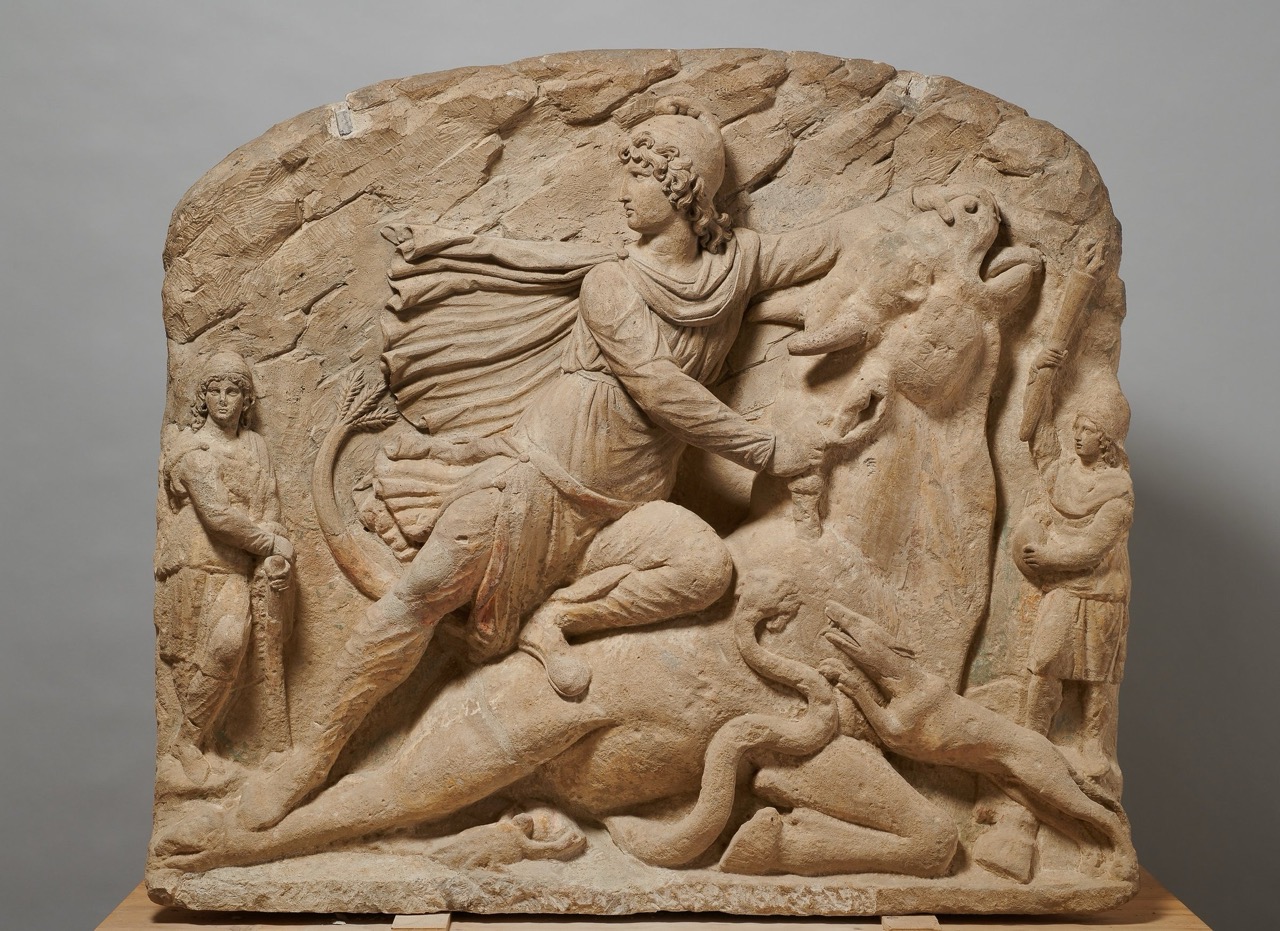
Limestone tauroctony relief from Carnuntum with traces of polychromy and a graffito on the bull’s neck. The inscribed base was carved separately.
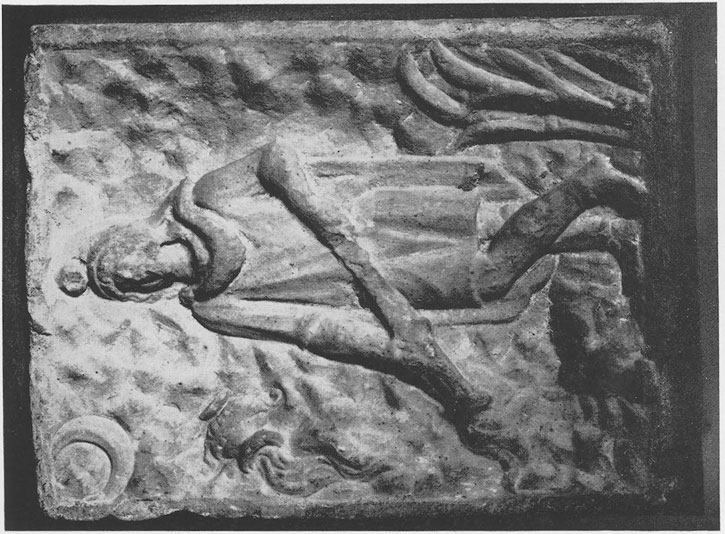
Limestone low-relief depicting Cautopates standing cross-legged in eastern dress, accompanied by a bull, flowing water from an overturned jar and a crescent from Bolognia.
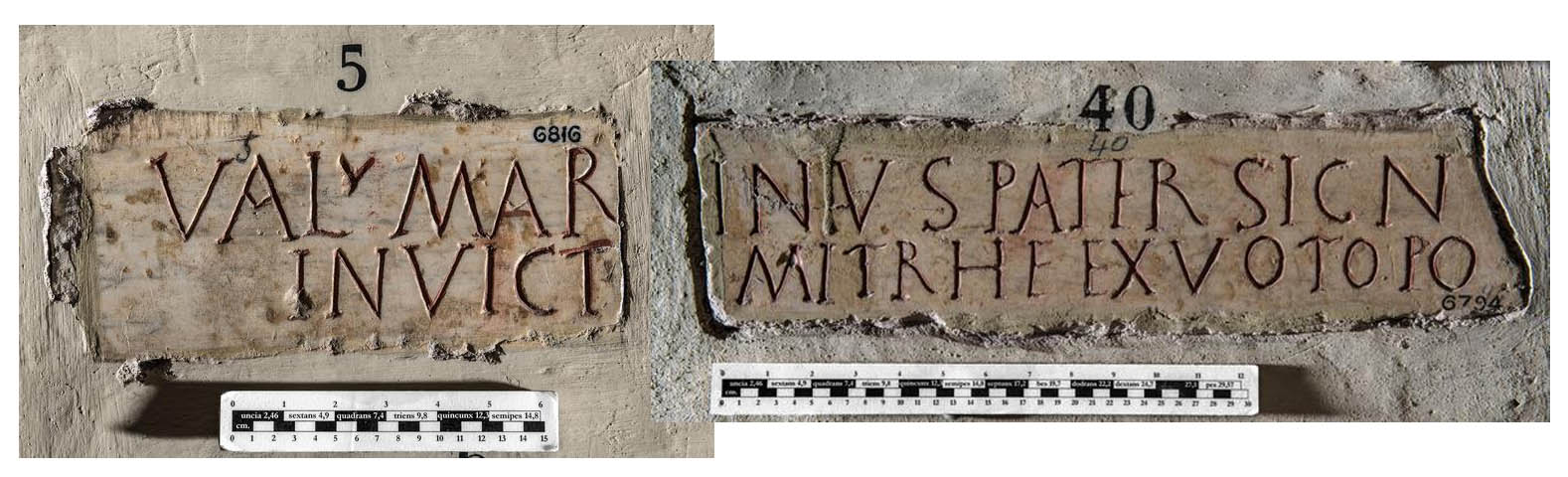
Marble inscription recording the dedication of a cult image to the unconquered Mithras by a certain pater Valerius Marinus from Rome.

Small limestone stele, discovered at Apt in 1903. It depicts a standing torchbearer in the conventional Mithraic posture and dress, accompanied by a cock placed at his feet.

Aelius Maximus identifies himself as a soldier of the Legio V Macedonica on a relief found in ancient Potaissa.

Callimorphus was a cashier (arkarius) of the estates of Chresimus, steward of emperors.

Vir perfectissimus and priest of Zeus Brontes and Hekate, he erected a mithraeum in Rome.

Imperial slave and an overseer of the Imperial estates who dedicated a Tauroctony to the Invincible god Sol.

A freedman of Septimius Severus, he was Pater and priest of the invincible Mithras, as mentioned in a marble inscription found in Rome.

