Your search Sidi Ali Belkacem (سيدي علي بلقاسم) gave 1194 results.

Freedman, he offered a relief of Mithras as a bull killer for the well-being of his two former masters in Apulum.
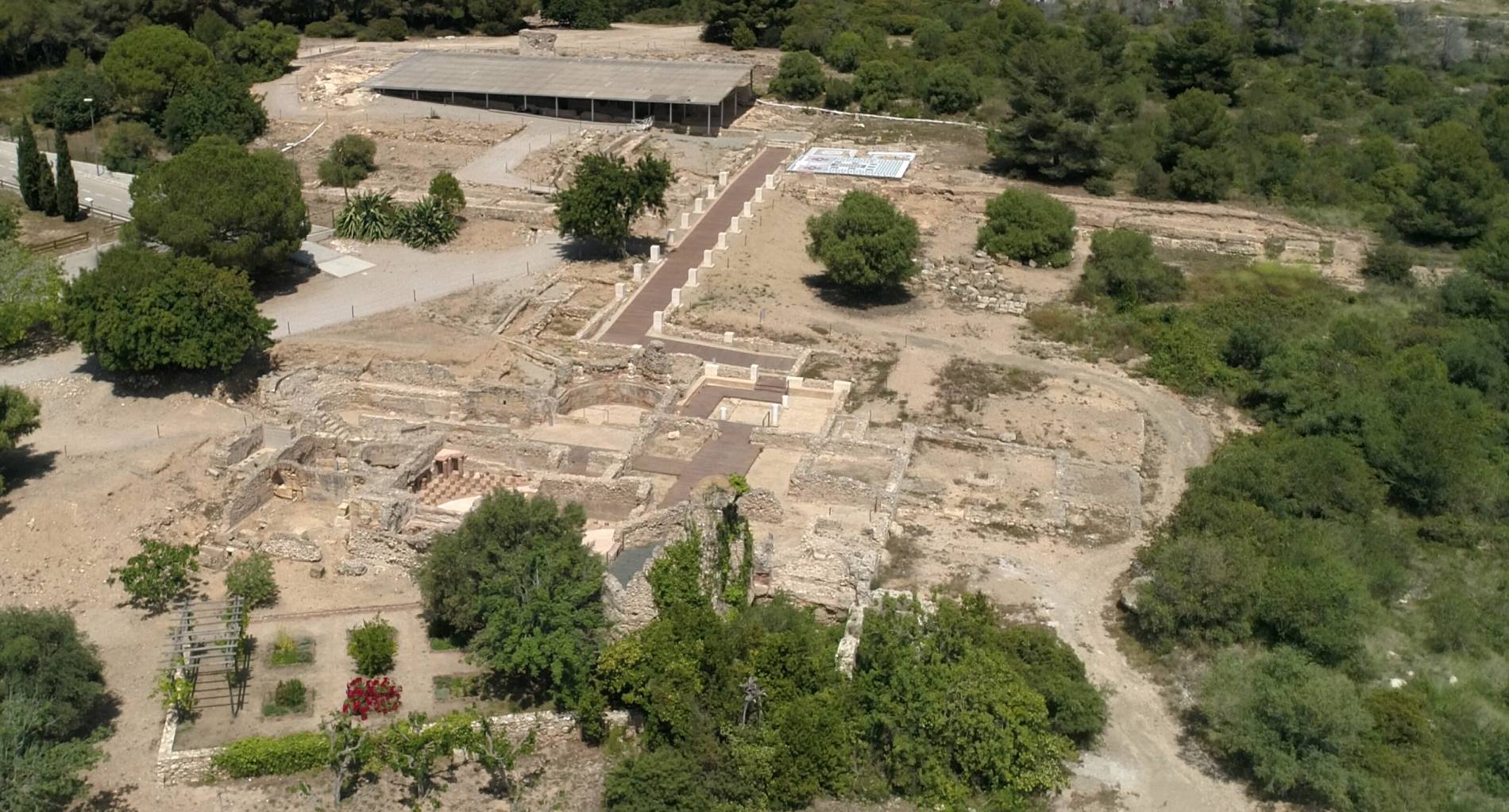
A possible Mithraic sanctuary attached to the luxurious Roman villa of Els Munts, near ancient Tarraco, whose interpretation remains disputed.

Senior Mithraic priest of Ostia whose inscriptions preserve rare and unique epithets of Mithras, including Incorruptus Juvenis and Indeprehensibilis.

Un recorrido por los orígenes, la expansión y el legado de Mitra desde Persia hasta el corazón de Roma.

Known from an altar dedicated to Mithras at Ostia during the tenure of the pater Marcus Aemilius Epaphroditus.
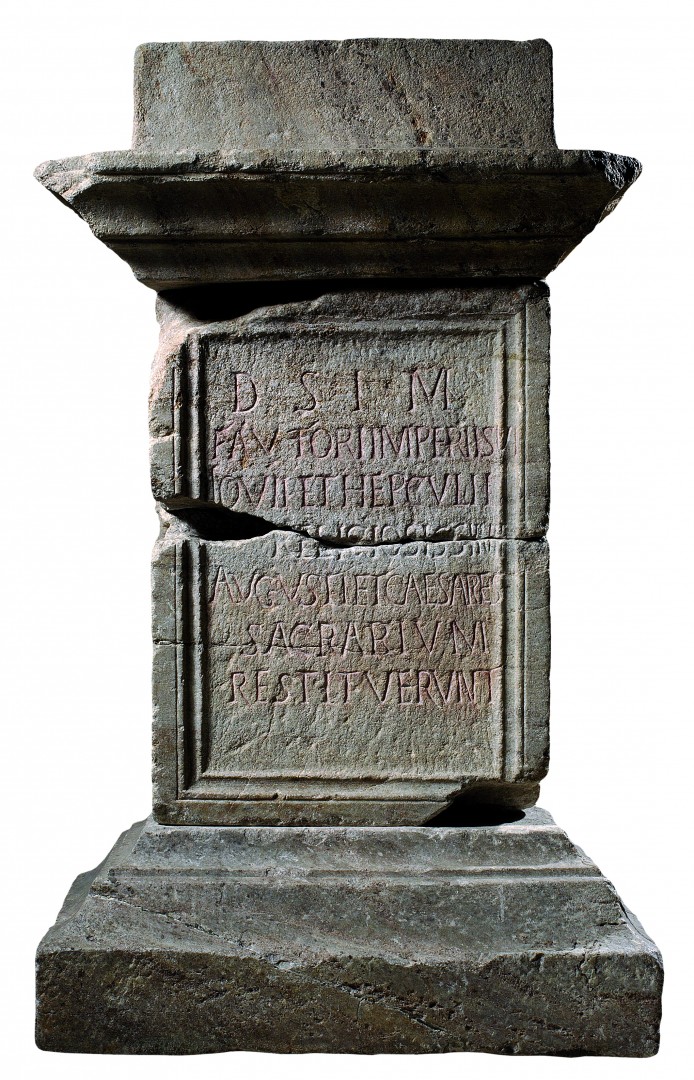
Altar with Cautes and Cautopates dedicated to Sol Invictus Mithras as protector of the Tetrarchy in 3rd-century Carnuntum.

A pater of the Ostian Mithraic community and member of the guild of carpenters.
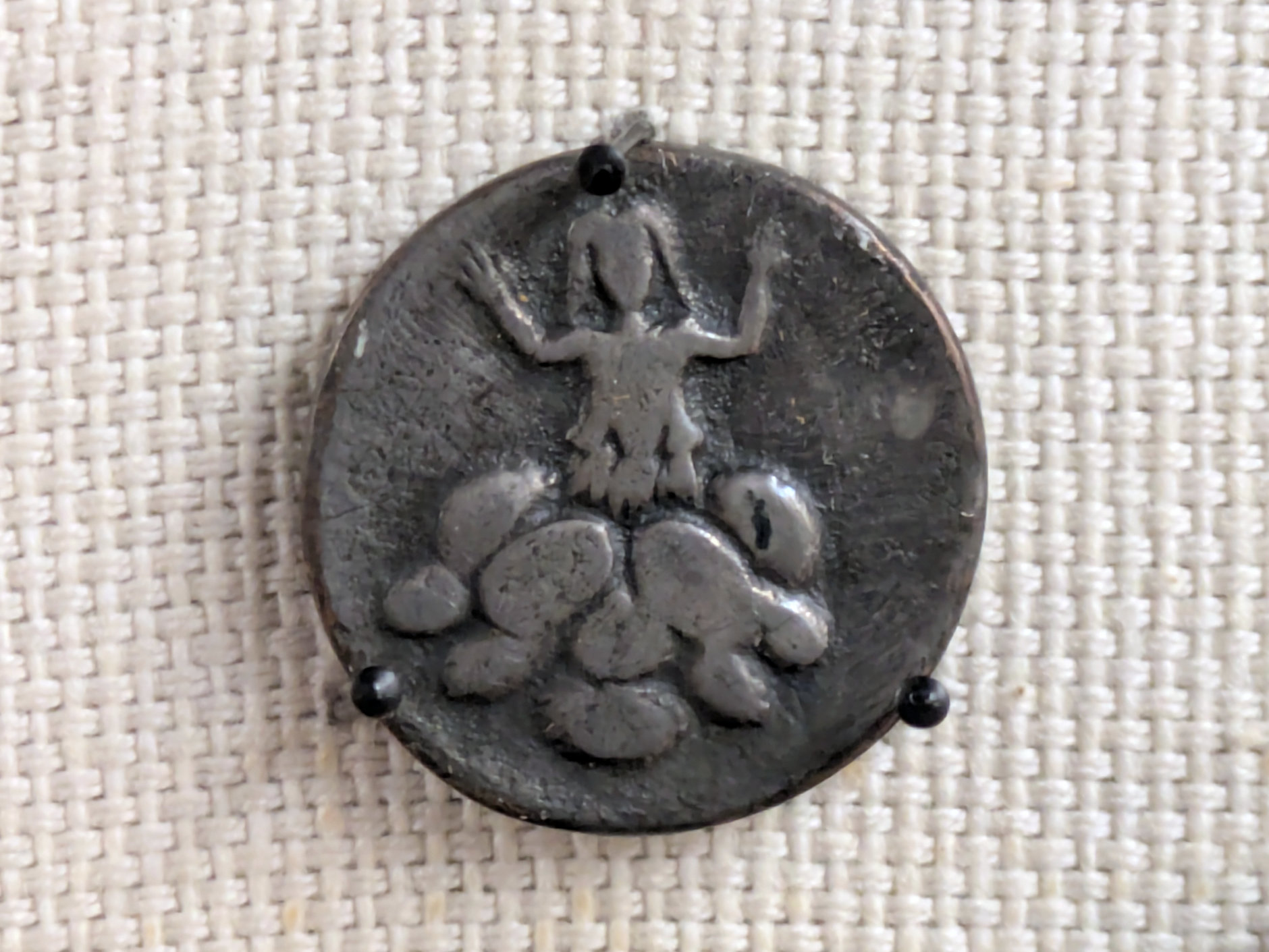
The mithraic denarius of St. Albans dates from the 2nd century.
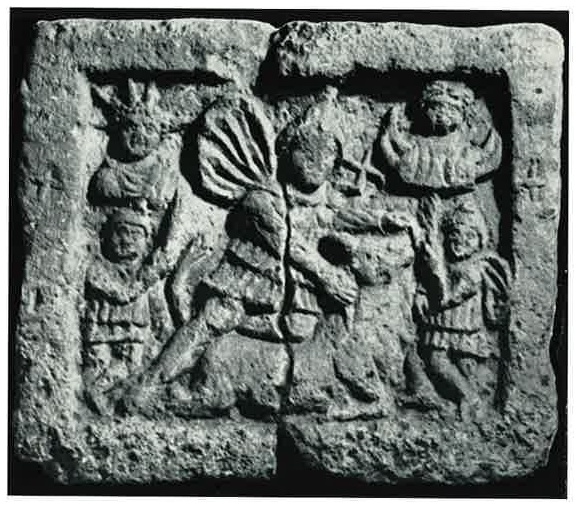
Tuff tauroctony relief in two fragments from Ghighen, ancient Oescus in Moesia Inferior, depicting the standard bull-slaying scene with the full iconographic programme.

Late Roman senator and governor of Numidia whose inscriptions present him as a Mithraic pater and initiate in several mystery cults.
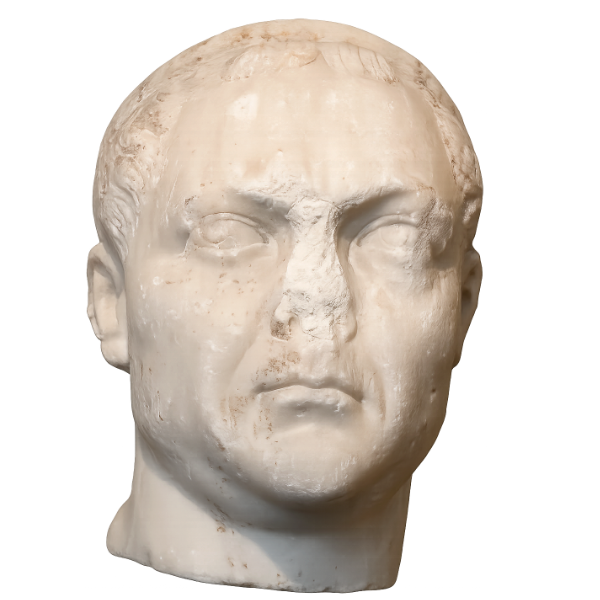
Roman emperor from 253 to 260, he was taken captive by Shapur I of Persia. He was thus the first emperor to be captured as a prisoner of war.

Oval jasper gem in the Cairo Museum depicting Mithras slaying the bull with Sol, Luna, a leontocephalic figure and seven stars.
Gold ring amulet formerly in the Schlumberger Collection, published as Mithraic by Cumont and later identified as a healing charm against colic and diseases of the uterus.
Yellow jasper fragment of unknown provenance, formerly in the Museo Borgiano, with a tauroctony on the obverse and a Mithraic figure on the reverse.

The locality of Alsóbajom is associated with archaeological material attributed to the Roman province of Dacia.
The locality of Bruckla is associated with archaeological remains from the Roman province of Dacia.
The locality of Saint Pierre de Messeane is associated with archaeological discoveries from Roman Gaul.
The locality of Waggendorf belongs to the southeastern Alpine landscape historically linked with Noricum.
The locality of Vadas belongs to the Danubian hinterland associated with Roman Pannonia.
The locality of Soukhin-Dol belongs to the lower Danubian frontier zone of ancient Moesia.
