Your search Sidi Ali Belkacem (سيدي علي بلقاسم) gave 1194 results.


At least! You can now edit your posts and comments on your Profile / Contribution page. Have I said Happy Saturnalia yet?
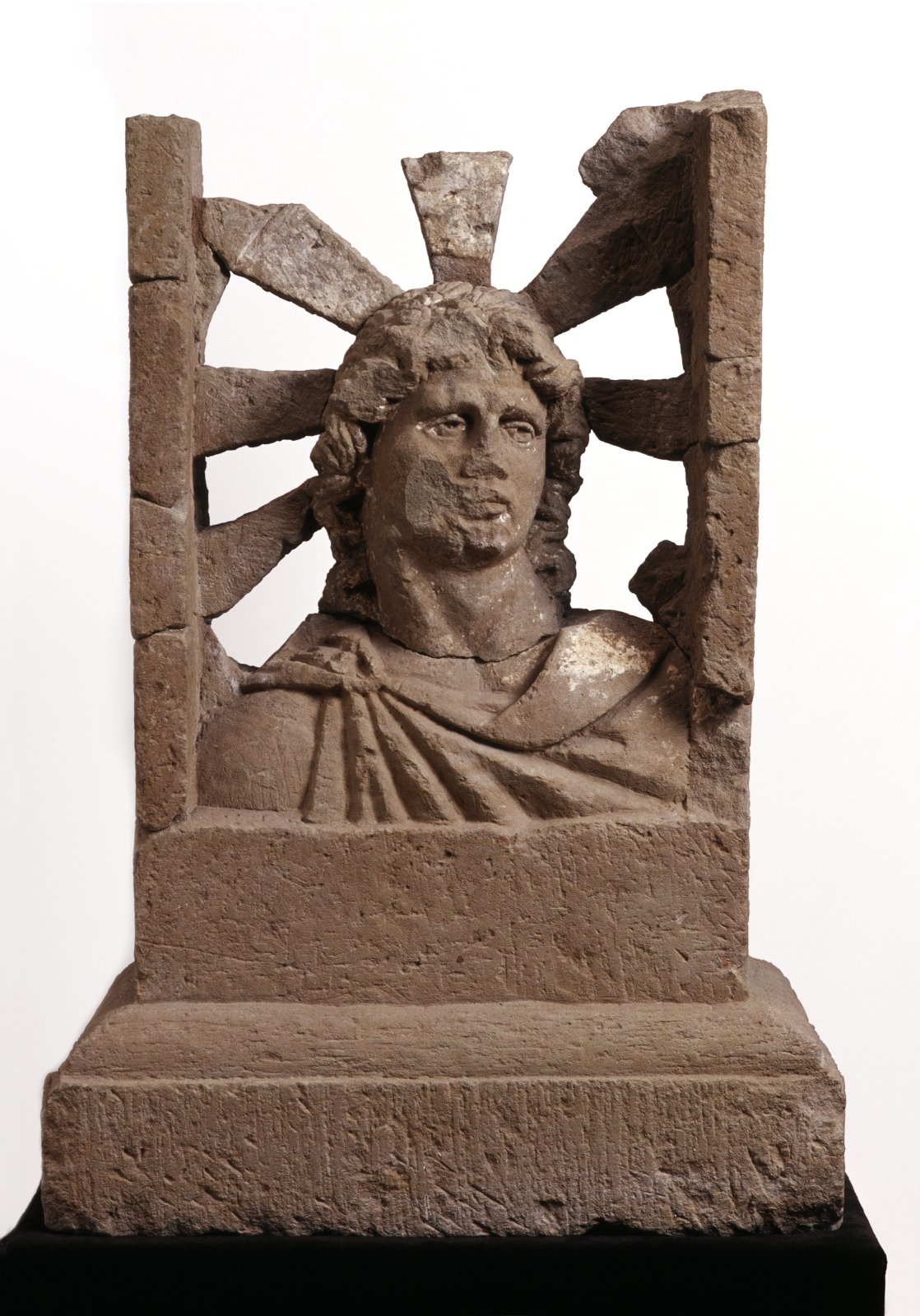
The altars of the gods of the Sun and Moon found in the Mithraeum of Mundelsheim wear openwork segments that could be lighten from behind.

Laurent Bricault has revolutionised Mithraic studies with the exhibition The Mystery of Mithras. Meet this professor in Toulouse for a fascinating look at the latest discoveries and what lies ahead.
Are you a Fluent English Speaker? Are you interested in joining a bourgeoning community centred around camaraderie, knowledge and community building? If so, we invite you to join the Anglo-Mithraic Society! We offer a welcoming community…
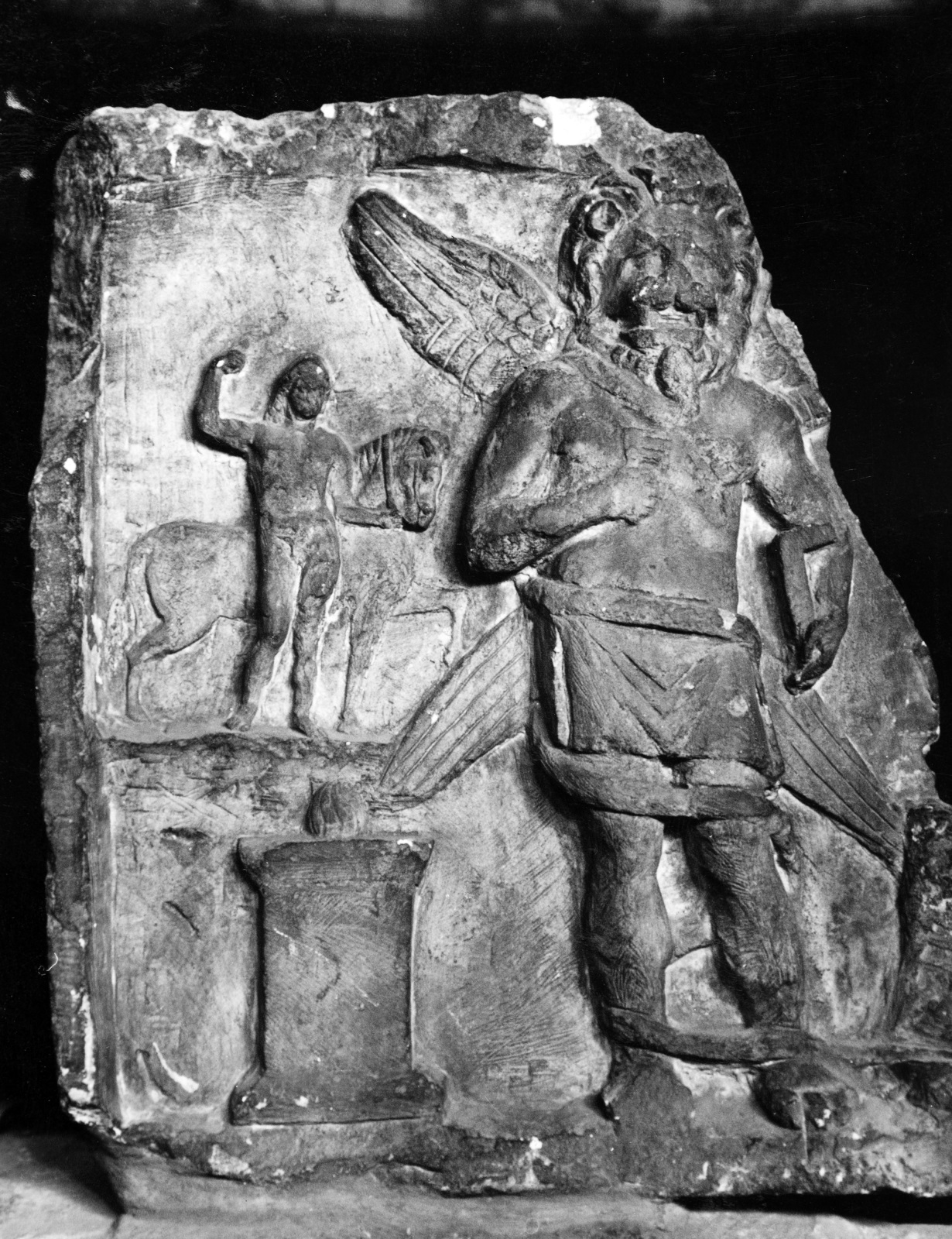
The relief of Aion from Vienne includes a naked youth in Phrygian cap holding the reins of a horse.
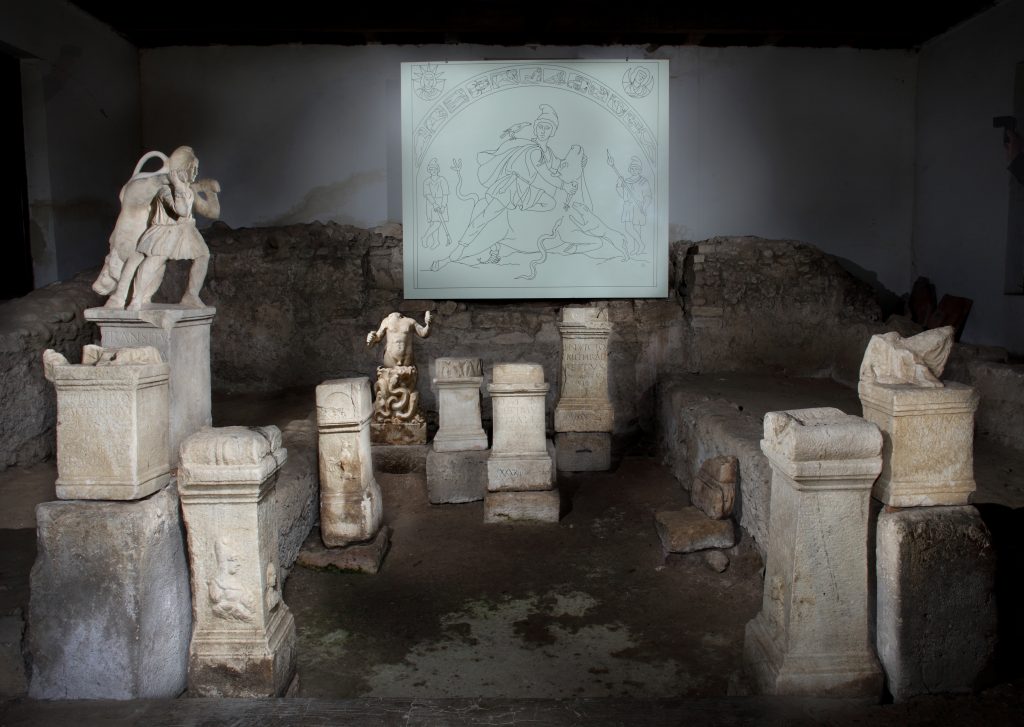
The Mithraeum I of Ptuj contains the foundation, altars, reliefs and cult imagery found in it.
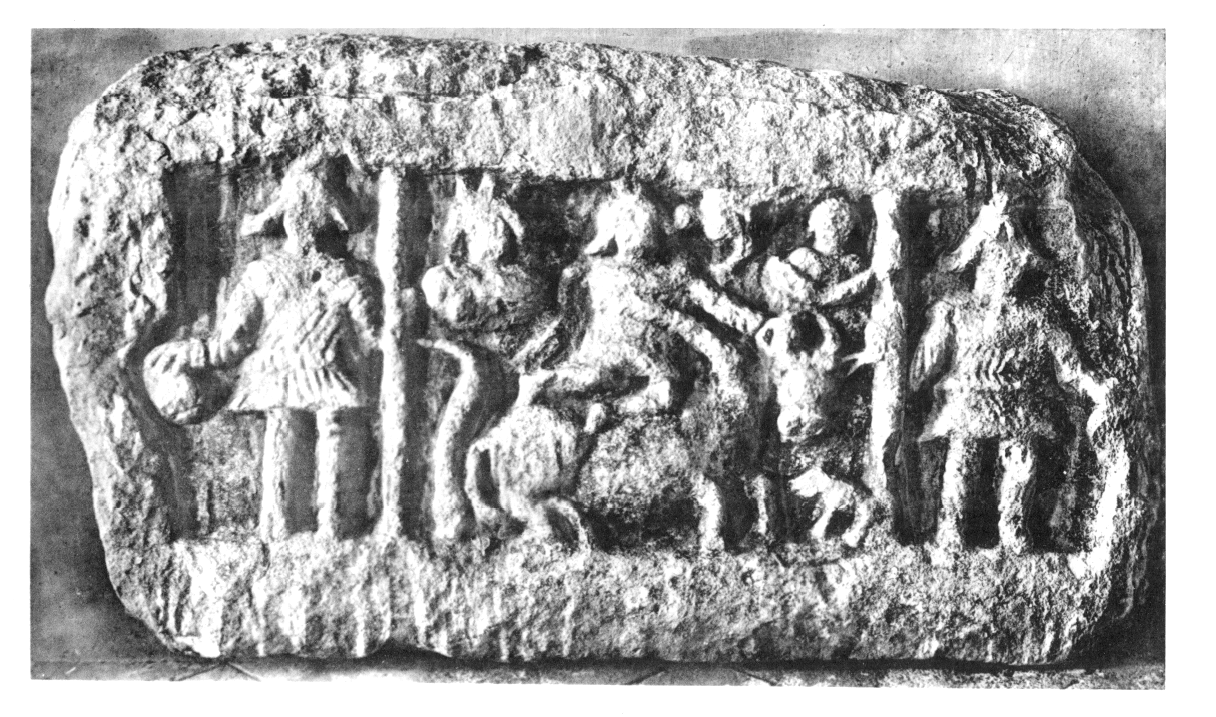
This relief of Mithras as bull slayer is surrounded by Cautes and Cautopates with their usual torch plus an oval object.
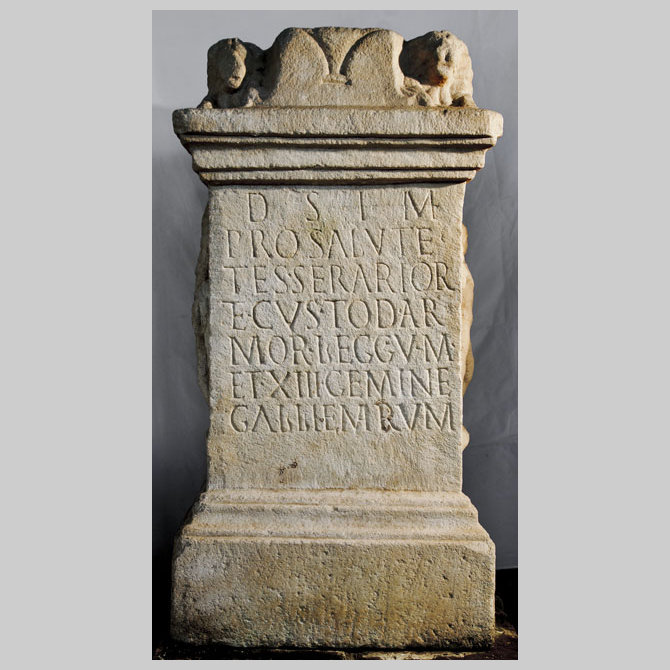
This altar, found in the 3rd mithraeum of Ptuj, bears an inscription and a relief of Sol and a person with a cornucopia.
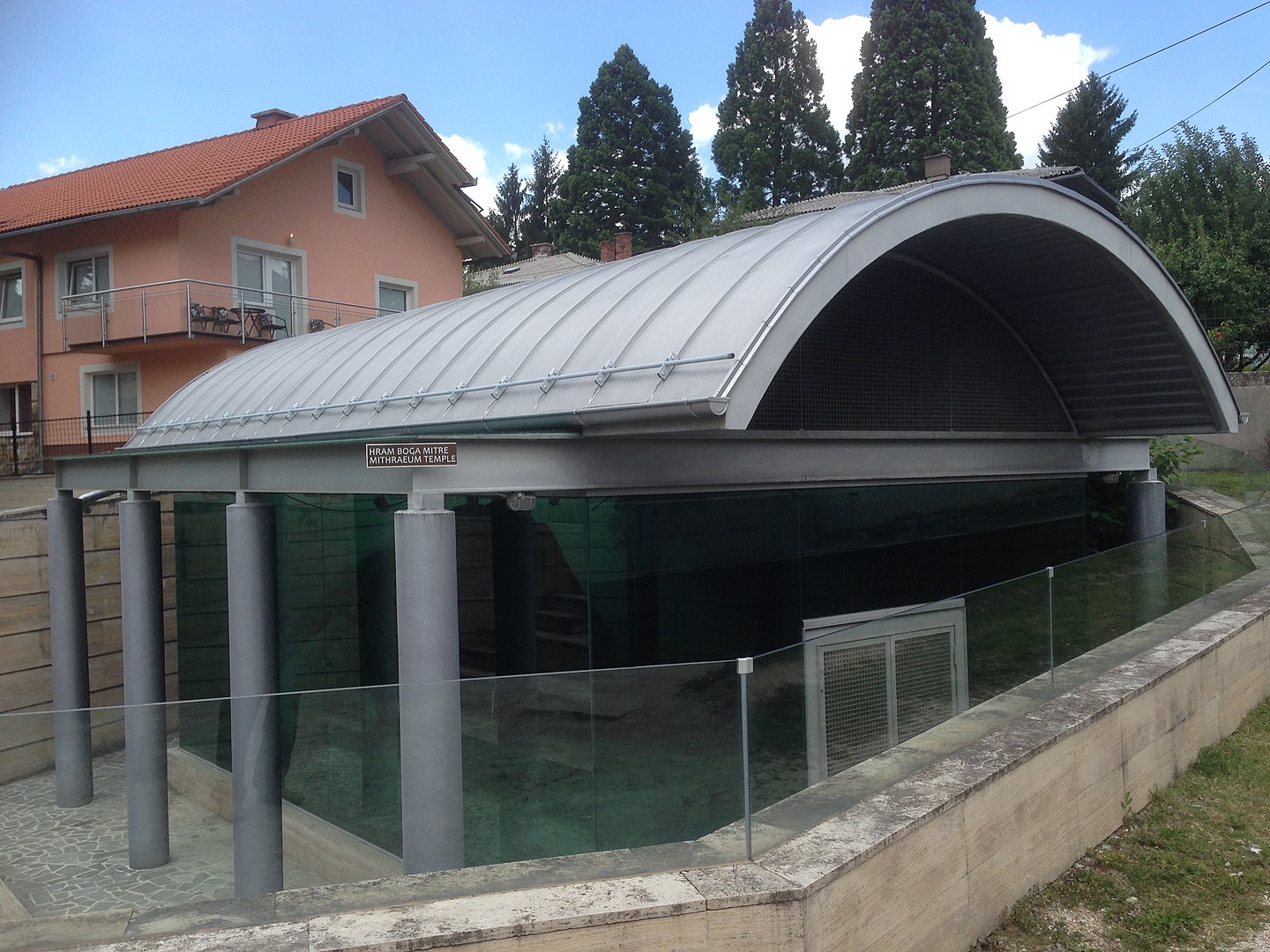
The remains of the Jajački Mithraeum were discovered accidentally during excavation for the construction of a private house in 1931.
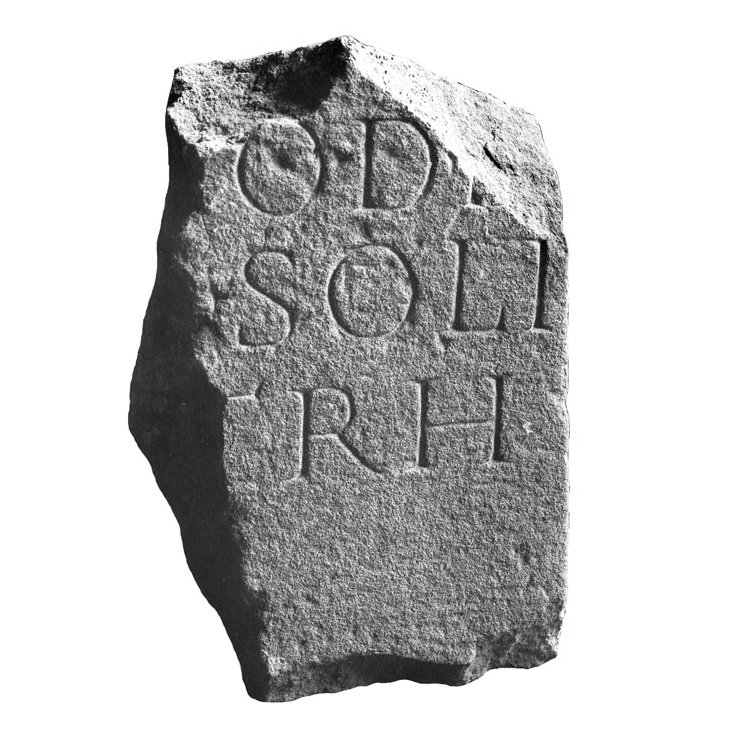
This monument with an inscription to the god Sol Mithras was found in front of the cathedral of Speyer during some sewer works.
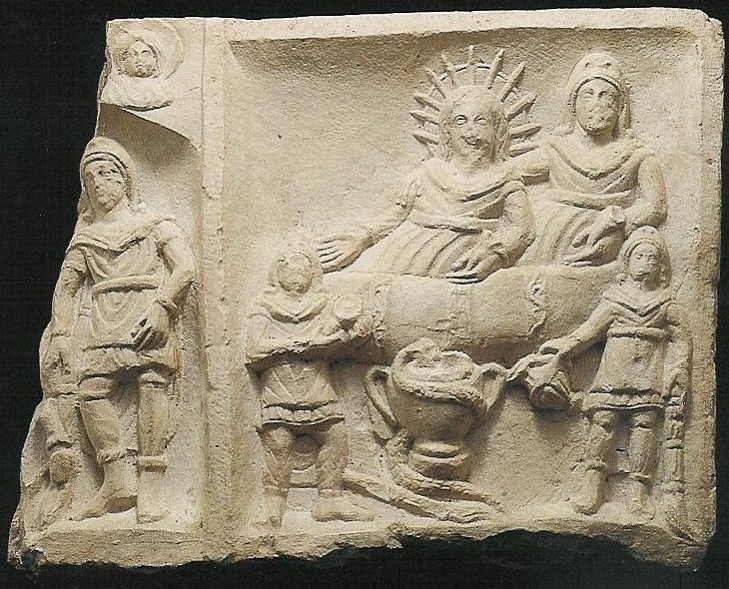
The remains of the mithraic triptic of Tróia, Lusitania, were part of a bigger composition.
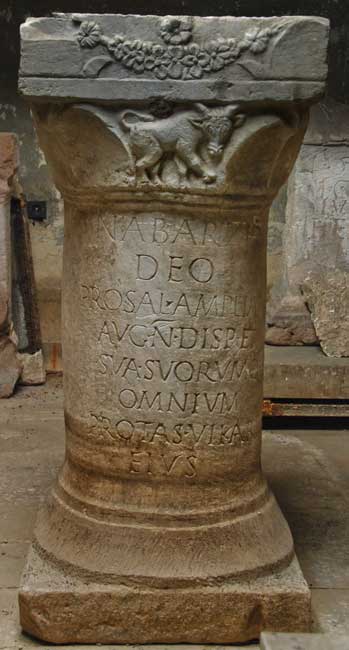
This column found in the Mithraeum of Sarmizegetusa bears an inscription to Nabarze instead of Mithras.
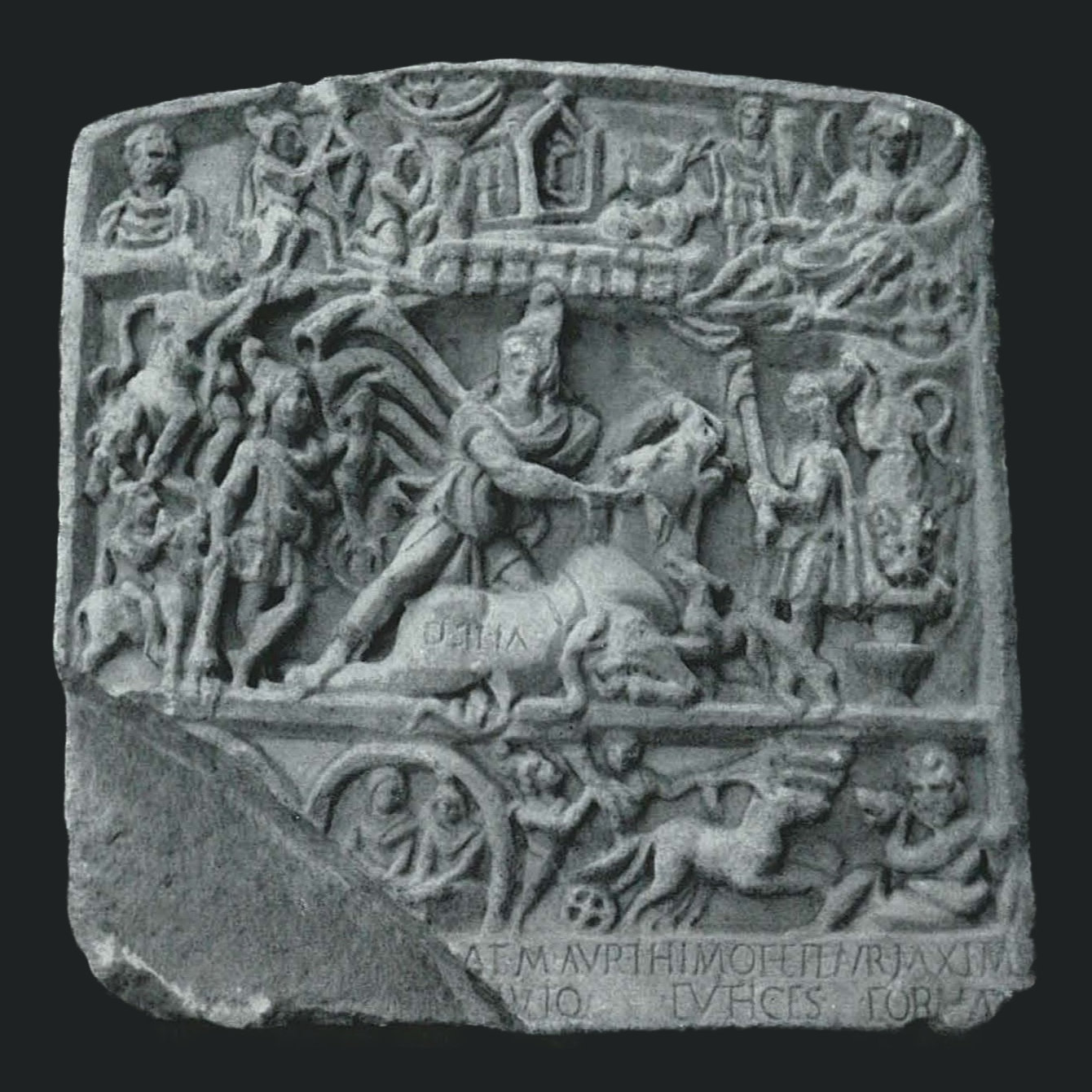
This marble relief of Mithras killing the bull was made by a freedman who dedicated it to his old masters.
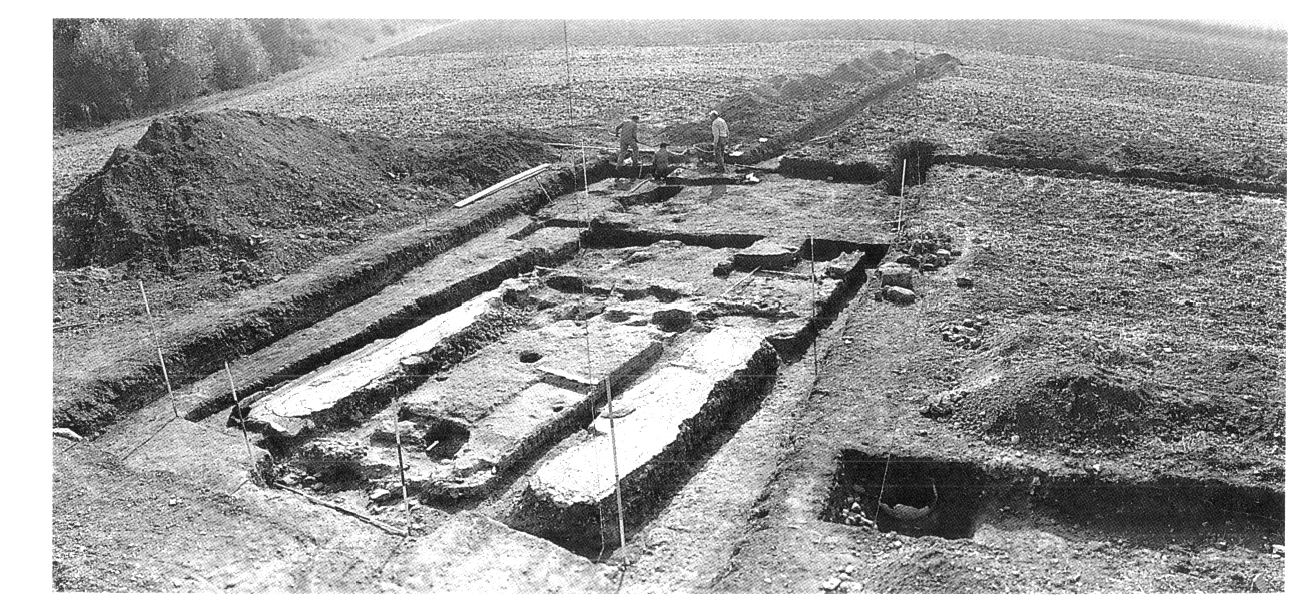
The Mithraeum of Biesheim-Kunheim is located near the ancient village of Altkirch, near the Rhin.
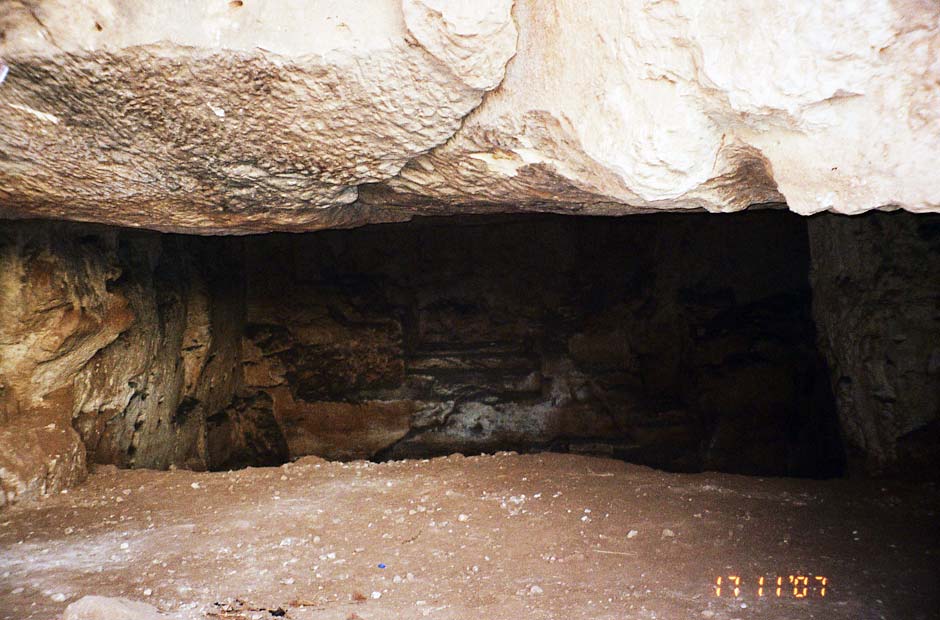
The Mithraea of Doliche, ancient Dülük, Turkey, are unique in that they represent two distinct shrines on the same site.
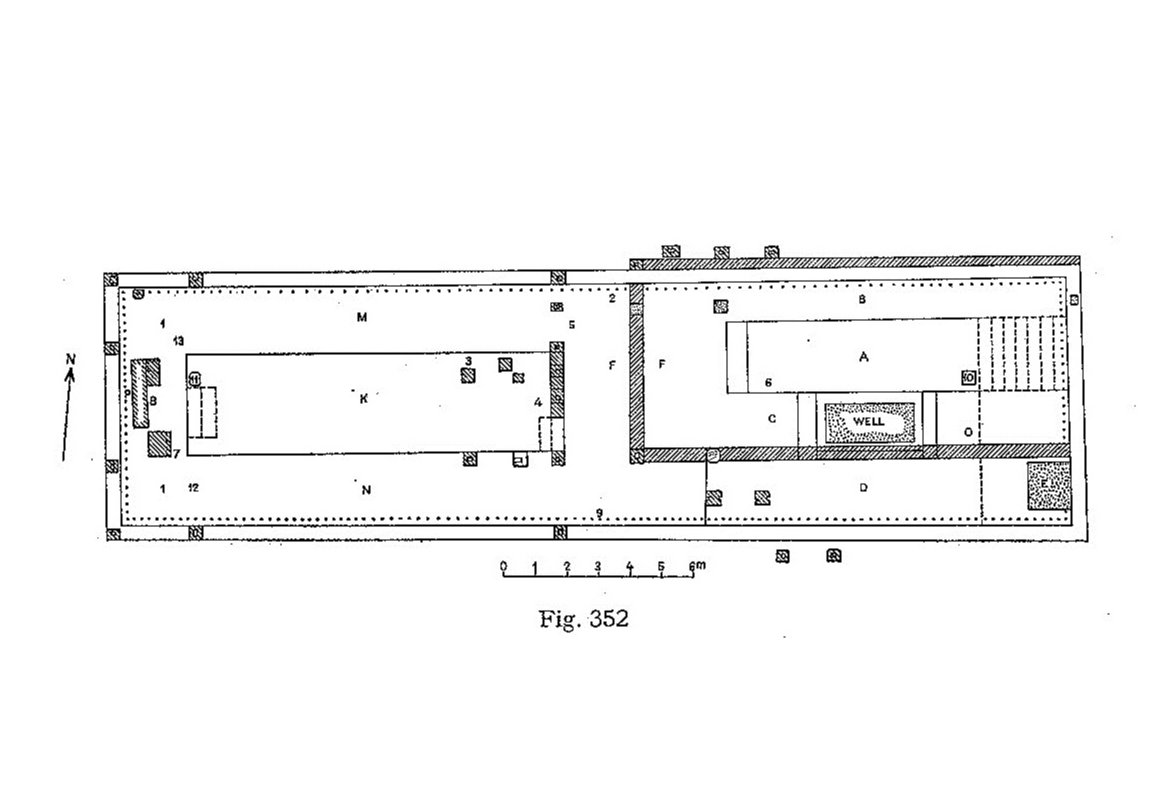
Lors de la construction de l’église Saint-Paul en 1911, un mithraeum a été mis au jour à Königshoffen, vicus gallo-romain situé aux abords du camp légionnaire de Strasbourg-Argentorate.
