Your search Sidi Ali Belkacem (سيدي علي بلقاسم) gave 1194 results.

Pater Curius Iuvenalis is attested in the first known monument dedicated by a Heliodromus.
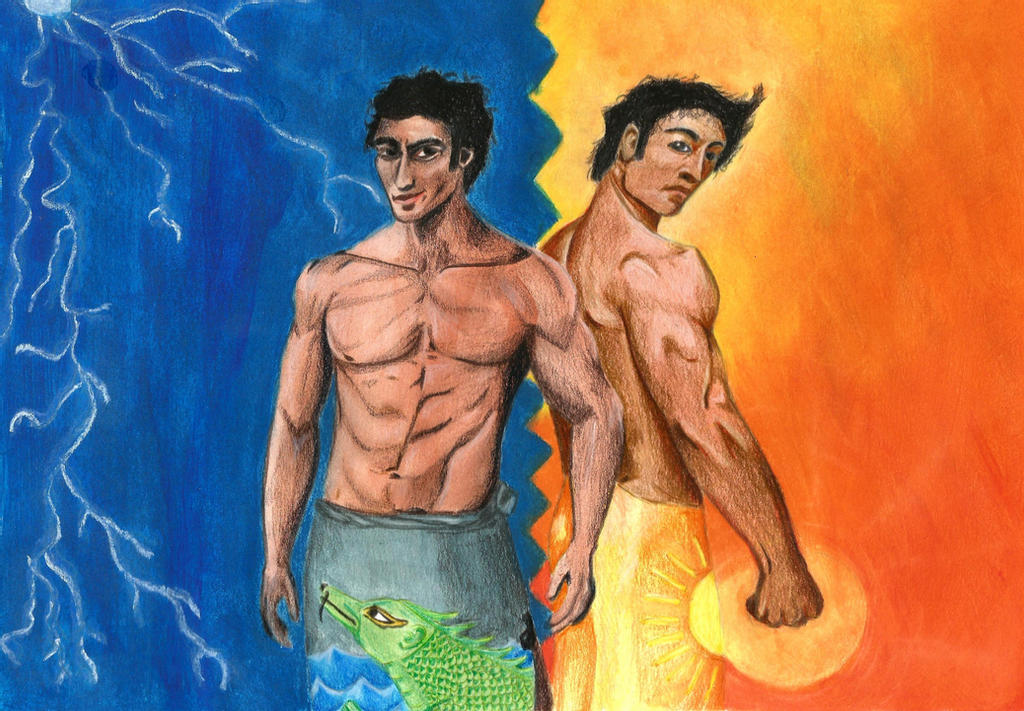
The Sanskrit and Hindi word for friend is “Mitra”. It is also the Nepali word for it. The Sinhala word is ‘mitura’. The word’s etymology has surprising, stark and vivid homosexual connotations.
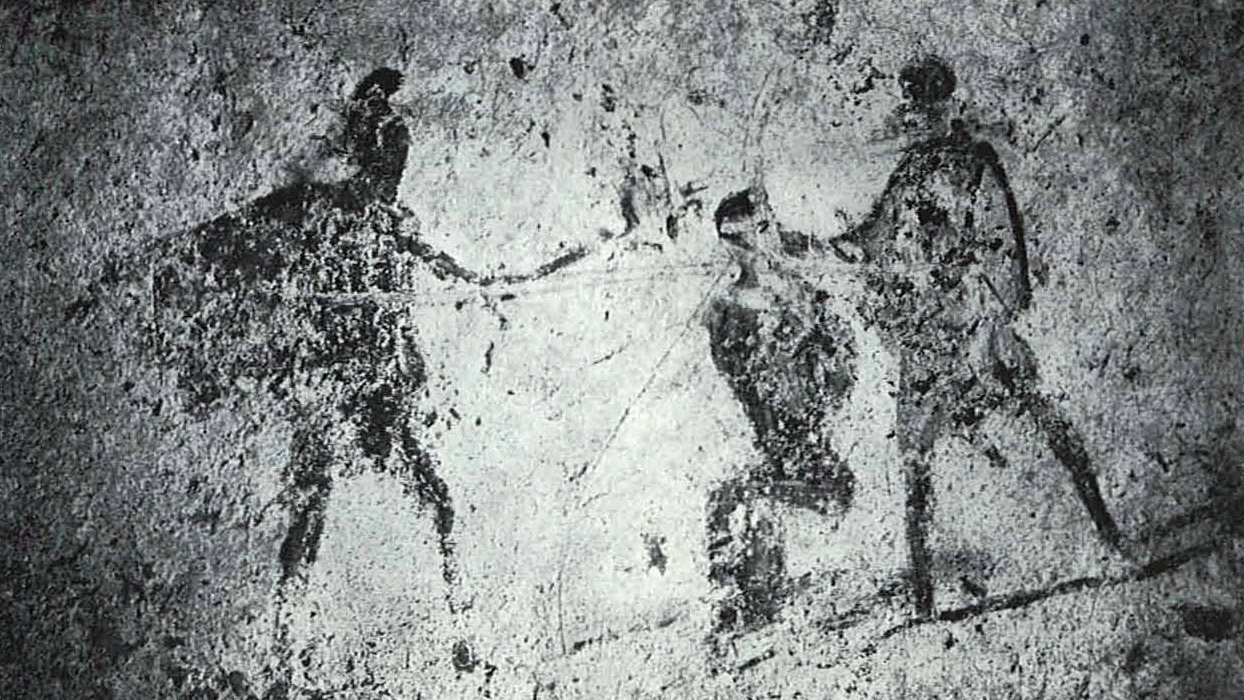
Recontextualizing the Initiation rituals of the Roman Mystery Cult of Mithras.

Marble head of Helios-Mithras with curly hair and seven holes for fastening rays, from the Mitreo degli Animali at Ostia, Lateran Museum.
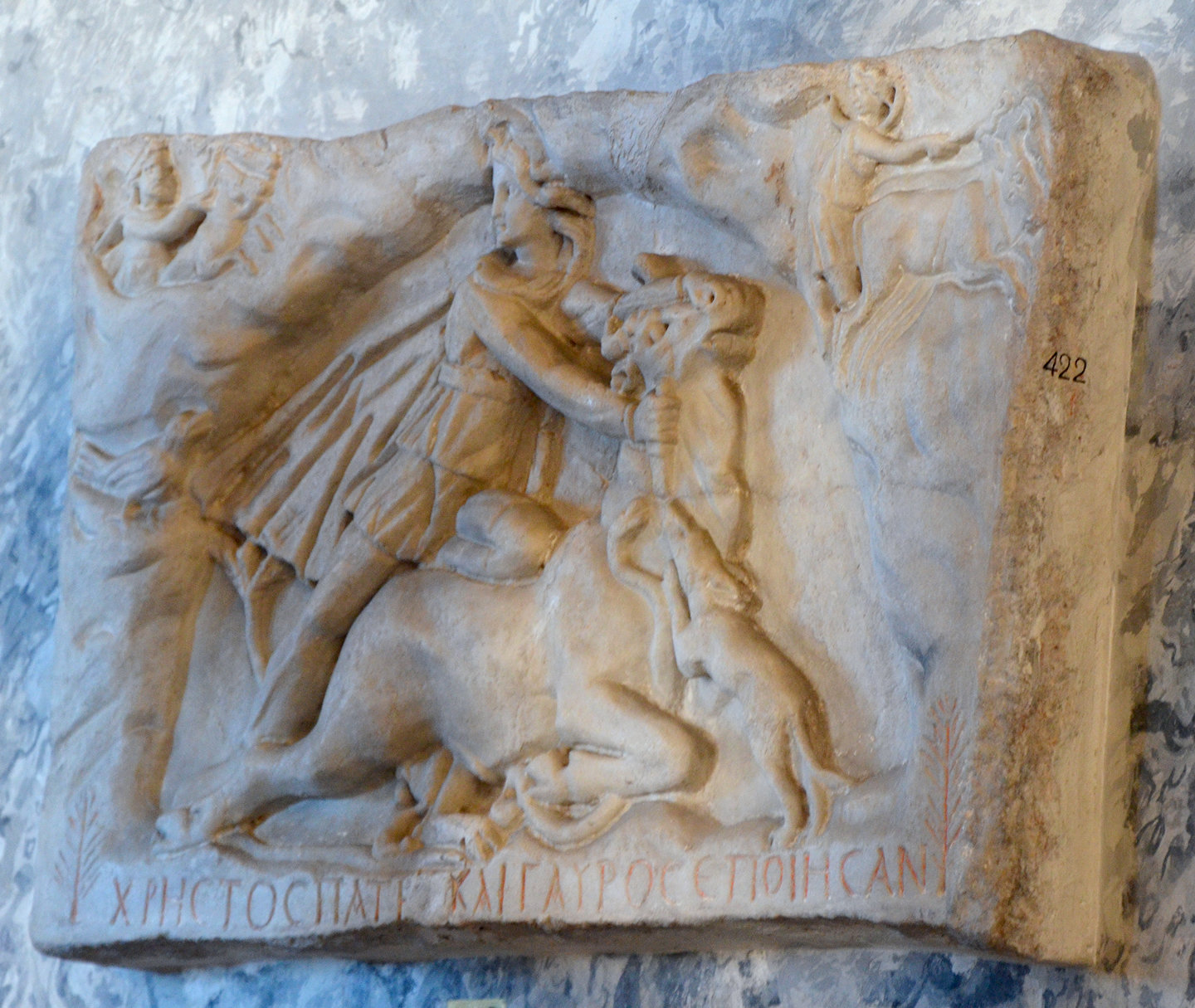
This relief of Mithras killing the bull, signed by a certain Χρῆστος, is on display in the Sala dei Animali of the Vatican Museum.

The identification of Tavalicavo remains uncertain, though it appears connected with the Balkan interior.
A large relief in Italian marble kept in the gallery of the Castle at Cataio in the Veneto, depicting a standing torchbearer who holds his torch with both hands.
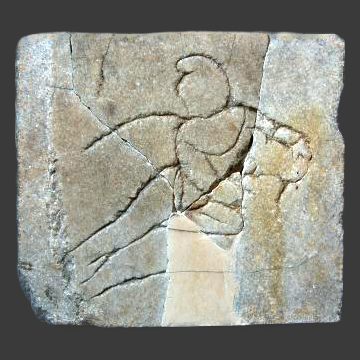
This unfinished Mithras tauroctonos without the usual surrounding animals was found in 1923 in Italica, near Seville, Spain.
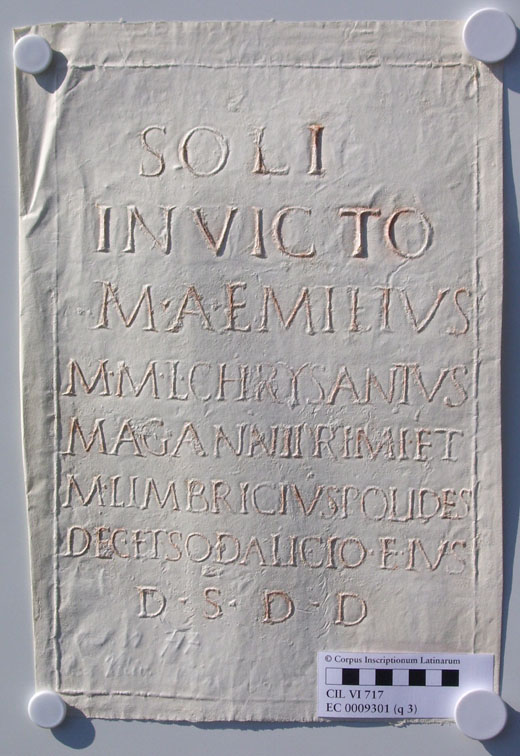
Aemilius Chrysanthus shares the expenses of this monument with a decurio named Limbricius Polides.
Preliminary readings of the painted Mithraic texts later revised after additional research and restoration.
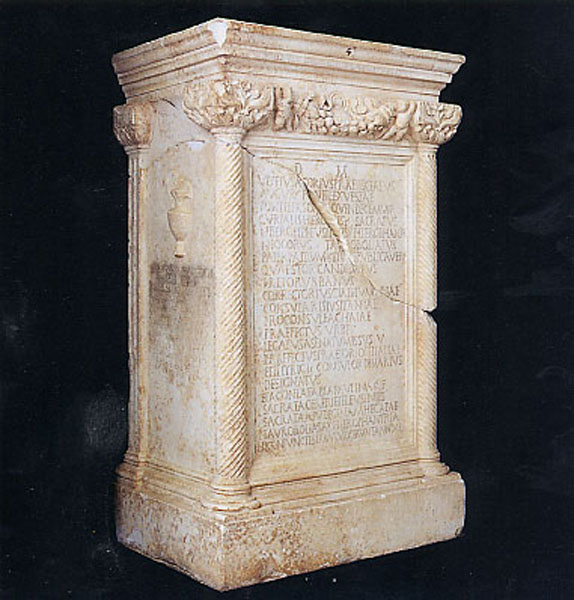
The marble altar mentions Vettius Agrorius Praetextatus as Pater Sacrorum and Patrum and his wife Aconia Fabia Paulina.
Upper part of a small marble column with late 2nd- or 3rd-century lettering, bearing a dedication to Sol Invictus Mithras and his sodality by actors from the Forum Suarium, excavated on the Esquiline.
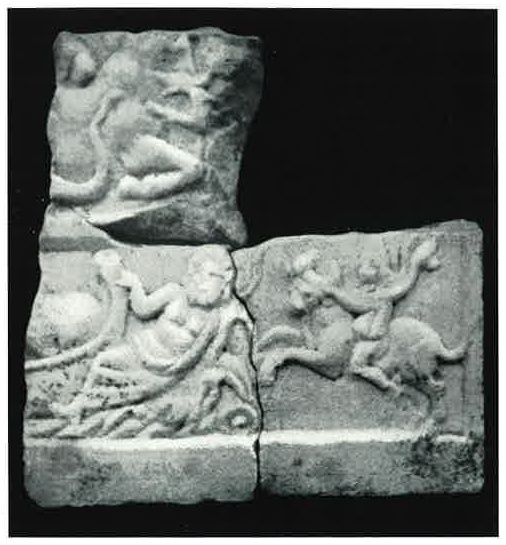
Three white marble tauroctony fragments from Gànt la Mangalia, ancient Callatis in Moesia Inferior, depicting part of the standard bull-slaying scene.
Marble tauroctony relief from the surroundings of Küstendil, ancient Pautalia in Moesia Superior, depicting the bull-slaying with torchbearers and Sol and Luna busts in the upper corners.
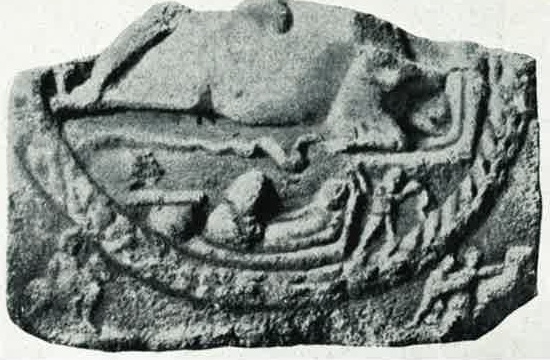
Lower part of a marble tauroctony relief from Küstendil, ancient Pautalia in Moesia Superior, preserving only the lower half of the bull-slaying scene with partially visible legs of the torchbearers.
Inscription dedicated to the Numen Caelesti by P. Clodius Flavius Venerandus, sevir augustalis, who acted in response to a dream, from the Mitreo Sabazeo at Ostia.
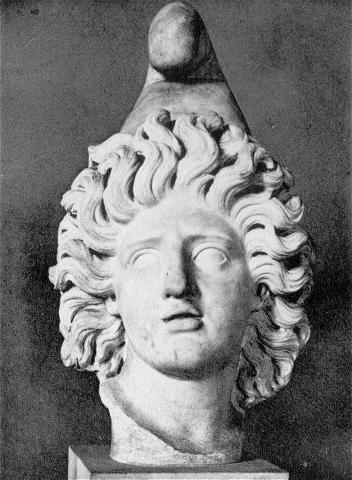
The head of Mithras had seven holes made for fastening rays.
Late Roman funerary inscription from Antium commemorating the senator, governor of Numidia and Mithraic pater Alfenius Ceionius Iulianus Kamenius.
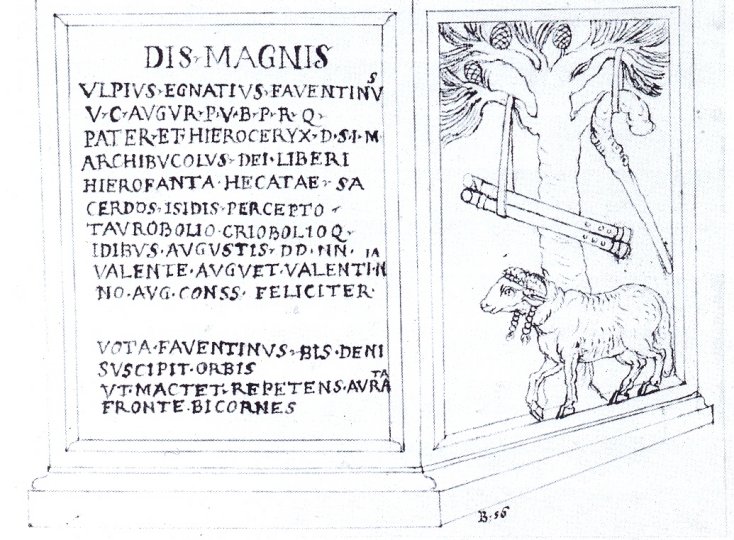
Both of them were discovered in 1609 in the foundations of the façade of the church of San Pietro, Rome.
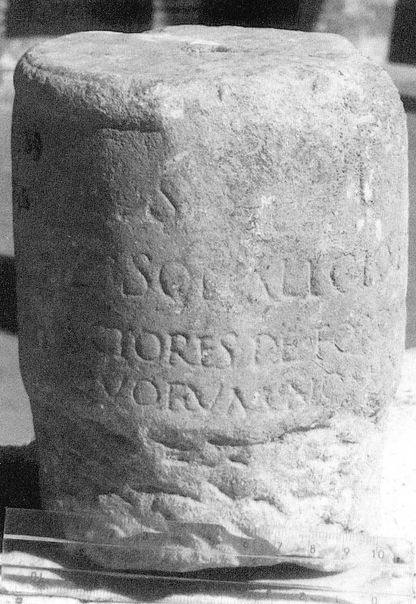
The inscription included the names of the brotherhood, which are now lost.
