Your search St Albans gave 3404 results.
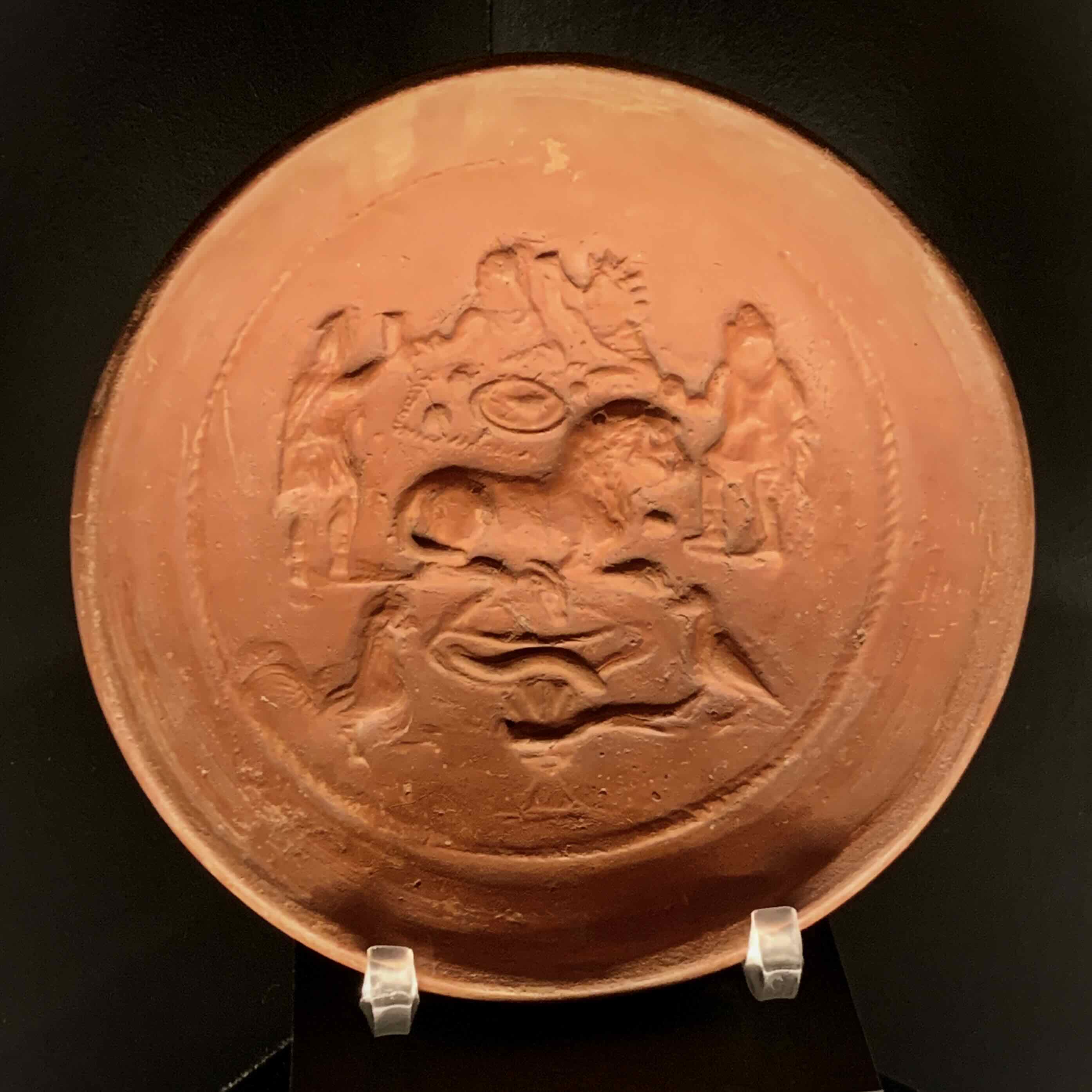
This terra sigillata was found in 1926 in a grave on the Roman cemetery of St. Matthias, Trier. An eyelet indicates that it could have been hung on a wall.


Coin of Istrus, Moesia Inferior, showing Caracalla on one side and a god on horseback (Mithras ?) on the other.

researcher on Mithraism for over 20 years, author of the book "Mithras. Geschichte einer Gottheit"
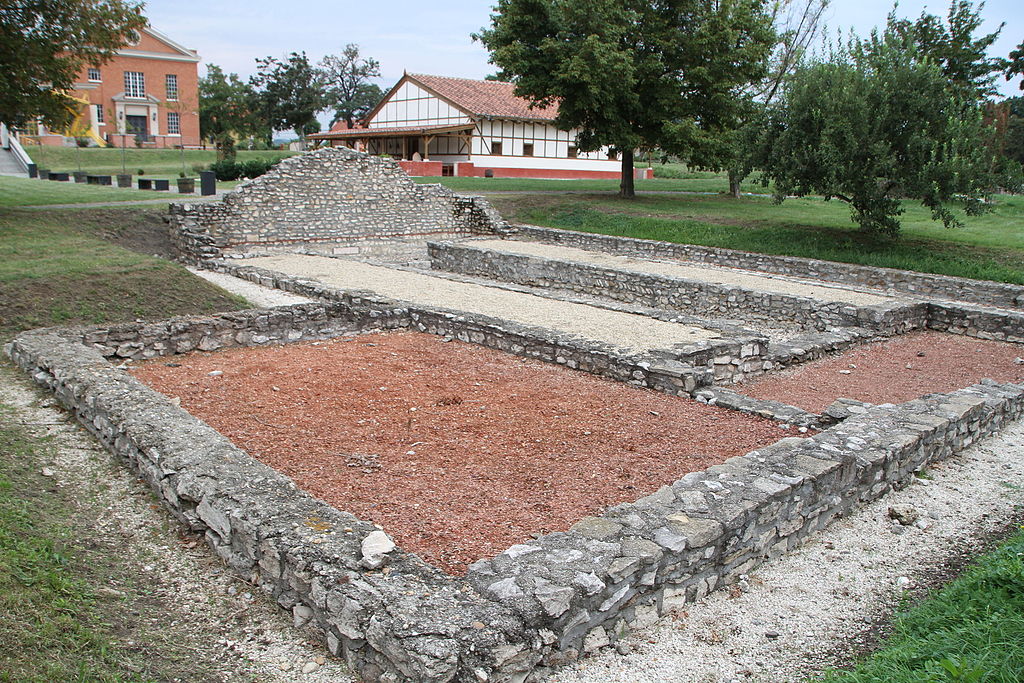
The Mithraeum of Symphorus and Marcus, in Óbuda, Budapest, has been restored to public view in 2004 and, while well presented, it has been heavily restored.
1991-2005 Grabungstechniker - Archaeological Site Supervisor LVR - APX Xanten / LAND GmbH
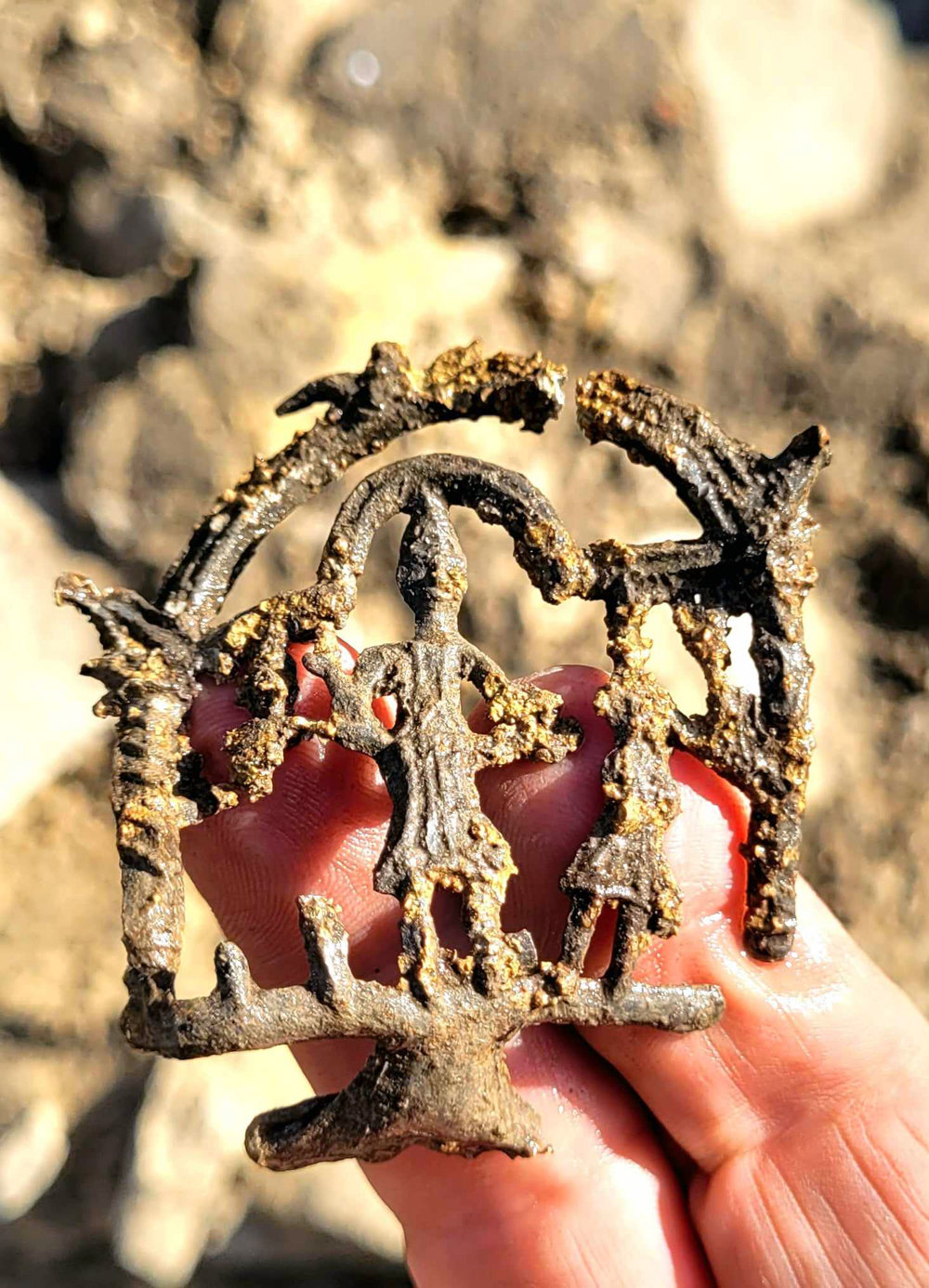
A sixth temple dedicated to Mithras has been identified for the first time in the military sector of the ancient Roman city of Aquincum.
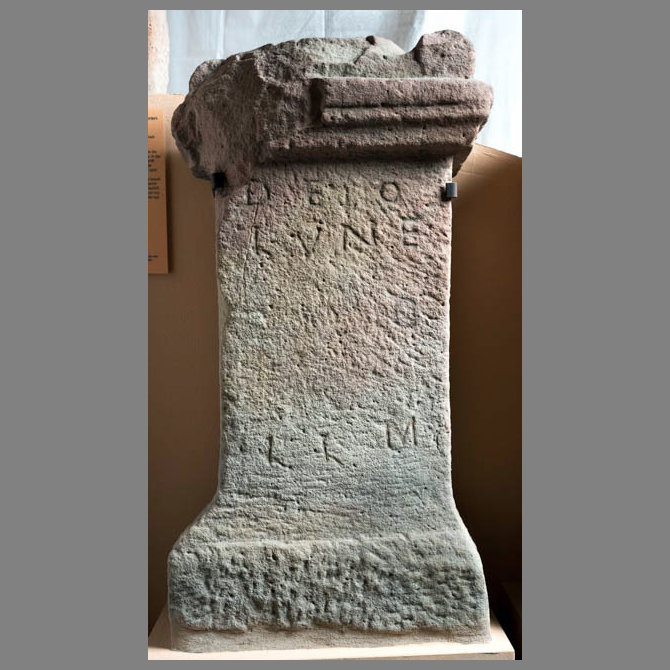
This sandstone altar was dedicated to Luna, who is mentioned as a male deity.
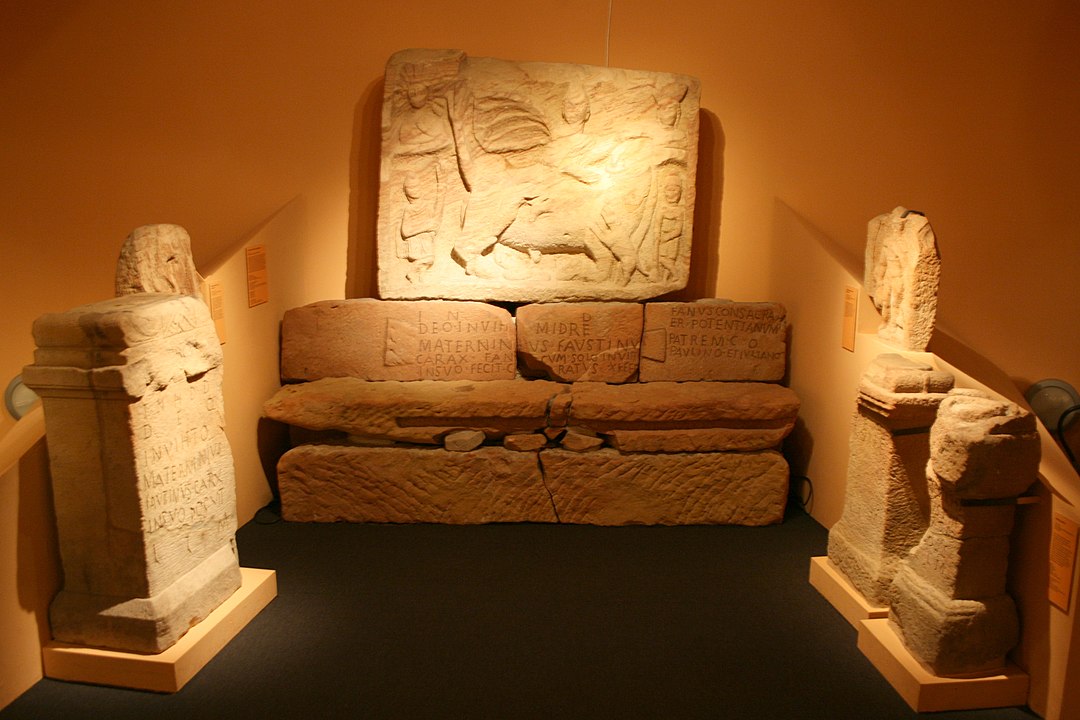
The few remains of the Mithraeum of Gimmeldingen are preserved at the Historical Museum of the Palatinate, in Speyer, Germany.

In the cult niche of the Mitreo del Caseggiato di Diana there is a list of words that could indicate names and measurements.
This inscription found in the Mithraeum of the Seven Spheres mentions the Pater Marco Aemiliio Epaphrodito known from other monuments in Ostia.
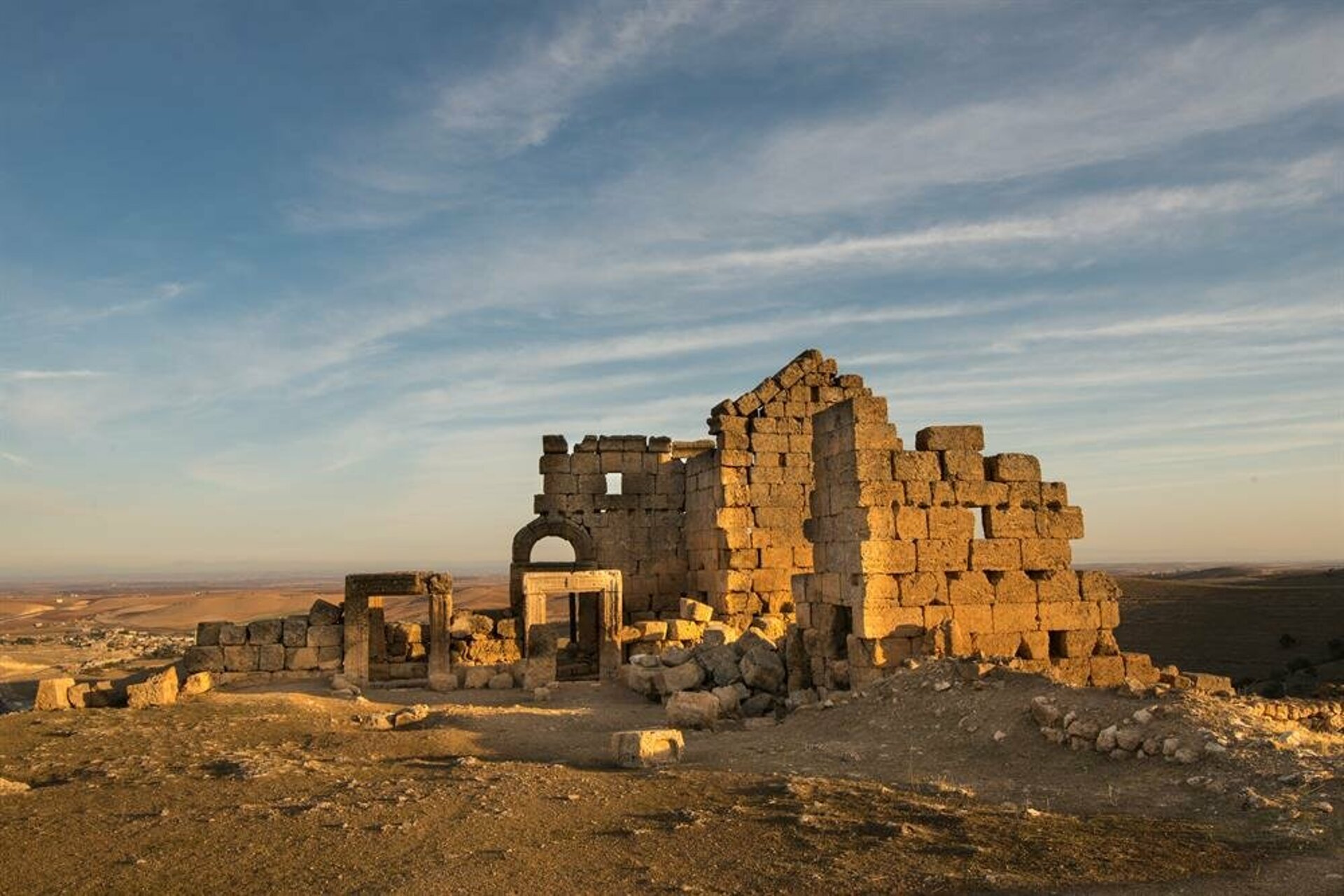
A Mithraeum was discovered in 2007, during the excavations at the Zerzevan Castle.
The Mithraeum of Aquincum I existed in the potter's quarter of the ancient city of Budapest.
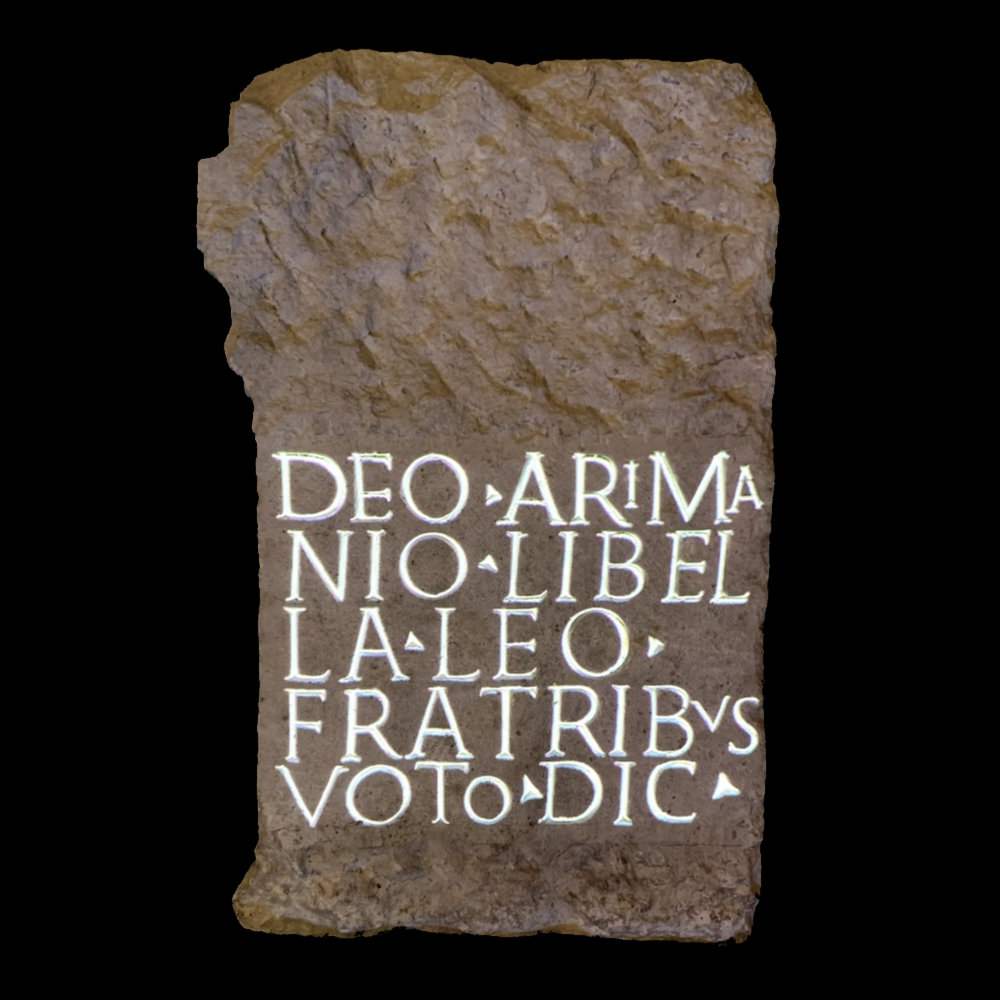
The dedicant of this altar to the god Arimanius was probably a slave who held the grade of Leo.
The Fagan Mithraeum, also known as the Mithraeum of Tor Boacciana, yielded remarkable sculptures of lion-headed deities, several of which are now preserved in the Vatican Museums.
Marble cap mentioned by Visconti, subsequently identified as certainly belonging to the finds of the Mitreo degli Animali rather than the Mitreo del Palazzo Imperiale, Ostia.
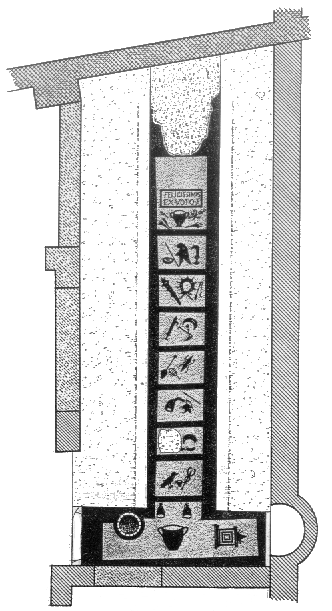
The Mithraeum Felicissimus has a floor mosaic depicting the seven mithraic grades.
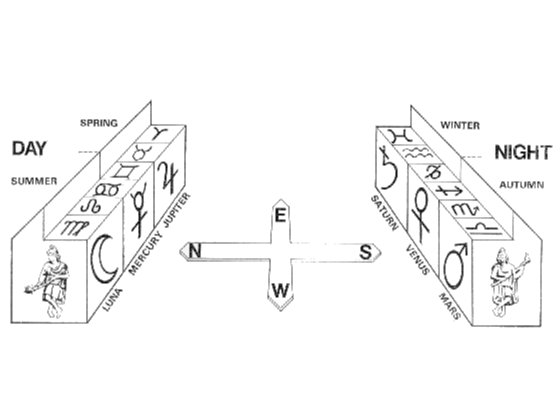
The rich mosaics of the Mithraeum of the Seven Spheres include the the signs of the Zodiac.
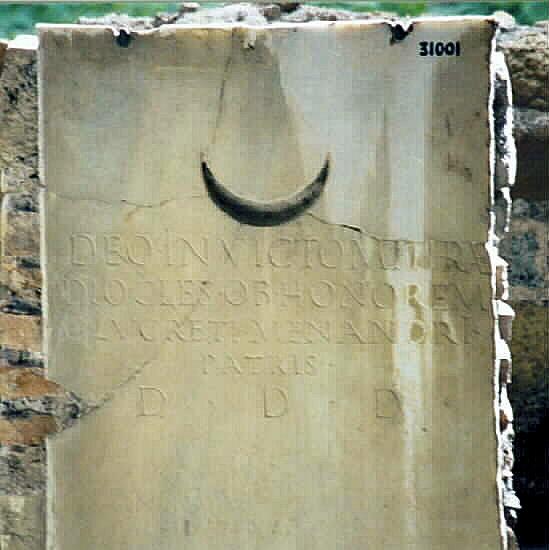
The brick altar of the Mithraeum Menander was covered with marble slabs bearing a crescent and an inscription.
