Your search St Albans gave 3403 results.
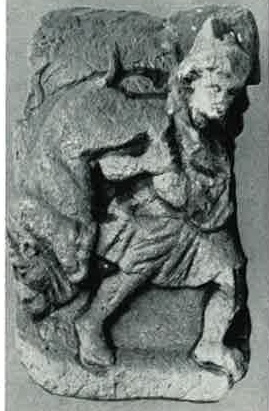
Grey sandstone relief from Mithraeum I at Stockstadt showing Mithras in Oriental dress walking to the right while carrying a bull on his shoulders

Sandstone stele from Mithraeum I at Stockstadt depicting Cautes cross-legged in Oriental dress, resting his left hand on a pedum
Sandstone stele from Mithraeum I at Stockstadt showing Cautopates in Oriental dress, cross-legged, holding a burning torch down and resting on a pedum
Lower portion of a red sandstone stele of Cautes from Mithraeum I at Stockstadt, cross-legged, with a dedicatory inscription on the base
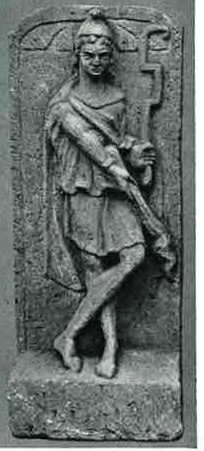
Red sandstone stele from Mithraeum I at Stockstadt depicting Cautopates in Oriental dress, cross-legged, holding a downward torch
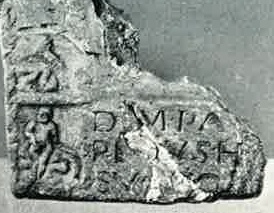
Double-sided white sandstone relief from Mithraeum I at Stockstadt, with Mithraic imagery on both faces
Fragment of a sandstone relief from Mithraeum I at Stockstadt depicting a beardless figure in a velum, identified as a wind or winter deity
Large red sandstone tauroctony relief from Mithraeum I at Stockstadt, mostly thrown into the river Main when the sanctuary was destroyed
The inscription is carved into two pieces of marble cornice.
Series of small bronze plaques depicting zodiac signs and planetary figures discovered in Ostia and possibly connected with the decoration of a Mithraic sanctuary.
Marble votive altar from Stix-Neusiedl, Pannonia Superior, recording that Valerius and Valerianus restored a collapsed Mithraic temple at their own expense for the welfare of Emperor Lucius Septimius; red-painted lettering is preserved.
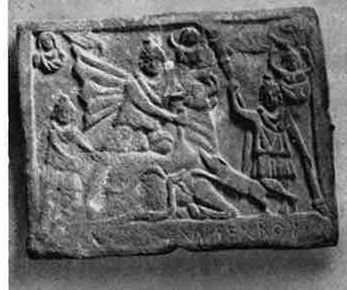
White marble tauroctony relief from Stix-Neusiedl, Pannonia Superior, depicting Mithras killing the bull with the raven perched on the rim of the god's flying cloak — an unusual detail placing the raven on the cloak rather than on the grotto border…
Two marble heads from Ostia, including a youthful figure wearing a Phrygian cap and another identified as Mithras-Helios.
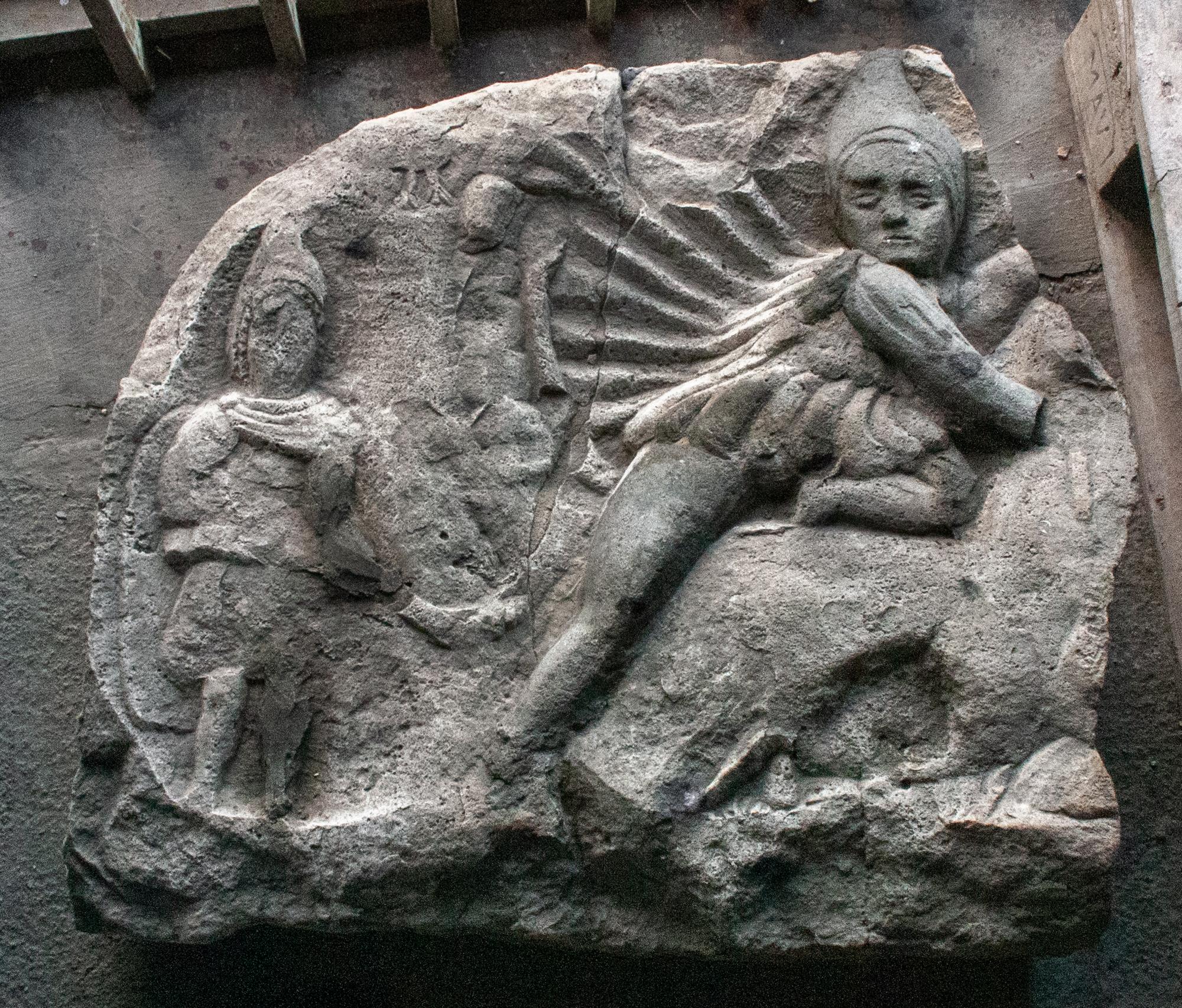
This limestone tauroctony from Aquincum preserves Mithras slaying the bull together with Cautopates, the serpent, the scorpion, and the legs of the raven.
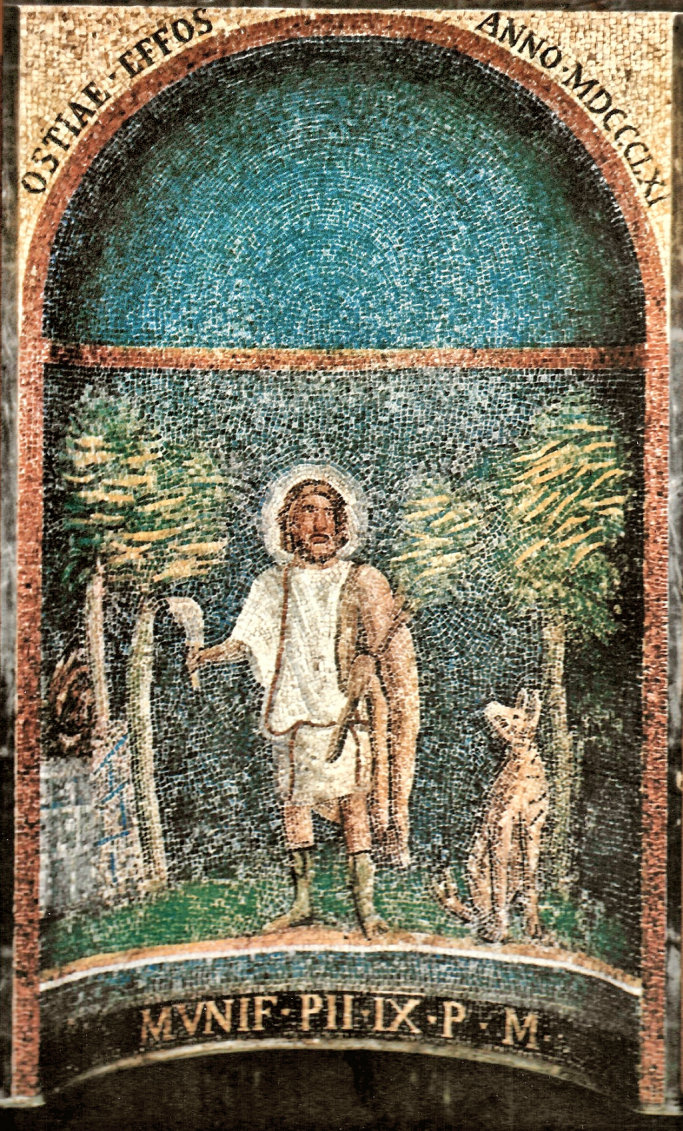
This unusual mosaic representation of the god Silvanus was found in the Mithreaum of the so-called Imperial Palace in Ostia.
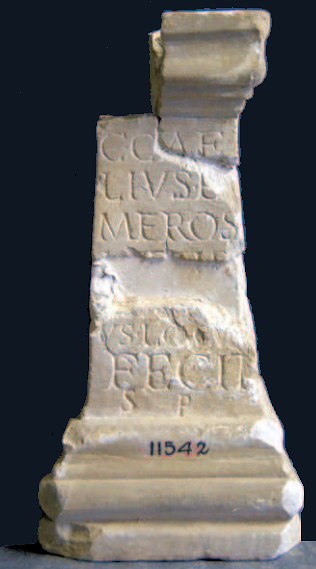
This small monument bears the inscriptions of a certain Caelius Ermeros, antistes at the Mithraeum of the Painted Walls.

This marble statuette from Ostia depicts Cautopates lowering his torch beside a tapering rock associated with Mithras’ birth from stone.
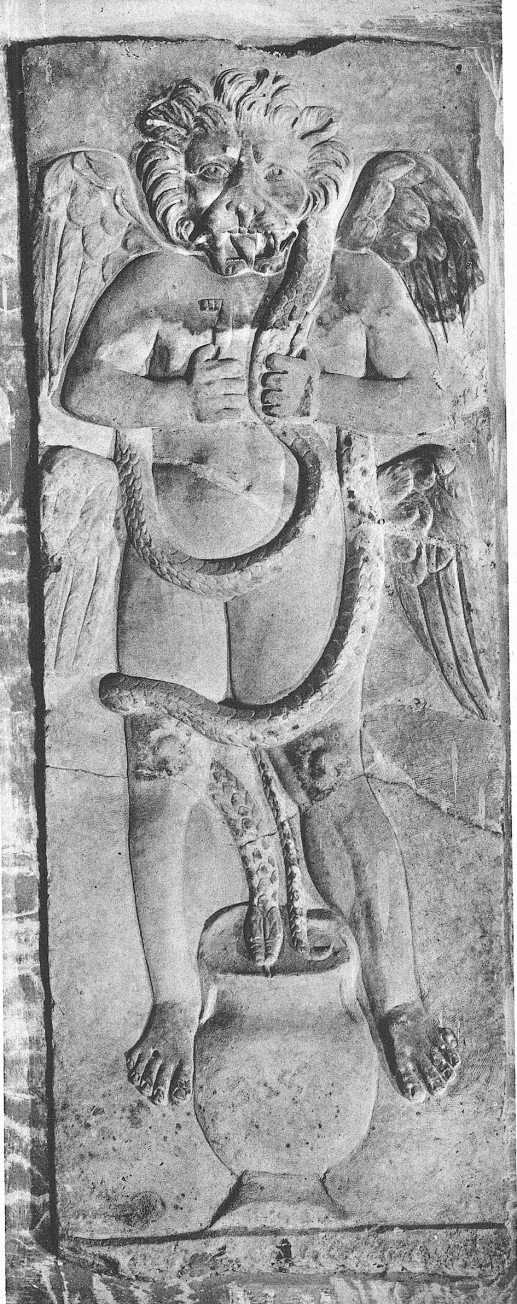
This white marble relief depicting a lion-headed figure from Ostia is now exposed at the Musei Vaticani.
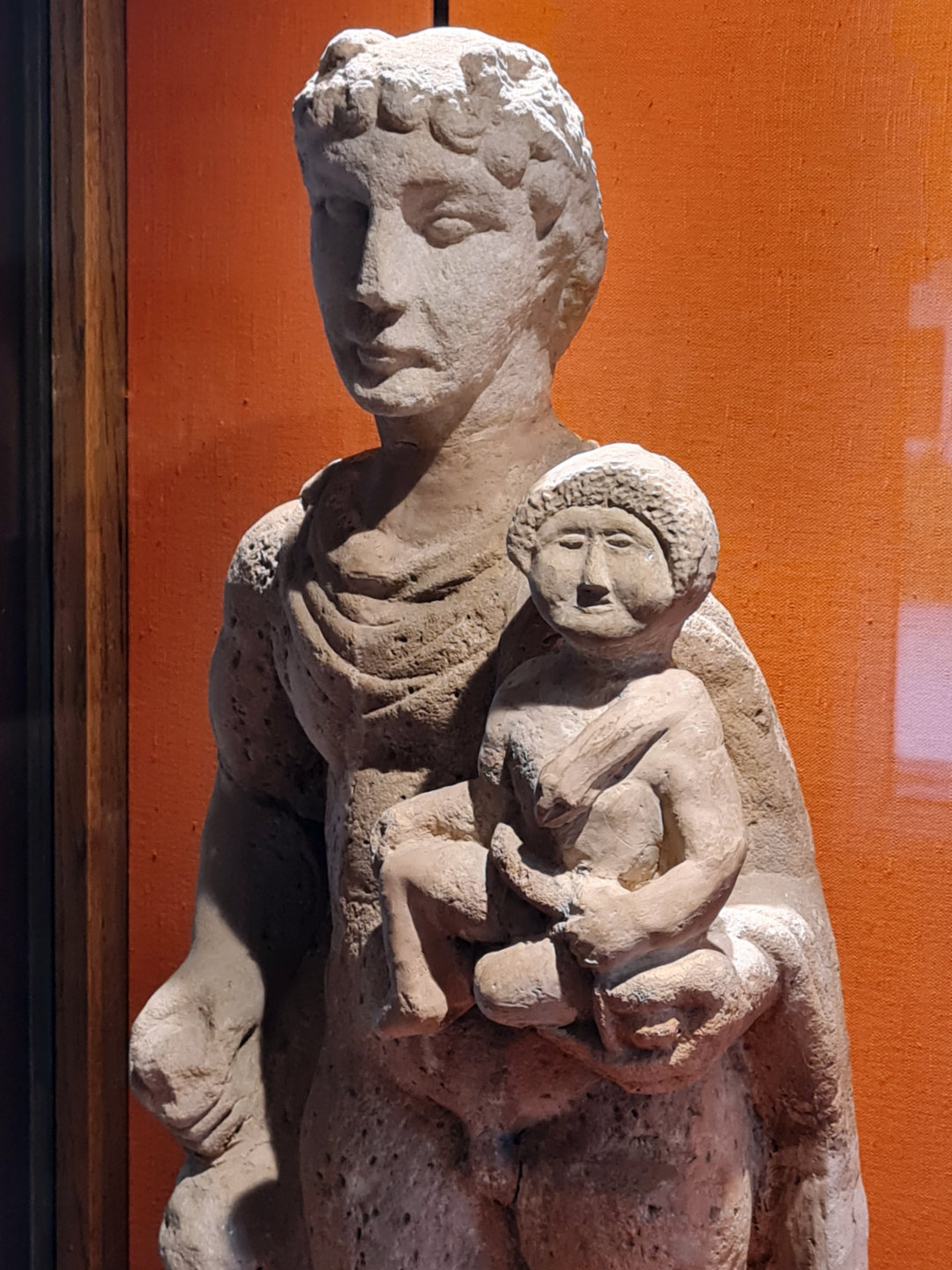
The Stockstadt Mercury carries a purse and a small child around which a snake is coiled.
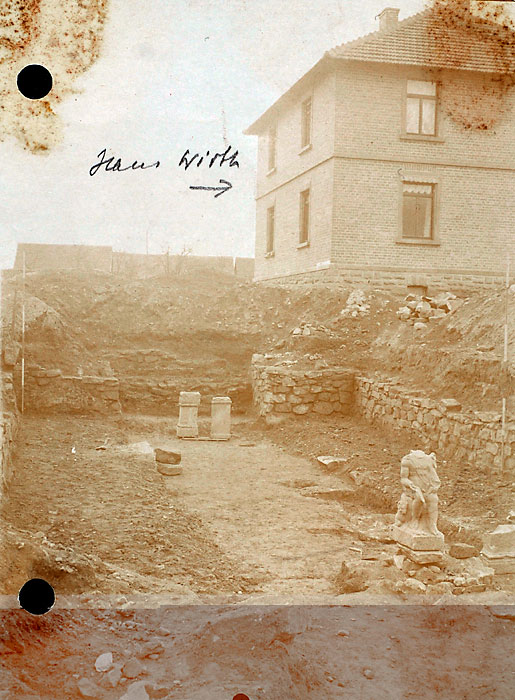
The Mithraeum I in Stockstadt contained images of Mithras but also of Mercury, Hercules, Diana and Epona, among others.
