Your search Stefano Arcella gave 13 results.
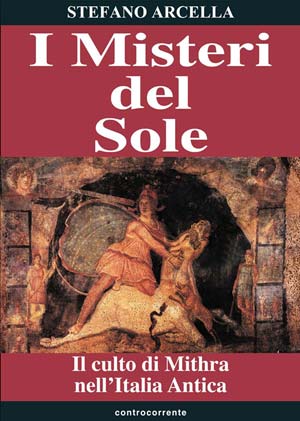
A study of Roman Mithraism that combines historical evidence with a symbol-centred interpretive approach, exploring Mithraic iconography, ritual experience, and the cult’s encounter with Christianity in the Late Empire.
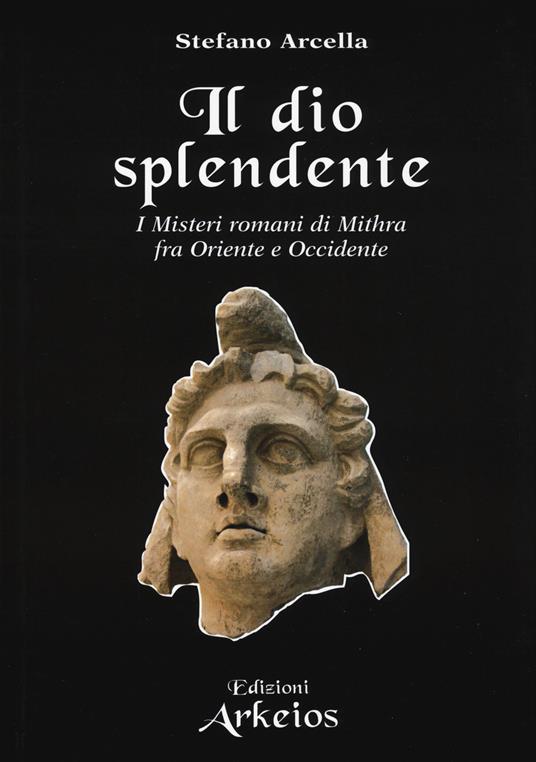
A study that re-examines Roman Mithraism through epigraphic evidence and comparative analysis, exploring its links with Orphism, Platonism, and Iranian traditions, and presenting the cult of Mithras as a solar path of individual spiritual awakening between East and West…
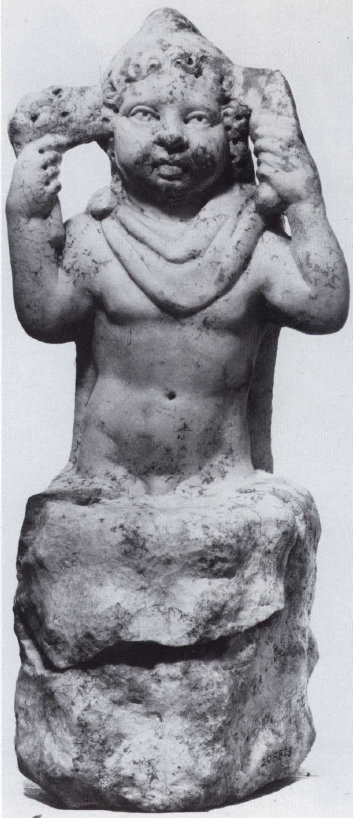
The second statue of Mithras rock-birth was found in the Mitreo di Santo Stefano Rotondo shows a childish Mitras emerging from the rock.

Lissa-Caronna details the excavation and findings of a mithraeum beneath San Stefano Rotondo, focusing on its decor, sculptures, and rituals.
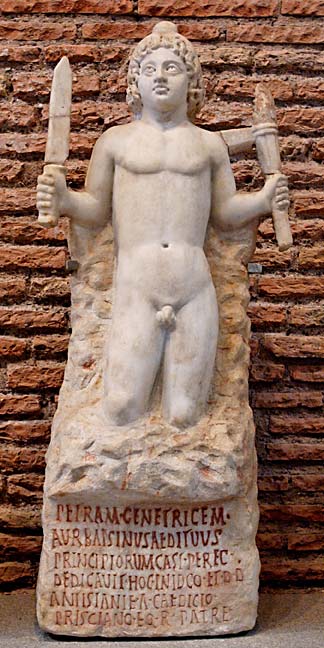
The sculpture of Mithras rock-birth from Santo Stefano Rotondo bears an inscription of Aurelius Bassinus, curator of the cult.
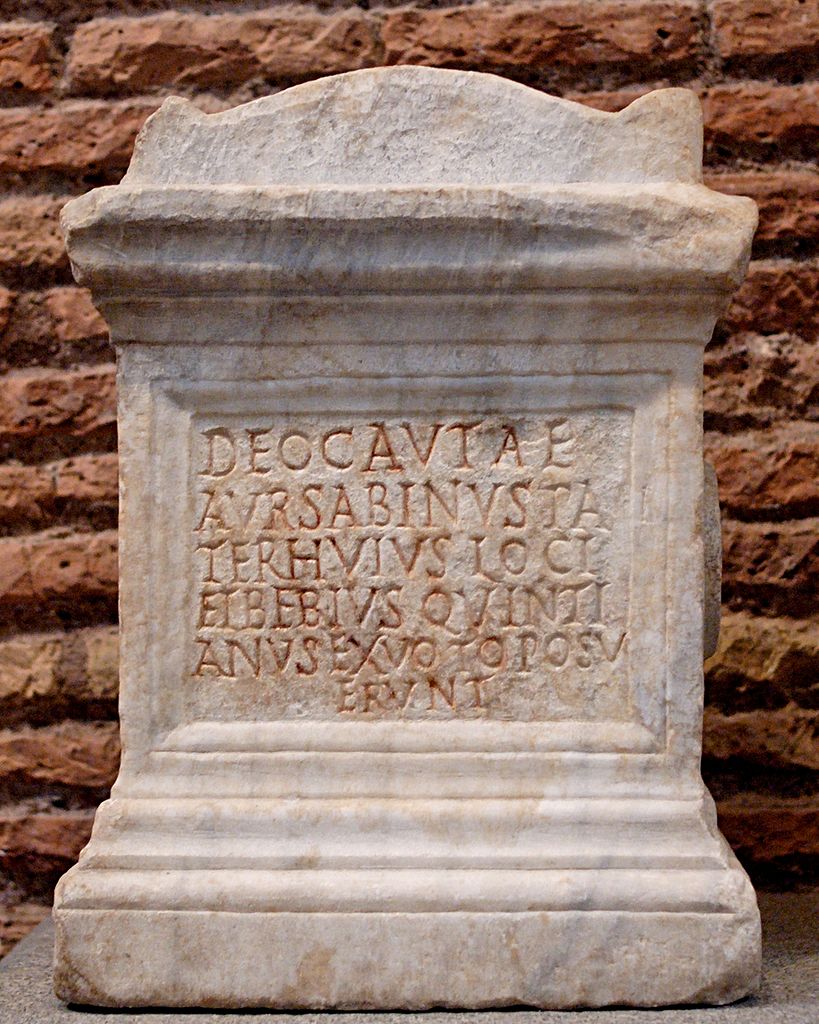
These two parallel altars to the diophores were dedicated by the Pater and a Leo from the Mithraeum of S. Stefano Rotondo.
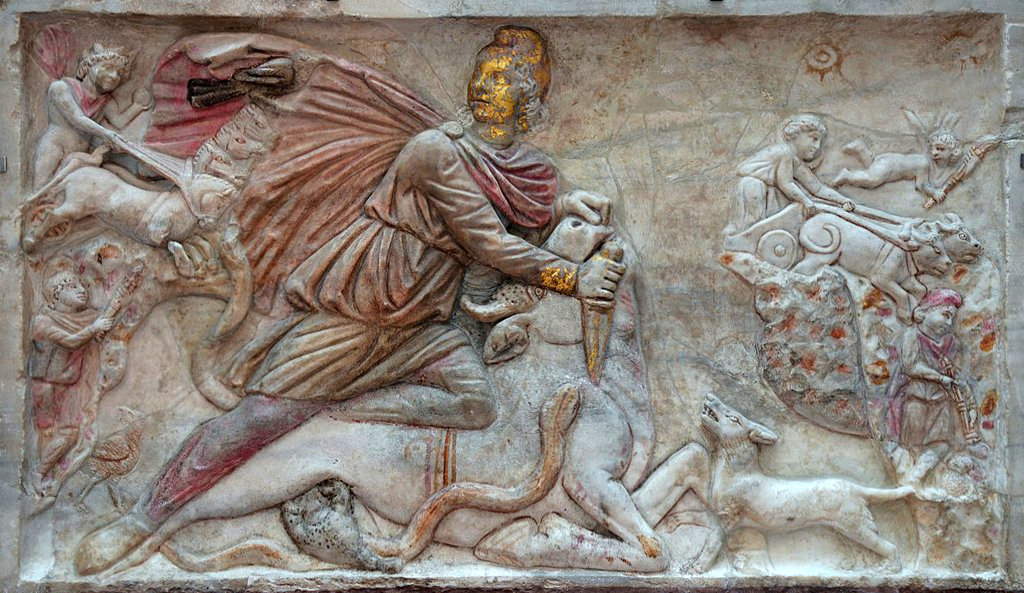
The relief of Mithras killing the bull of Stefano Rotodon preserves part of his polycromy and depicts two unusual figures: Hesperus and an owl.
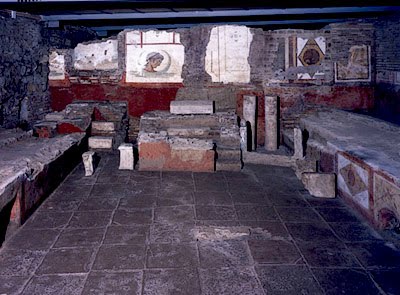
The Mitreo dei Castra Peregrinorum was discovered under the church of Santo Stefano Rotondo in Rome.
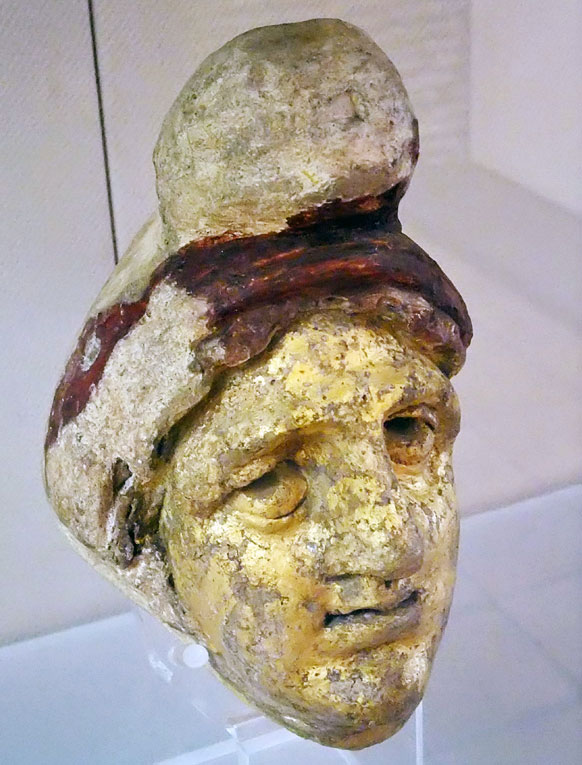
The head was part of a stucco relief of the Tauroctony found under the church of Santo Stefano Rotondo in Rome

Ce 4e fascicule de Mithriaca concerne un très curieux monument exhumé au XVIe siècle sur le site d'un Mithraeum qu'on localise tout près de l'église S. Maria in Domnica, non loin de S. Stefano Rotondo où un autre spelaeum fut mis au jour en 1973…


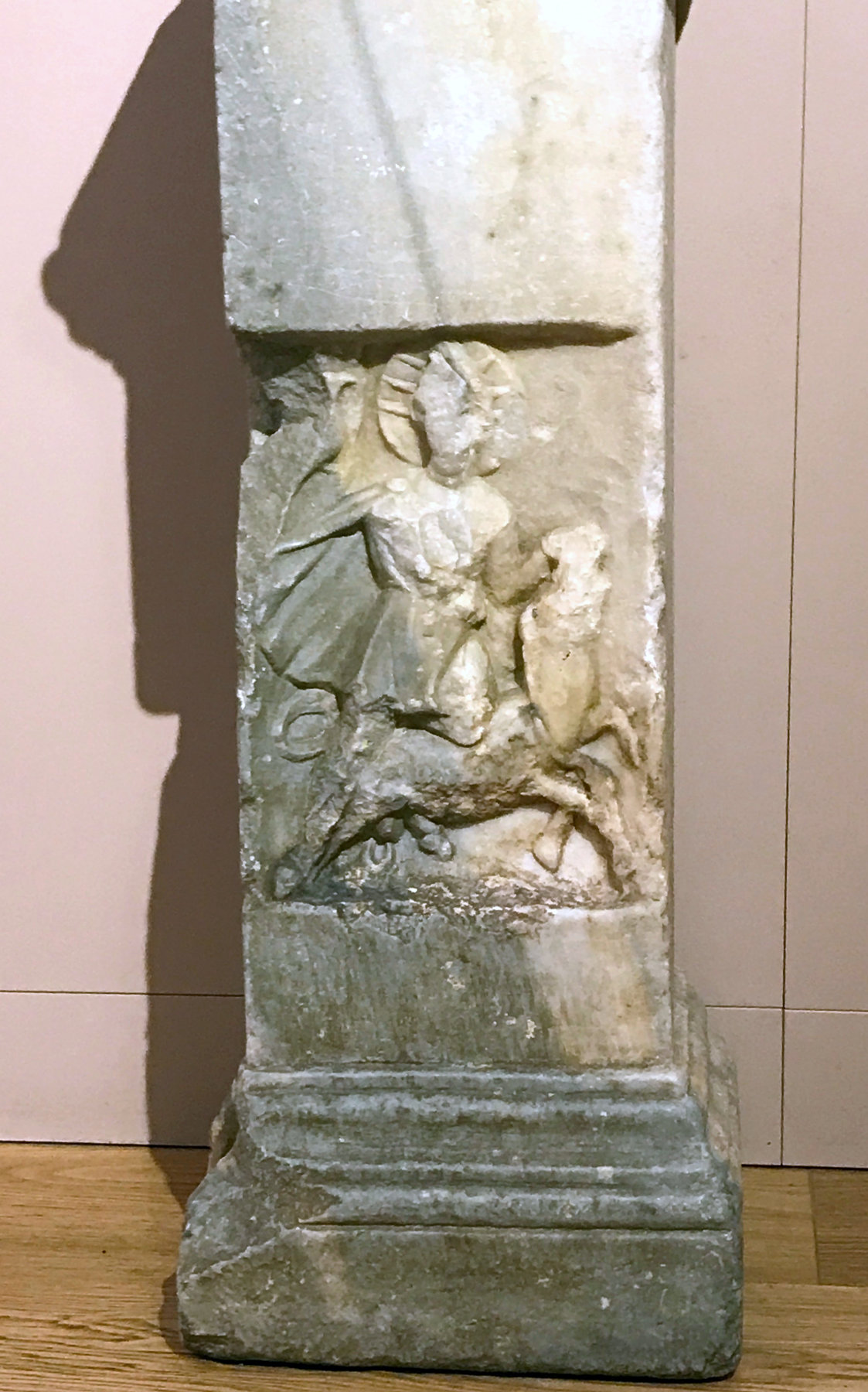
This low relief on an altar of Mithras killing the bull was found in a church in Pisignano, south of Ravenna.
