Your search Stockstadt am Main gave 1174 results.

Damaged red sandstone altar from Mithraeum II at Heddernheim, ancient Nida, with the representation of an axe on its front face
Tall sandstone column base from Mithraeum I at Heddernheim, ancient Nida, with an inscription set between two columns, possibly naming Mithras
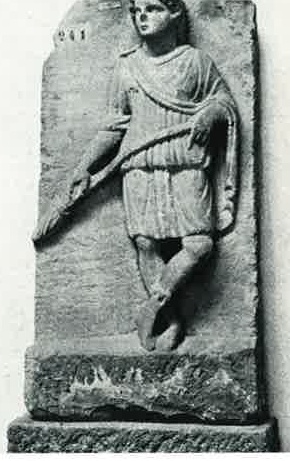
Relief in red sandstone originally standing on a base in Mithraeum I at Heddernheim, ancient Nida, featuring the bull-slaying scene.
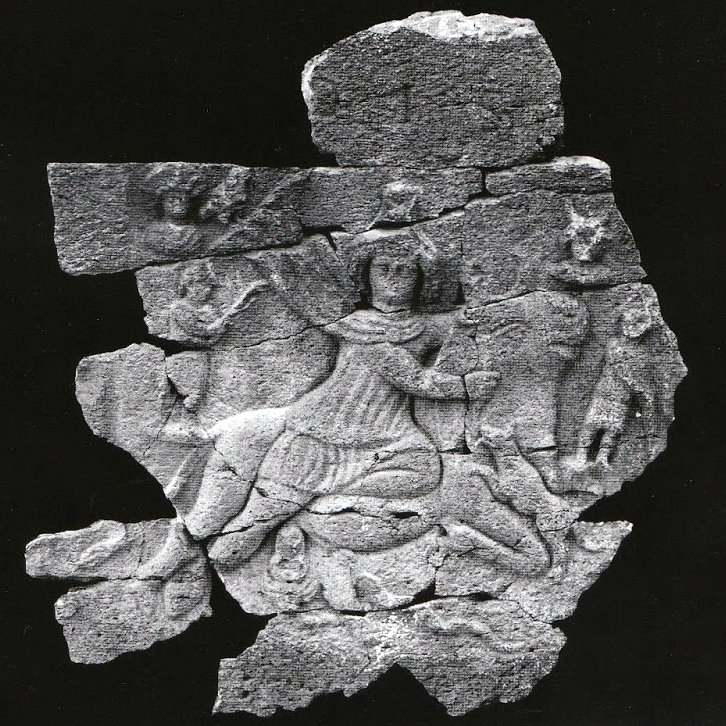
The second tauroctony of Jabal al-Druze seems to have be made by the same sculptor.

This plaque, located on the western staircase of the Palace of Darius, mentions the god Mithra together with Ahura Mazda as protectors of King Artaxerxes III Ochus.
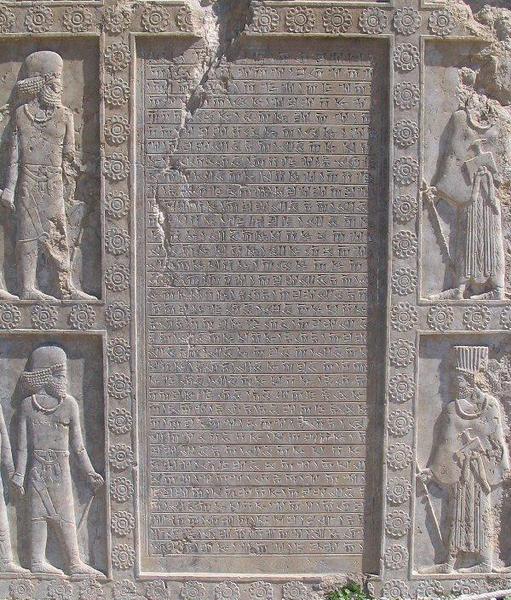
Located at the western entrance to the Palace of Darius in Persepolis, this tablet bears an inscription mentioning Ahuramazda and Mithra.
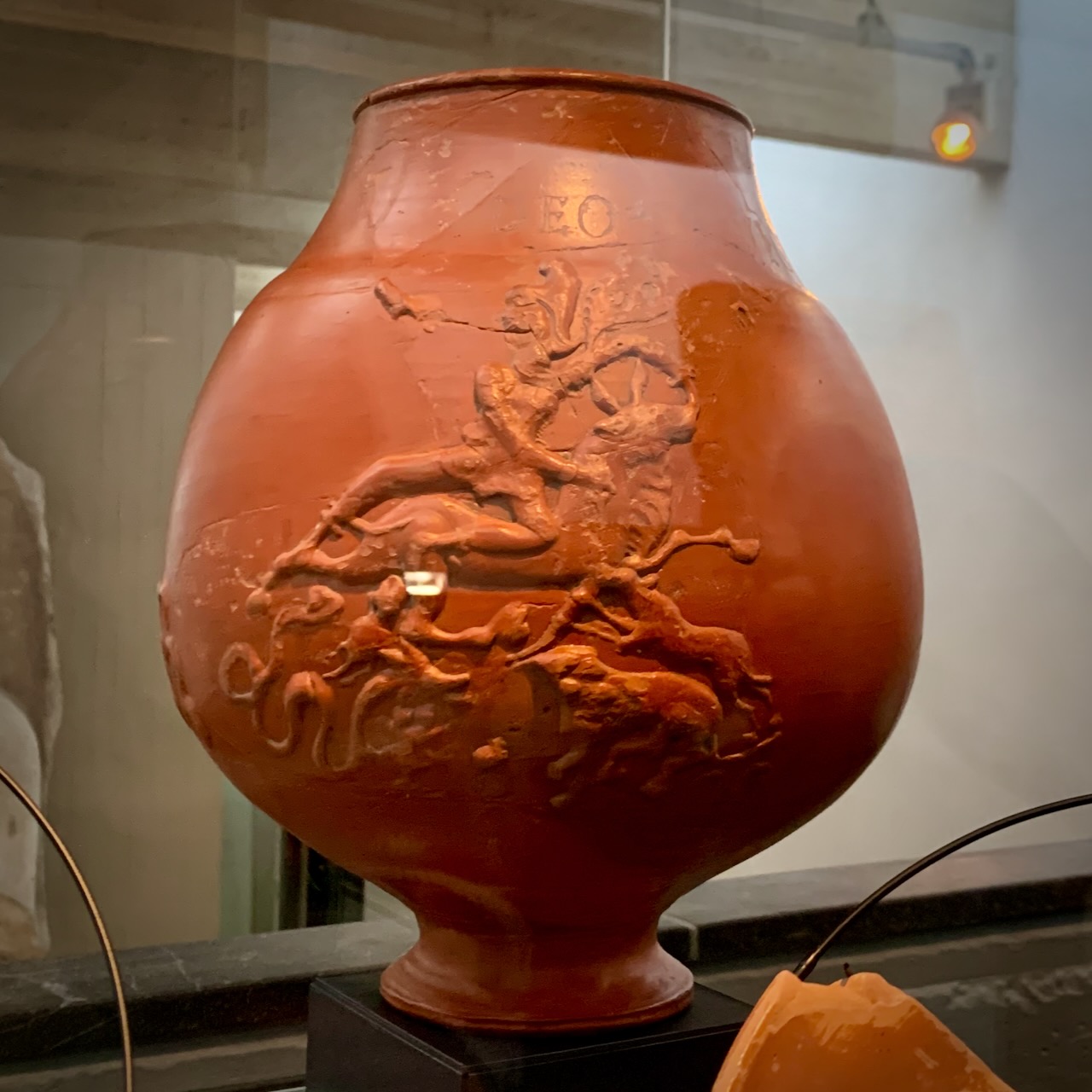
The Mühltal Mithraic crater was discovered among the artefacts of a mithraeum found in Pfaffenhoffen am Inn, Bavaria.
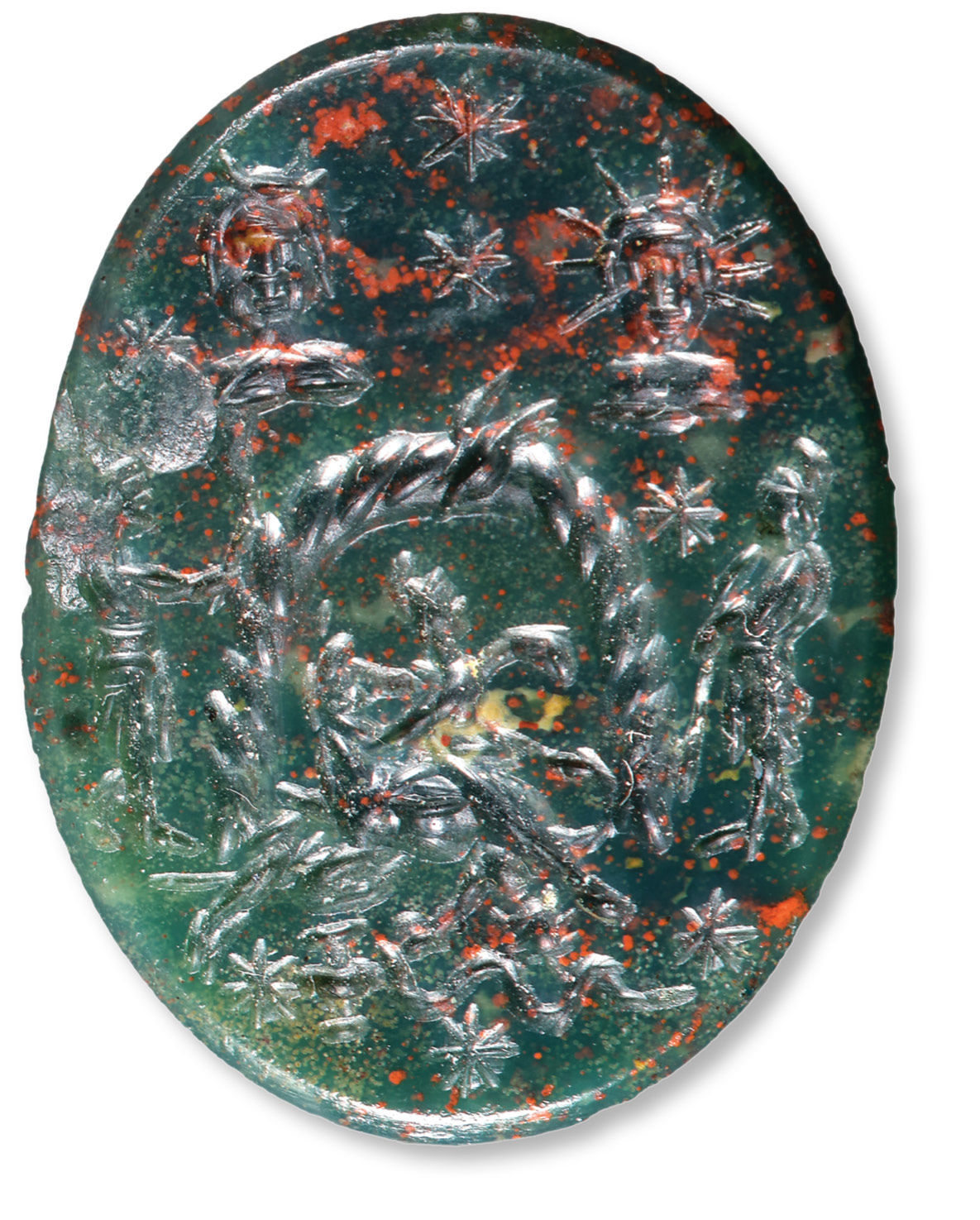
This heliotrope gem, depicting Mithras slaying the bull, dates from the 2nd-3rd century, but was reused as an amulet in the 13th century.
This small monument without inscription was found in Bingem, Germany.
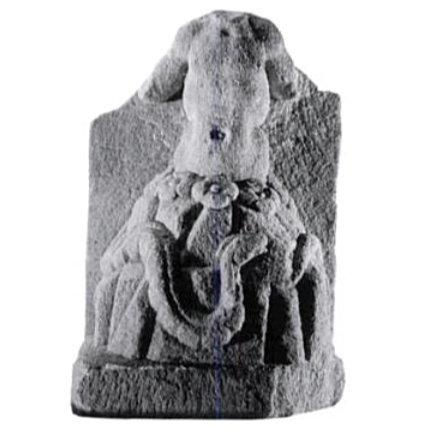
This sculpture of Mithras born from a rock was found in 1922 together with two altars in what was probably a mithraeum.
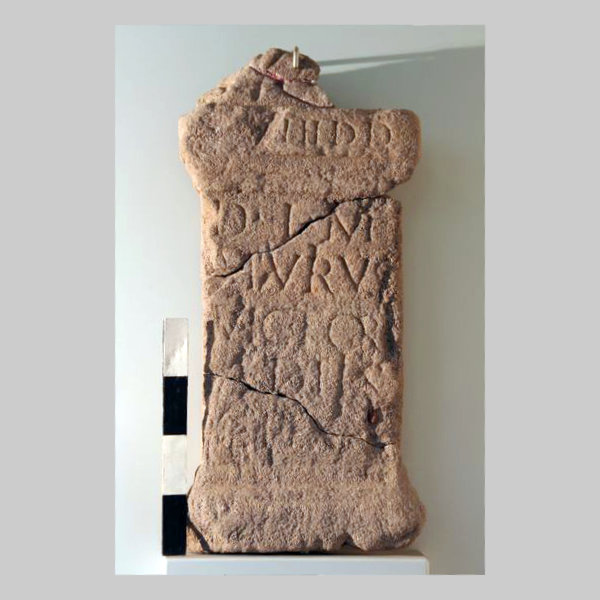
Marius Victor, according to the inscription on the monument, erected this monument to Mithras ’when Philip and Titianus were consuls’.
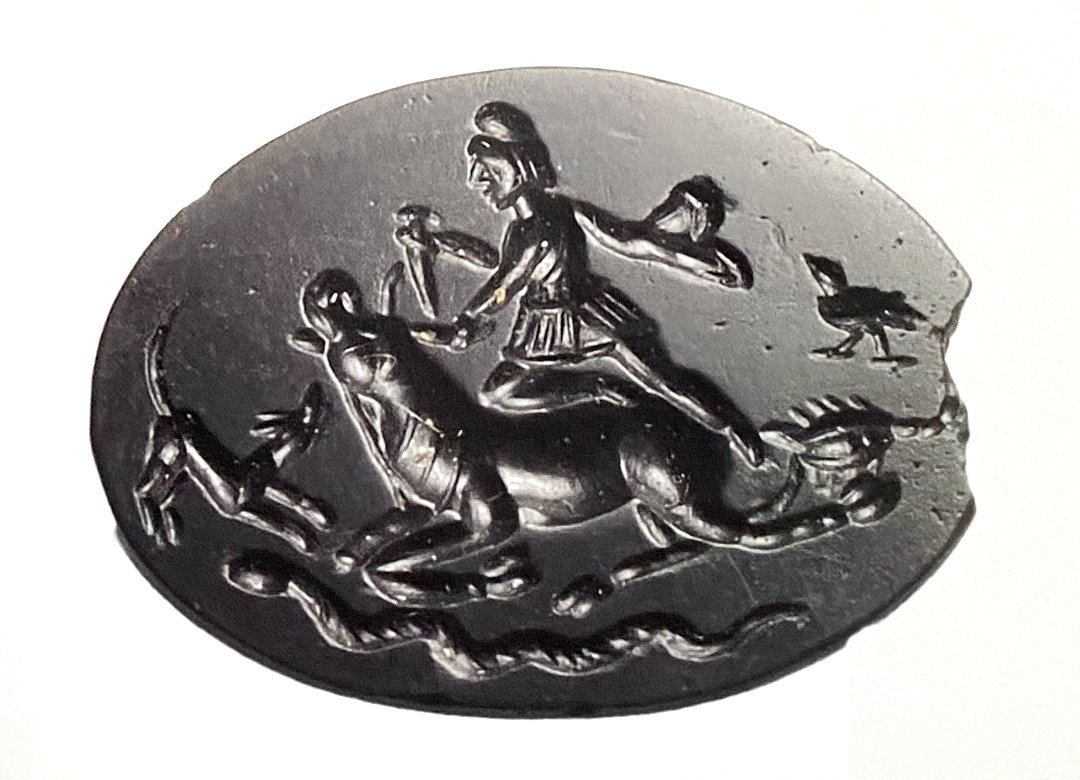
This intaglio with Mithras killing the bull on one side and Kabiros on the other was probably used as a magical amulet.

A possible Mithraeum II was found in Bingen, but the few remains are not sufficient to prove it.
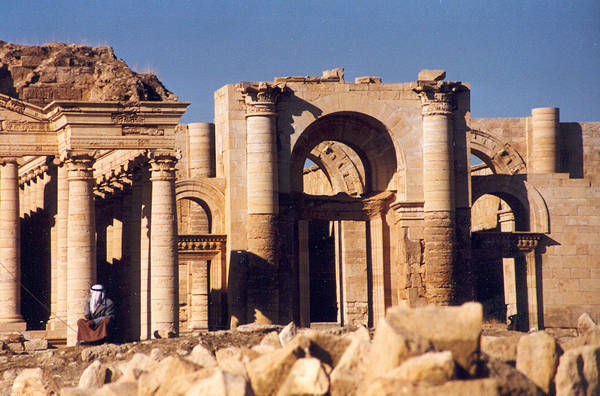
The city of Hatra was famed for its fusion of several civilization cults, which several temples devoted to gods from all Indo-European world.
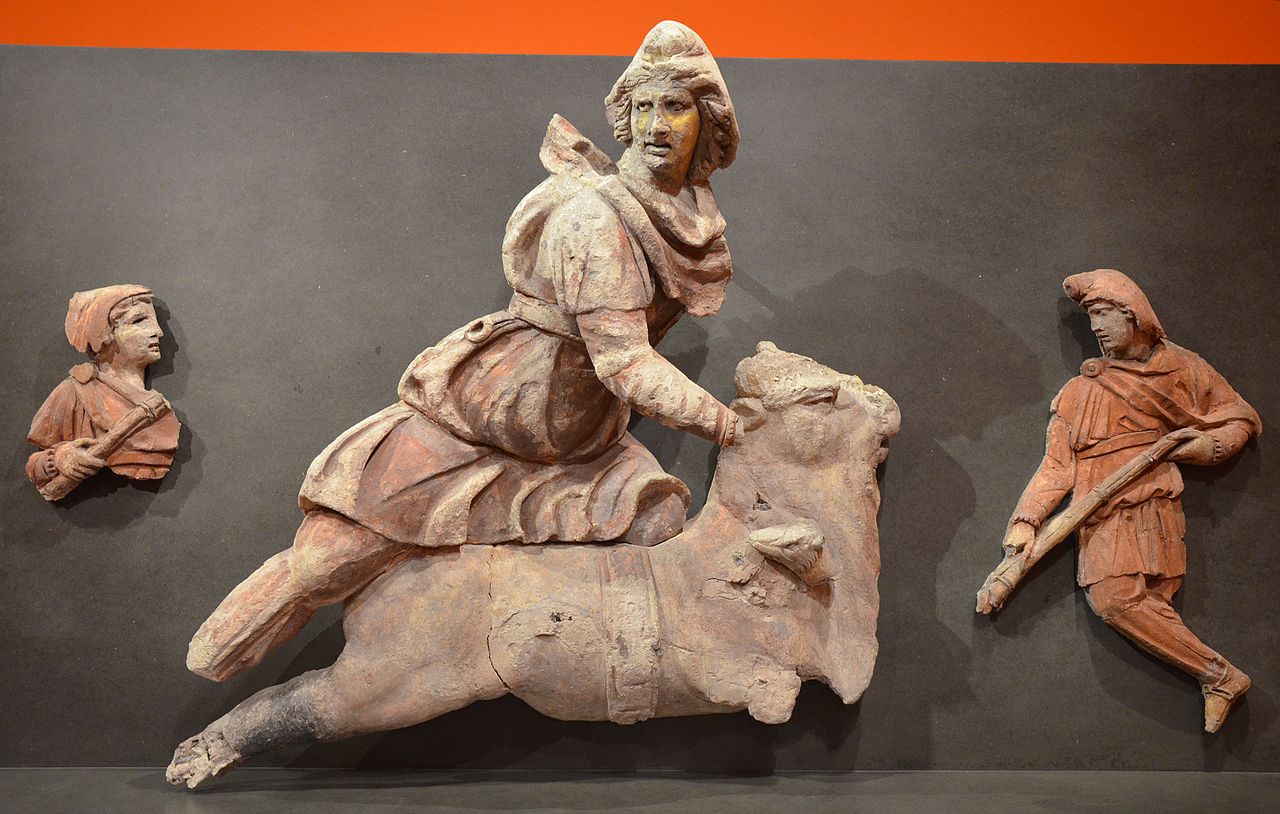
This relief was found under the Palazzo Montecitorio, in Rome, and bought by the Liebighaus at Frankfort.

Gaius dedicated an altar to the god Invictus in Emerita Augusta in the 2nd century.

Severan governor and commander of Legio VII Gemina, associated with the religious milieu that fostered the rise of Mithraic communities in north-western Hispania.

The settlement of Bingerbrück formed part of the Rhine crossing zone opposite the lower Nahe valley.
Terni is a city in the southern portion of the region of Umbria, in Central Italy.
