Your search Stockstadt am Main gave 1174 results.
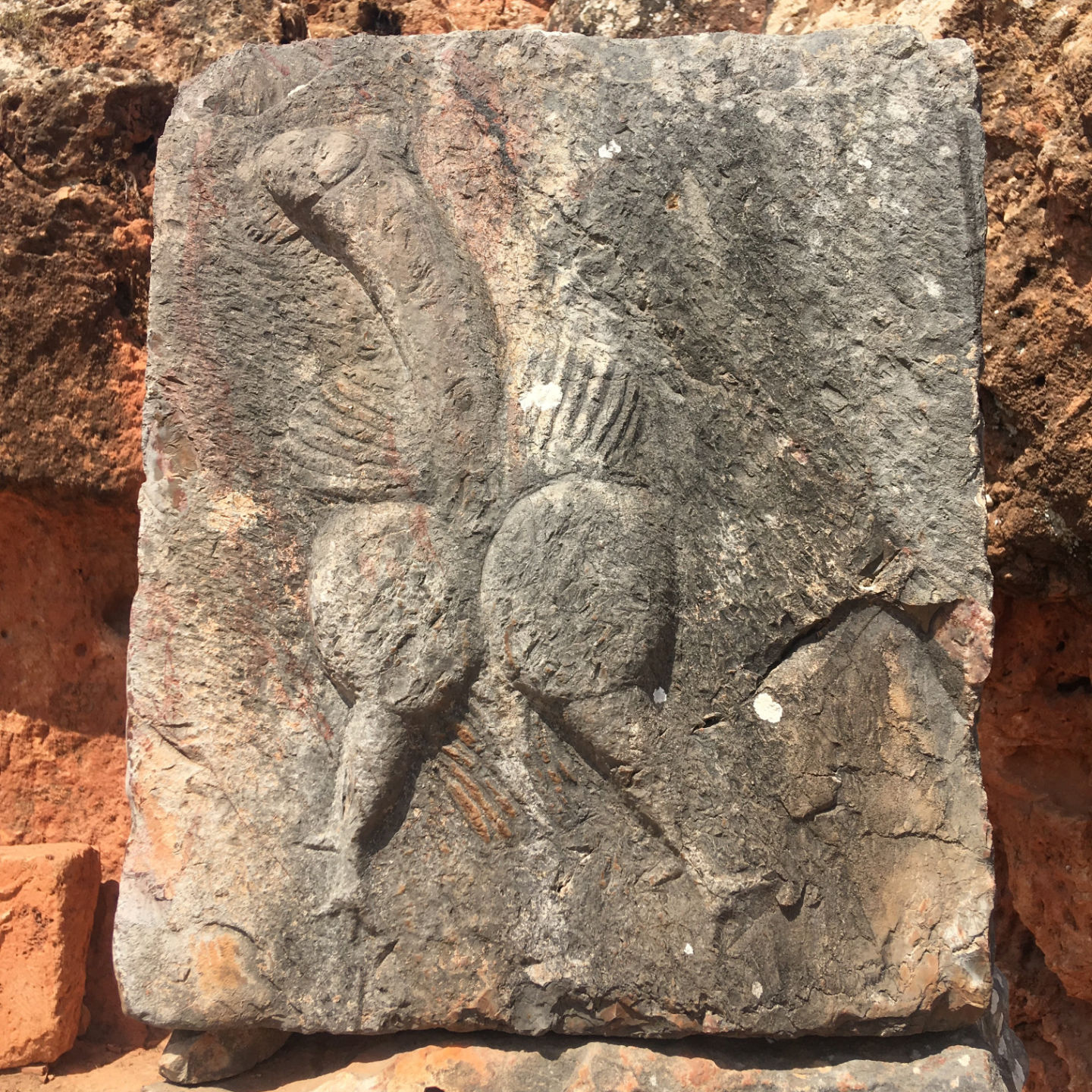
The phallus from Tiddis, Algeria, has been represented as a cock.
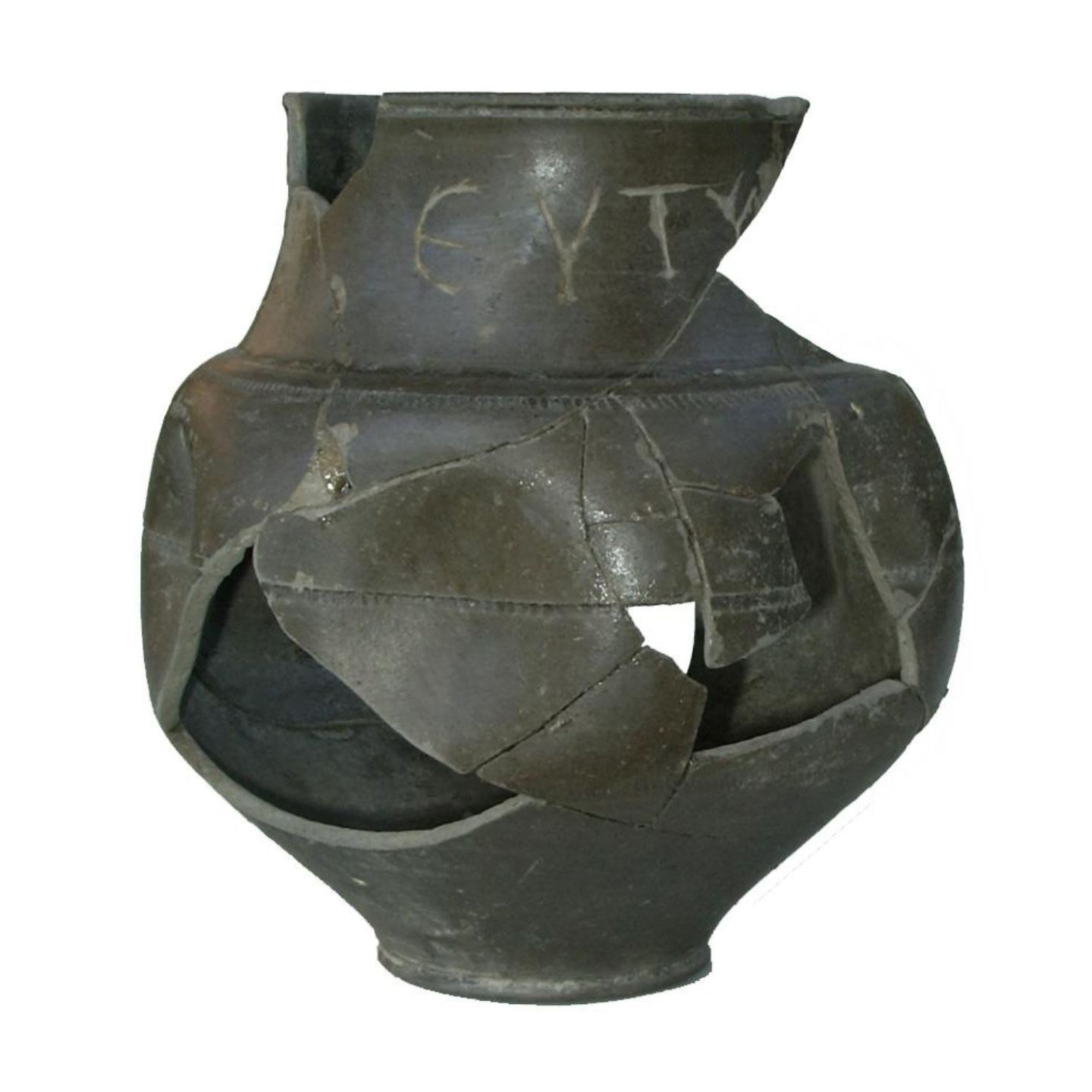
Ceramic cup inscribed with a Greek graffito and recovered from the Mithraeum of Martigny, providing evidence for the use of inscribed vessels within the sanctuary assemblage.
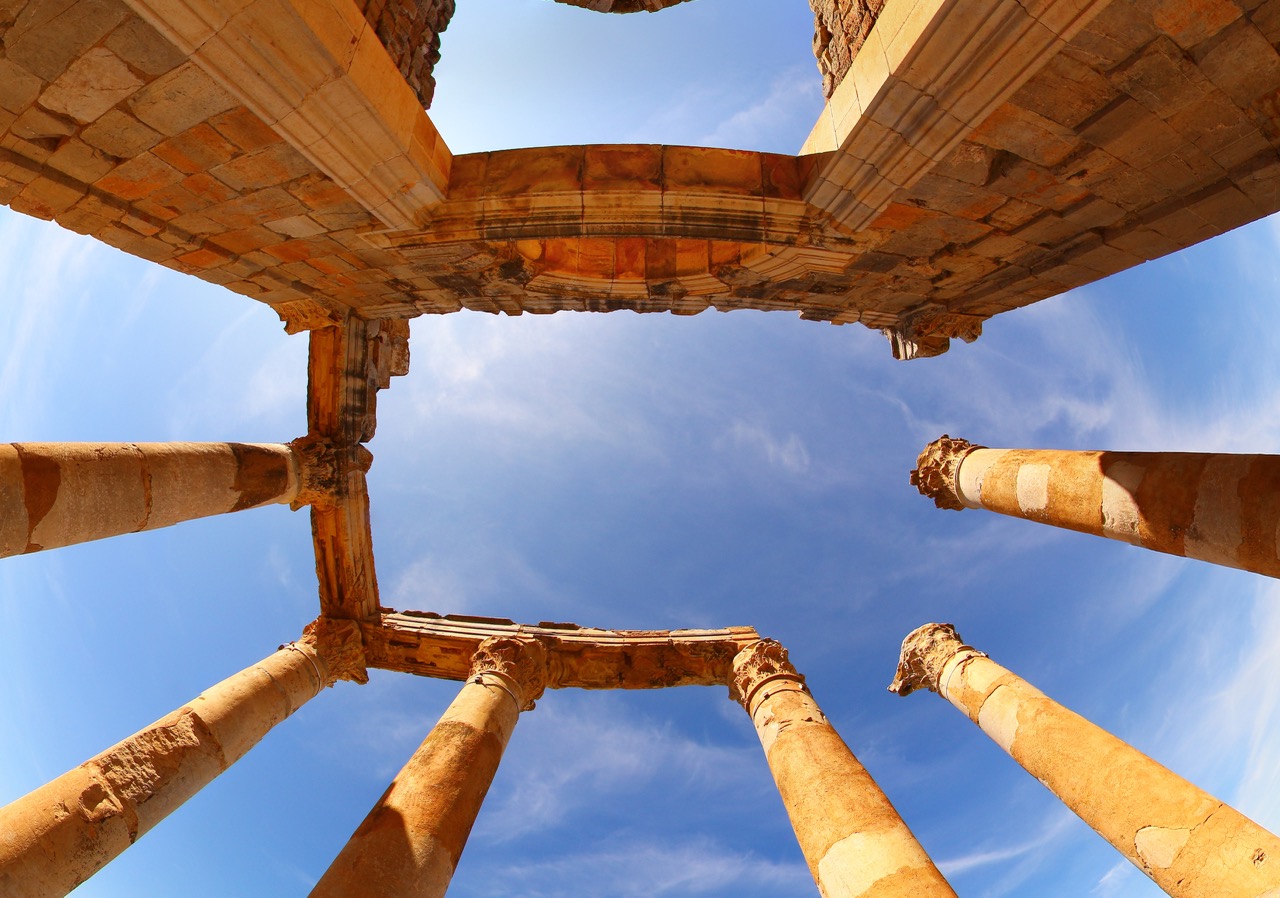
Roman colonial city of Numidia, later known as Djémila, renowned for its exceptionally well-preserved late antique urban remains.

The Roman remains of Benifaió, or Benifayó in Spanish, are located on the outskirts of the city. Of particular interest is a rustic villa inhabited between the 1st and 4th centuries according to the numismatic and ceramic remains found.

A brief dedicatory inscription to Deus Sol Invictus Mithras, found at Vasio (modern Vaison-la-Romaine) in Narbonensis.
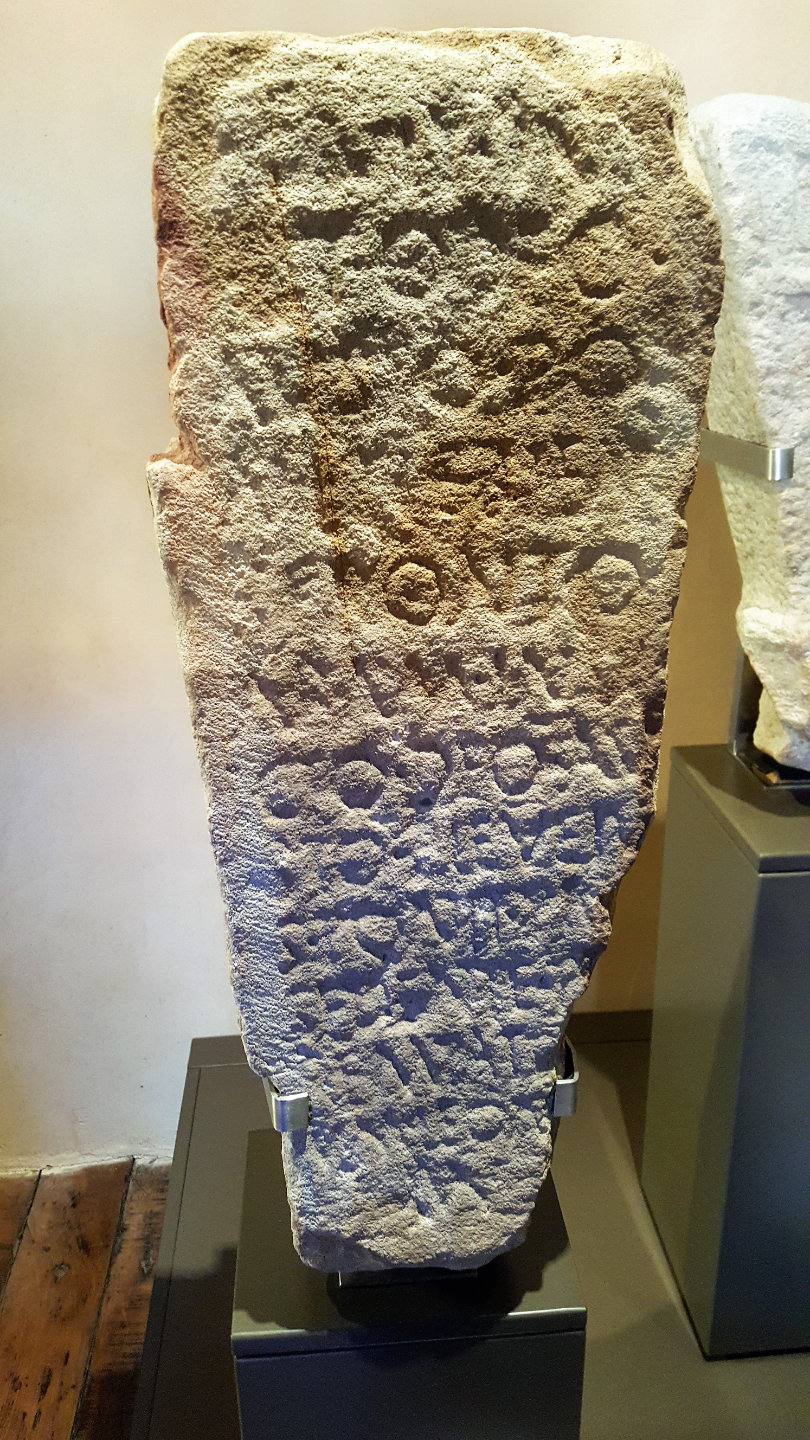
The monument of San Juan de la Isla (Asturias) devoted to Mithras was preserved in the portico of the main church until 1843.
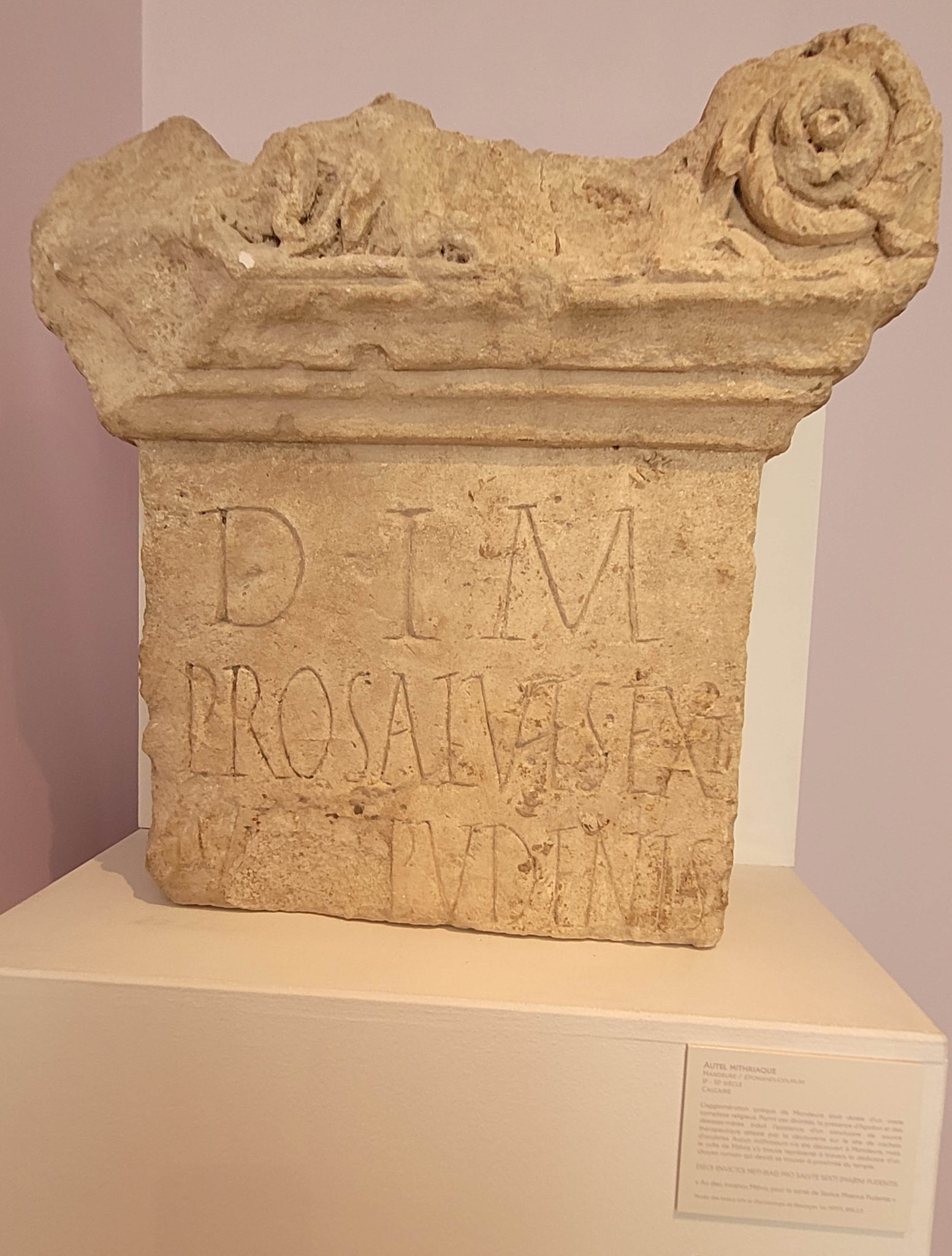
Stela dedicated to Mithras Invictus, found in 1895–1896 at Epamantodurum (modern Mandeure), in the territory of the civitas Sequanorum (Gallia Belgica). The inscription records a vow to Mithras Invictus made for the welfare of Sextus Maenius Pudens.
This small cippus to Zeus, Helios and Serapis includes Mithras as one of the main gods, although some authors argue that it could be the name of the donor.
Altar from Kokardscha near Adam Klissi, ancient Tropaeum Traiani in Moesia Inferior, dedicated to Deo invicto for the welfare of Emperor Marcus Antoninus Verus by Annius Saturninus, centurion of Legio XI Claudia.
Fragment of an altar from Pócsmegyer, ancient Ulcisia Castra in Pannonia Inferior, dedicated to Invicto Soli Mithrae by a custos armorum of the Cohors milliaria nova Severiana.
Limestone relief from Schwadorf, ancient Aequinoctium in Pannonia Superior, depicting the naked Mithras being born from the rock with a serpent encircling it, flanked by torchbearers; one of the finest examples of this iconographic type from the Danubian region…
Sandstone altar from the Mithraeum at Königshoffen, dedicated to Deo invicto by a dedicant whose name begins Primu[s]; the remainder of the text is fragmentary.
Group of monuments from Lepcis Magna published among the principal Mithraic remains of Roman Tripolitania.
Finds discovered near the crossing of the criptoporticus of the Mithraeum at Capua, including marble plate fragments, a tuff base, red lamps, and animal bones.
Miscellaneous finds from the middle of the Mithraeum of Capua, including a terracotta antefix with centaurs, basins, marble bases, lamps with a Sol head, and coins of M. Aurelius and Constantine.
Fresco fragment from the initiation sequence of the Mithraeum of Capua, of which only the heads and parts of the white tunica of two figures remain visible.
Badly damaged fresco fragment showing a person in red attire in a kneeling position, from the initiation sequence of the Mithraeum of Capua.
Head in Phrygian cap with a sorrowful expression, used as a protome in the Amphitheatre of Capua and interpreted as a head of Mithras.
Altar inscription dedicated to Sol Augustus by the decurion Valerius Carpus, from Timgad (ancient Thamugadi).
Great royal inscription of Antiochus I of Commagene carved on the thrones at Nemrud Dağı, invoking Apollo-Mithras-Helios among the guardian deities of the kingdom, 69–34 B.C.
