Your search Tal hal Hariri / Es-Sâlihiyeh / As Salhiyah gave 3730 results.
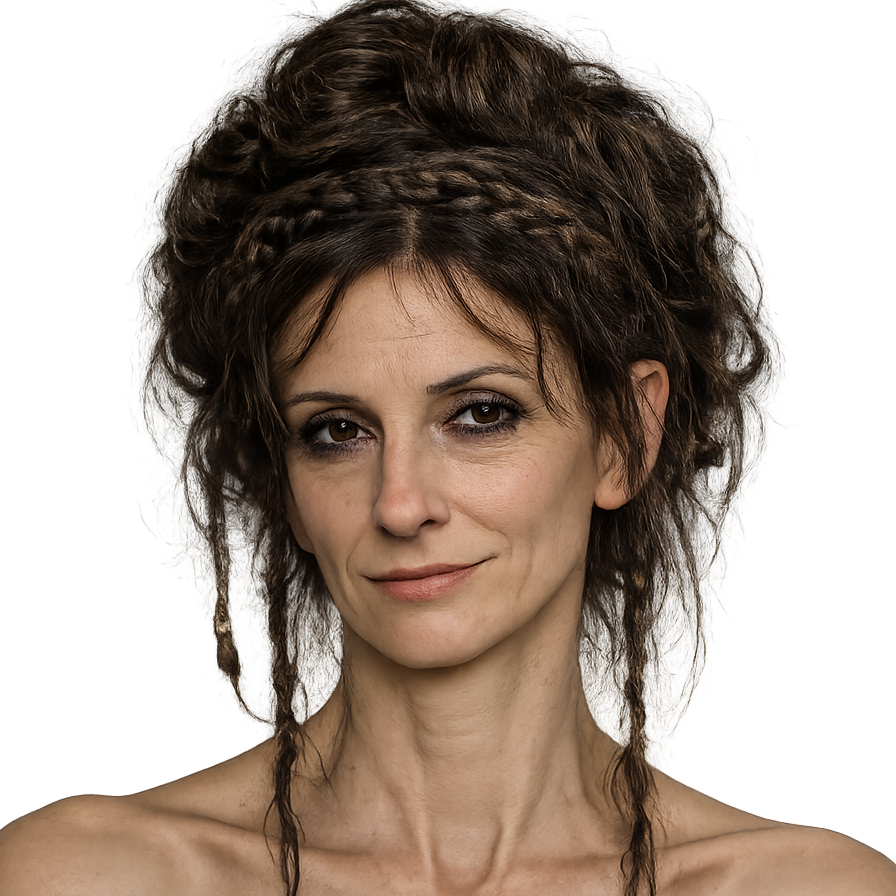
Occupant of a richly decorated tomb at Oea once interpreted as evidence for female Mithraic initiation.

Garlic merchant and devotee of Cautes whose dedication at Can Modolell reflects the integration of Mithraic worship into the commercial life of Roman Tarraconensis.

Known from a dedication to Dominus Invictus in Malaca, he may represent an early and uncertain witness to Mithraism in Baetica.

A Mithraic worshipper whose offering reveals a pater patrum and leonine initiates in northern Hispania.
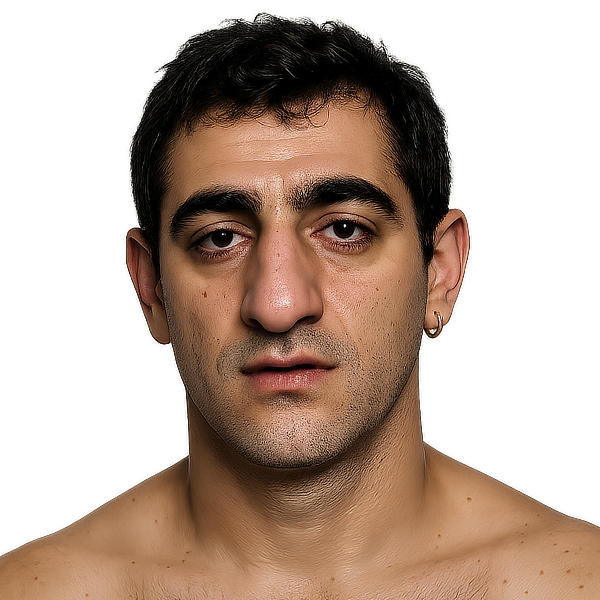
The pater Artemidorus seems to be an Augustan freedman of the Claudians, of Eastern origin.

Member of the Mithraic congregation of Emerita Augusta who commissioned a monumental torchbearer statue under Accius Hedychrus.

This lost monument from Malaga, Spain, to Dominus Invictus has been linked to the cult of Mithras, although there is not enough evidence.

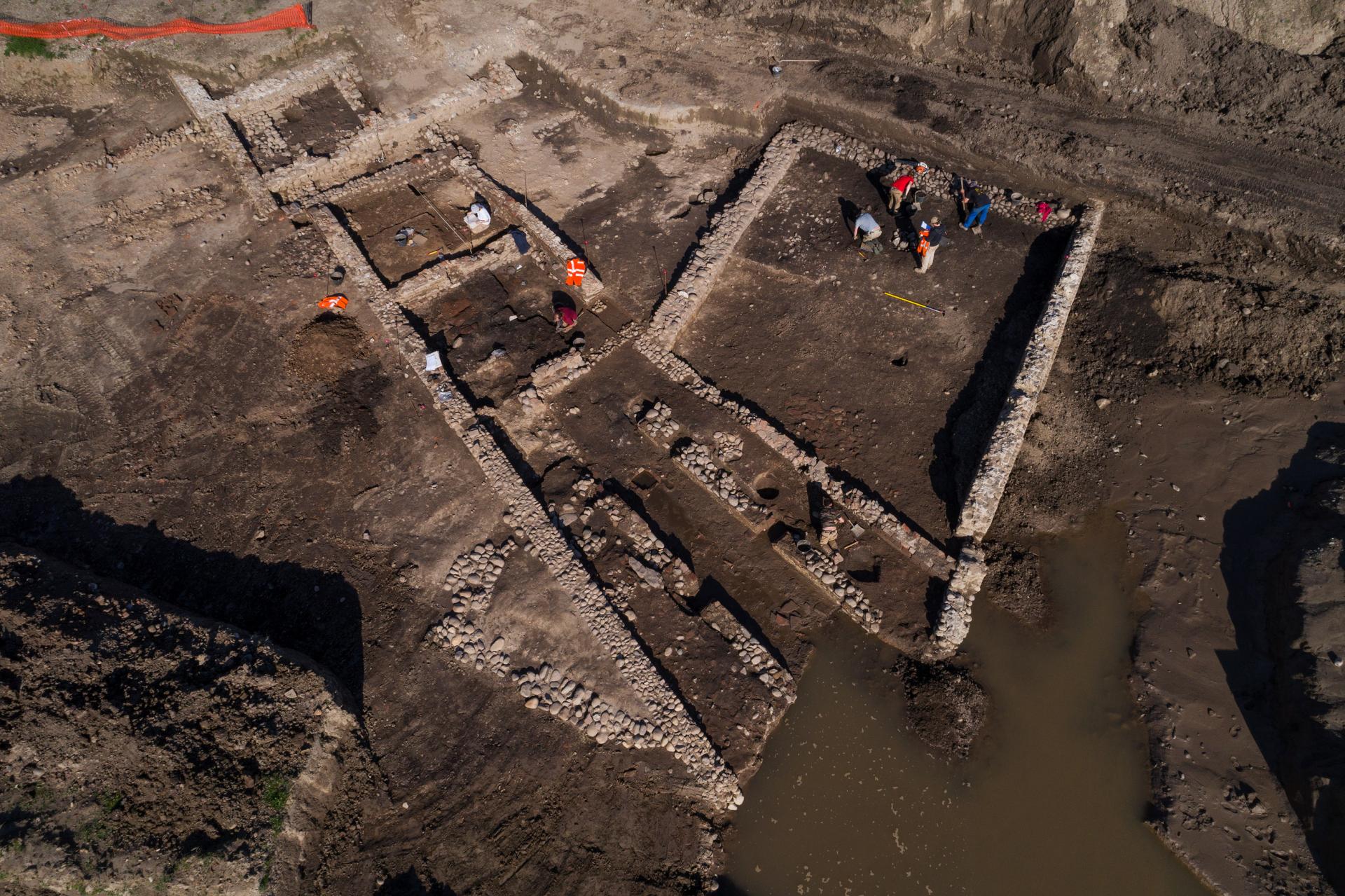
For the first time, a Mithraeum has been discovered in Corsica, at the site of Mariana, Lucciana (Haute-Corse).

Gaius Accius Hedychrus was one of the most prominent Mithraists known from Roman Hispania and a central figure in the Mithraic community of Emerita Augusta during the mid-second century CE.

Centurion of Legio VII Gemina Antoniniana who dedicated an altar to Mithras at Locus, honouring his freedmen Victorius Secundus and Victorius Victor.

Archaeological evidence for military Mithraism in north-western Roman Hispania.
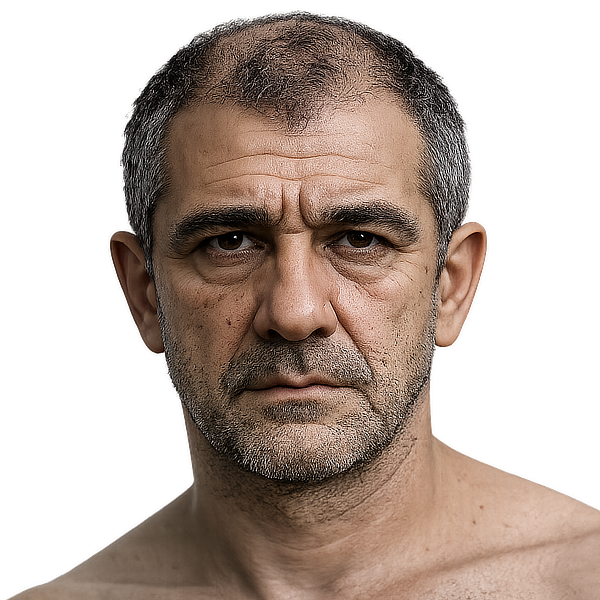
Sextus Pompeius Maximus was an Ostian pater, later honoured as pater patrum, whose benefactions transformed the Aldobrandini Mithraeum and linked him to the city’s ferry guilds.

His name was added to the main tauroctony sculpture of the Mitreo Fagan.

IT freaky guy protected by Cautes and Cautopates (both at once), made in Barcelona, willing to engage with other guys or gals into the same trips.

Antistes and patron of the Mithraea of the Painted Walls and the Imperial Palace at Ostia.
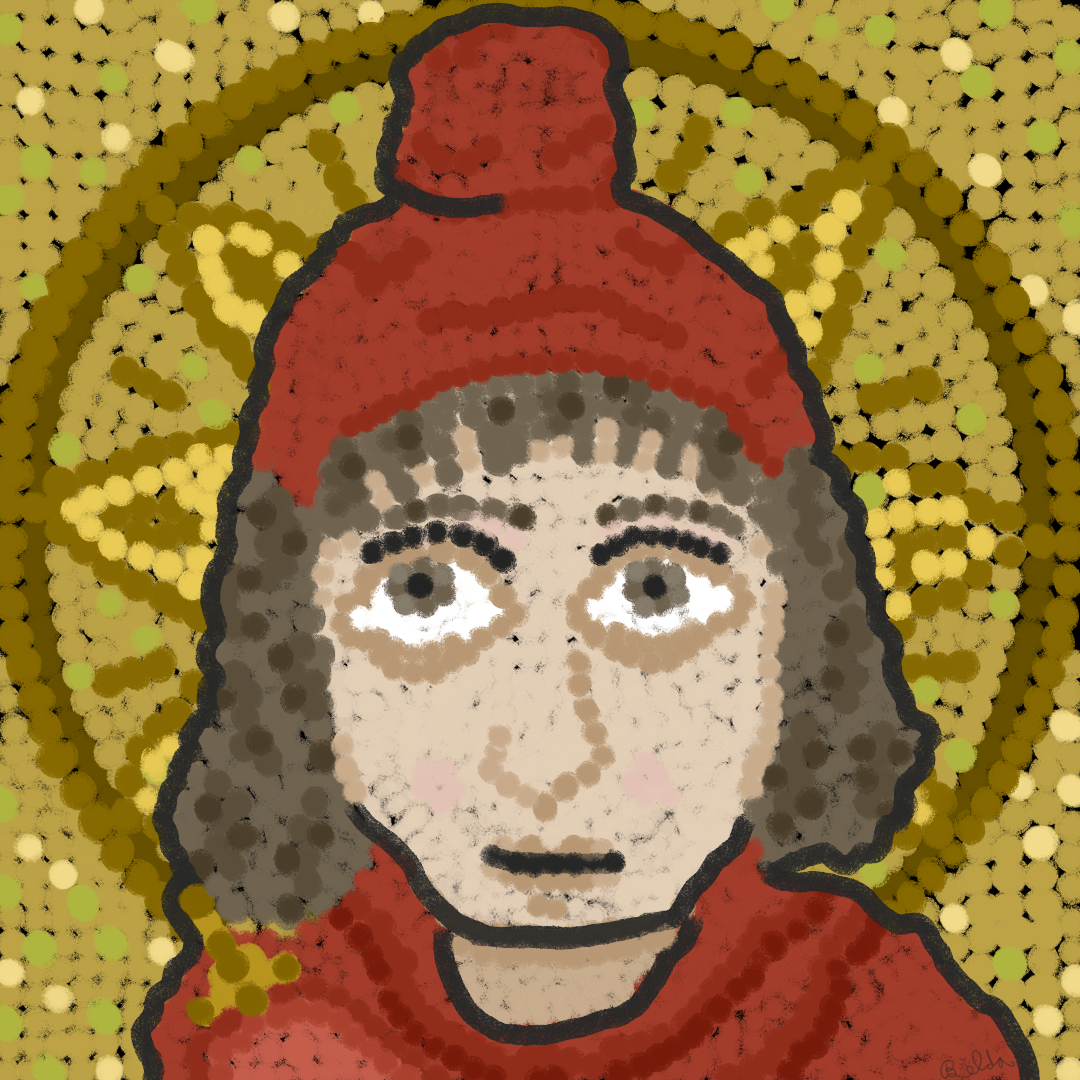


Leading member of the Ostian Mithraic community, holder of the titles pater, sacerdos and antistes.

Pater of the Mithraeum of Lucretius Menander at Ostia, honoured by a dedication from Diocles in the late second or early third century CE.
