Your search Tal hal Hariri / Es-Sâlihiyeh / As Salhiyah gave 3725 results.

This marble base found in Angera in 1868 bears the inscription of two people who reached the degree of Leo.
The inscription explains the transmission of the fourth Mithraic degree through the Paters of the Mitraeum of San Silvestro.
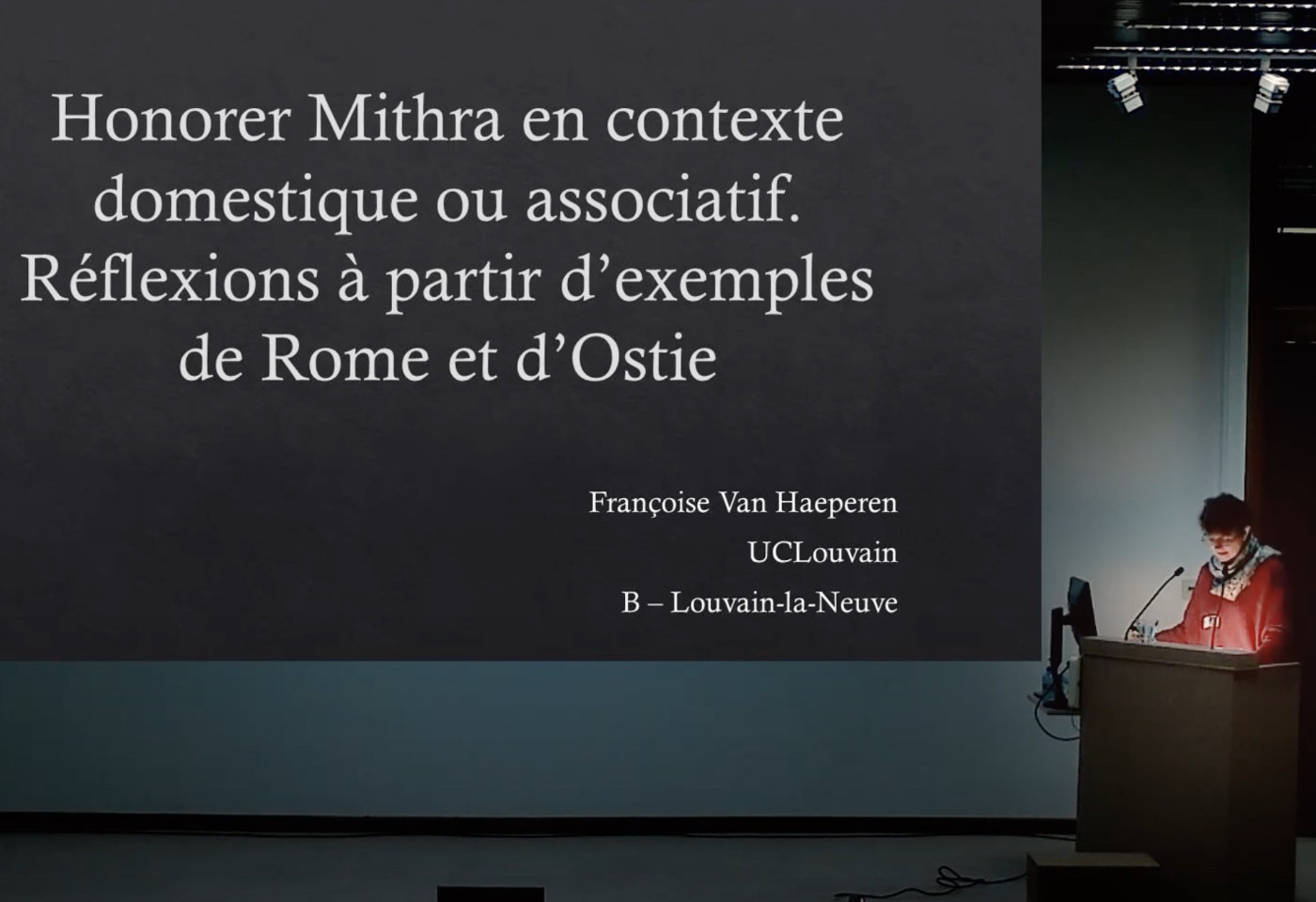
Mithra et ses actualités - Journée d'études.
Prof. Parvaneh Pourshariati; 9th European Conference of Iranian Studies, Free University of Berlin, September 2019.
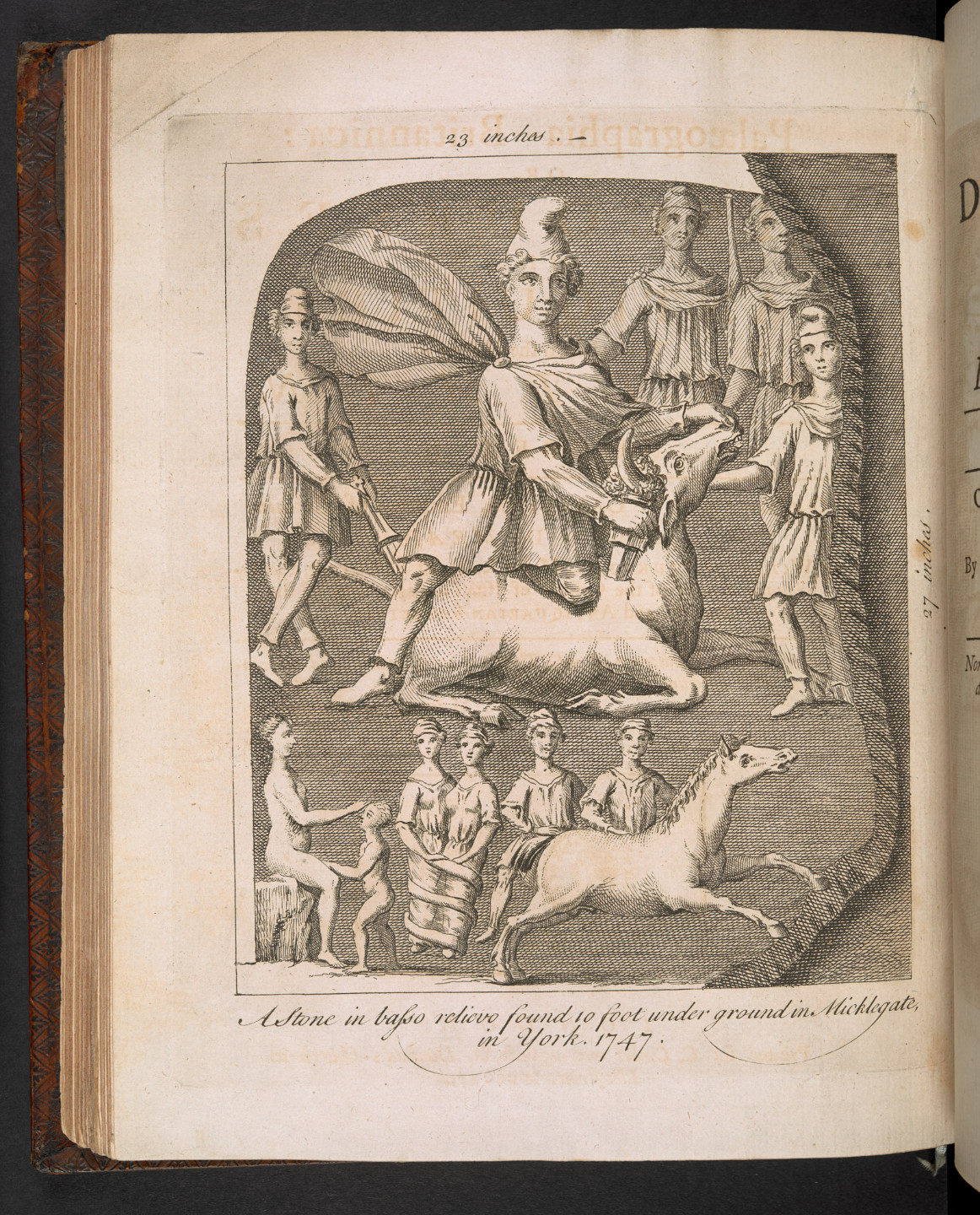
Palæographia Britannica: or, discourses on antiquities that relate to the history of Britain. Number III.
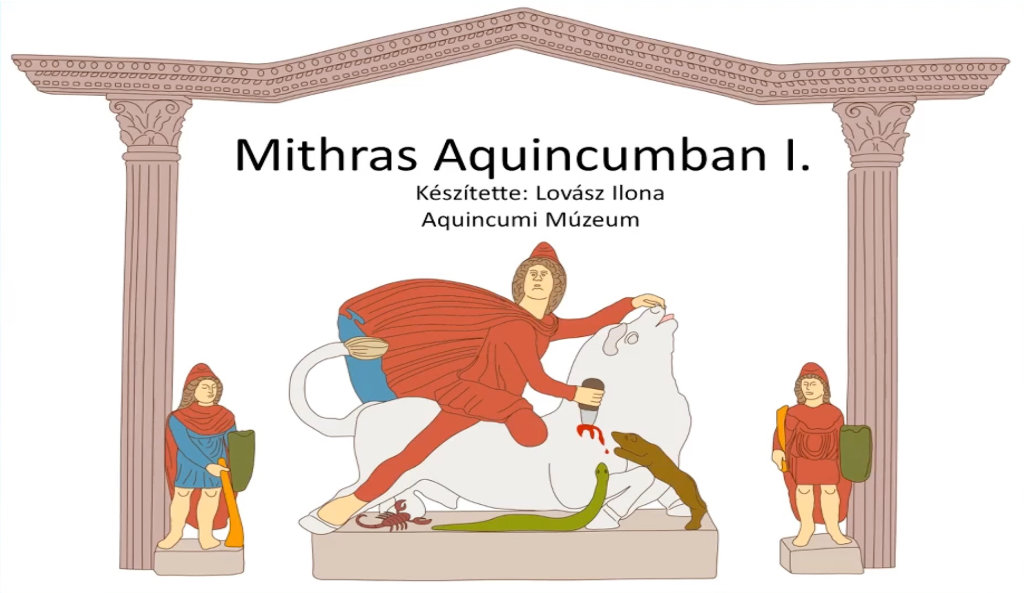
Video report in Hungarian by the Aquincum Museum on the Mithraic discoveries in the region.
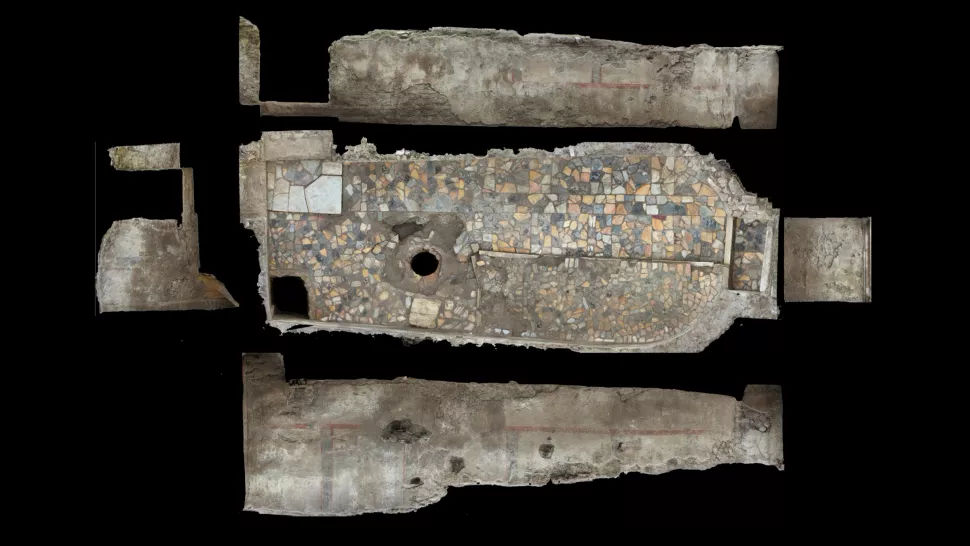
The ancient Roman worshippers were likely in altered states of consciousness.

He was a soldier of the Cohors I Belgarum, probably of Dalmatian origin, who dedicated an altar to Mithras in Aufustianis.

Owner of www.mithraeum.org and the Mithras and Mithraeum discussion lists on Groups.io. Co-founder of Nova Roma and the founder of Byzantium Novum.

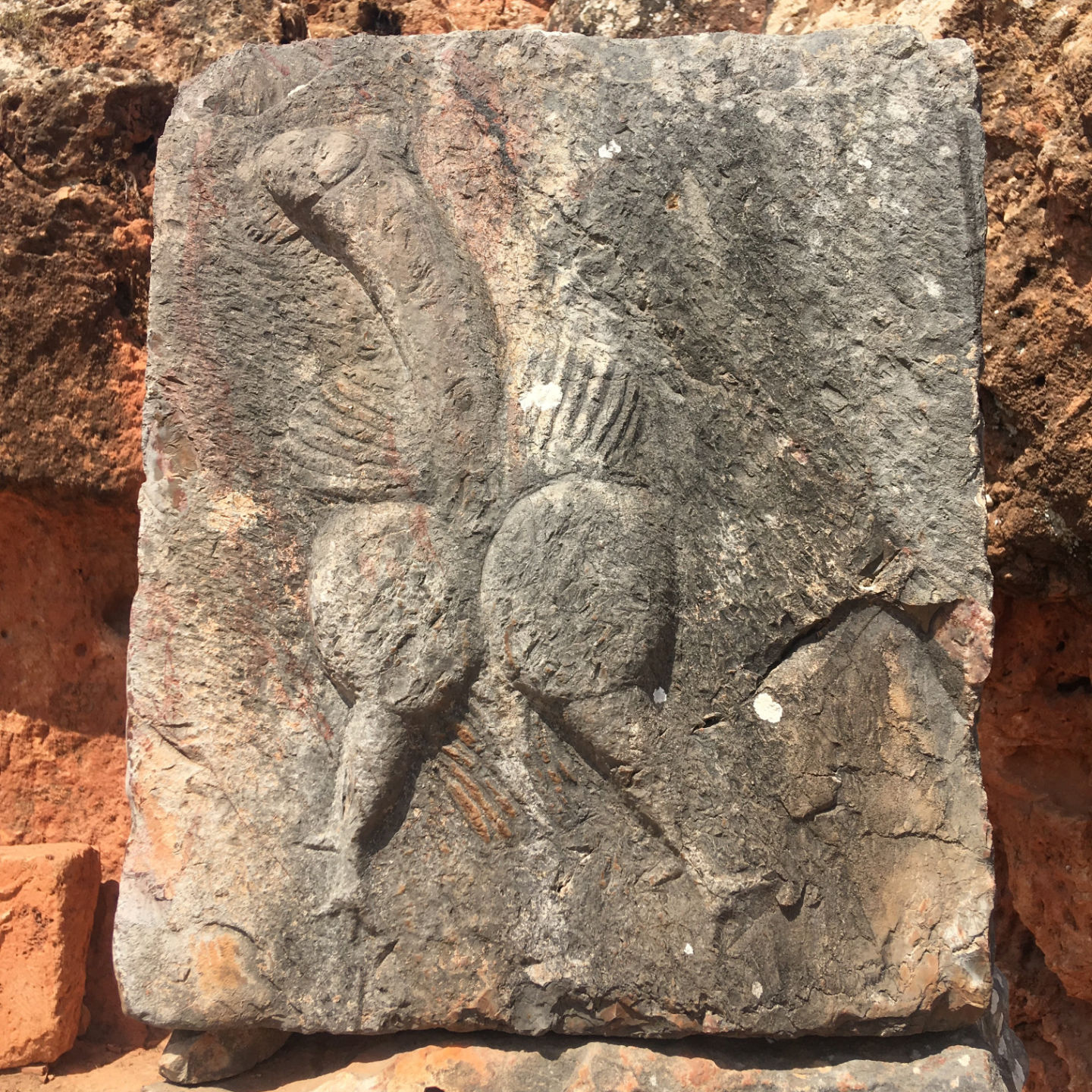
The phallus from Tiddis, Algeria, has been represented as a cock.
Marble head of Helios-Mithras with curly hair and seven holes for fastening rays, from the Mitreo degli Animali at Ostia, Lateran Museum.
A small cippus from the Mithraeum of Sabazeus records the rebuilding of the sanctuary after its collapse.
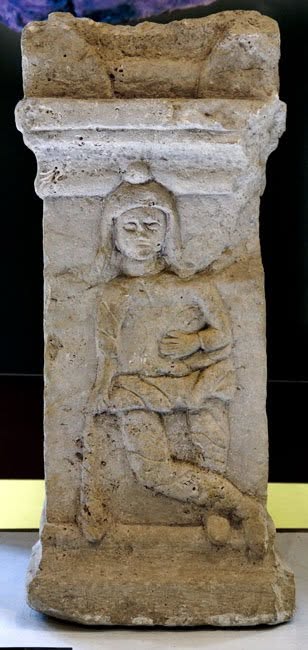
Votive altar depicting Cautopates from the Roman city of Durostorum, modern-day Silistra in Bulgaria.
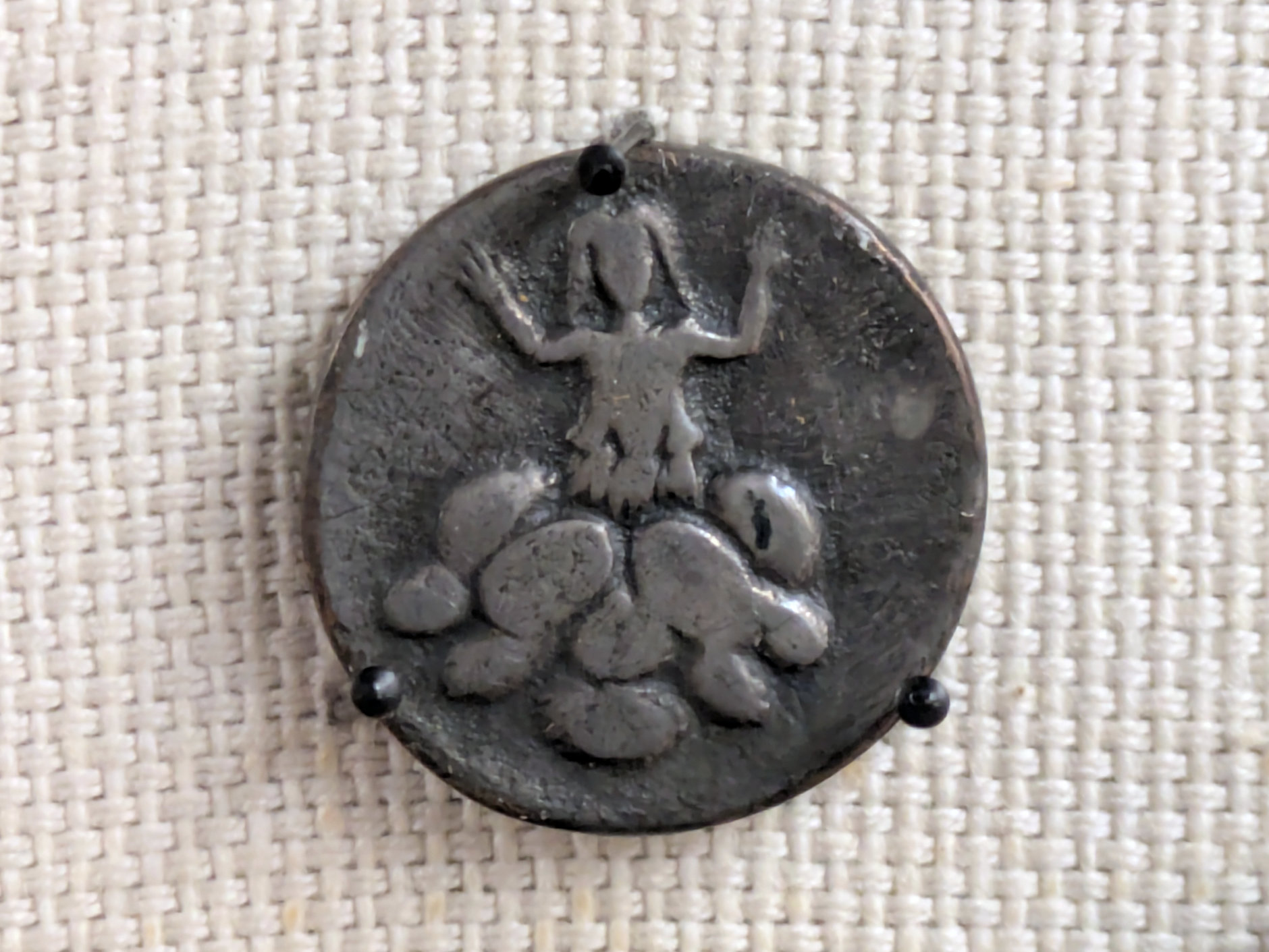
The mithraic denarius of St. Albans dates from the 2nd century.
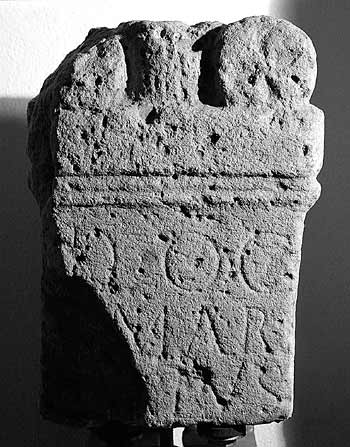
These two inscriptions by a certain Titus Martialius Candidus are dedicated to Cautes and Cautopates.
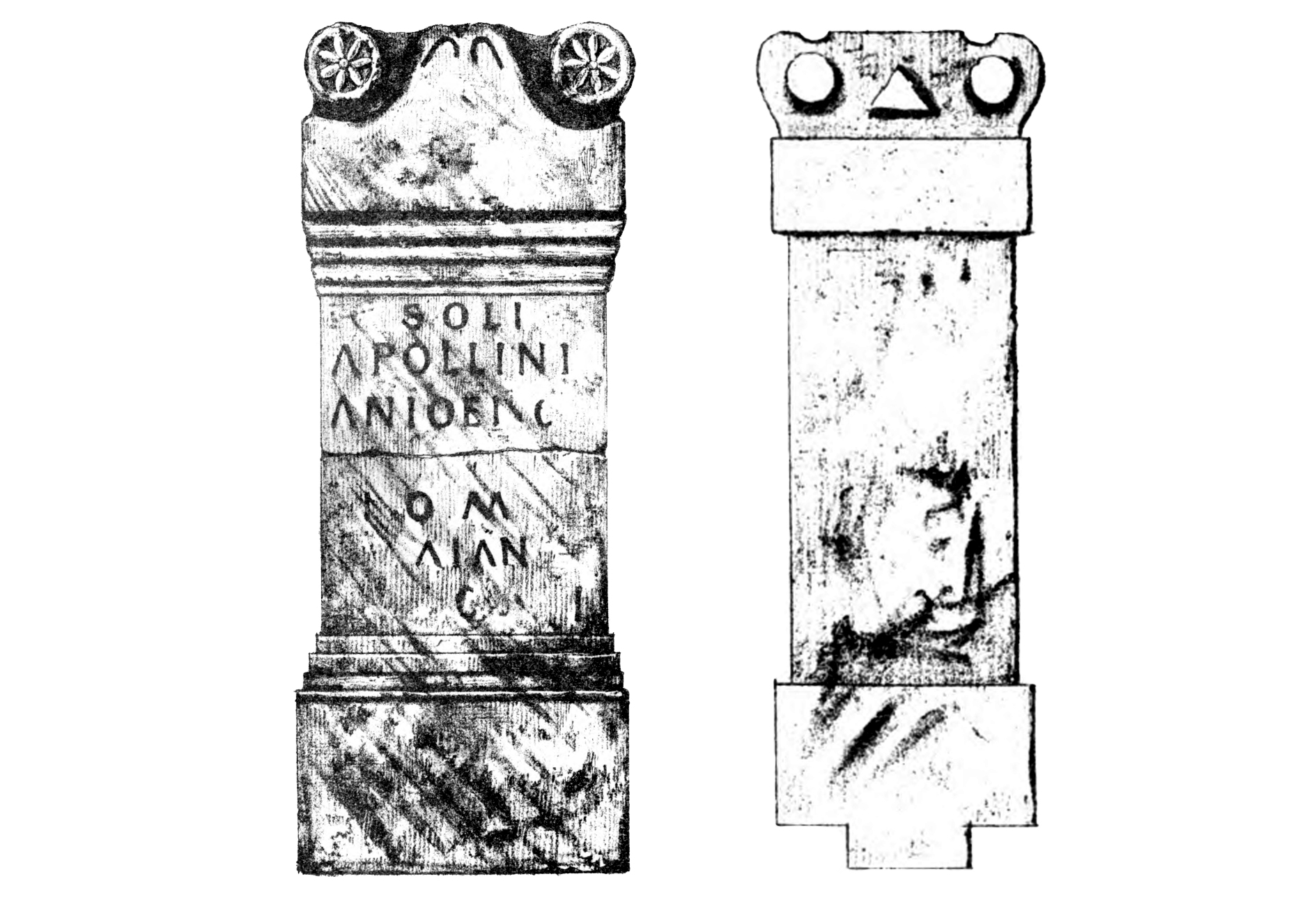
Fragmentary inscription from Vindobala preserving a rare dedication to “Sol Apollo Anicetus” within a Mithraic context on Hadrian’s Wall.
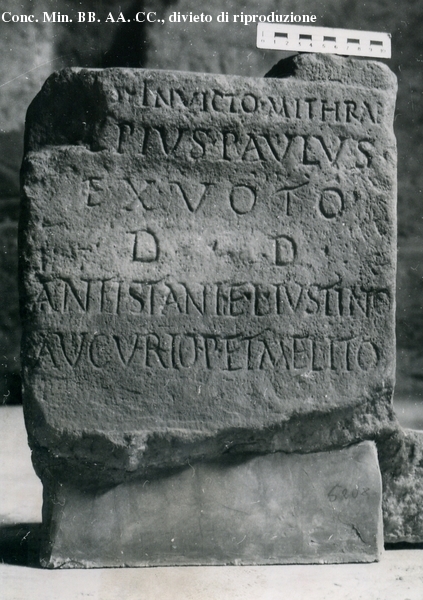
Small marble base, found in one of the private houses along the Via Sacra nearly opposite to the Basilica of Constantine, Rome.
Small bronze torchbearer statuette in Oriental dress from the Cabinet des Médailles, with restored feet and a missing torch-bearing arm.

Pair of bronze torchbearer statuettes in Oriental dress from the Cabinet des Médailles, originally belonging to the same sculptural group.
