Your search Tal hal Hariri / Es-Sâlihiyeh / As Salhiyah gave 3730 results.

This lost Mithraic relief, formerly kept near the church of the Santissima Annunziata in Naples, was probably a large tauroctony associated with the area of Puteoli or Pausilypon.

Persia occupies a central place in the intellectual and historical background of Mithraic studies.
Macedonia preserves Mithraic evidence shaped by major Balkan routes and long-standing urban traditions.
Noricum preserves Mithraic evidence shaped by Alpine routes, military circulation and Danubian connections.
Crete and Cyrene connect Mithraic evidence to island, North African and eastern Mediterranean networks.
Dalmatia preserves Mithraic evidence shaped by Adriatic routes, military movement and provincial urban centres.
Armenia occupied a strategic position between Roman and Iranian religious worlds during the centuries of Mithraic expansion.
Bithynia and Pontus preserve important evidence for the diffusion of Mithraic cults across the Black Sea and northwestern Anatolia.
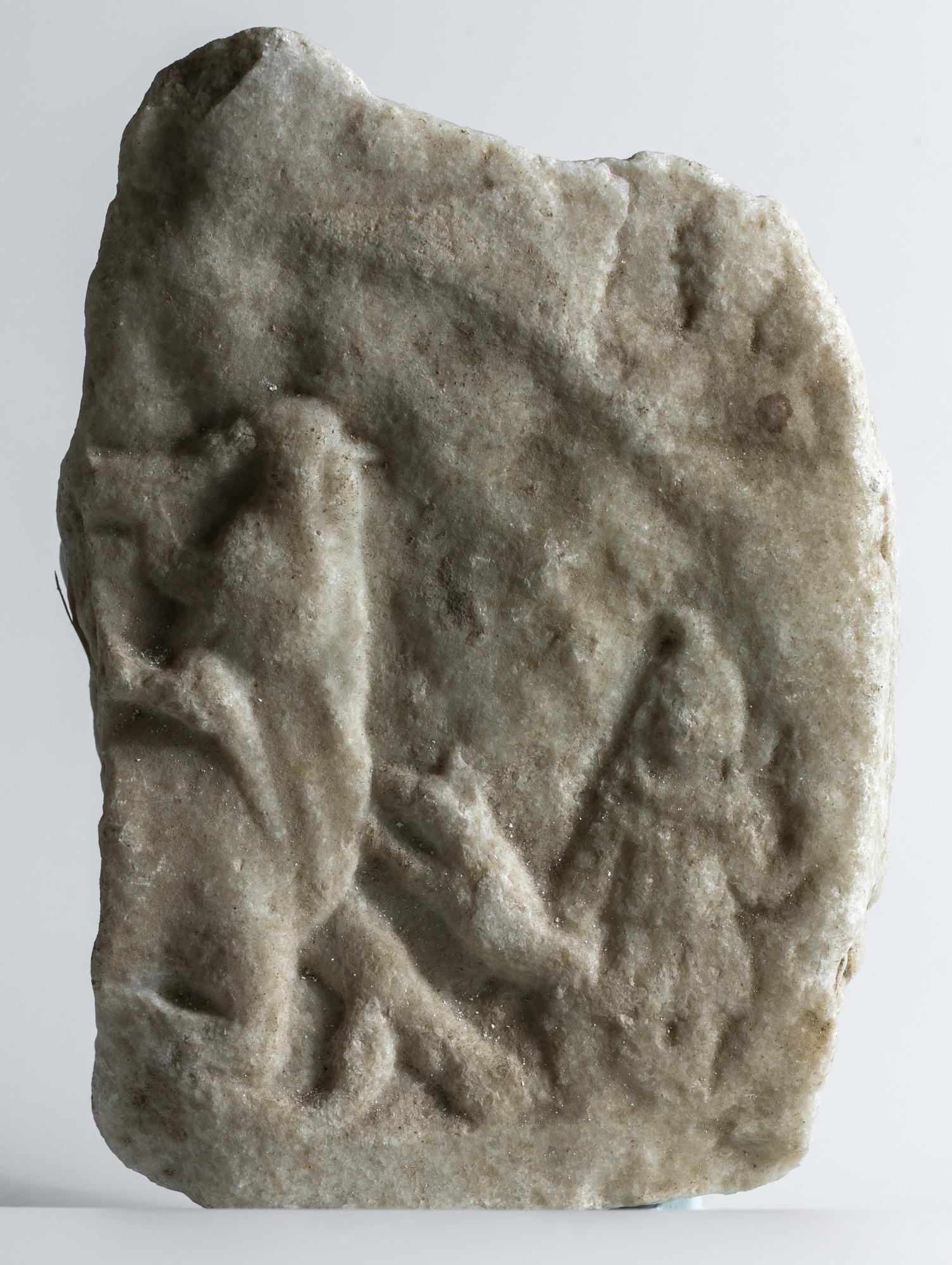
This weathered marble fragment from Viminacium preserves part of a tauroctony with Luna, Cautopates, the serpent, and the dog.
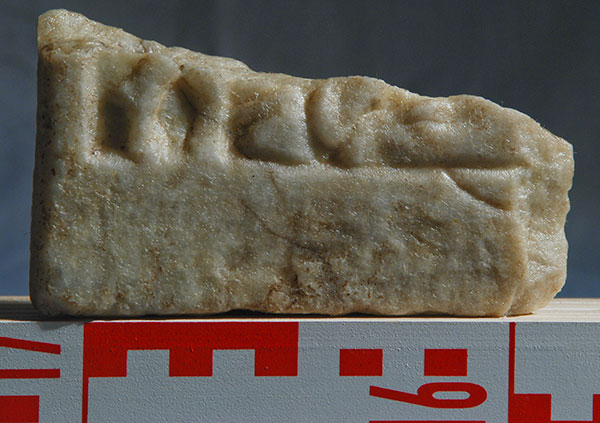
This small marble fragment preserves the crossed legs of a torchbearer, probably Cautopates, beside the hoof of the bull and the foot of Mithras.
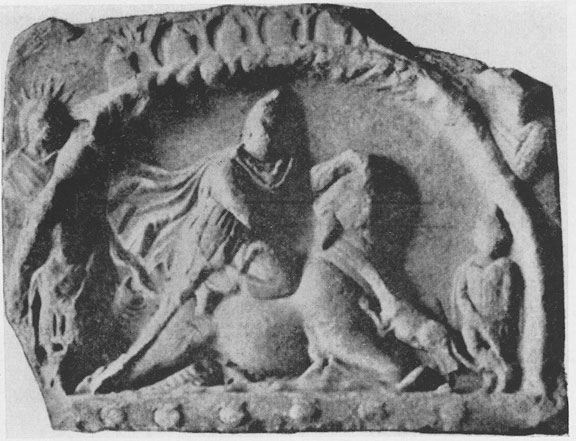
This finely carved marble tauroctony from Interamna features an unusual series of altars and ritual vases surrounding the scene.
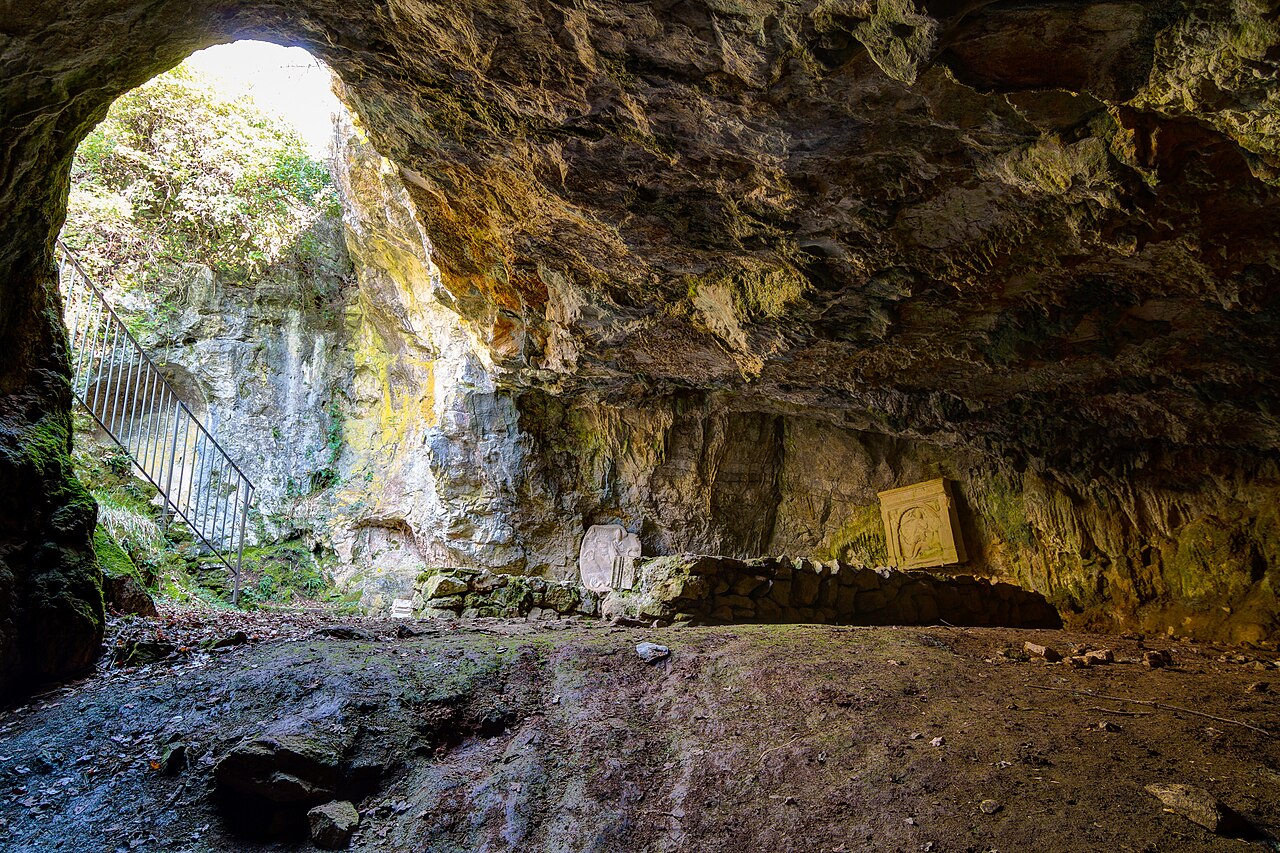
The site was destroyed in the 5th century but some elements, including the benches, can still been seen.
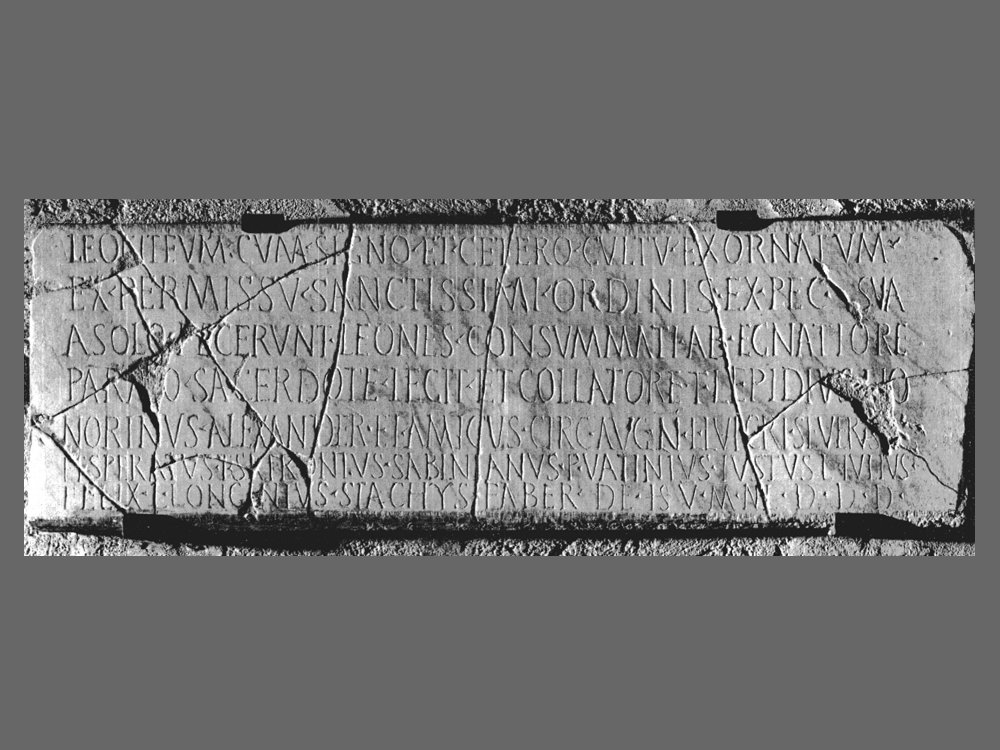
This plaque from Carsulae, in Umbria, refers to the creation of a leonteum erected by the lions at their own expense.
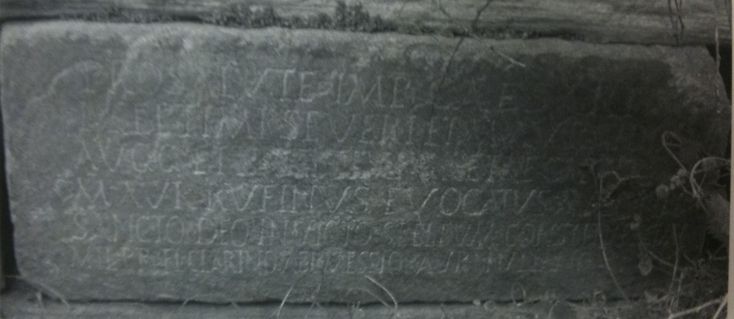
This inscription reveals the existence of a Mithraeum on the island of Andros, Greece, which has not yet been found.
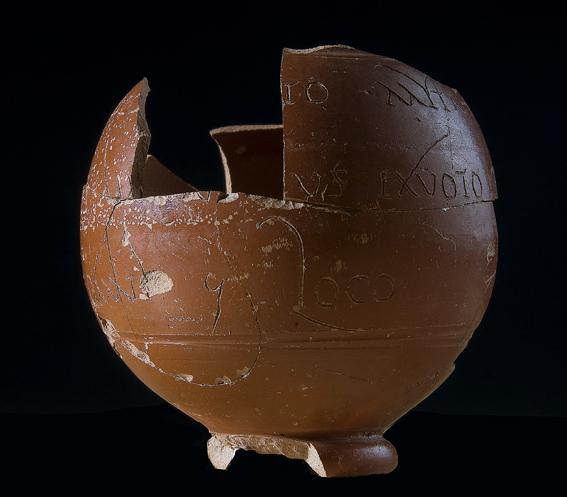
The spherical ceramic cup found at the Mithraeum in Angers bears an inscription to the unconquered god Mithras.

These fragments of a monumental tauroctony found in the Cerro de San Albín must have decorated the Gran Mitreo de Mérida, which has not yet been found.
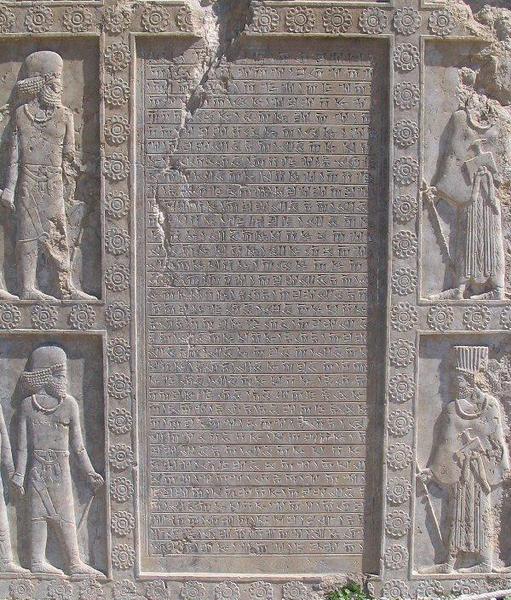
Located at the western entrance to the Palace of Darius in Persepolis, this tablet bears an inscription mentioning Ahuramazda and Mithra.
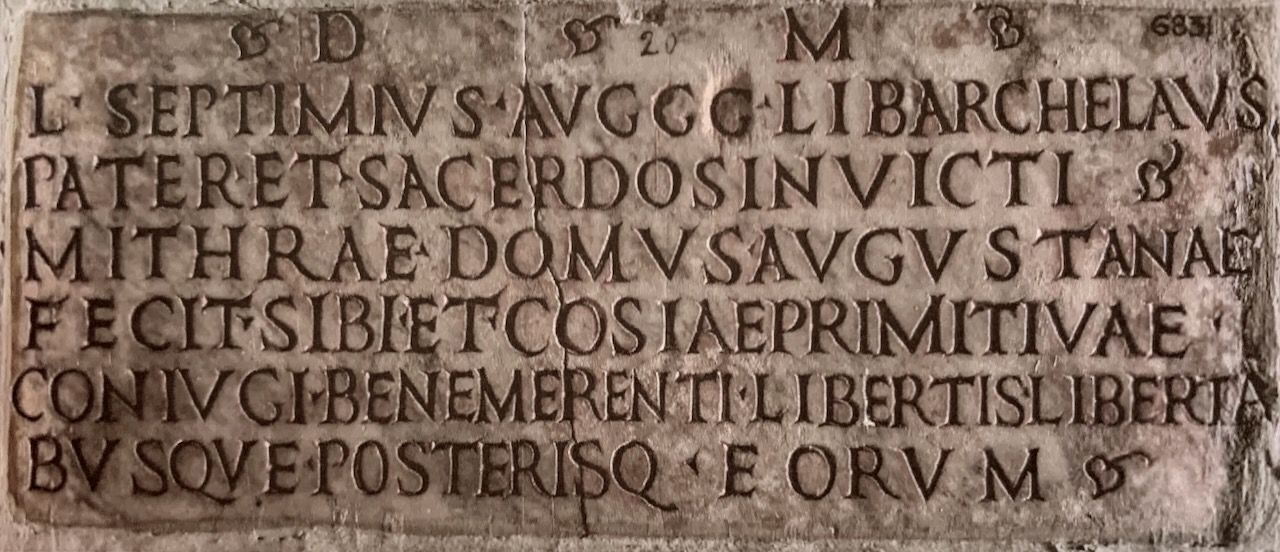
Marble funerary plaque erected by Lucius Septimius Archelaus, a Pater and priest of Mithras, for himself, his wife, and their freedmen and descendants.
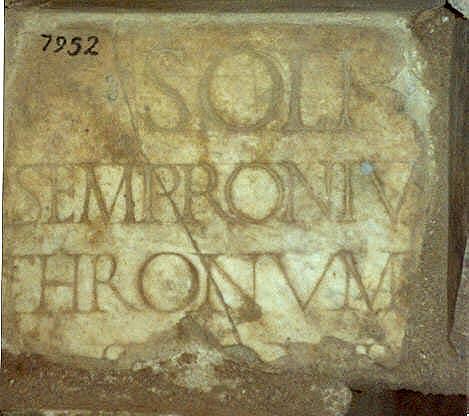
Slab marble indicates that Lucius Sempronius has donated a throne to the Mitreo delle Pareti Dipinte.
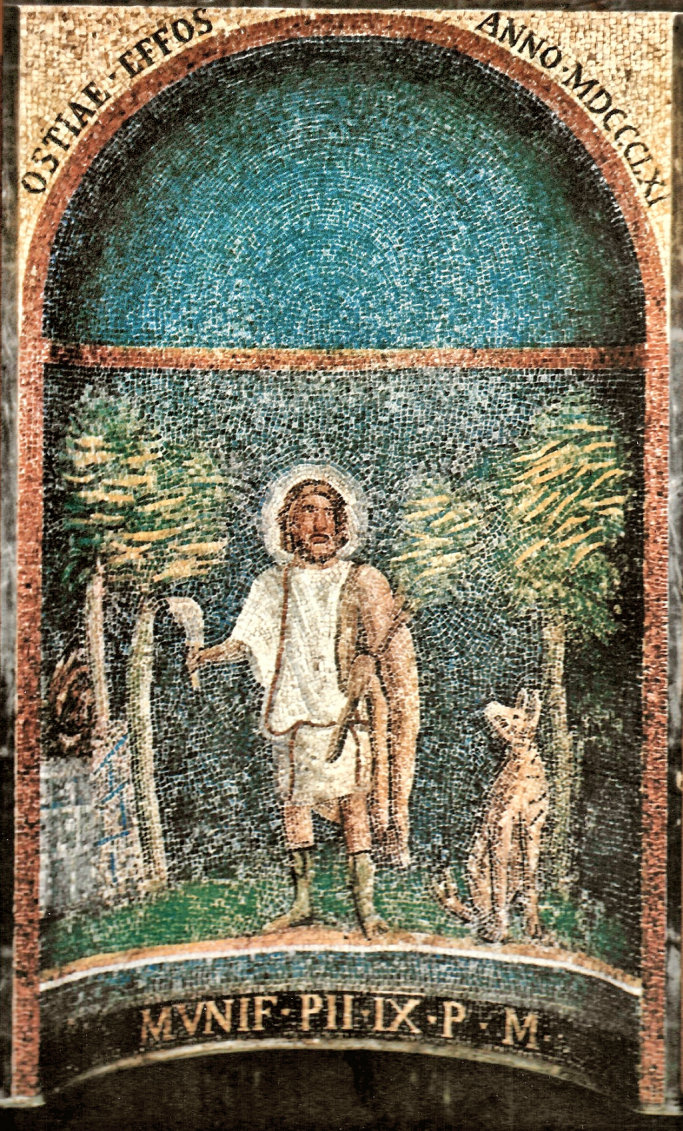
This unusual mosaic representation of the god Silvanus was found in the Mithreaum of the so-called Imperial Palace in Ostia.
