Your search Terme di Caracalla gave 2084 results.
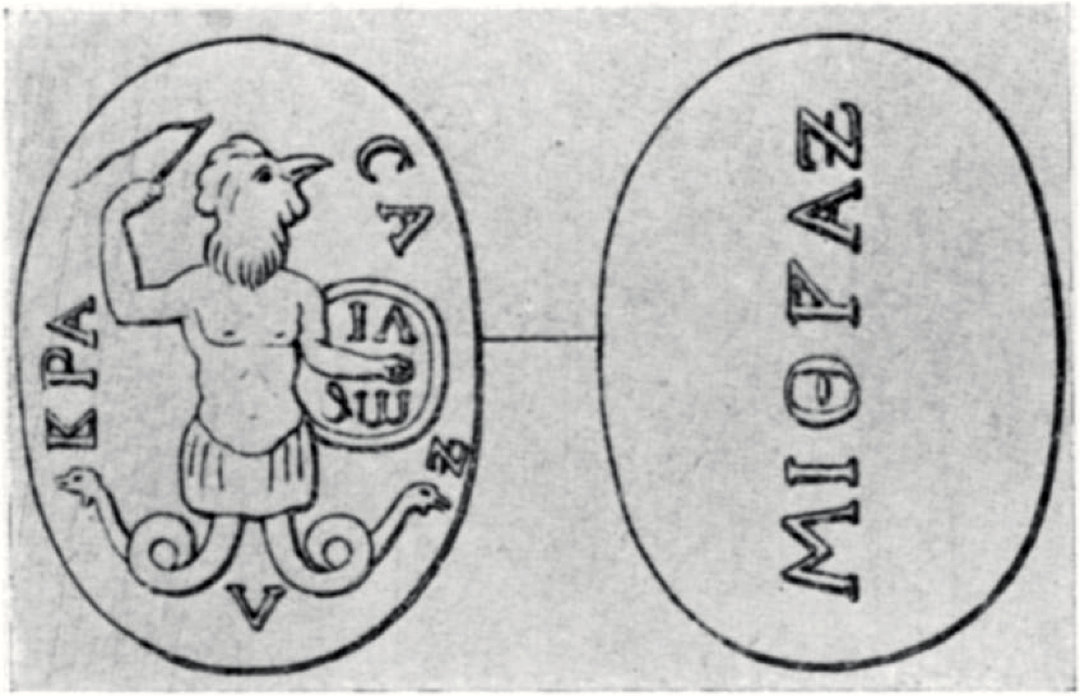
This syncretic amulet depicting Abraxas and the word MIΘPAZ was once displayed in the Cappello Museum of Venice.
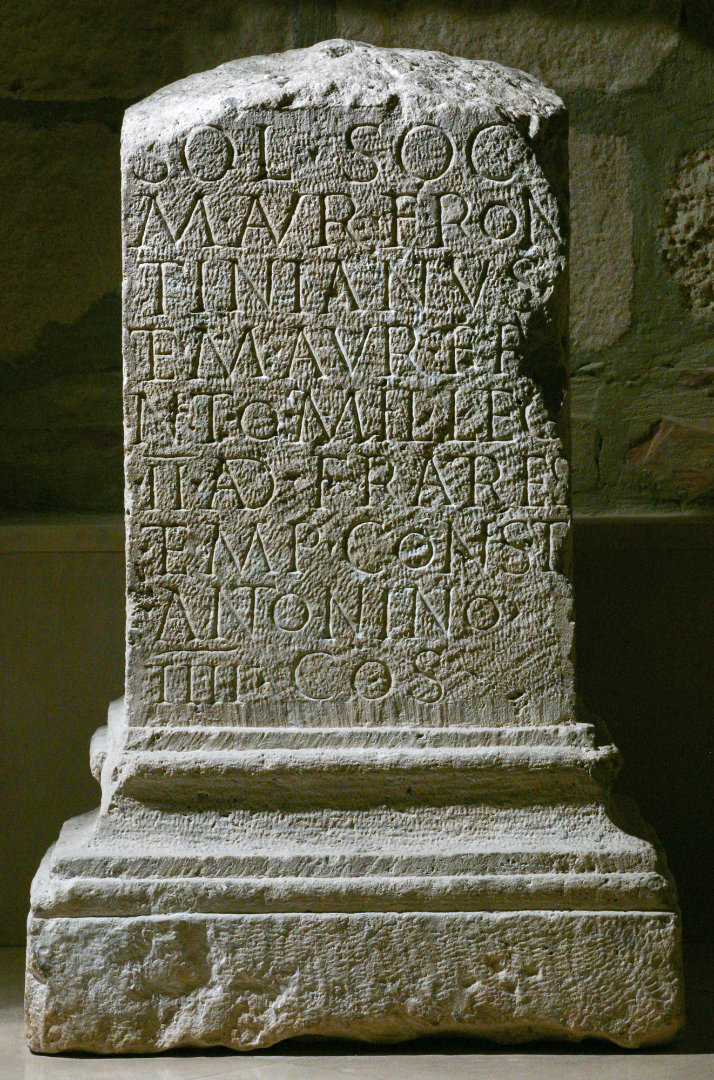
This fragmented altar was erected by two brothers from the Legio II Adiutrix who also built a temple.



On the occasion of the discovery of a Mithraeum in Cabra, Spain, we talk to Jaime Alvar, a leading figure in the field of Mithraism. With him, we examine the testimonies known to date and the peculiarities of the cult of Mithras in Hispania.
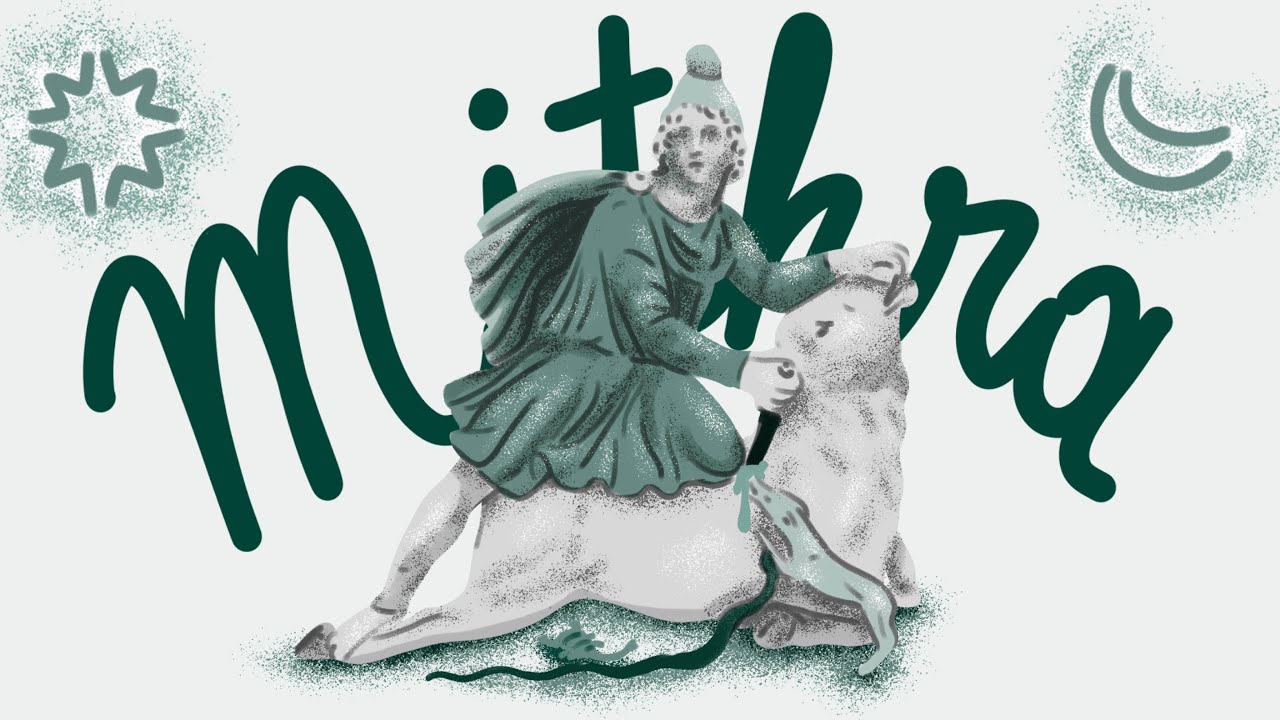
Le culte romain de Mithra. Entre réalités antiques et fantasmes contemporains ! Par Richard Veymiers, directeur du Domaine et Musée royal de Mariemont.
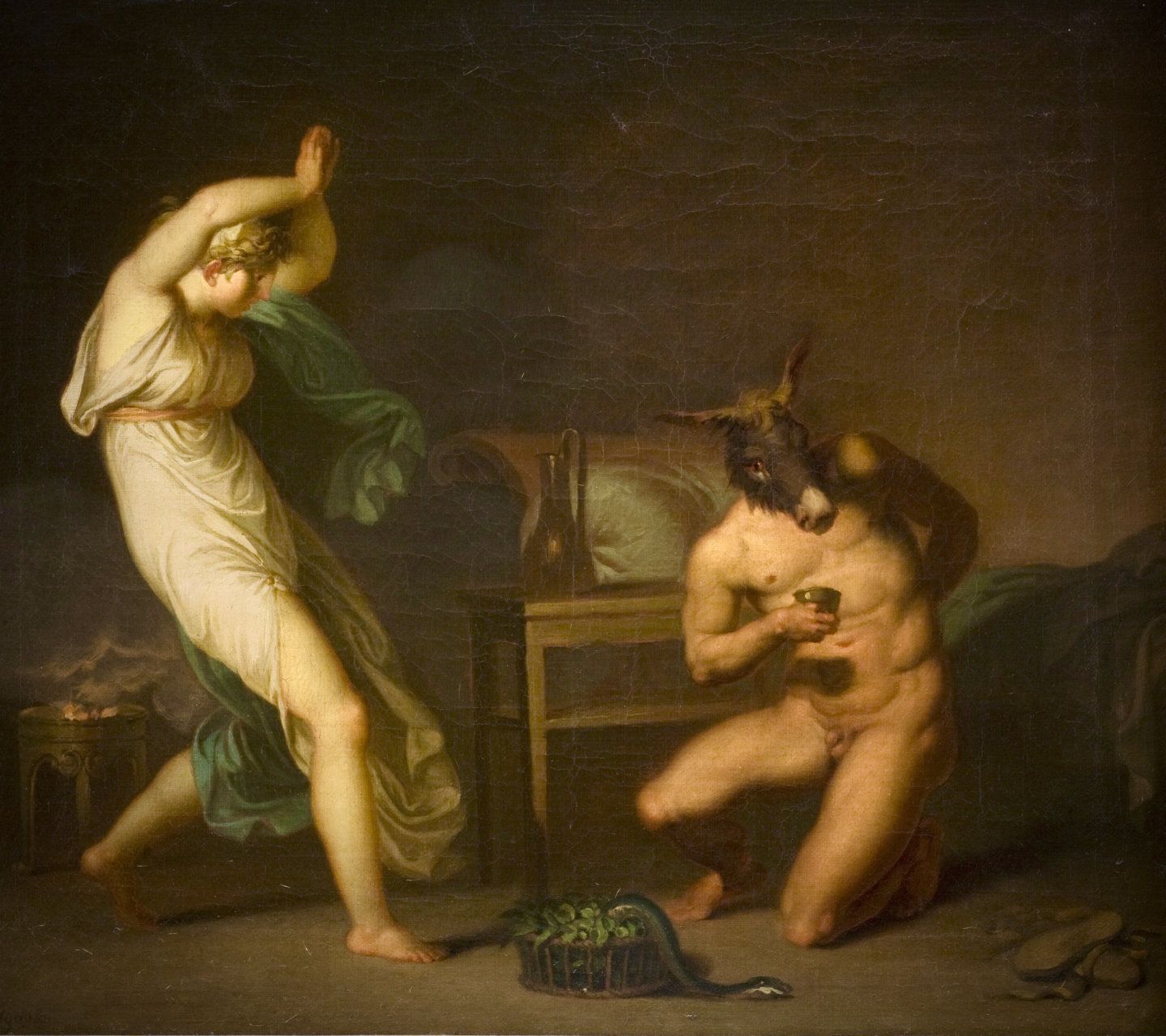
Did Apuleius explain his very own initiation into the Mysteries of Mithras in The Golden Ass? Apuleius' The Golden Ass is one of the most famous and entertaining novels of antiquity. Among his adventures, Lucius is initiated into the mysteries of Isis…

Yolanda’s multimedia dissertation focuses on the cognitive mechanisms that motivate Mithras worshippers. Her work includes a podcast entitled Conversations about Mithras.

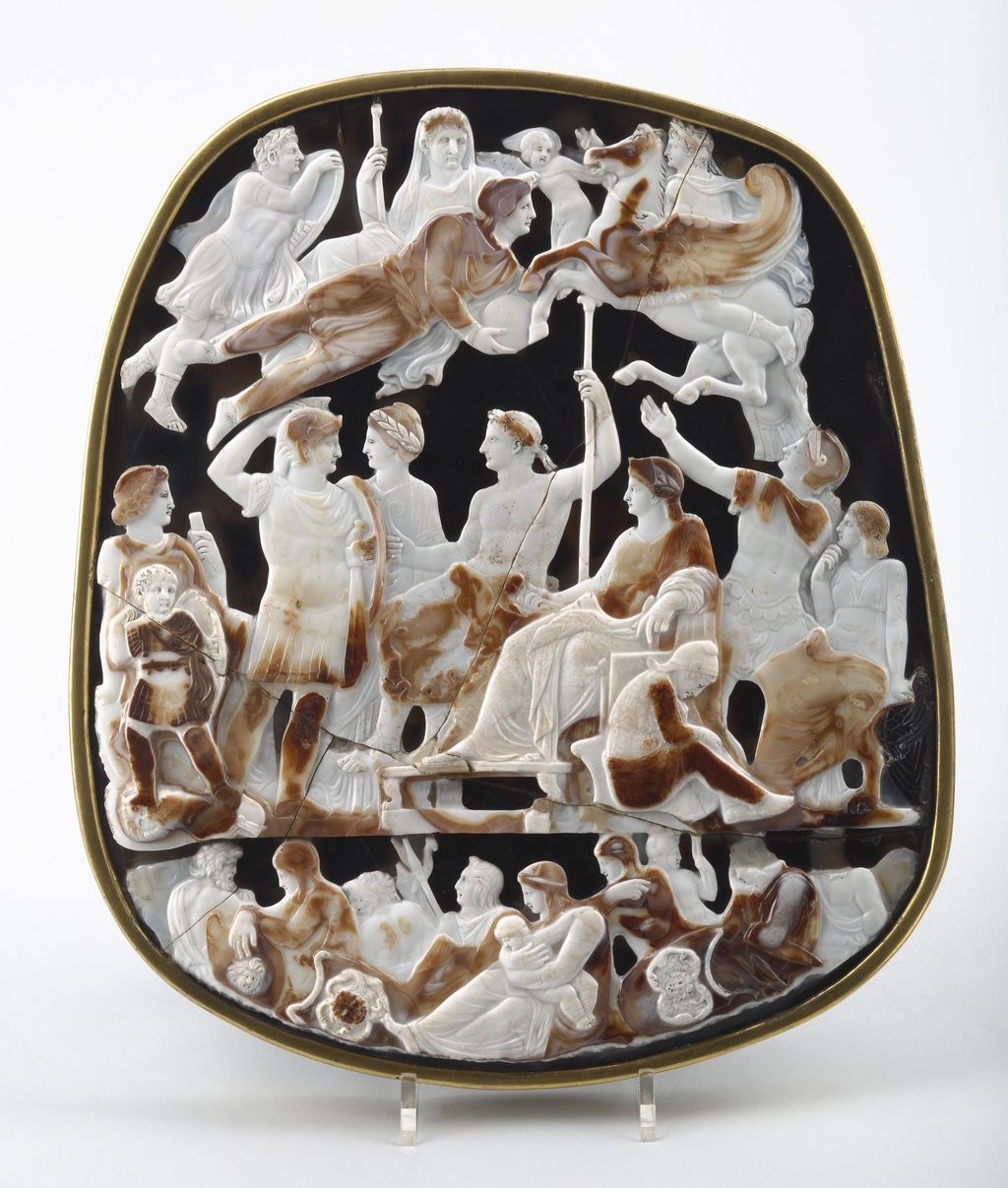
Some authors have speculated that the flying figure dressed in oriental style and holding a globe could be Mithras.

In this article, Chalupa examines the scant evidence that has been found for the presence of women in the Roman cult of Mithras.

This inscription reveals the names of 36 cultori of Sentinum, one of whom bears the title of pater leonum.

This tabula marmorea was consecrated by a certain slave Vitorinus in Tibur, nowadays Tivoli, near Rome.

The Digital Atlas of Roman Sanctuaries in the Danubian Provinces (DAS) is the first comprehensive and open access representation of sacralised spaces in the area.
This marble base found in Angera in 1868 bears the inscription of two people who reached the degree of Leo.
PhD Thesis by Vittoria Canciani, coordinated by A. Mastrocinque. Verona, 14th April 2022.
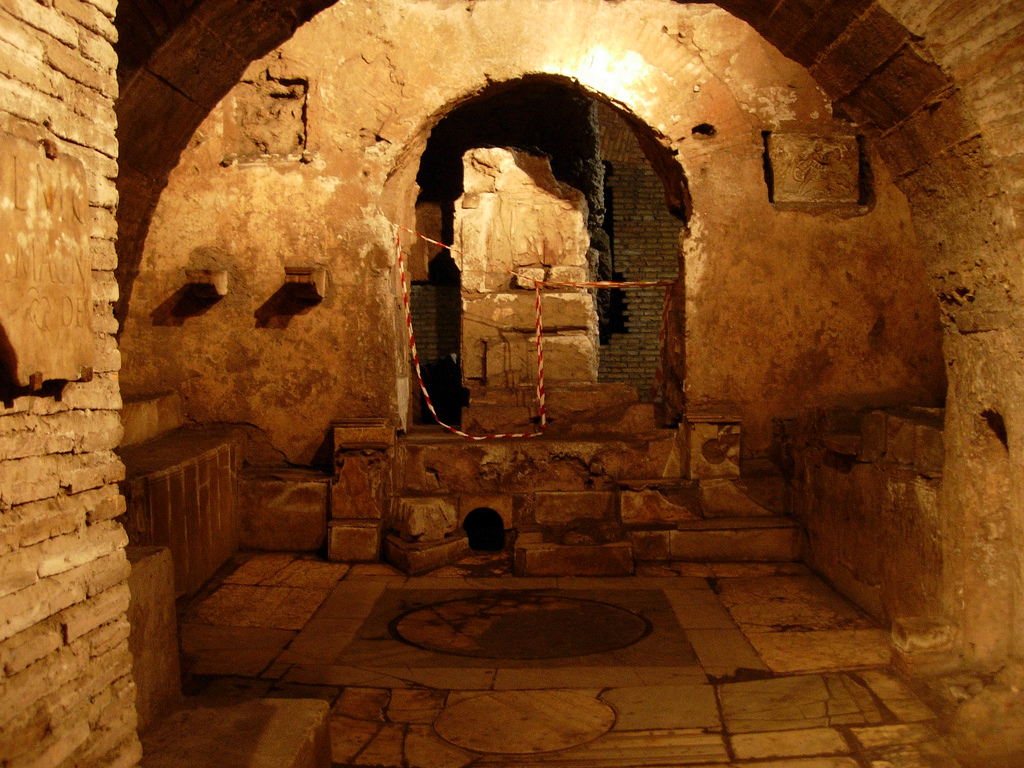
The Mithraeum of the Circus Maximus was discovered in 1931 during work carried out to create a storage area for the scenes and costumes of the Opera House within the Museums of Rome building.
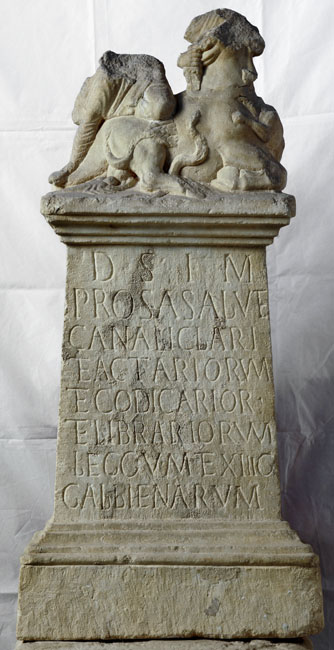
Remarkable fragmentary sculpture of Mithras slaying the bull on an inscribed altar found in Mithraeum III at Ptuj.
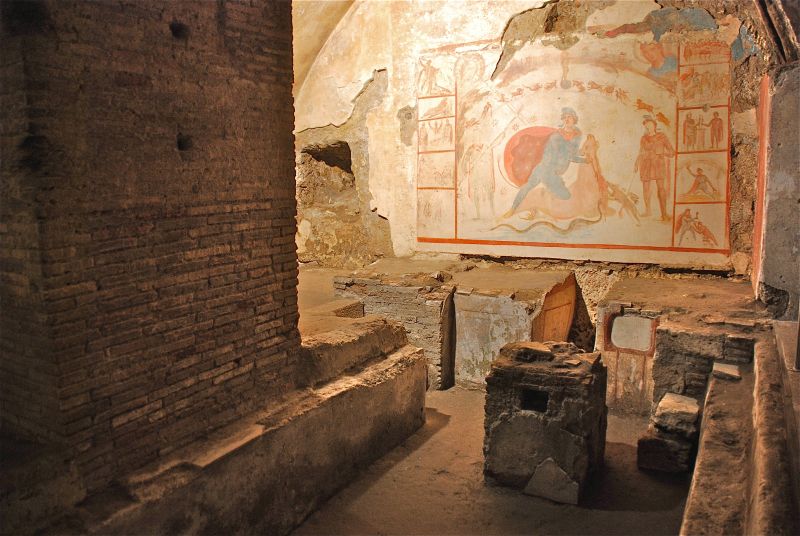
The Barberini Mithraeum was discovered in 1936 in the garden of the Palazzo Barberini, owned by Conte A. Savorgnan di Brazza.
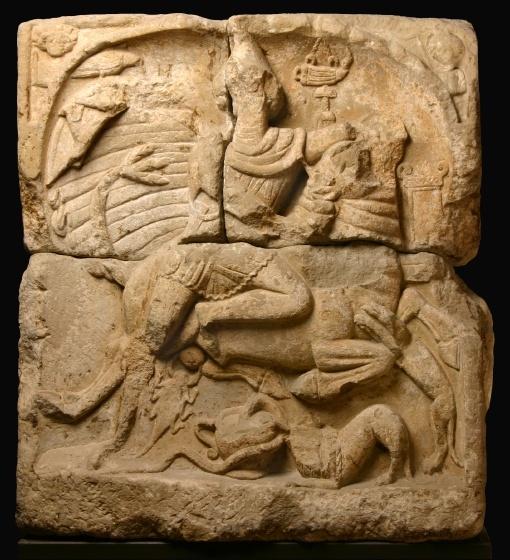
This relief of Mithras killing the bull, now on display in Stuttgart, includes a small altar with a sacrificial knife and an oil lamp.
