Your search Terme di Caracalla gave 2863 results.
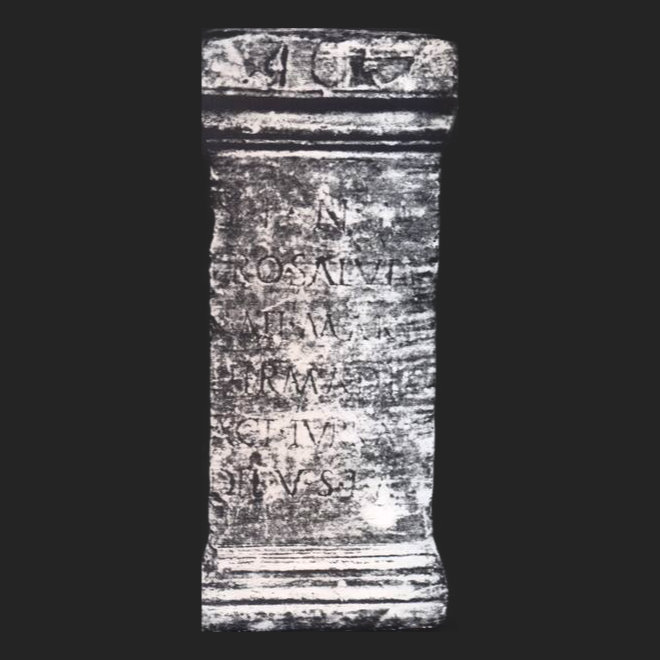
This altar was erected by Hermadio, who also signed other monuments in Dacia and even in Rome.

Dedication from Simitthus mentioning the restoration of a monument and a vow fulfilled to Cautes and Cautopates during the reign of Caracalla and Julia Maesa.
Callimorphus dedicated this image of the sun god to the invincible sun ’Mythra’.

Marble torso found at Ostia in 1912 between the Decumanus and the Via dei Molini, dedicated to Mithras by a certain Atilius Glycol.

This remarkable marble statue of Mithras killing the bull from Apulum includes a unique dedication by its donor, featuring the rare term signum, seldom found in Mithraic contexts.
This inscription found in the Mithraeum Aldobrandini informs us of certain restorations carried out in the temple during a second phase of development.
One of the three known inscriptions of Dioscorus, servant of Marci, found in Alba Iulia, Romania.
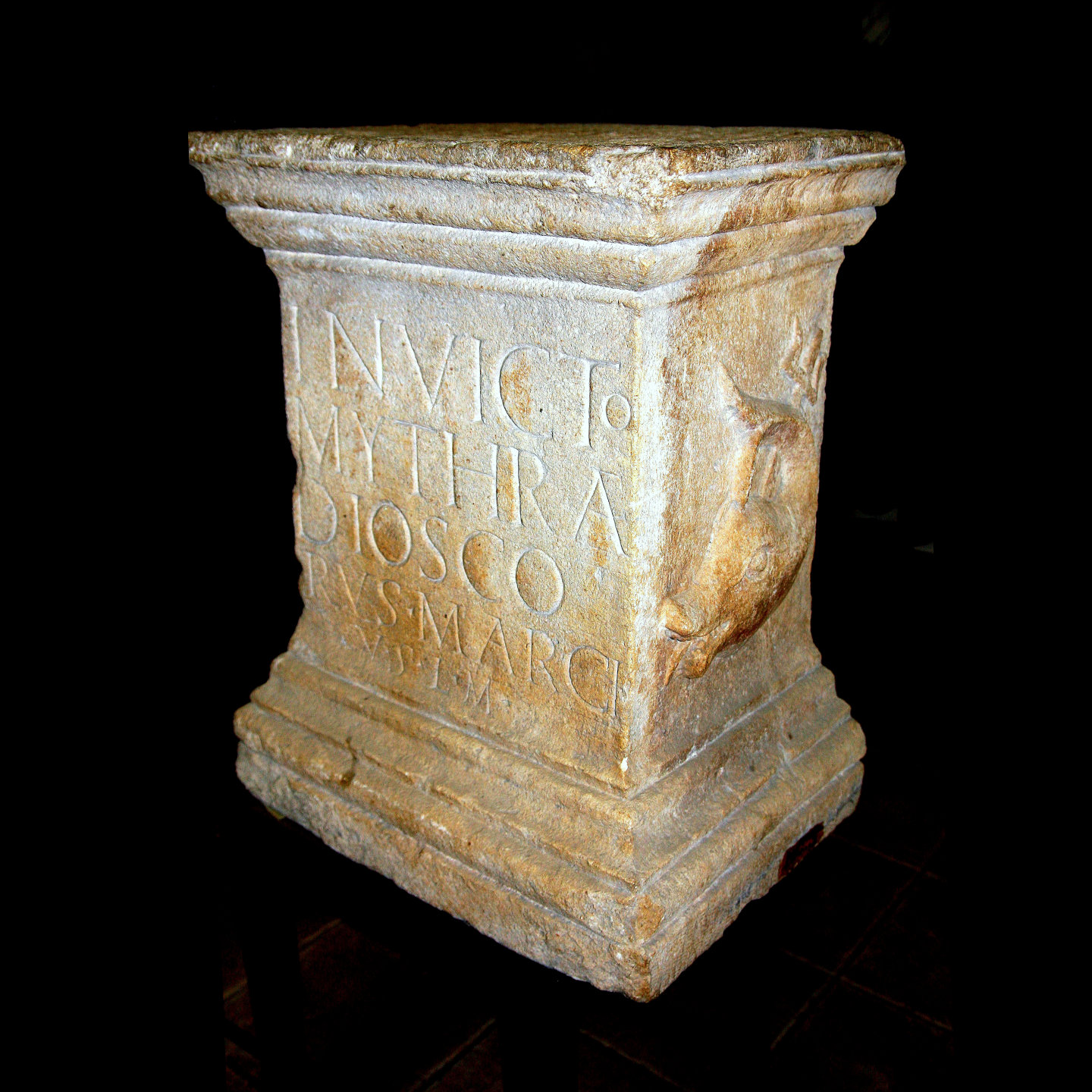
In 1852, Károly Pap, a naval captain, unearthed several Mithraic monuments in his garden at Marospartos, including this altar.
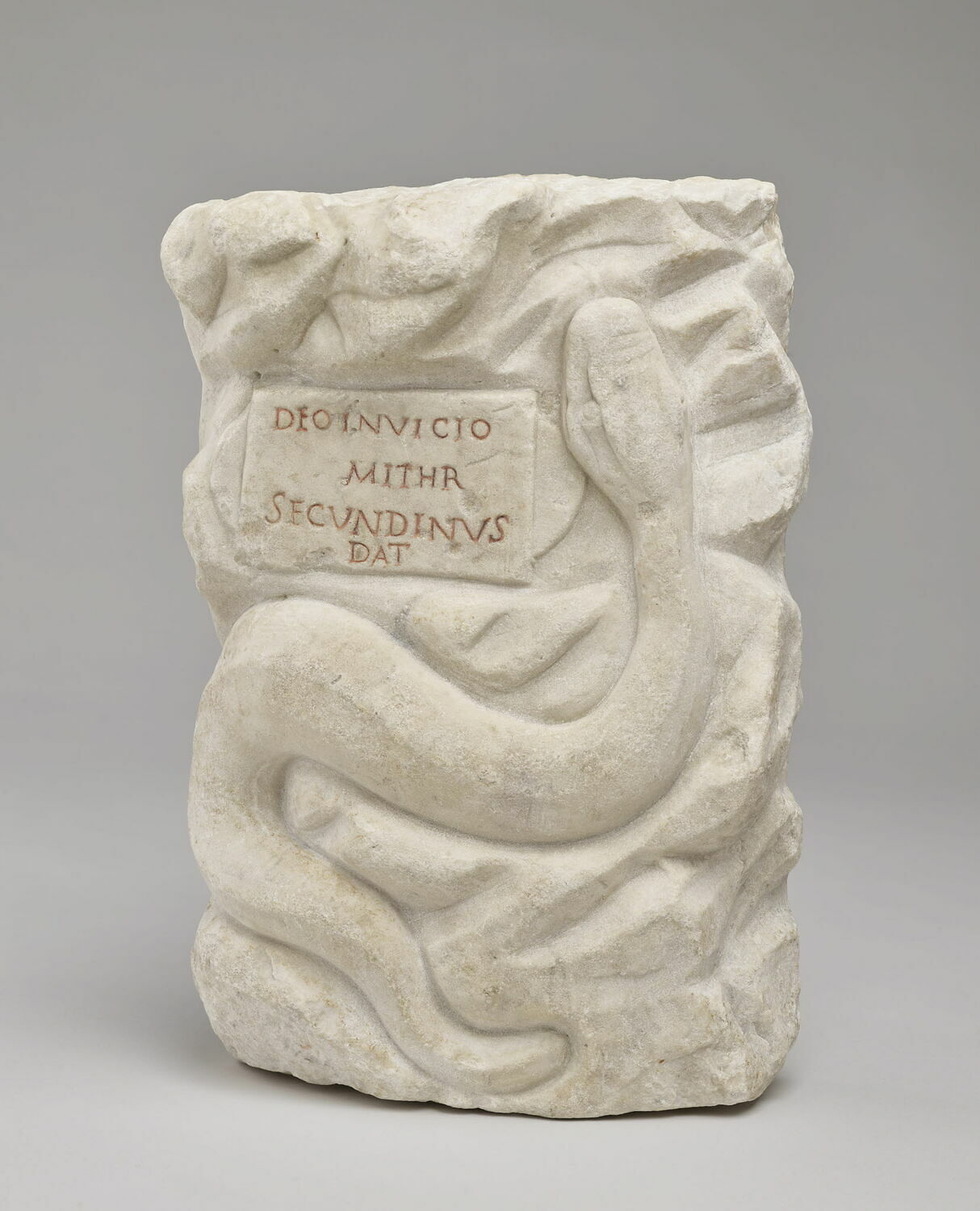
There is no consensus on the authenticity of this monument erected by a certain Secundinus in Lugdunum, Gallia.
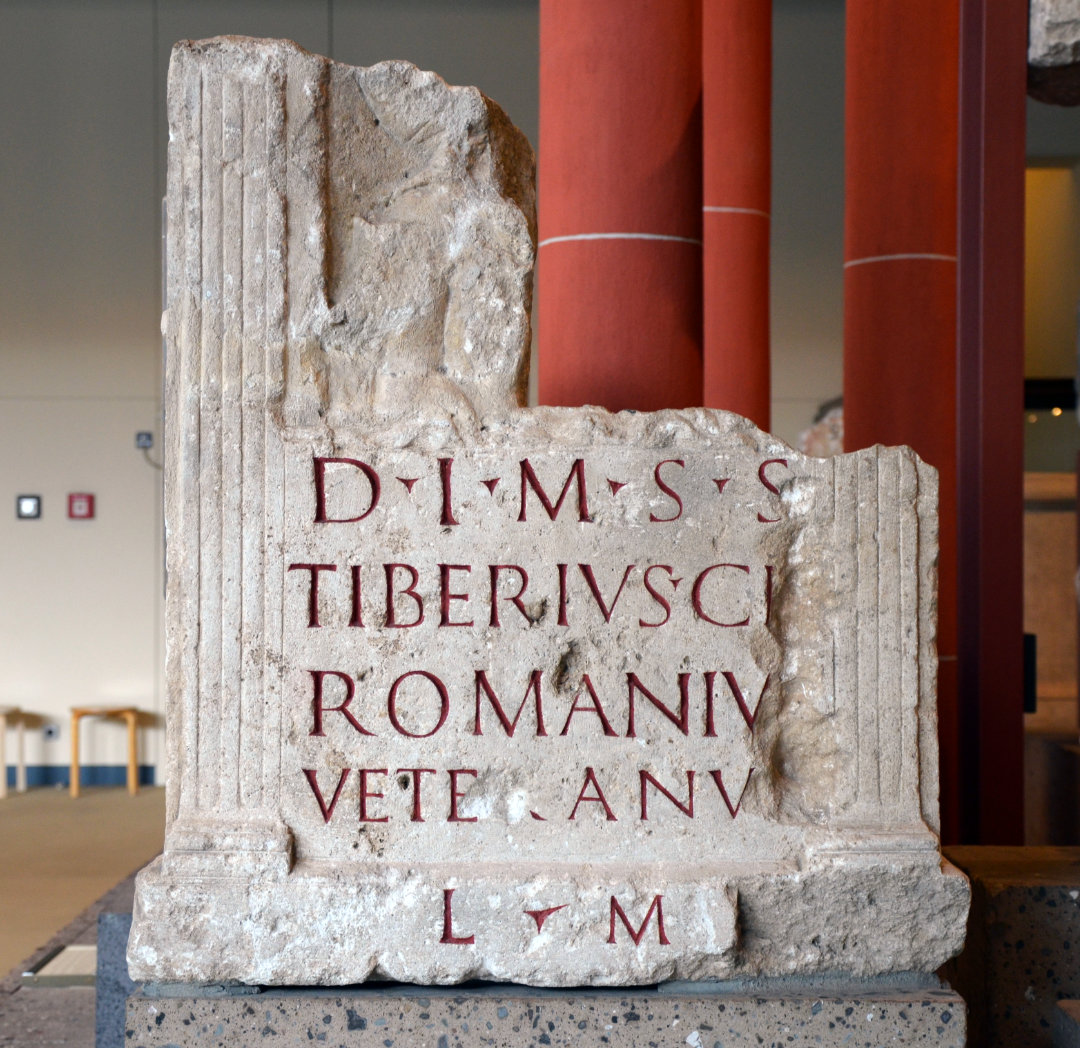
Votive inscription dedicated to Mithras by the veteran soldier Tiberius Claudius Romanius, from the Mithraeum II Köln, 3rd century.
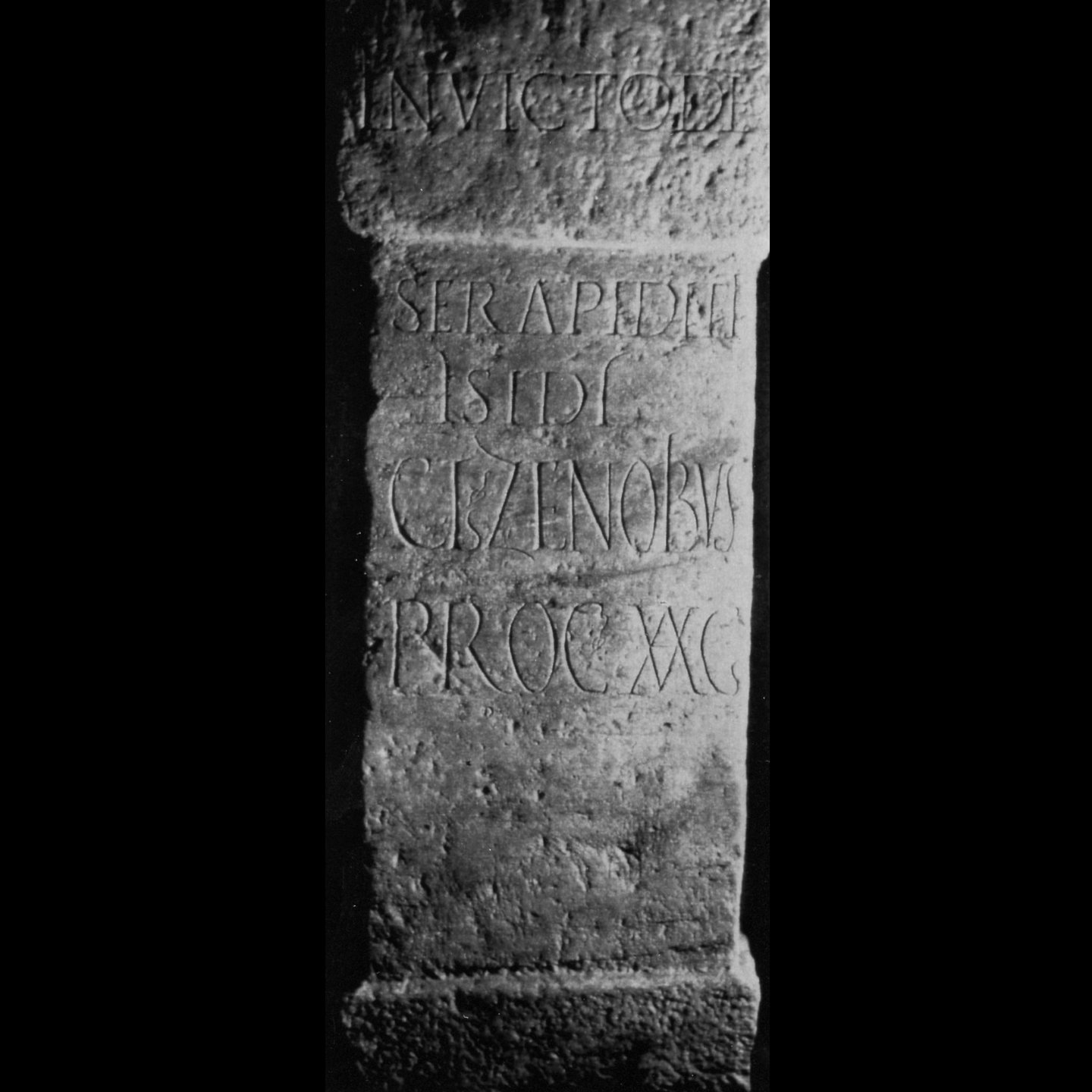
This slab dedicated to the invincible god, Serapis and Isis by Claudius Zenobius was found in 1967 in the walls of the city of Astorga, Spain.
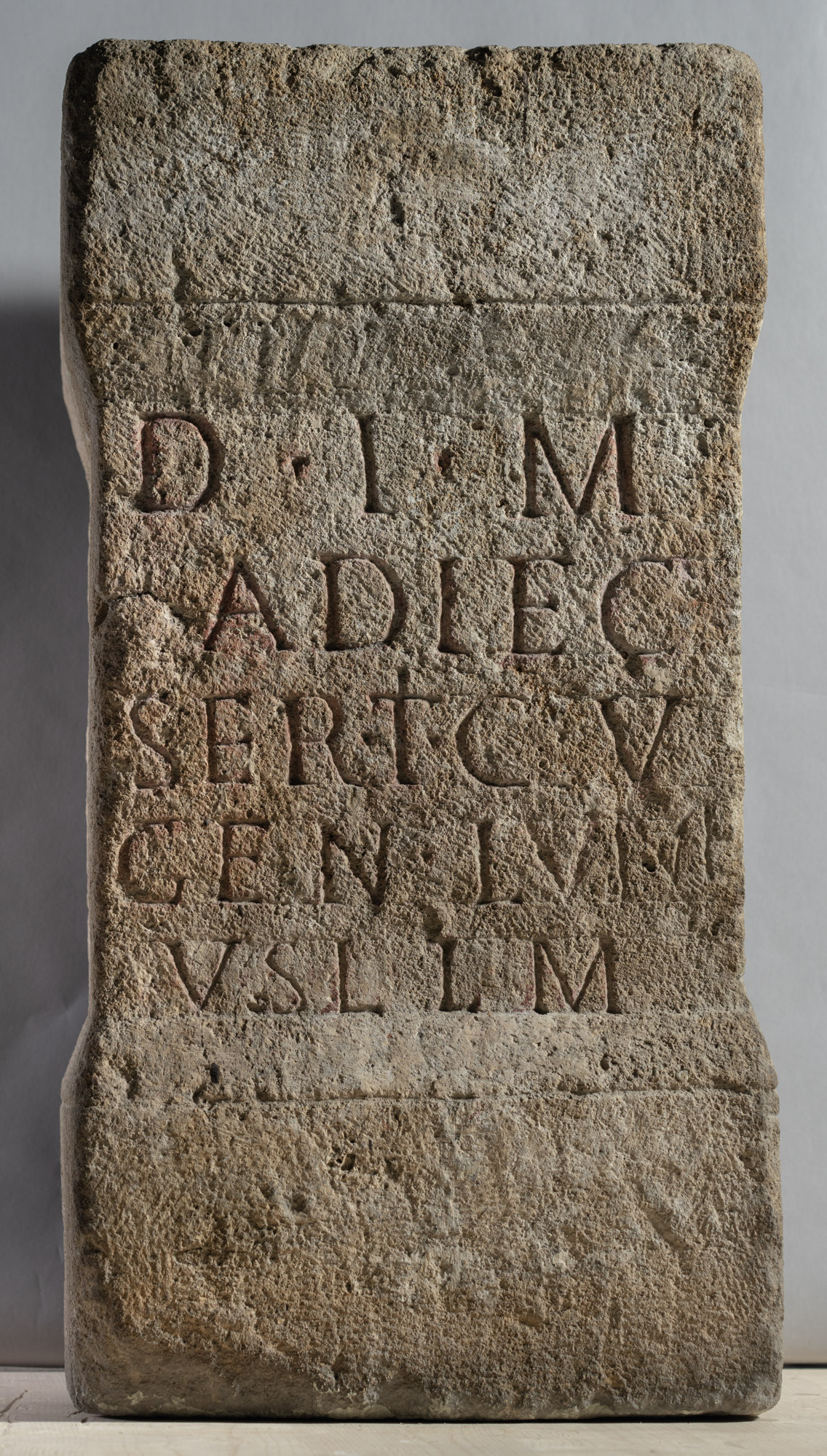
There is no consensus as to whether the altar of the slave Adiectus from Carnuntum is dedicated to a Mithras genitor of light.
A certain Secundinus, steward of the emperor, dedicated this altar to Mithras in Noricum, today Austria.
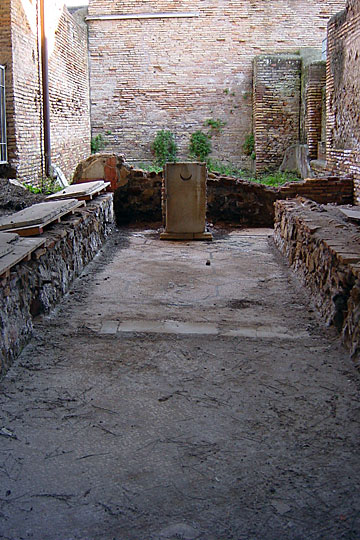
The Mithraeum of Lucretius Menander was installed in the early 3rd century in an alley to the east of a Hadrianic building named after the solar god temple.
The altar includes a slab with an inscription for the salvation of two emperors.
The dedicator of this marble basin could be the same person who offered the sculpture of Mithras slaying the bull in the Mitreo delle Terme di Mitra.
Limestone slab dedicated to the invincible Sun by the governor Marcus Aurelius Decimus near the temple of Aesculapius.
Epigraphic testimony catalogued in the Année Épigraphique and Lugli’s Fontes for ancient Rome.
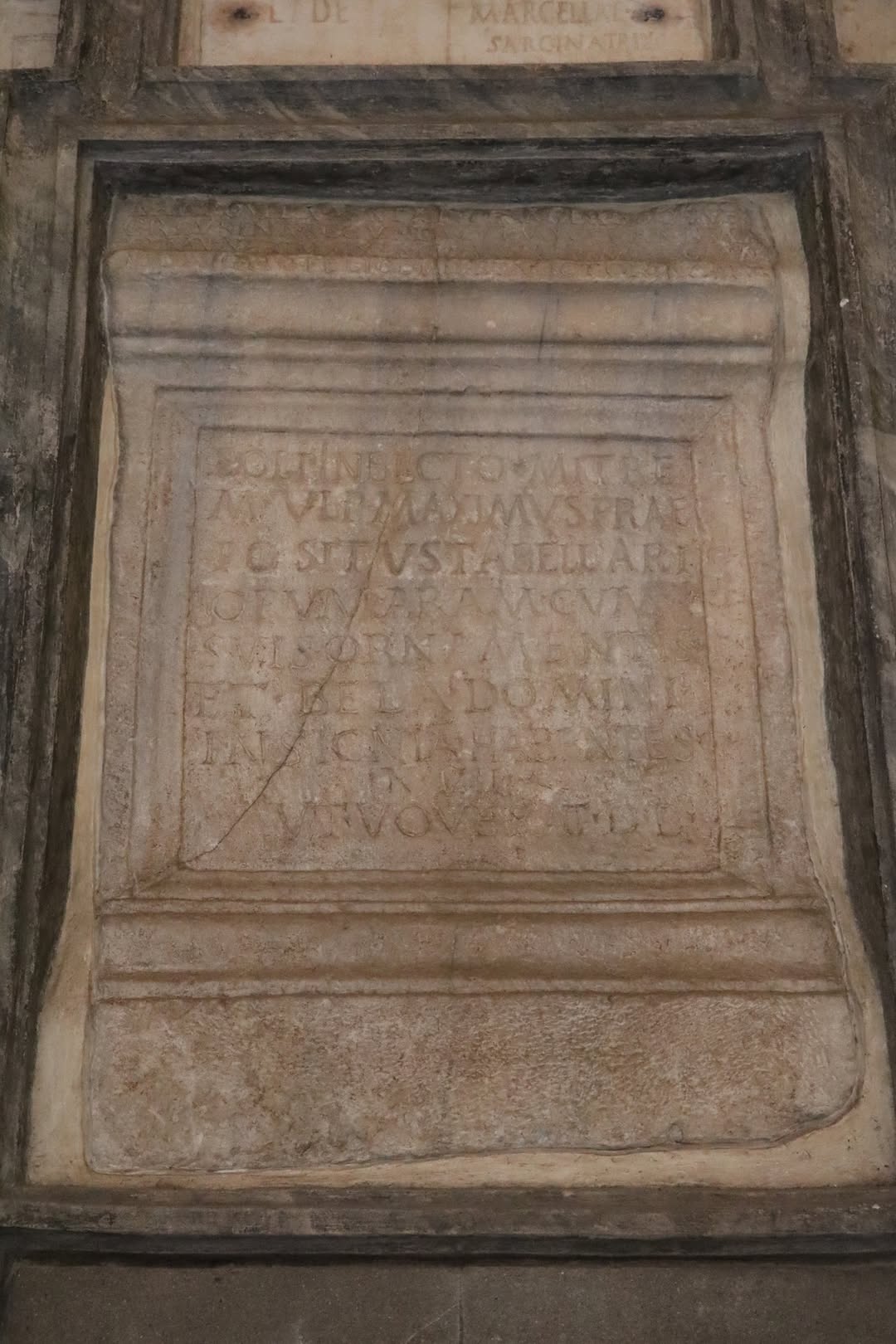
Marble altar dedicated to Sol Invictus Mithras, found in Rome (in aedibus Maffaeiorum), set up in 183 A.D. by M. Ulpius Maximus, praepositus tabellariorum, together with its ornaments and Mithraic insignia, in fulfilment of a vow.
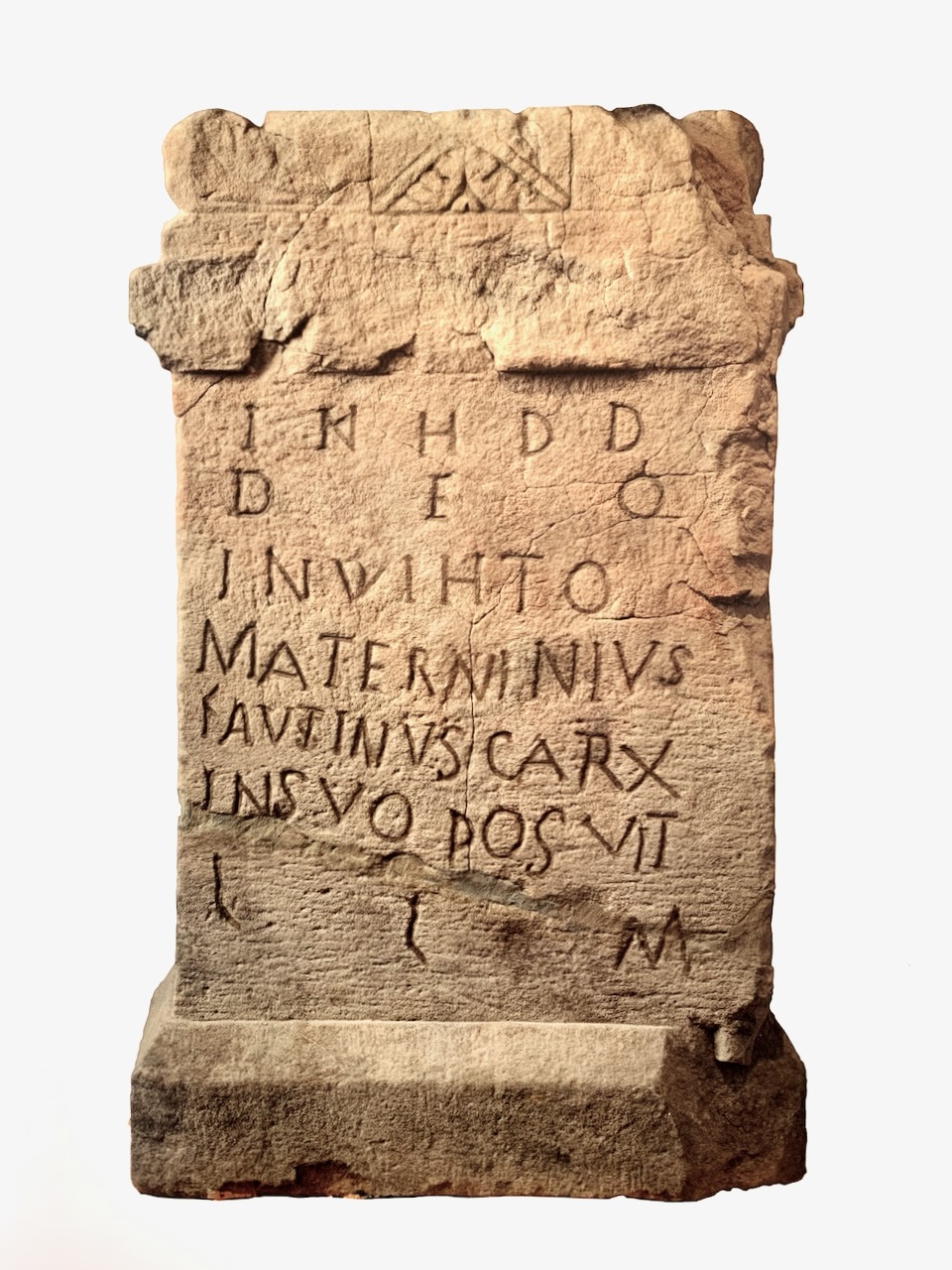
Corax Materninius Faustinus dedicated other monuments found in the same Mithraeum in Gimmeldingen.
