Your search Terme di Caracalla gave 2080 results.

The lion-headed statue of Hedderneheim is a reconstruction from fragments of two different sculptures.
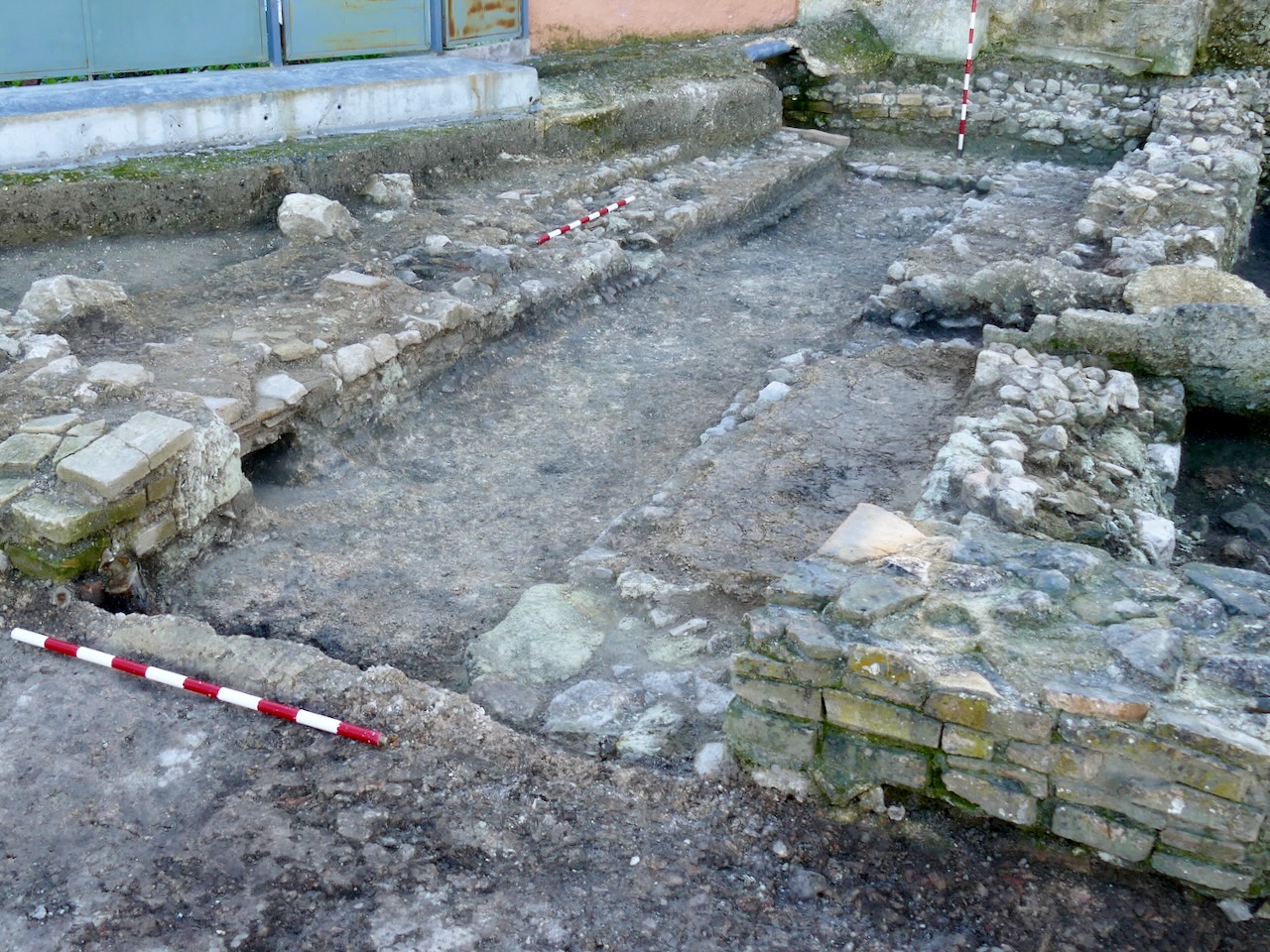
The Mithraeum of Cabra is located in the Villa del Mitra, which owes its name to the discovery in 1951 of a Mithras tauroctonus in the remains of the Roman villa.

Limestone relief from Ragasch near Philippopolis, Thracia, cited in MMM without further details.

Antioch was the capital of Roman Syria and gateway between the Mediterranean and the eastern provinces.
Two marble heads from Ostia, including a youthful figure wearing a Phrygian cap and another identified as Mithras-Helios.
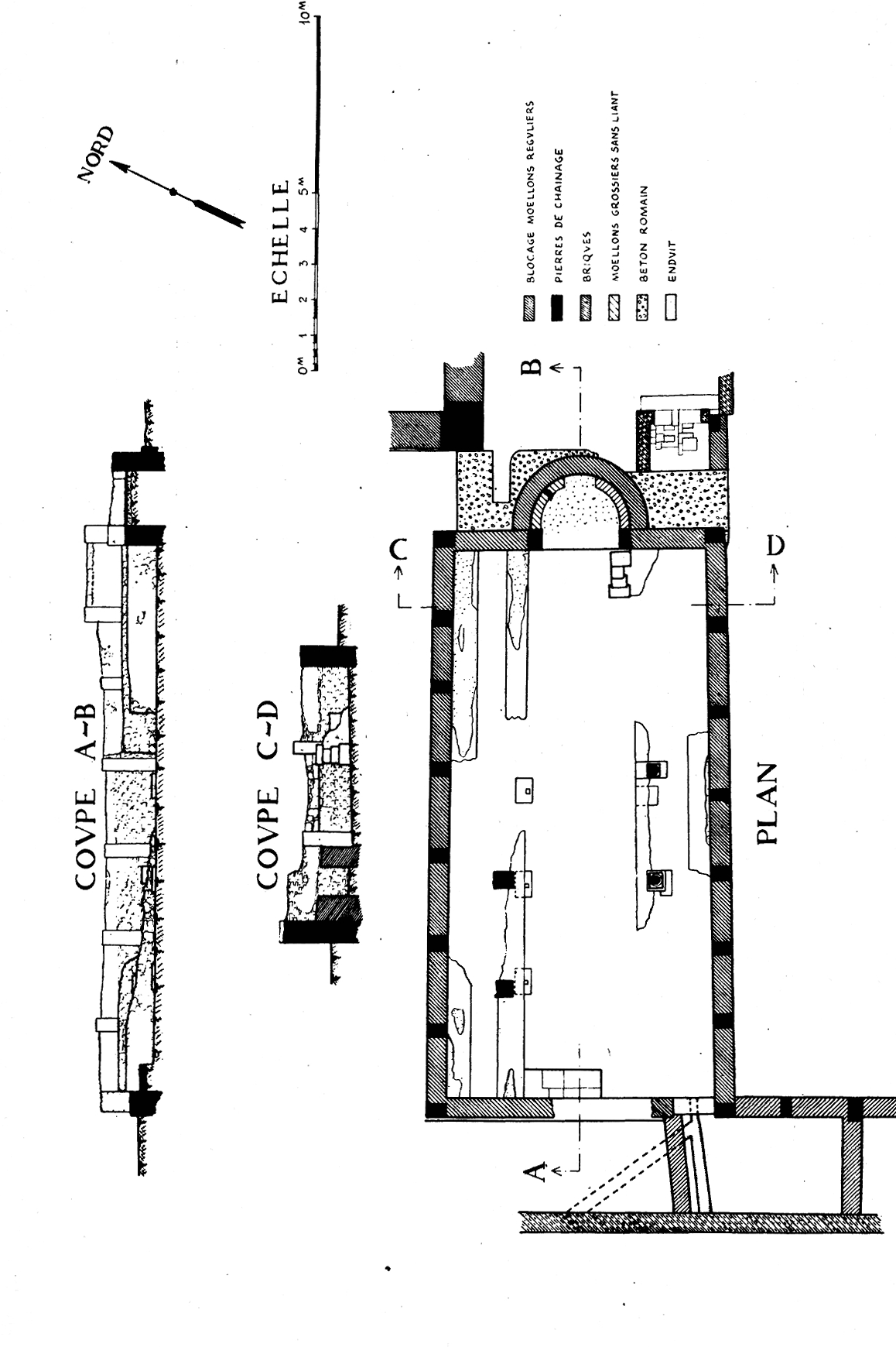
The Mithraeum of Tazoult / Lambèse is one of the best preserved Mithras’s temples in Africa.

Many of the inscriptions and sculptures of the site were kept in a museum which has been destroyed.
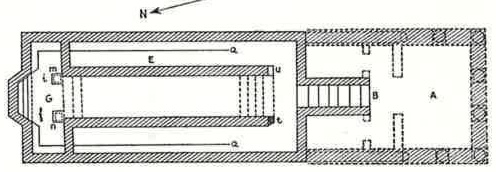
Second Mithraic sanctuary discovered in 1826 some 150 metres west of Mithraeum I at Heddernheim, ancient Nida, with finds in the Wiesbaden museum.
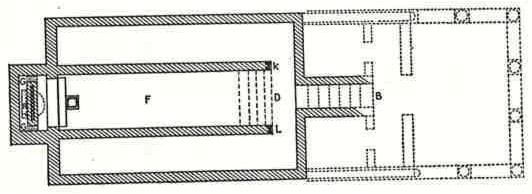
First Mithraic sanctuary discovered at Heddernheim (ancient Nida) in 1826, with finds preserved in the Städtisches Museum at Wiesbaden.
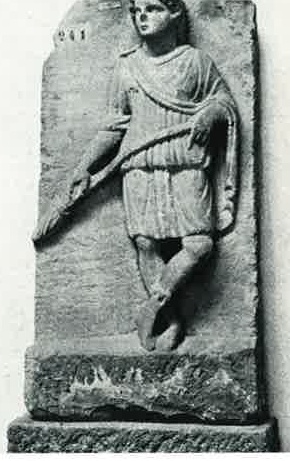
Relief in red sandstone originally standing on a base in Mithraeum I at Heddernheim, ancient Nida, featuring the bull-slaying scene.
Large apsidal hall with podium discovered at Uruk-Warka, once interpreted as a possible Mithraic sanctuary.
Sassanian-period frescoes discovered at Susa whose possible Mithraic interpretation remains uncertain.
Gold coin from Bactria depicting ΜΙΙΡΟ (Mithras) with radiate crown and military attributes.
Ancient region of the Crimean Peninsula associated with the Greek colonies and Roman presence in Taurica.
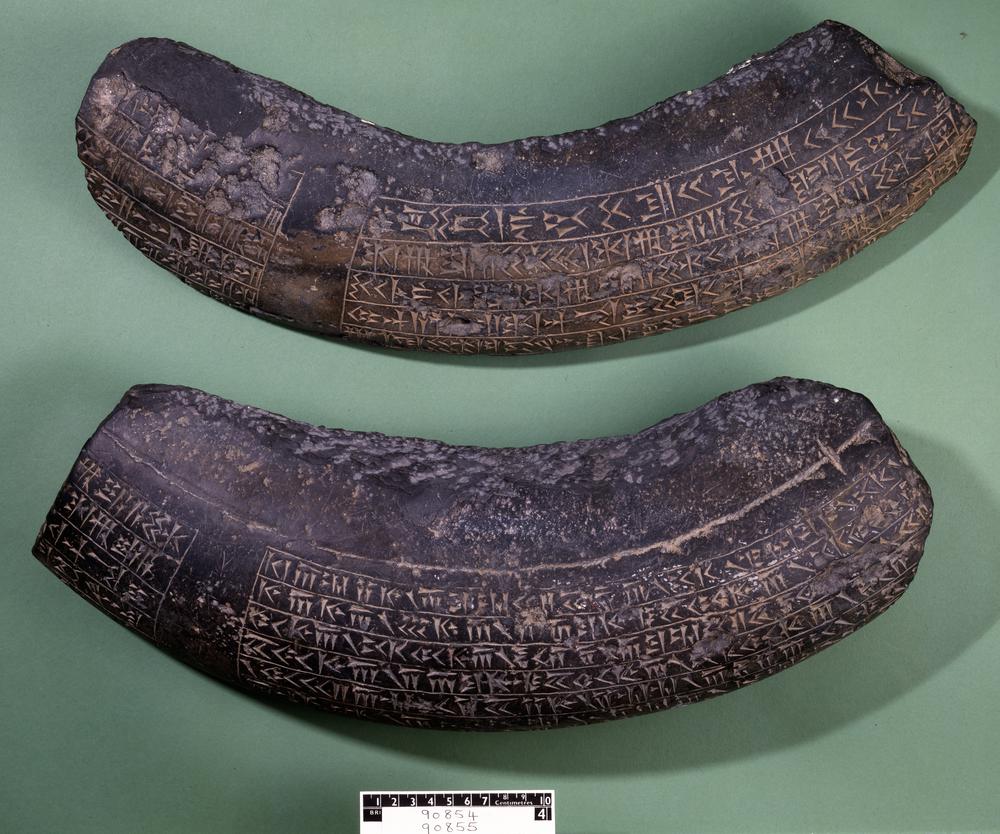
The base of the column bears an inscription that records the rebuilding of a palace at Ectabana ’by the favour of Ahuramaza, Anahita and Mithra’.
Fragmentary Greek graffito from Dura-Europos recording the prices of everyday goods such as wine, meat, wood and lamp wicks.
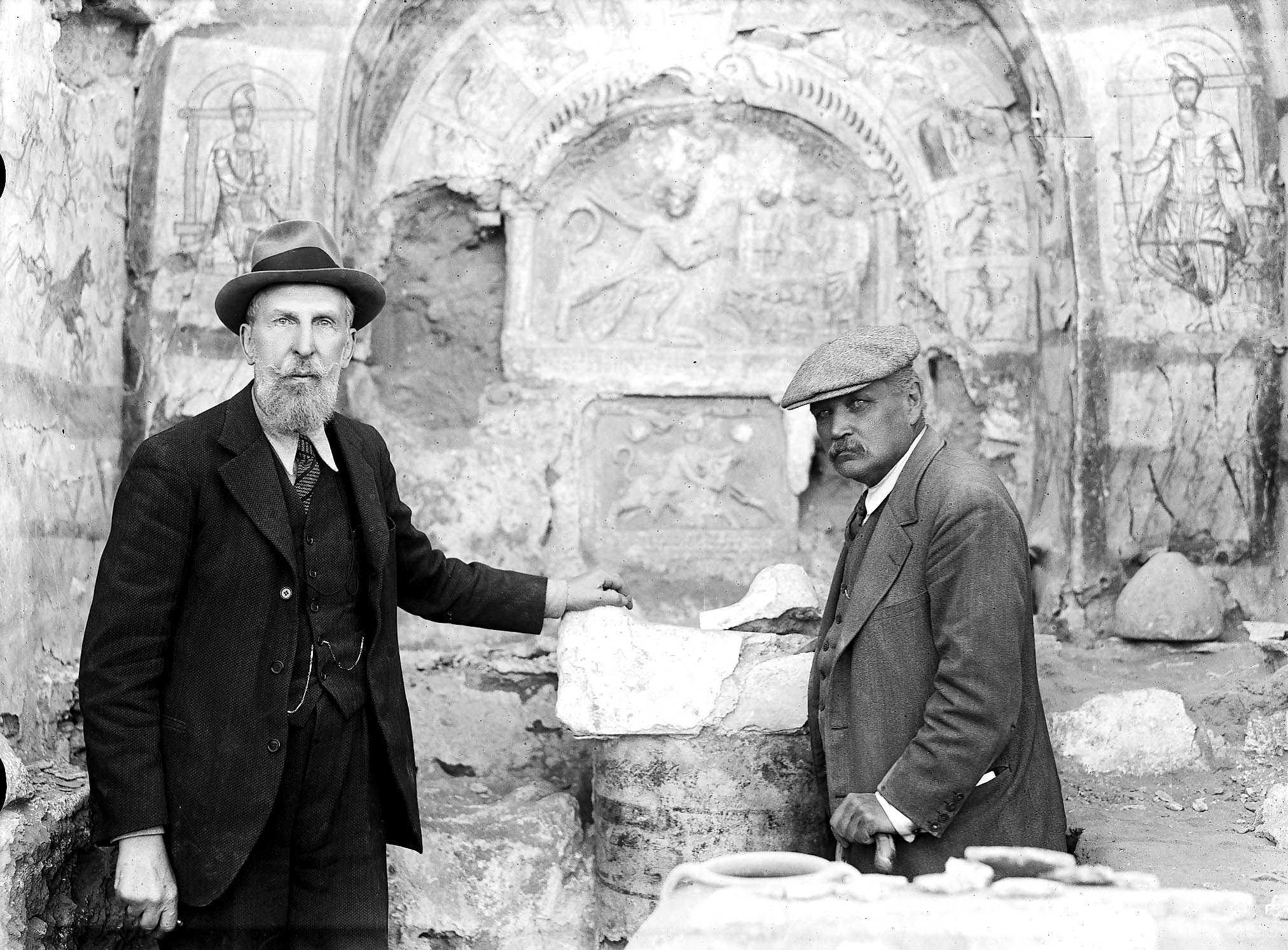
The most emblematic of the Syrian Mithraea was discovered in 1933 by a team led by the Russian historian Mikhaïl Rostovtzeff.

Administrator, probably a slave of Pater Alfius Severus, who dedicated the main altar of the Mitreo di Marino.
A probable Mithraic sanctuary near Santa Maria in Domnica on the Caelian Hill, known from a group of dispersed reliefs formerly owned by Ottaviano Zeno.
The Pontiae islands, including modern Ponza, formed part of the Roman maritime landscape of Latium and preserve one of the most remarkable Mithraic sanctuaries of Roman Italy, renowned for its rare stucco zodiac and astral symbolism.
