Your search Tulln an der Donau gave 577 results.

Inscription recording the transmission of the leontica grade by Nonius Victor Olympius and Aurelius Victor Augentius at the Mithraeum of Piazza S. Silvestro in Capite, dated to 359 and 358 A.D.
Inscription CIL VI 750 recording the transmission of the Persica and Heliaca grades by Nonius Victor Olympius and Aurelius Victor Augentius at the Mithraeum of Piazza S. Silvestro in Capite, dated to 358 A.D.
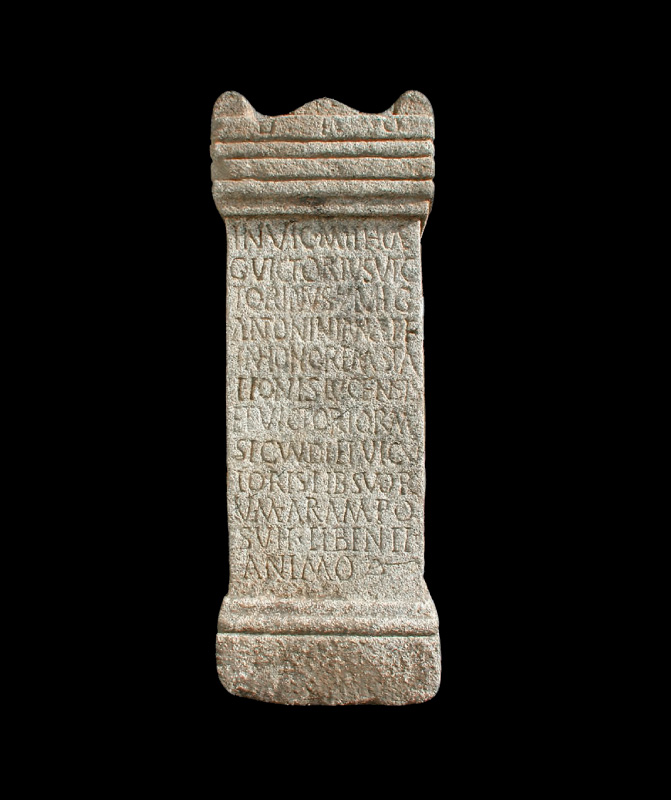
Victorius Victorious, centurion of the Legio VII, erected the altar in honour of the Lugo garrison and of the Victorius Secundus and Victor, his freedmen.

Halle lies within the broader northern frontier zone of the Roman imperial world.
A fragmentary inscription on the right side of a marble slab from Tortona (ancient Dertona) in Liguria, partially legible as a dedication to Deus Sol Mithras Invictus.
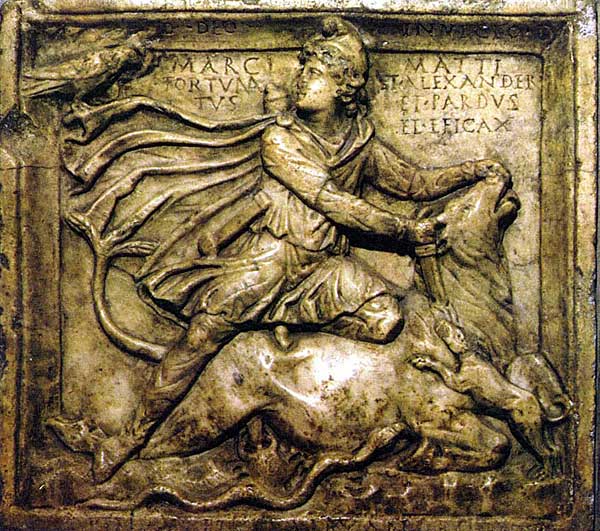
The relief marble of Mithras sacrifying the bull, exposed on the Hermitage Museum comes from Rome.
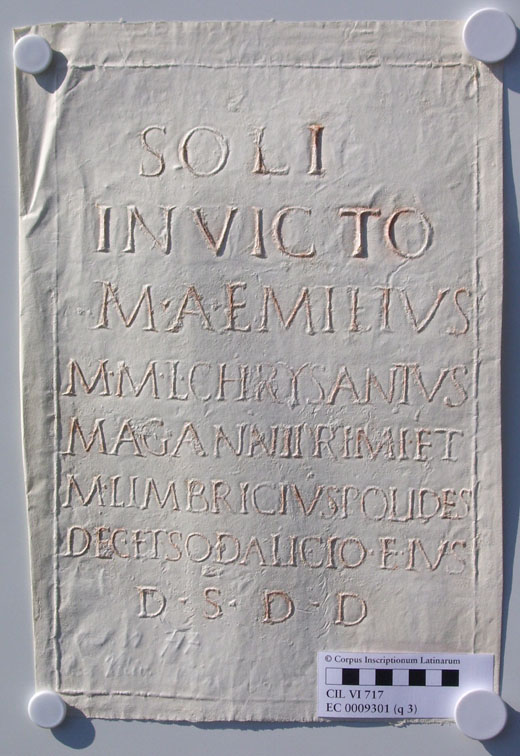
Aemilius Chrysanthus shares the expenses of this monument with a decurio named Limbricius Polides.
This monument was erected on the occasion of the elevation of a member to the Mithraic grade of Perses.
This marble tablet found at Portus Ostiae mentions a pater, a lion donor and a series of male names, probably from a Mithraic community.
Bactria occupied a distant eastern horizon associated with Iranian cultural traditions and the wider background of Mithraic interpretations.
Picenum connected the Adriatic coast of central Italy to inland communication routes and the wider networks of the Roman Peninsula.
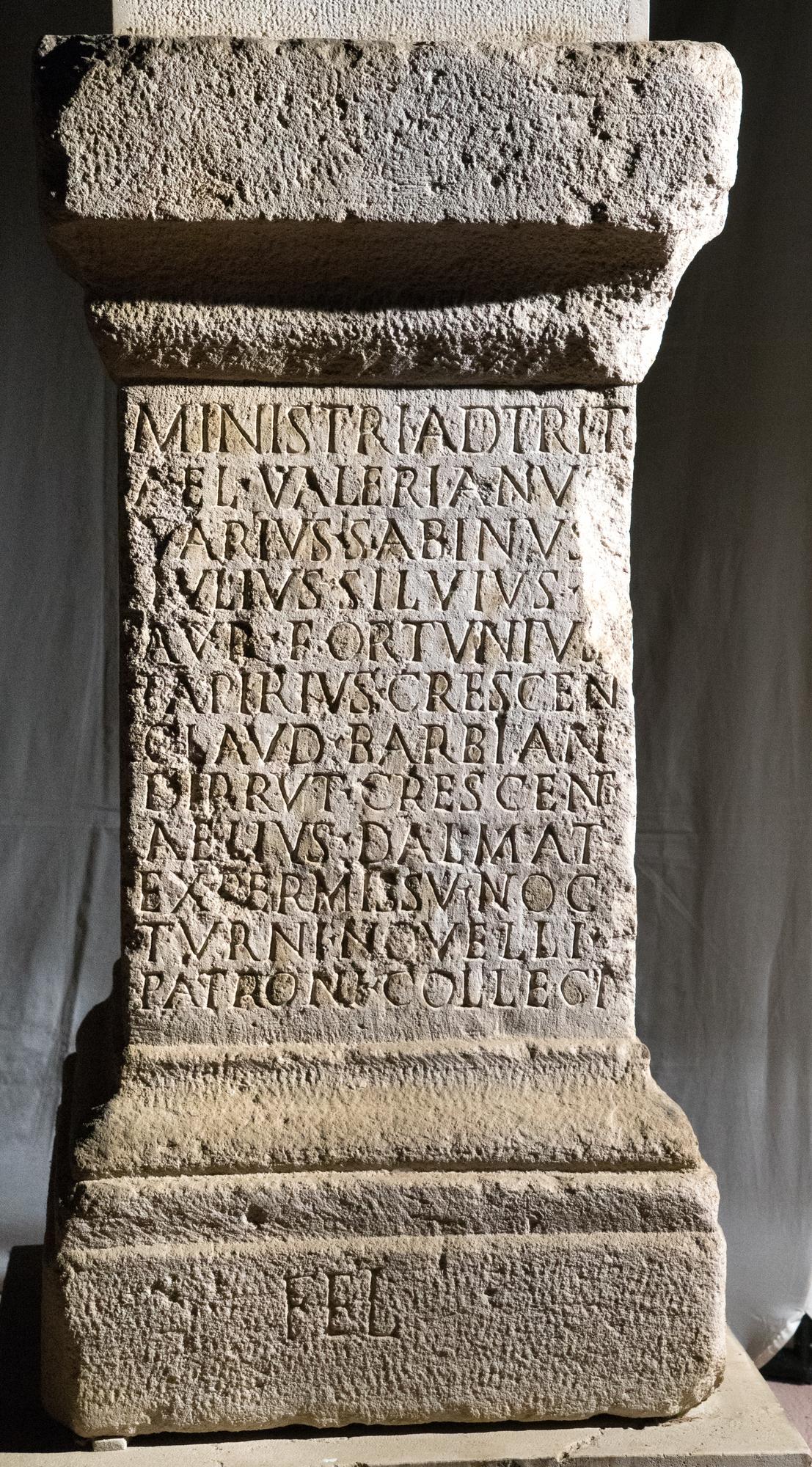
This inscribed limestone altar from Roman Salona preserves several lists of ministers associated with the Tritones collegium during the Tetrarchic period.
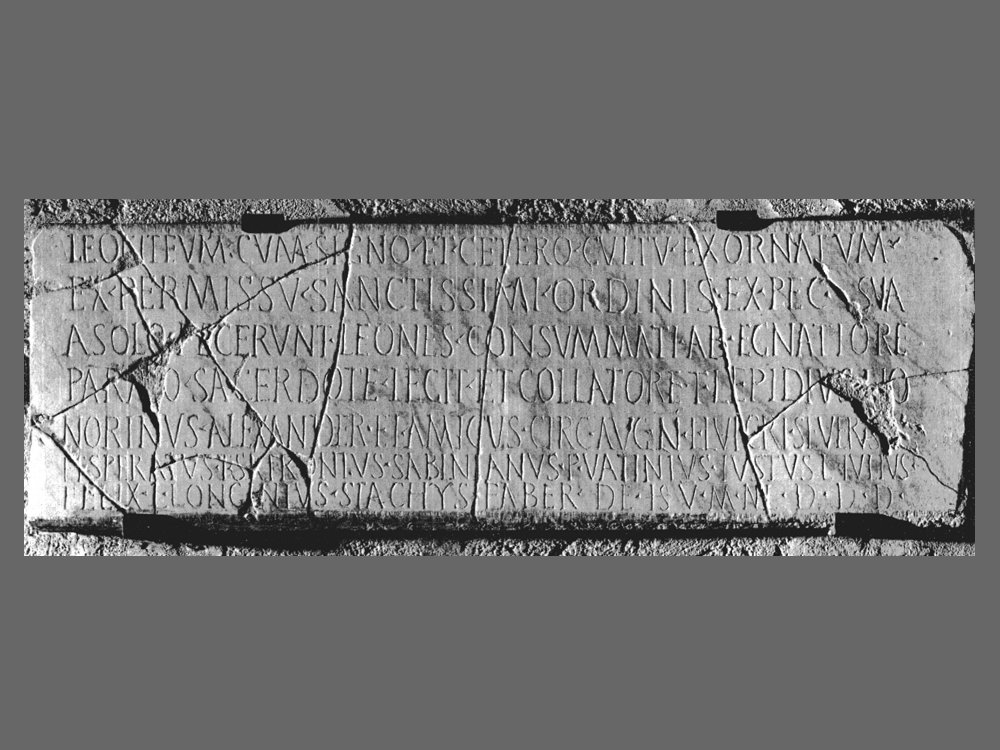
This plaque from Carsulae, in Umbria, refers to the creation of a leonteum erected by the lions at their own expense.
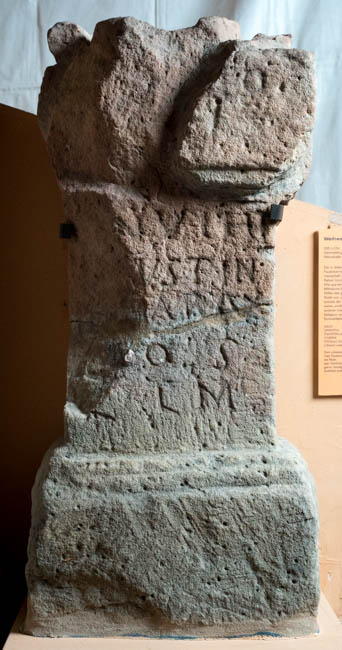
This sandstone altar was dedicated to the god Invictus by a certain Faustinus from Gimmeldingen.
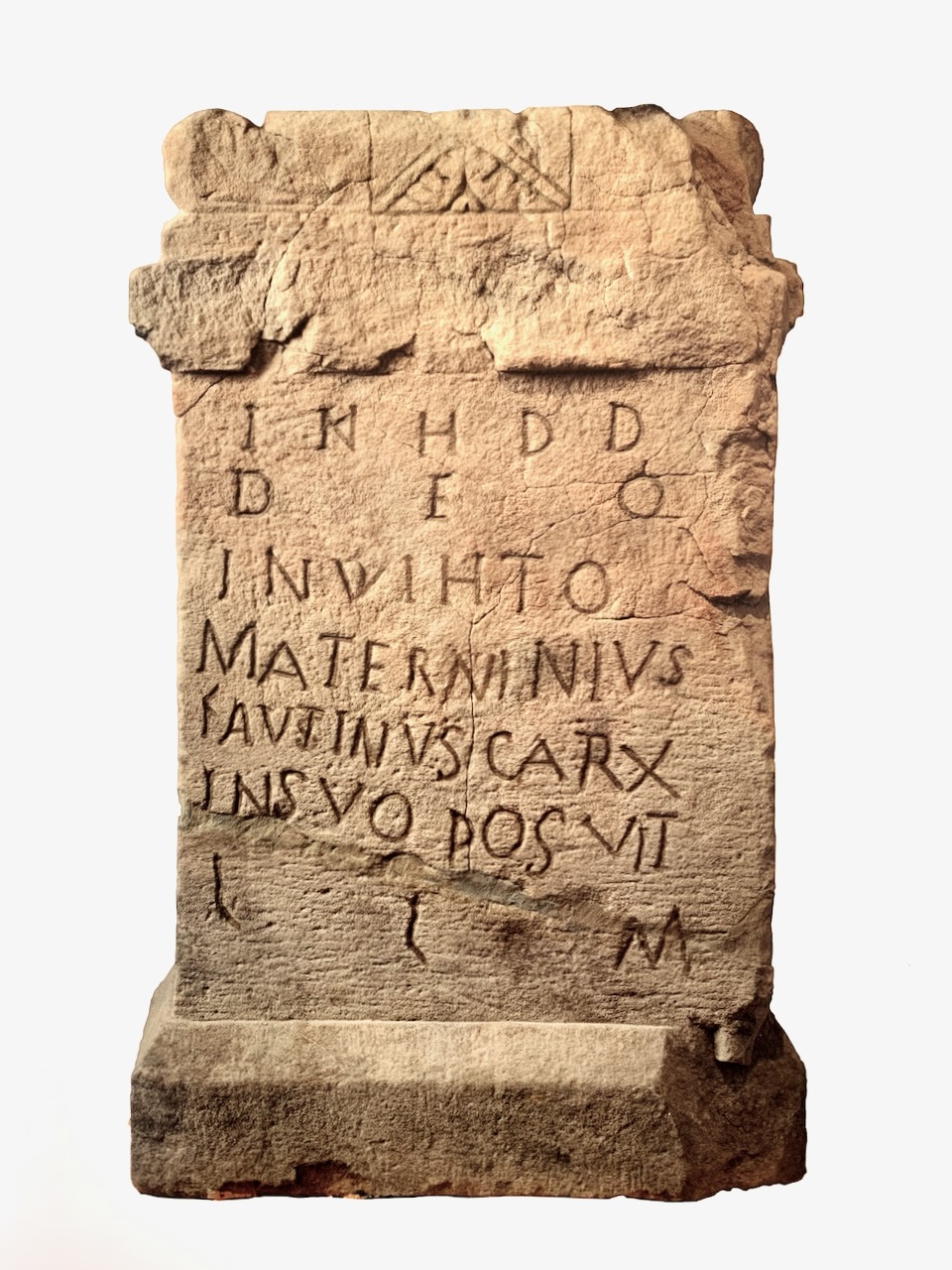
Corax Materninius Faustinus dedicated other monuments found in the same Mithraeum in Gimmeldingen.
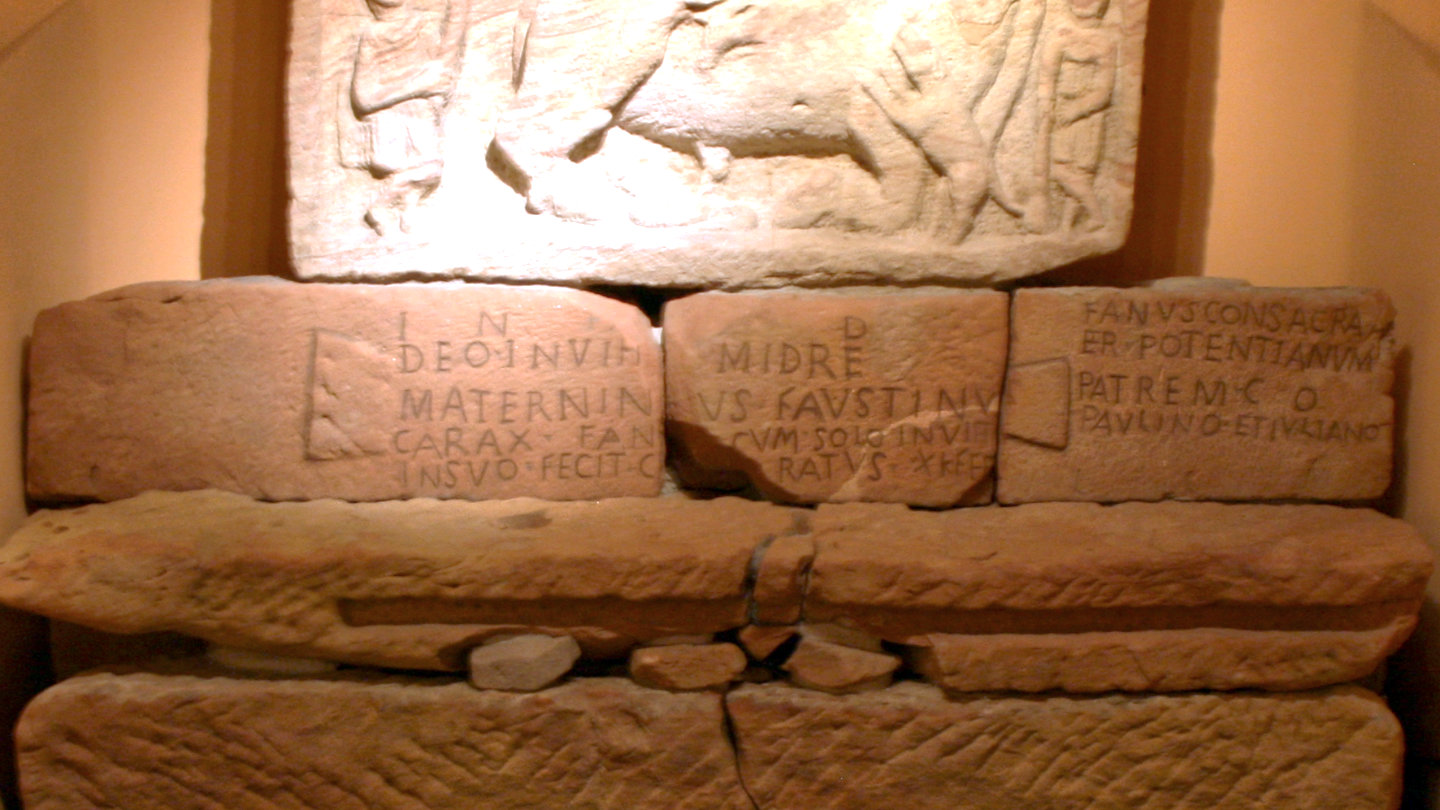
The inscription was located at the base of the main Tauroctony of the Gimmeldingen Mithraeum.
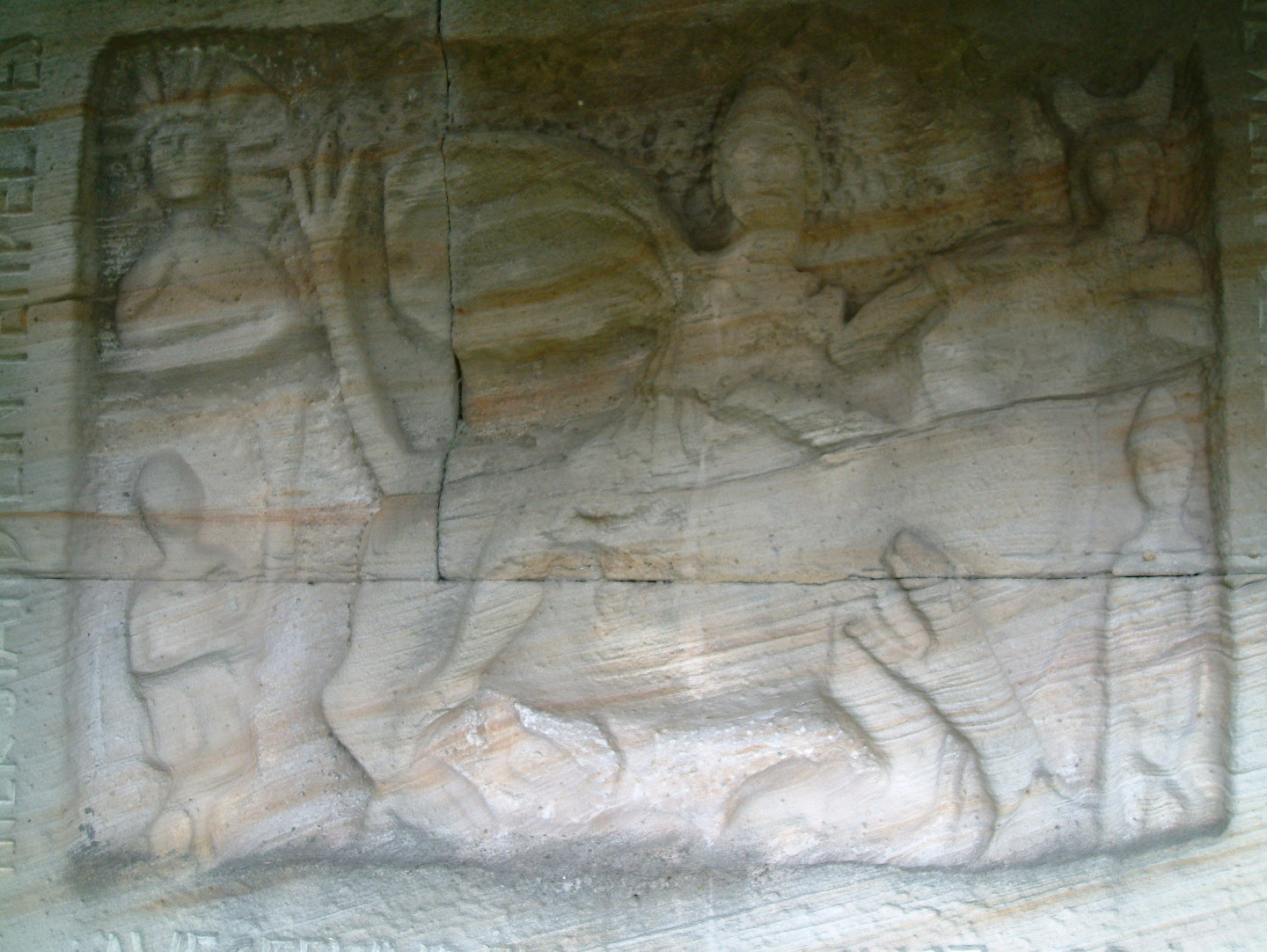
This relief of Mithras killing the bull found in Gimmeldingen, Germany, lacks the usual raven.

This marble altar was found ’in the street called di Branco’, behind the palace of the Cardinal of Bologna, in Rome.

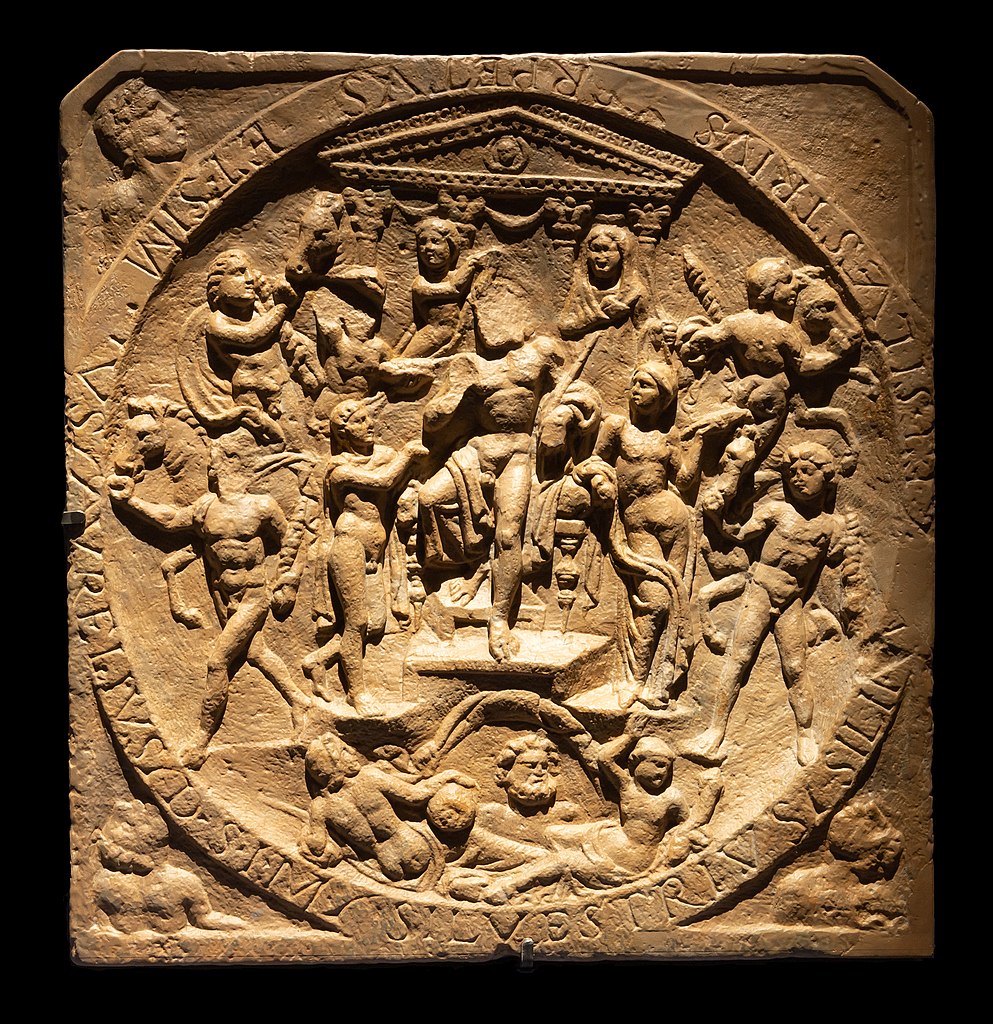
The relief of Dieburg shows Mithras riding a horse as main figure, surrounded by several scenes of the myth.
