Your search Val Camonica gave 380 results.
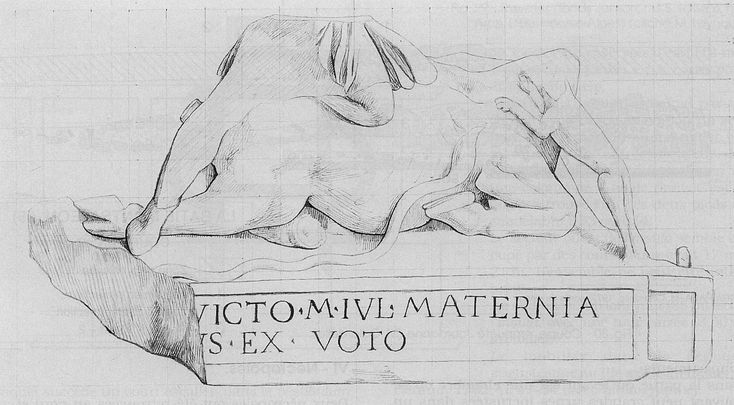
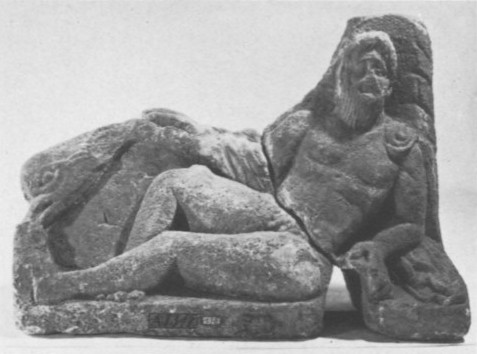
This damaged relief of Mithras killing the bull found in 1804 and formerly exposed at Gap, is now lost.
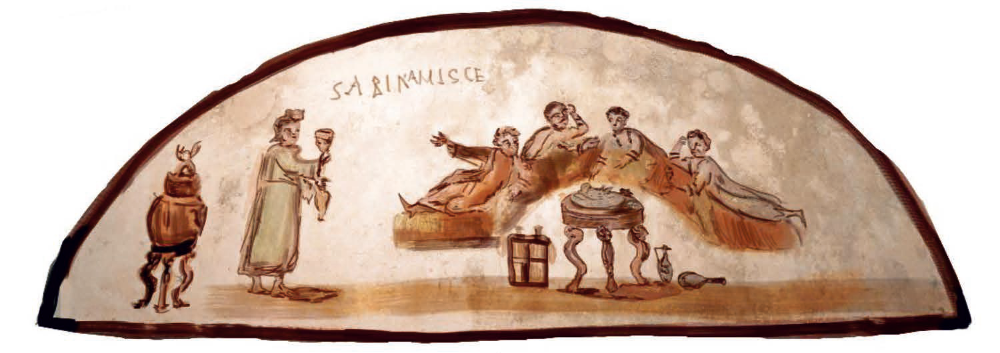
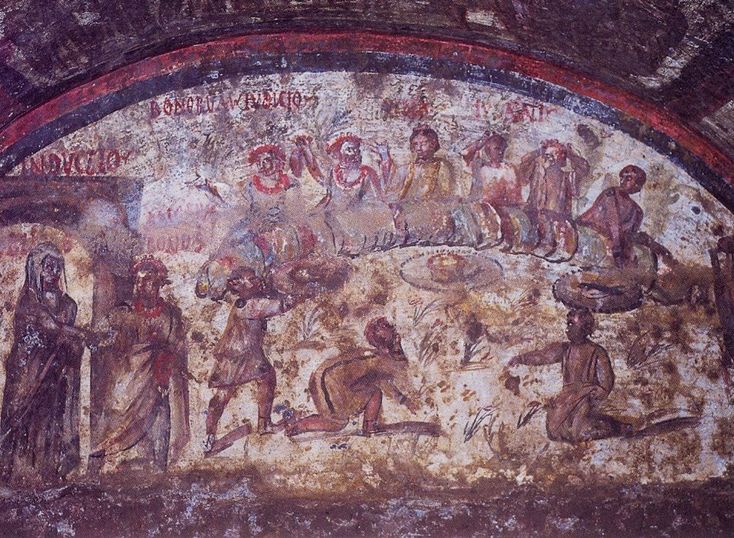
A dinner scene with Sabina from the Catacombe dei Santi Marcellino e Pietro, near Rome, may have been commissioned by a follower of Mithras.
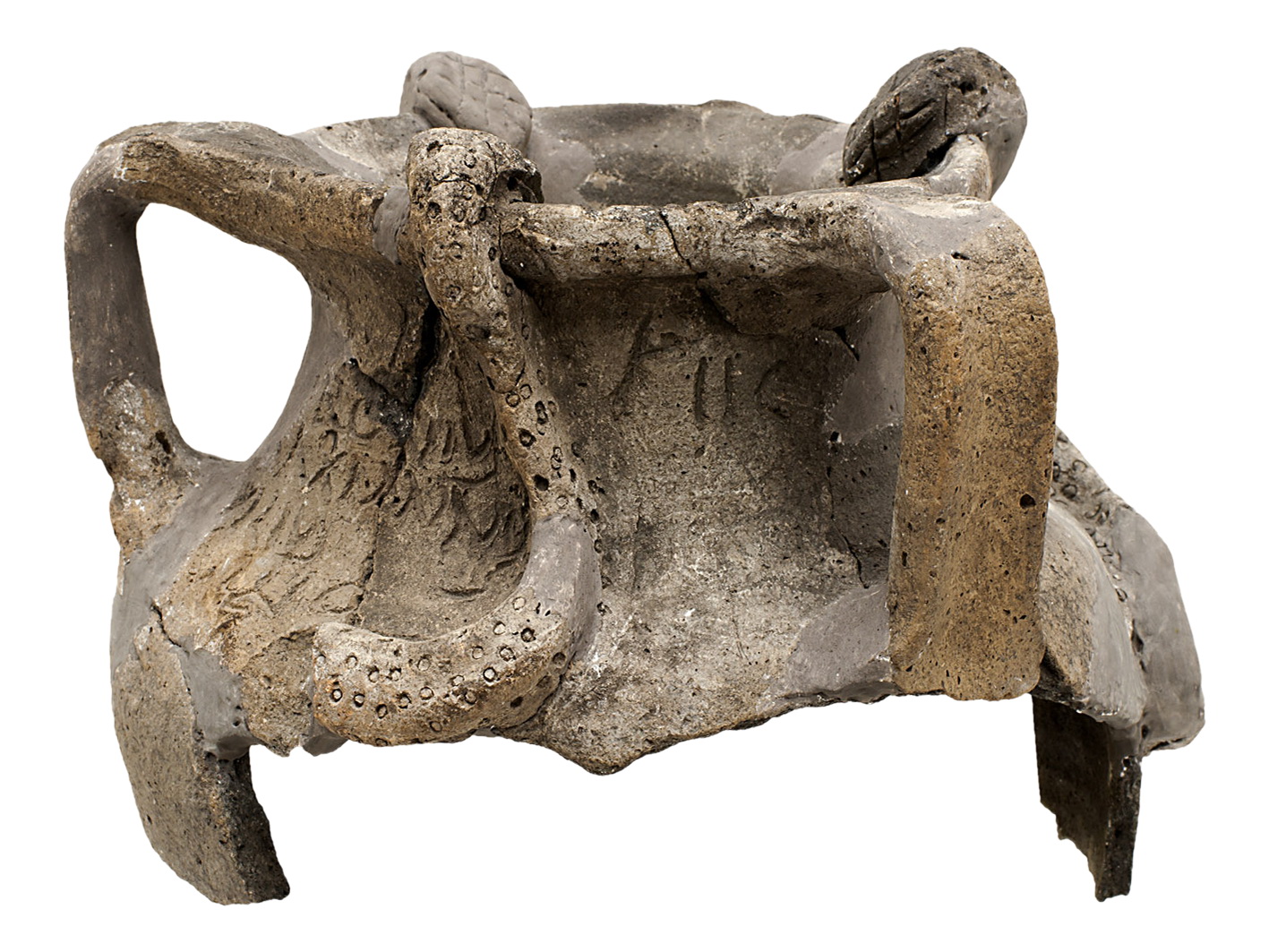
Upon first examination, archaeologists interpreted the inscription on the cult vessel from Gradishje as referencing Mithras, though it has since been re-evaluated.
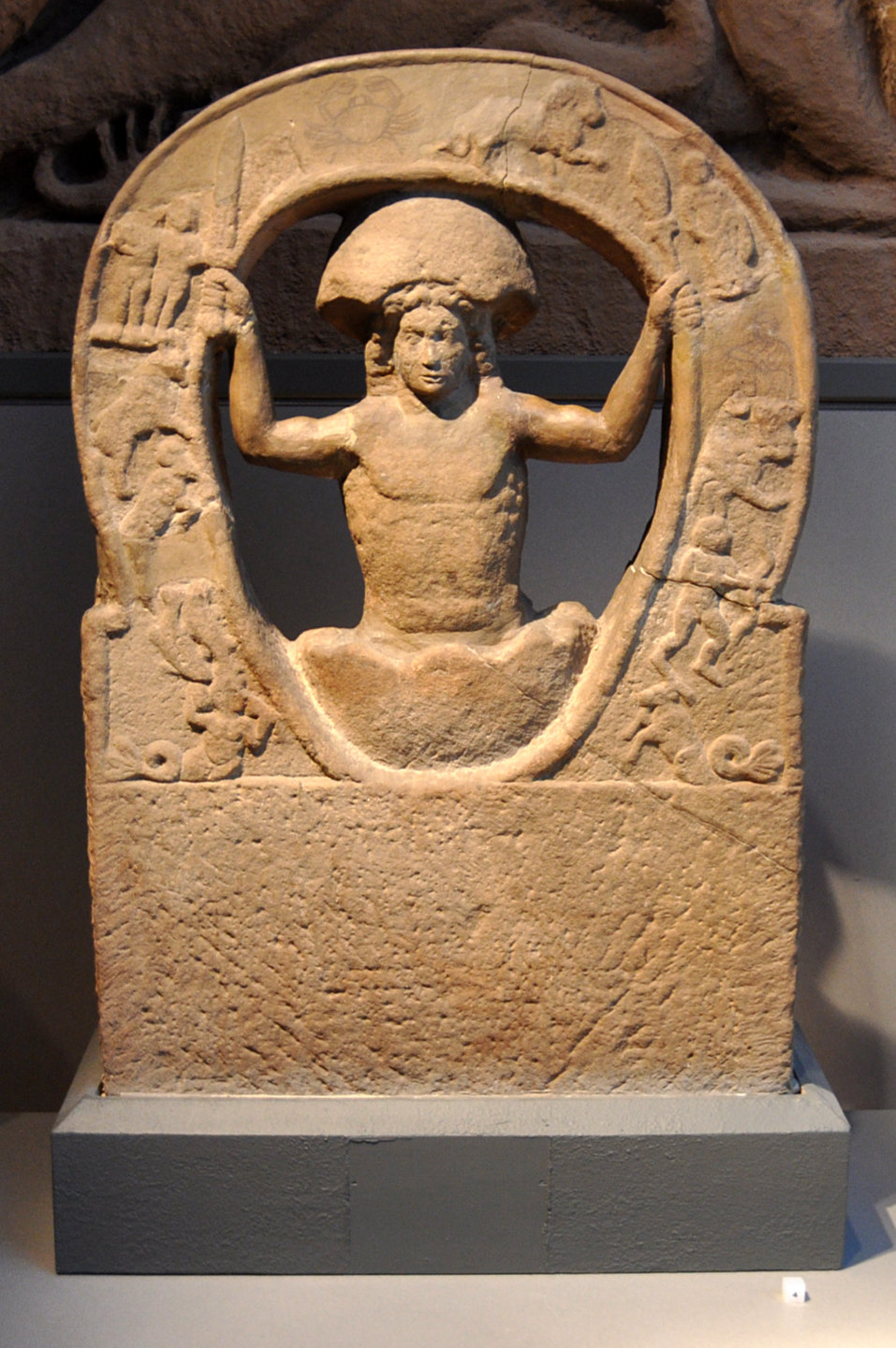
A naked Mithra emerges from the cosmic egg surrounded by the zodiac, as always carrying a torch and a dagger.
The epigrahy includes a mention of Marcus Aurelius, a priest of the god Sol Mithras, who bestowed joy and pleasure on his students.
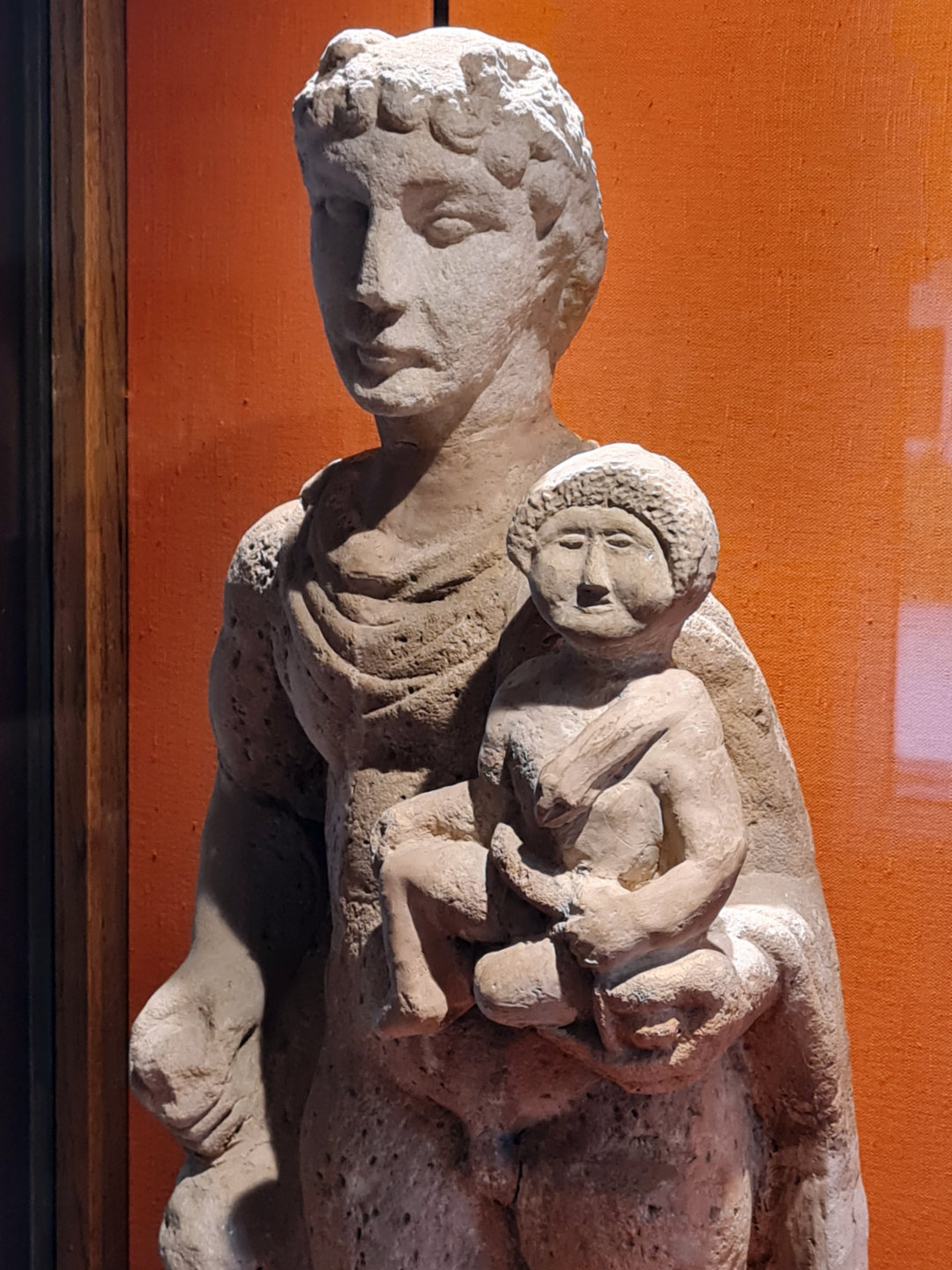
The Stockstadt Mercury carries a purse and a small child around which a snake is coiled.
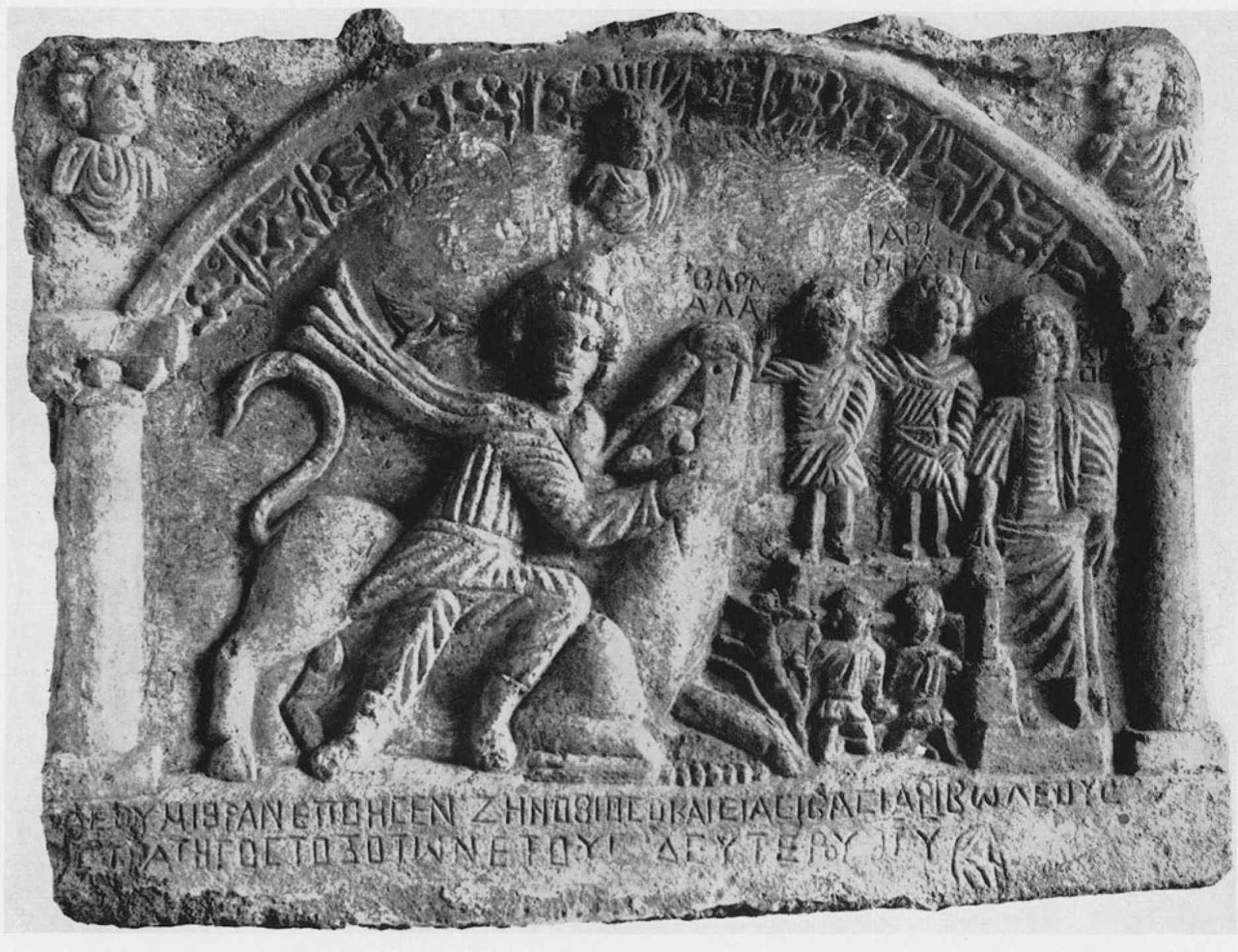
The main relief of Mithras killing the bull from the Mithraeum of Dura Europos includes three persons named Zenobius, Jariboles and Barnaadath.
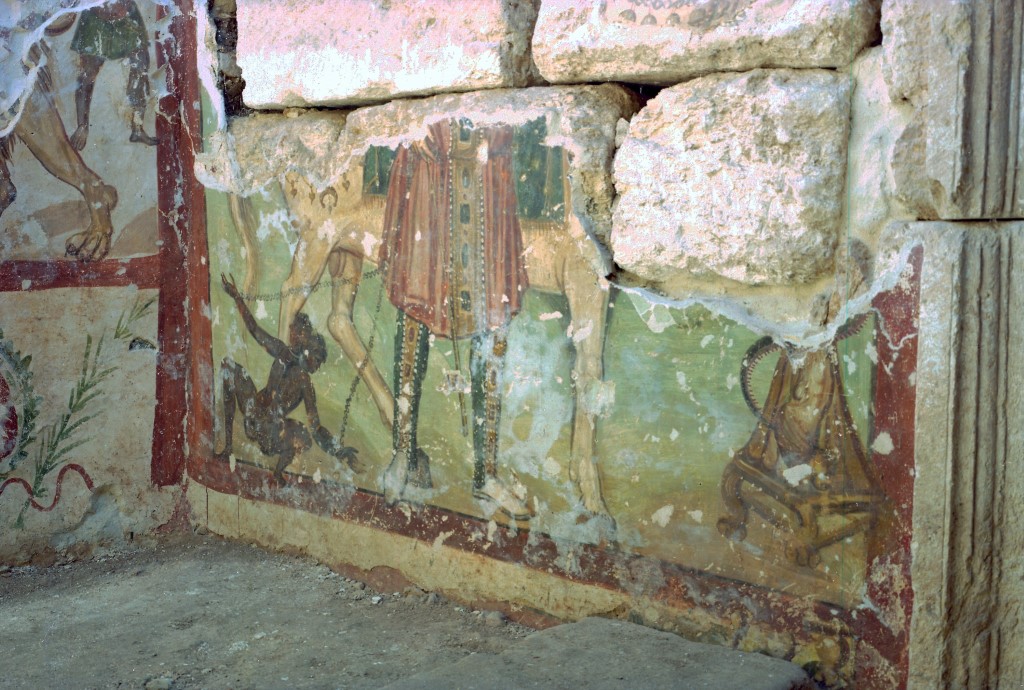
This painting depicts an Iranian knight holding in a chain a black naked figure with two heads.
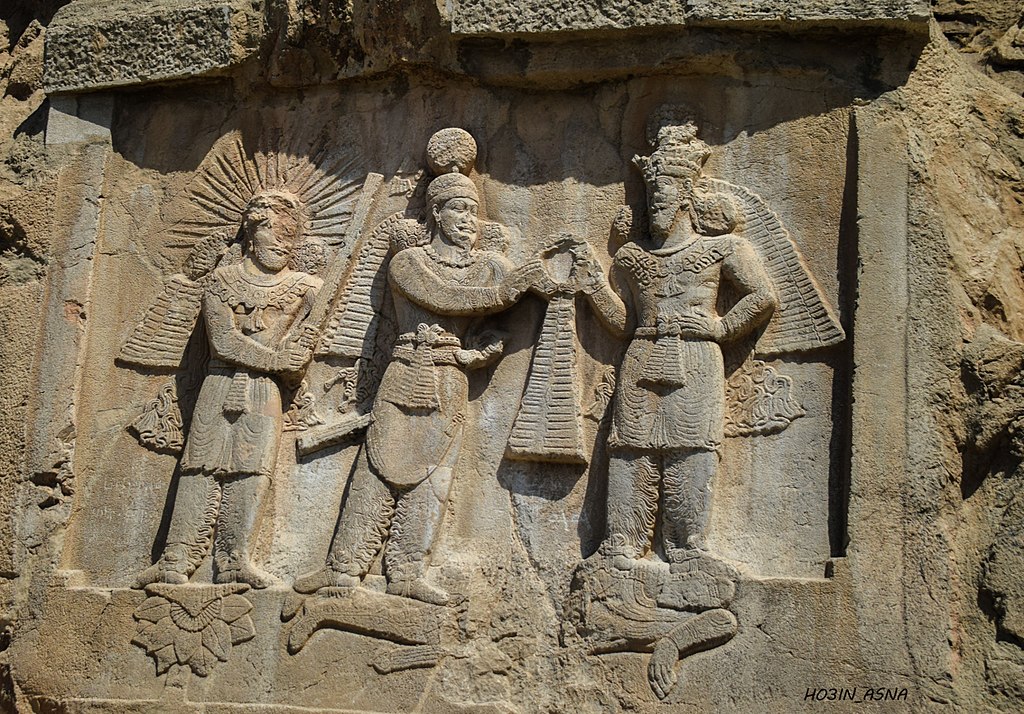
This monument depicts Mihr/Mithras watching over the transition of power from Shapur II to Ardashir II, which took place in 379.
Lenni George on Hekate’s development across ancient traditions, from mystery cults to magical practice and philosophical thought.
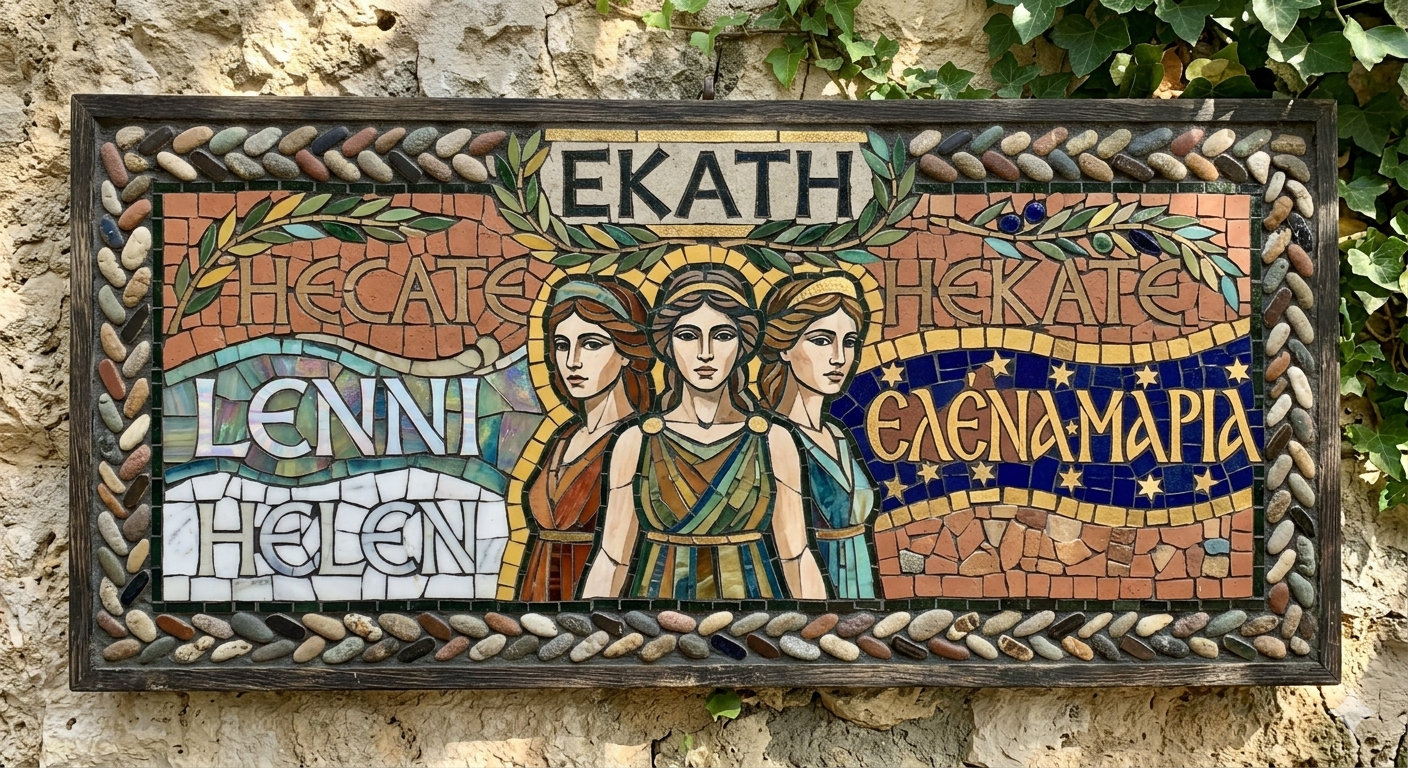
On what Hekate’s name may or may not tell us, and why the uncertainty matters.
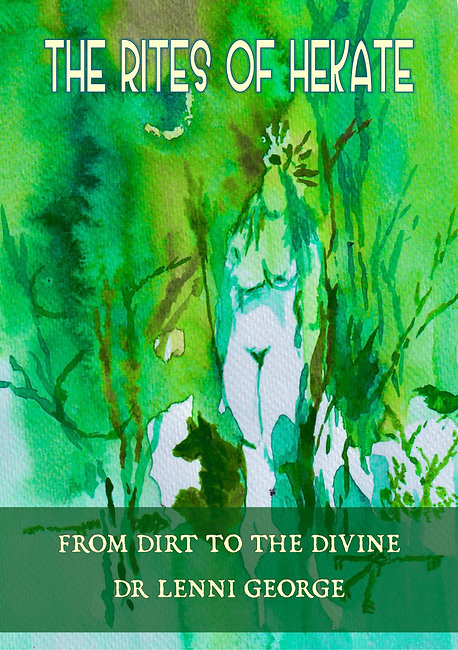
The Rites of Hekate is a personal yet deeply rooted academic account of the current understanding of this ambivalent goddess, presented as an arcane and liminal archetype.
A small limestone altar from Bandorf near Oberwinter dedicated to Deo Invicto Regi. Found in an isolated structure not resembling a mithraeum, its function remains uncertain.
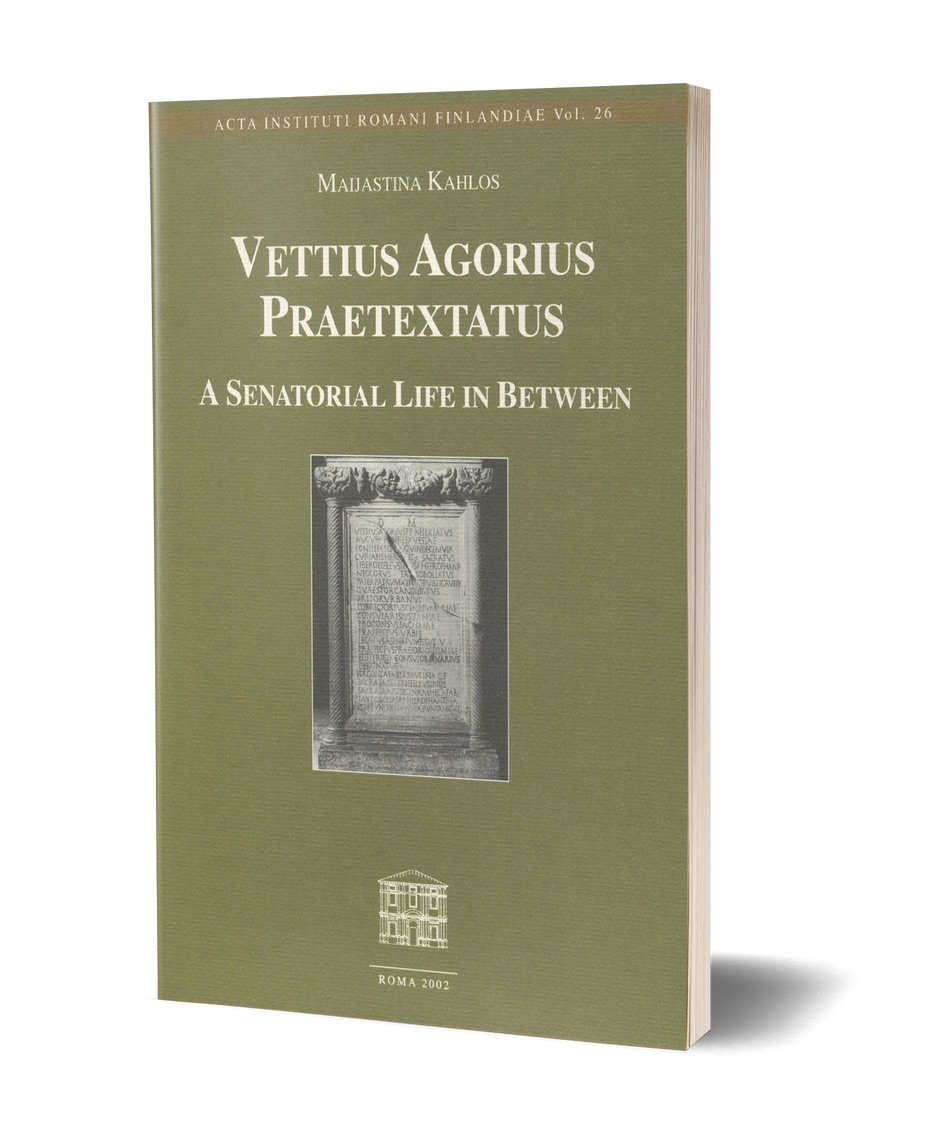
The cultural and religious world of fourth-century Rome is explored through the life and afterlife of Vettius Agorius Praetextatus. His case is set in comparison with other pagan and Christian senators of the period.
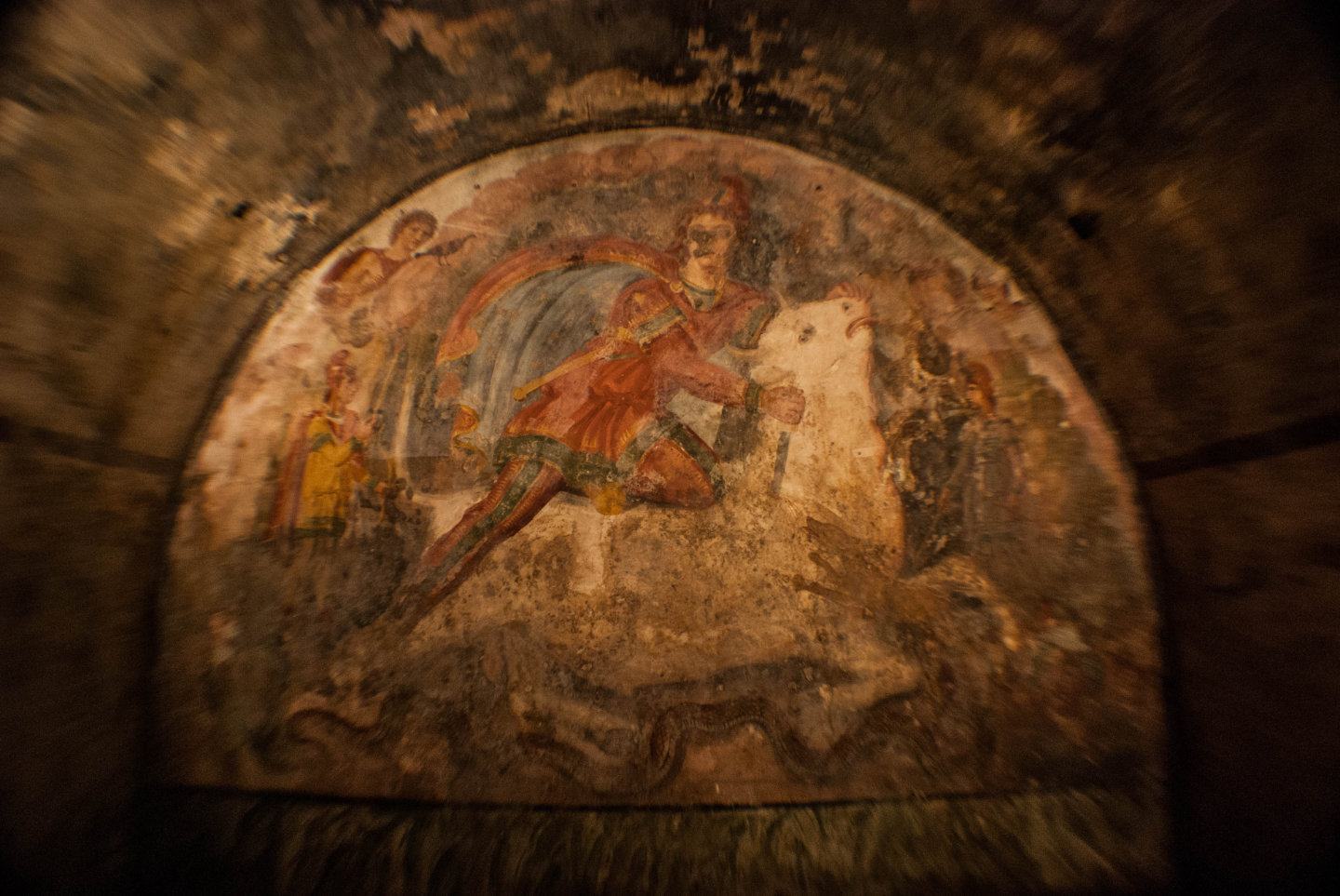
This article revisits the Mithraeum of S. Maria Capua Vetere, one of the most complete and artistically refined Mithraic sanctuaries in the Campanian region, situating it within its archaeological, iconographic, and ritual-historical contexts.
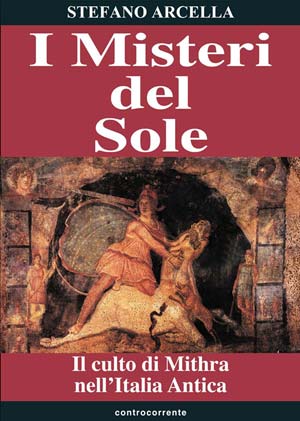
A study of Roman Mithraism that combines historical evidence with a symbol-centred interpretive approach, exploring Mithraic iconography, ritual experience, and the cult’s encounter with Christianity in the Late Empire.
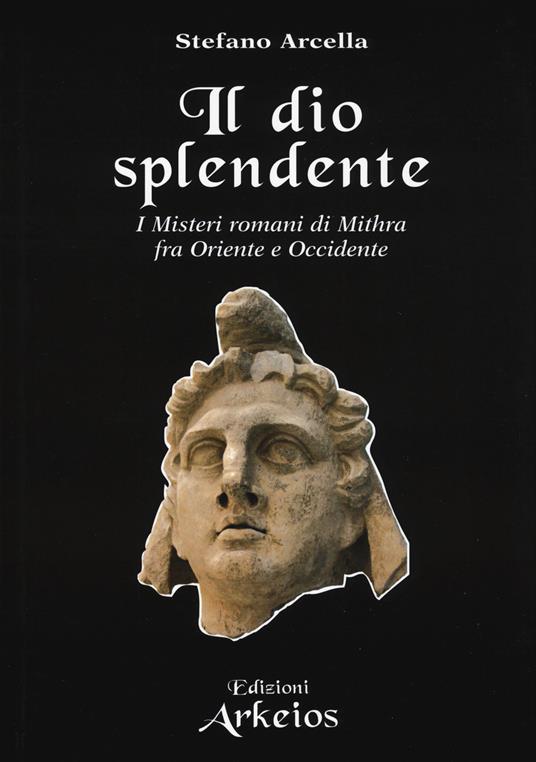
A study that re-examines Roman Mithraism through epigraphic evidence and comparative analysis, exploring its links with Orphism, Platonism, and Iranian traditions, and presenting the cult of Mithras as a solar path of individual spiritual awakening between East and West…
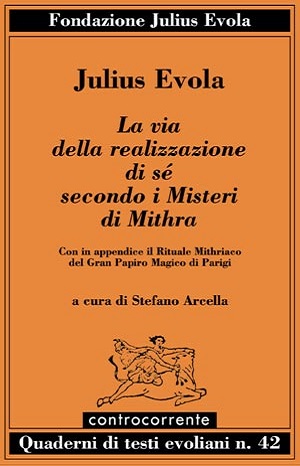
Interprets Mithraism as an initiatory path of inner transformation, reading its myths and rites as symbolic maps of consciousness rather than as historical narratives, and includes an appendix with the Ritual of Mithra from the Great Magical Papyrus of Paris…
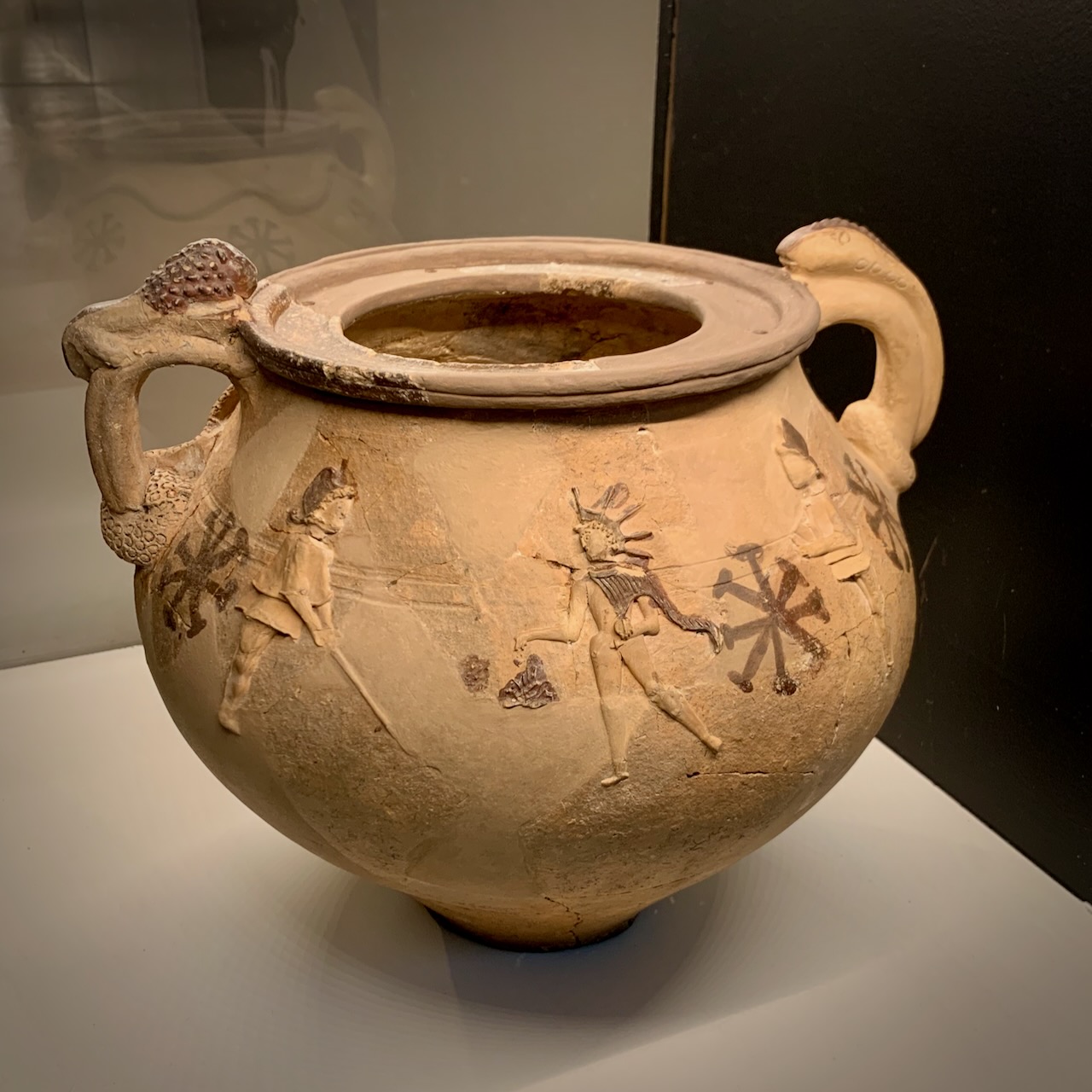
The Mithraic vase from Colonia Claudia Ara Agrippinensium in Germany includes Sol-Mithras between Cautes and Cautopates, as well as a serpent, a lion and seven stars.
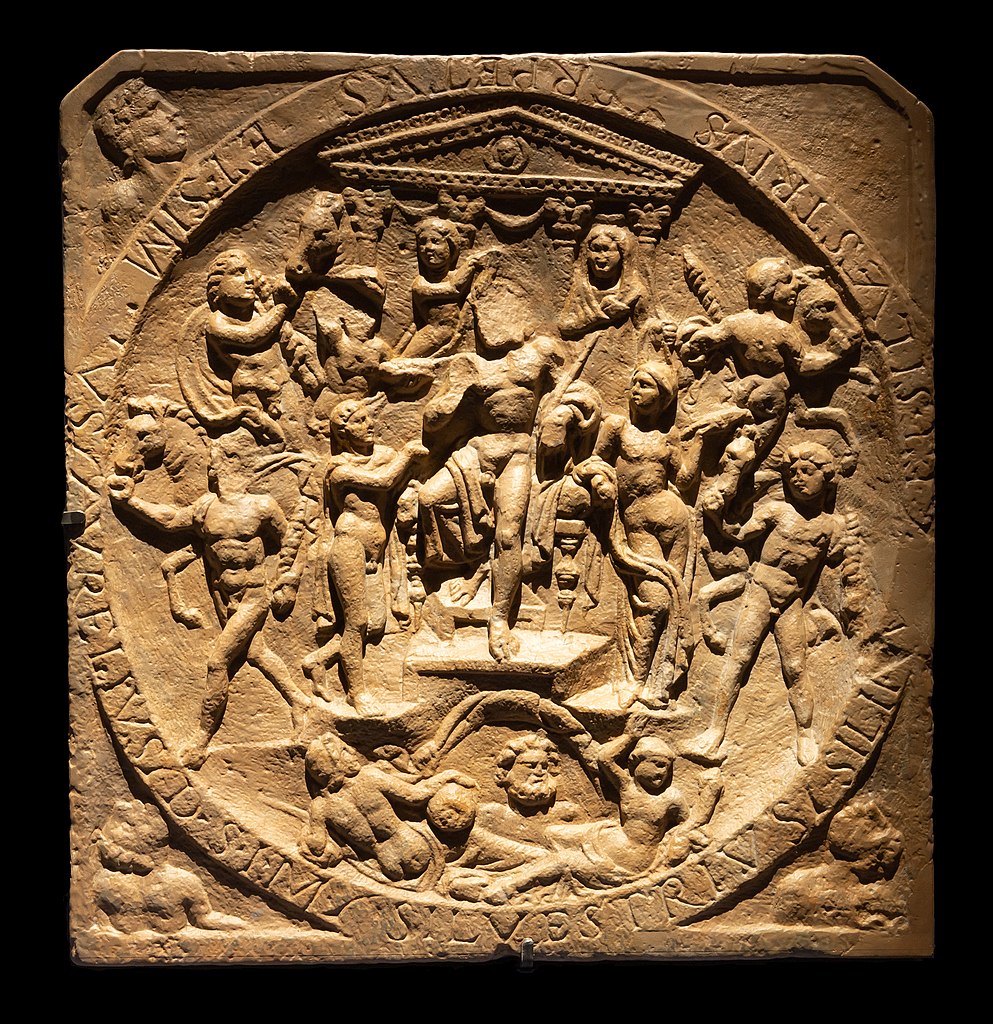
The relief of Dieburg shows Mithras riding a horse as main figure, surrounded by several scenes of the myth.
