Your search Val Camonica gave 380 results.
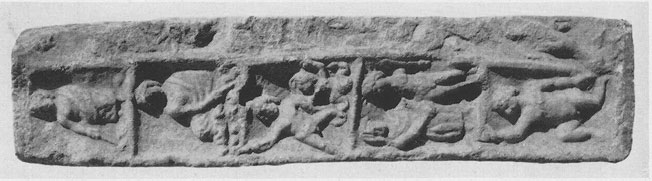
Fragment of a double-sided white marble Mithraic relief from San Zeno, found near the Castello di Tuenno, depicting elements of the tauroctony cycle and bearing a dedication to Deo Invicto Mithrae.
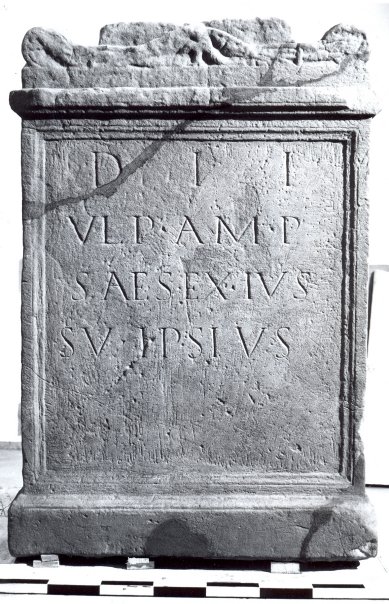
This altar found at ancient Burginatum is the northernmost in situ Mithraic find on the continent.
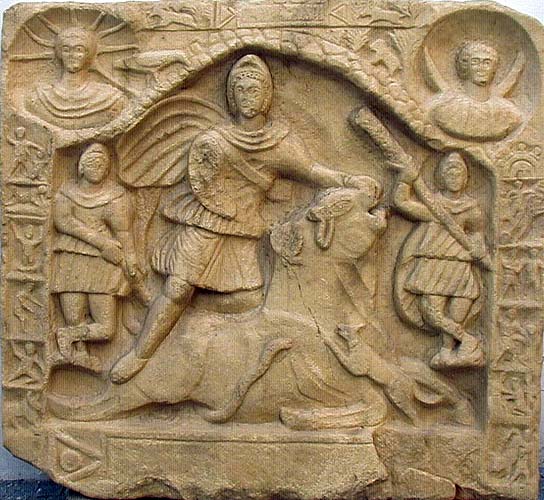
The relief of Mithras slaying the bull at Mauls in Gallia cisalpina is a paradigmatic example of the so-called Rhine-type Tauroctony.
In these passages from his hymns and satires, Julian articulates a solar theology in which Helios governs cosmic order and time. Within this framework, Mithras appears as a personal divine guide associated with the ascent of souls.
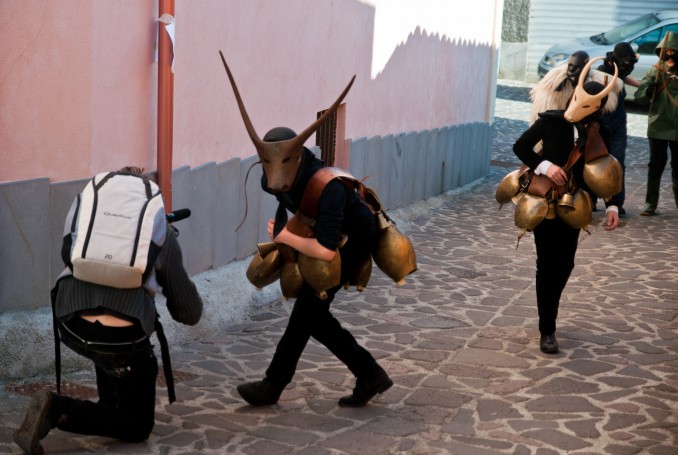
A series of polemical passages in which a leading fourth-century Christian theologian presents the cult of Mithras as a religion defined by cruelty, bodily suffering, and shameful initiation rites.
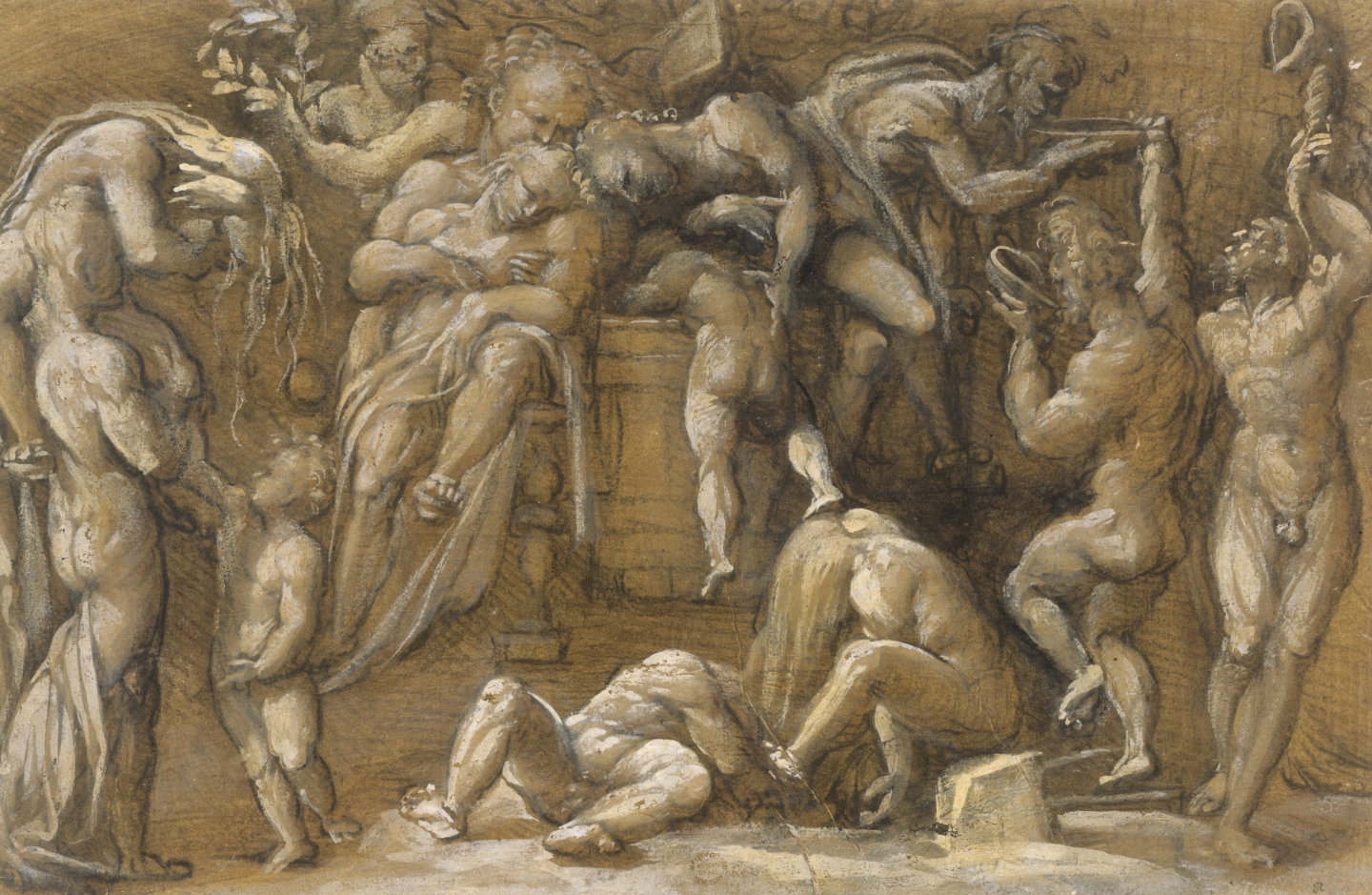
In polemical passages from the late second and early third centuries, Tertullian portrays the cult of Mithras as a demonic imitation of Christian rites and provides rare early references to Mithraic initiation and ritual symbolism.
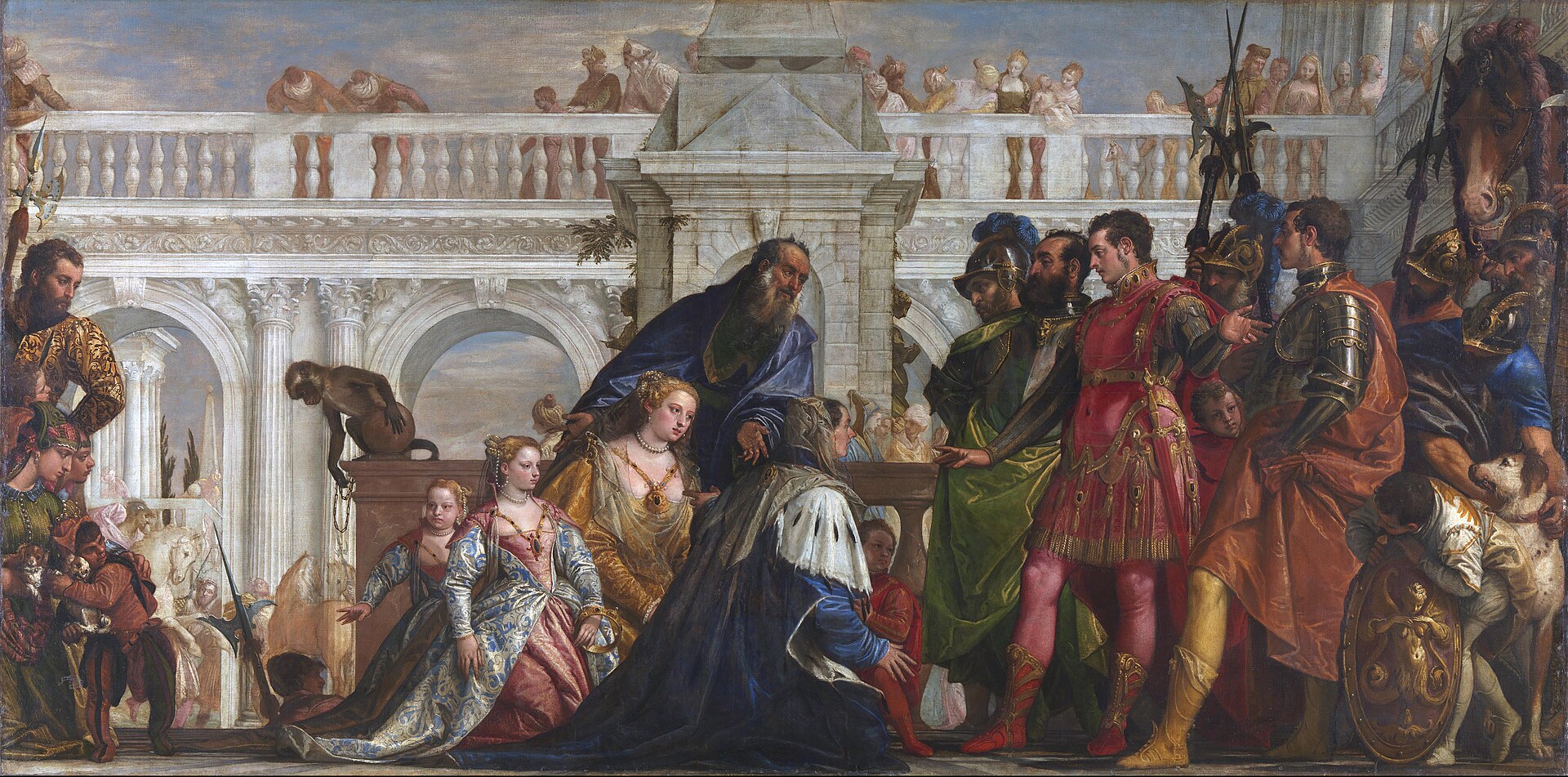
Late antique legendary biography of Alexander the Great (c. AD 300), where history, myth, and imperial ideology merge around figures of divine kingship and solar power.
This collective volume explores the ways ancient peoples interacted with divine powers through prayer, magic, and the interpretation of the stars. Drawing on evidence from Mesopotamia to Late Antiquity, it situates these practices within broader religious and cosmological systems…

A critical edition of the Mithras Liturgy (PGM IV.475–834), providing the Greek text, English translation, commentary, and an updated discussion of its interpretation since Albrecht Dieterich’s 1903 edition.
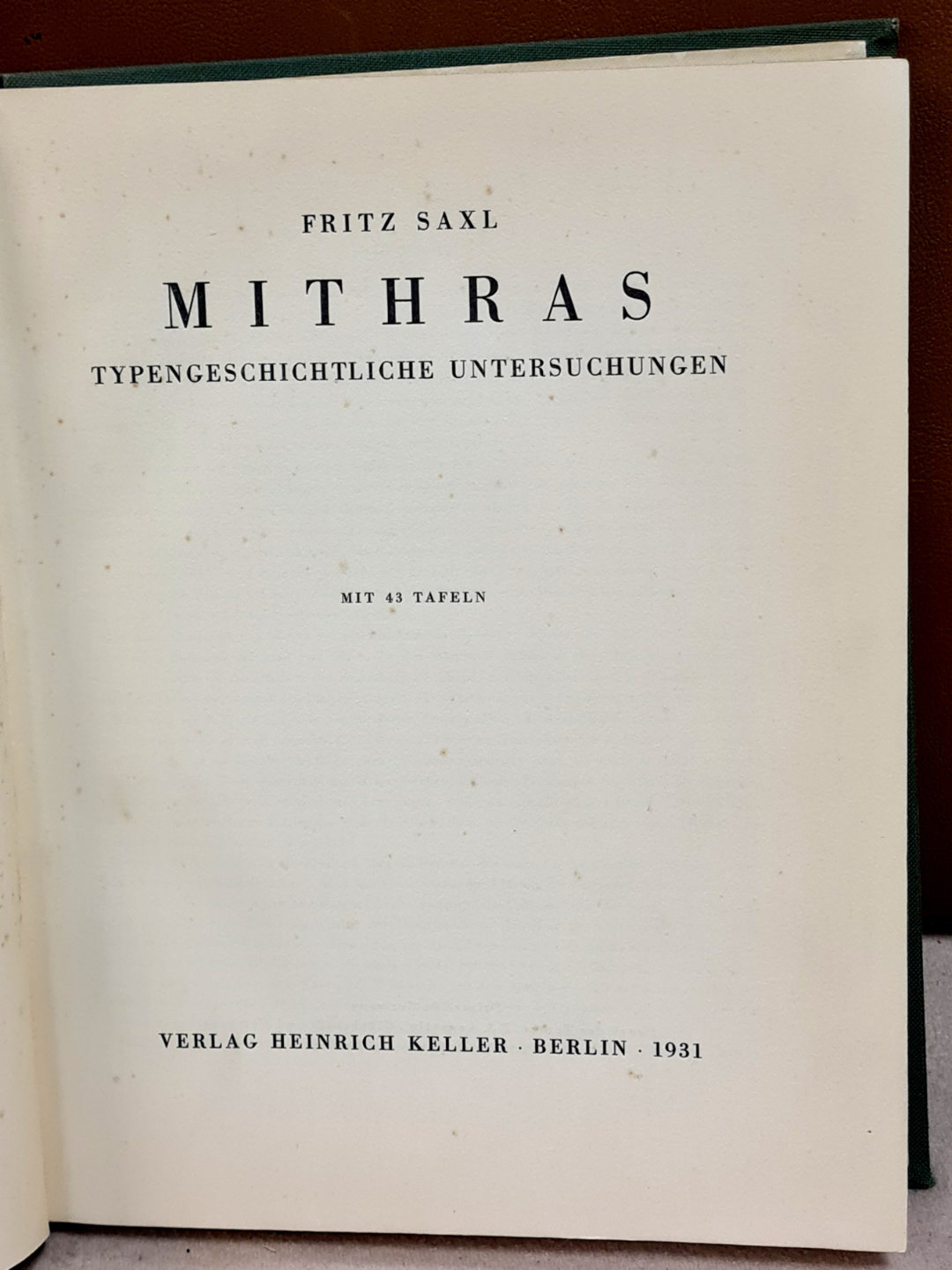
Fritz Saxl interprets Mithraism primarily through its images, proposing the cult as a visual cosmology structured around the descent, sacrifice and re-ascent of light, developed in close dialogue with Aby Warburg and Erwin Panofsky.
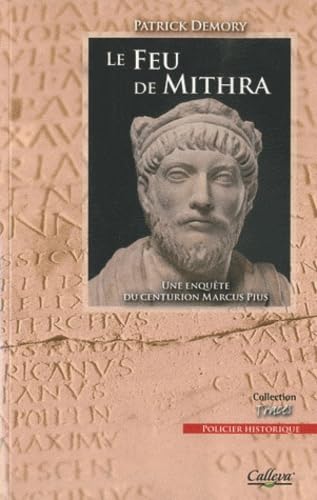
A Roman centurion investigates a ritual murder and a deadly new weapon, the Fire of Mithras, from the alleys of Lutetia to the battle of Argentoratum.

Robert Turcan présente les dévotions immigrées dans le monde romain, sans négliger les cultes marginaux ou sporadiques, traitant également des courants gnostiques, occultistes et théosophiques.

Employing all the available data & survivals of the historic Persio-Roman Mithraics. Embodying versions of Zoroastrian Scriptures; Combining the religions of all races & times...

Born in the mists of history, Mithras, the deity of light, known for at least 3,500 years and still revered today, has appeared in different ages, religions and forms. This volume explores the sources of the god's history, with a focus on the Roman myths of Mithras…

India, beyond all other countries on the face of the earth, is preeminently the home of the worship of the Phallus—Linga puja. It has been so for ages and remains so still.

Peter Mark Adams’ The Game of Saturn: Decoding the Sola-Busca Tarocchi is the first full length, scholarly study of the enigmatic Renaissance masterwork known as the Sola-Busca tarot.

Papers of the international conference "Roman Mithraism: the Evidence of the Small Finds". Tienen 7-8 November 2001.

This volume collects the first results of the extensive and articulated research project dedicated to the Mithraeum of the Circus Maximus.


