Your search Val Camonica gave 380 results.

The Mithraea in the territory of Arupium were first mentioned by Š. Ljubić in 1882.

For the launch of our YouTube channel, we chat with the author, poet, essayist and friend Peter Mark Adams about the Sola-Busca tarot, a Renaissance masterpiece, uncovering ties to the Mithras cult.
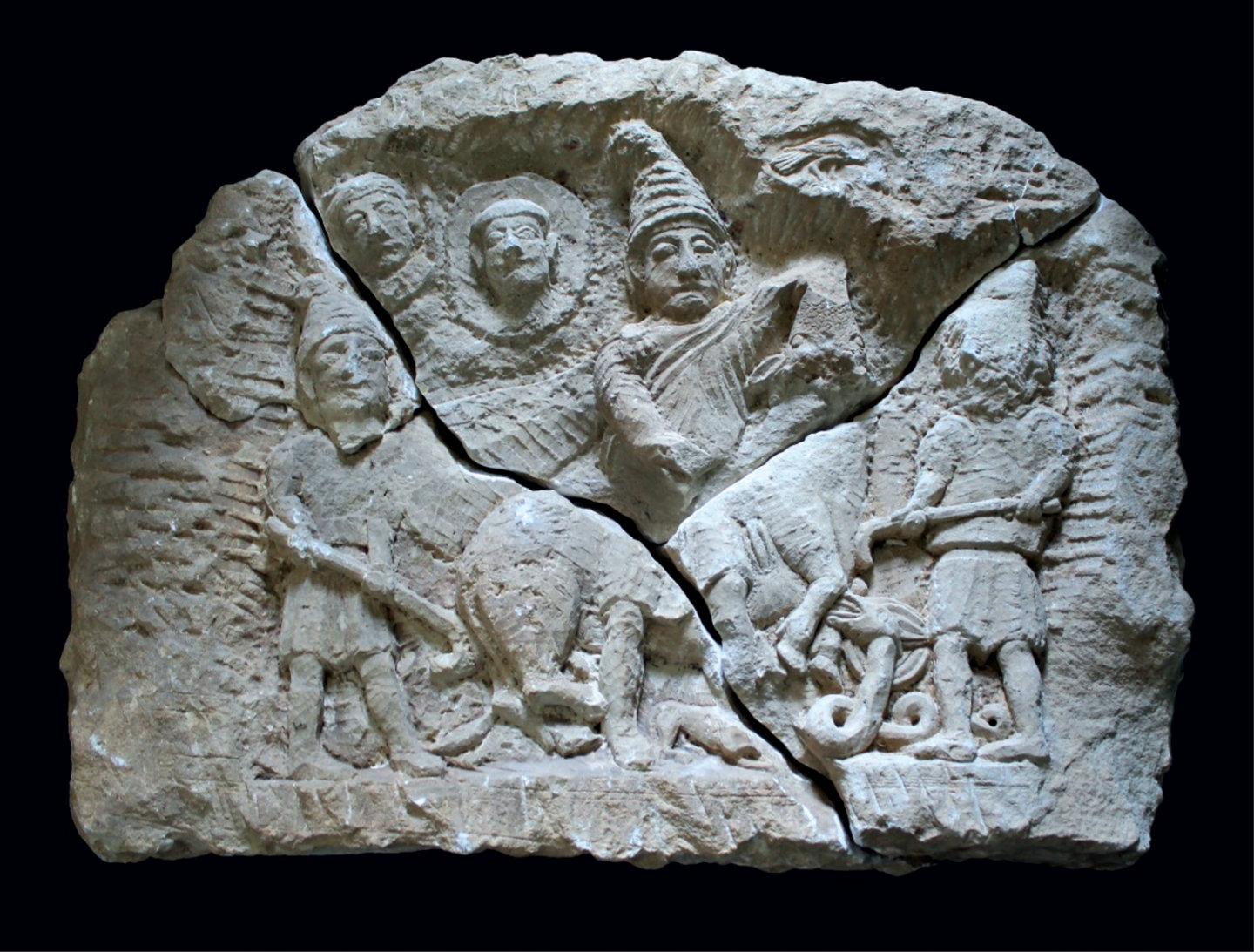
The relief of Mithras killing the bull, found near Zvornik in Bosnia and Herzegovina, features some variations on the usual scene.

Laurent Bricault has revolutionised Mithraic studies with the exhibition The Mystery of Mithras. Meet this professor in Toulouse for a fascinating look at the latest discoveries and what lies ahead.

Mithraeum I in Güglingen, Landkreis Heilbronn (Baden-Württemberg).
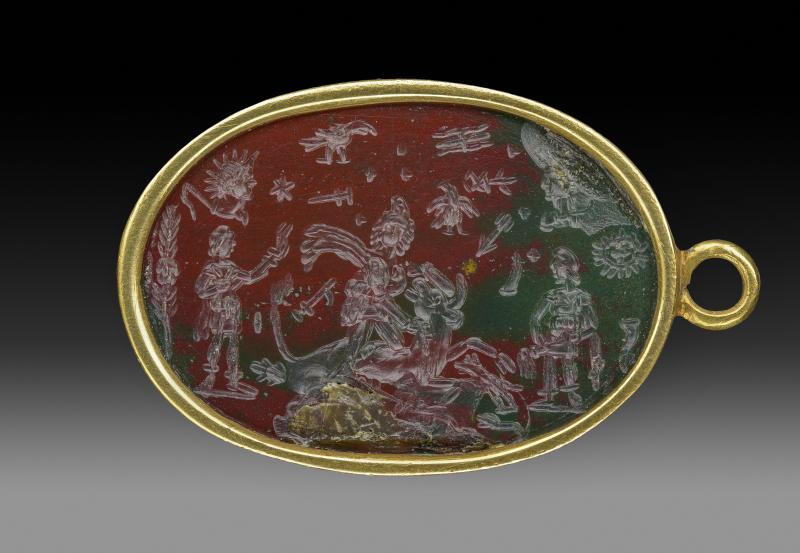
This intaglio portrays Mithra slaying the bull on one side, and a lion with a bee, around seven stars, and inscription, on the other.
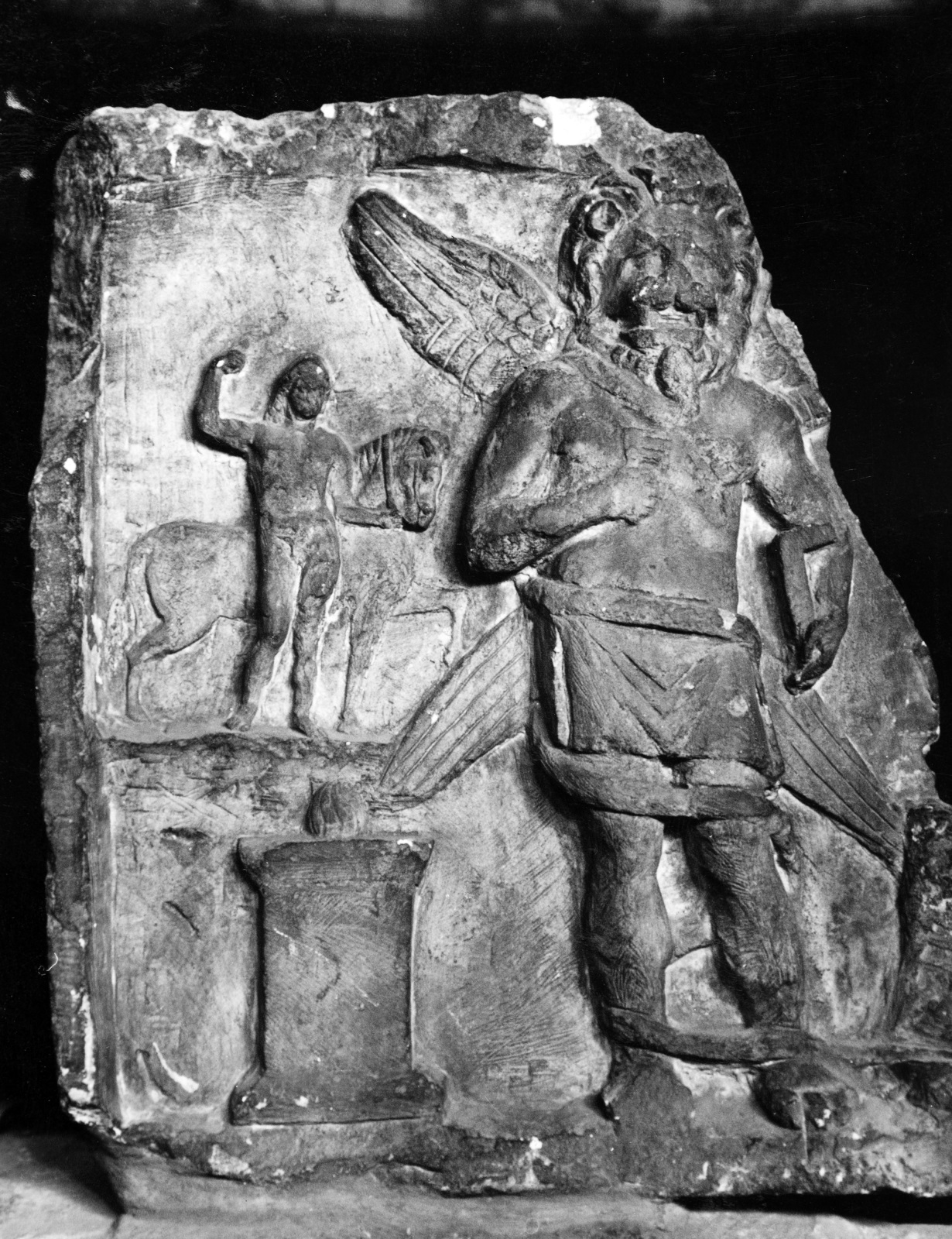
The relief of Aion from Vienne includes a naked youth in Phrygian cap holding the reins of a horse.
A statue and a relief of Cautes have been found in an ancient Gallo-Roman site in the commune of Dyo.
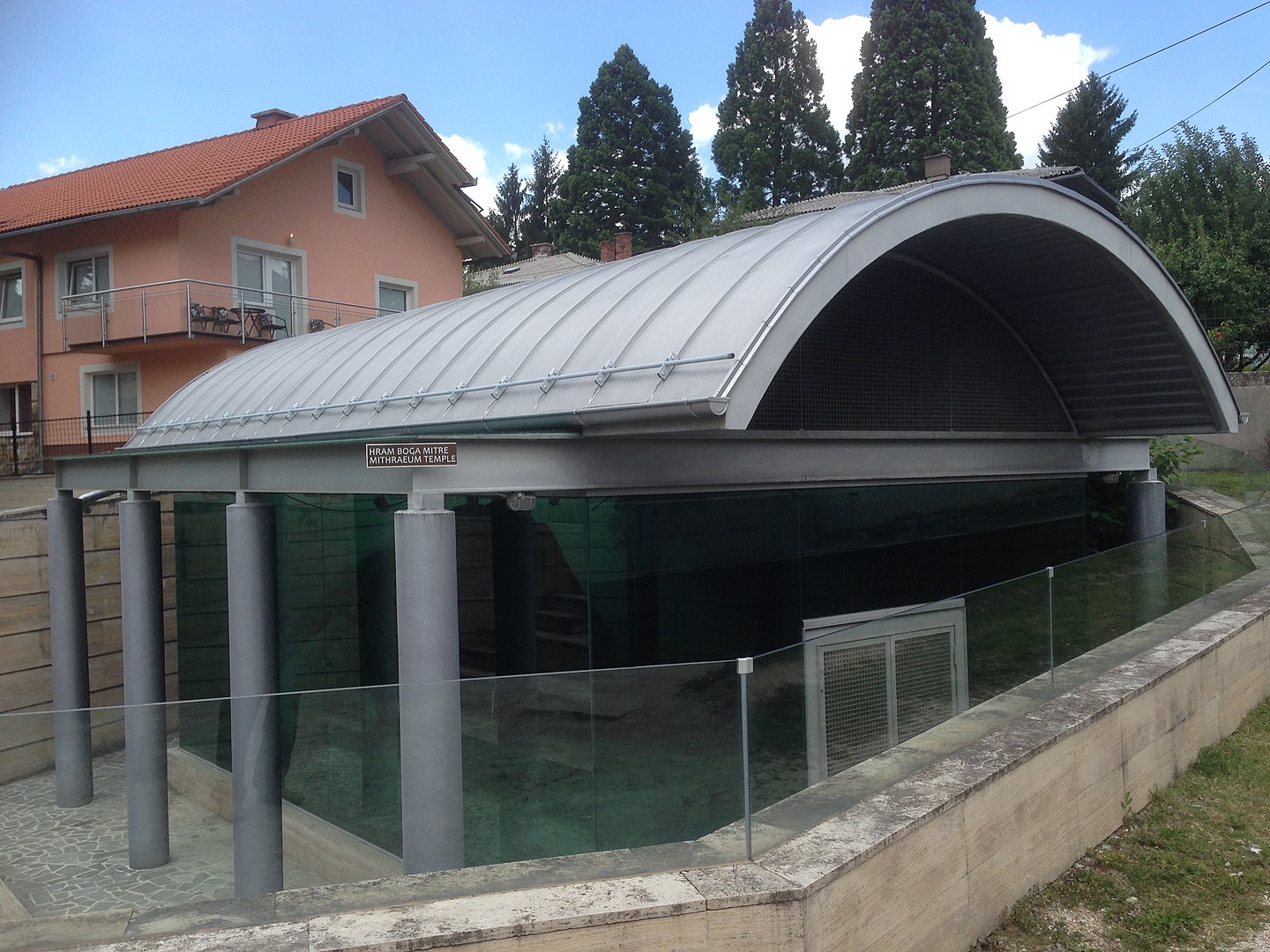
The remains of the Jajački Mithraeum were discovered accidentally during excavation for the construction of a private house in 1931.
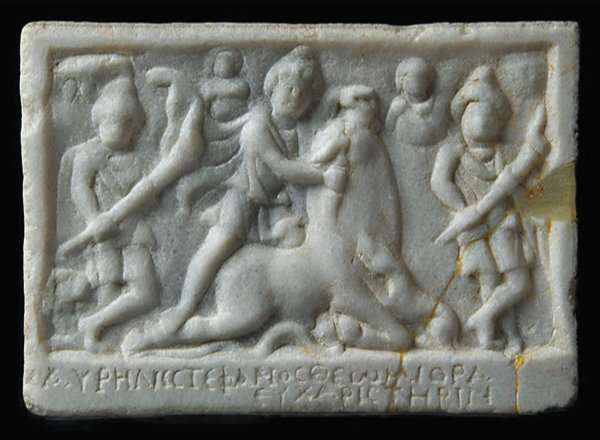
This relief of Mithras killing the bull is unique in the Apulum Mithraic repertoire because of its inscription in Greek.
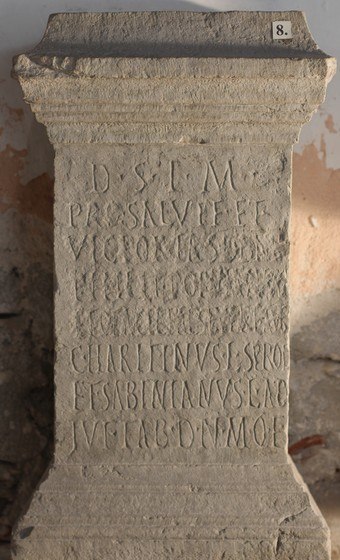
This stone altar found in Poreč was dedicated by two freedmen to the numen and majesty of the emperors Philip the Arab and Otacilia Severa.
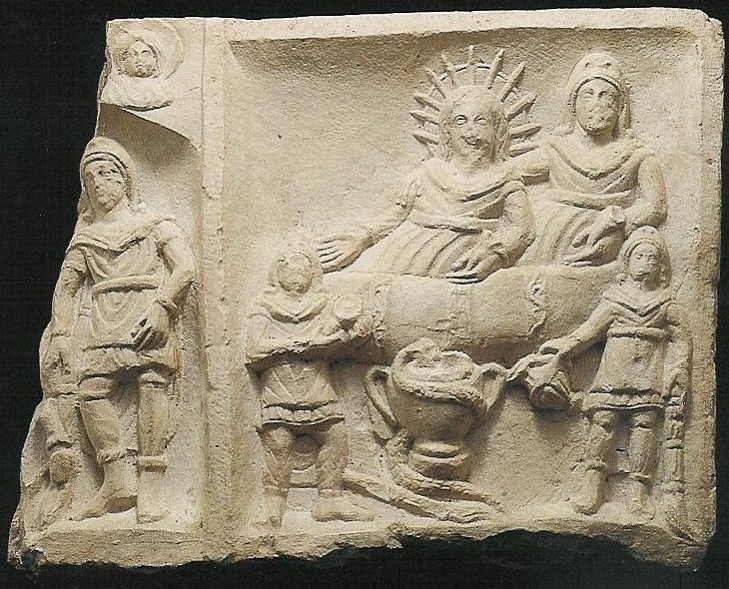
The remains of the mithraic triptic of Tróia, Lusitania, were part of a bigger composition.
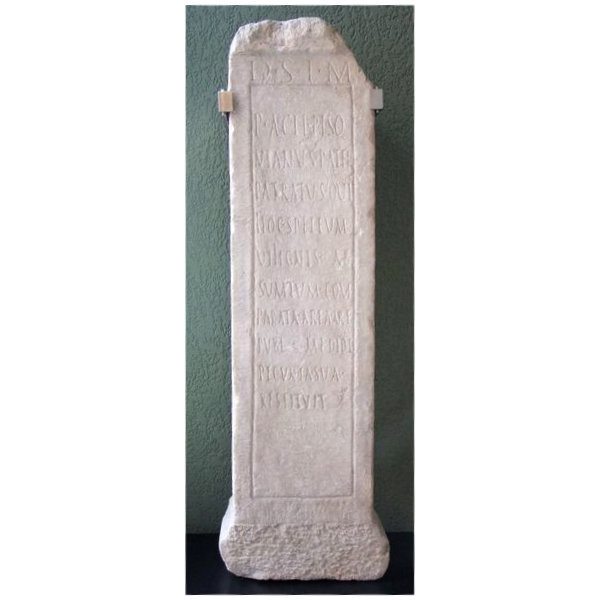
This high stele by a certain Acilius Pisonianus bears an inscription commemorating the restoration of a Mithraeum in Mediolanum, today's Milan.
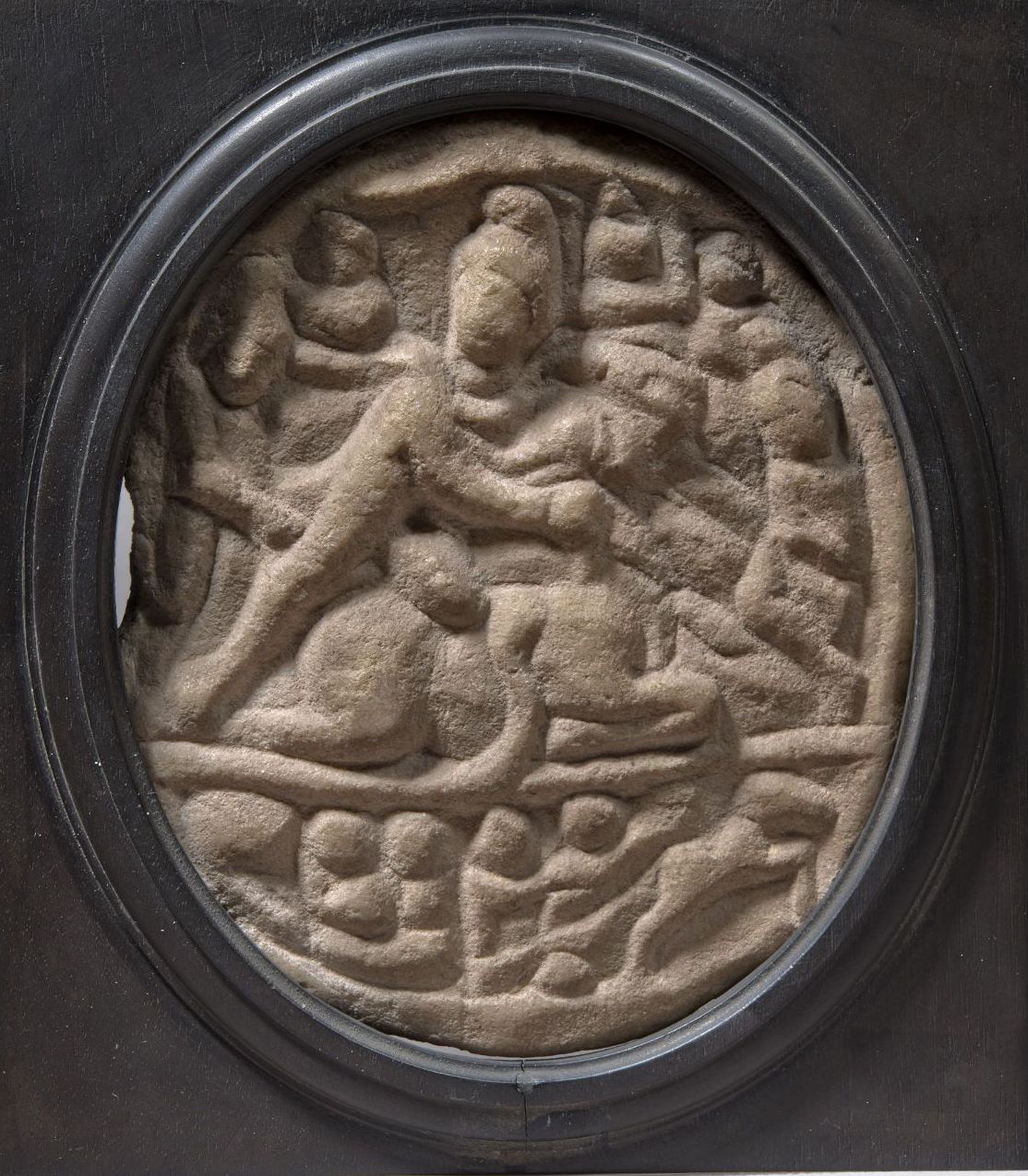
This medallion belongs to a specific category of rounded pieces found in other provinces of the Roman world.
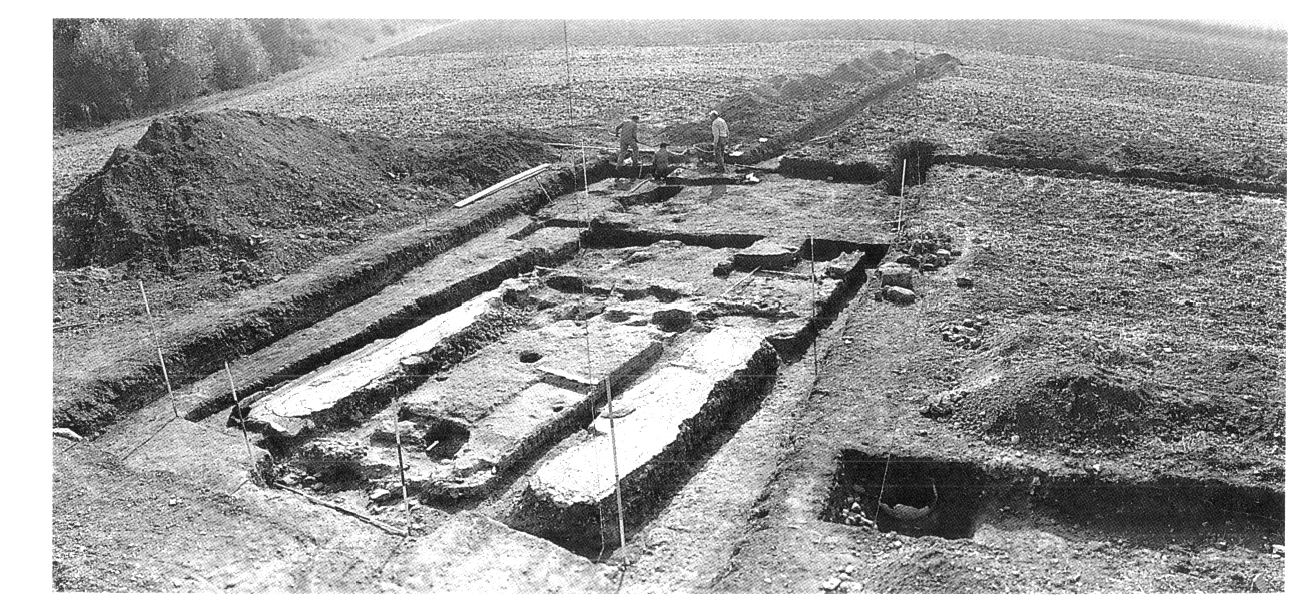
The Mithraeum of Biesheim-Kunheim is located near the ancient village of Altkirch, near the Rhin.
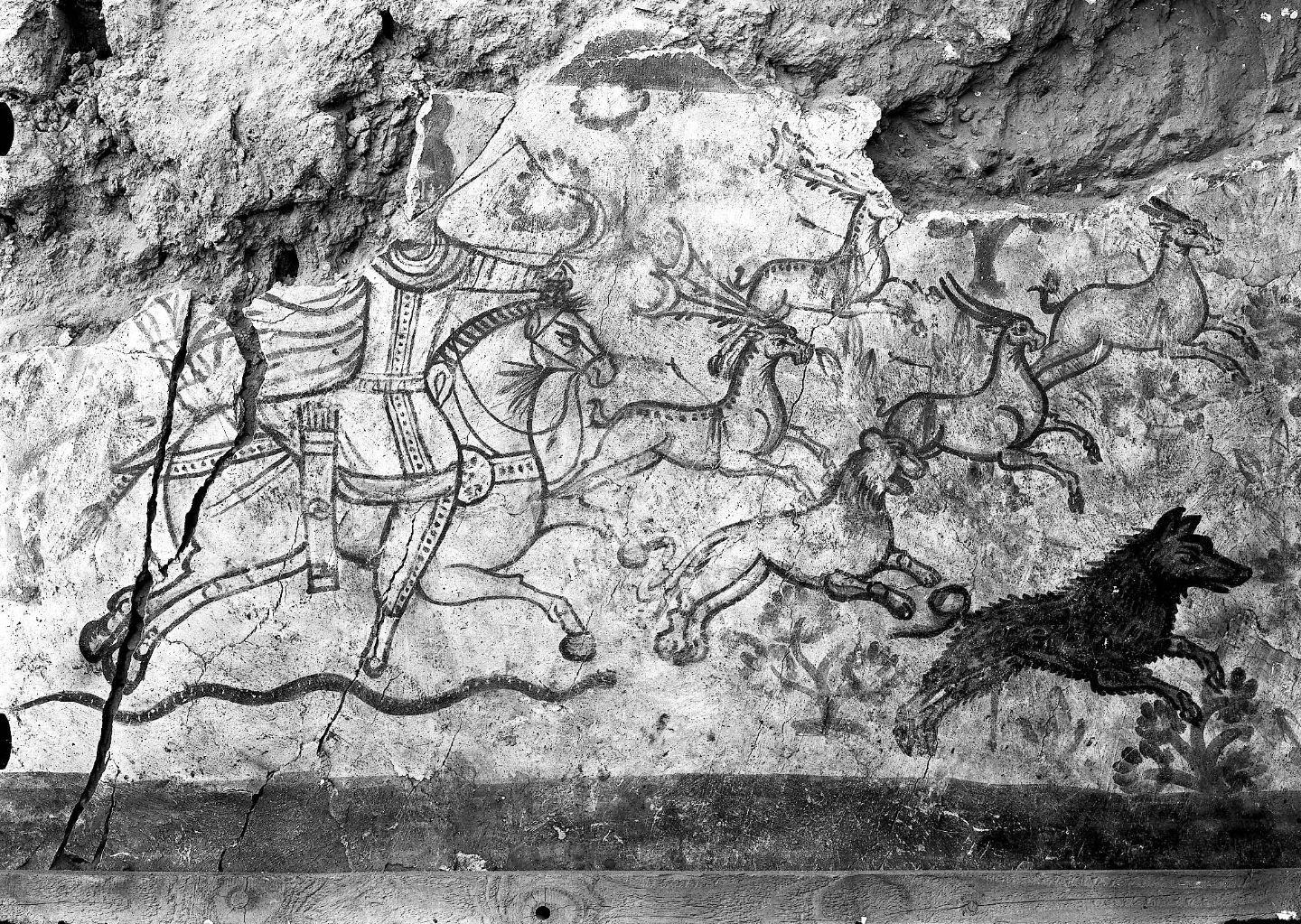
In this fresco from Dura Europos, Mithras is represented as a hunter accompanied by the lion and the serpent.

Excavations in 1979 on the remains of the church of Notre-Dame d'Avigonet in Mandelieu, Alpes-Maritimes, brought to light a small mithraeum.
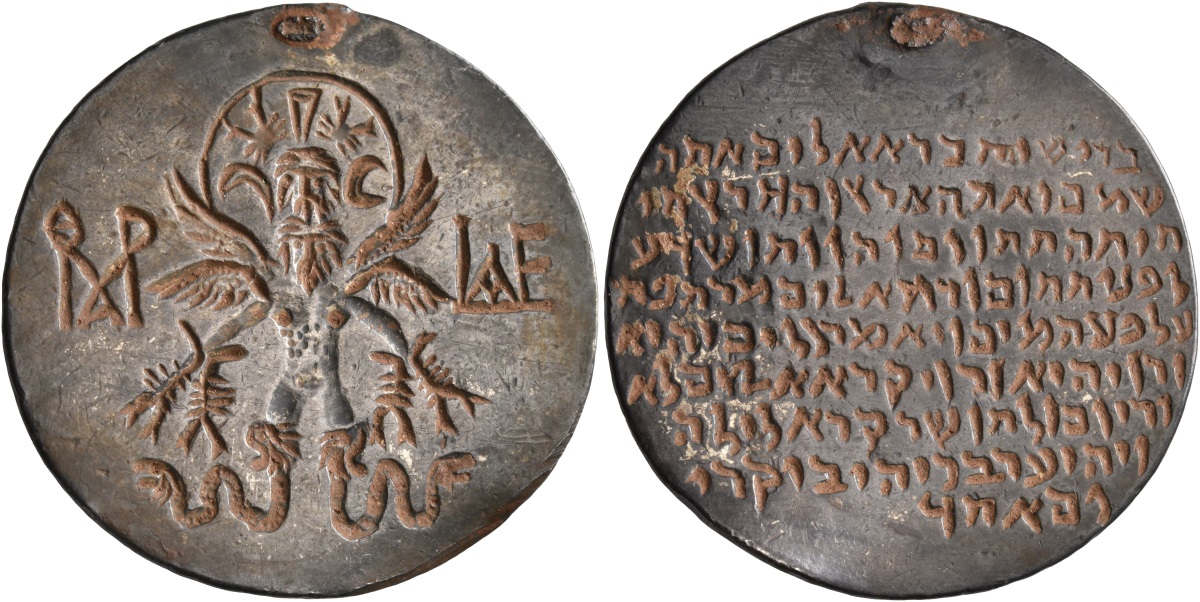
This silver amulet depicts Abraxas on one side and the first verses of the Book of Genesis in Hebrew on the other.

Wright’s extended essay on Phallic worship is distinguished by much better scholarship and writing than some of the other works of this genre.
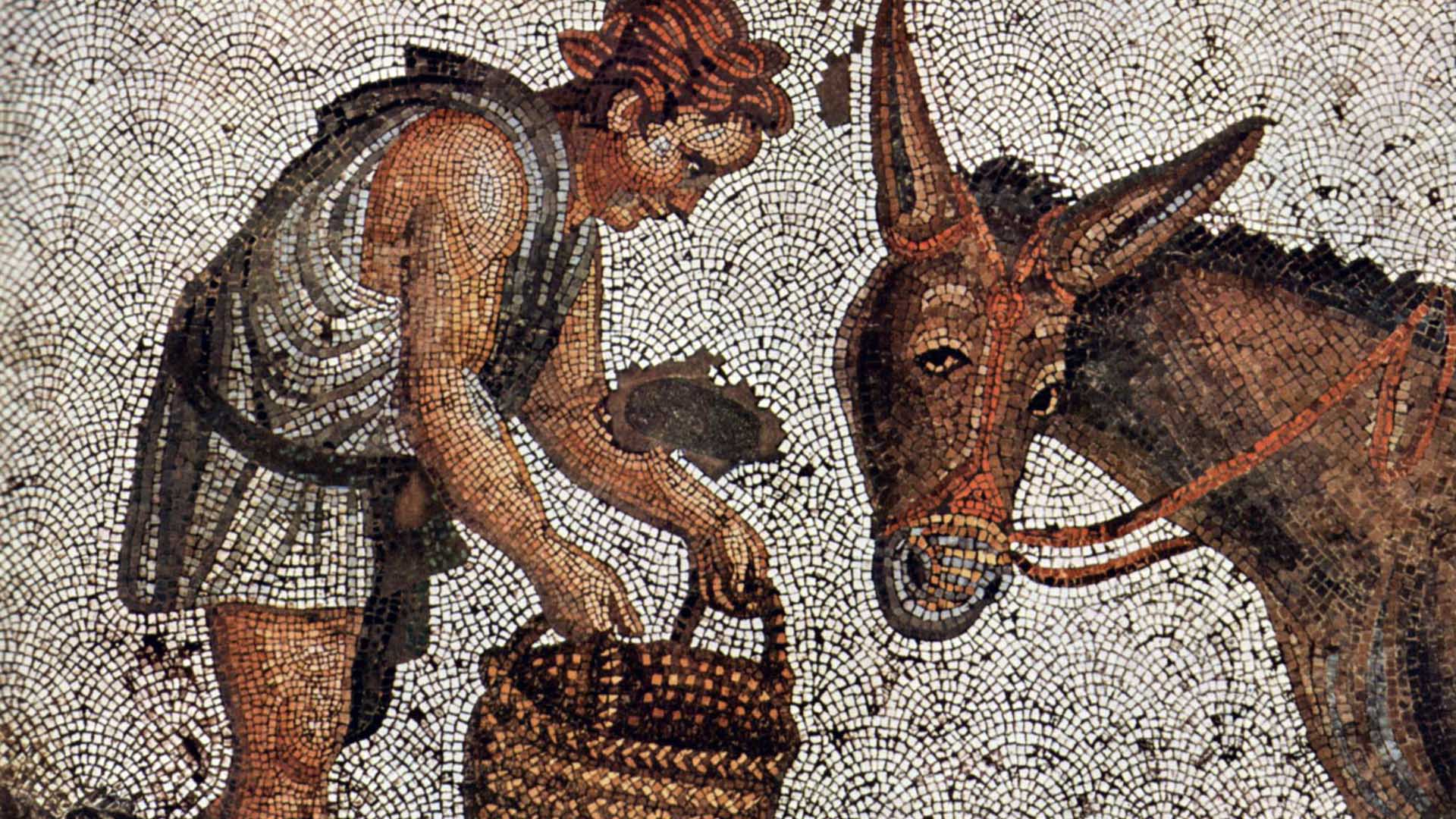
The concluding book of Apuleius’ Golden Ass (or Metamorphoses), where Lucius, the story’s protagonist, undergoes initiation into the mysteries of Isis and Osiris.
