Your search Val di Non gave 2351 results.
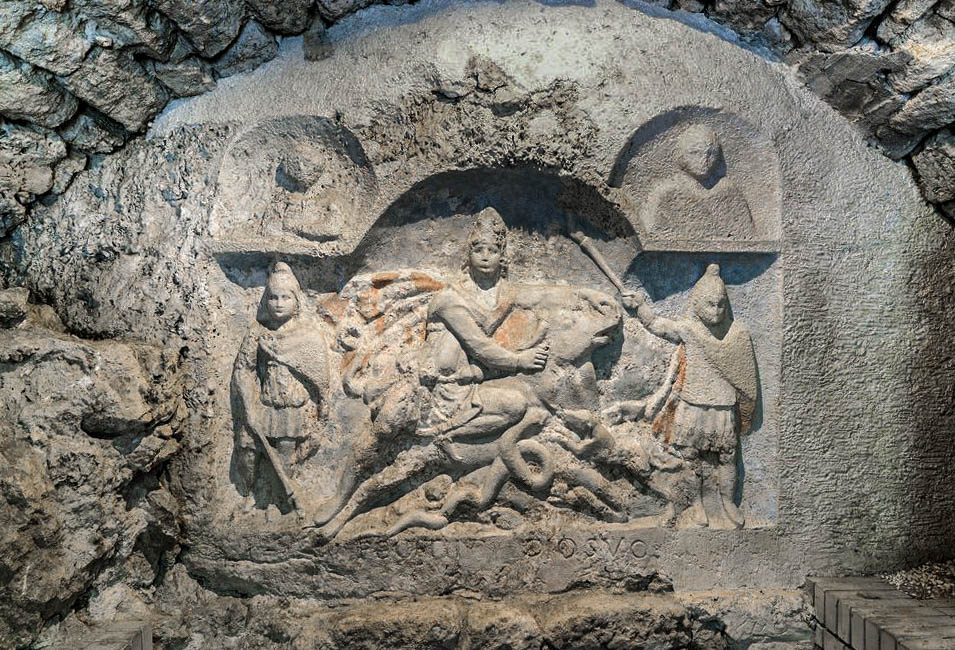
The main cultic relief of Mithras slaying the bull of Fertorakos was carved into the rock face.
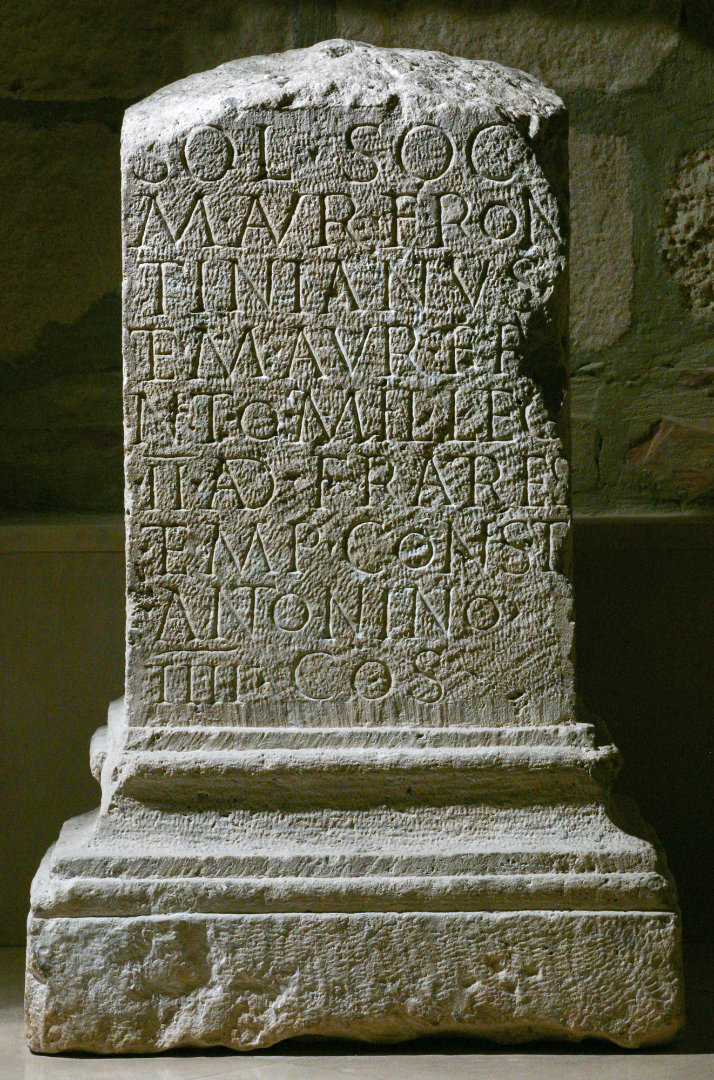
This fragmented altar was erected by two brothers from the Legio II Adiutrix who also built a temple.

This marble base found in Angera in 1868 bears the inscription of two people who reached the degree of Leo.

Mithraeum II was found at Ptuj at a distance of 20 m south of the Mithraeum I in 1901.
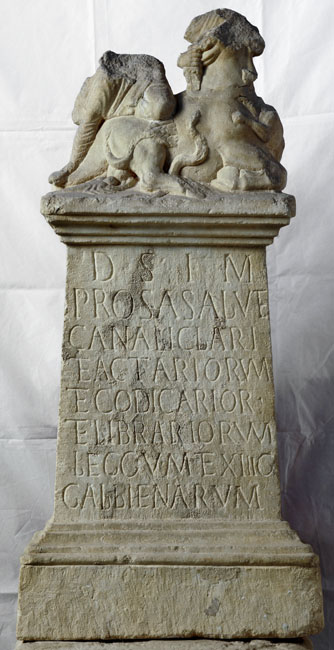
Remarkable fragmentary sculpture of Mithras slaying the bull on an inscribed altar found in Mithraeum III at Ptuj.
The inscription explains the transmission of the fourth Mithraic degree through the Paters of the Mitraeum of San Silvestro.
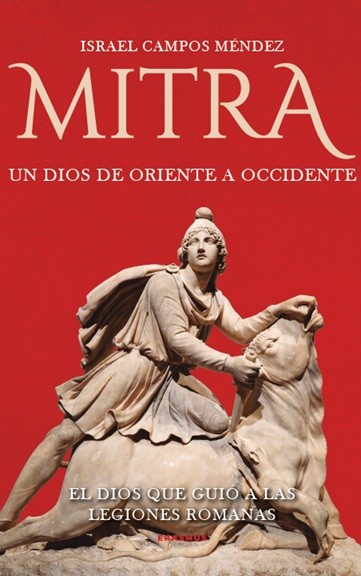
Un recorrido por los orígenes, la expansión y el legado de Mitra desde Persia hasta el corazón de Roma.


The first academic journal devoted exclusively to the study of the cult of Mithras.

Historical region of north-western Iran, forming a major political and cultural centre under the Parthian and Sasanian empires.
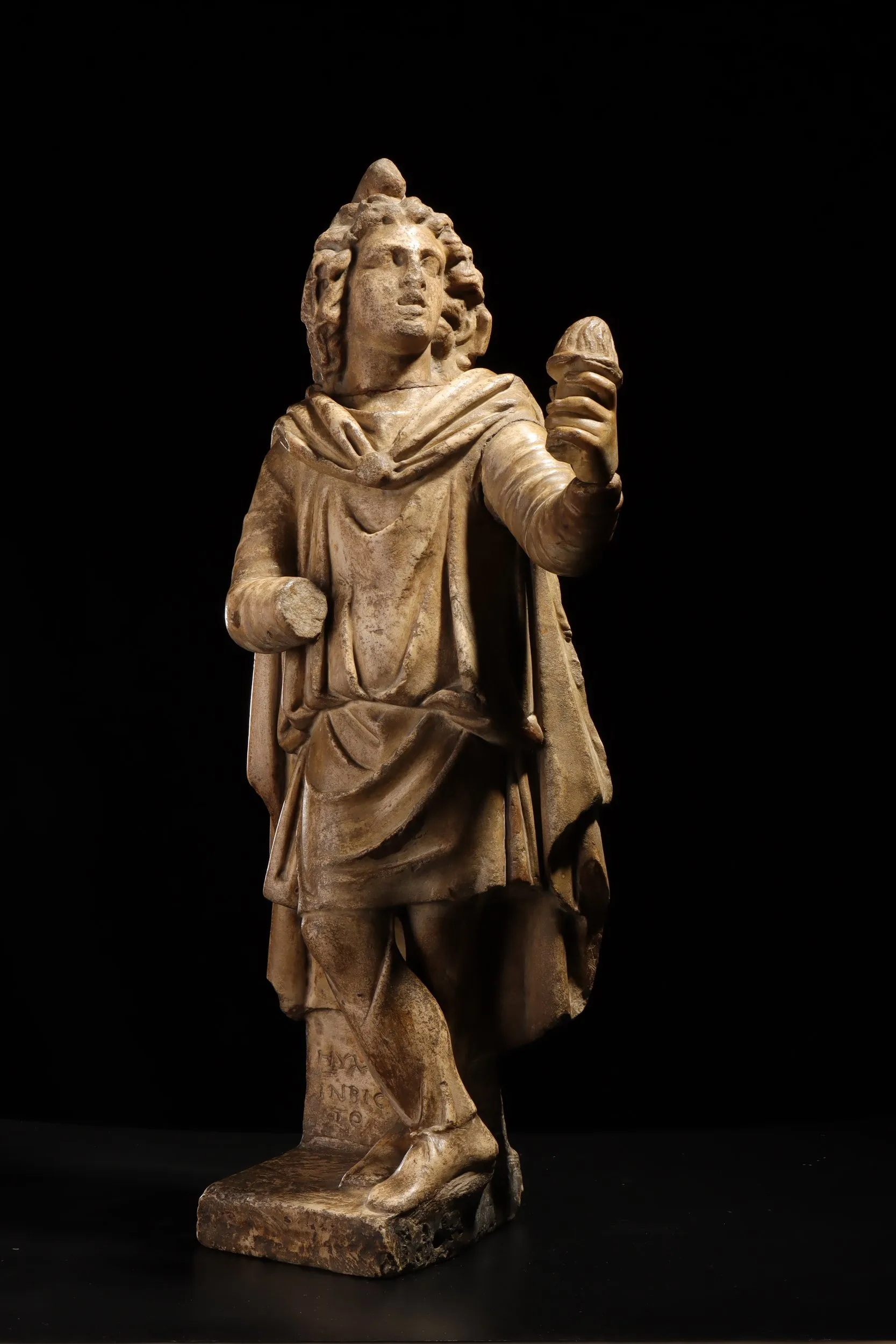
Marble statuette of the torchbearer Cautes bearing the votive inscription HYMNUS INBICTO, probably produced during the second or third century CE and preserved in an old European collection.

Senator, imperial legate and commander from Poetovio, whose dedications to Mithras link the Danubian and African diffusion of the cult.

Ostian sacerdos remembered through his participation in the dedication of the monumental leontocephalic image erected under Commodus in 190 CE.
The pater Artemidorus seems to be an Augustan freedman of the Claudians, of Eastern origin.
Procurator of Tarraconensis, he dedicated a monument to the Invincible God, Isis and Serapis in Asturica Augusta.

A Mithraic worshipper whose dedication to Cautes preserves a distinctive epigraphic tradition associated with the coastal communities of north-eastern Hispania.

Mithraic devotee known from Dacia and tentatively associated with inscriptions from Rome and Poetovio.

Mithraic priest and dedicator of the leontocephalic deity from the Fagan Mithraeum at Ostia.