Your search Val di Non gave 2351 results.
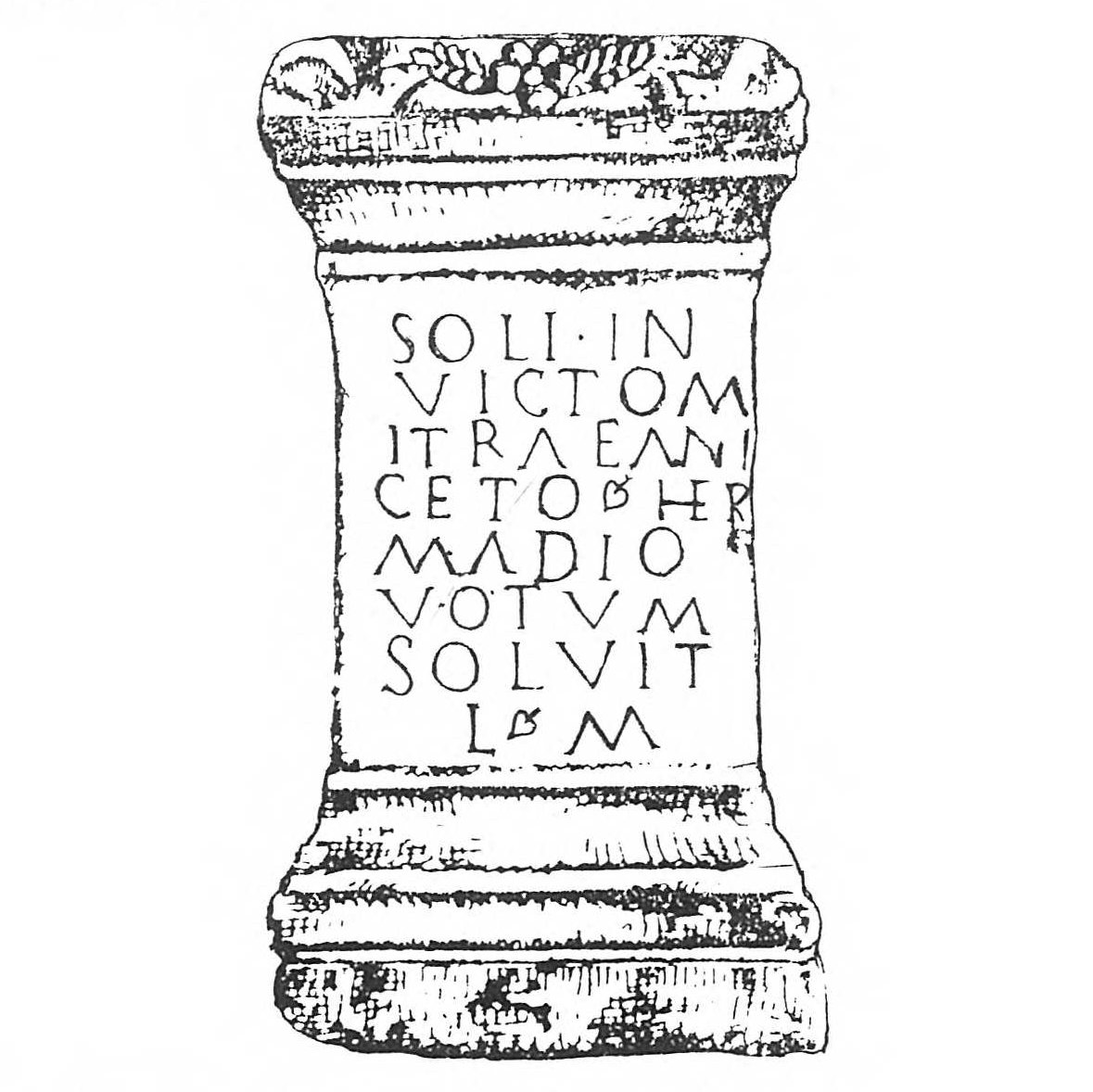
This altar was erected by Hermadio, who also signed other monuments in Dacia and even in Rome.
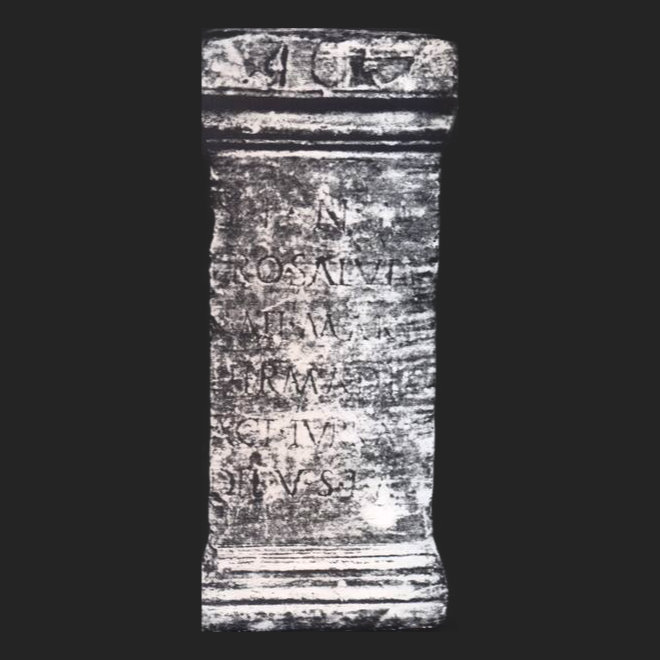
This altar was erected by Hermadio, who also signed other monuments in Dacia and even in Rome.
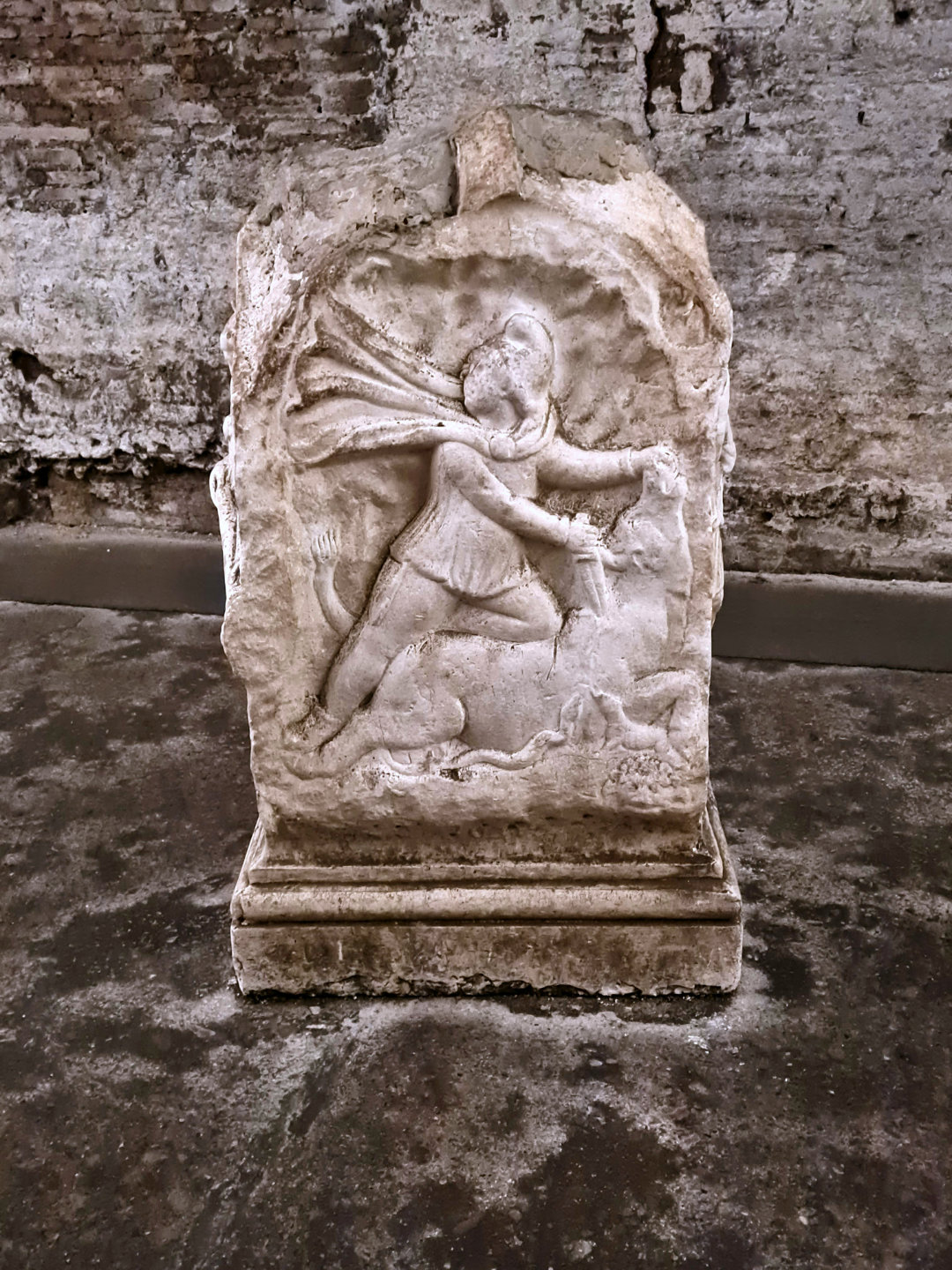
The altar of the Mithraeum of San Clemente bears the Tauroctony on the front, Cautes and Cautopates on the right and left sides and a serpent on the back.
The Rites of Hekate is a personal yet deeply rooted academic account of the current understanding of this ambivalent goddess, presented as an arcane and liminal archetype.
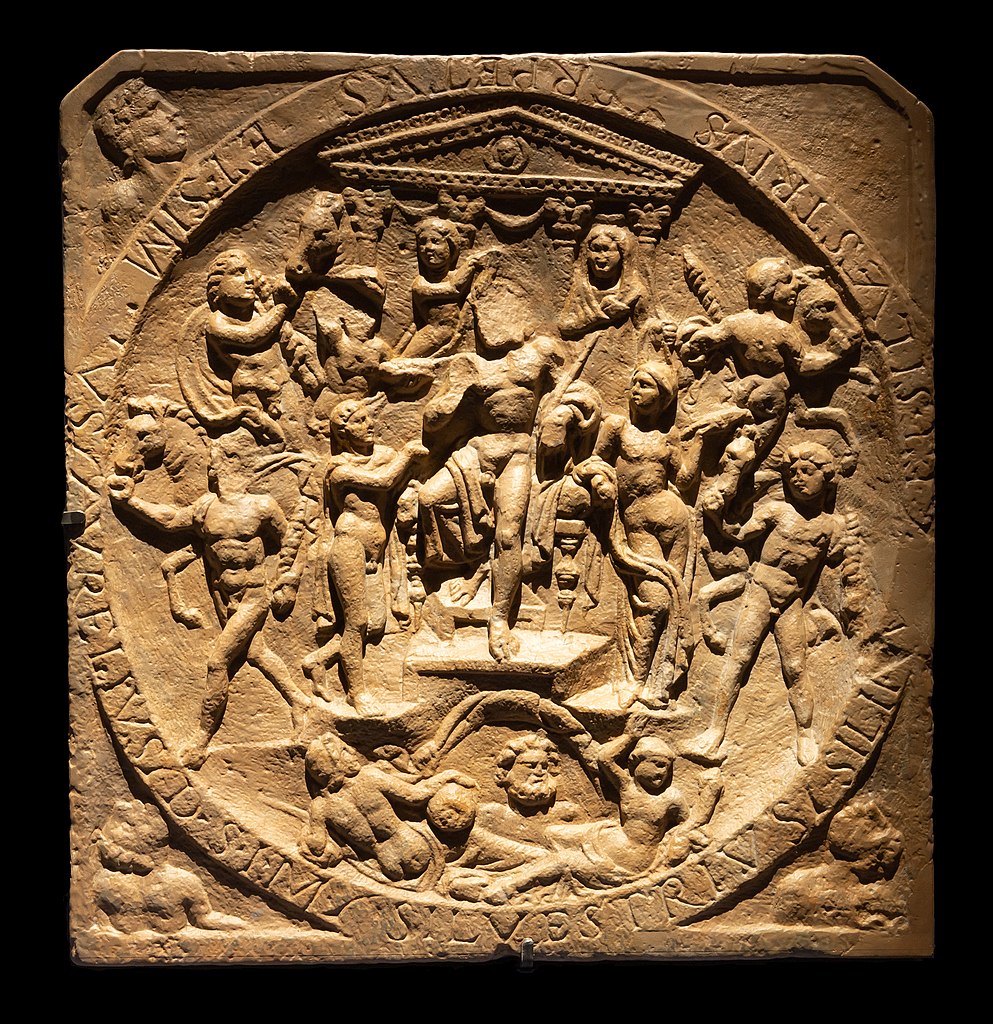
The relief of Dieburg shows Mithras riding a horse as main figure, surrounded by several scenes of the myth.
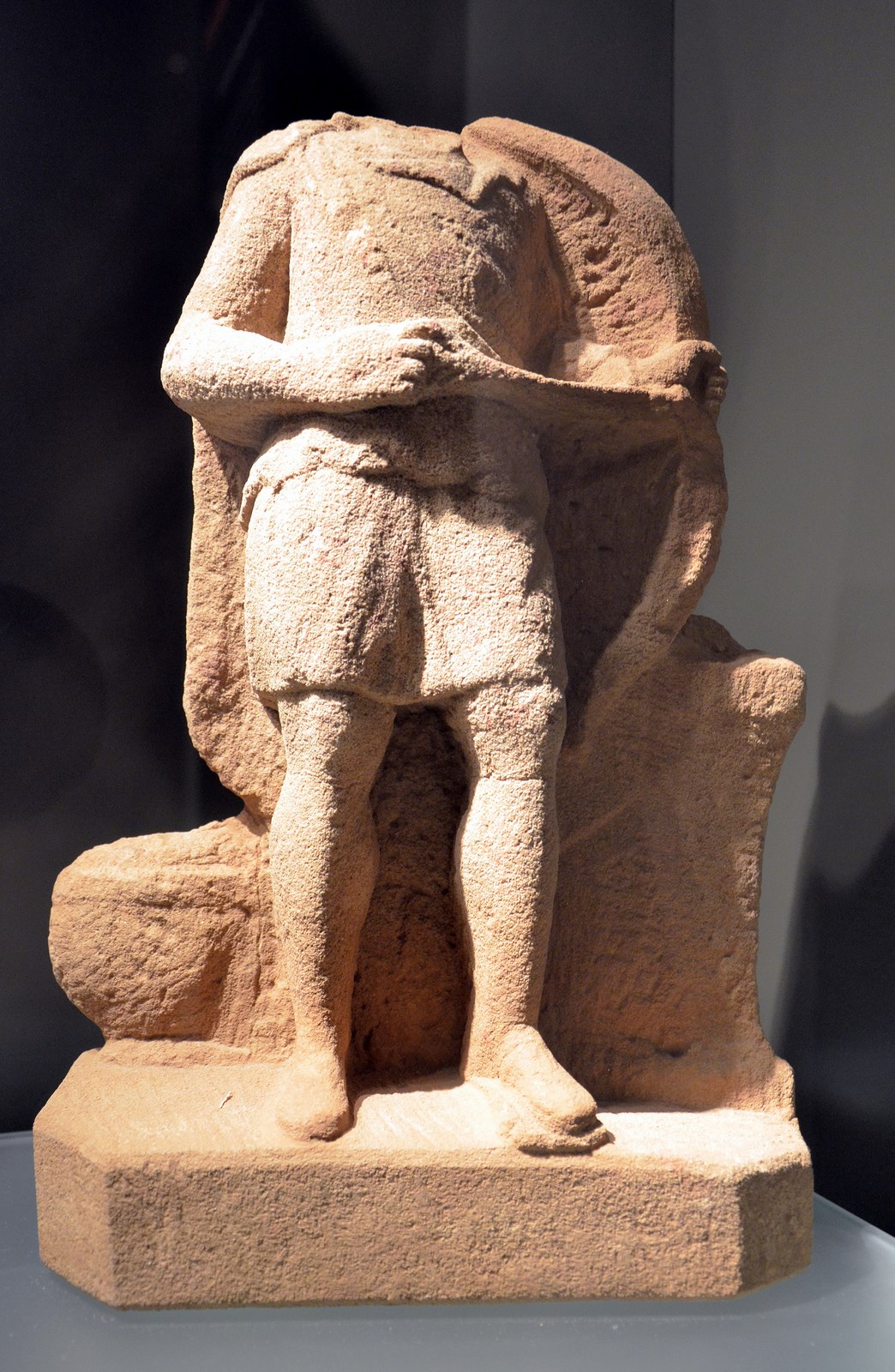
Statue in yellow sandstone found in the pit of the Mithraeum of Dieburg, showing Mithras standing beside an altar with bow and arrow, accompanied by a vase and associated with the water miracle.

The Mithraeum of Visentium, near Capodimonte in Viterbo, was carved grotto-style into a tuff cliff overlooking the waters of Lake Bolsena, just a few dozen metres away.

This remarkable marble statue of Mithras killing the bull from Apulum includes a unique dedication by its donor, featuring the rare term signum, seldom found in Mithraic contexts.
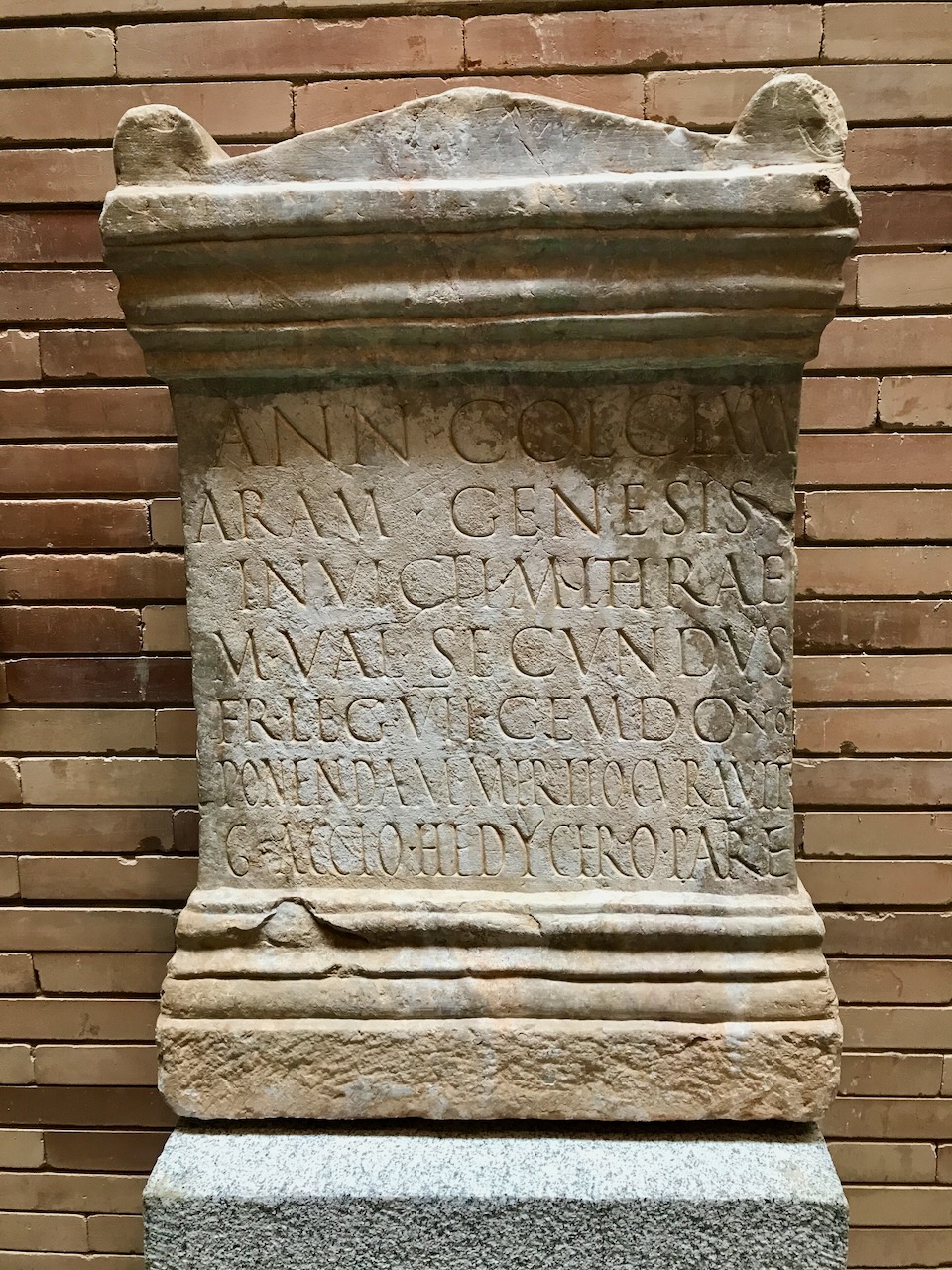
This altar is dedicated to the birth of Mithras by a frumentarius of the Legio VII Geminae.

This cylindrical marble altar was dedicated by the same Pater Proficentius as the slab, both monuments found in the Mithraeum beneath the Basilica of San Lorenzo.
This inscription found in the Mithraeum Aldobrandini informs us of certain restorations carried out in the temple during a second phase of development.
One of the three known inscriptions of Dioscorus, servant of Marci, found in Alba Iulia, Romania.
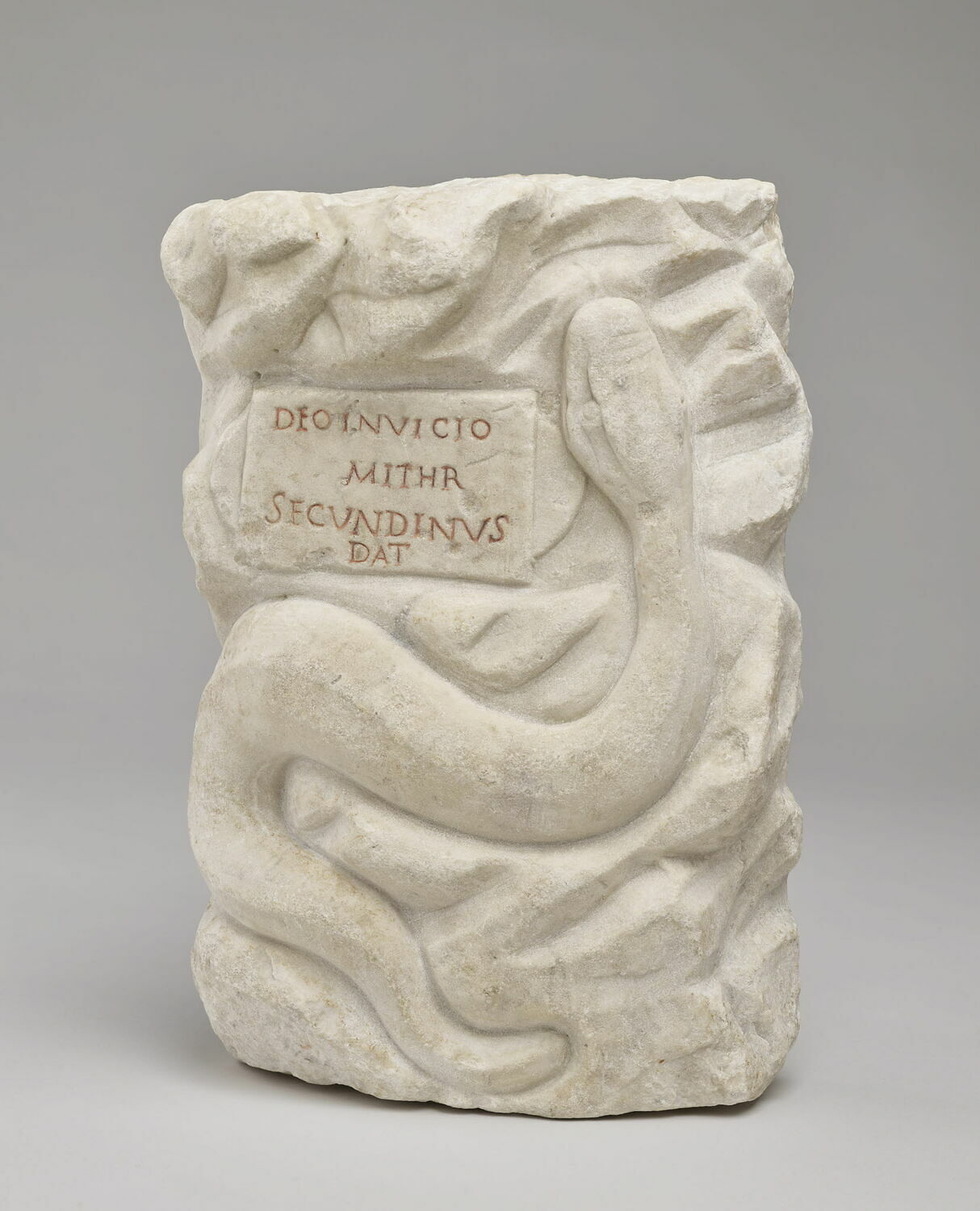
There is no consensus on the authenticity of this monument erected by a certain Secundinus in Lugdunum, Gallia.
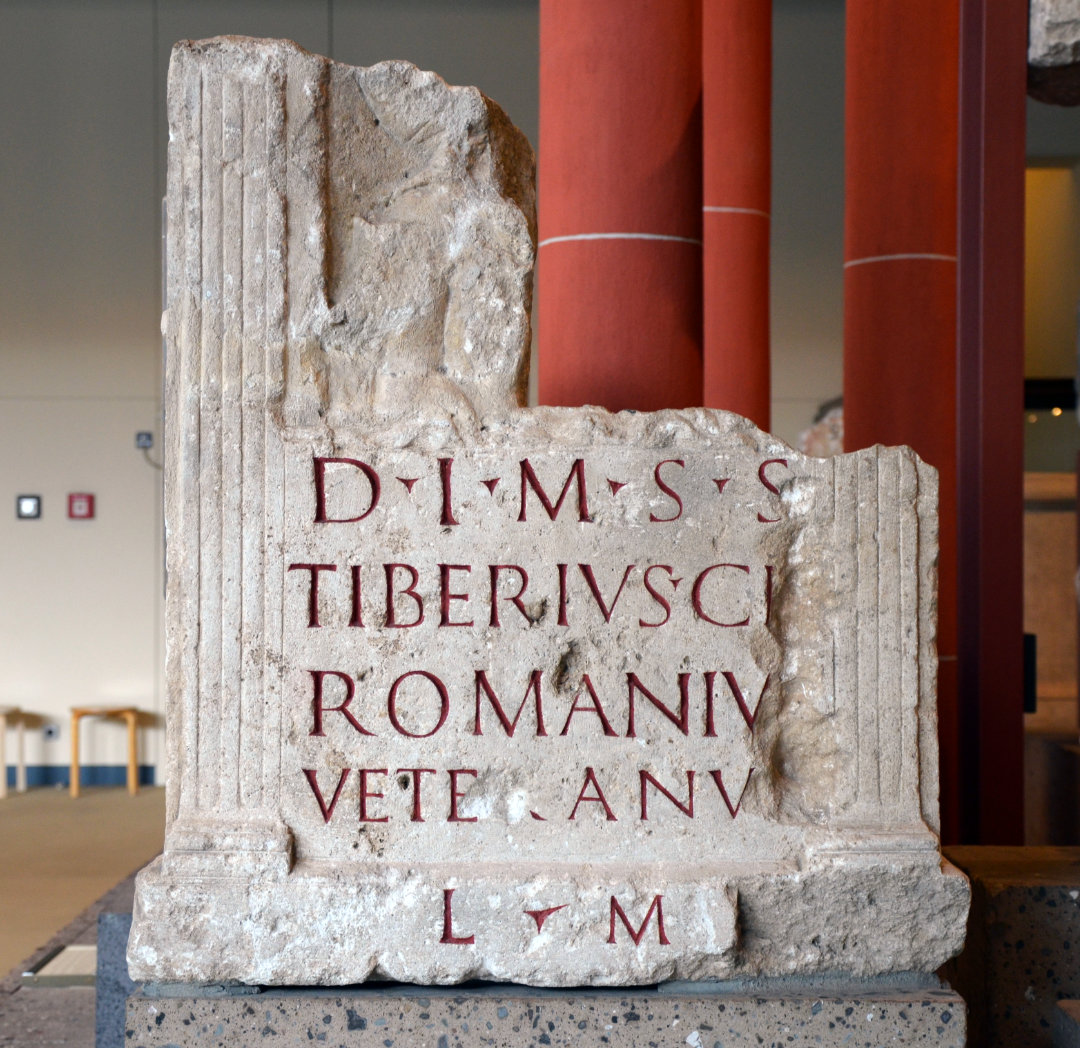
Votive inscription dedicated to Mithras by the veteran soldier Tiberius Claudius Romanius, from the Mithraeum II Köln, 3rd century.
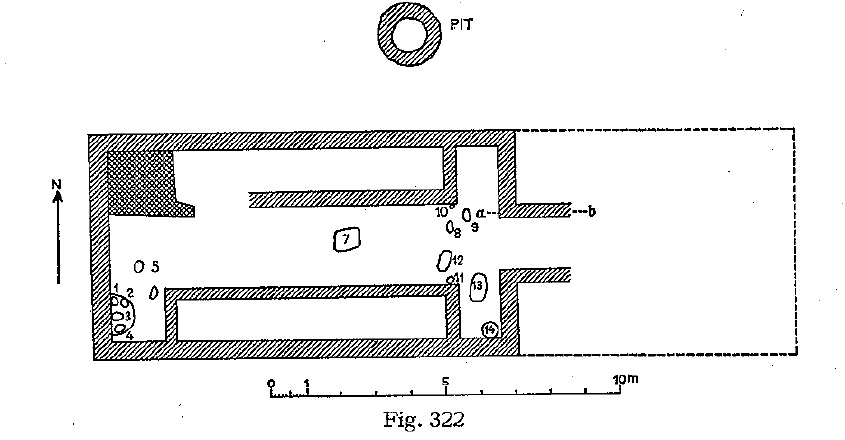
There are references to two places of worship from Dieburg, whereby the Mithraeum, discovered in 1926.
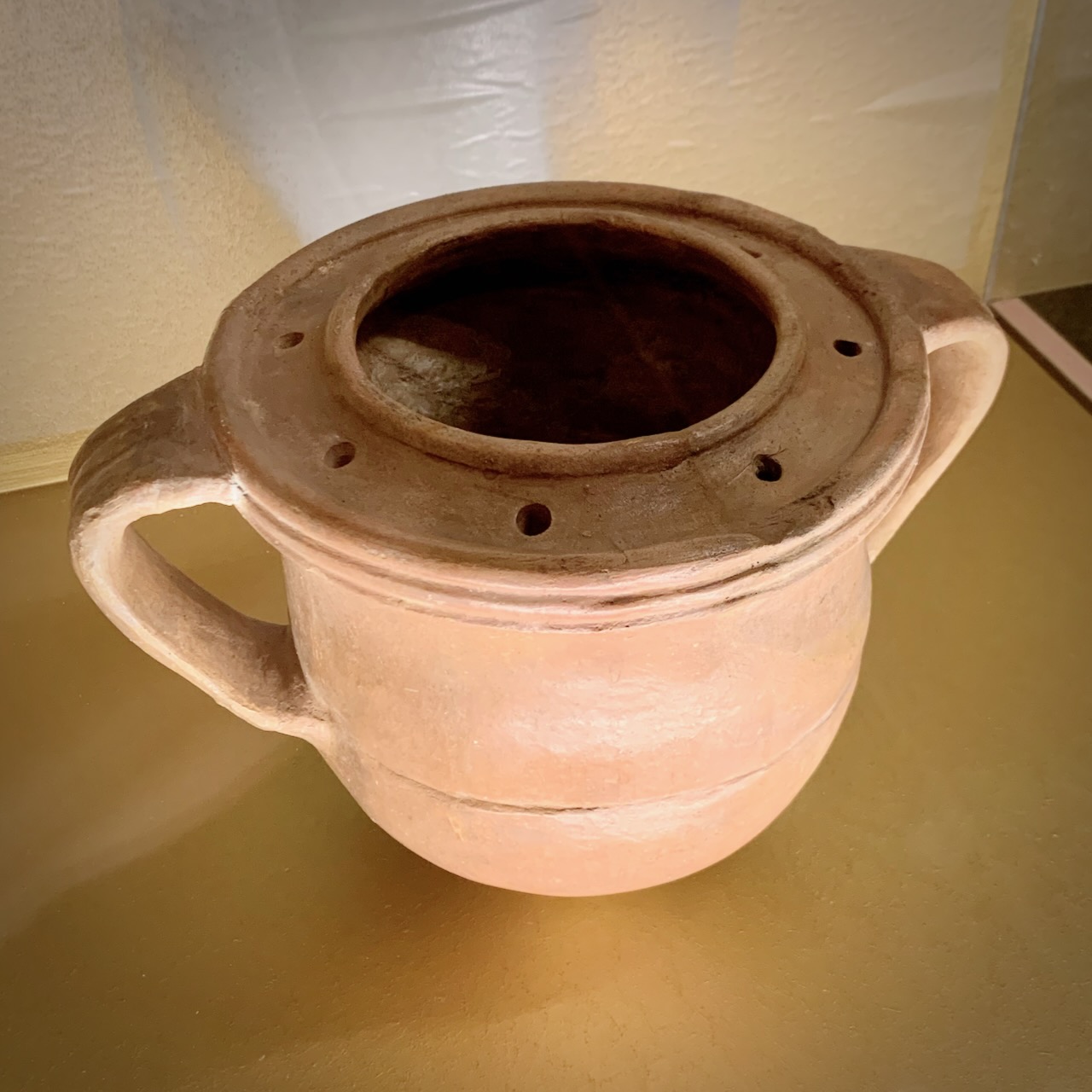
The vessel to burn incense from the Mithraeum of Dieburg is similar to those found in other Roman cities of Germany.
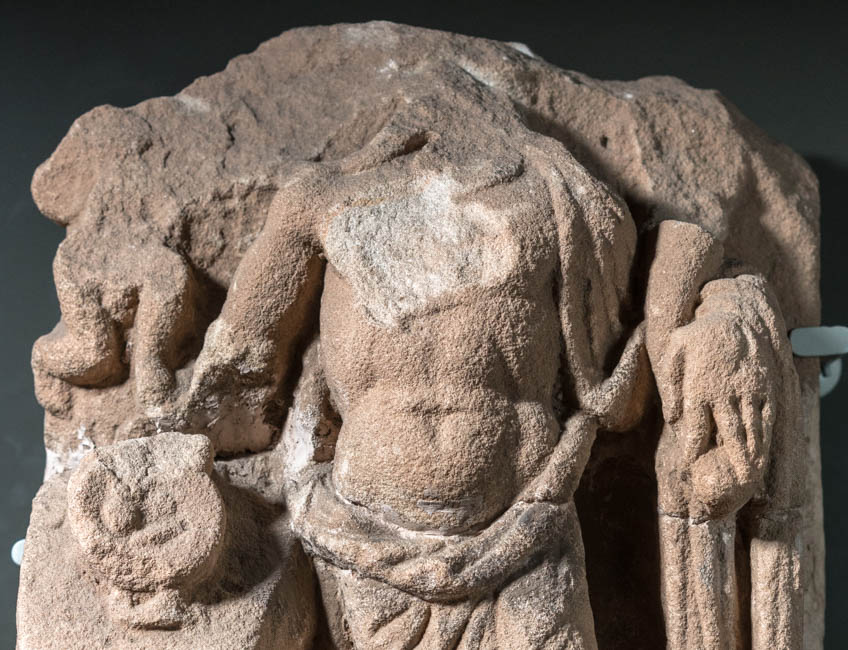
A standing half naked man makes offerings to an altar while holding a cornucopia in his other hand.
A certain Secundinus, steward of the emperor, dedicated this altar to Mithras in Noricum, today Austria.
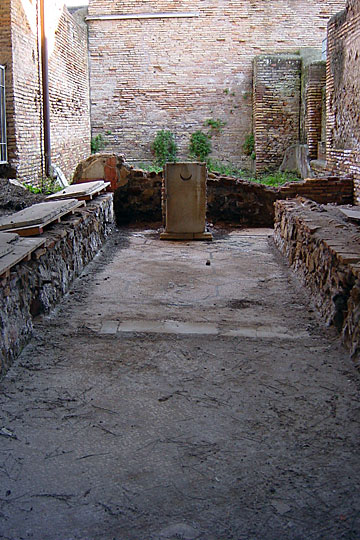
The Mithraeum of Lucretius Menander was installed in the early 3rd century in an alley to the east of a Hadrianic building named after the solar god temple.
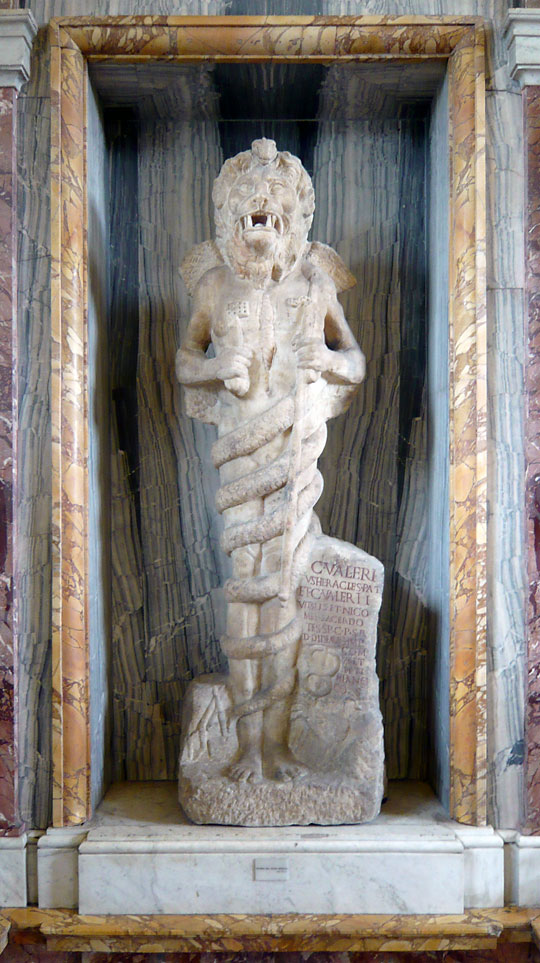
Marble leontocephalic Aion/Arimanus from the now-lost Fagan Mithraeum at Ostia, dedicated in AD 190 by three members of the local Mithraic priesthood.
